
All Stories
Preview some of our educational stories across history, philosophy, science, and more — the full library lives in the Chunks app.
 The Ship of Theseus ParadoxThe ancient paradox of the Ship of Theseus, first recorded by Plutarch, questions if an object remains the same after all its parts are replaced.
 The Marshmallow TestWalter Mischel's famous test found kids who waited for a second marshmallow had higher SAT scores, but what did it really prove?
 The Legend of Saint PatrickThe story of St. Patrick, who was kidnapped by pirates and sold into slavery in Ireland before returning as its patron saint.
 Simonides and the Memory PalaceA poet stepped out of a banquet at Crannon, the stone roof fell on everyone inside, and the memory palace was born.
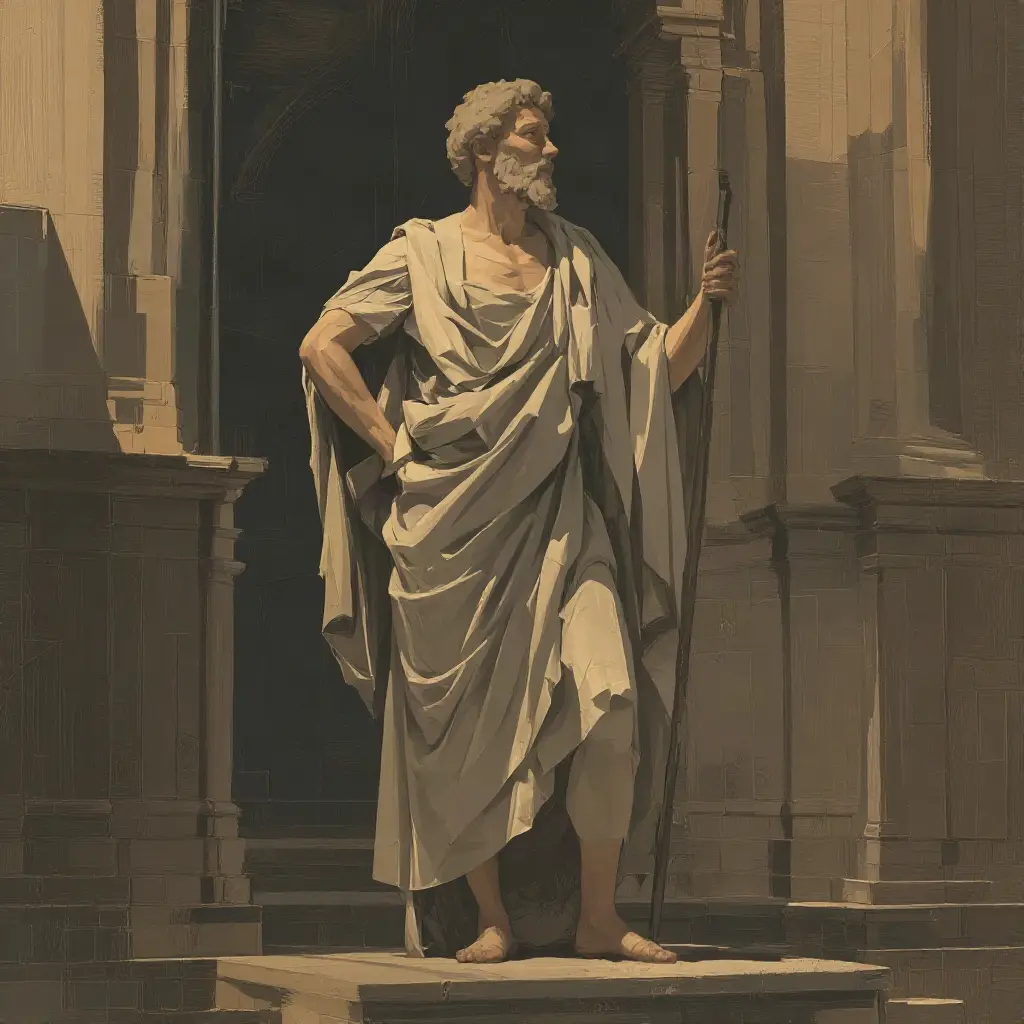 ArchimedesDiscover how Archimedes moved ships with pulleys, calculated pi with 96-sided shapes, and defended Syracuse.
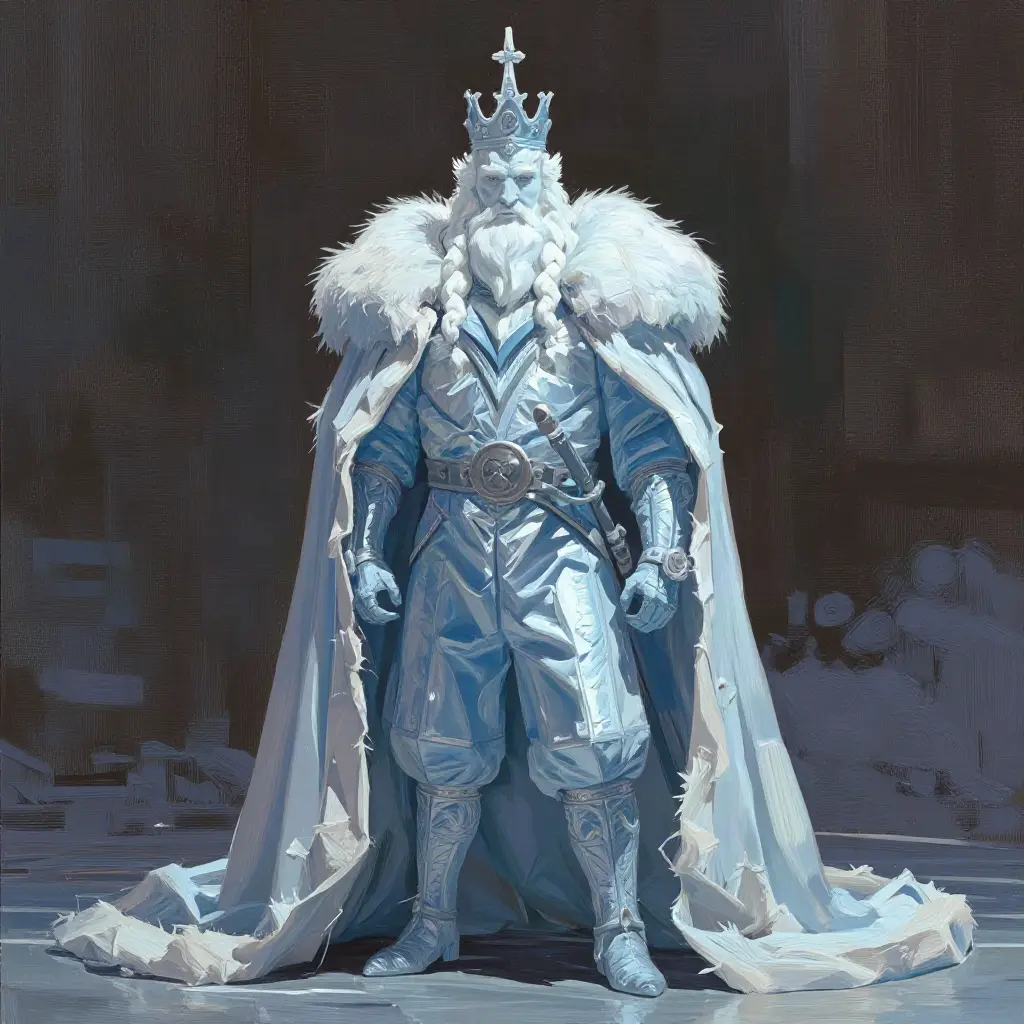 The Ice KingIn 1806, Boston's Frederic Tudor shipped 130 tons of frozen pond water to the tropics, launching a global trade that vanished with refrigeration.
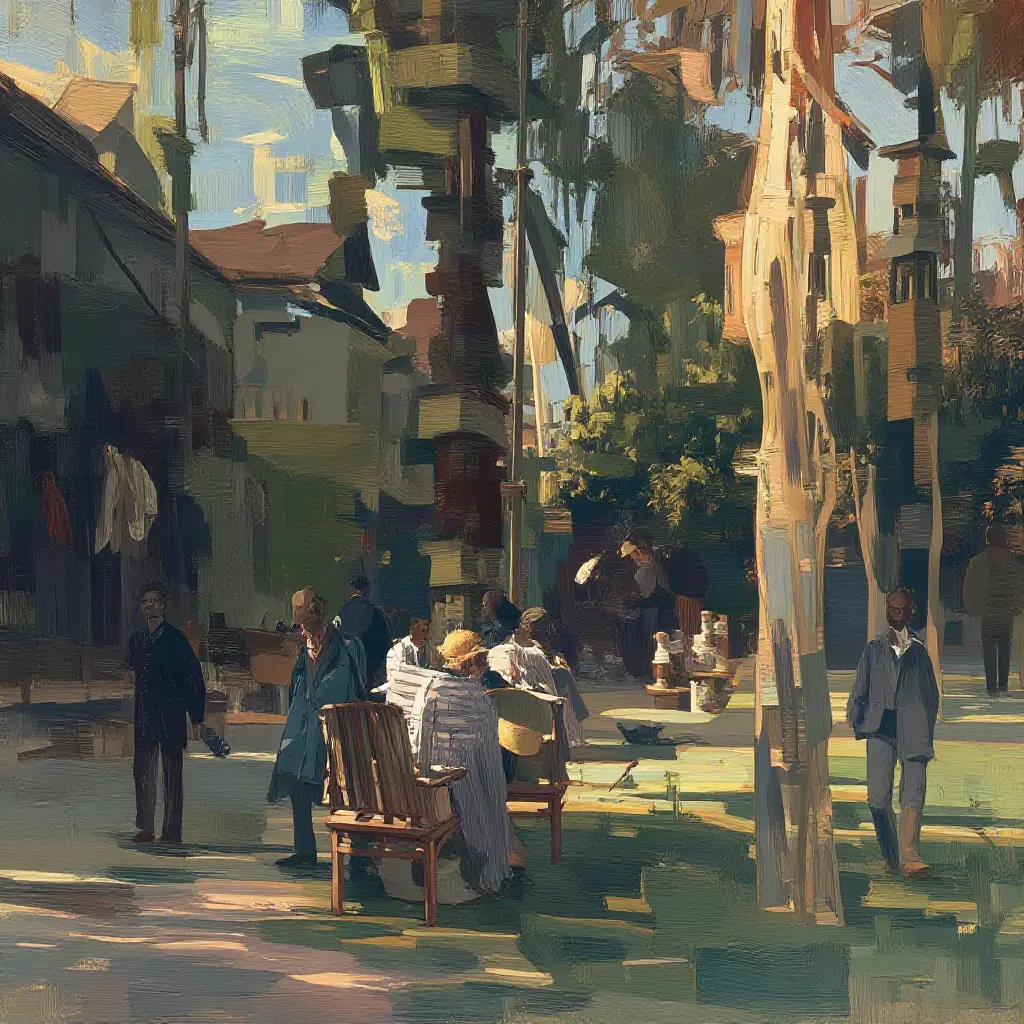 The Origin of the Bank HolidayHow one Victorian banker's 1871 Act gave an overworked nation a break by inventing the bank holiday.
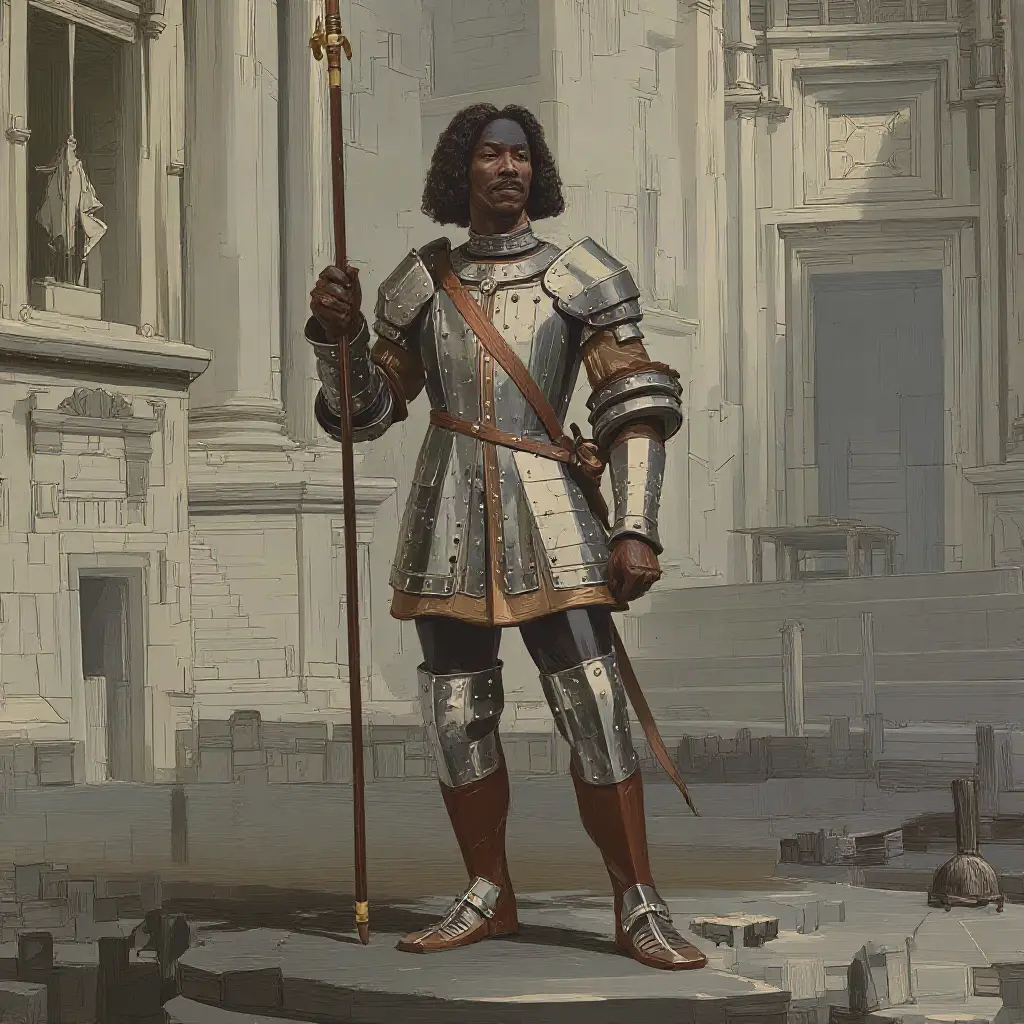 The Black PrinceThe eldest son of King Edward III, Edward of Woodstock was a famed commander at Crécy and Poitiers who died before he could inherit the throne.
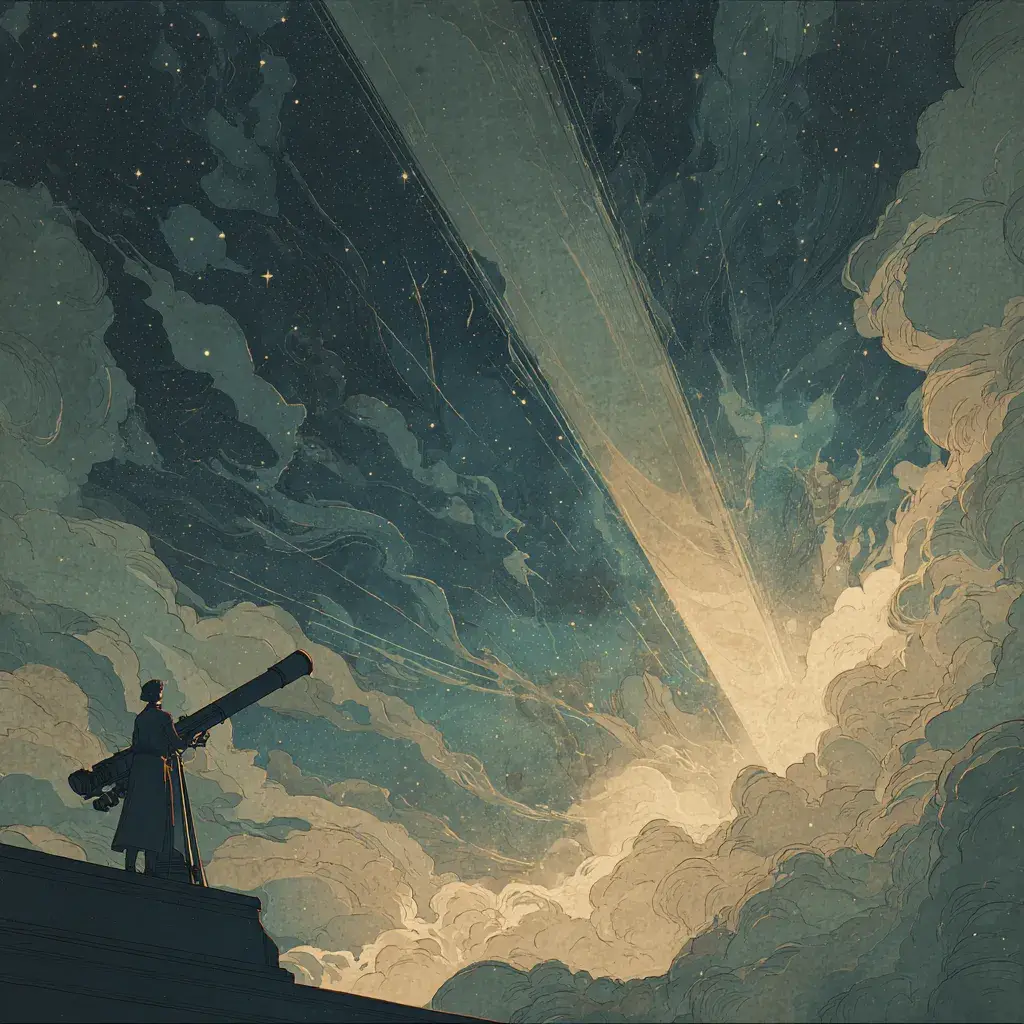 Henrietta Leavitt's Cosmic YardstickHow a quiet astronomer cataloging stars on photographic plates created a tool that measured the universe and changed astronomy forever.
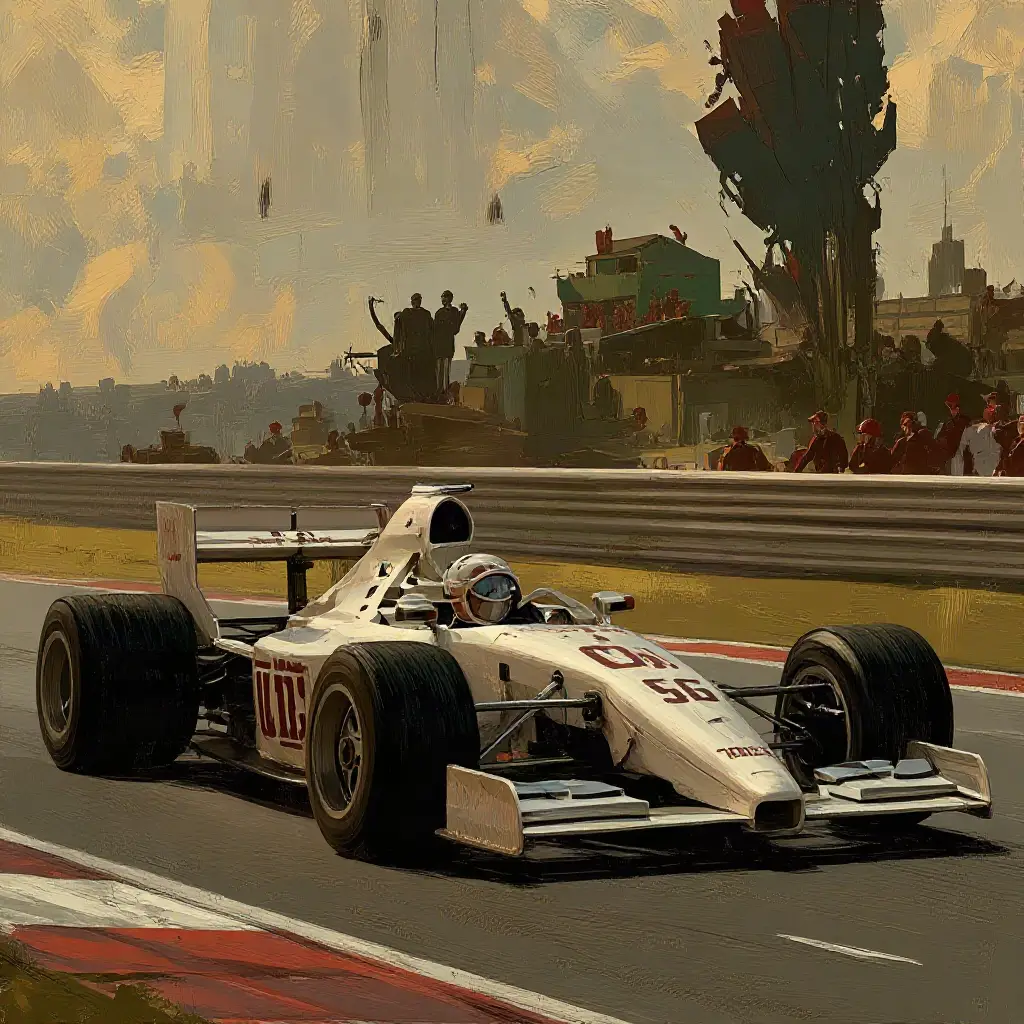 The History of Formula 1How Formula 1 grew from its first world championship race at Silverstone in 1950 into a global sport, through safety campaigns, ground-effect cars, TV deals, hybrid engines and Liberty Media's takeover.
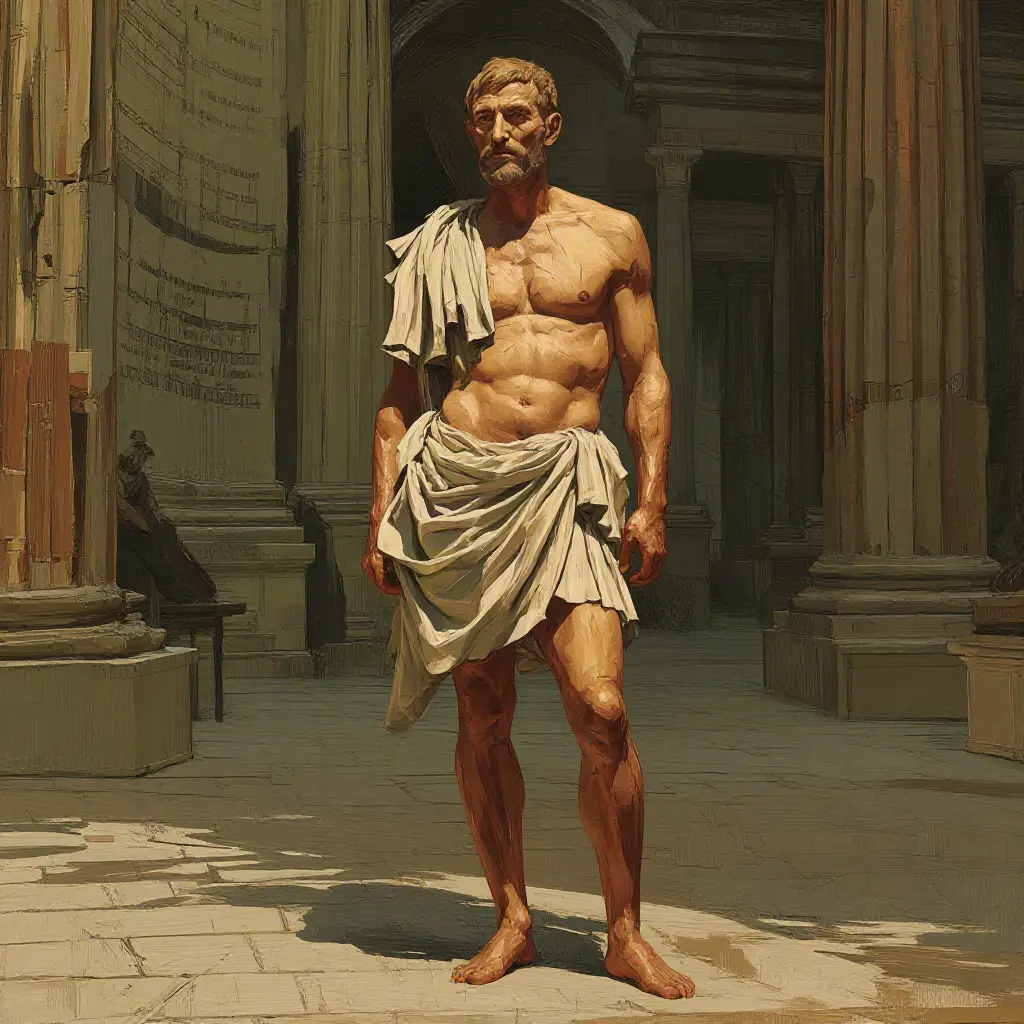 Milo of CrotonMilo of Croton, a wrestler from a Greek colony in southern Italy, won six Olympic titles in the 6th century BC and became the subject of lasting legends about his strength.
 The Formation of the Grand CanyonHow the Grand Canyon formed: nearly two billion years of rock, a rising plateau and the Colorado River cutting down through it.
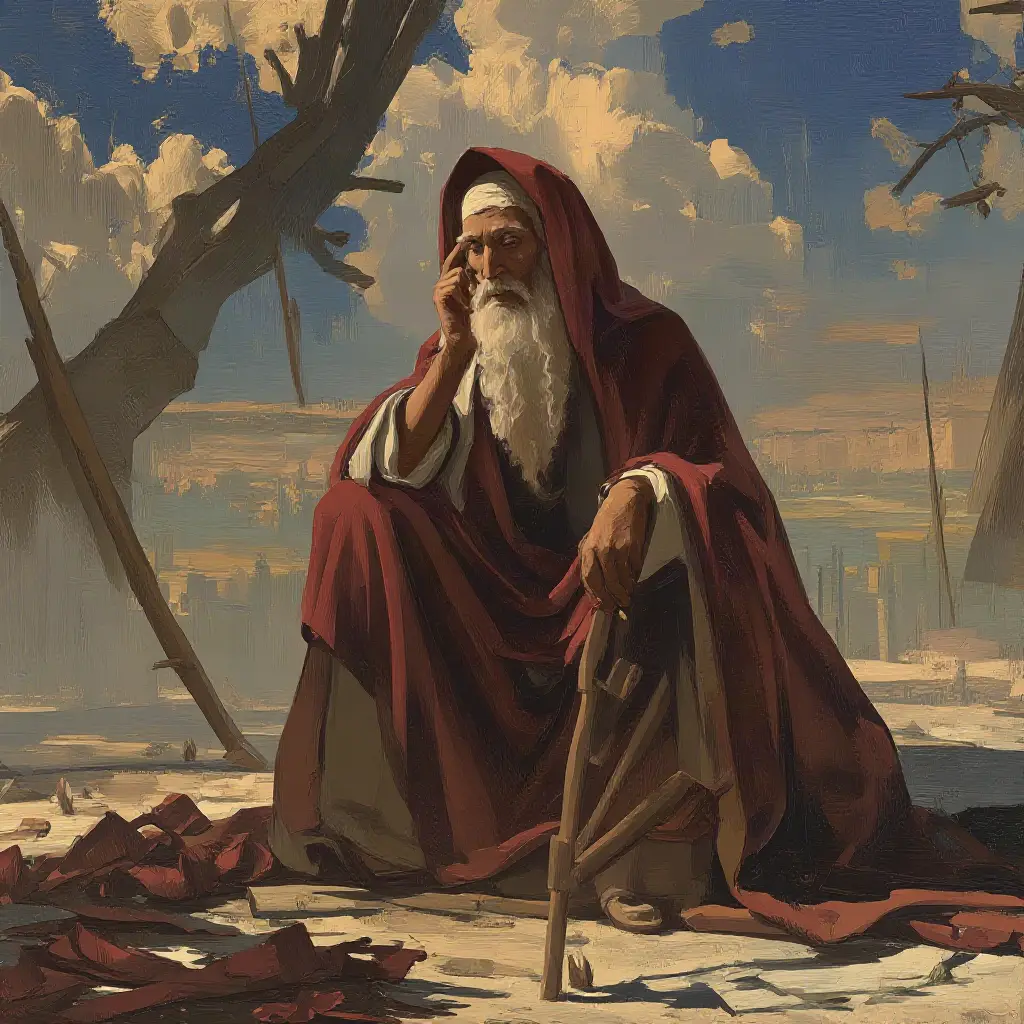 Maimonides: Sage of CairoExiled as a child, Maimonides became a physician to sultans and the most influential Jewish thinker of the Middle Ages.
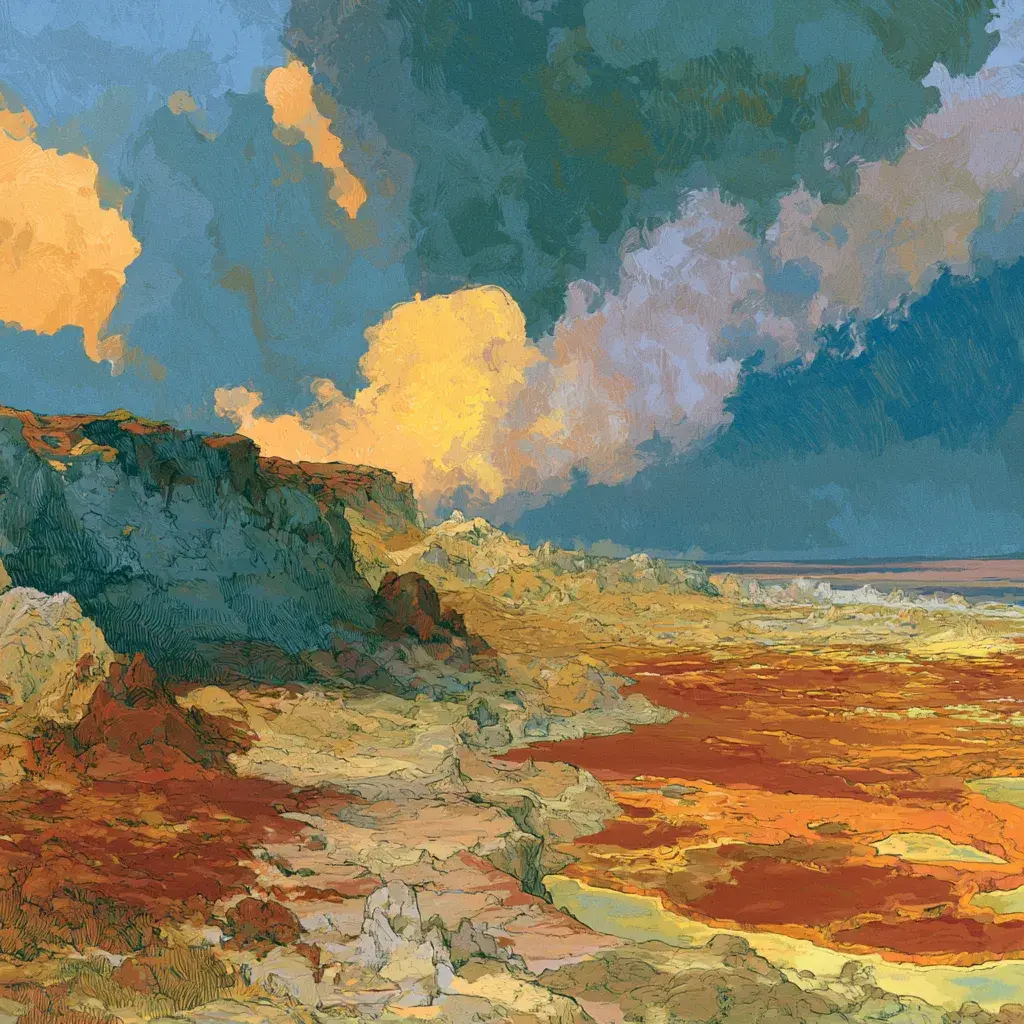 The Danakil DepressionIn Ethiopia's Danakil Depression, a continent is splitting apart, creating some of the harshest conditions on Earth.
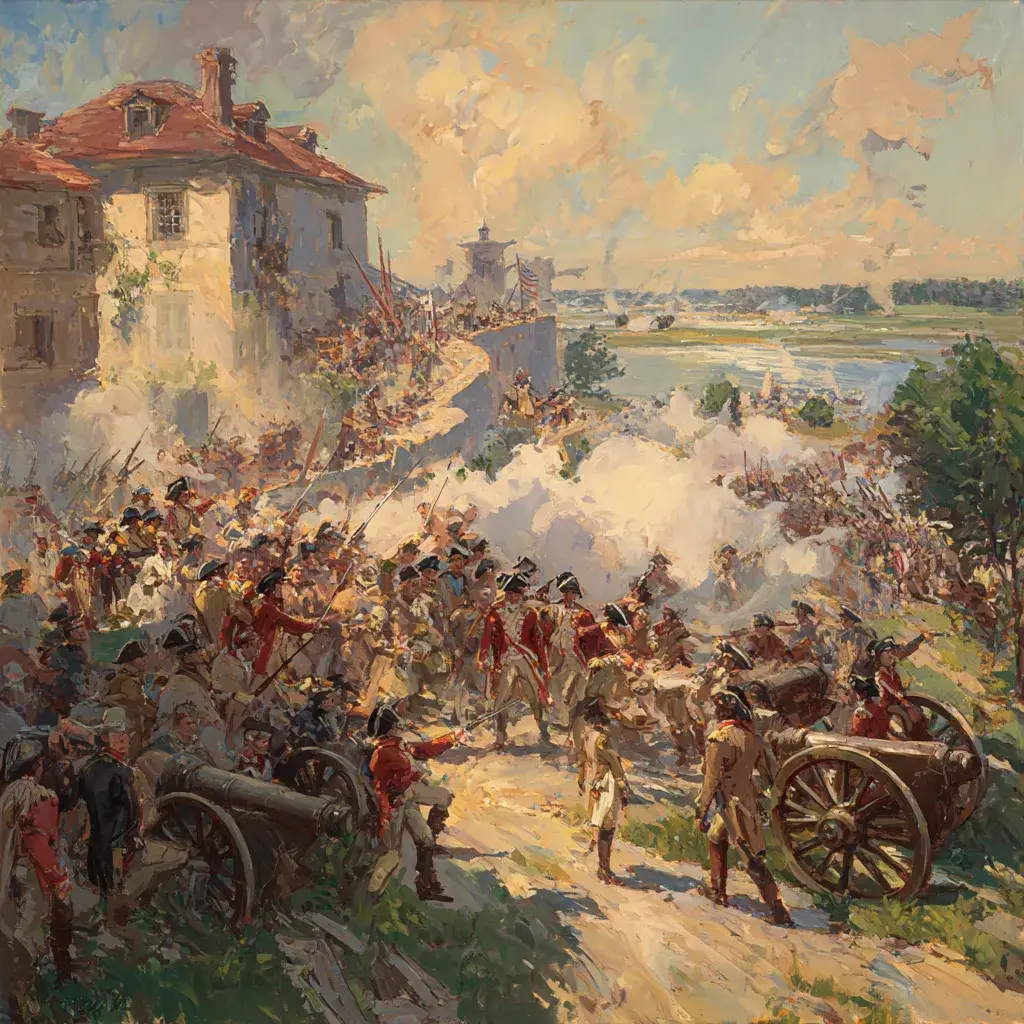 The American RevolutionThe American Revolution from the First Continental Congress in 1774, through the Declaration of Independence and the French alliance, to Yorktown, the Treaty of Paris and Washington's resignation.
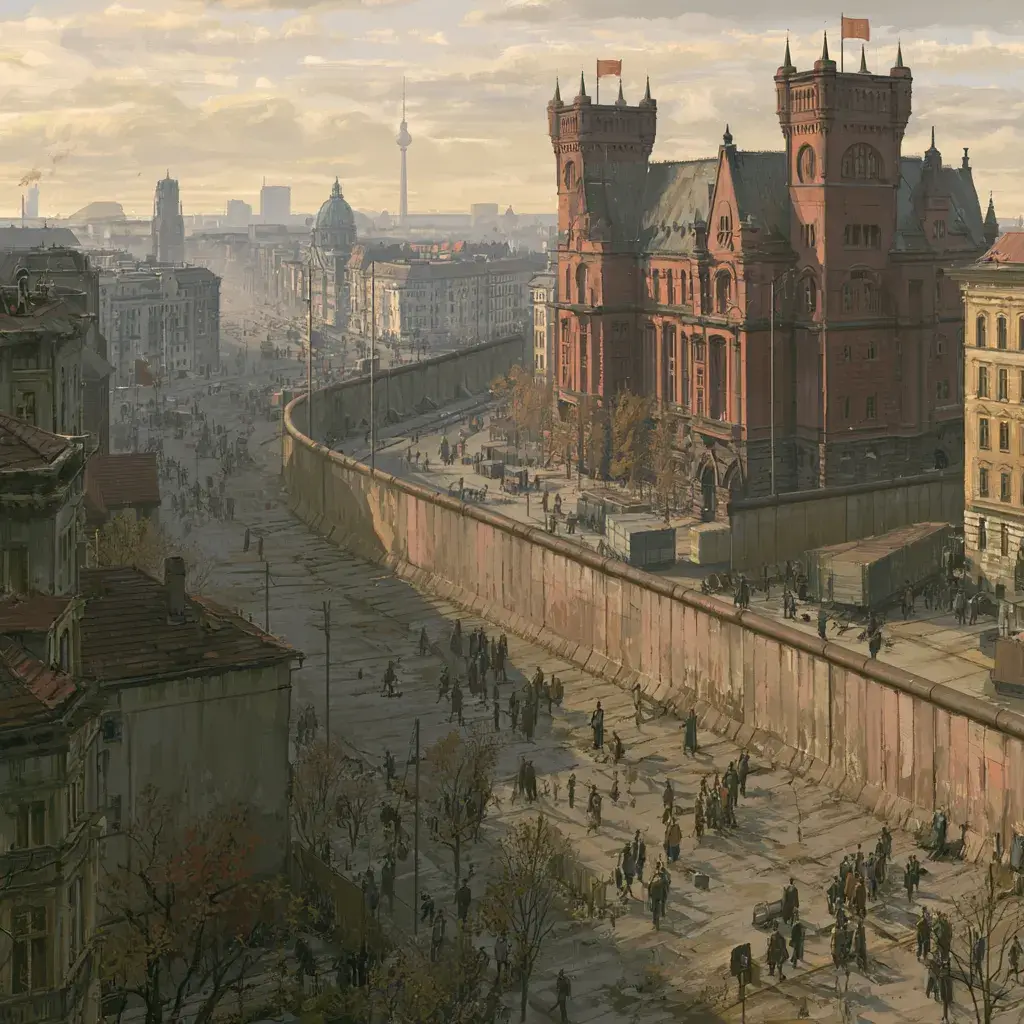 The Fall of the Berlin WallHow a chain of events in 1989, from the Pan-European Picnic and the Leipzig marches to a confused press conference, led to the Berlin Wall opening on 9 November.
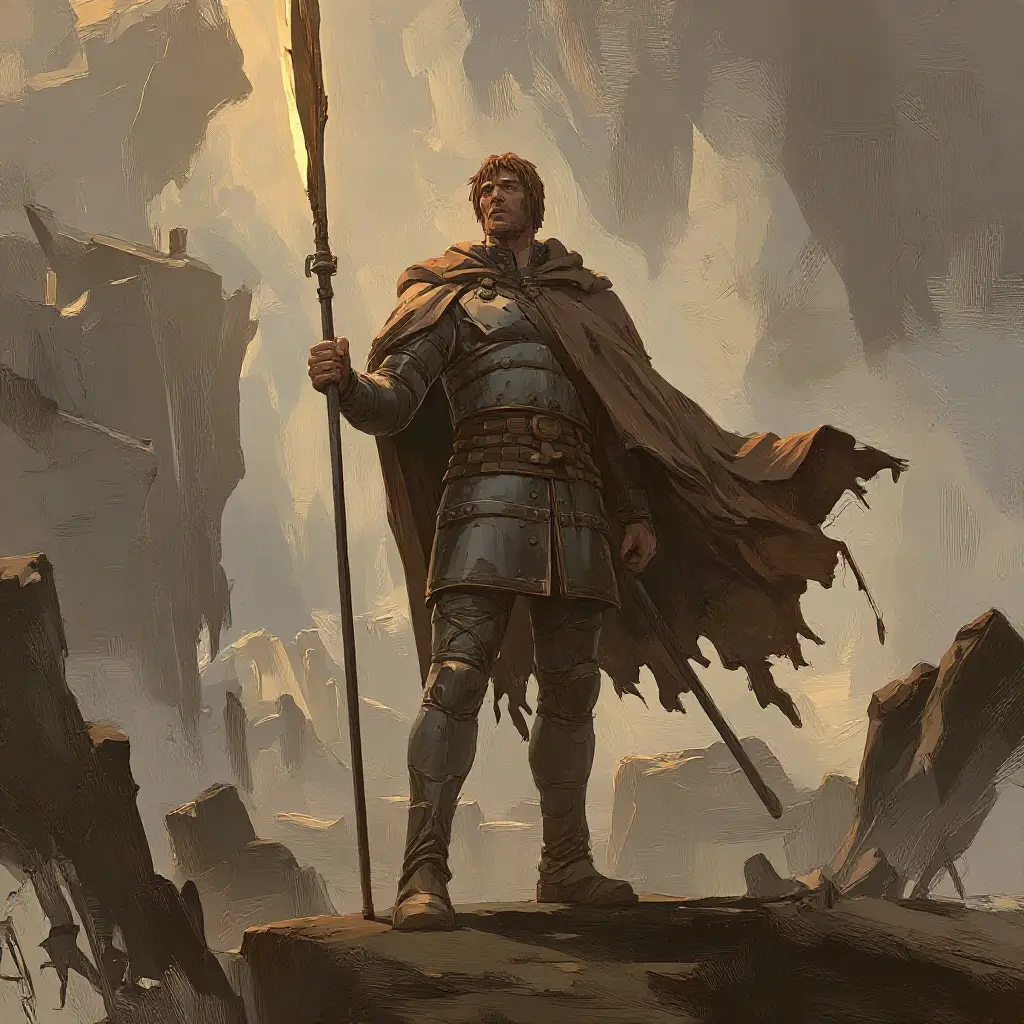 BeowulfThe epic of Beowulf was preserved only because a scholar copied the fire-damaged manuscript in 1786 before its pages crumbled away.
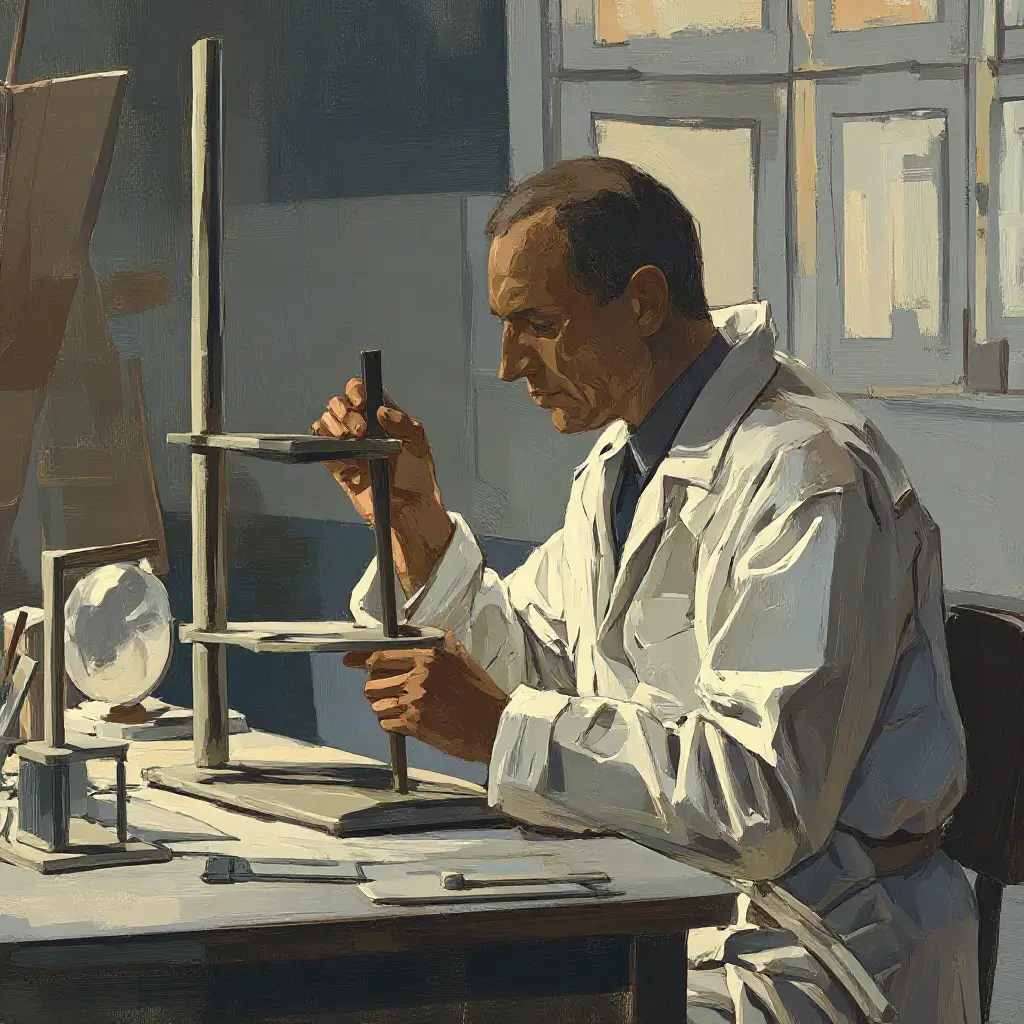 The History of Forensic ScienceHow forensic science learned to identify criminals, from the first reliable arsenic test and Bertillon's body measurements to fingerprinting, blood typing and Alec Jeffreys' discovery of DNA profiling.
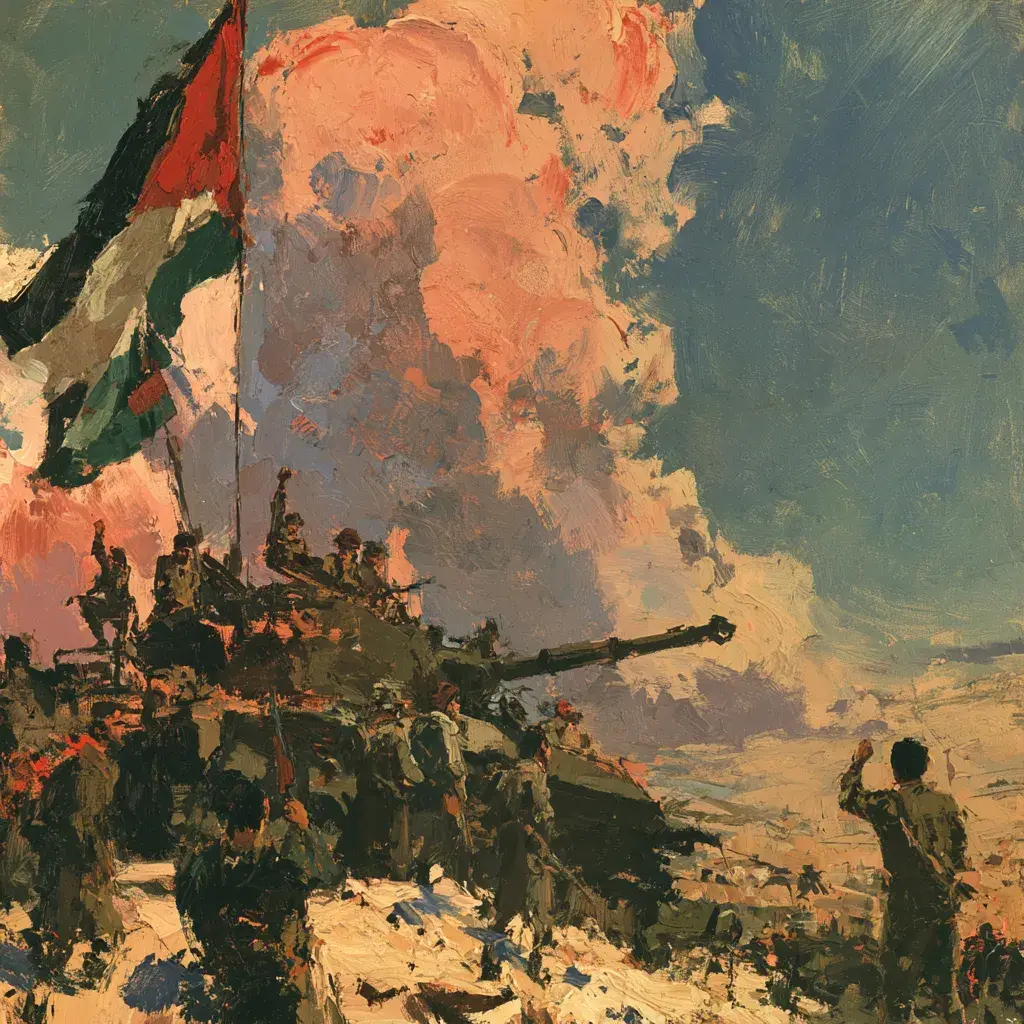 The Six-Day WarIn June 1967, Israel's preemptive strike defeated three Arab armies in six days, more than quadrupling the territory under its control.
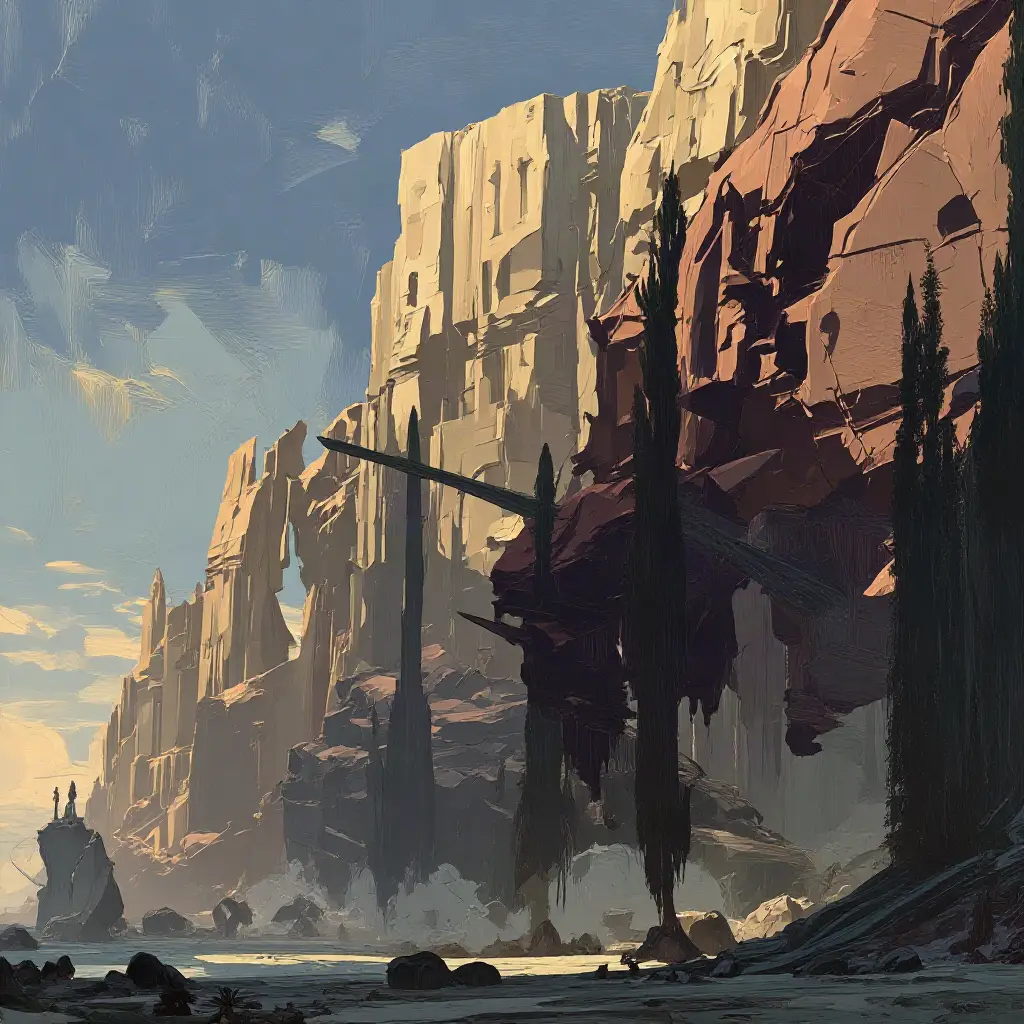 The San Andreas Fault: California's Sleeping GiantThe San Andreas Fault, the boundary where two tectonic plates grind past each other beneath California, and why scientists expect another big earthquake.
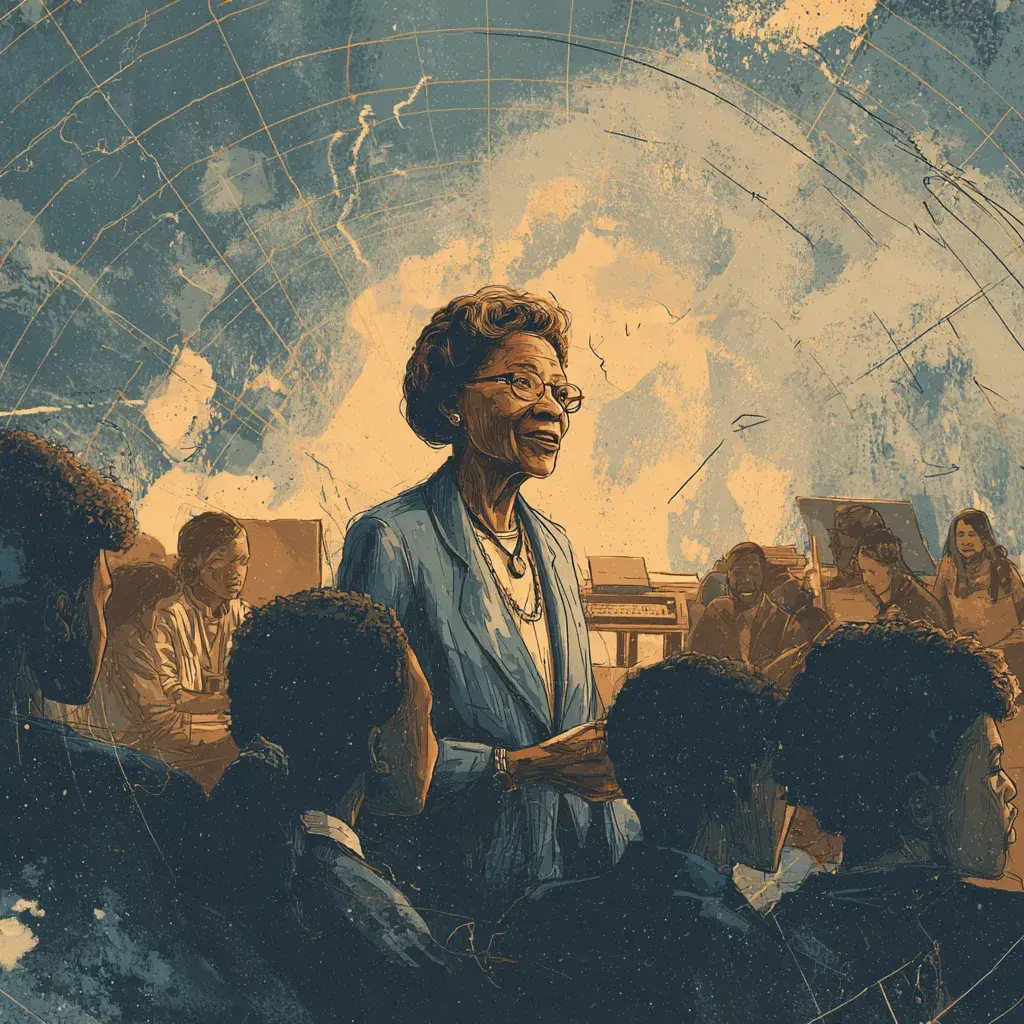 Doctor Gladys WestGladys West, the mathematician whose model of the Earth's true shape made GPS accurate, and who went unrecognised for decades.
 The 1854 Pump Handle That Ended a PlagueIn 1854, Dr. John Snow used a map of cholera deaths to trace an outbreak to a single London water pump, challenging dominant medical theories.
 Aristotle and the Pursuit of VirtueFrom student to philosopher, Aristotle redefined virtue not as a divine ideal, but as a practical skill achieved through daily habits.
 DostoevskyFyodor Dostoevsky's life, from a mock execution in 1849 to his masterpiece 'Crime and Punishment', was shaped by suffering and faith.
 The HolocaustThe systematic, state-sponsored persecution and murder of six million Jews by the Nazi regime between 1933 and 1945.
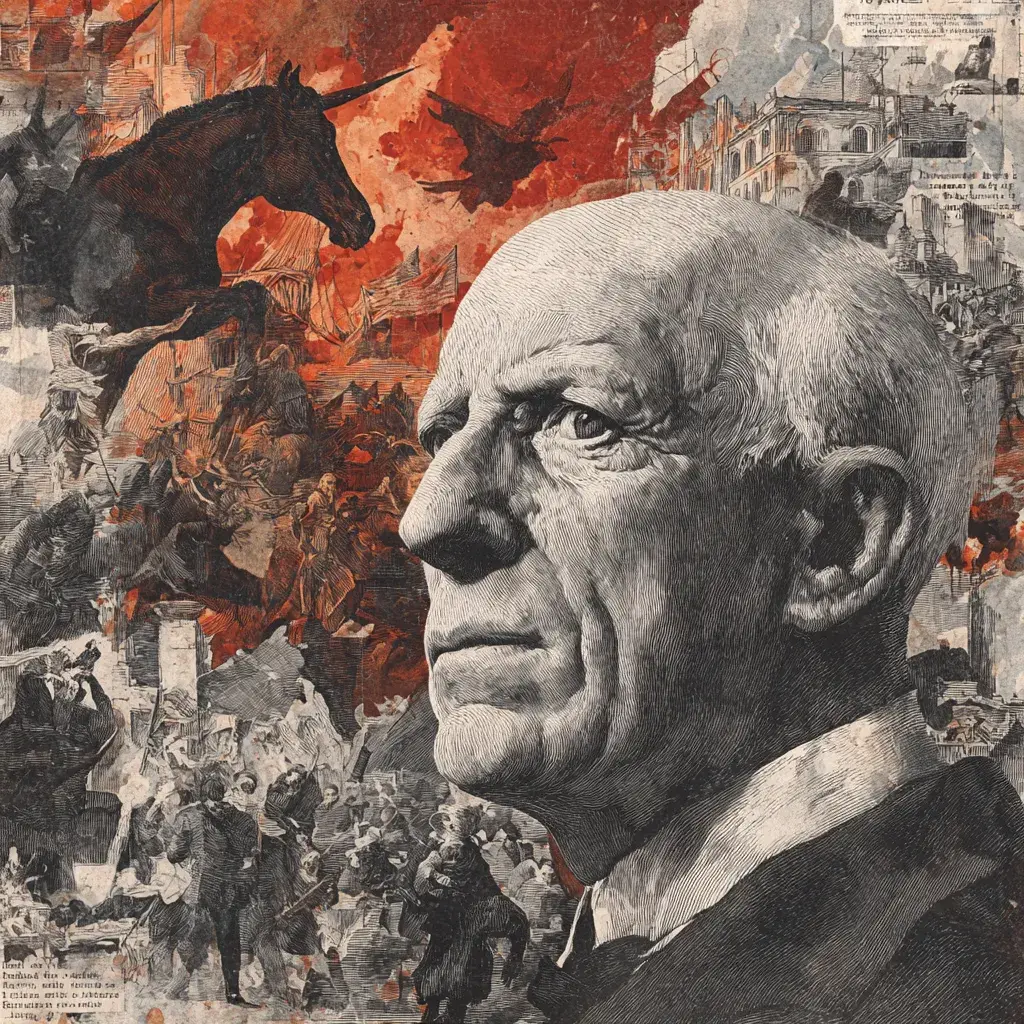 Pablo Picasso and the Invention of CubismHow Pablo Picasso and Georges Braque invented Cubism together, from Les Demoiselles d'Avignon in 1907 to collage, until the First World War ended their partnership in 1914.
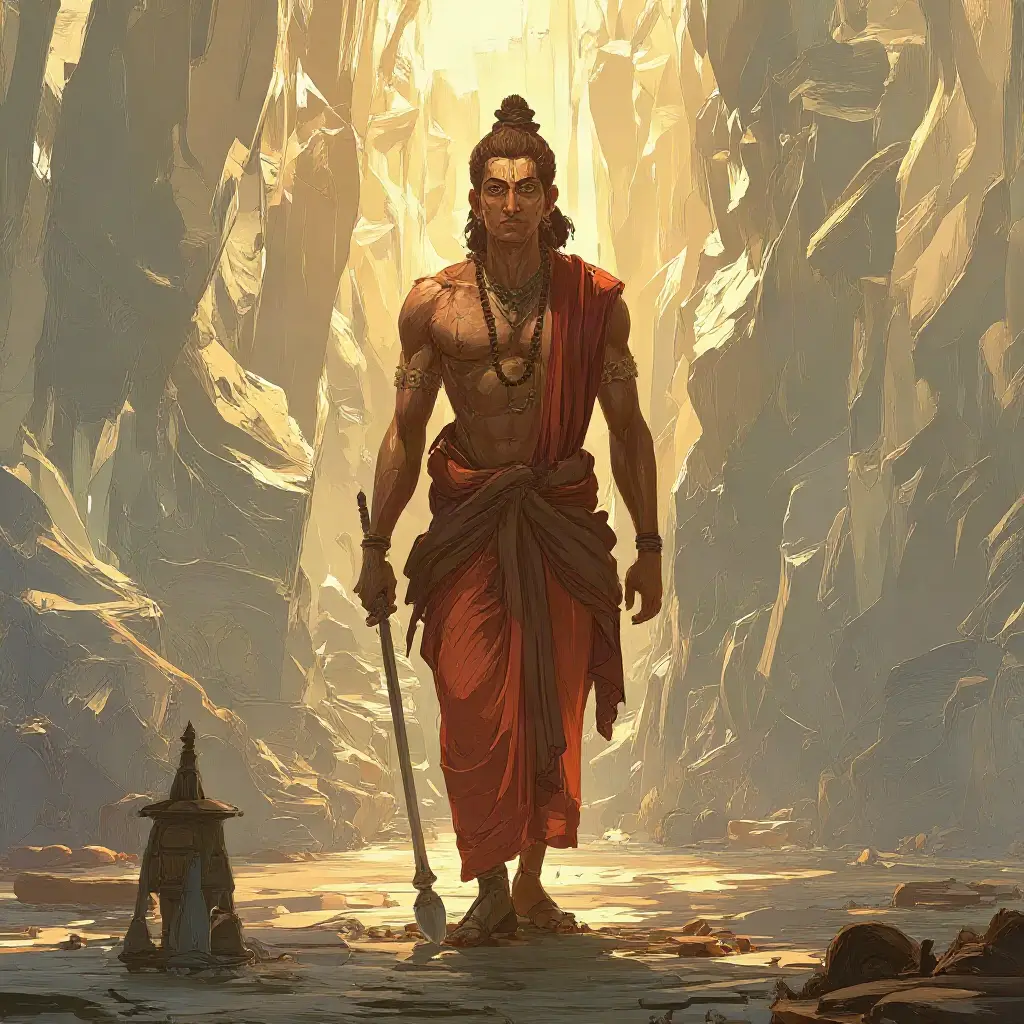 The RamayanaThe ancient Indian epic of Prince Rama's 14-year exile, his quest to rescue his wife Sita, and his return to Ayodhya, which is celebrated today as Diwali.
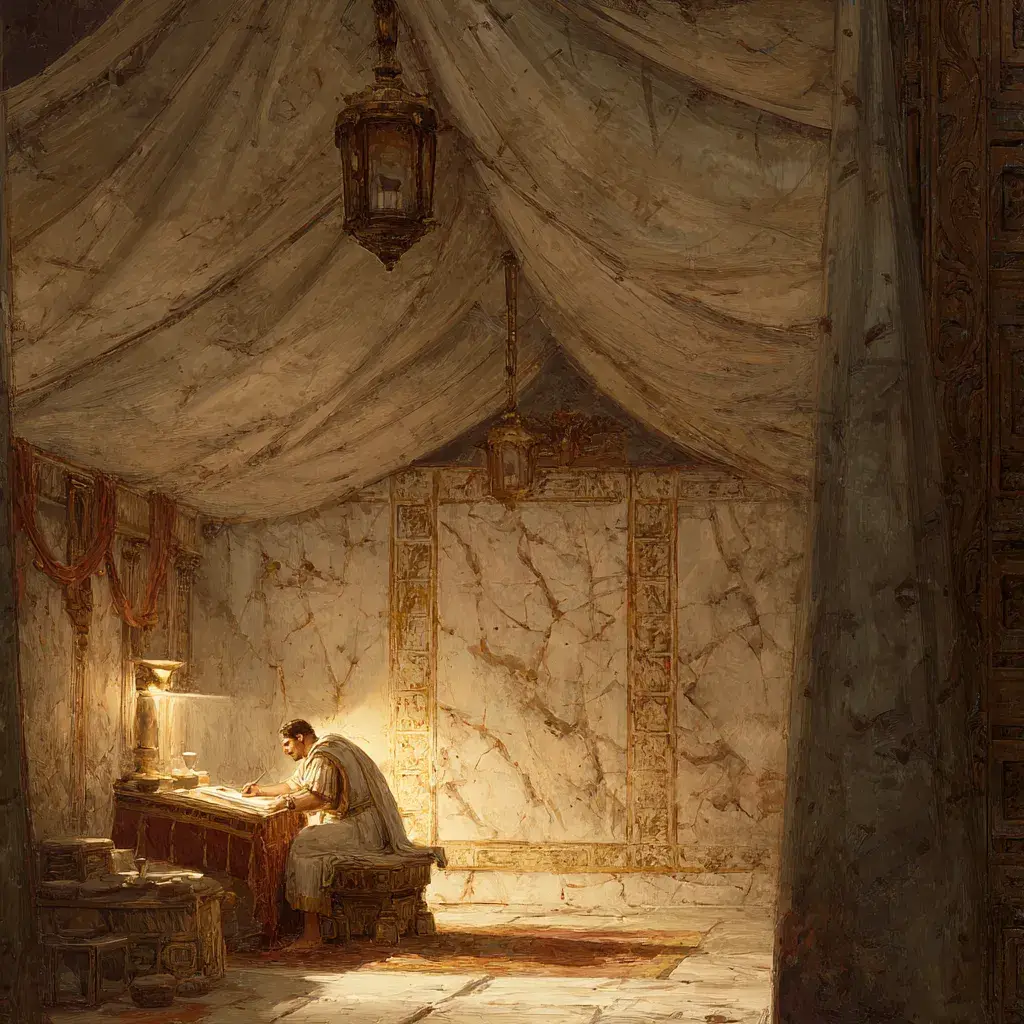 Marcus Aurelius & the Philosophy of StoicismThe story of Marcus Aurelius, who used Stoic philosophy to rule Rome through plague and war, and wrote his private thoughts in the Meditations.
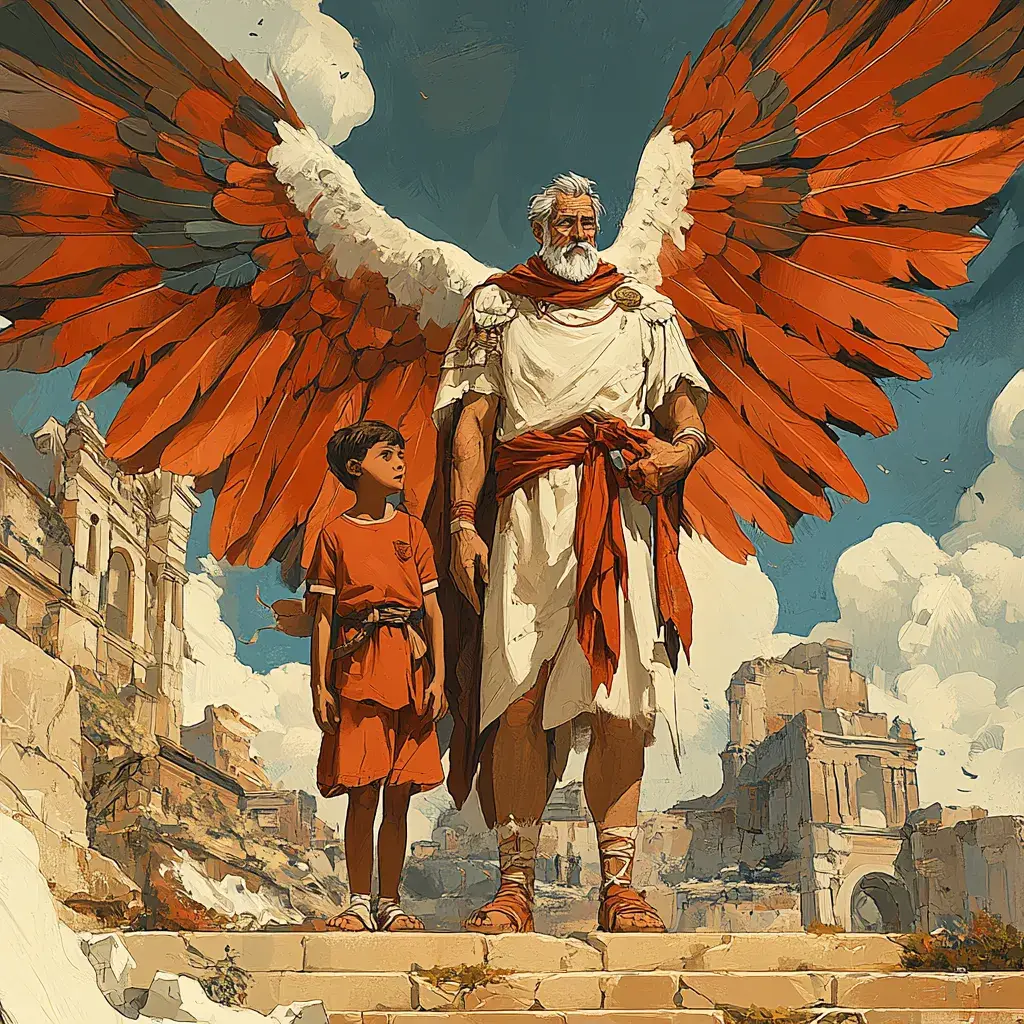 Icarus and DaedalusThe classic myth of the inventor Daedalus, who built wings of feathers and wax, leading to the tragic flight and fall of his son Icarus.
 Noah's Ark and the Great FloodThe biblical story of Noah, who built a 300-cubit-long ark to save his family and the world's animals from a divinely sent flood.
 Tycho Brahe's Metal Nose and Mysterious DeathTycho Brahe lost his nose in a 1566 duel and wore a brass one, and in 2012 tests ruled out the rumor that he was poisoned.
 The Story of ChocolateHow a bitter Aztec drink, made from beans that doubled as money, became the sweet, solid chocolate bar over 350 years of European tinkering.
 The Zimmermann TelegramHow a secret 1917 German offer to Mexico, promising the return of Texas, New Mexico and Arizona, was intercepted by British codebreakers and helped bring the United States into World War I.
 The Chinese Room ArgumentJohn Searle's 1980 thought experiment about a man following rules to answer in Chinese, which argues that running a program is not the same as understanding, and the replies critics made.
 Anansi the SpiderTo win all the world's stories, the trickster Anansi must capture four 'impossible' creatures for the sky god Nyame.
 The Reign of Queen VictoriaThe story of Queen Victoria's 63-year reign, which defined an era of empire, industry, and immense social change for Britain.
 Julius CaesarThe assassination of Julius Caesar on the Ides of March, 44 BC, and how it led to the end of the Roman Republic he was accused of destroying.
 The Legend of the Holy GrailHow the Holy Grail grew from a mysterious dish in Chrétien de Troyes's unfinished poem of about 1190 into the cup of the Last Supper, and why a chalice in Valencia is claimed to be it.
 Daisuke Inoue and the First Karaoke MachineIn 1971, a Kobe drummer built the first commercially successful karaoke machines but never patented them, missing a fortune.
 Thelonious MonkThe pianist whose percussive style changed jazz, and who was then banned from the NYC clubs where the revolution was happening.
 Martin Guerre: The Impostor HusbandIn 1556 a peasant named Arnaud du Tilh lived three years as Martin Guerre until the real Martin returned with a wooden leg.
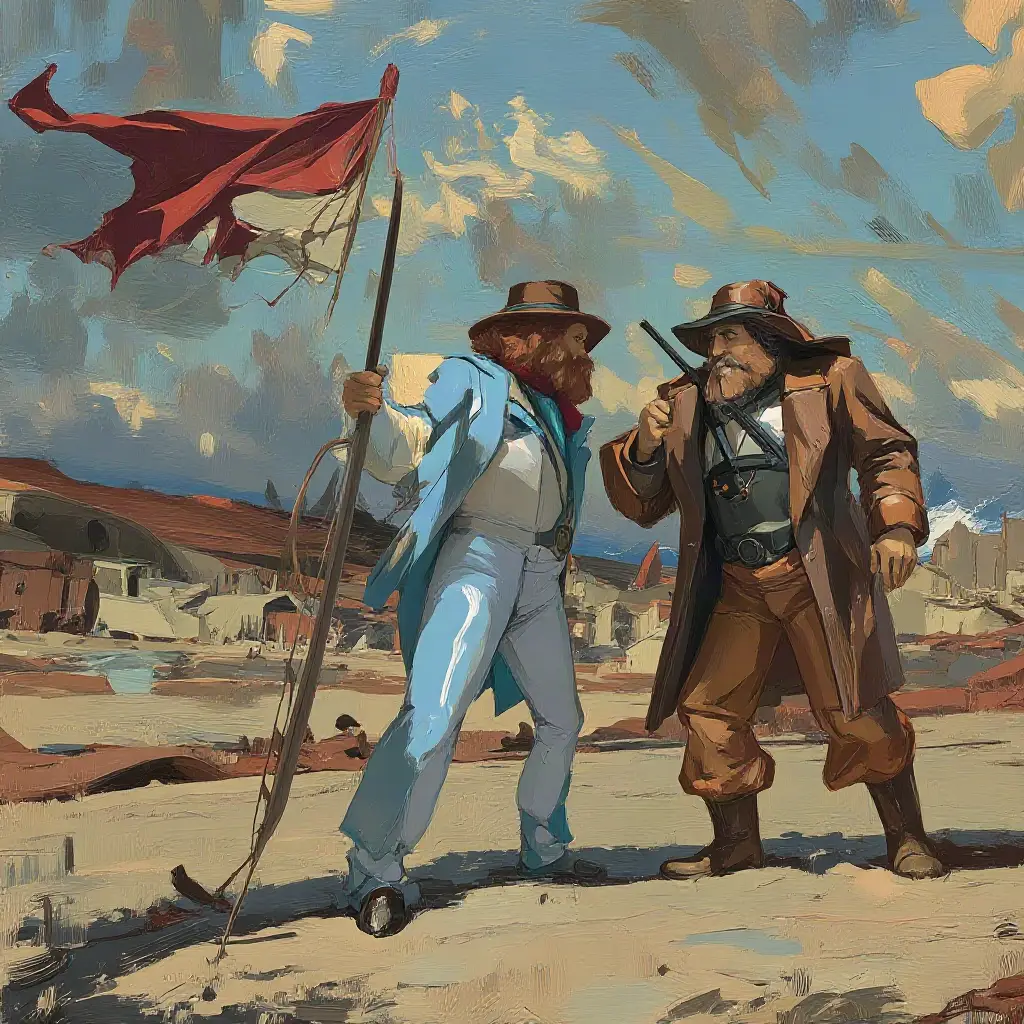 Peary vs Cook: Who Reached the North Pole?Peary and Cook each claimed the North Pole in 1909, and a 1988 review found Peary likely missed it by 30 to 60 miles.
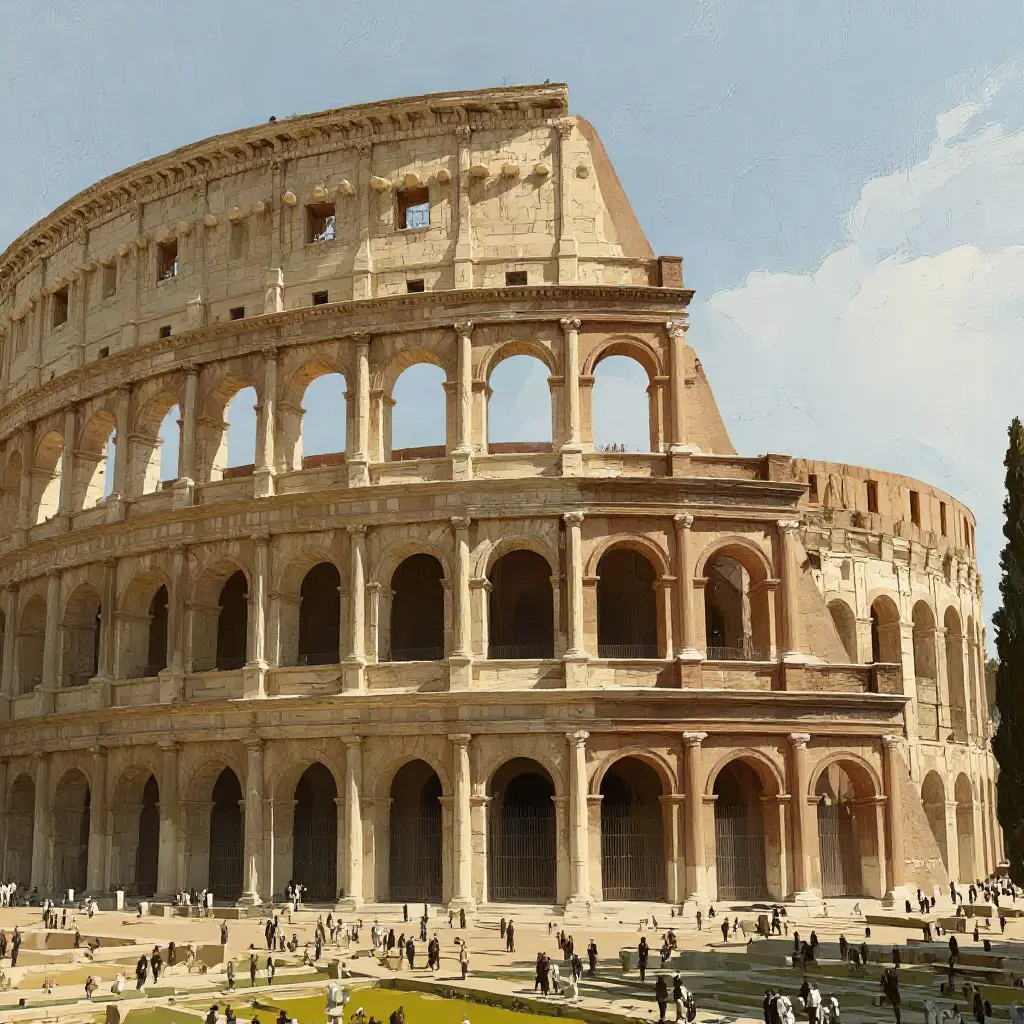 The ColosseumDiscover how the Colosseum was built with war spoils, engineered to empty in minutes, and what the thumbs-down gesture really meant.
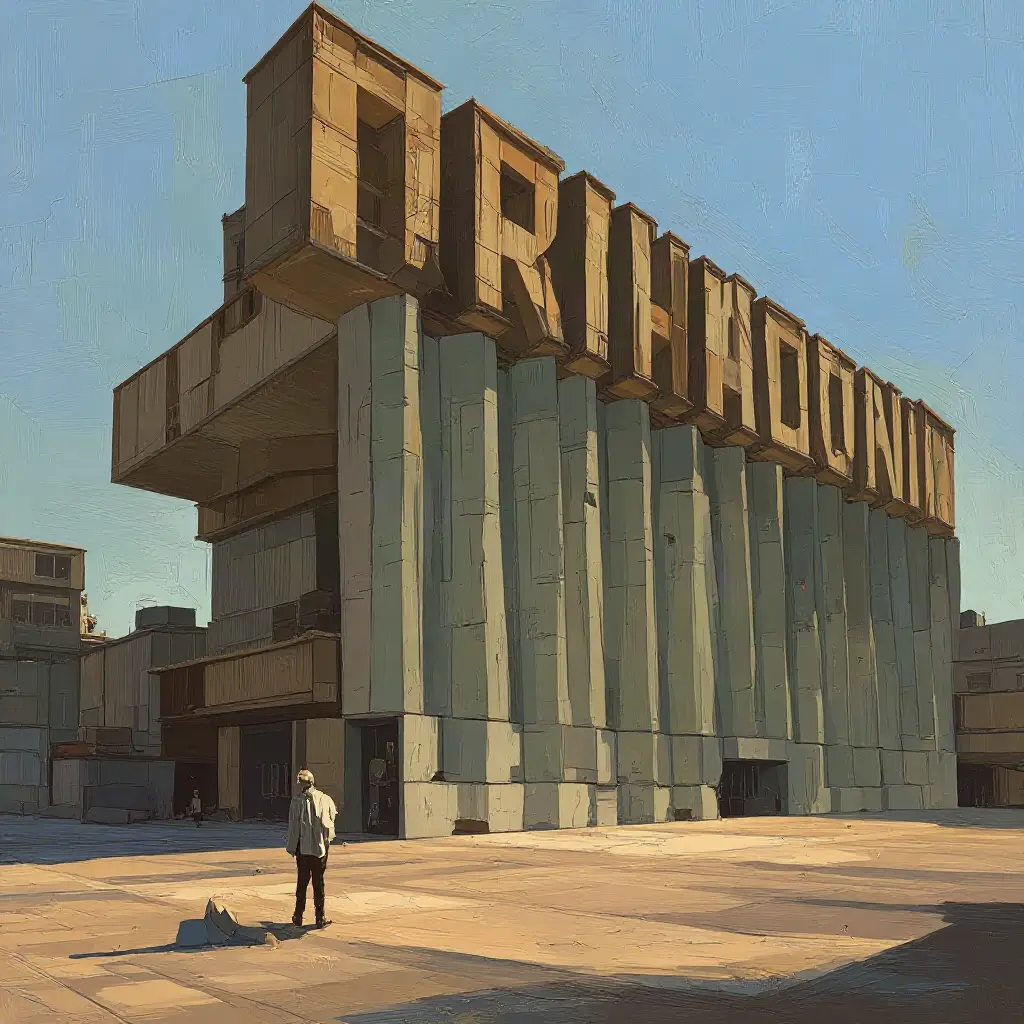 The Architecture of ApartheidHow South Africa's government used laws like the 1950 Group Areas Act to systematically enforce racial segregation.
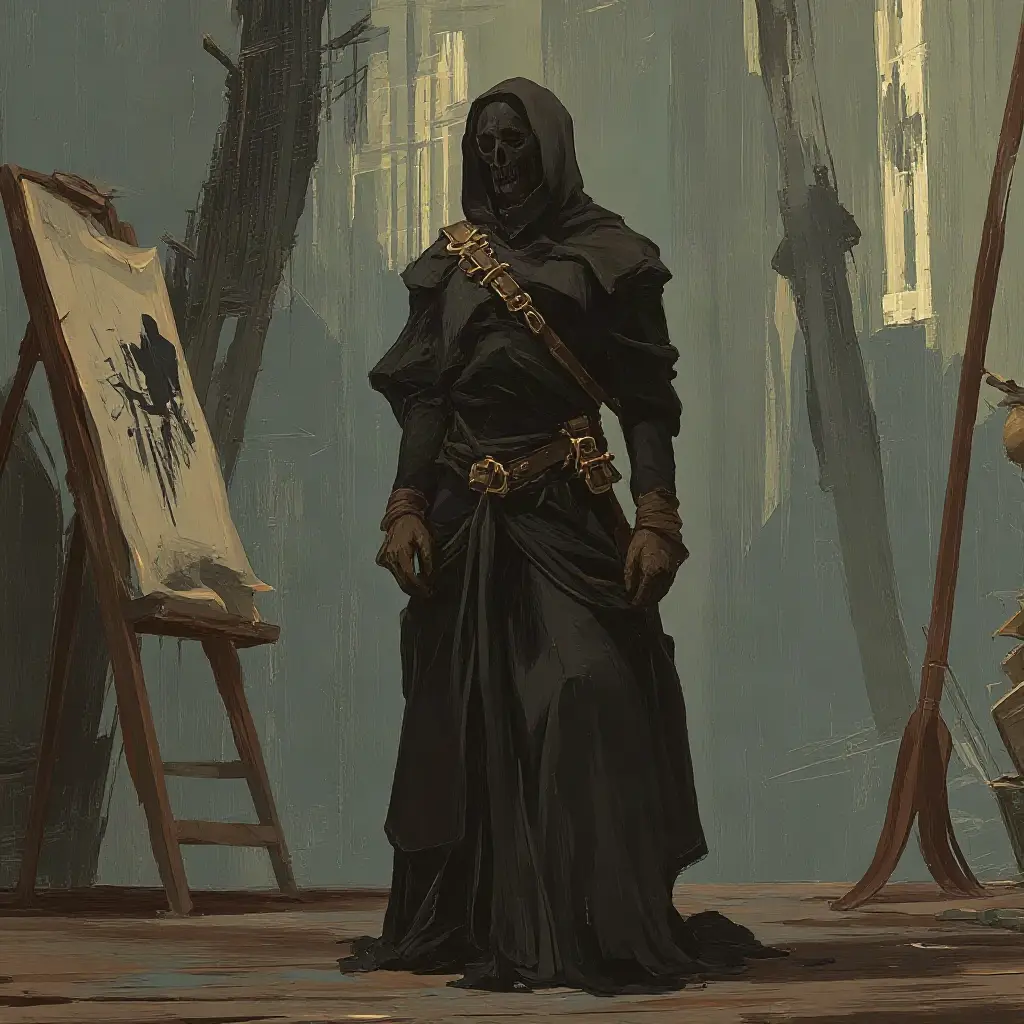 The Black DeathThe Black Death reached Europe in 1347, killing a third to a half of the population and remaking the medieval world.
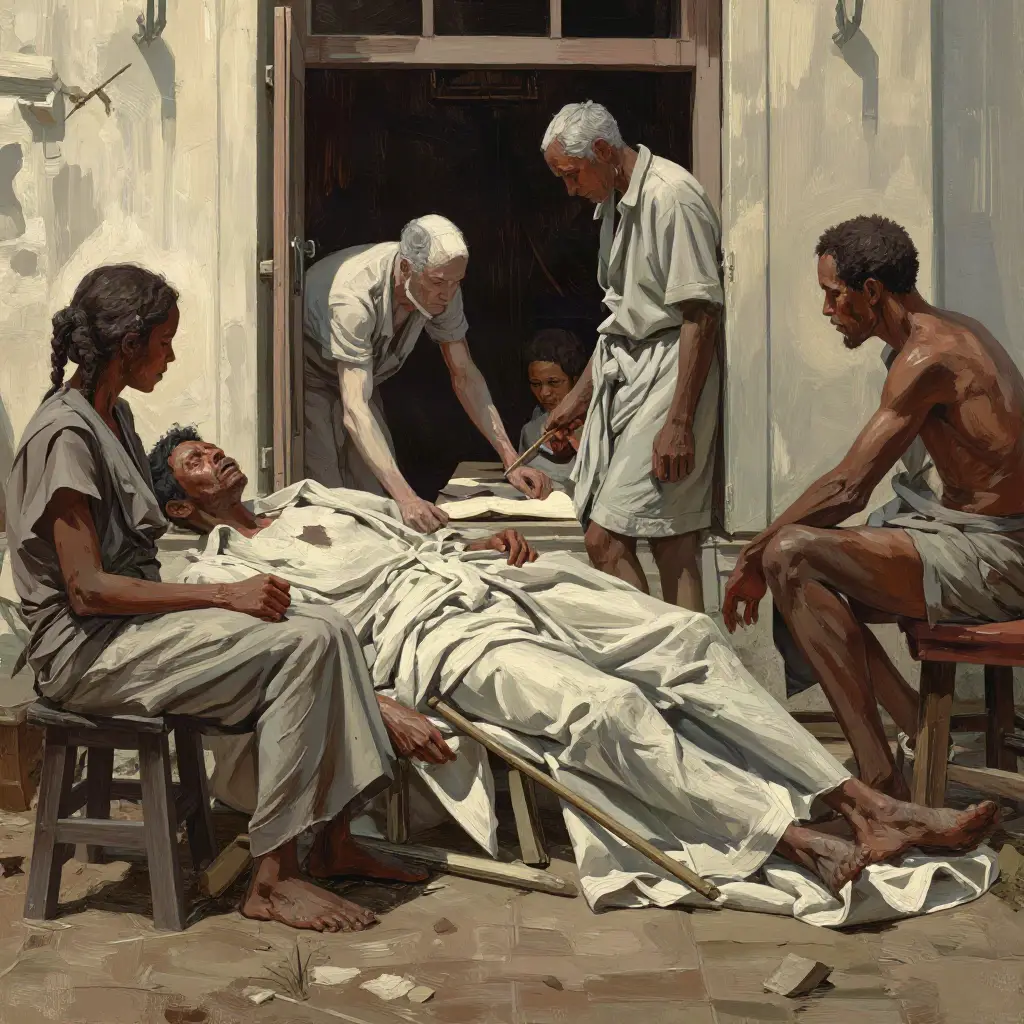 Smallpox: The Disease We ErasedHow smallpox, a virus that killed 300 million people in the 20th century alone, became the only human disease ever eradicated.
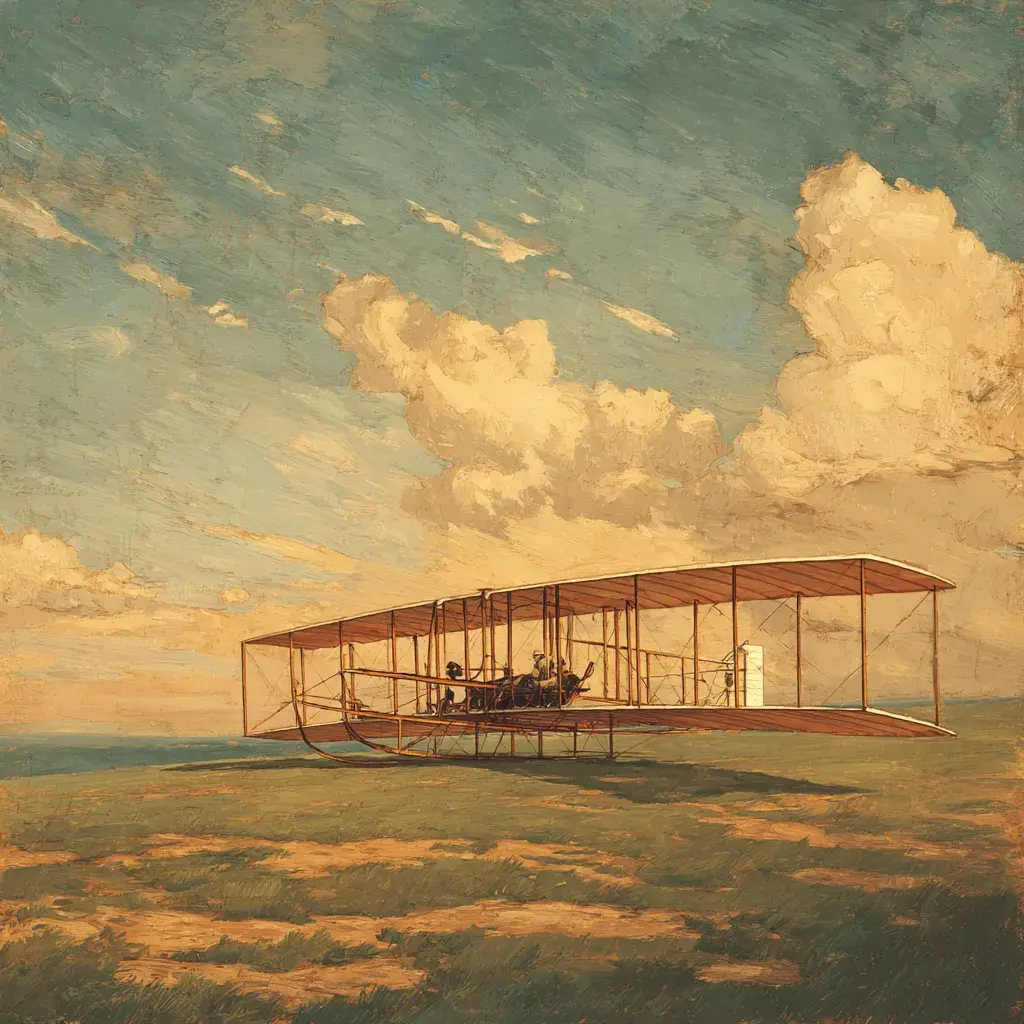 The Wright BrothersHow bicycle makers Wilbur and Orville Wright worked out controlled powered flight, from their wind-tunnel tests and the 1903 Kitty Hawk flights to the patent battles that followed.
 Synesthesia: Tasting Colors, Seeing SoundsThe neurological phenomenon where stimulating one sense triggers another, affecting 1 in 23 people with experiences like seeing sounds as color.
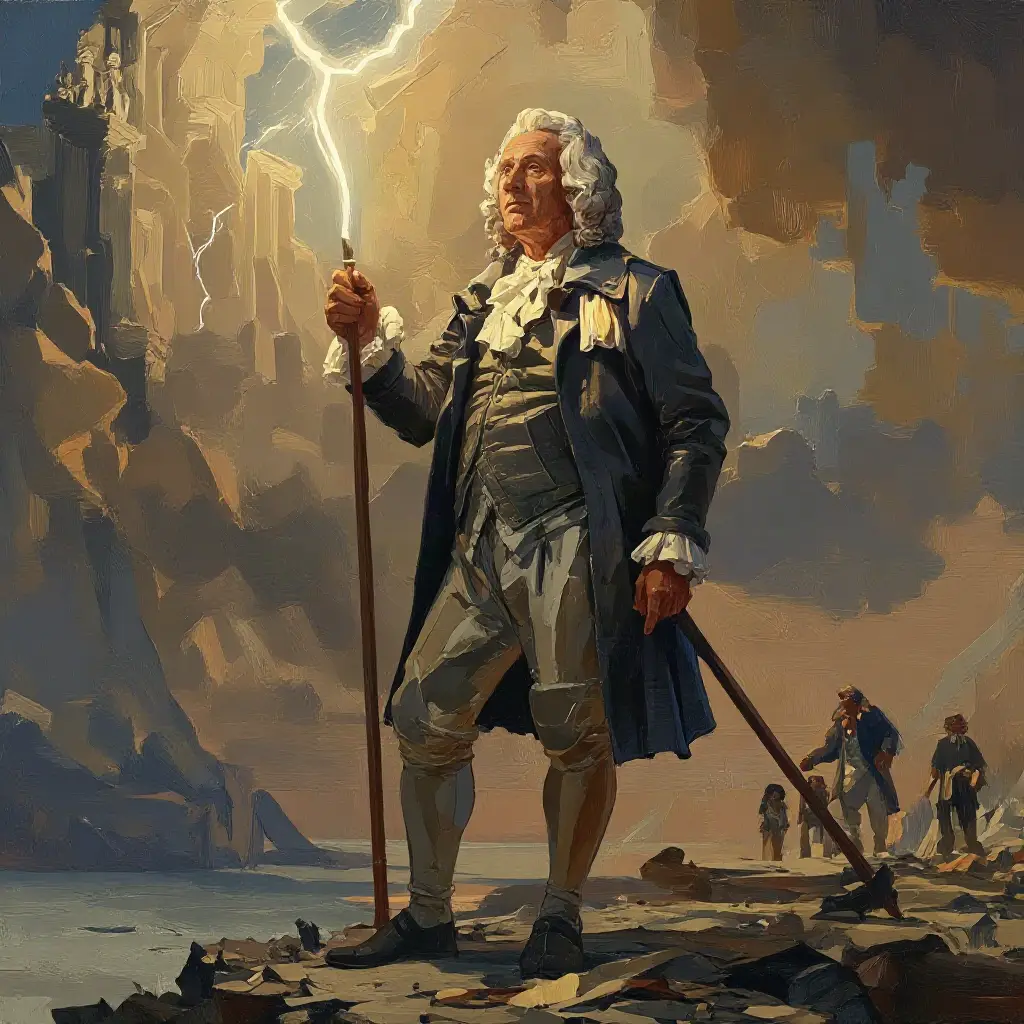 Benjamin Franklin: Lightning, Liberty, and ContradictionFrom runaway apprentice to revered diplomat, Benjamin Franklin's life saw him tame lightning and champion liberty, even while owning slaves.
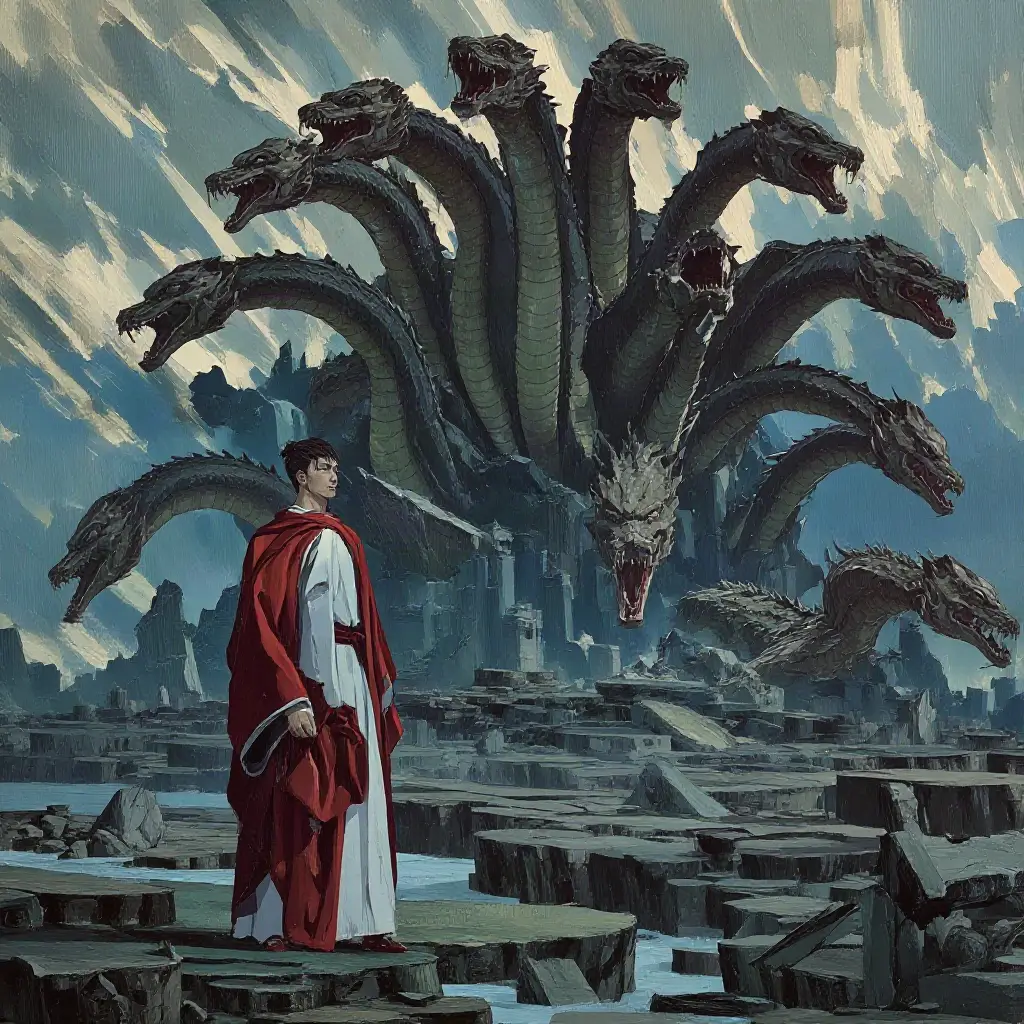 Susanoo and the Eight-Headed SerpentThe exiled storm god Susanoo battles an eight-headed serpent, finding a divine sword in its tail that became one of Japan's Imperial Regalia.
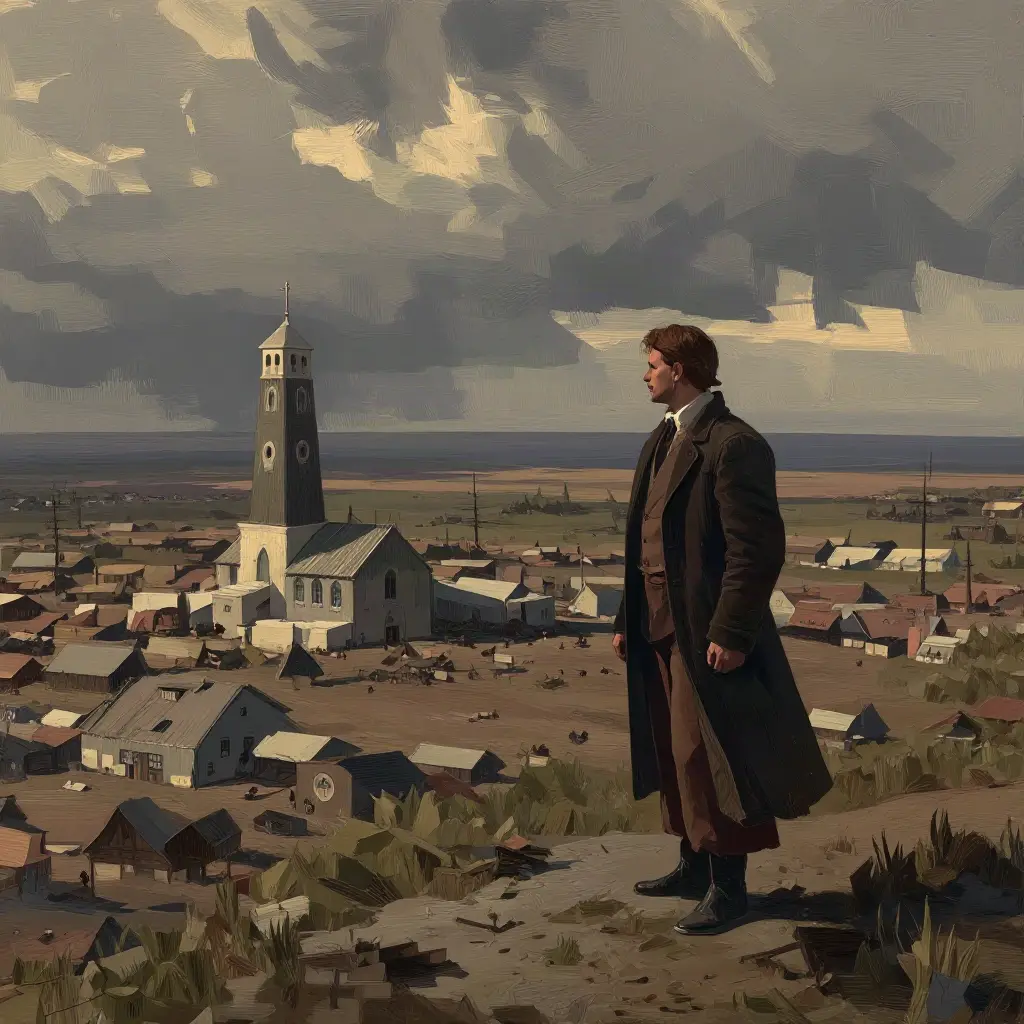 The Irish FamineThe Great Hunger began in 1845, triggered by a potato blight, but over a million died while Ireland remained a net exporter of food.
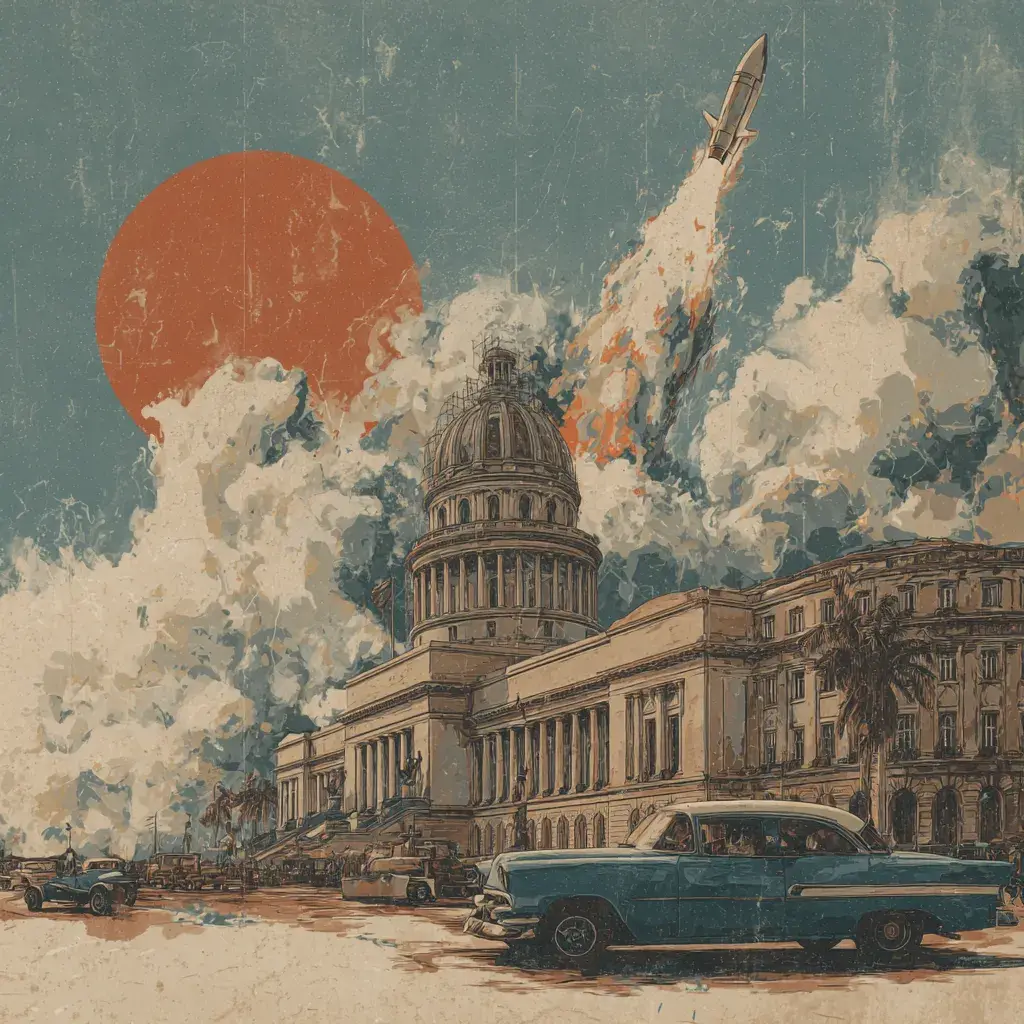 The Cuban Missile CrisisThe October 1962 standoff over Soviet nuclear missiles in Cuba, from the U-2 photographs and naval quarantine to Black Saturday and the secret deal that ended it.
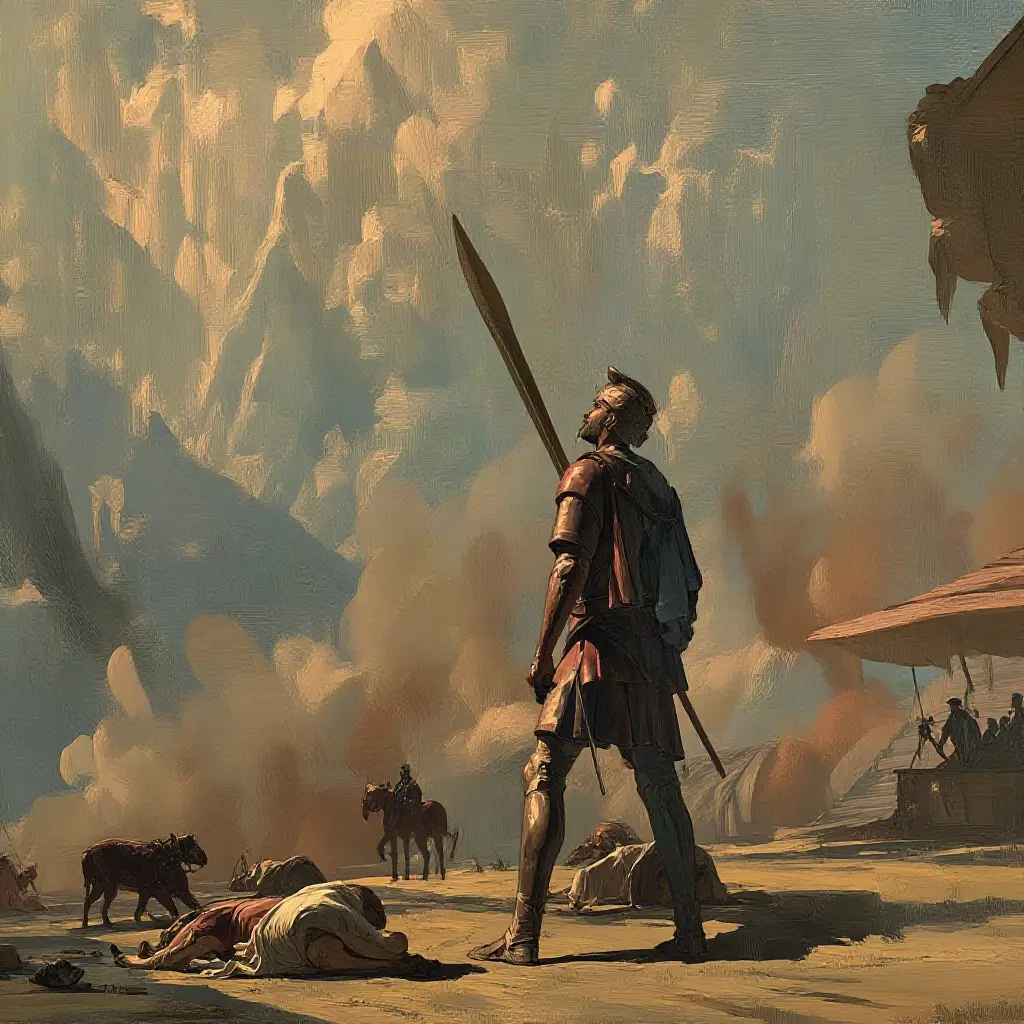 The Lombards Enter ItalyIn 568, King Alboin led the Lombards into Italy in the last great Germanic migration, dividing the peninsula for centuries.
 James Stockdale: Epictetus in a Vietnamese PrisonJames Stockdale spent 2,714 days as a prisoner in North Vietnam, steadied by a Stoic handbook he had memorized.
 The Theremin's Strange LifeInventor Leon Theremin created a touchless instrument, spied for the Soviets in New York, and designed a bug hidden in the US Great Seal.
 The Alcatraz EscapeThe June 1962 escape from Alcatraz by Frank Morris and John and Clarence Anglin, who left dummy heads in their beds, paddled off on a raincoat raft, and were never found.
 The TransistorThe invention of the transistor at Bell Labs in 1947, a tiny switch with no moving parts that replaced the vacuum tube and created the modern world.
 The Rubik's CubeIn 1974, a Hungarian professor made a puzzle he initially couldn't solve. This is the story of the Rubik's Cube.
 Fela Kuti and the Sound of RevolutionHow Fela Kuti created Afrobeat and used his song 'Zombie' to attack Nigeria's military, leading to the 1977 raid on his Kalakuta Republic.
 King Arthur: The Making of a LegendHow King Arthur grew from a battle leader named in a 9th-century Welsh chronicle into a king with a Round Table, Excalibur and the Grail, one writer at a time.
 Archibald McIndoe and the Guinea Pig ClubSurgeon Archibald McIndoe rebuilt burned pilots' faces, and 39 founding members started the Guinea Pig Club in 1941.
 Gnosticism: The Secret KnowledgeAn exploration of the early Christian movement that believed salvation came from 'gnosis', or secret knowledge of one's divine origins.
 The First Transatlantic Telegraph Cable, 1858The 12-year saga to lay the first transatlantic cable, from its 1854 inception to the lasting success of the Great Eastern in 1866.
 Khalid ibn al-Walid: The Sword of GodThe story of Khalid ibn al-Walid, the 7th-century Arab general who defeated the Byzantines at the decisive Battle of Yarmouk in 636.
 Dante's InfernoDante's Inferno, the 14th-century poem he wrote in exile: a journey down through the nine circles of Hell, where each punishment mirrors its sin.
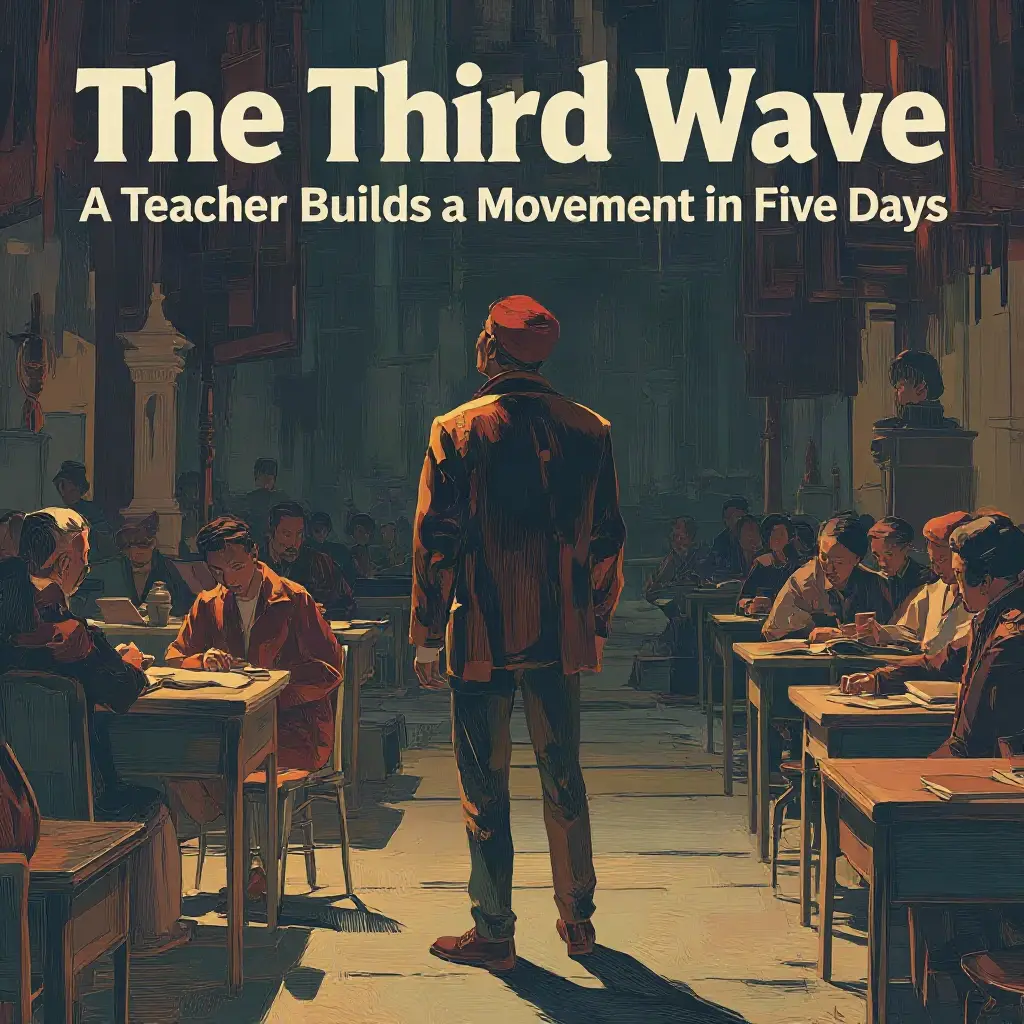 The Third Wave: A Teacher Builds a Movement in Five DaysA Palo Alto teacher's 1967 class drill grew from 30 students to over 200 in five days.
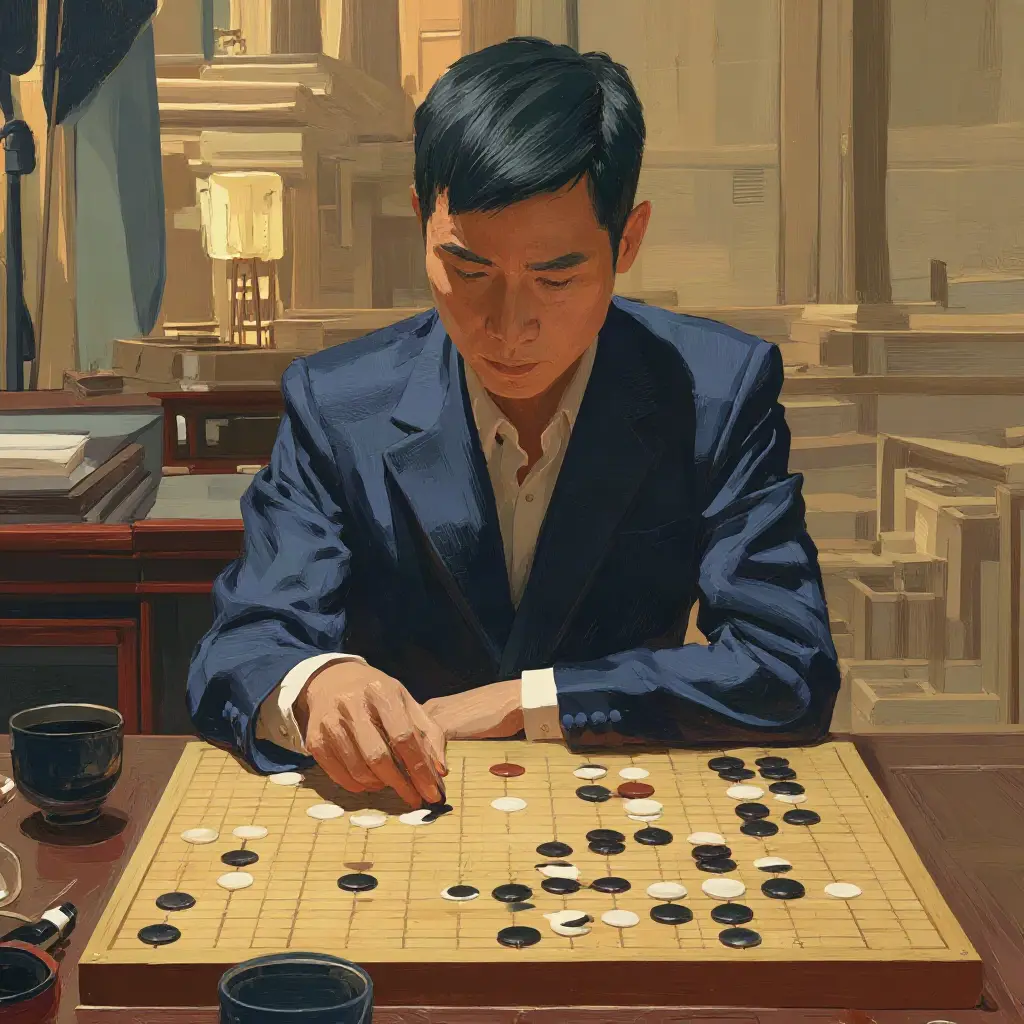 AlphaGo's Move 37Lee Sedol was stunned by AlphaGo's Move 37, a fifth-line stone a human would play only once in 10,000.
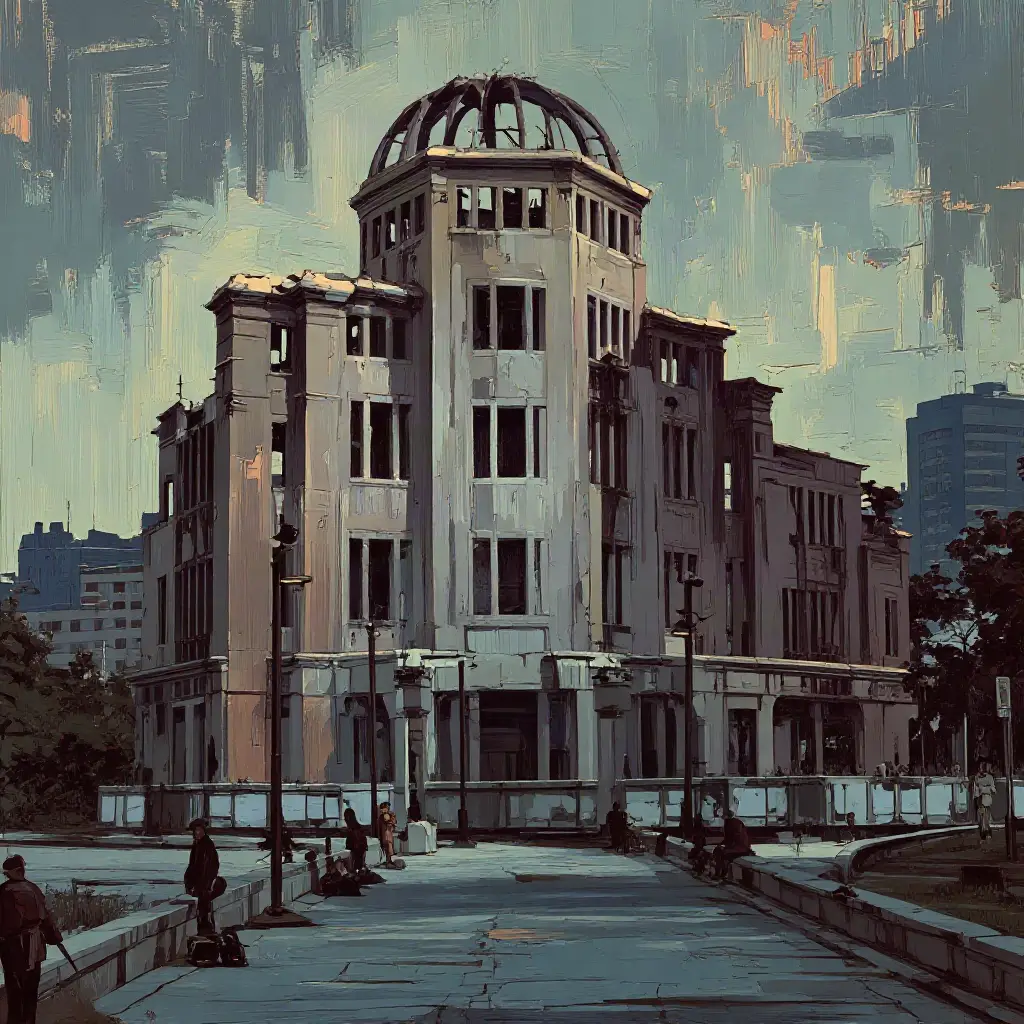 HiroshimaOn August 6, 1945, the US dropped the first atomic bomb on Hiroshima, Japan, instantly killing tens of thousands and changing warfare forever.
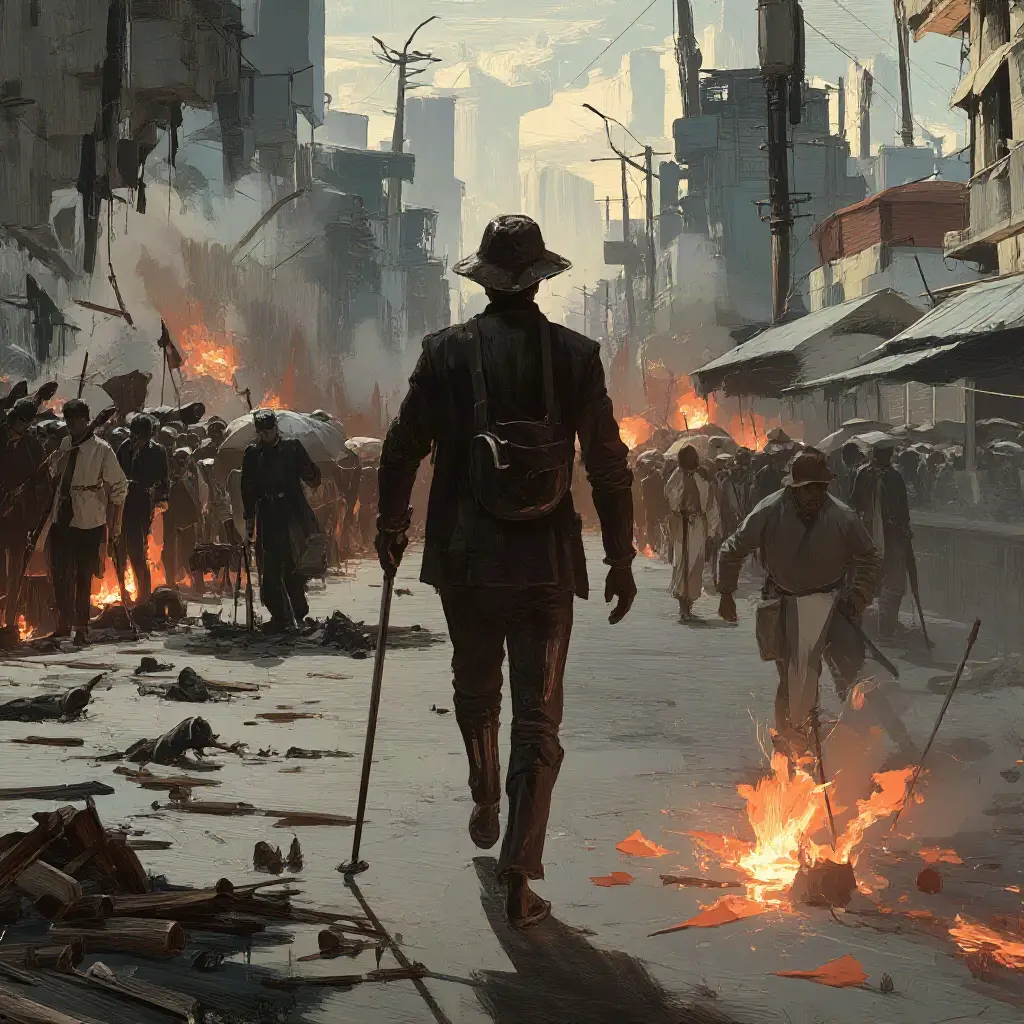 The Great Hanoi Rat HuntIn 1902 Hanoi paid for rat tails, 20,114 arrived in one day, then inspectors found farms breeding rats for the bounty.
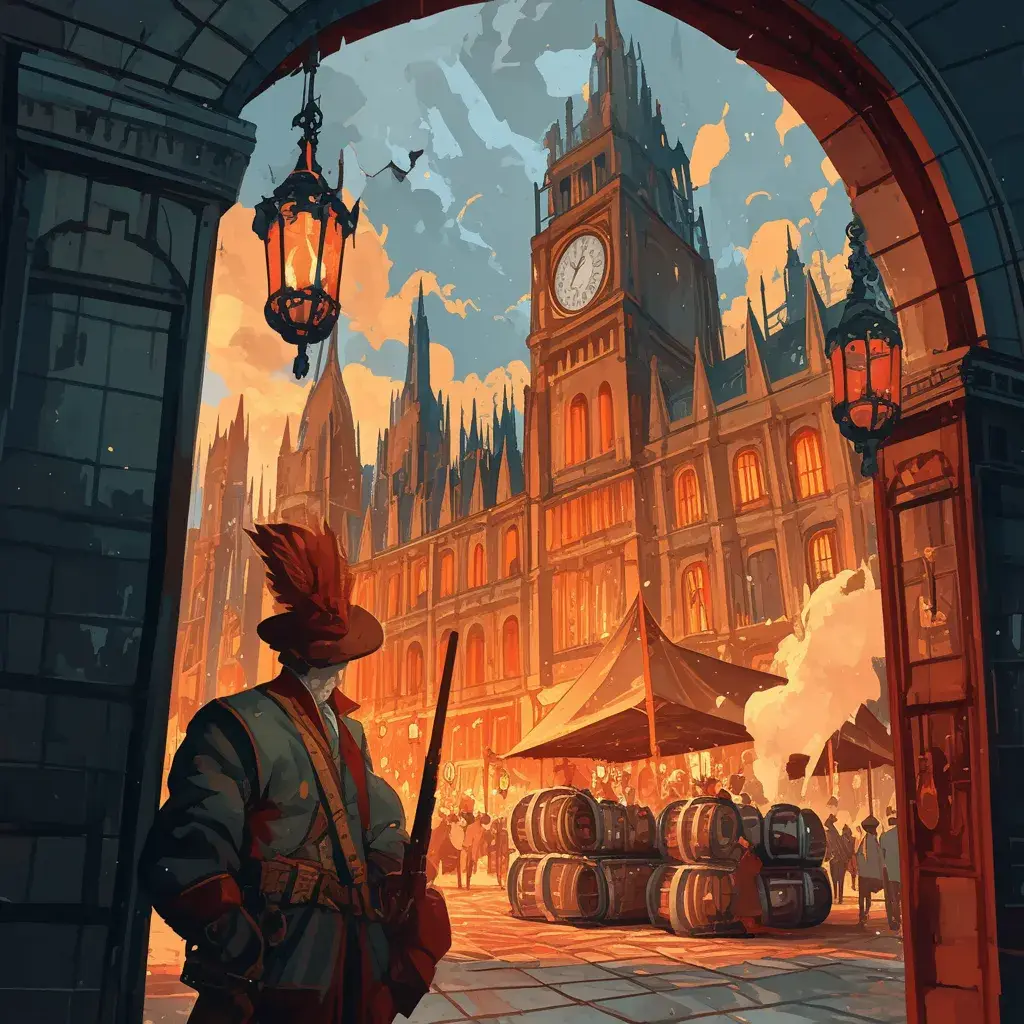 The Gunpowder PlotThe 1605 plot by English Catholics to blow up the House of Lords and kill James I, how an anonymous letter exposed it, and how it became Bonfire Night.
 Andy WarholAndy Warhol, the Pittsburgh-born illustrator who made Pop Art famous with 32 Campbell's Soup cans and turned fame itself into his subject.
 The Twelve ApostlesWho the twelve apostles of Jesus were according to the Gospels and Acts, and what the New Testament and later church traditions say became of Peter, James, Thomas and Matthias.
 William Golding's Lord of the FliesHow a teacher's WWII experiences led him to write a chilling fable about boys on an island, a book initially rejected as 'rubbish and dull'.
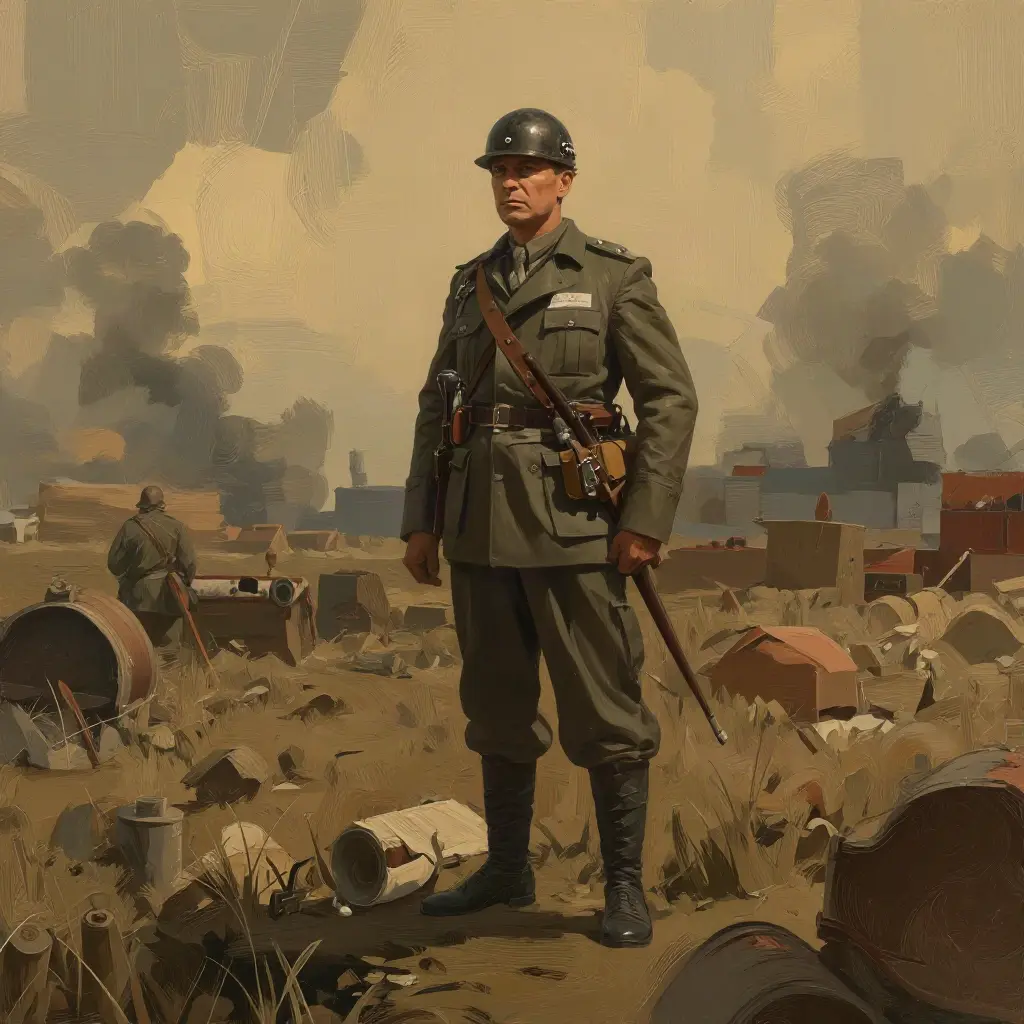 The Boer WarThe Second Boer War of 1899 to 1902 set Britain against two Boer republics. This story covers Black Week, the Khaki Election, scorched earth, the camps and the Peace of Vereeniging.
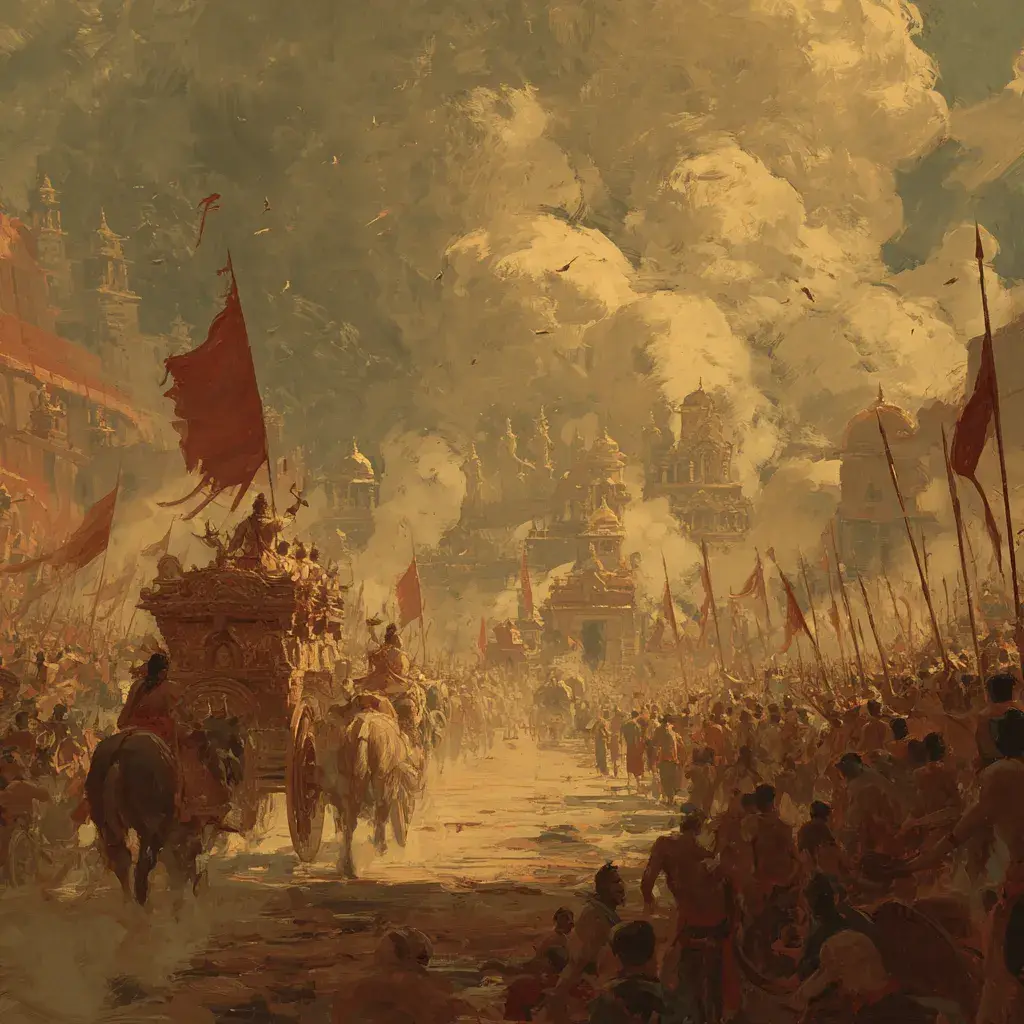 The Bhagavad GitaThe Bhagavad Gita, the Hindu scripture set on a battlefield: Prince Arjuna's crisis and Krishna's teaching on duty, the self and action.
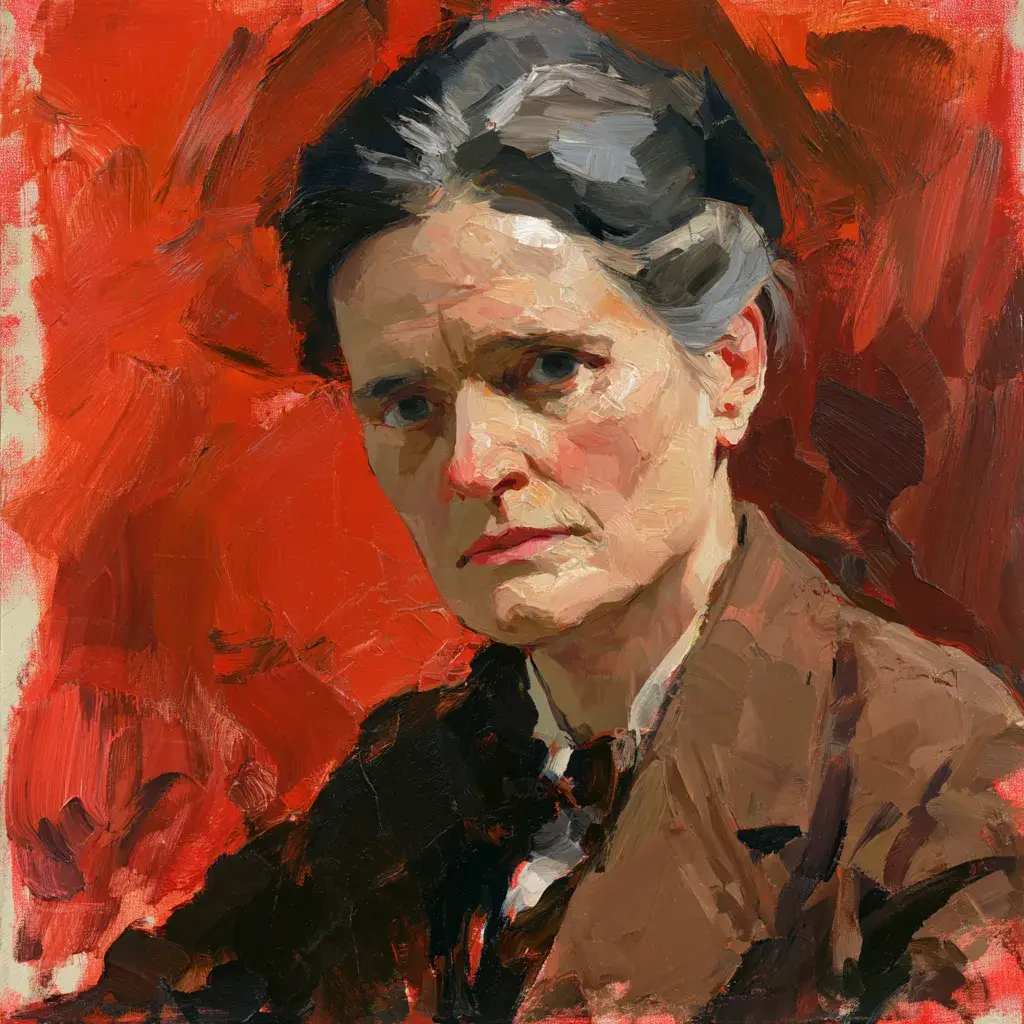 Frances Kelsey and ThalidomideThe FDA reviewer who refused to approve thalidomide in 1960, preventing a U.S. tragedy and changing drug laws forever.
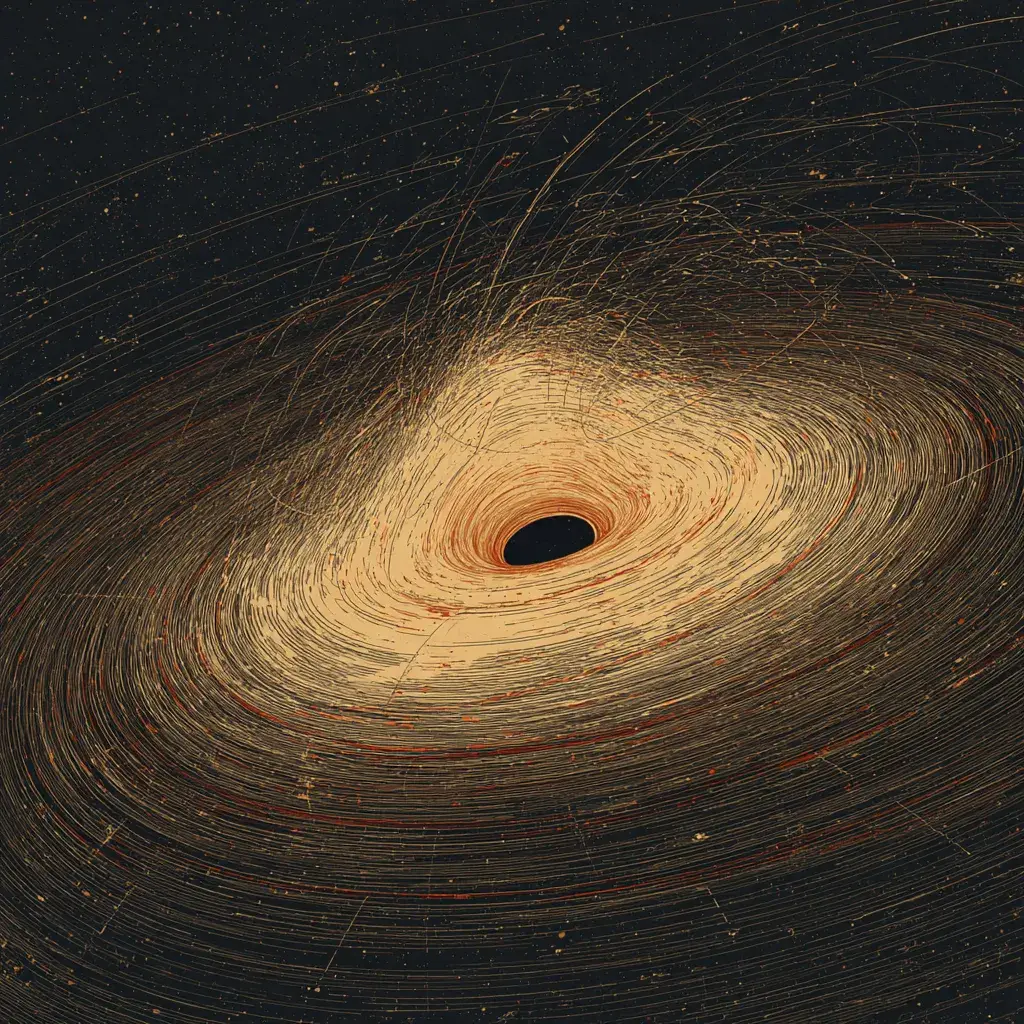 Black HolesExplore black holes, from their prediction by Karl Schwarzschild on WWI front lines to the first-ever photo of M87*’s event horizon.
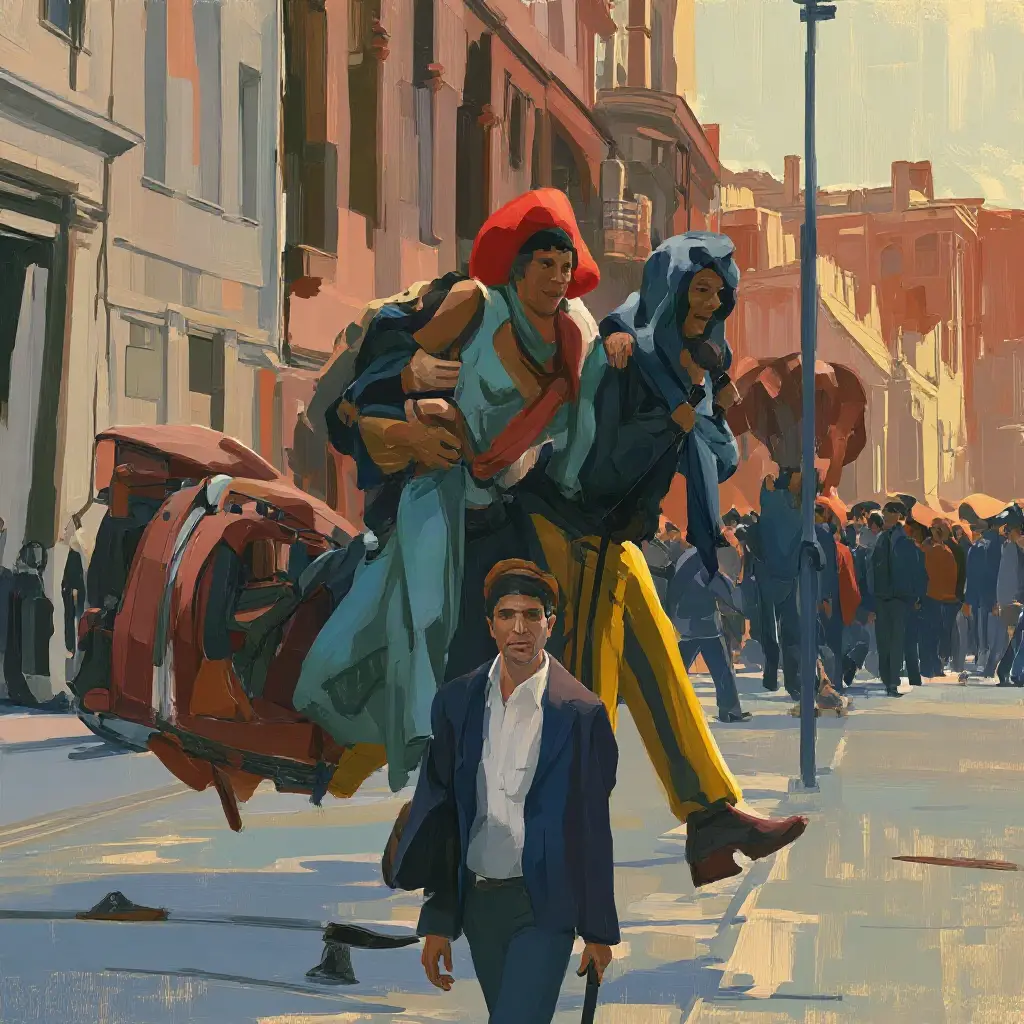 The History of StuckismThe Stuckist art movement was born from an insult when Tracey Emin told co-founder Billy Childish his paintings were "stuck!"
 Alan Turing and the Thinking MachineHe conceived the computer and broke the Enigma code, but Alan Turing's revolutionary career was cut short by a criminal conviction.
 The Death Match: Football Under OccupationIn August 1942 a Kyiv bakery team beat a German air force side 5-3, but the legend of their doom was written later.
 The Origins of HalloweenHalloween's roots are in Samhain, a Gaelic festival where carved turnips, not pumpkins, first lit the night.
 Jason and the Golden FleeceJason lost one sandal in a flooded river, and it sent him and the talking ship Argo after a golden fleece.
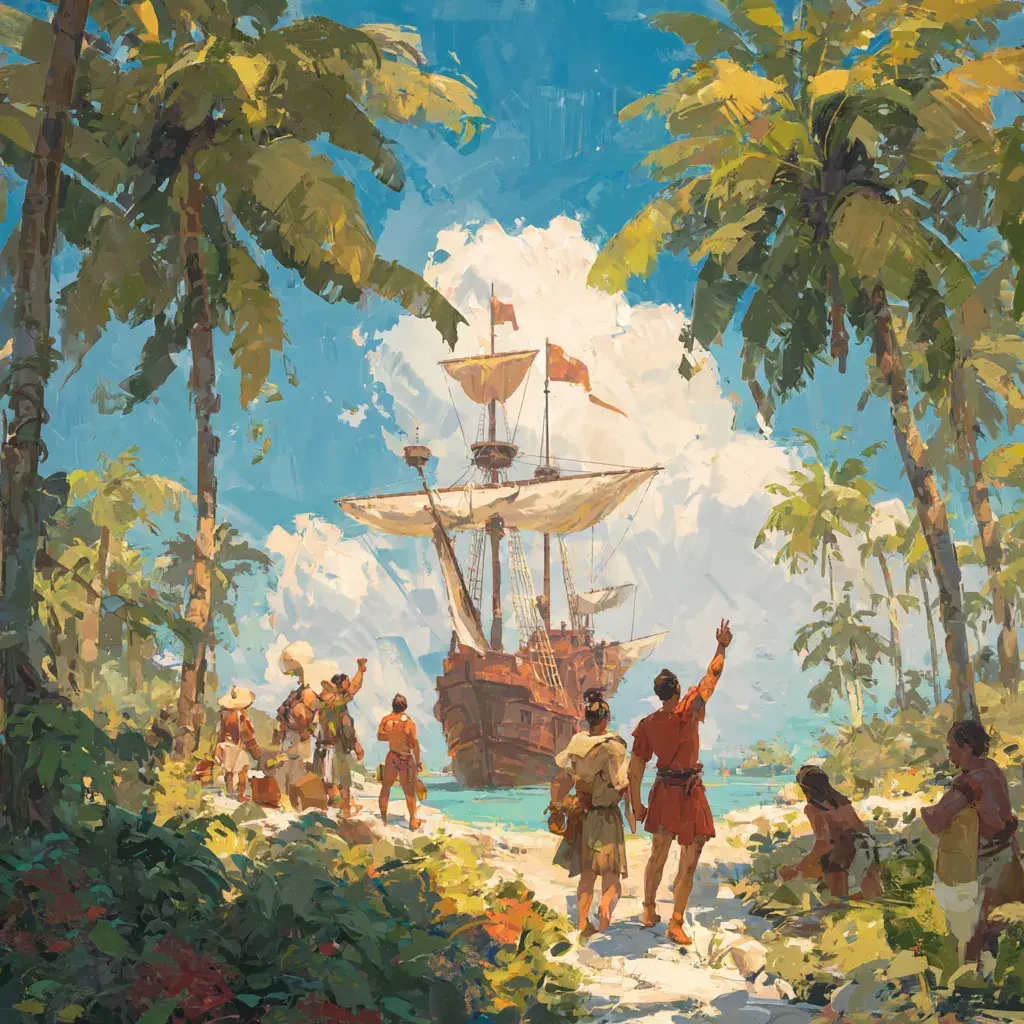 Christopher ColumbusThe life of Christopher Columbus, from his 1492 contract with Spain's monarchs and first Atlantic crossing to his arrest in chains and death still believing he had reached Asia.
 Orpheus and EurydiceThe Greek myth of Orpheus, the musician who went down to the underworld to bring back his wife Eurydice, and lost her by looking back.
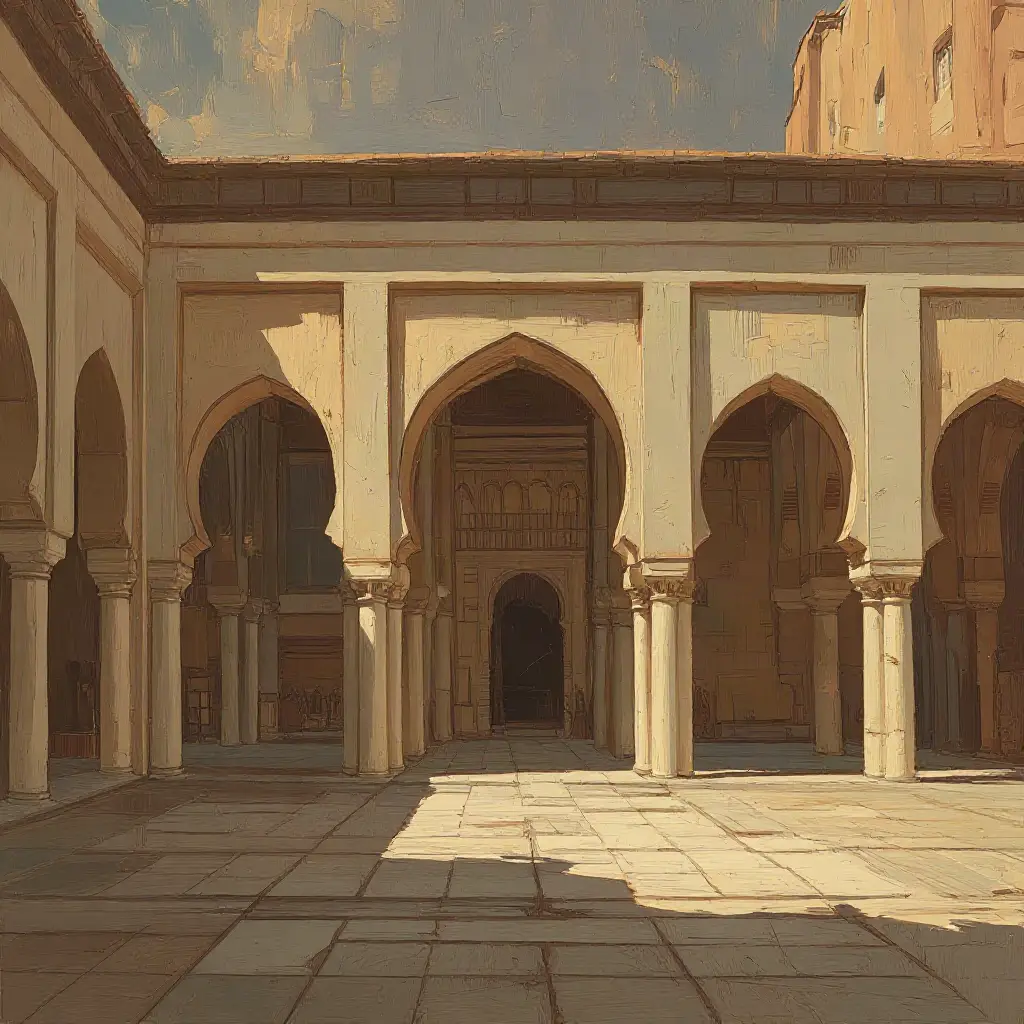 Al-Andalus: Muslim SpainThe nine-century history of al-Andalus, from the 711 conquest to the final expulsion of the Moriscos in 1614.
 Machu PicchuMachu Picchu, the Inca royal estate built for Emperor Pachacuti in the 1400s: how it was built, why it was abandoned, and who really lived there.
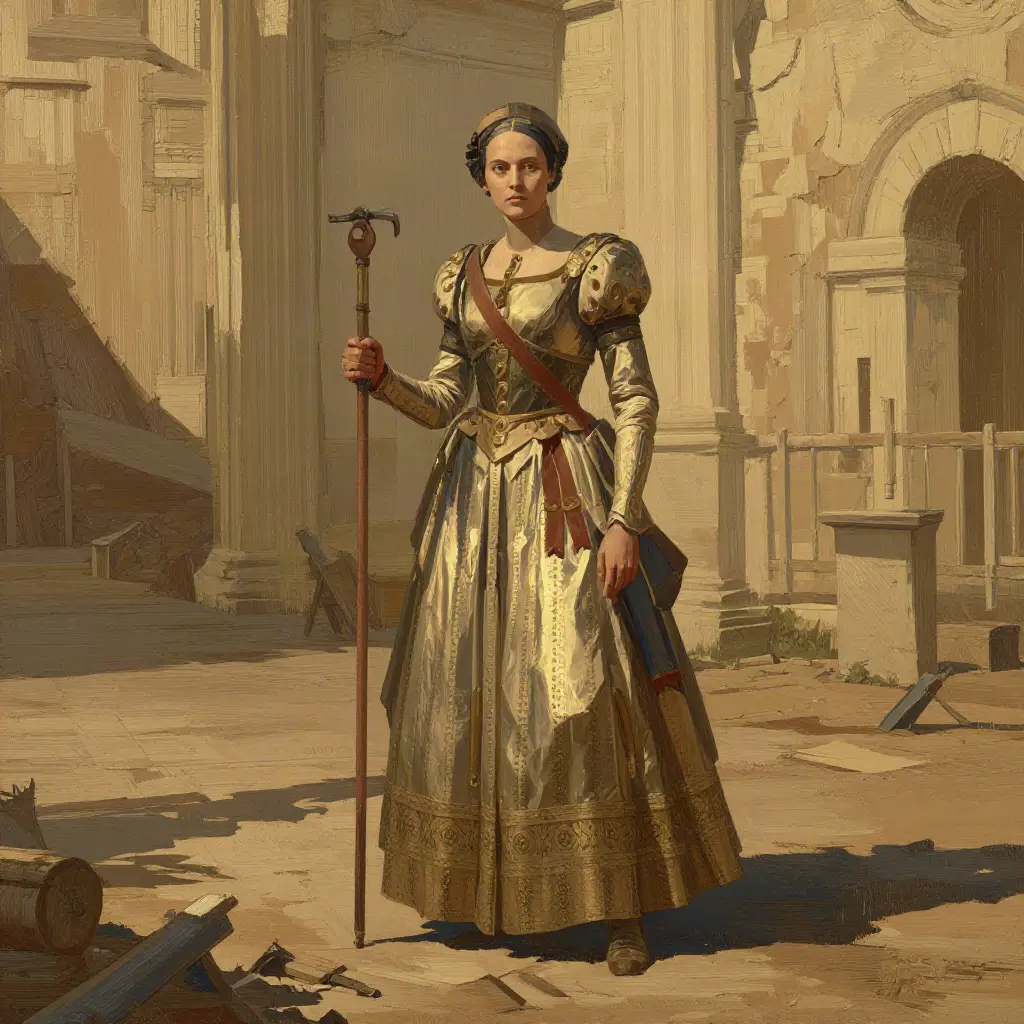 Joan of ArcA peasant girl who heard voices, Joan of Arc was given an army and broke the siege of Orléans in 1429 before being tried and executed.
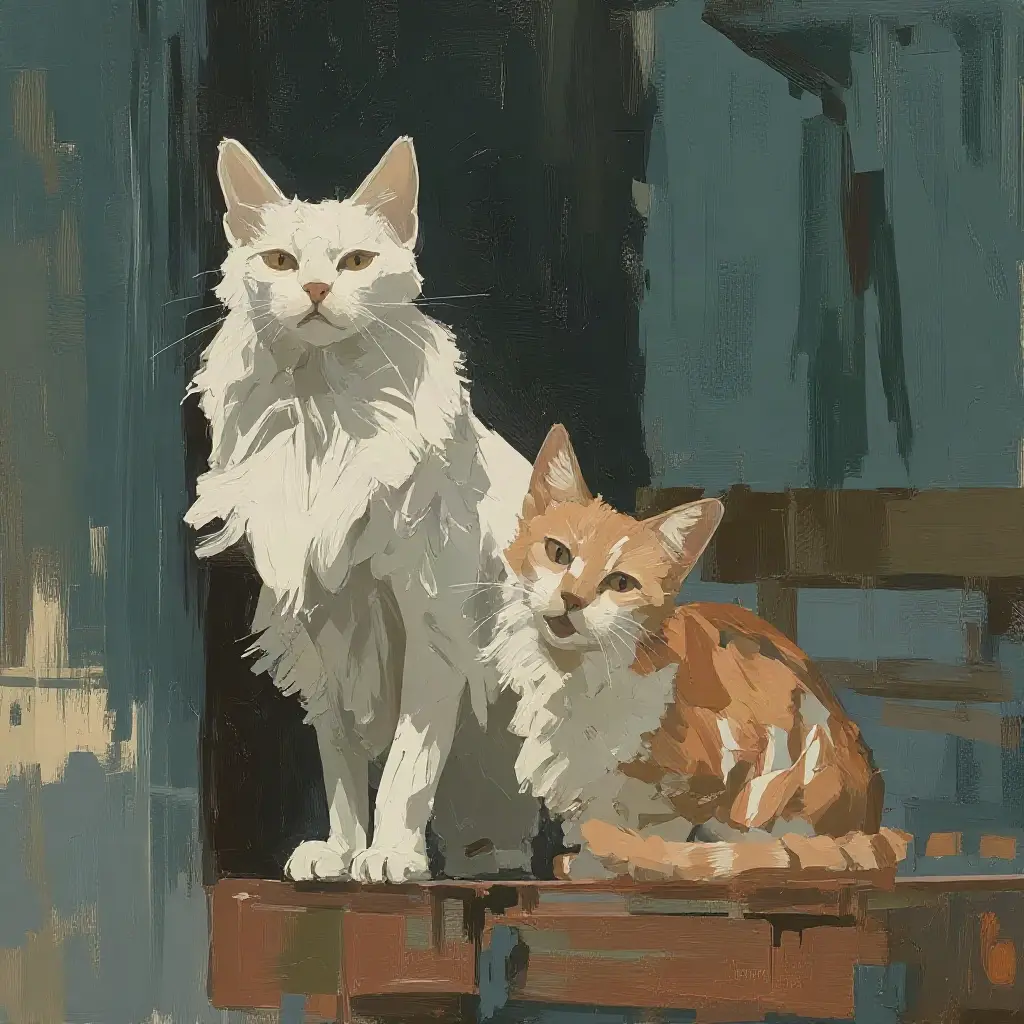 How Cats Domesticated ThemselvesHow wildcats became house cats, from 12,000-year-old origins in the Fertile Crescent to the truth of their self-domestication.
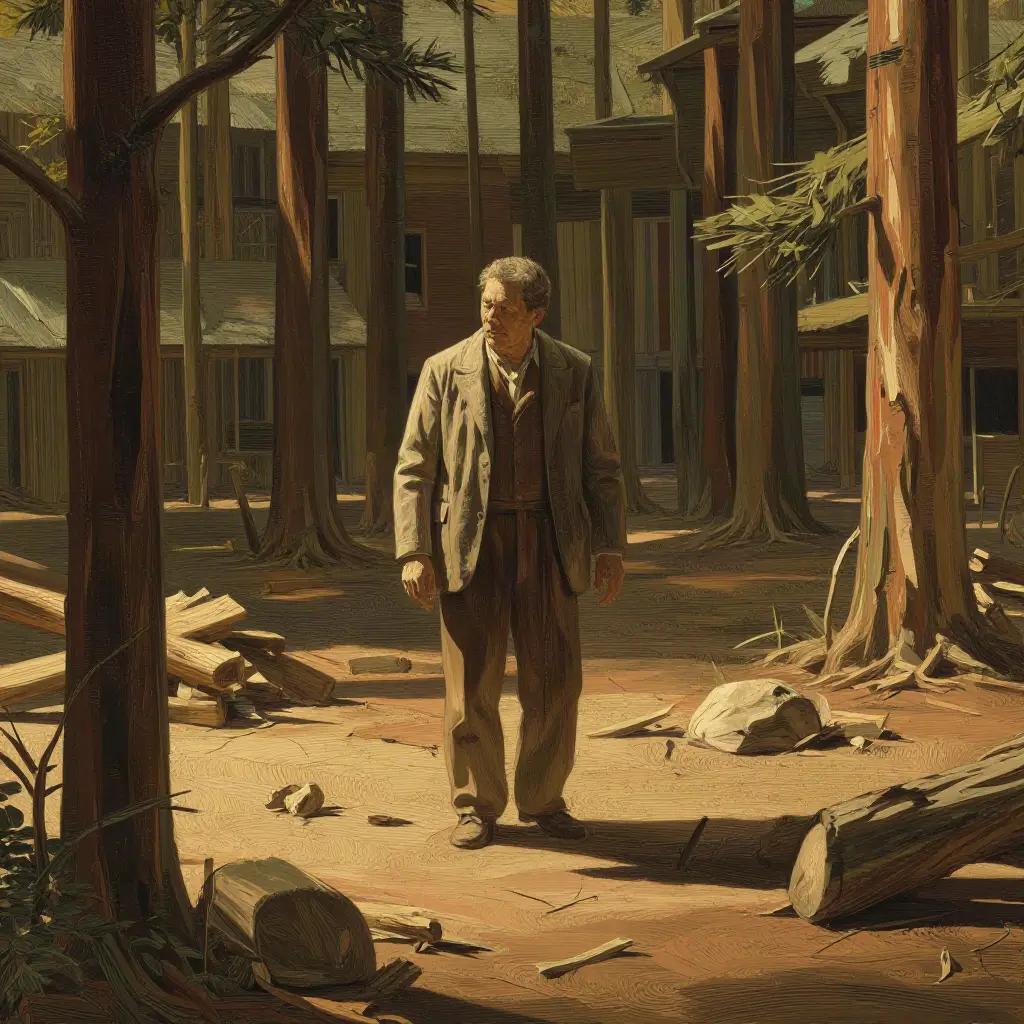 The Robbers Cave ExperimentMuzafer Sherif's 1954 summer-camp study of how rivalry turns groups against each other, and what his own notes later revealed about it.
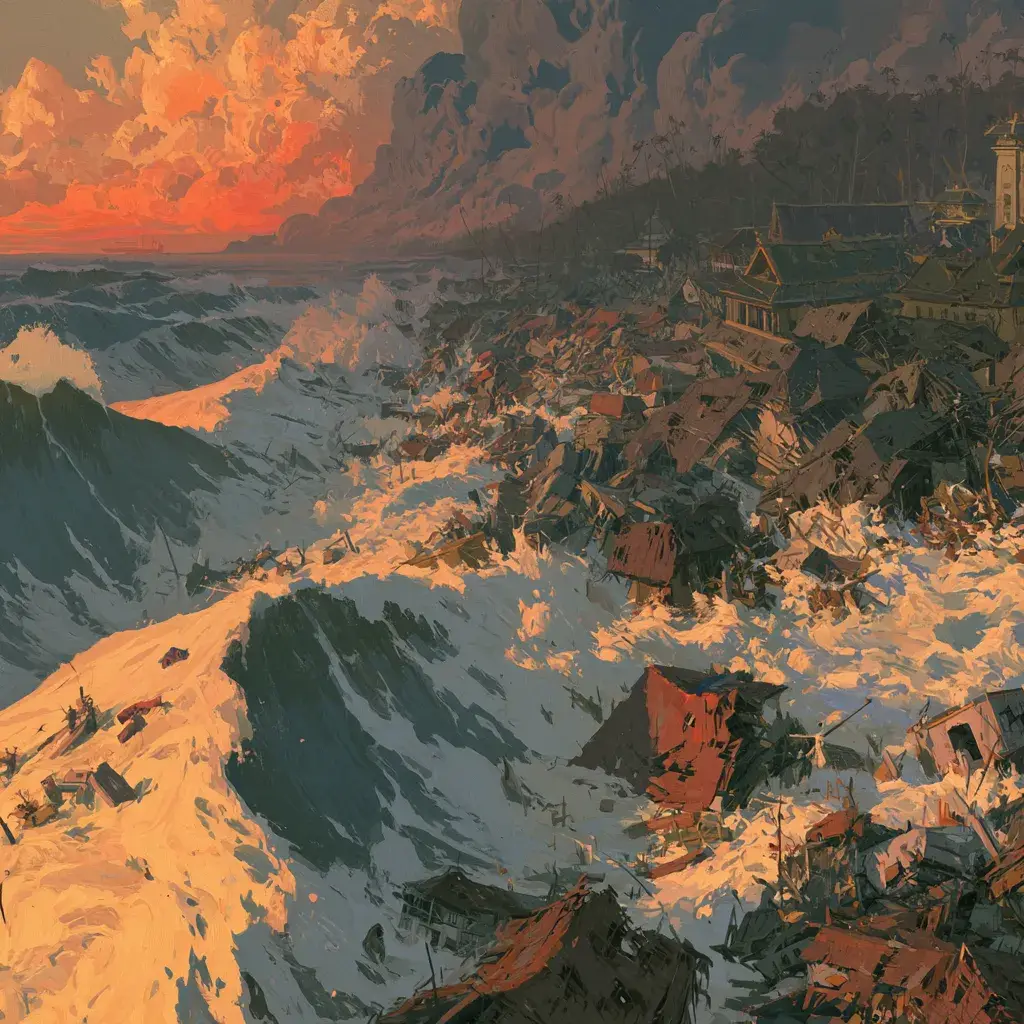 The Boxing Day TsunamiHow the December 2004 Sumatra earthquake set off the deadliest tsunami on record, what happened from Aceh to Thailand and Somalia, and the Indian Ocean warning system built afterwards.
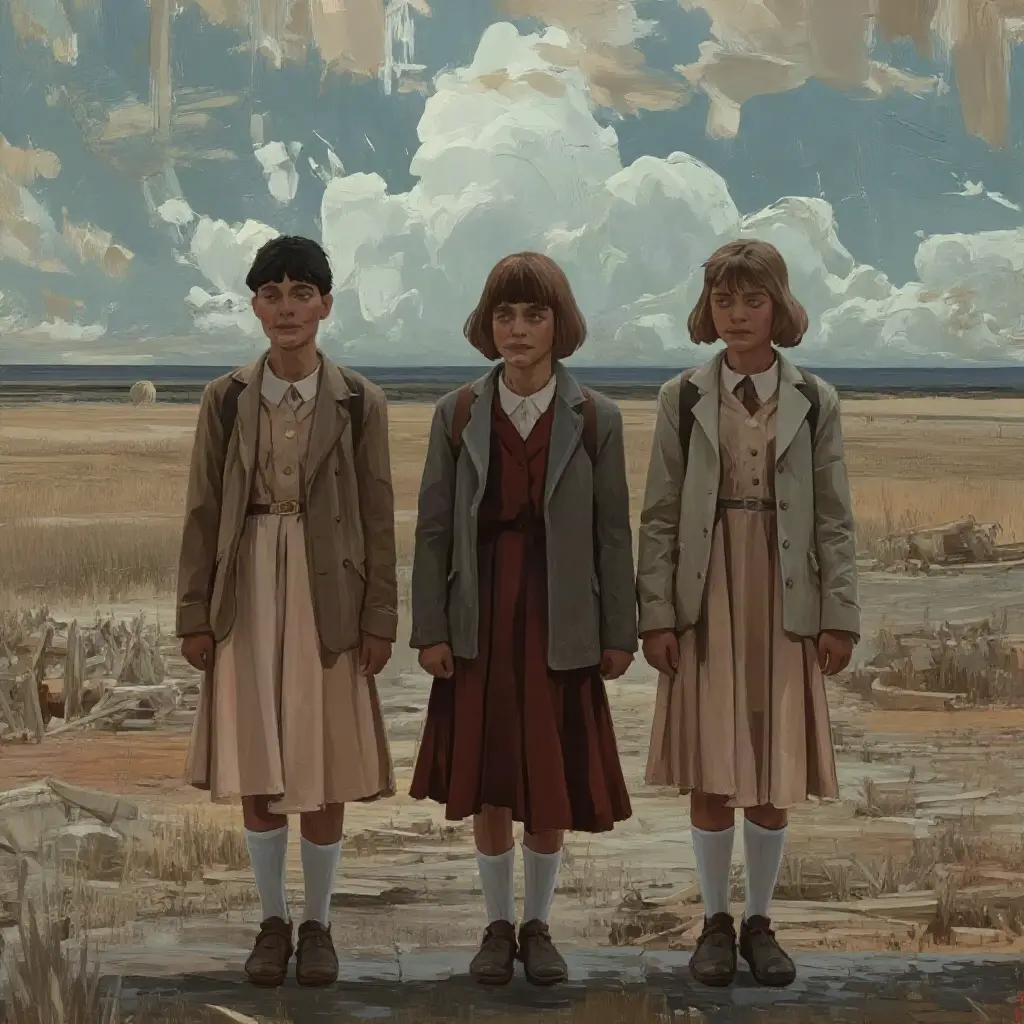 Rabbit-Proof Fence: Three Girls Walk HomeThree girls fled a government settlement in 1931 and followed a rabbit-proof fence on a 1,600 km walk home.
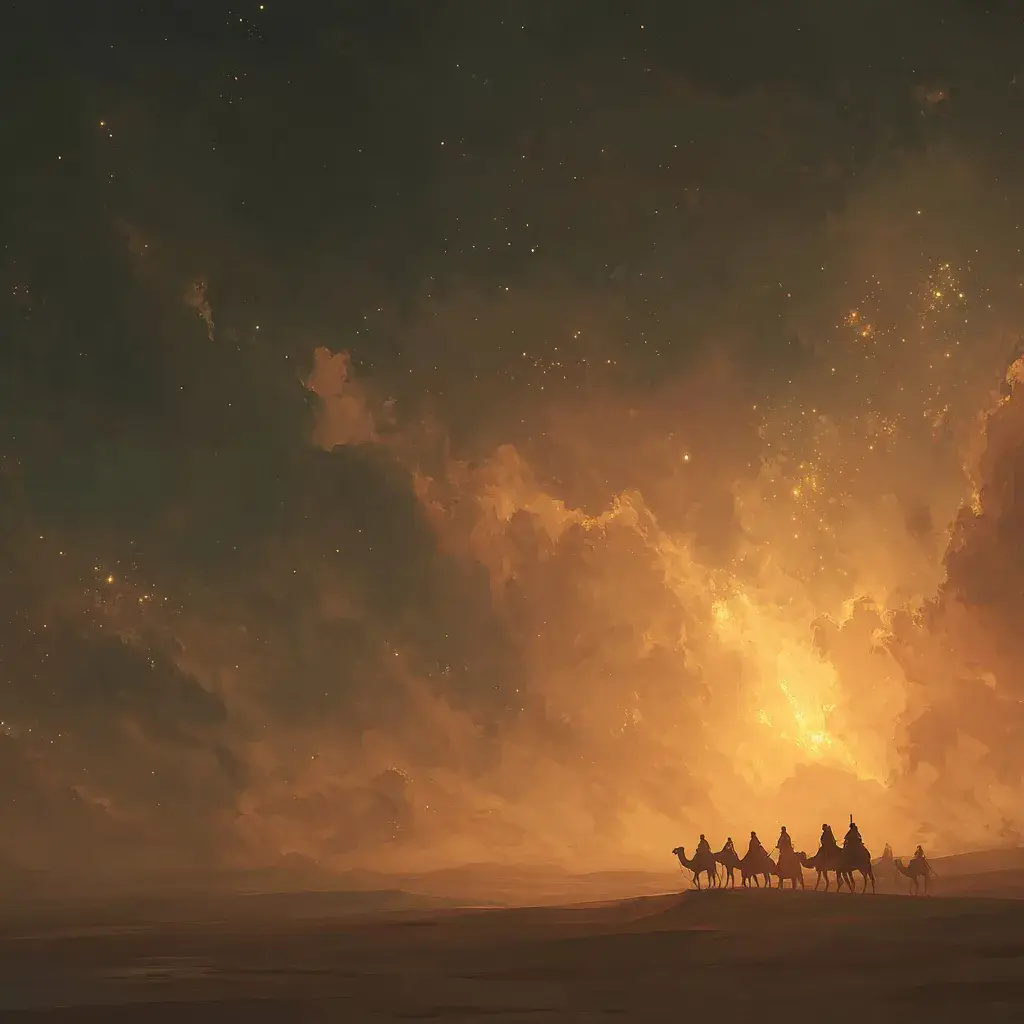 The Silk Road: A Journey Across ContinentsThe Silk Road, the network of trade routes that linked China to the Mediterranean and carried silk, paper, religions and ideas for 1,500 years.
 The War of 1812The strange war between the US and Britain that saw the White House burned and a national anthem written as a result of the fighting.
 The Mona Lisa HeistIn 1911 a handyman in a white smock took the Mona Lisa from the Louvre, and it stayed missing for 28 months.
 The Hundred Years' WarThe 116-year struggle between England and France, a war of shifting tactics from longbows at Crécy to cannons at Castillon.
 Cognitive DissonanceIn 1954, Leon Festinger watched a cult react to a failed apocalypse, leading to his groundbreaking theory of cognitive dissonance.
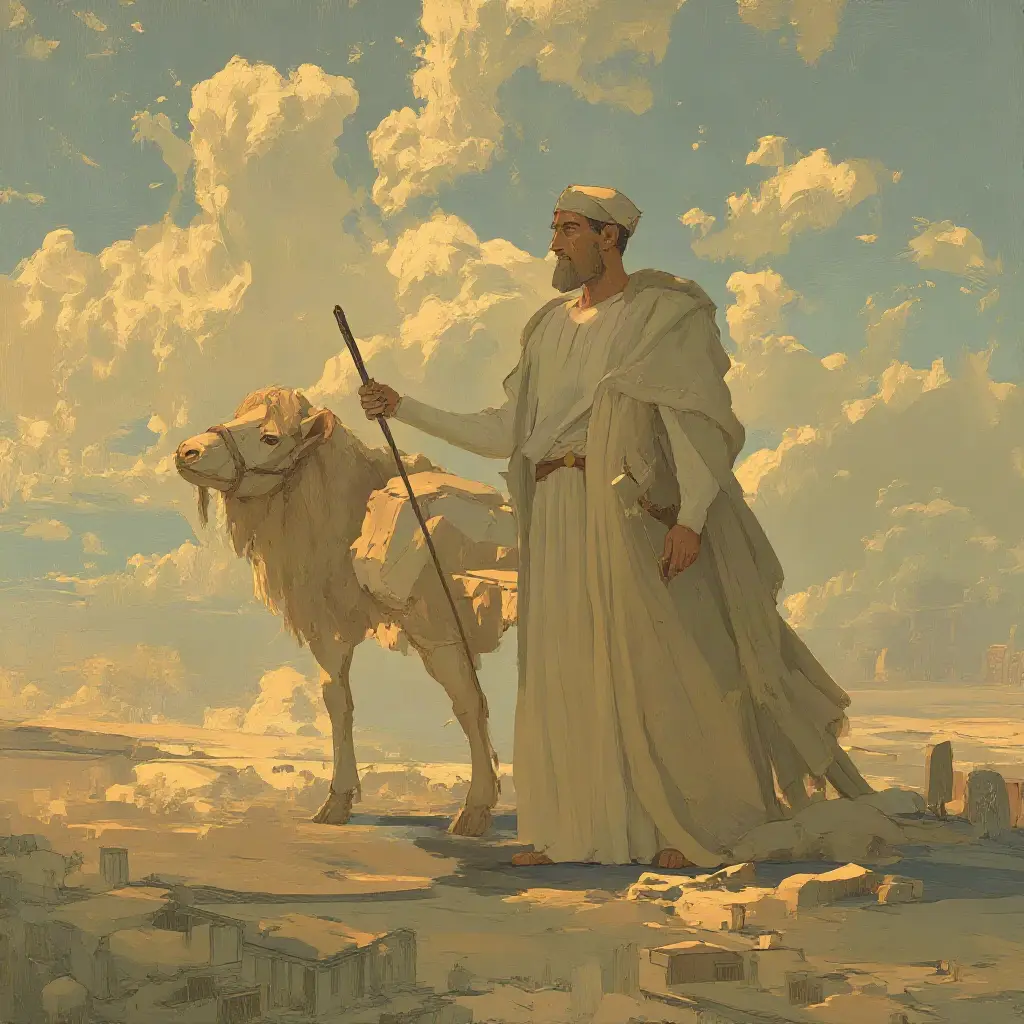 The Rise of SaladinHow a Kurdish officer united the Muslim world, retook Jerusalem in 1187, and negotiated a truce with Richard the Lionheart.
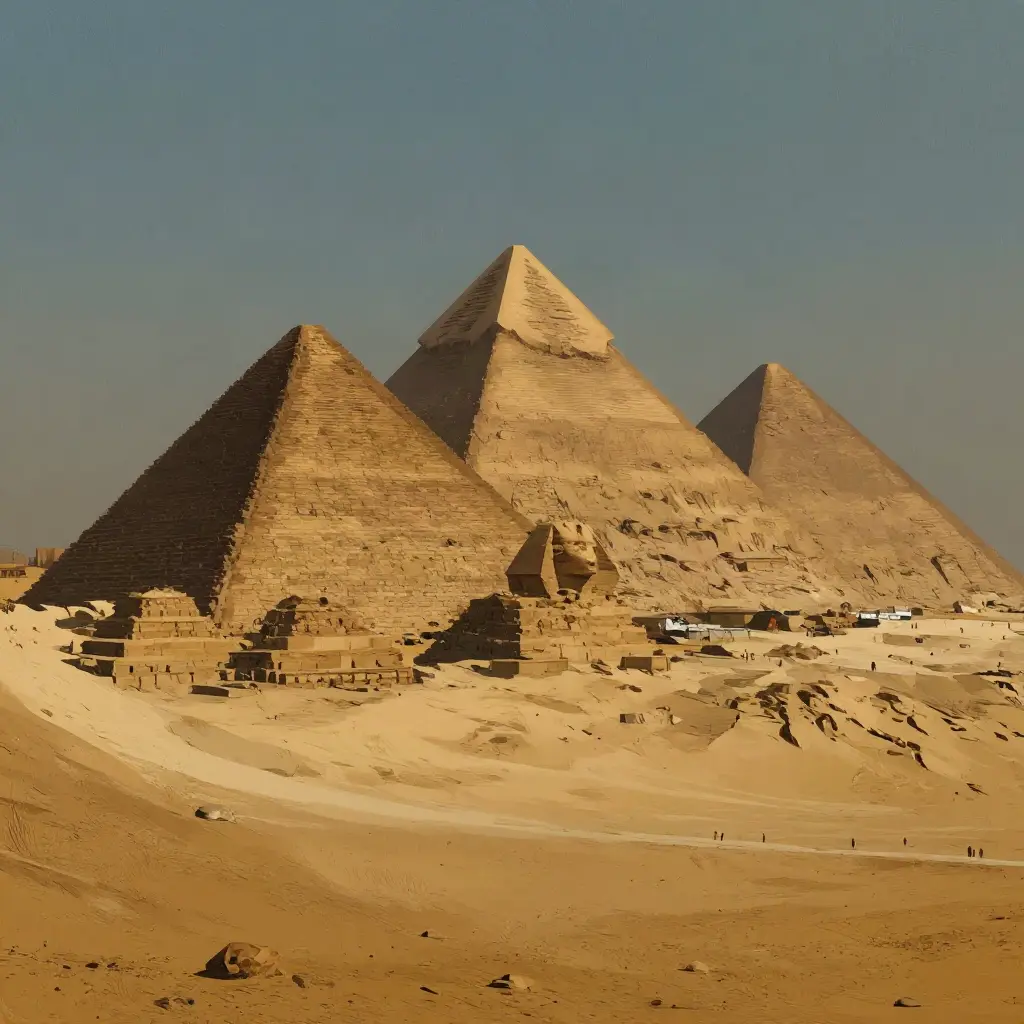 The Pyramids of GizaHow the Great Pyramid of Giza was built around 2580 BC: the architect, an inspector's surviving diary, and the paid workers' city beside it.
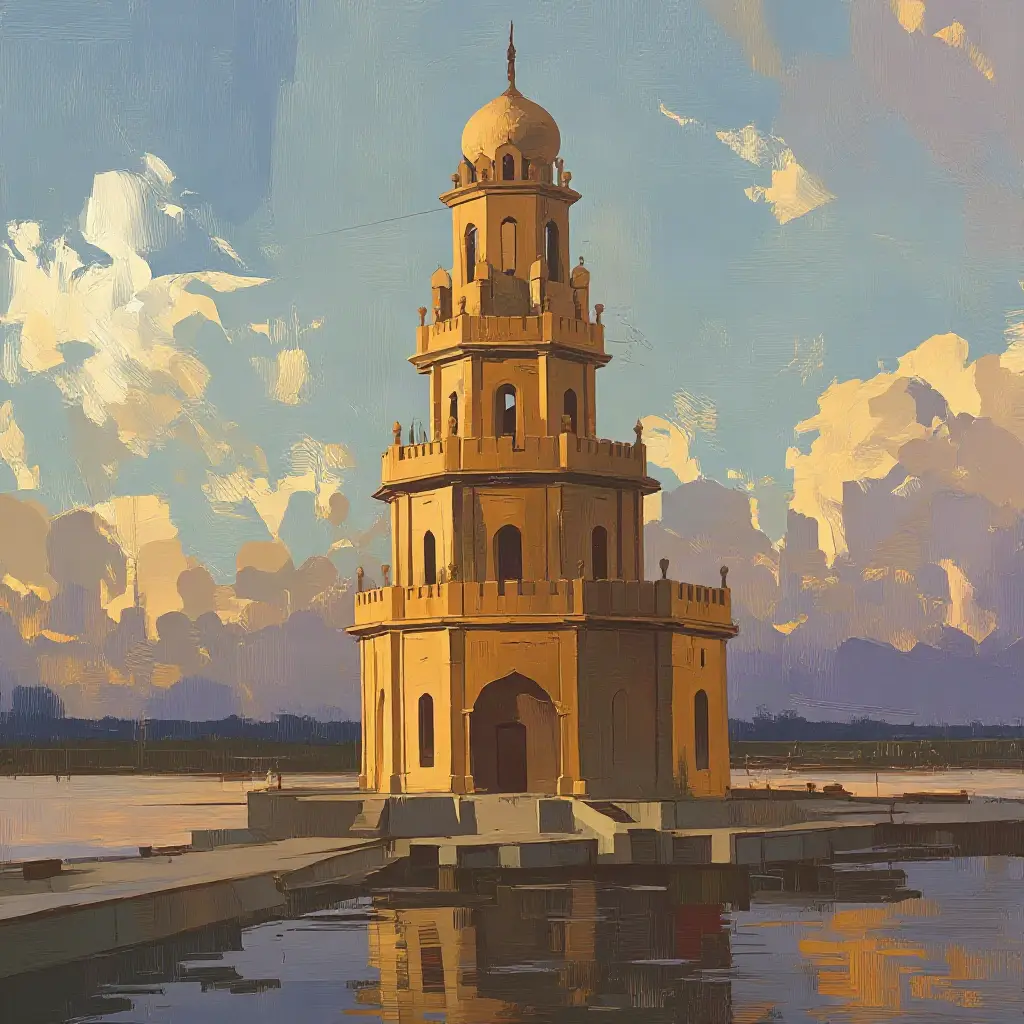 The Origins of DiwaliDiwali, the Hindu, Jain and Sikh festival of lights: the stories behind it, from Rama's return to Ayodhya to the release of Guru Hargobind.
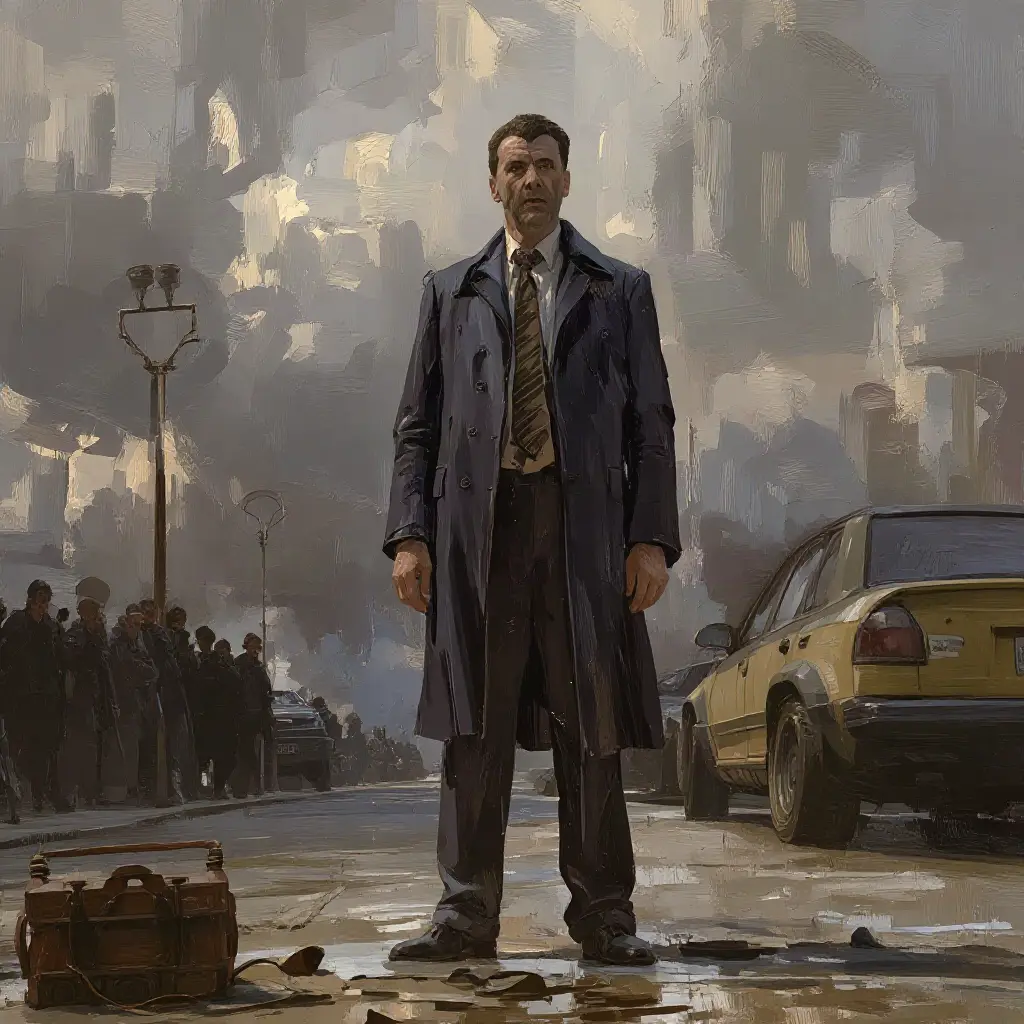 The Troubles in Northern IrelandThe 30-year conflict in Northern Ireland, from the 1968 civil rights marches to the 1998 Good Friday Agreement.
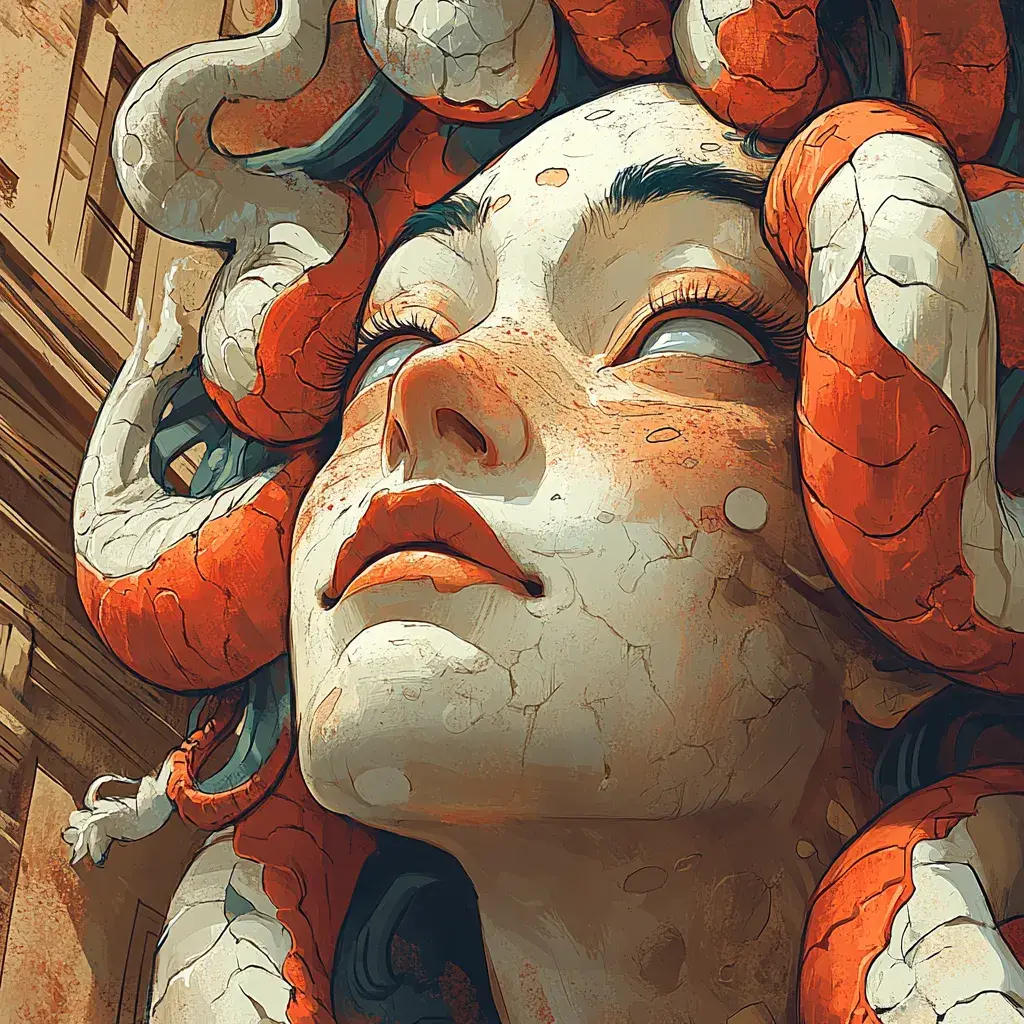 Medusa and PerseusThe myth of Medusa features two distinct origins: one where she was born a monster, and another where she was cursed by a goddess.
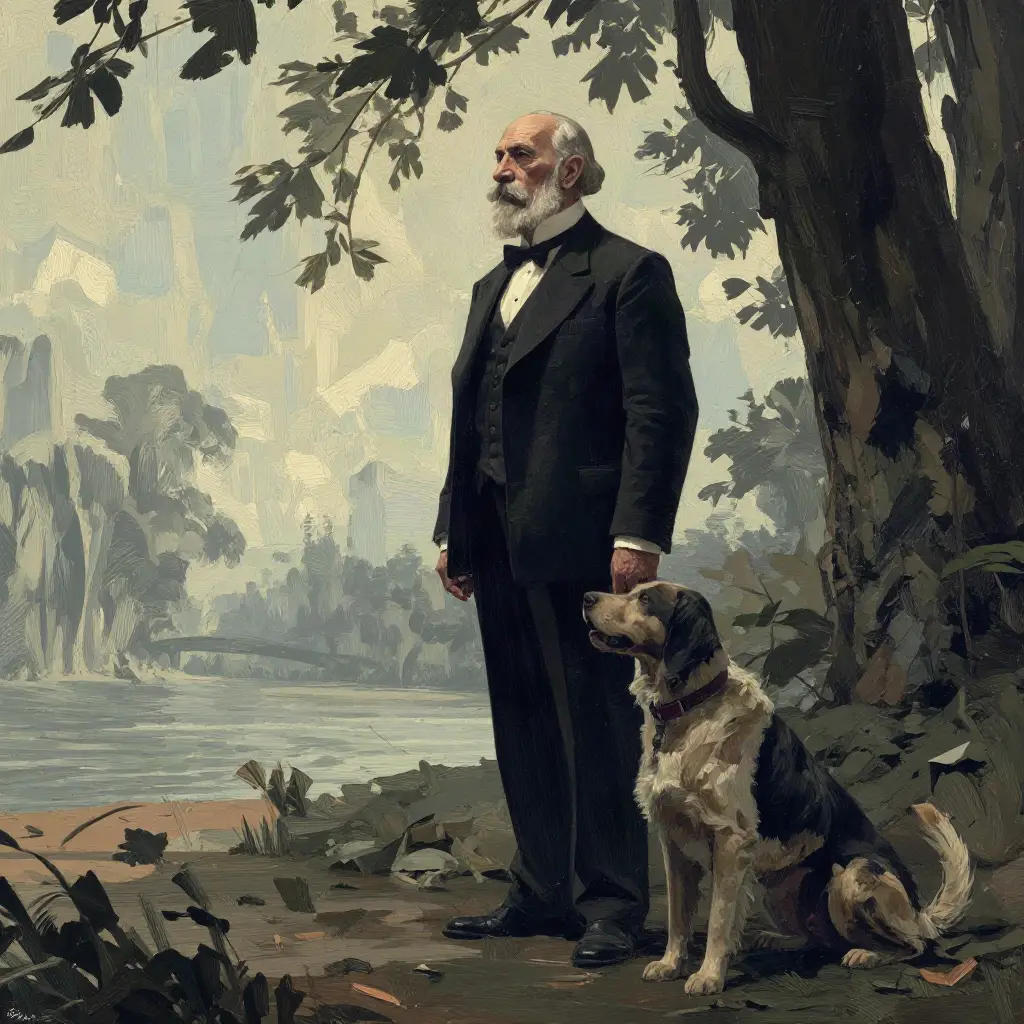 Pavlov's DogsThe true story of Ivan Pavlov, who discovered classical conditioning while conducting Nobel-winning research on digestion.
 The Placebo EffectWhy a sugar pill can ease real pain: discover the science of the placebo effect, from the 1950s to the brain's chemistry.
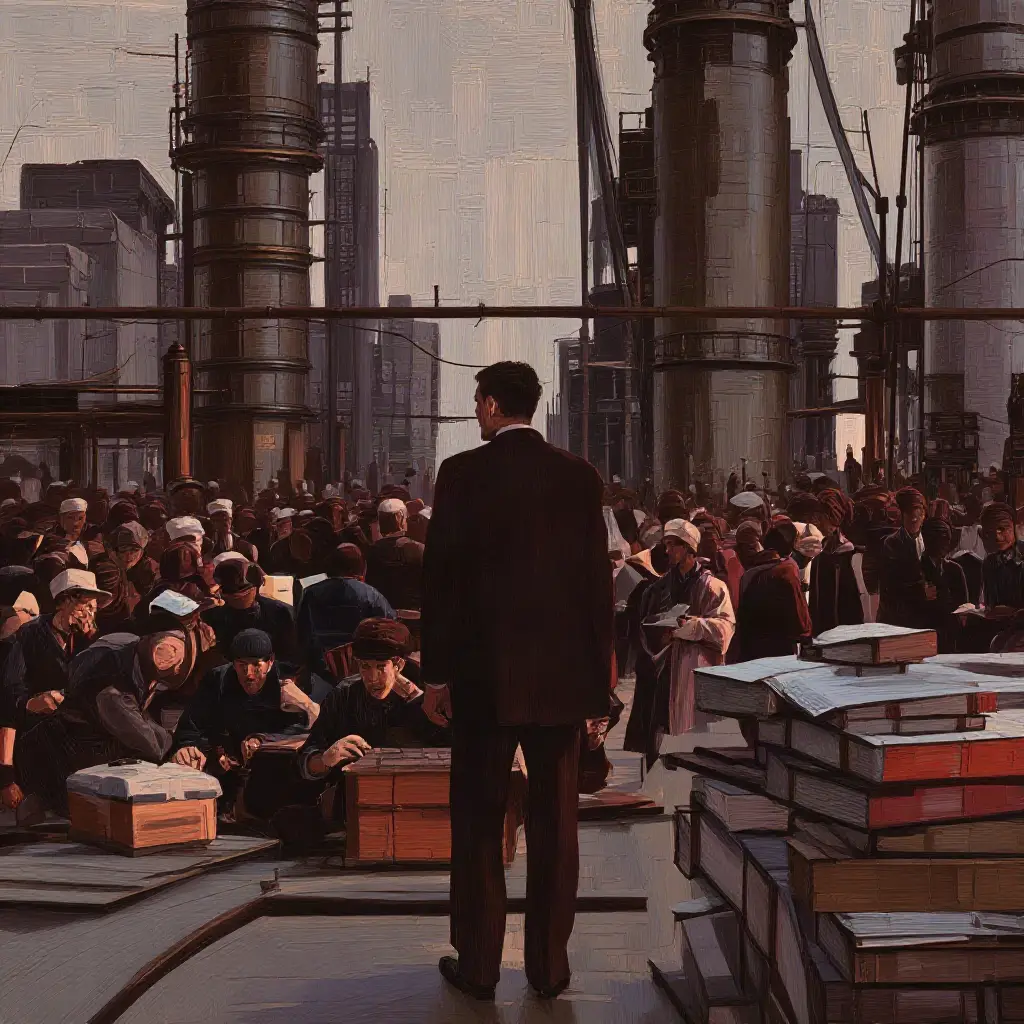 The 2008 Financial CrisisHow cheap credit, subprime mortgages and complex securities led to the 2008 financial crisis, from the fall of Bear Stearns and Lehman Brothers to the AIG rescue, the bank bailout and the Great Recession.
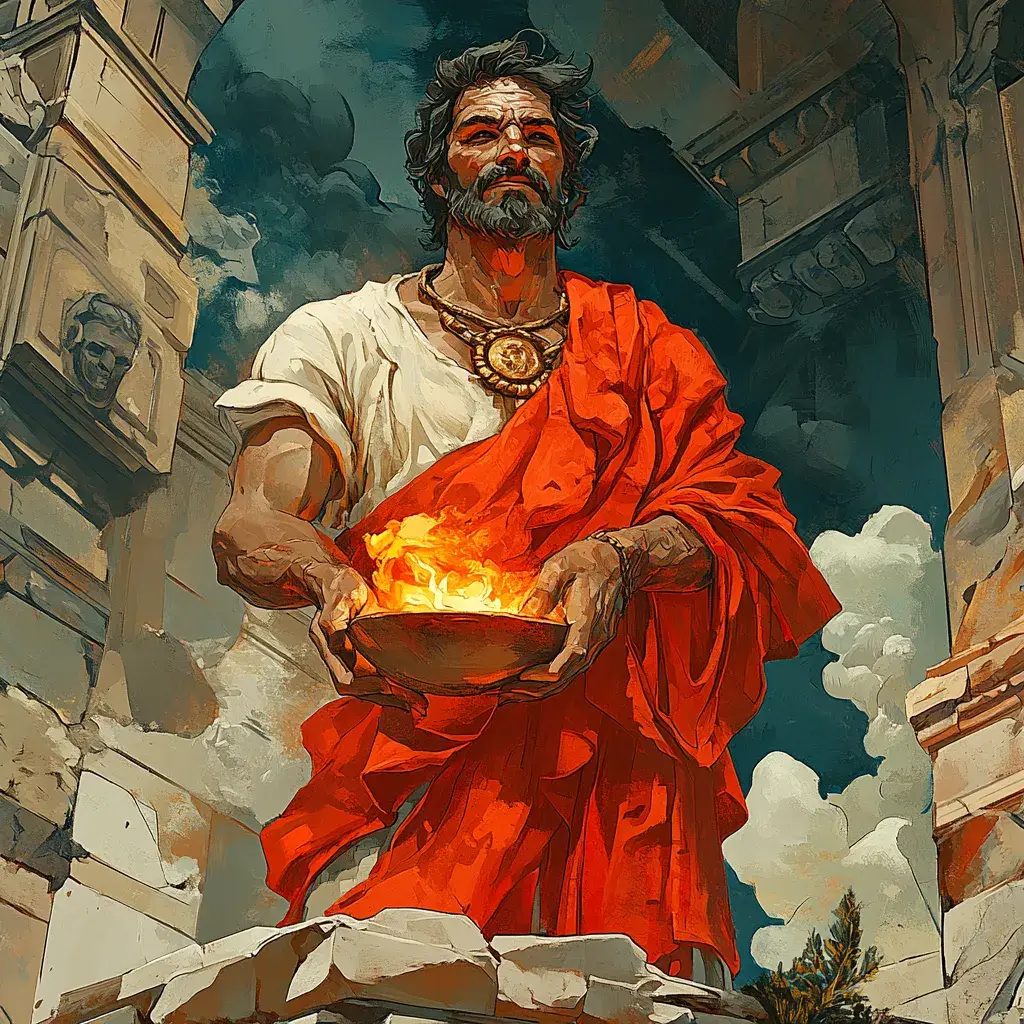 Prometheus and the Theft of FireThe Greek myth of Prometheus, who tricked Zeus over the sacrifice at Mecone, stole fire for humanity, and was chained to a mountain until Heracles freed him.
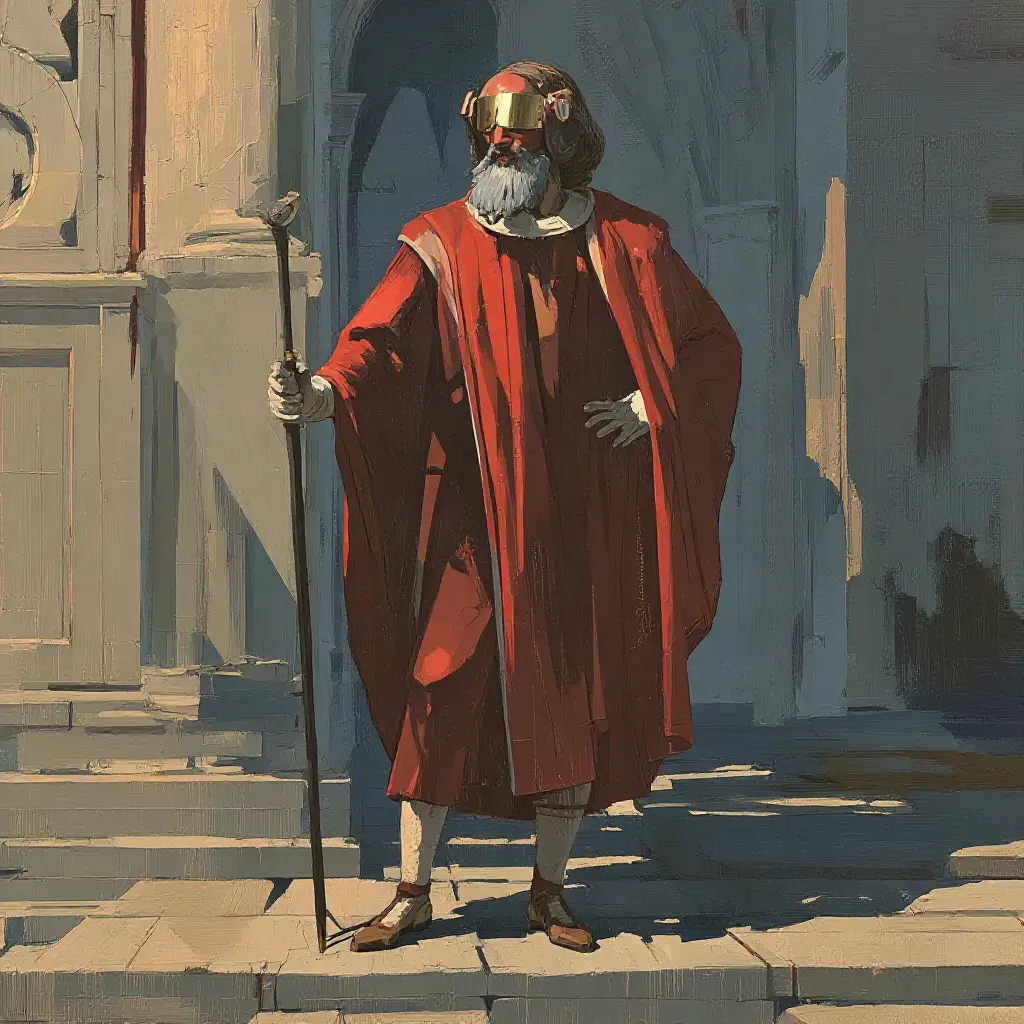 GalileoIn 1609, Galileo Galilei's telescope revealed a new cosmos, leading to a clash with the Church that would define an era of science.
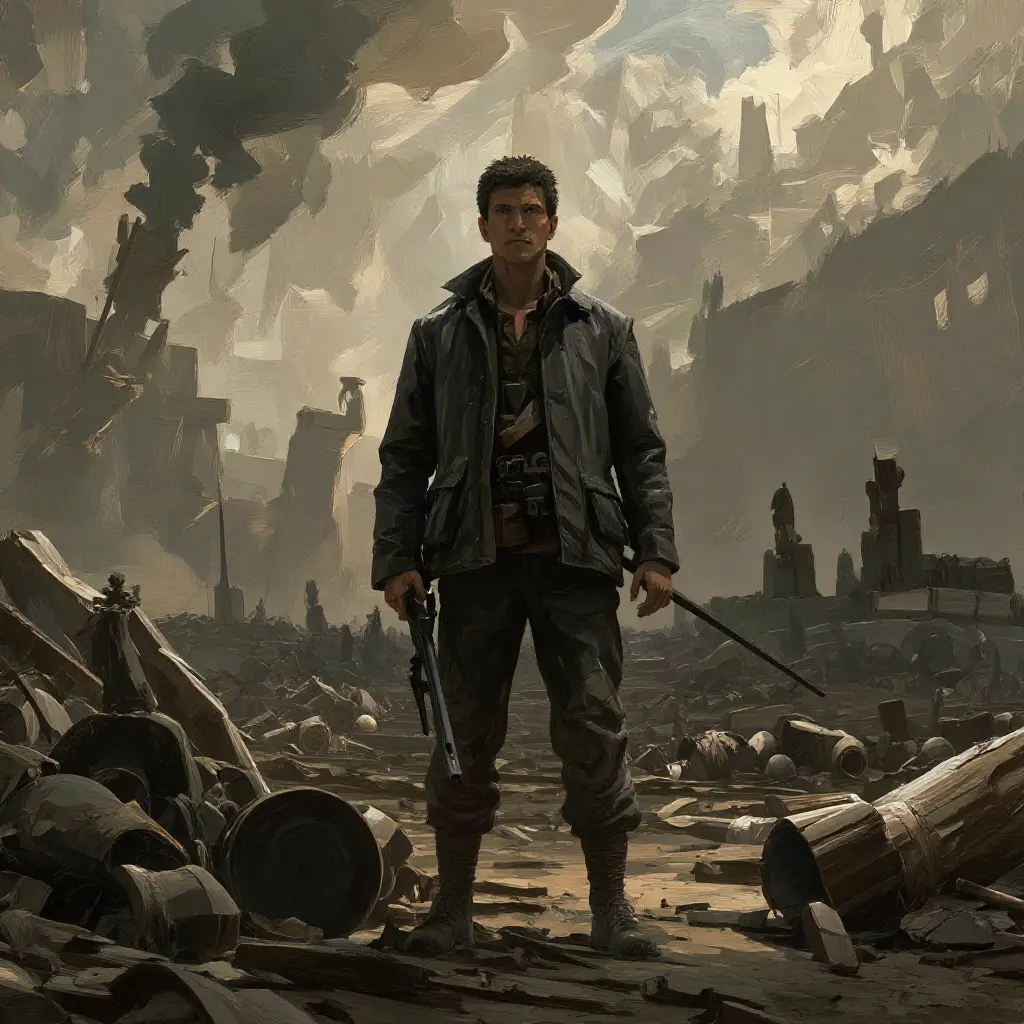 The Korean WarAfter a hasty division at the 38th parallel, the 1950 invasion of South Korea began a brutal war that left the peninsula divided and without a peace treaty.
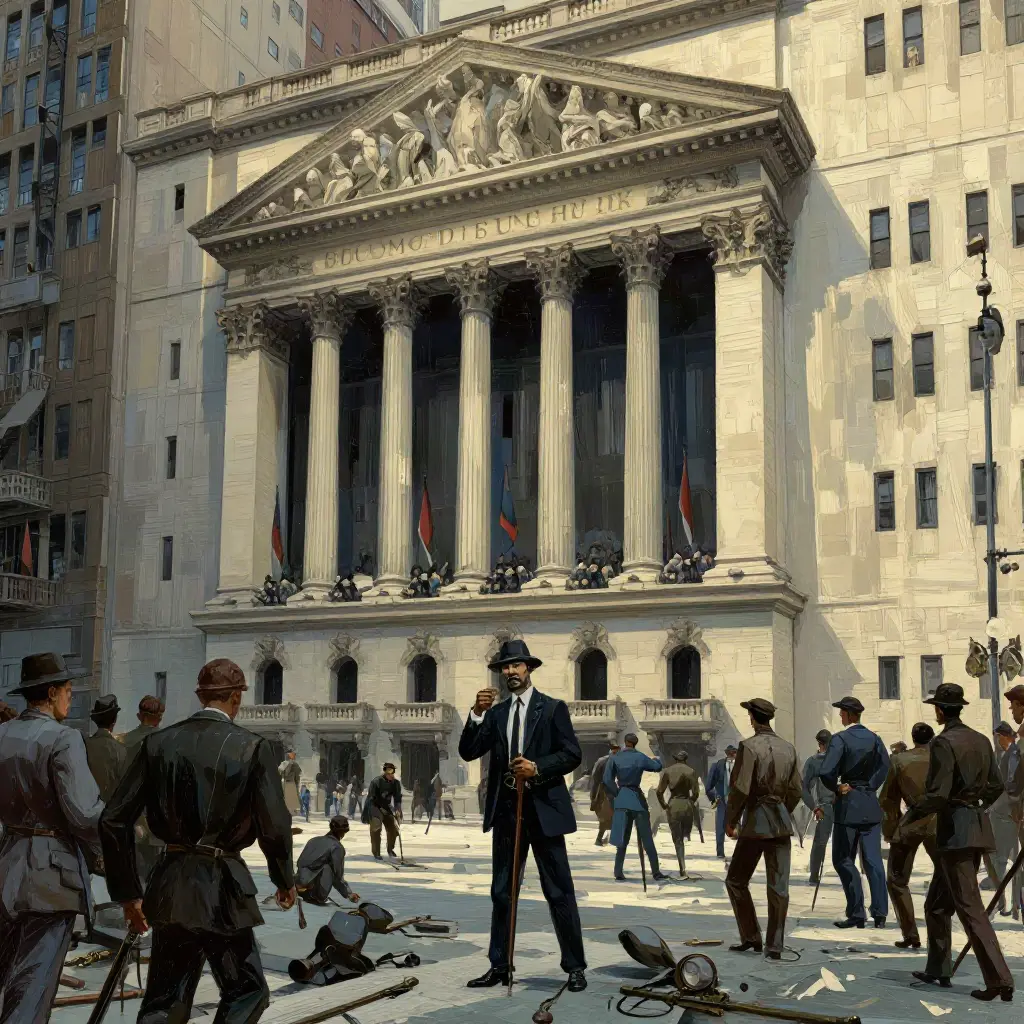 The Wall Street Crash of 1929A stock boom sextupled the market on borrowed money before a record crash wiped out nearly a war's worth of wealth.
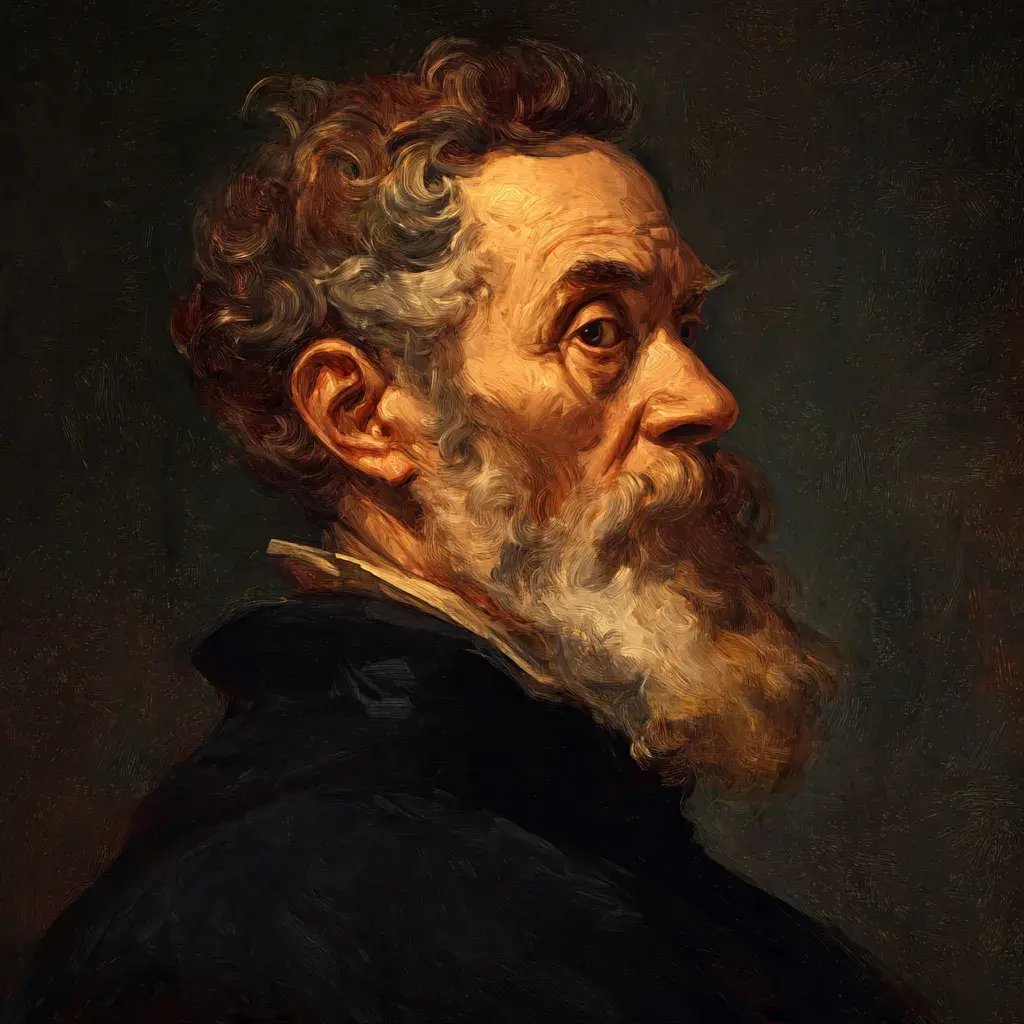 MichelangeloThe story of the sculptor who painted the Sistine ceiling, and how his work changed what art could do.
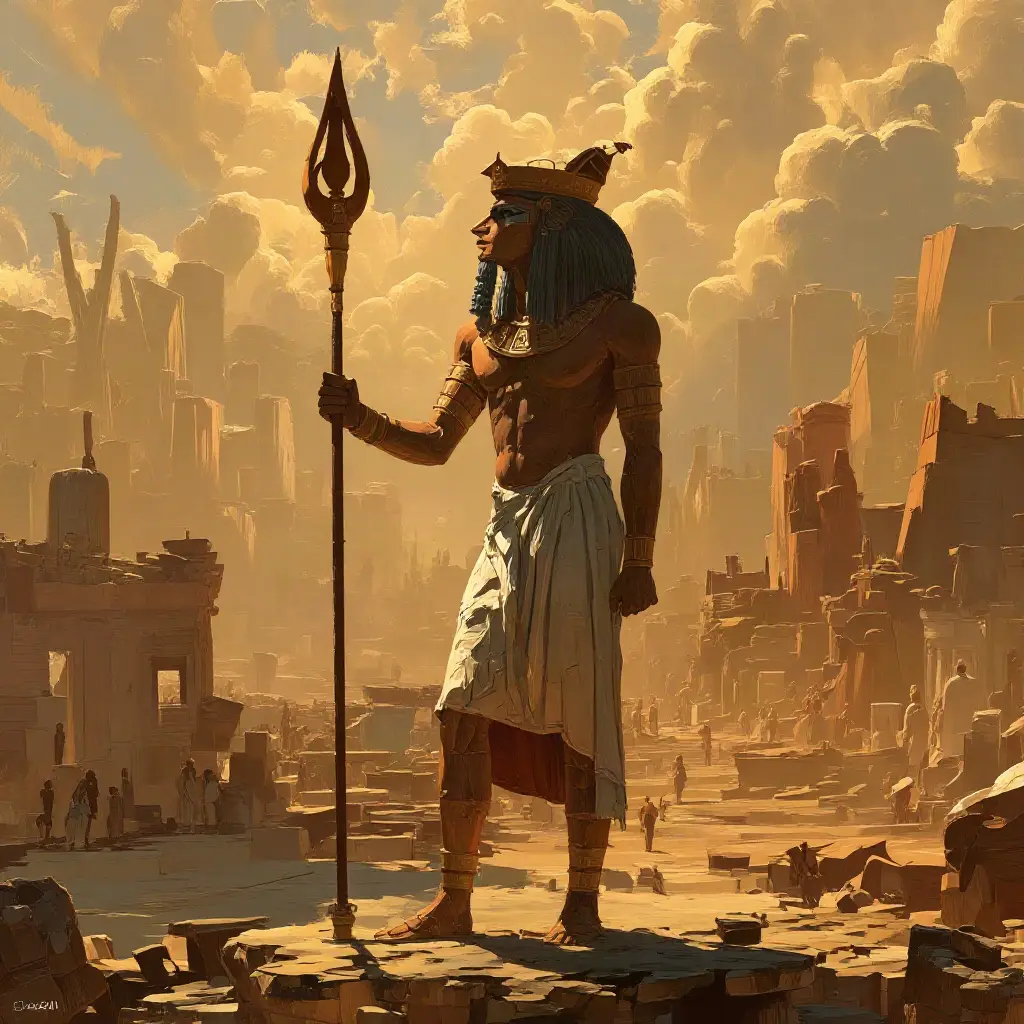 Osiris and IsisThe Egyptian myth of Osiris: his murder, Isis's quest to restore him, and his final role as eternal judge of the dead.
 Steve Jobs and the Birth of AppleHow Steve Jobs, Steve Wozniak and Ronald Wayne started Apple in 1976, selling a van and a calculator to pay for the first computers.
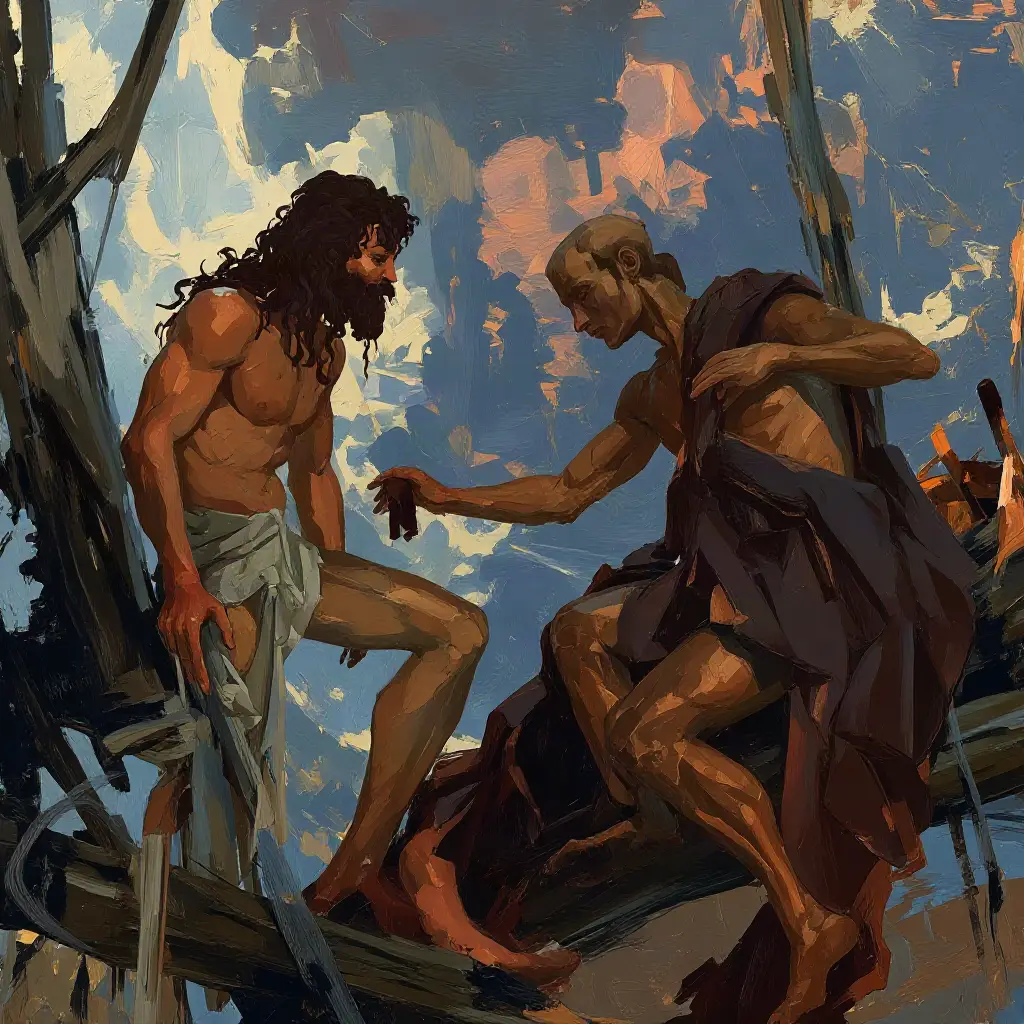 Cain and Abel: The First MurderThe story of Cain and Abel from Genesis 4, Adam and Eve's sons whose rival offerings end in the first murder, alongside details later Jewish and Islamic traditions added.
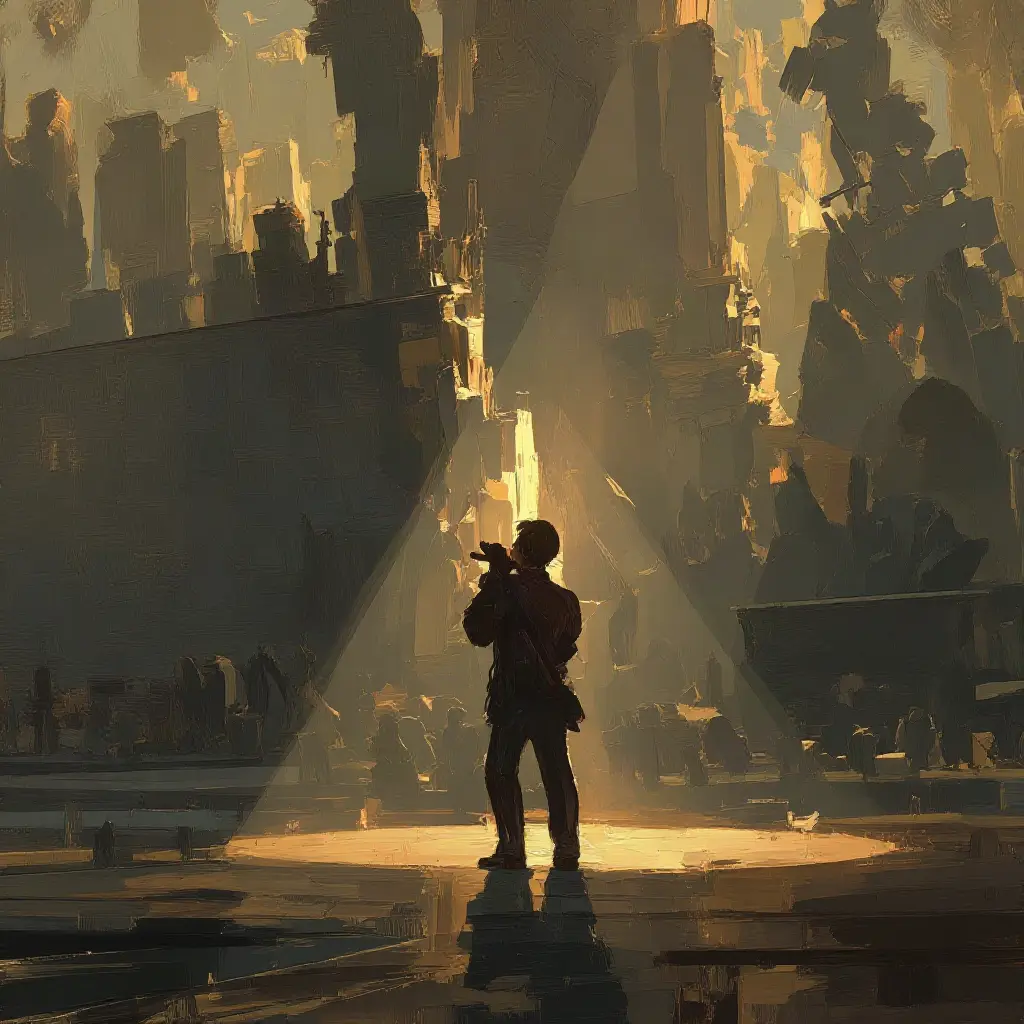 J.M.W. Turner, the Painter of LightThe life of J.M.W. Turner, the Covent Garden barber's son who became Britain's great painter of light, storms and steam, and left his work to the nation.
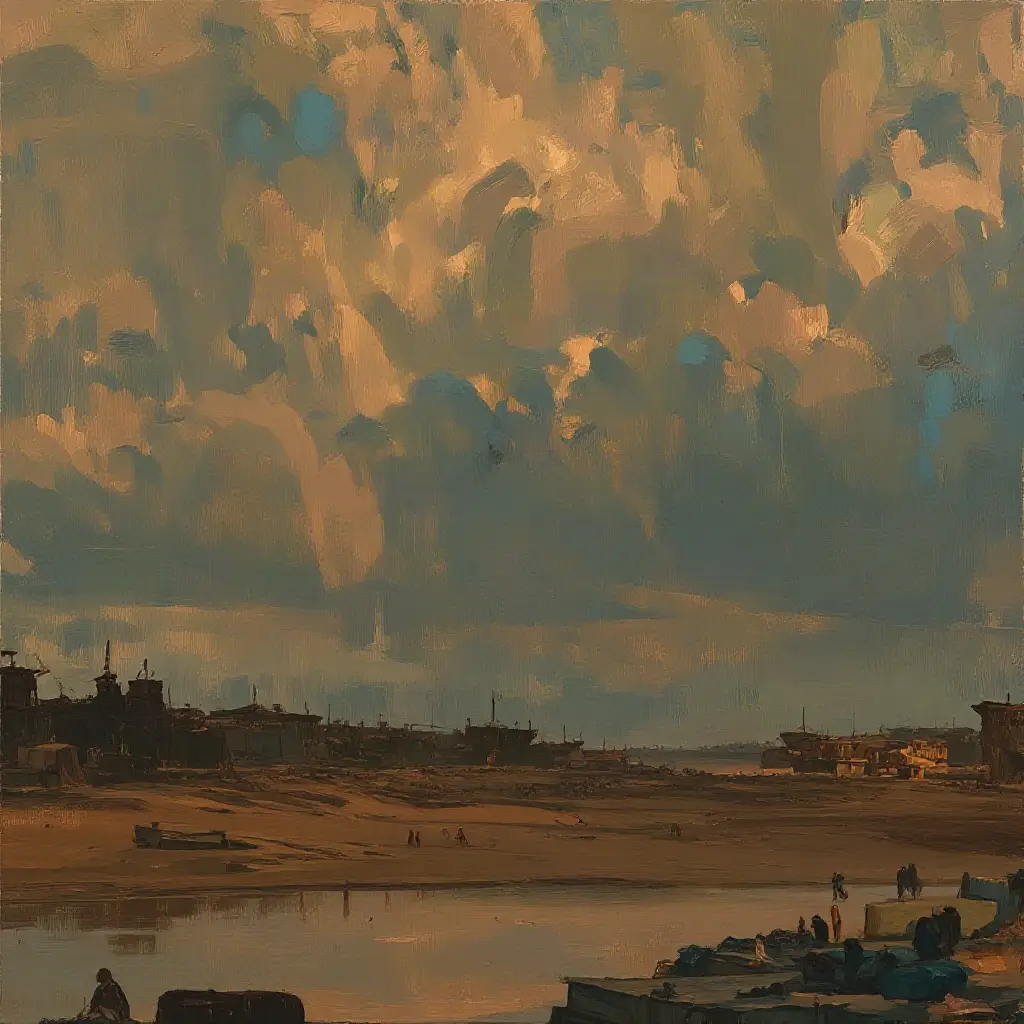 The Transatlantic Slave TradeThe history of the transatlantic slave trade, which carried about 12.5 million Africans to the Americas, from Spain's 1518 licence to Britain's 1807 ban and Brazil's abolition of slavery in 1888.
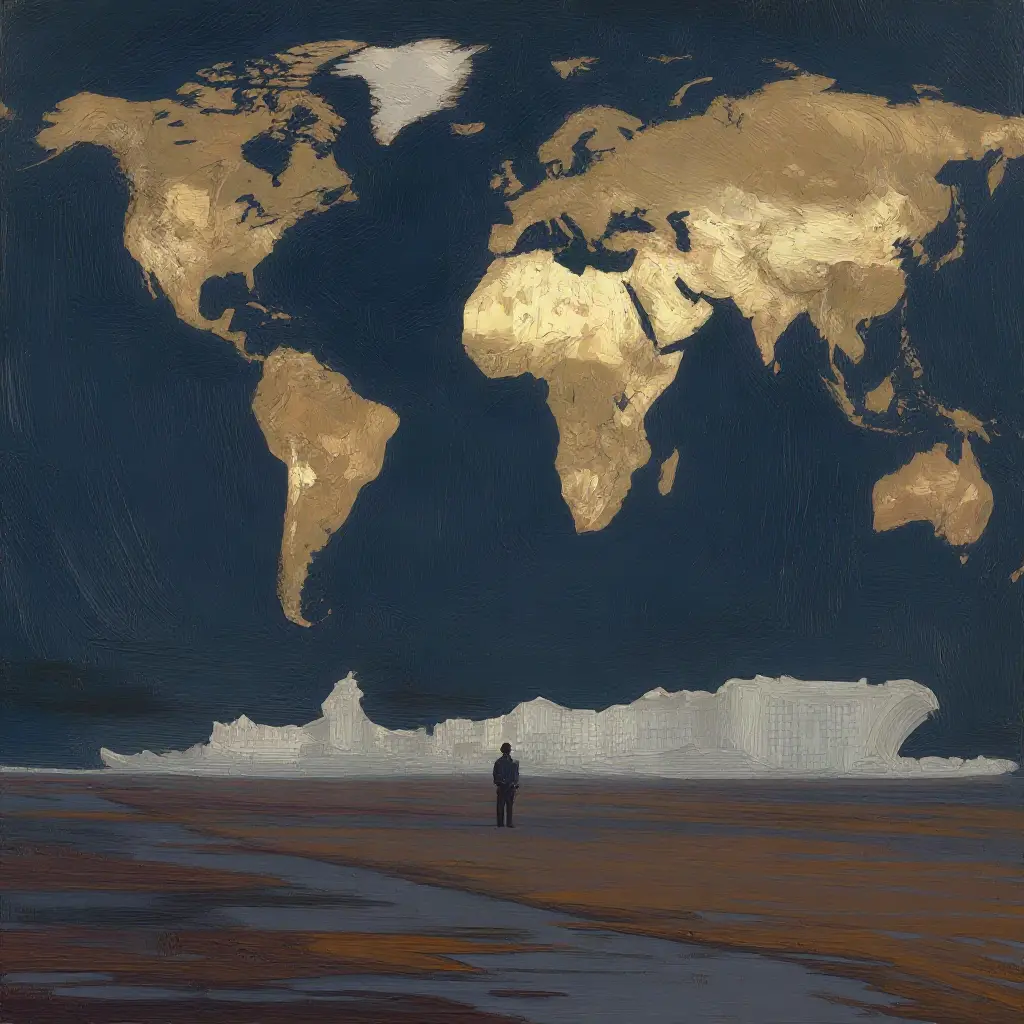 El Niño: The Phenomenon That Changes World WeatherHow a periodic warming of the Pacific, first noted by Peruvian fishermen in the 19th century, can trigger global extreme weather events.
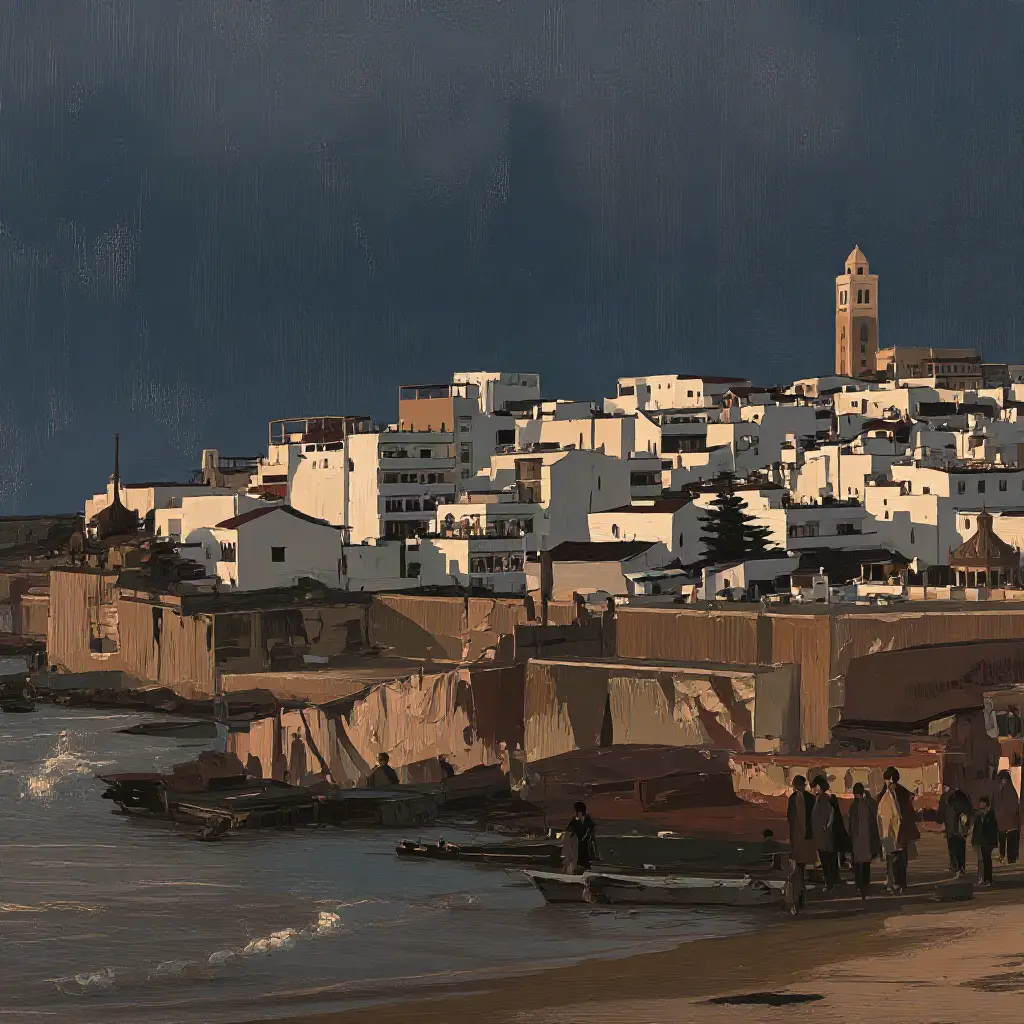 Ceuta: Spain's Contested African EnclaveThe story of Ceuta, the Spanish city in Africa, from its 1415 conquest to its modern role as a flashpoint for migration and diplomacy.
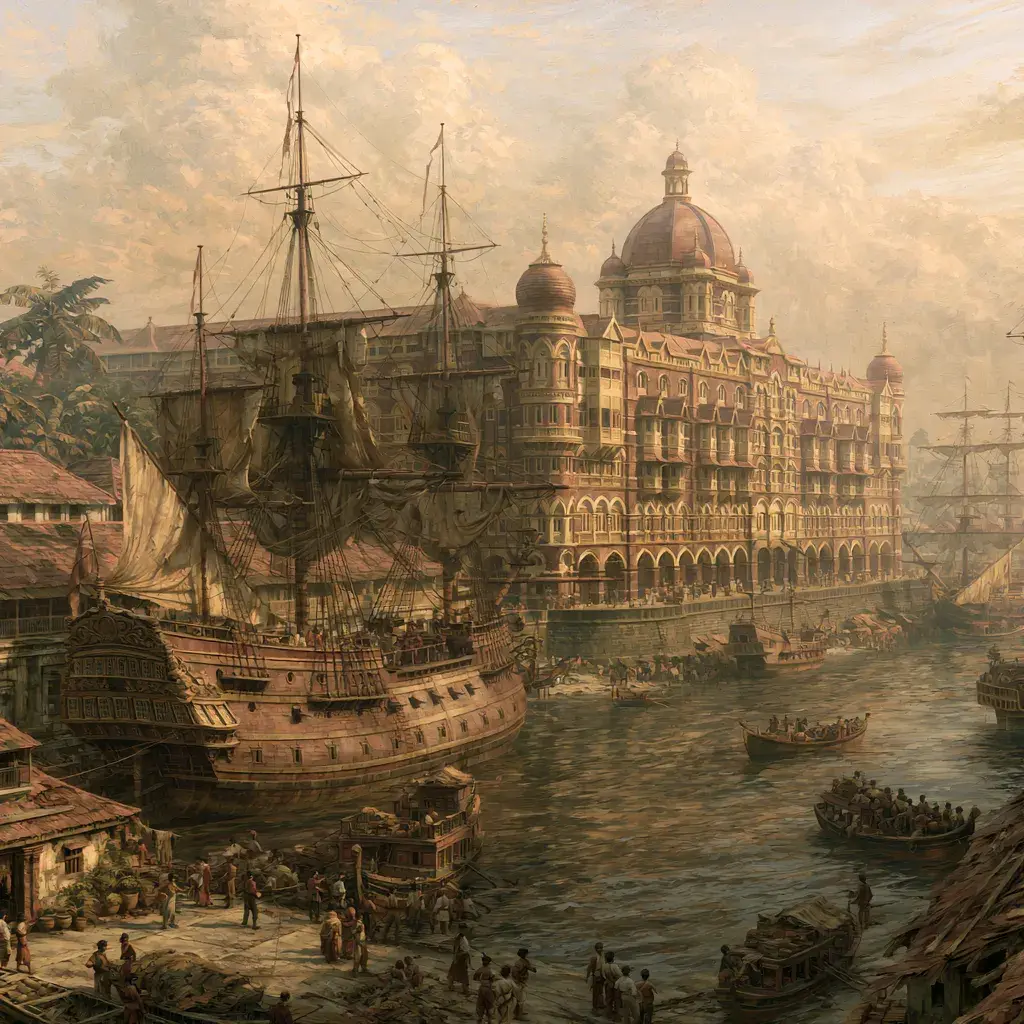 The East India CompanyFounded in 1600, the East India Company was a private firm that came to rule large parts of India with its own army.
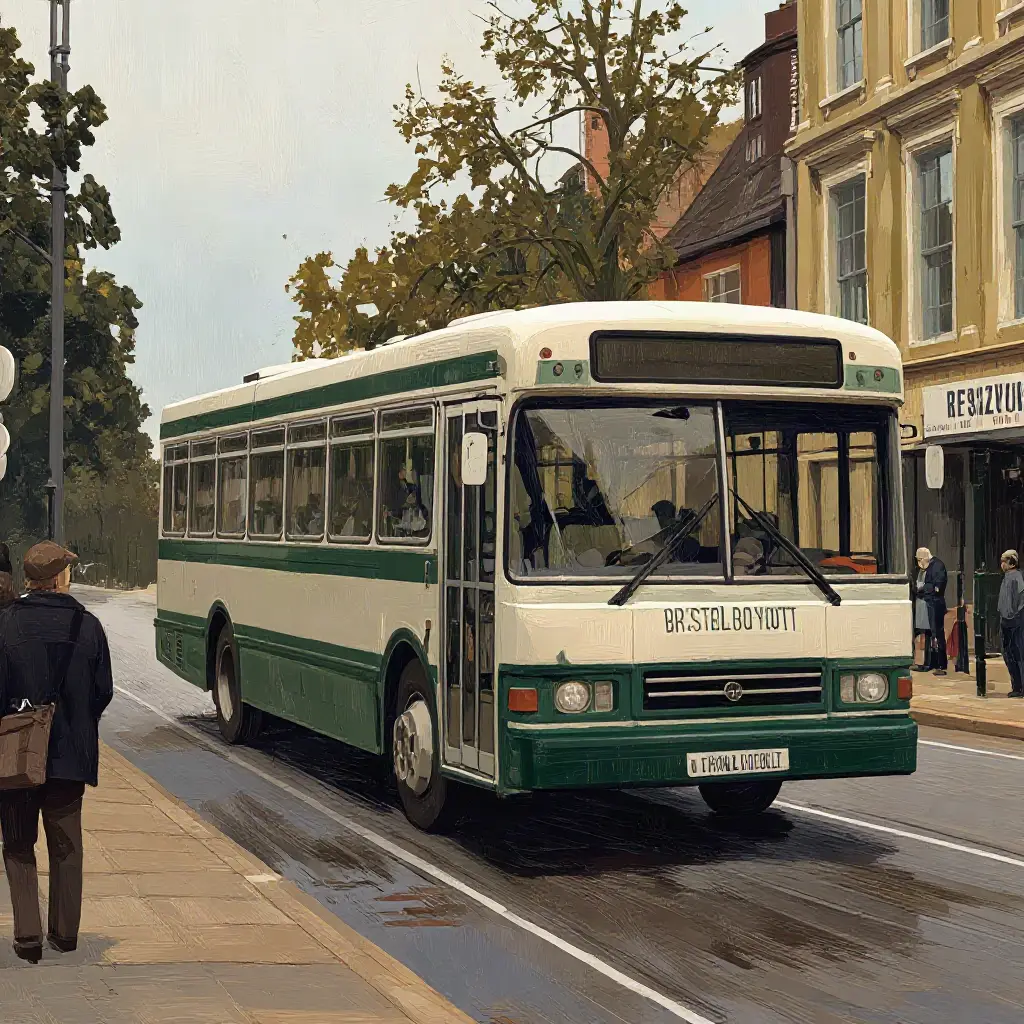 The Bristol Bus BoycottIn 1963 Bristol's West Indian community, led by Paul Stephenson, Roy Hackett and Guy Bailey, boycotted the city's buses for four months until the bus company dropped its colour bar.
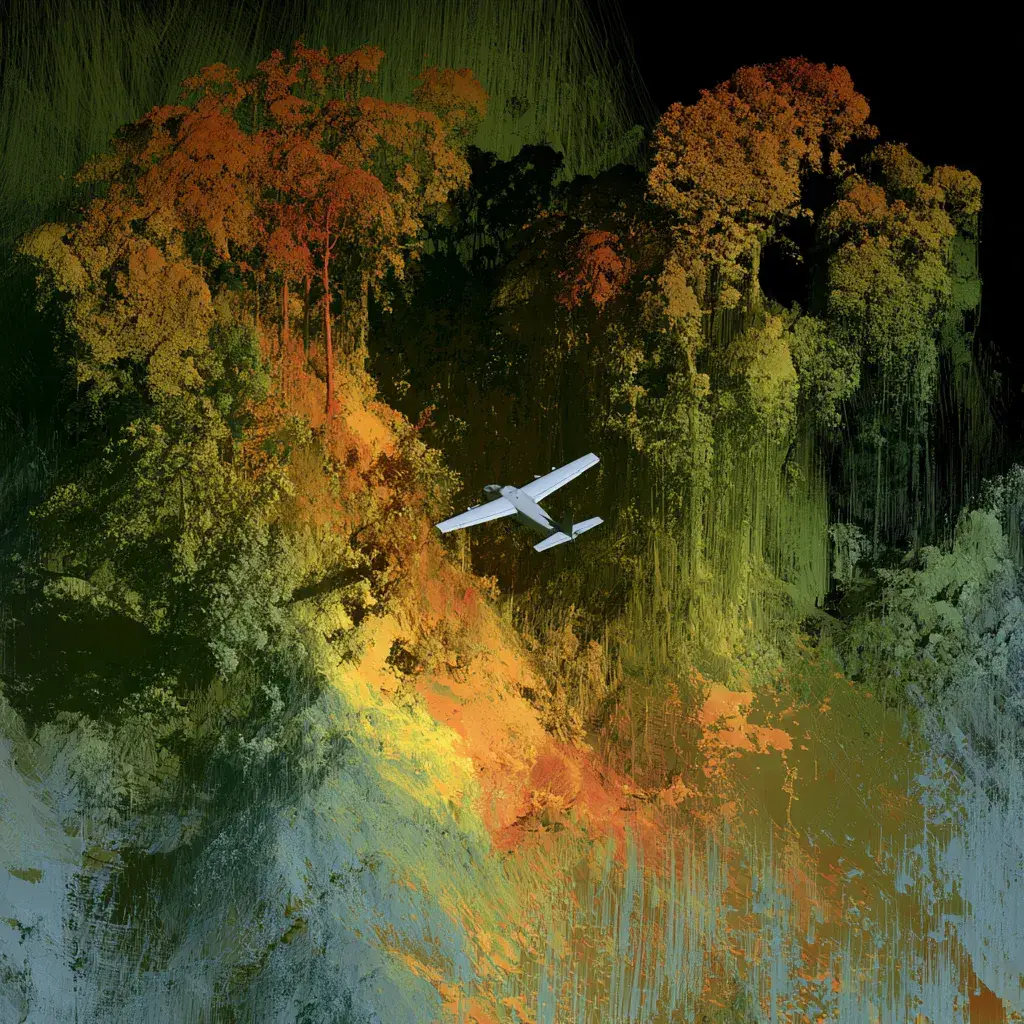 Lost Cities of the AmazonLIDAR found over 6,000 ancient platforms hidden beneath Ecuador's rainforest canopy, revealing a 2,500-year-old urban network.
 The Tower of BabelIn Genesis, a united humanity tried to build a tower to heaven, but God confused their language, scattering them across the Earth.
 The Crypto AG ScandalThe CIA and West German intelligence secretly bought Crypto AG in 1970 and read the secrets of more than 120 nations.
 How Hollywood Was BuiltHow independent filmmakers escaping Thomas Edison's patent trust settled in Hollywood, built the studio system and feature films, and came to dominate world cinema after the First World War.
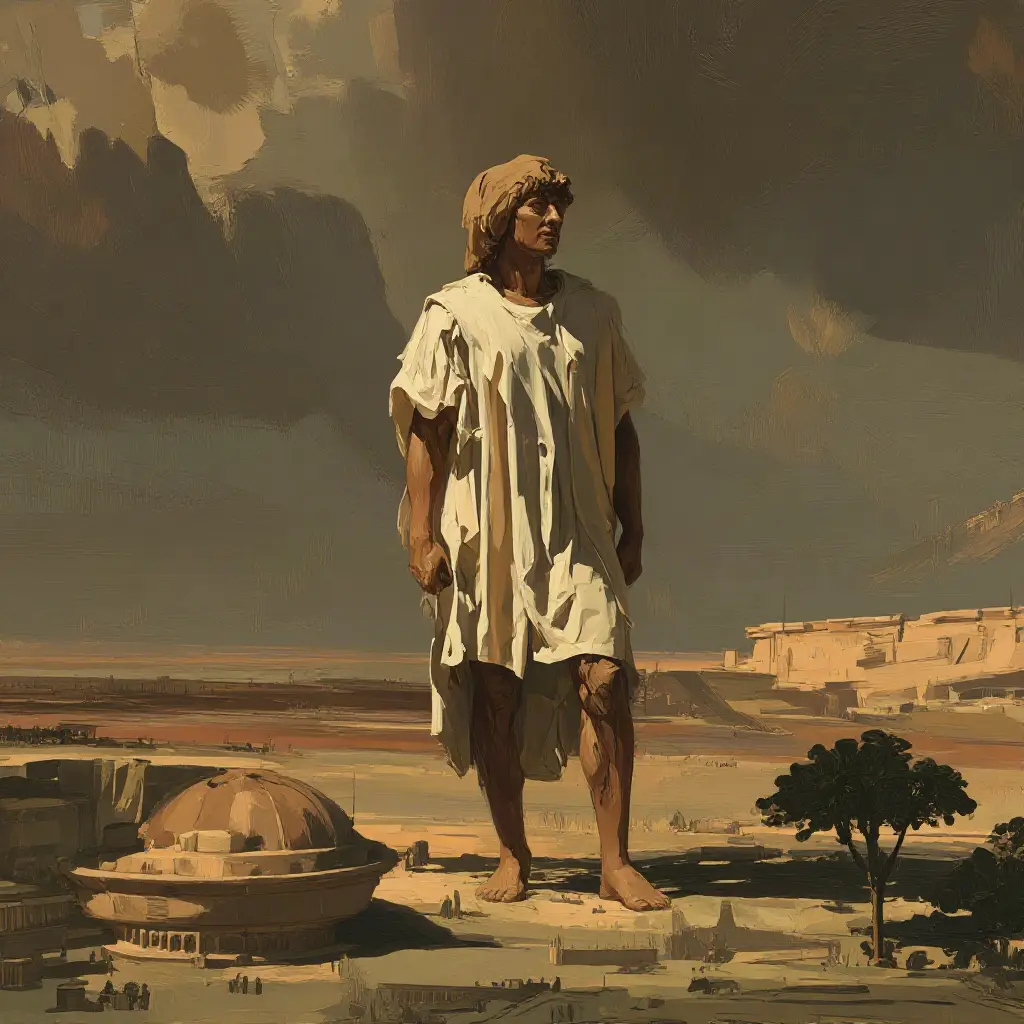 The MycenaeansThe Bronze Age civilisation of mainland Greece, from its fortified palaces and Schliemann's 1876 excavation at Mycenae to the Linear B tablets, its collapse around 1200 BC and its echoes in Homer.
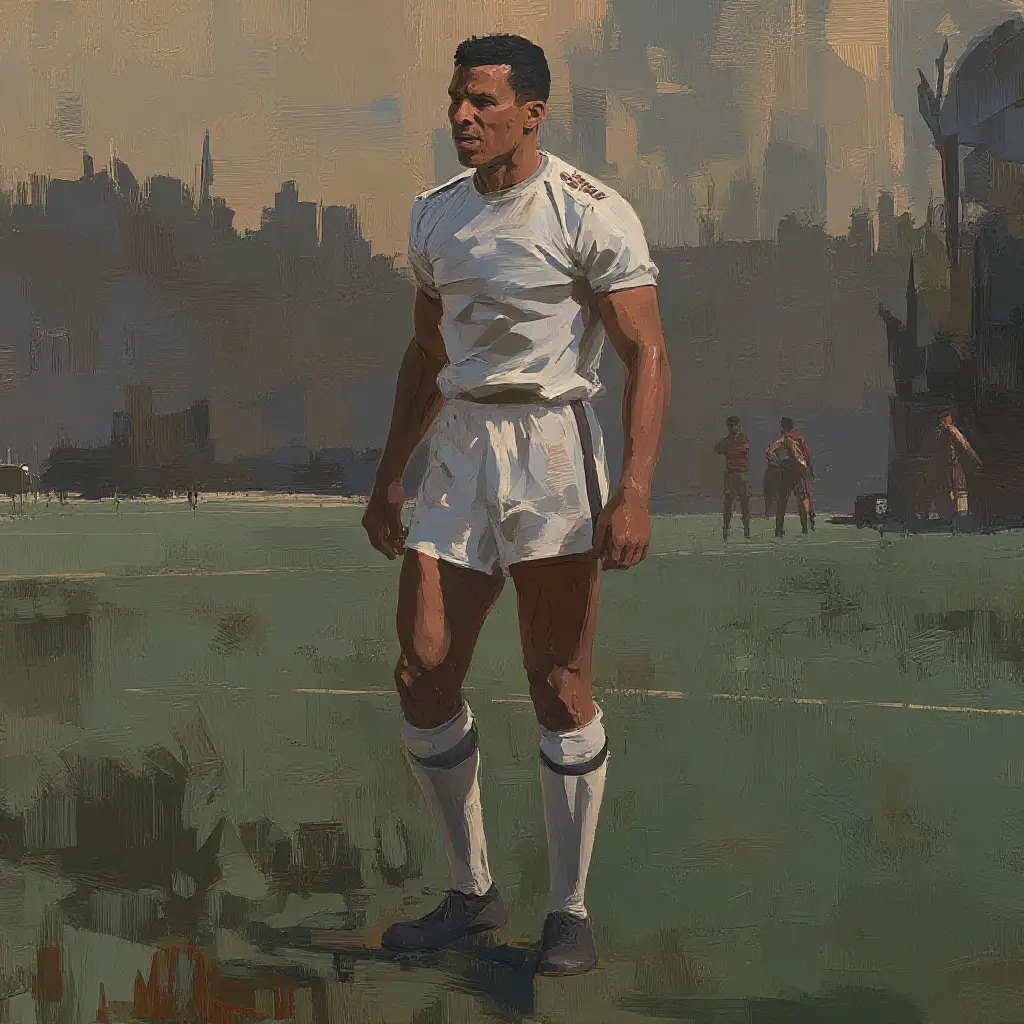 The Football WarA 1969 World Cup qualifier between Honduras and El Salvador ended in a 100-hour war that killed 2,000 to 3,000 people.
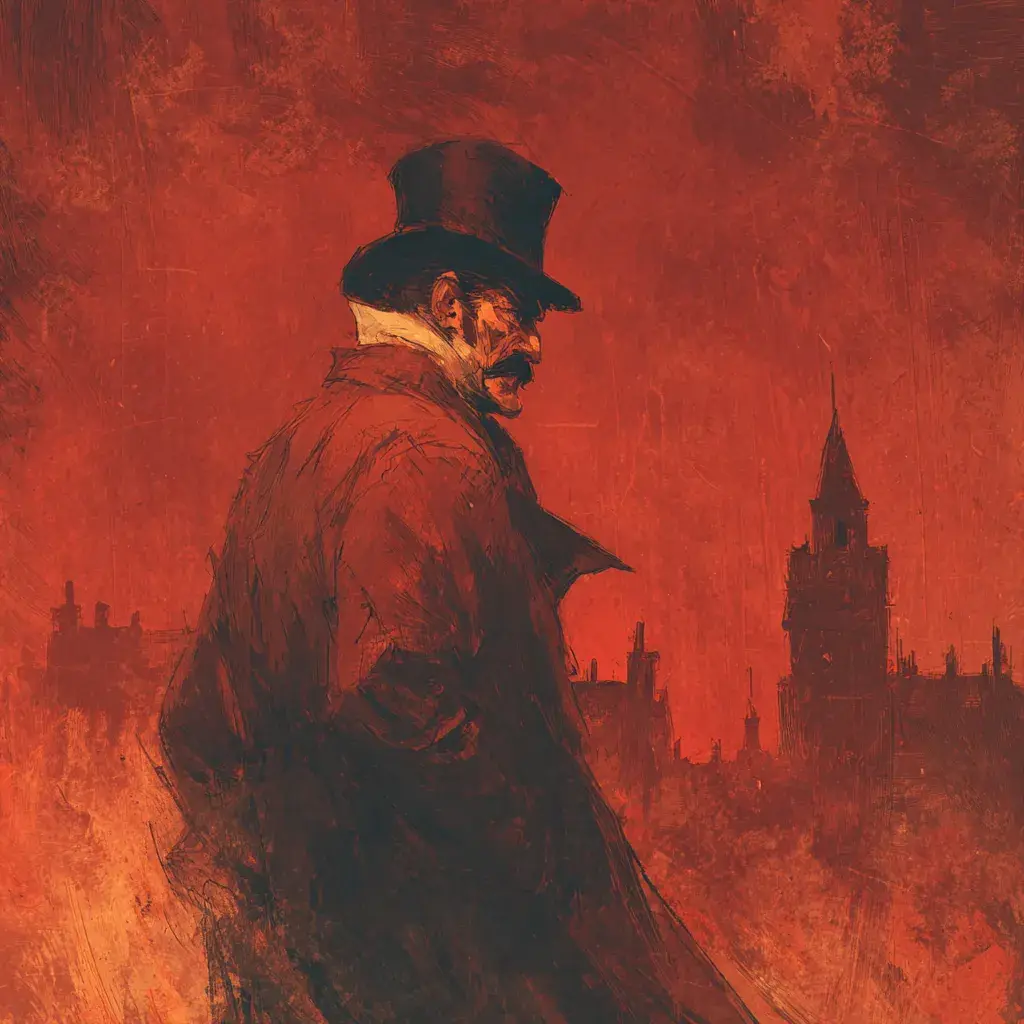 Jack the RipperIn 1888, a killer terrorized London's East End, exposing the city's deep social divides and creating an enduring mystery.
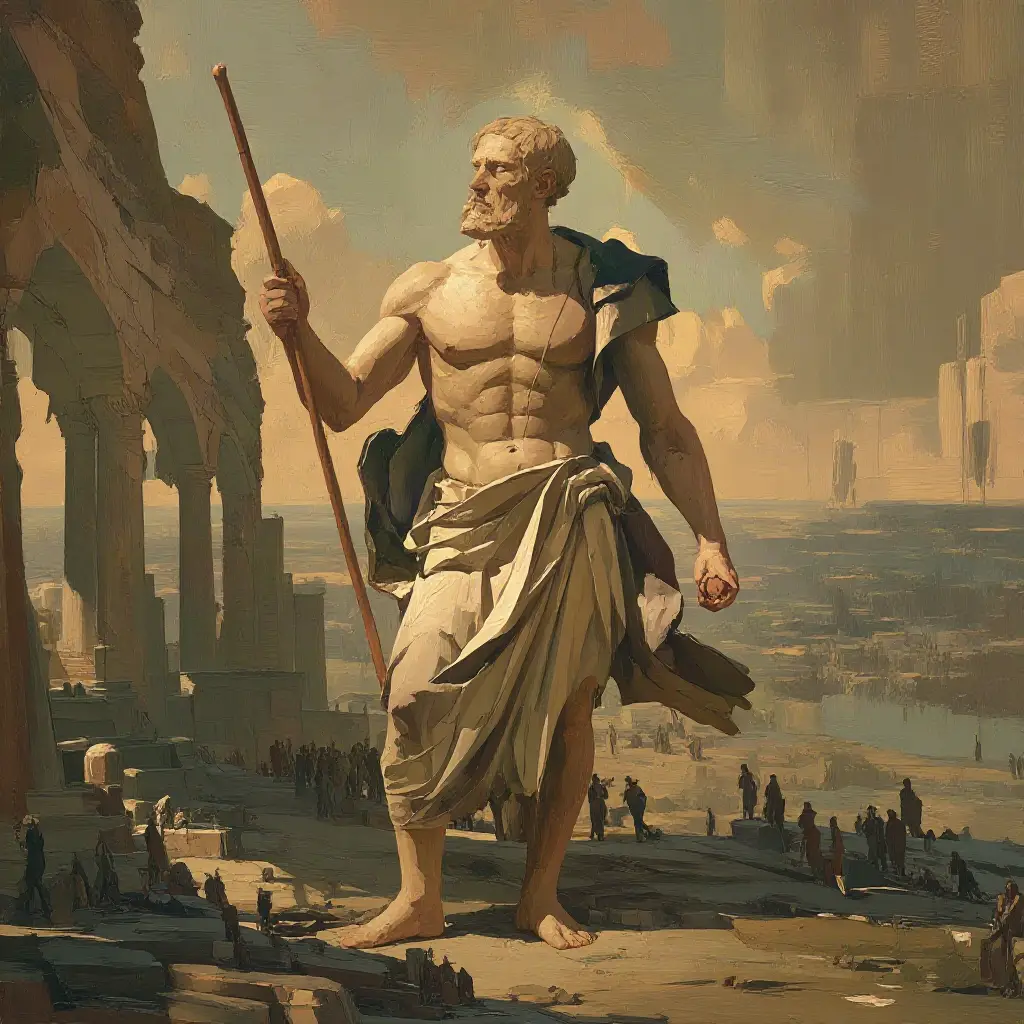 Varro's Ancient Germ TheoryAround 37 BCE the Roman scholar Varro wrote that tiny unseen creatures bred in swamps could cause disease, an idea that resembles modern germ theory.
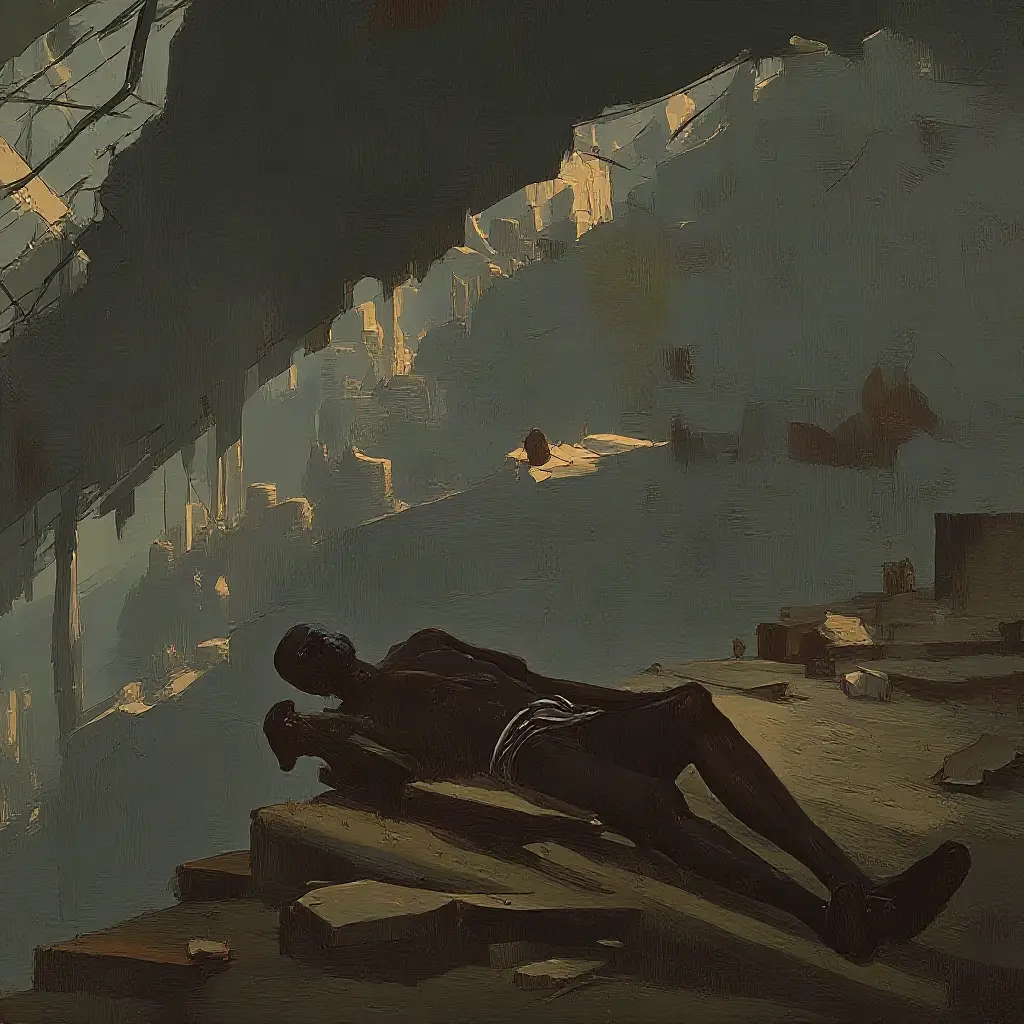 The Death of LumumbaThe 1961 overthrow and killing of Patrice Lumumba, the first prime minister of the independent Congo, and the foreign powers involved.
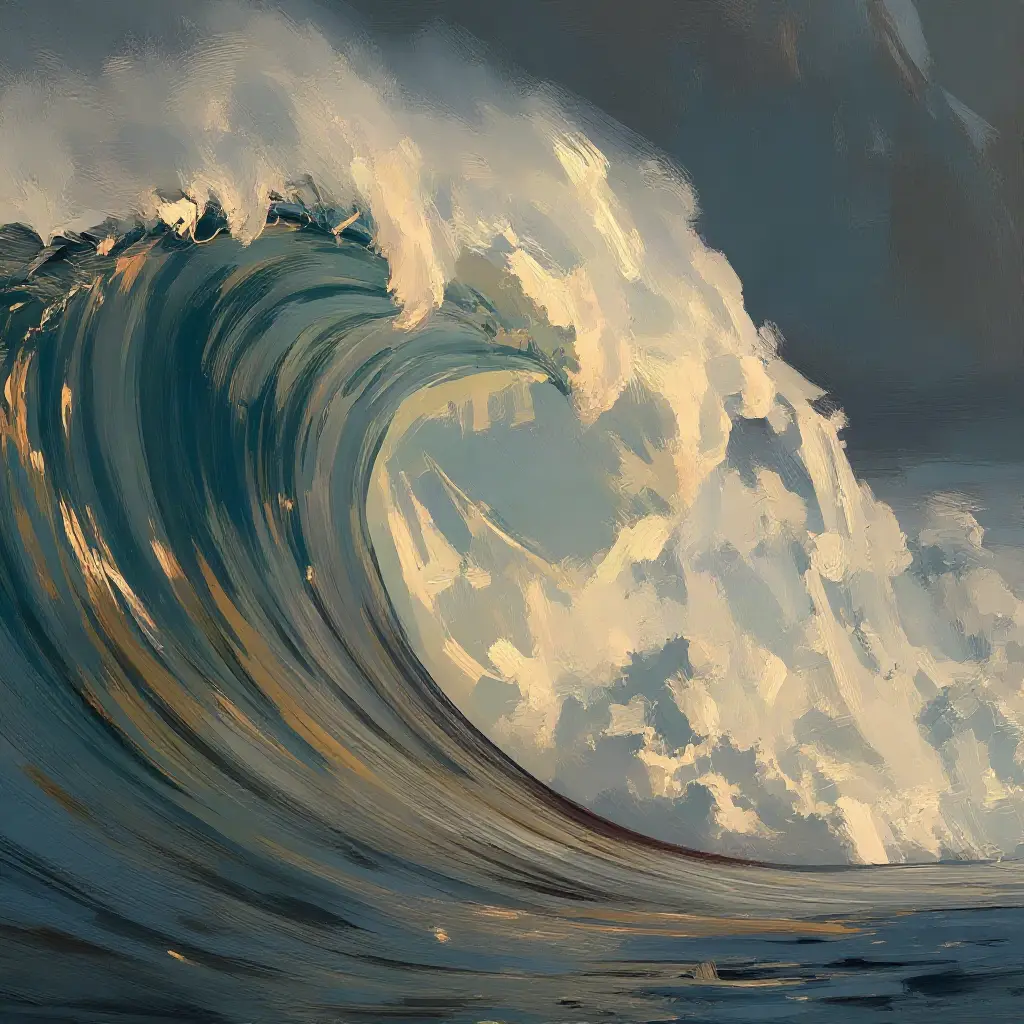 Lituya Bay: The 524-Metre WaveA fisherman and his 7-year-old son rode a wave in Lituya Bay that climbed 524 meters up a mountain, and both lived.
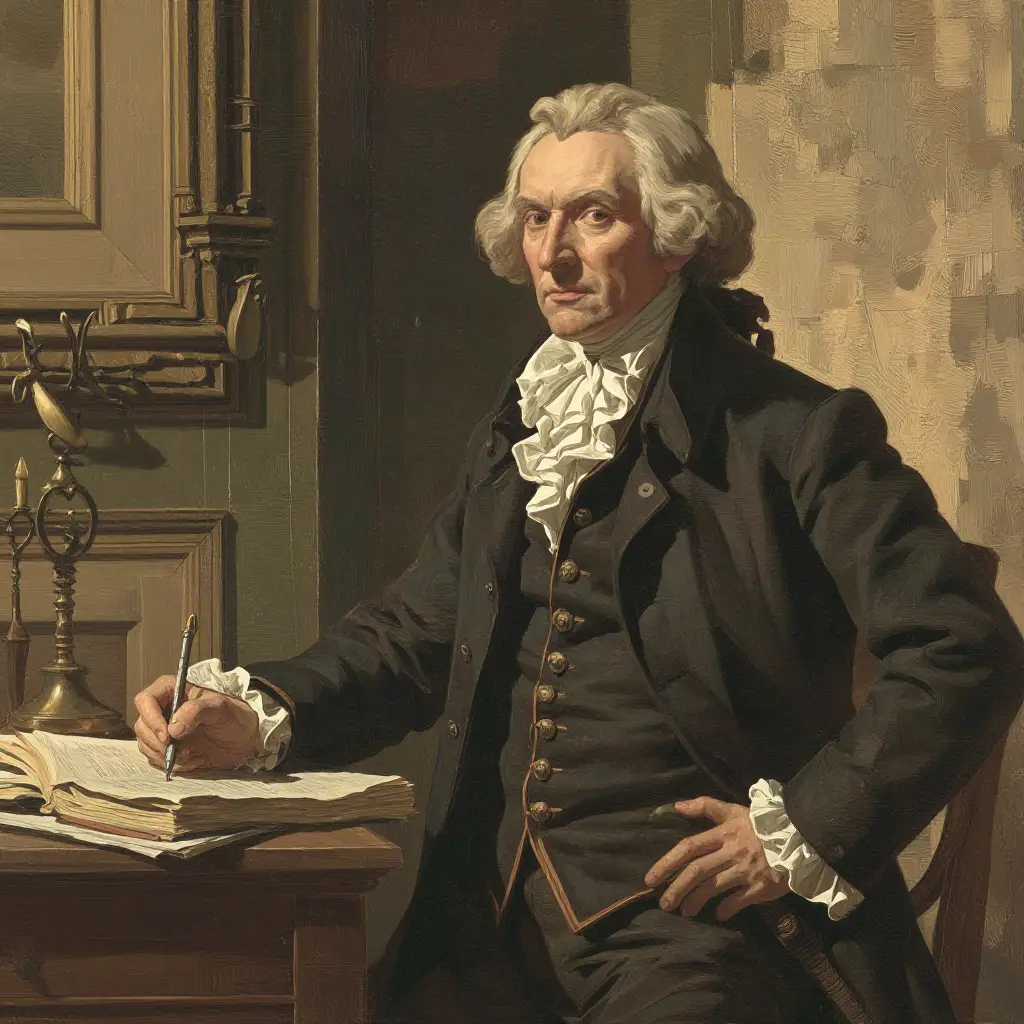 Adam Smith and The Wealth of NationsWhat Adam Smith actually argued in The Wealth of Nations in 1776, from the pin factory and the invisible hand to his distrust of merchants.
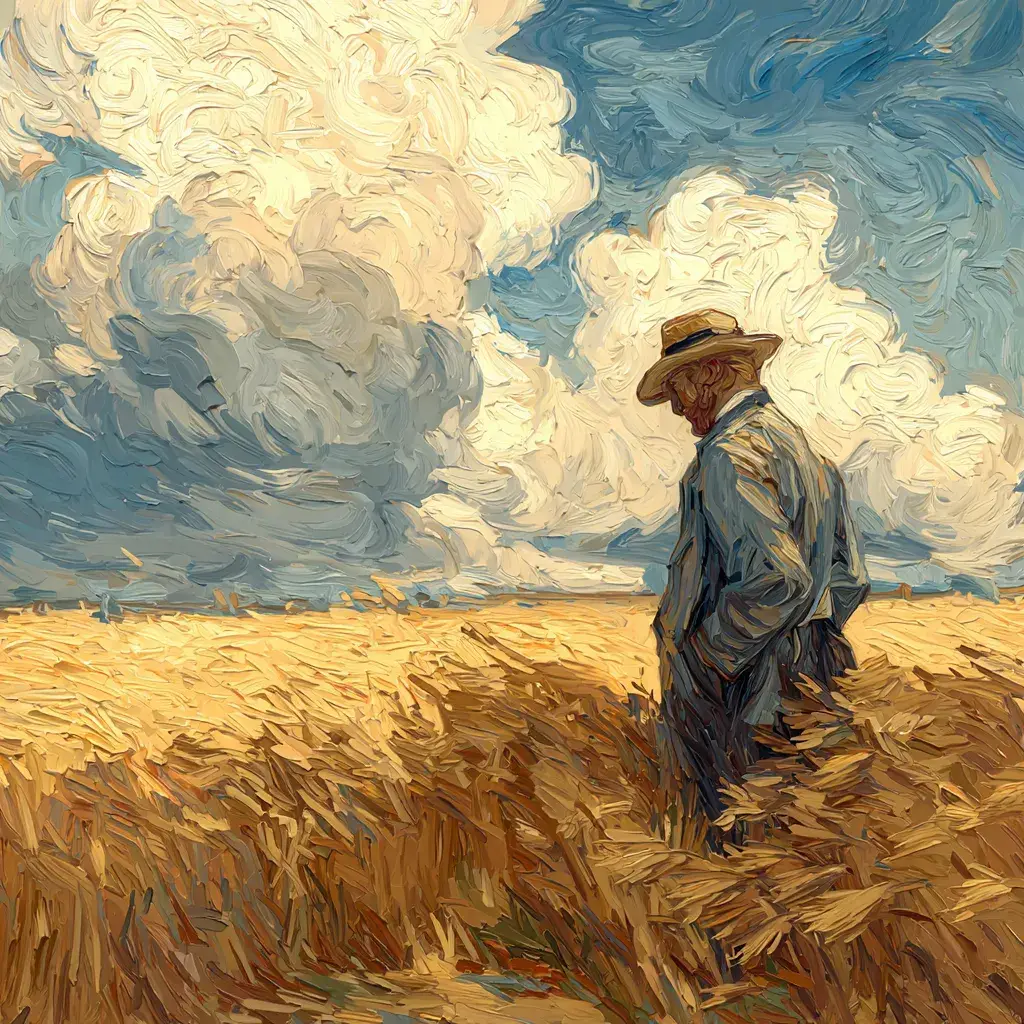 Vincent van GoghThe troubled life of Vincent van Gogh, from his decision to become an artist in 1880 to his lasting legacy.
 Satoshi Nakamoto: Who Invented Bitcoin?Satoshi Nakamoto's 2008 paper introduced Bitcoin, then he vanished in 2011, leaving an estimated 1.1 million coins untouched.
 Charlemagne, Father of EuropeHow the Frankish king who couldn't write forged an empire, standardized text with lowercase letters, and created a new European identity.
 The Louisiana PurchaseHow a slave revolt in Haiti convinced Napoleon to sell a vast territory, doubling the size of the United States for $15 million.
 Being Sane in Insane PlacesEight healthy people faked one voice and were kept in psychiatric hospitals for up to 52 days.
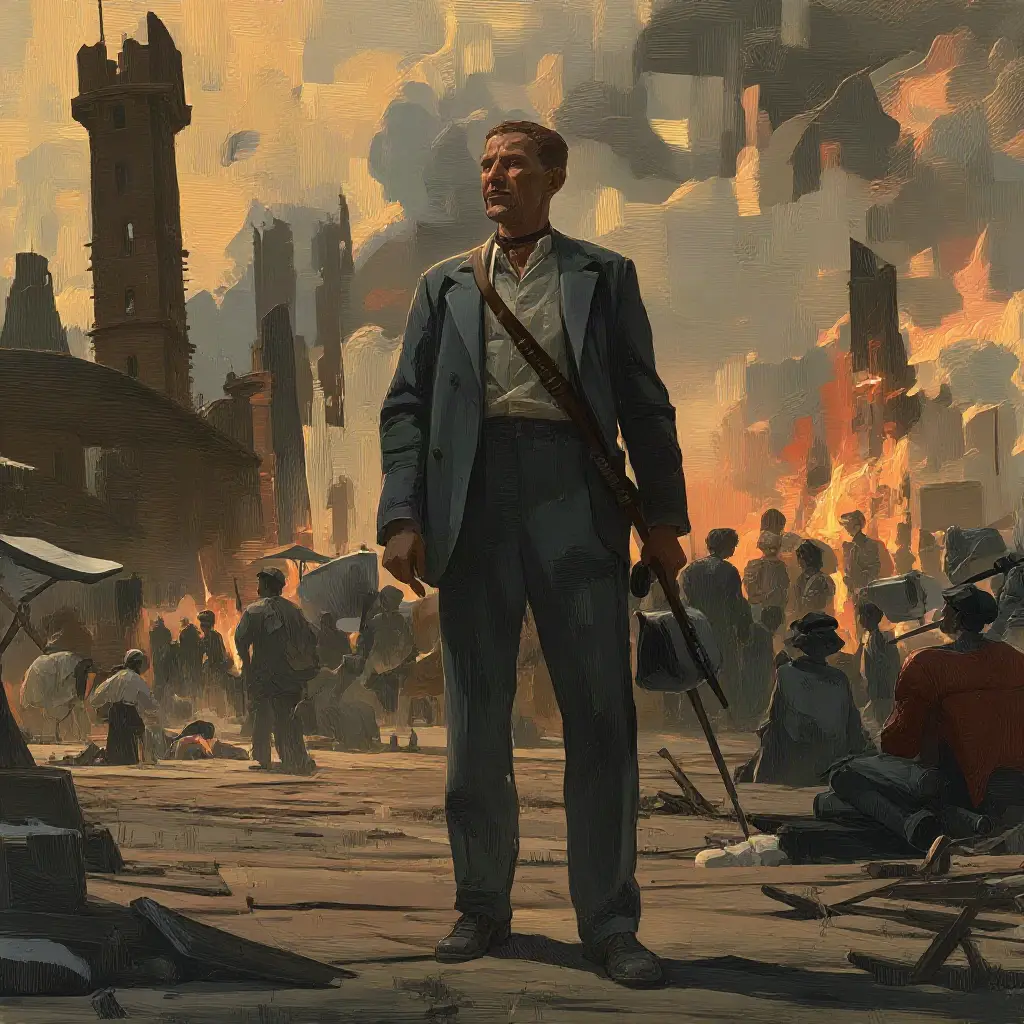 The Russian RevolutionIn 1917, Russia saw two revolutions, with Lenin's Bolsheviks seizing power from a government that had only just replaced the Tsar.
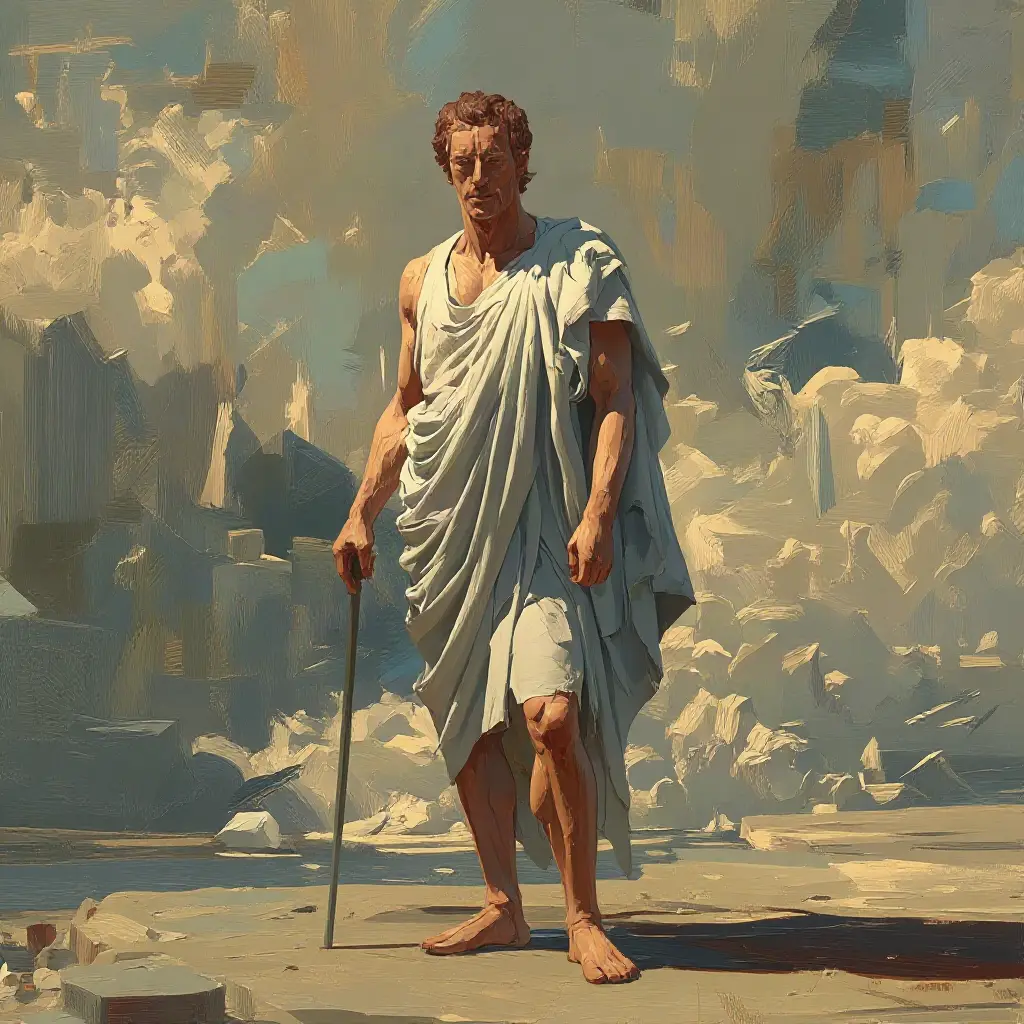 SenecaThe Stoic tutor to Emperor Nero, Seneca preached simplicity while amassing a fortune, before his forced suicide in AD 65.
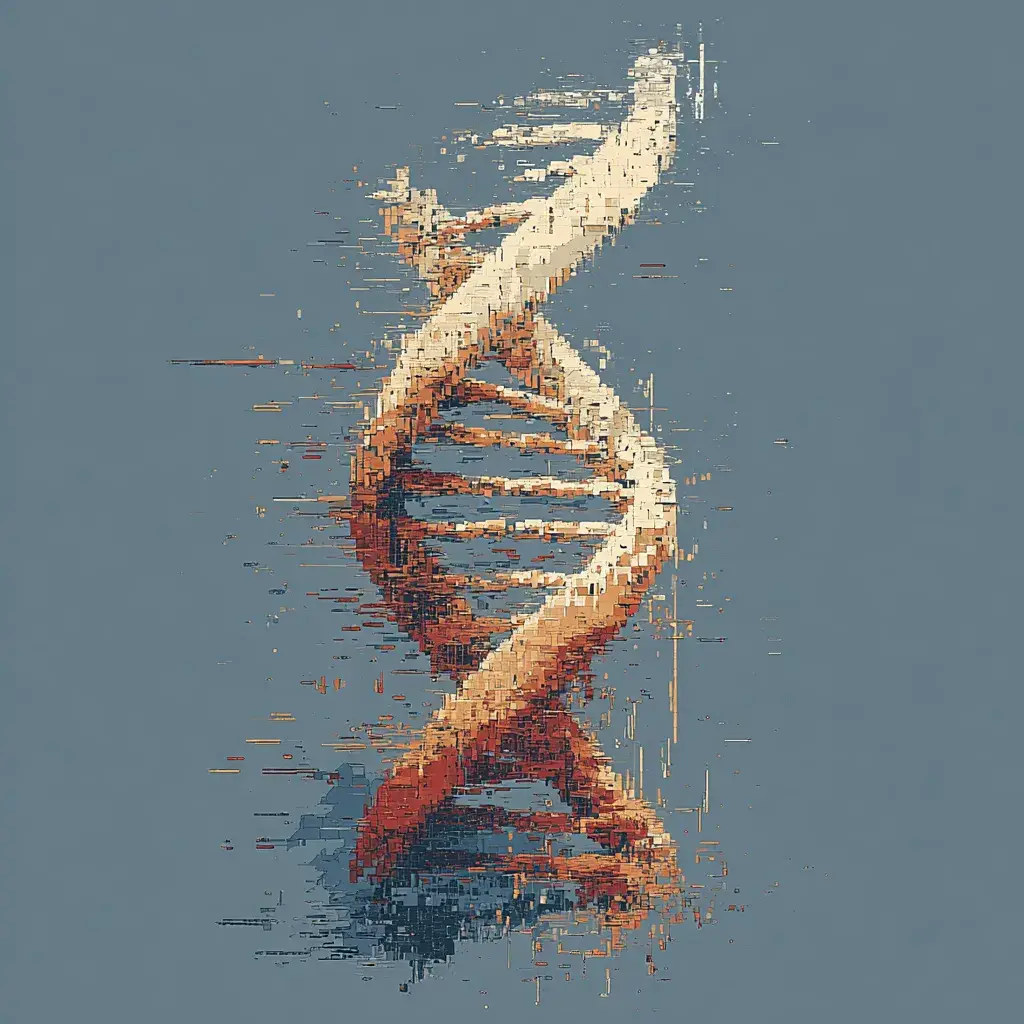 The Discovery of DNA’s Double HelixHow Watson and Crick worked out the double-helix structure of DNA in 1953, drawing on Rosalind Franklin's X-ray image Photo 51 and beating Linus Pauling to the answer.
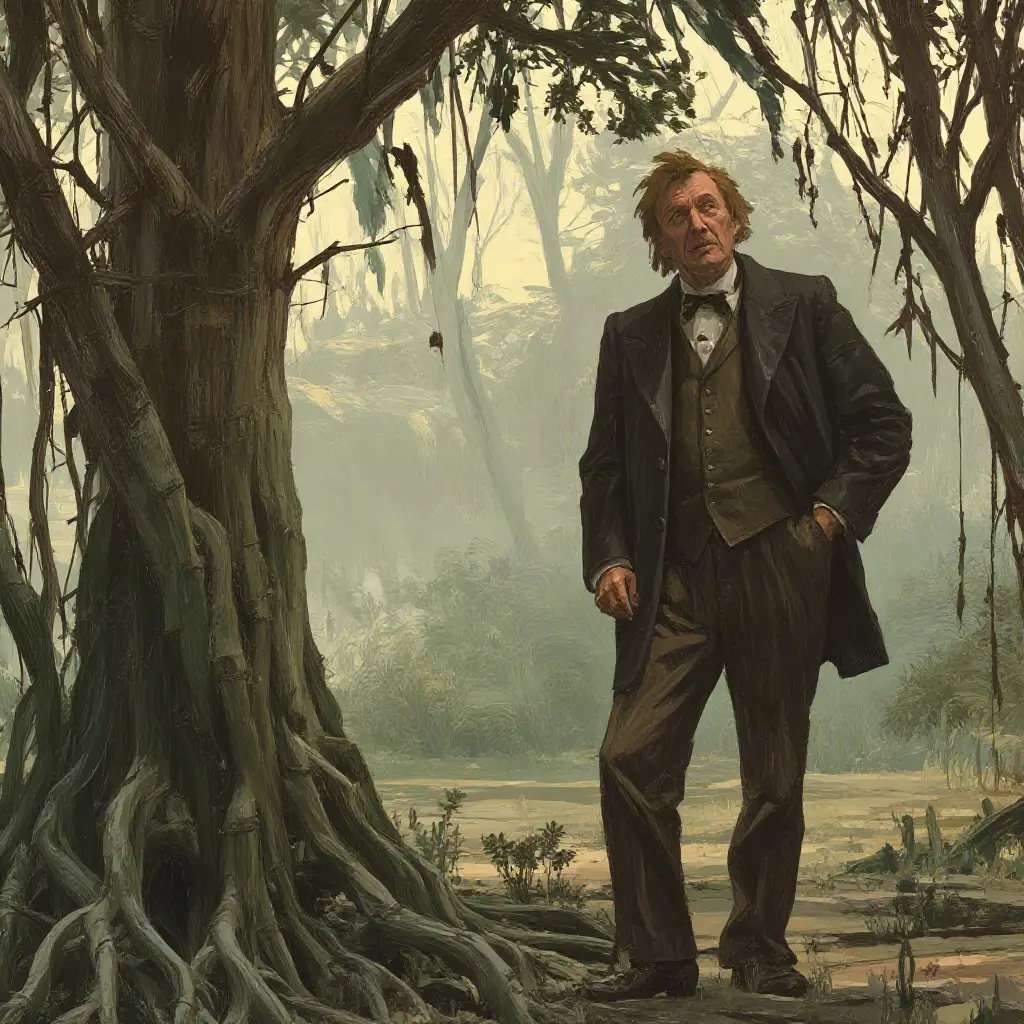 Conan Doyle and the Cottingley FairiesTwo cousins fooled Sherlock Holmes's creator with cardboard cutouts and hatpins, and kept the secret for 66 years.
 The Ring of FireThe Pacific Ring of Fire is a 40,000km belt where 90% of earthquakes occur, its mechanism revealed by two giant 1960s quakes.
 The Bauhaus MovementThe story of the Bauhaus, the German design school founded by Walter Gropius in 1919, from Weimar and Dessau to its closure under the Nazis and its teachers' move to America.
 Amaterasu and the CaveHow Japan's sun goddess plunged the world into darkness and founded a divine imperial line leading to the first emperor, Jimmu.
 The Falklands WarIn 1982 Argentina seized the Falkland Islands and Britain sent a fleet 8,000 miles to take them back. Why it happened and how it was decided in 74 days.
 Baba YagaThe witch of Slavic folklore travels in a mortar, lives in a hut on chicken legs, and tests all who enter her forest domain.
 The Story of CaravaggioThe life of the painter Caravaggio, whose violent life ended in 1610 after he killed a man and became a fugitive from Rome.
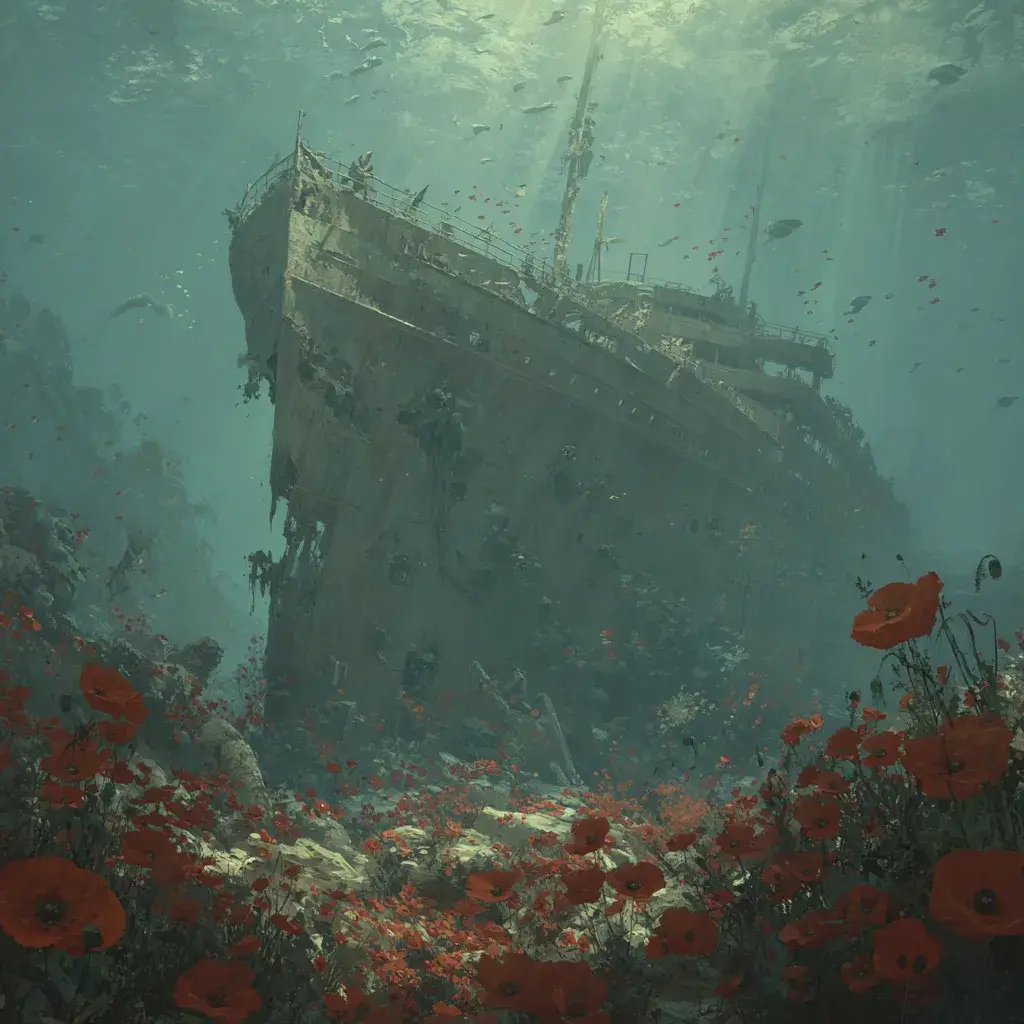 The Sinking of the LusitaniaIn May 1915, a German U-boat sank the passenger liner Lusitania in 18 minutes, killing 1,198 people and pushing the United States closer to war.
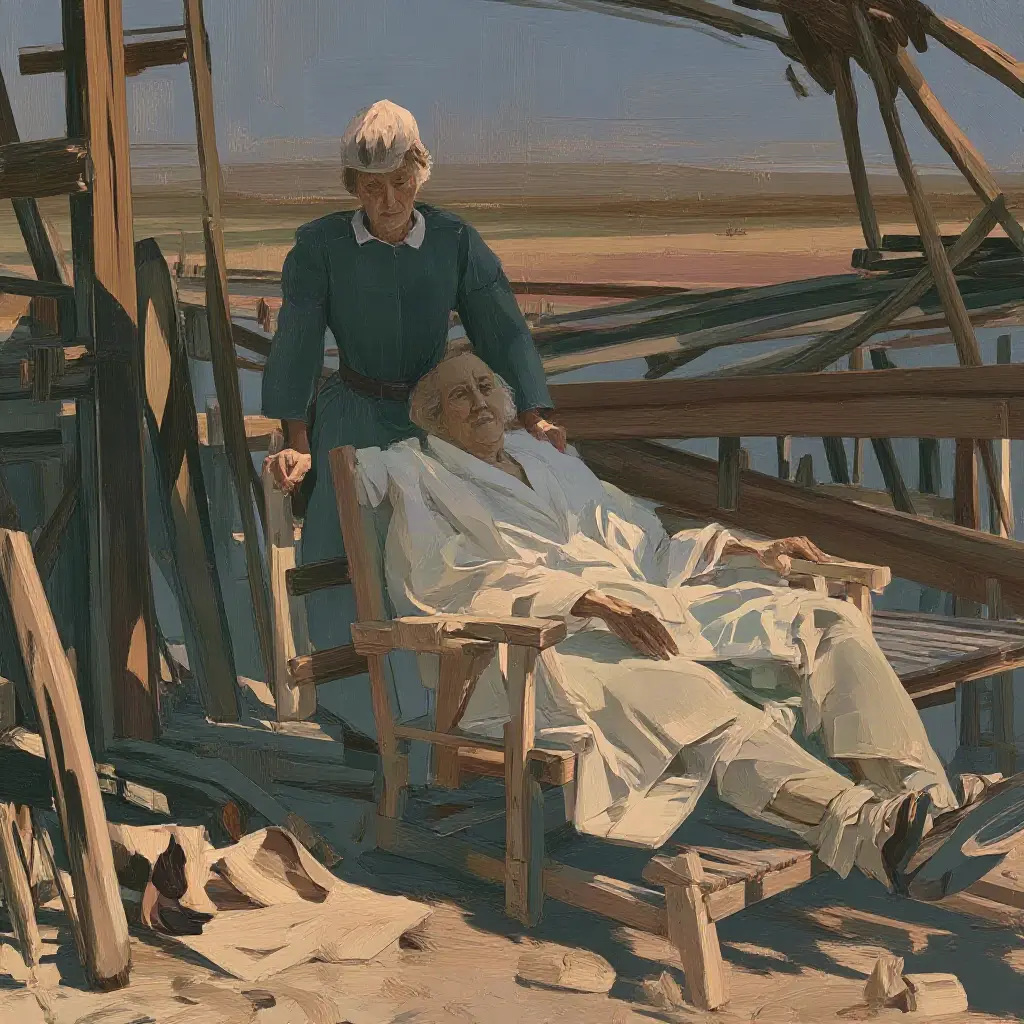 Jeanne Calment and the Bet on Her DeathA notary paid a 90-year-old widow 2,500 francs a month for her flat in 1965. She lived to 122 and he died first.
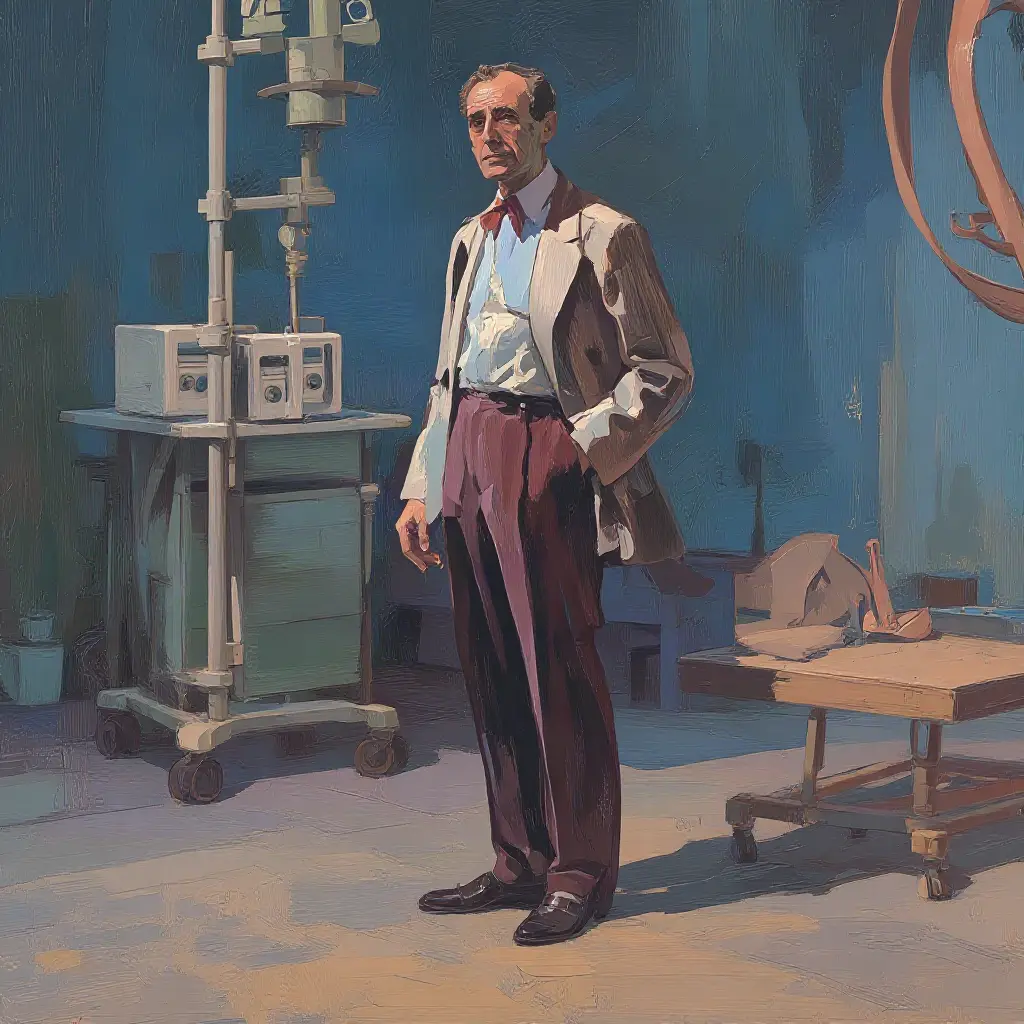 Christiaan Barnard's First Heart TransplantIn Cape Town in 1967, Christiaan Barnard's team sewed a bank clerk's heart into a dying grocer, who lived 18 days.
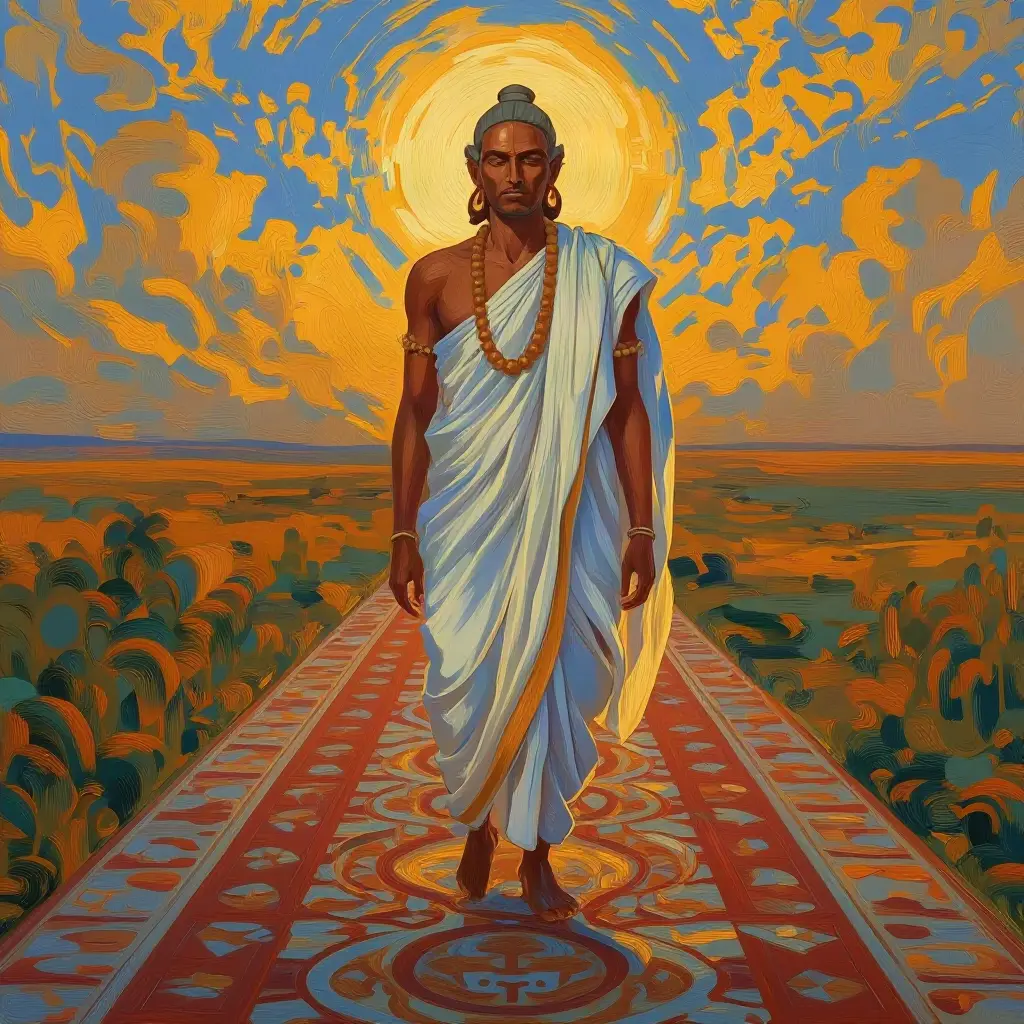 Jainism and the Path of Non-ViolenceJainism, the ancient Indian religion that makes non-violence its highest rule, and how it shaped the young Mahatma Gandhi.
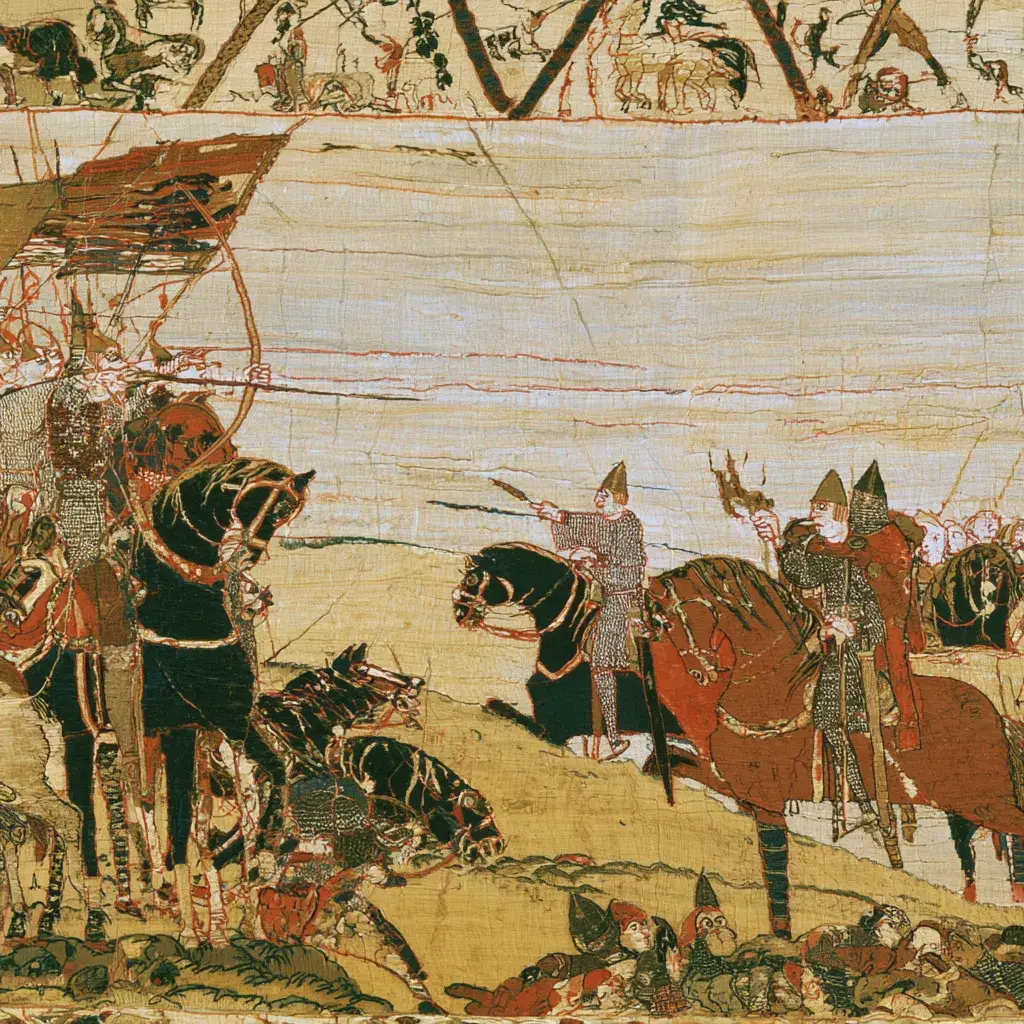 The Bayeux TapestryThe Bayeux Tapestry, a 70-metre embroidery from the 1070s that tells the Norman story of the Conquest, from Harold's oath to his death at Hastings, and how it survived nearly a thousand years.
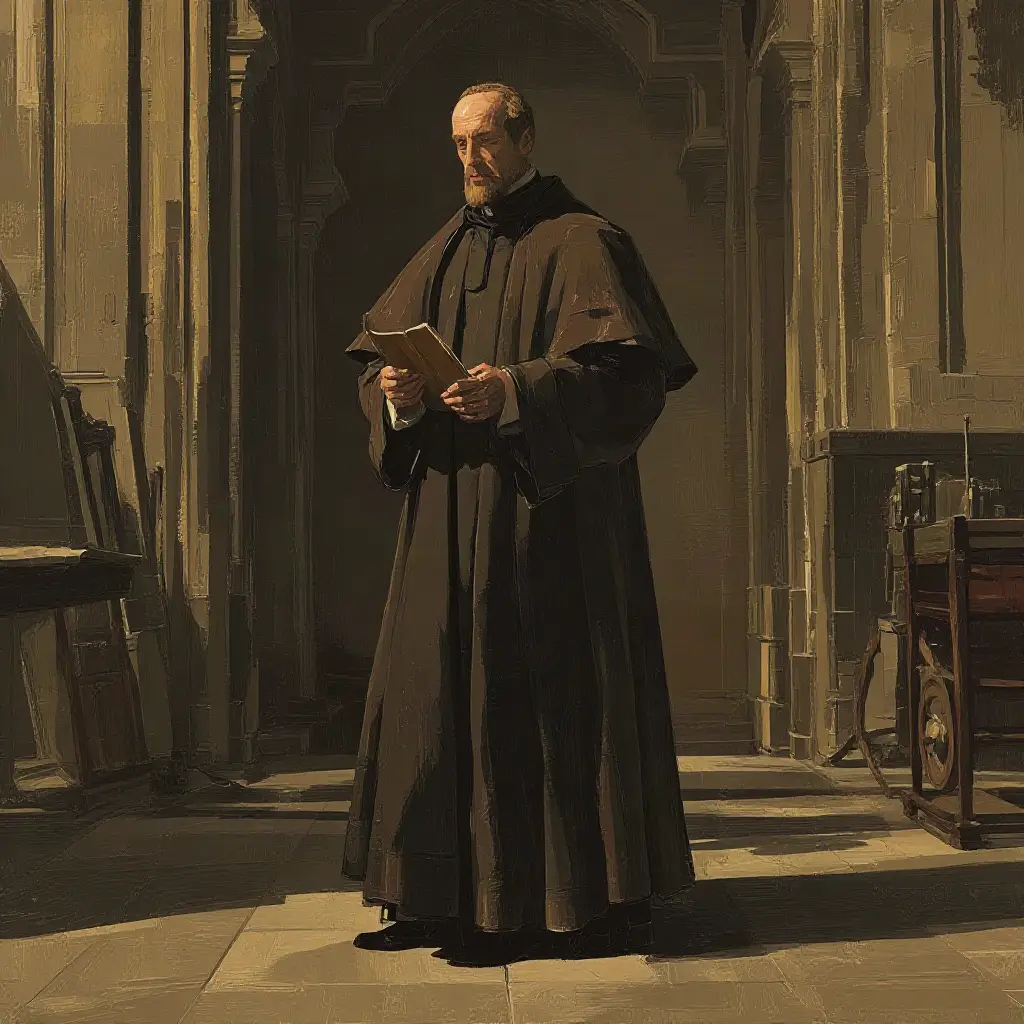 Jean Meslier, the Priest Who Secretly Denounced GodFrench village priest Jean Meslier served his parish for 40 years while secretly writing an atheist, revolutionary testament that was found only after his death in 1729.
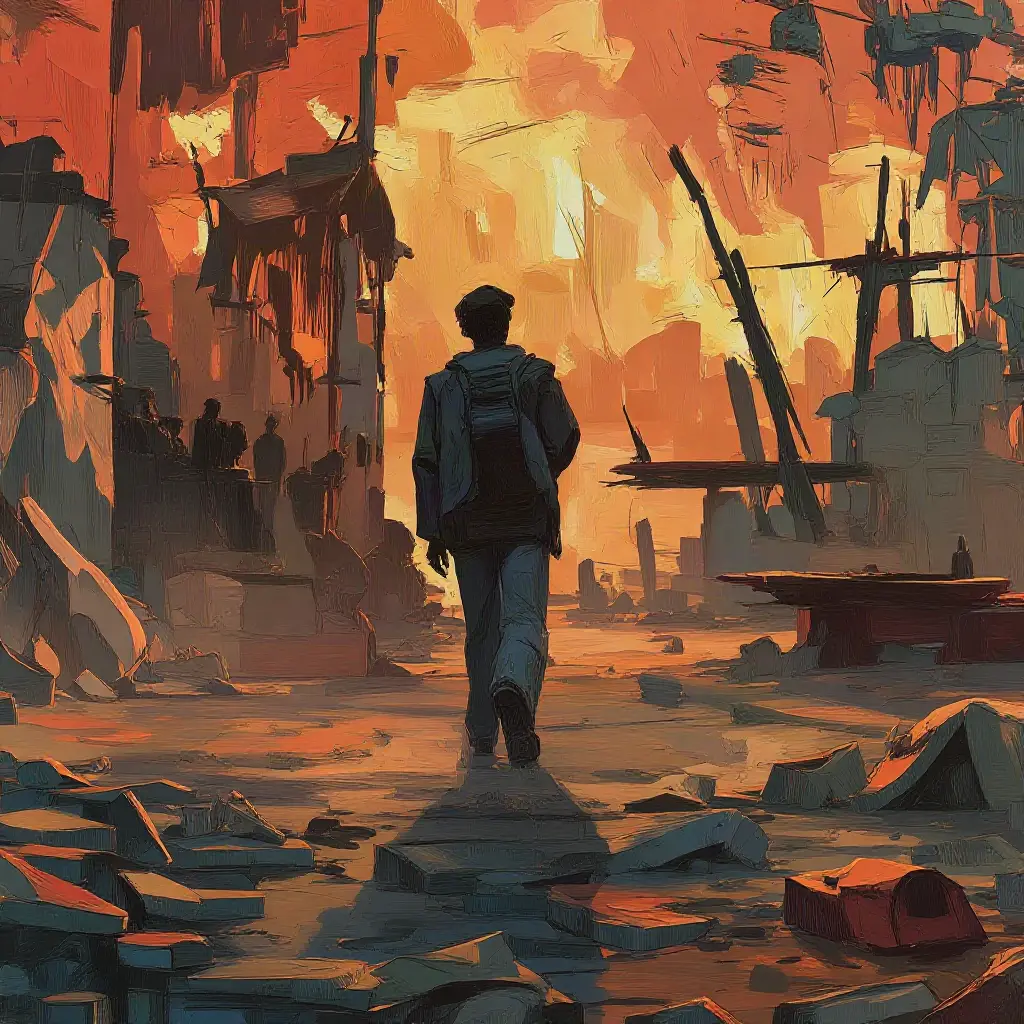 Plate TectonicsThe unifying theory of geology explaining how Earth's outer shell is broken into pieces that move at the same rate human fingernails grow.
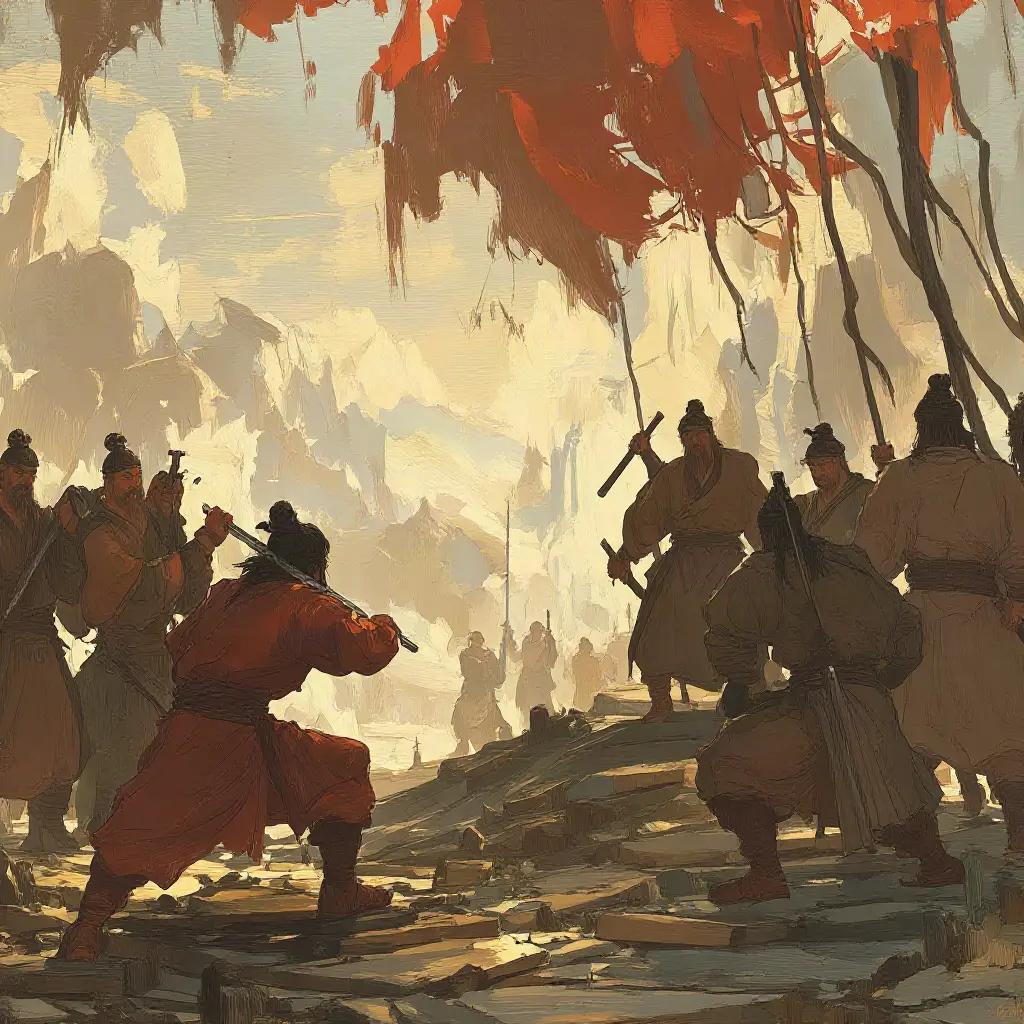 Sun Tzu and The Art of WarDiscover the real ideas in The Art of War, from winning without fighting to the 1972 discovery that proved its ancient origins.
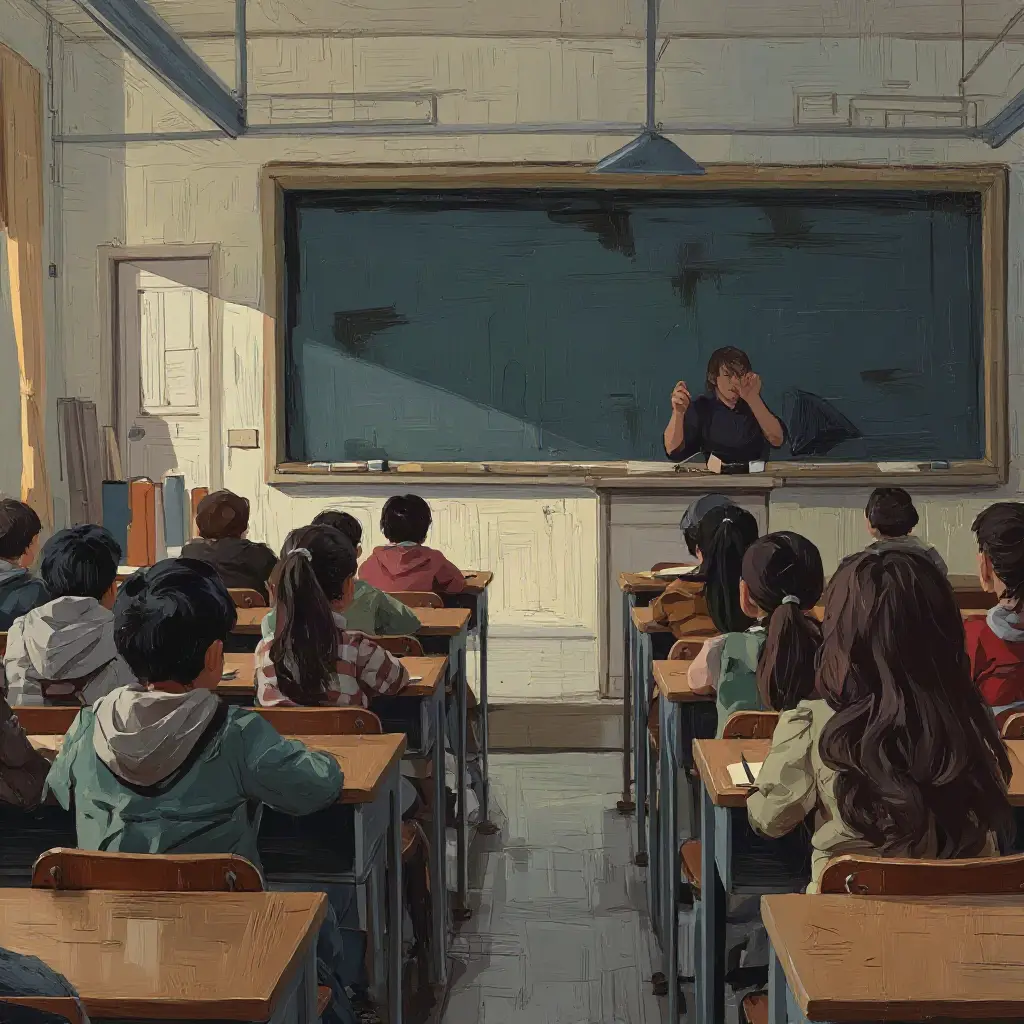 The Brown Eyes, Blue Eyes ClassroomIn 1968 Jane Elliott split her 28 third-graders by eye colour the day after Martin Luther King Jr. was shot.
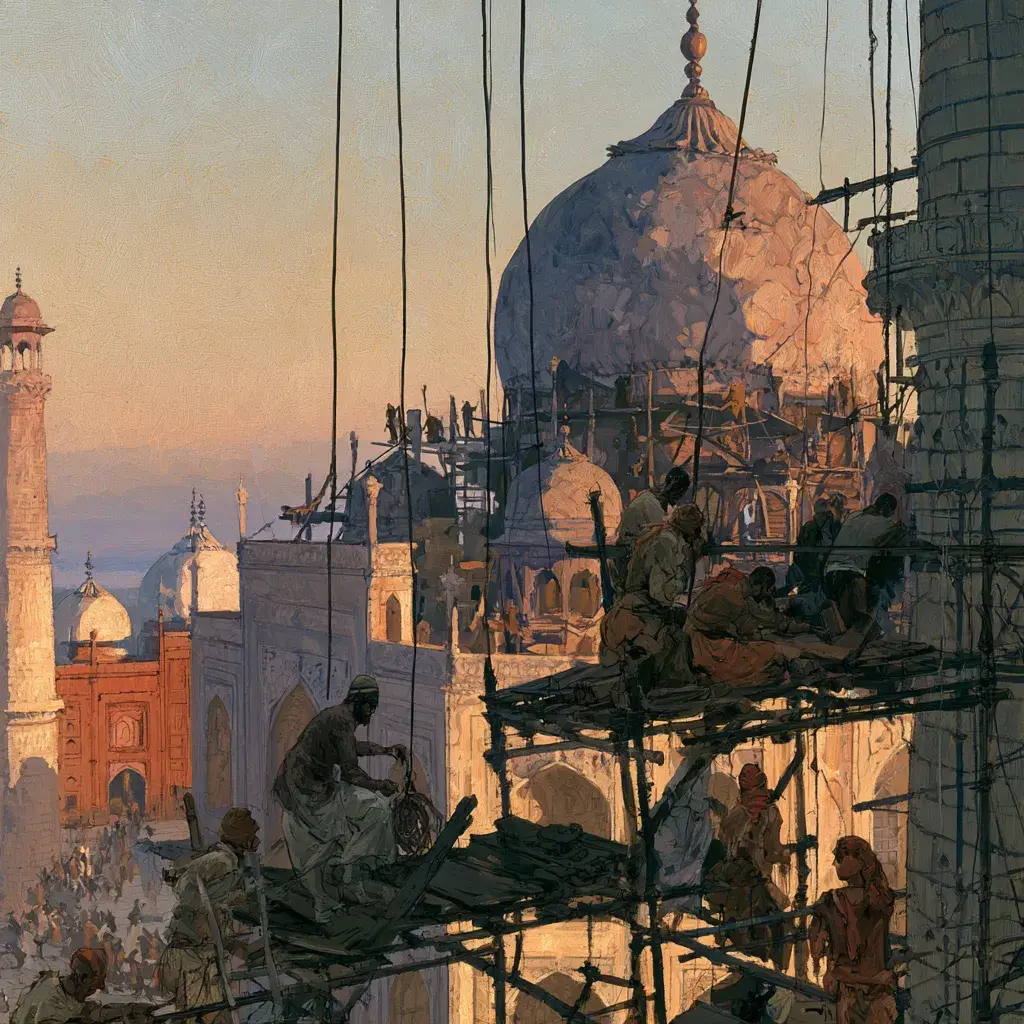 The Building of the Taj MahalGrief drove Emperor Shah Jahan to build the Taj Mahal after his wife's death in 1631; he would die imprisoned with a view of the monument.
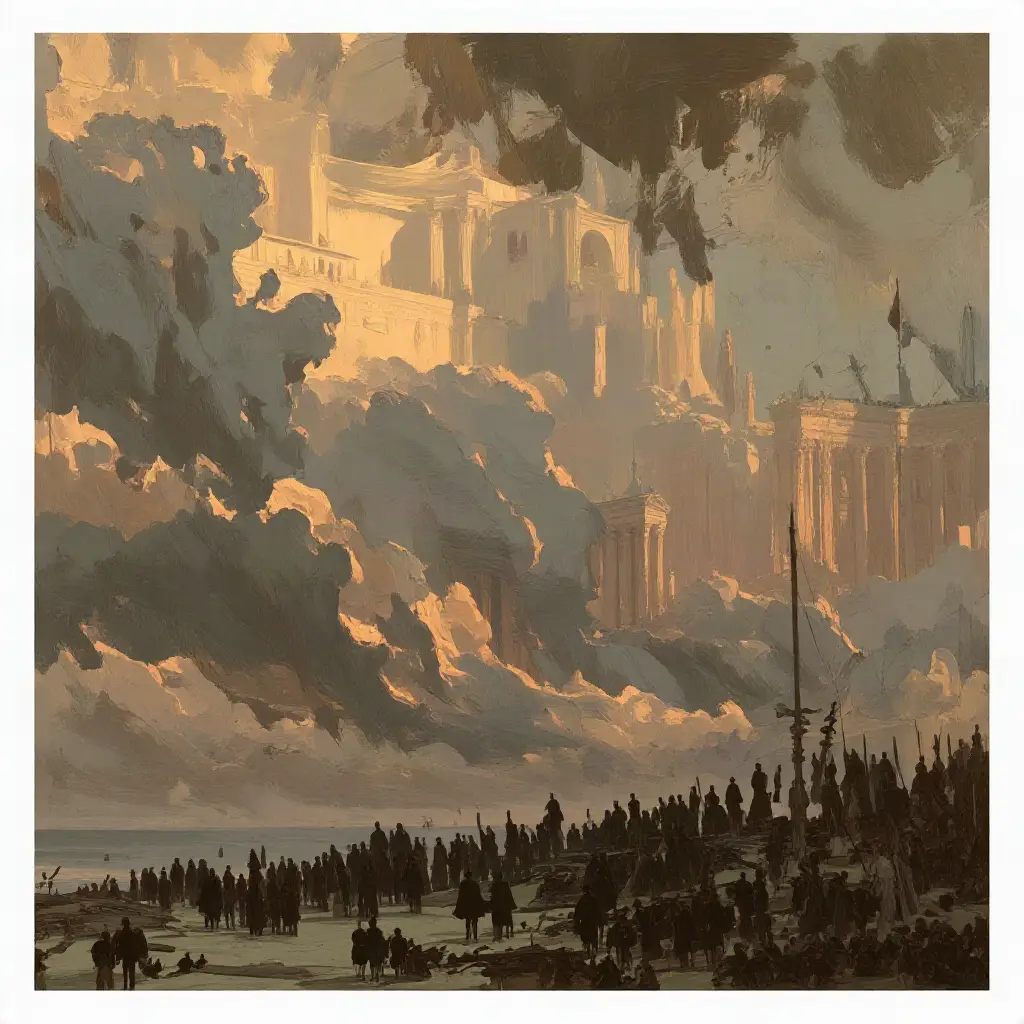 The History of FeudalismAn explanation of the medieval system of land and loyalty, from its Carolingian origins to its decline after the Black Death.
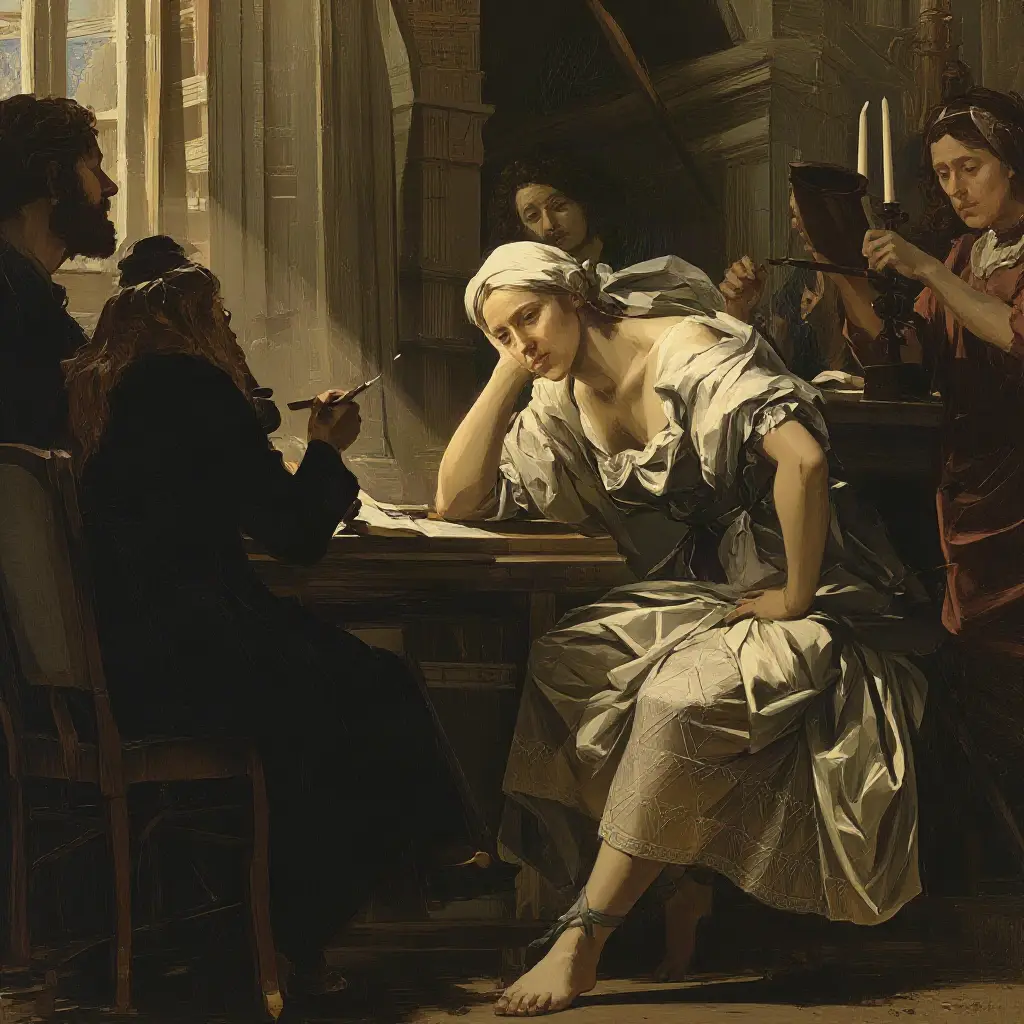 Artemisia Gentileschi: The Trial Behind the PaintingIn 1612 Artemisia Gentileschi endured torture to testify against her rapist, then painted Judith beheading a general.
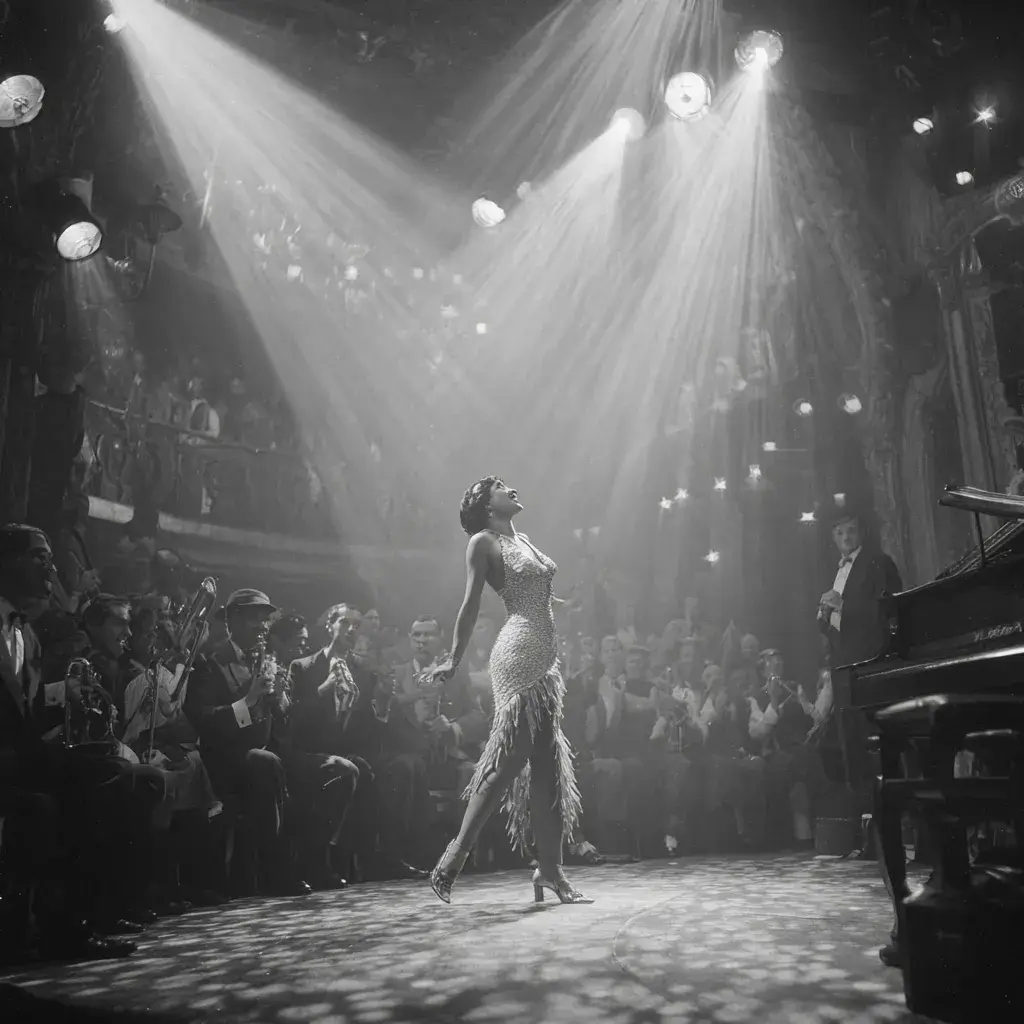 Josephine BakerThe life of Josephine Baker: Paris star of the 1920s, French intelligence agent in the Second World War, civil rights speaker in 1963, and in 2021 the first Black woman honoured in the Panthéon.
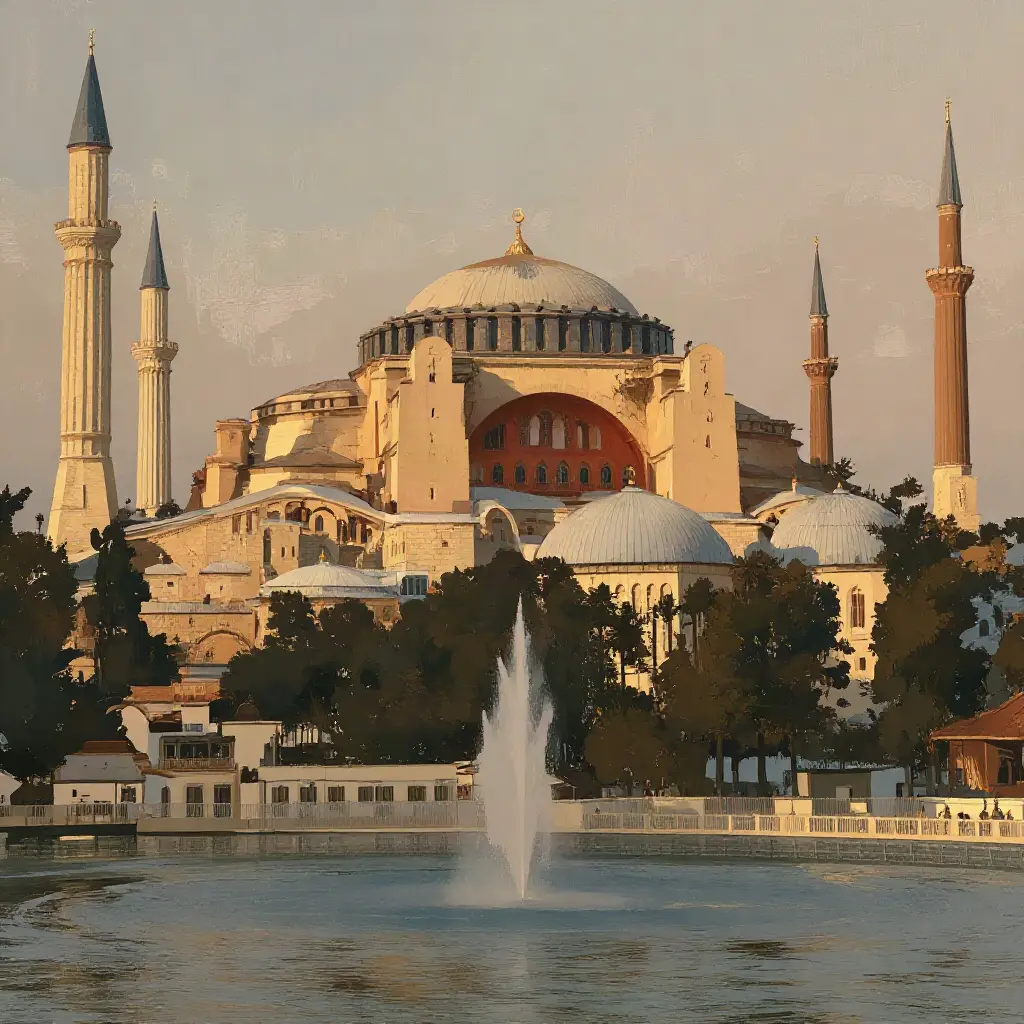 Hagia SophiaBuilt in 537 by Emperor Justinian, Istanbul's Hagia Sophia is an architectural marvel famous for its massive dome and 1,500-year history.
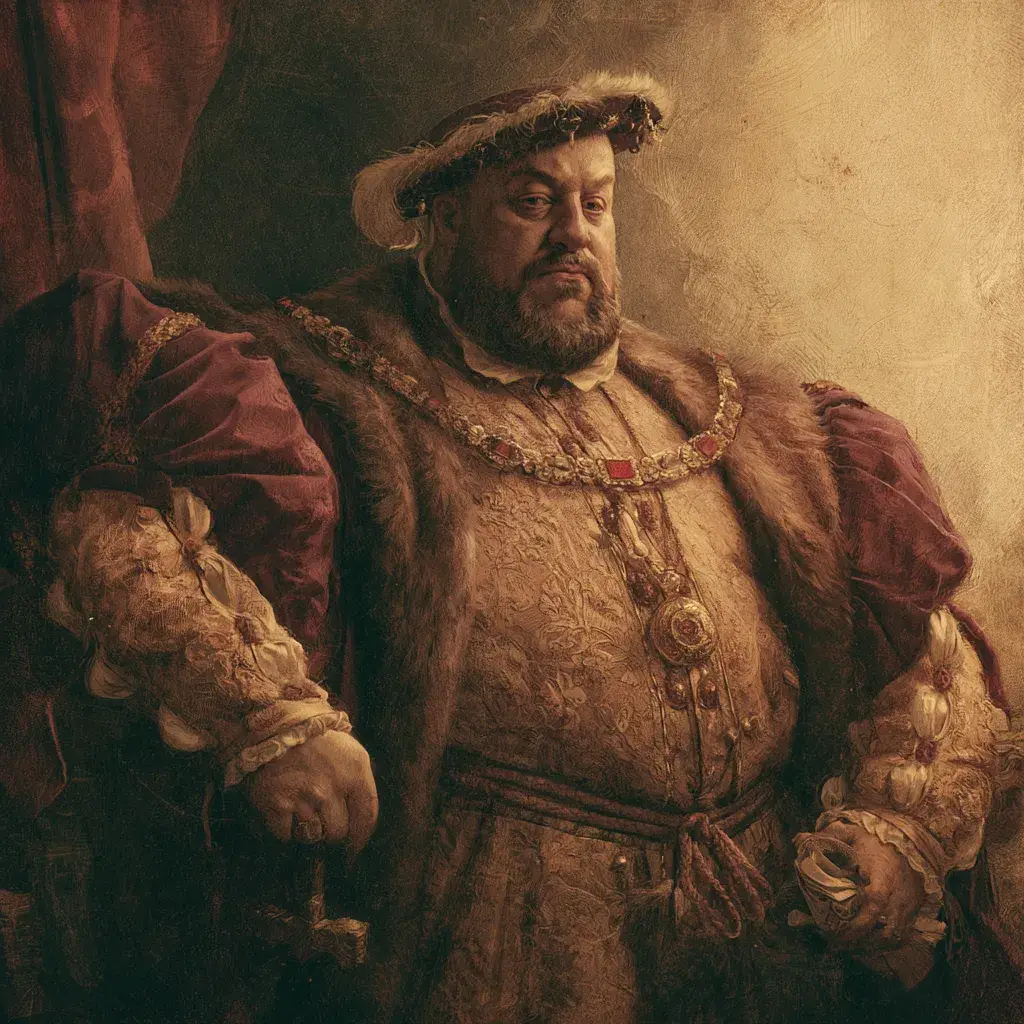 Henry VIIIThe reign of Henry VIII, whose search for a male heir led to six marriages, the break with Rome, the dissolution of the monasteries, and a will that set the order of Tudor succession.
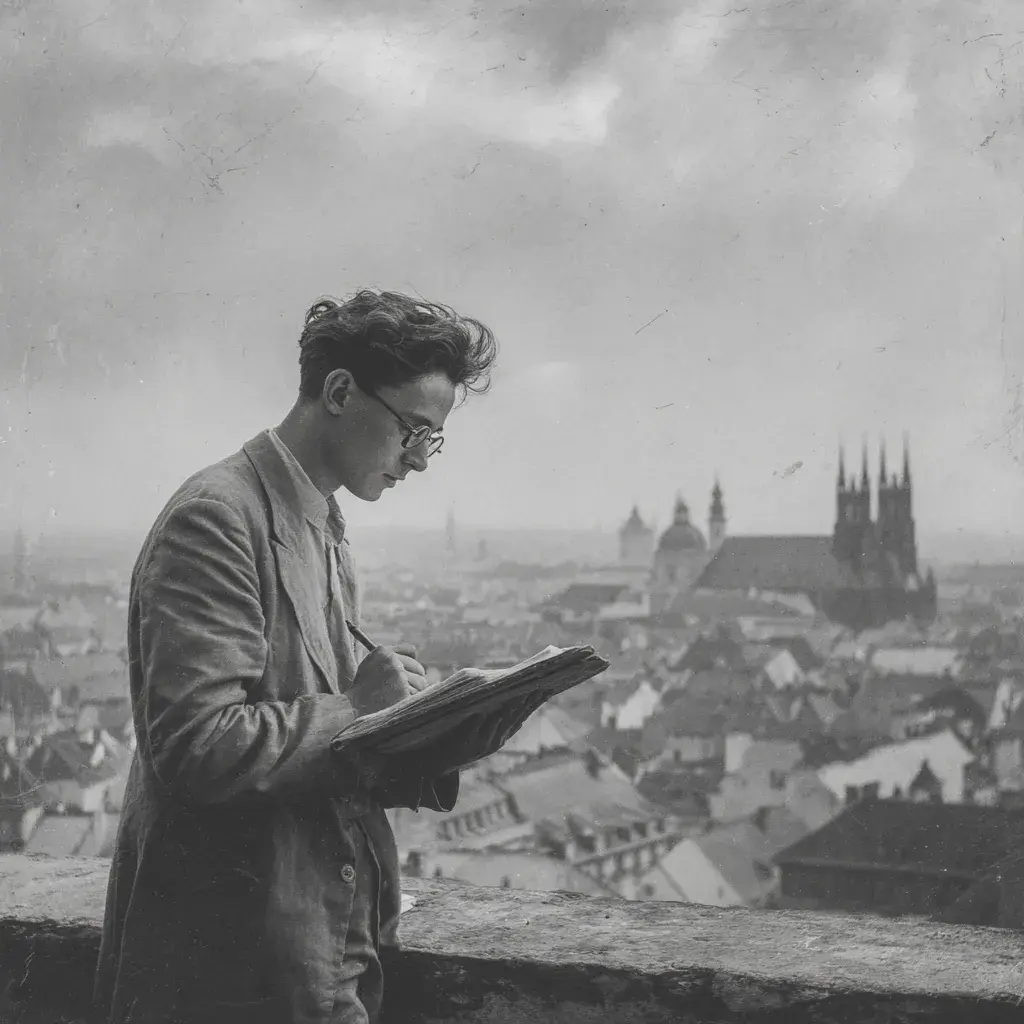 Viktor Frankl and Meaning in SufferingPsychiatrist Viktor Frankl survived Auschwitz and argued that the primary human drive is not pleasure or power, but a will to meaning.
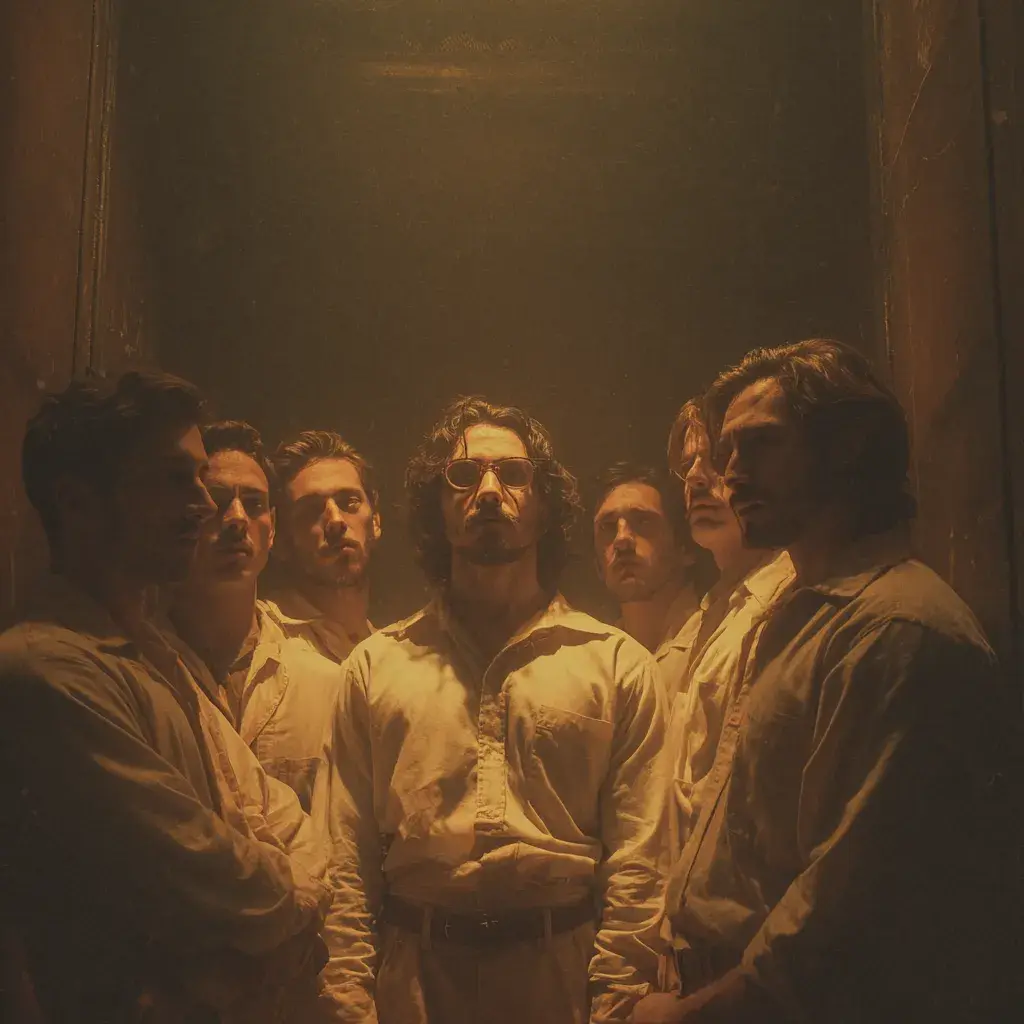 The Stanford Prison ExperimentIn 1971 Philip Zimbardo turned a Stanford basement into a mock prison. The study was stopped after six days, and later evidence has cast doubt on what it showed.
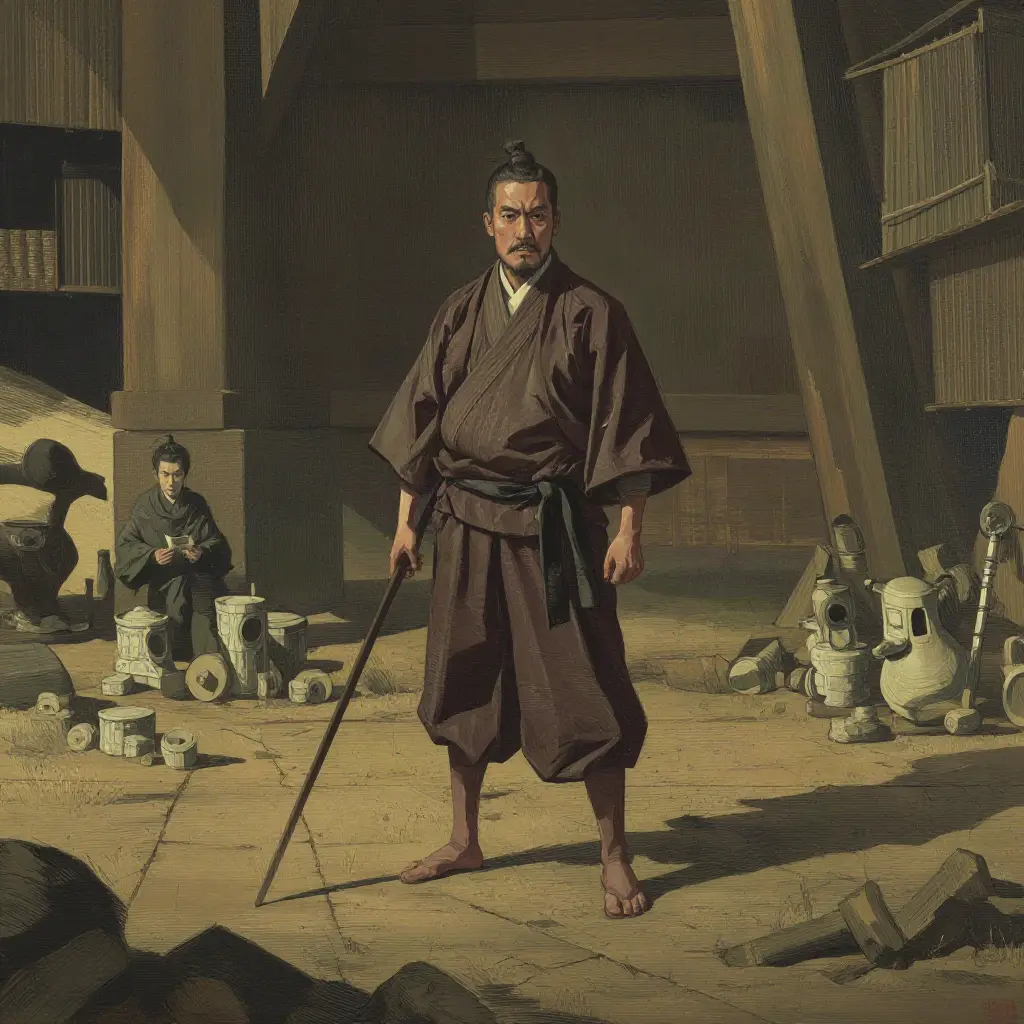 Hideyoshi Unifies JapanFrom a peasant's son to Japan's supreme ruler, this is the story of Toyotomi Hideyoshi, who ended more than a century of civil war.
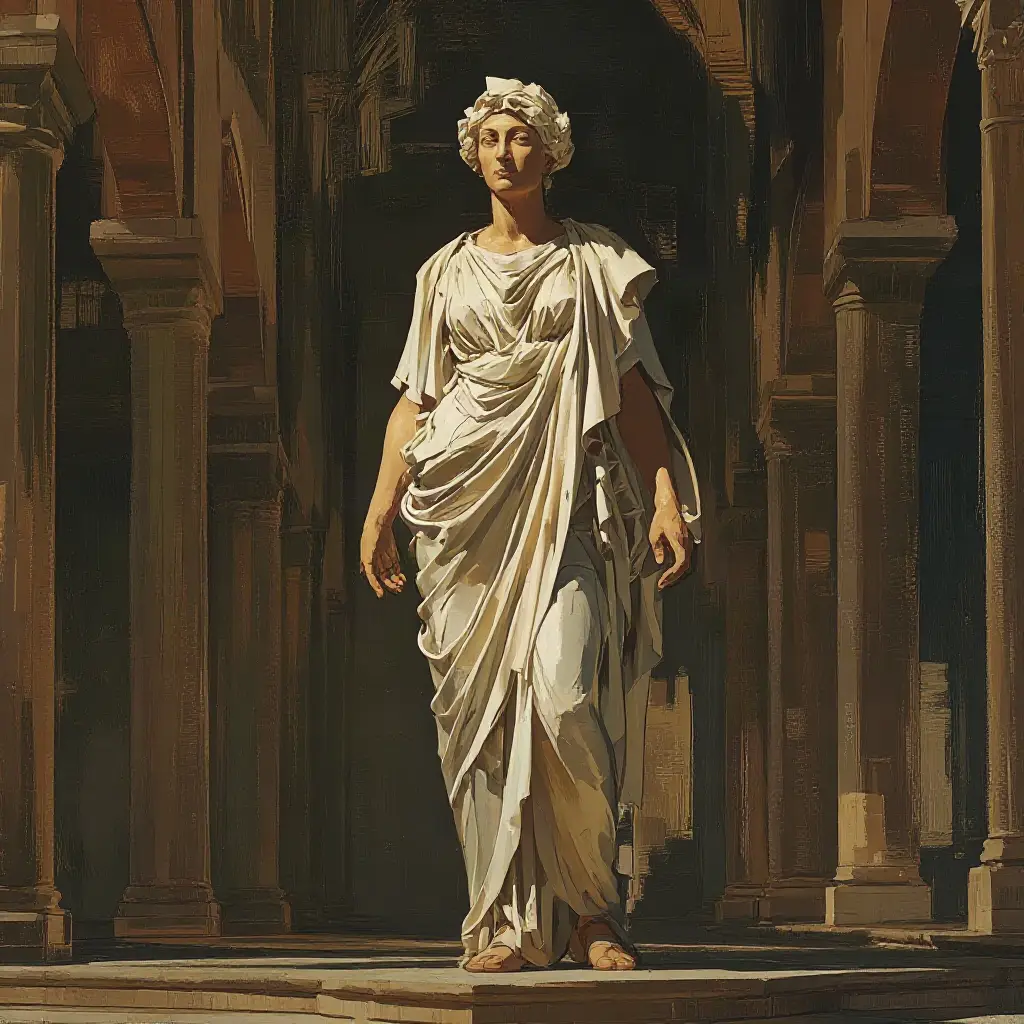 Hypatia of AlexandriaThe story of Hypatia, the 4th-century philosopher killed by a mob in 415, separating the historical woman from the later legend.
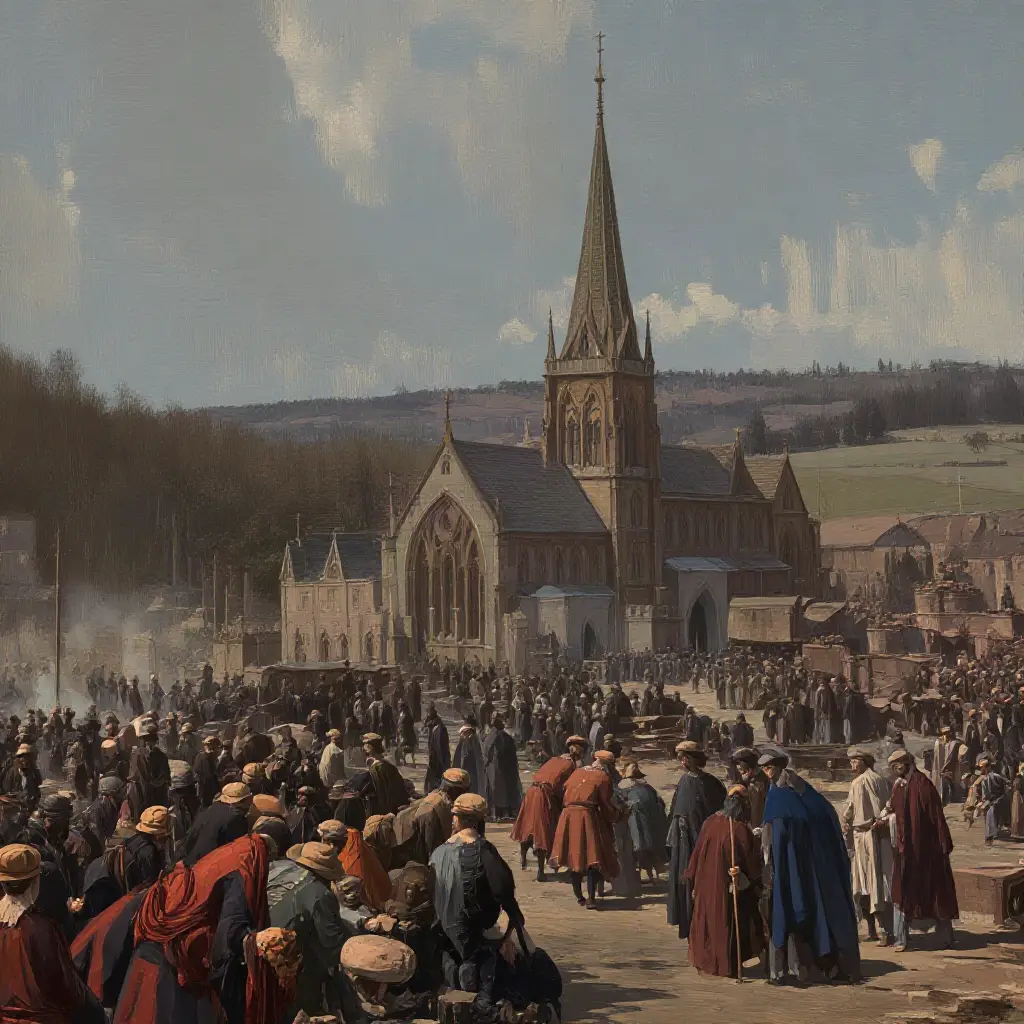 The Great Plague of EyamIn 1666 the village of Eyam sealed itself off, losing roughly 260 people so the plague would not reach Sheffield.
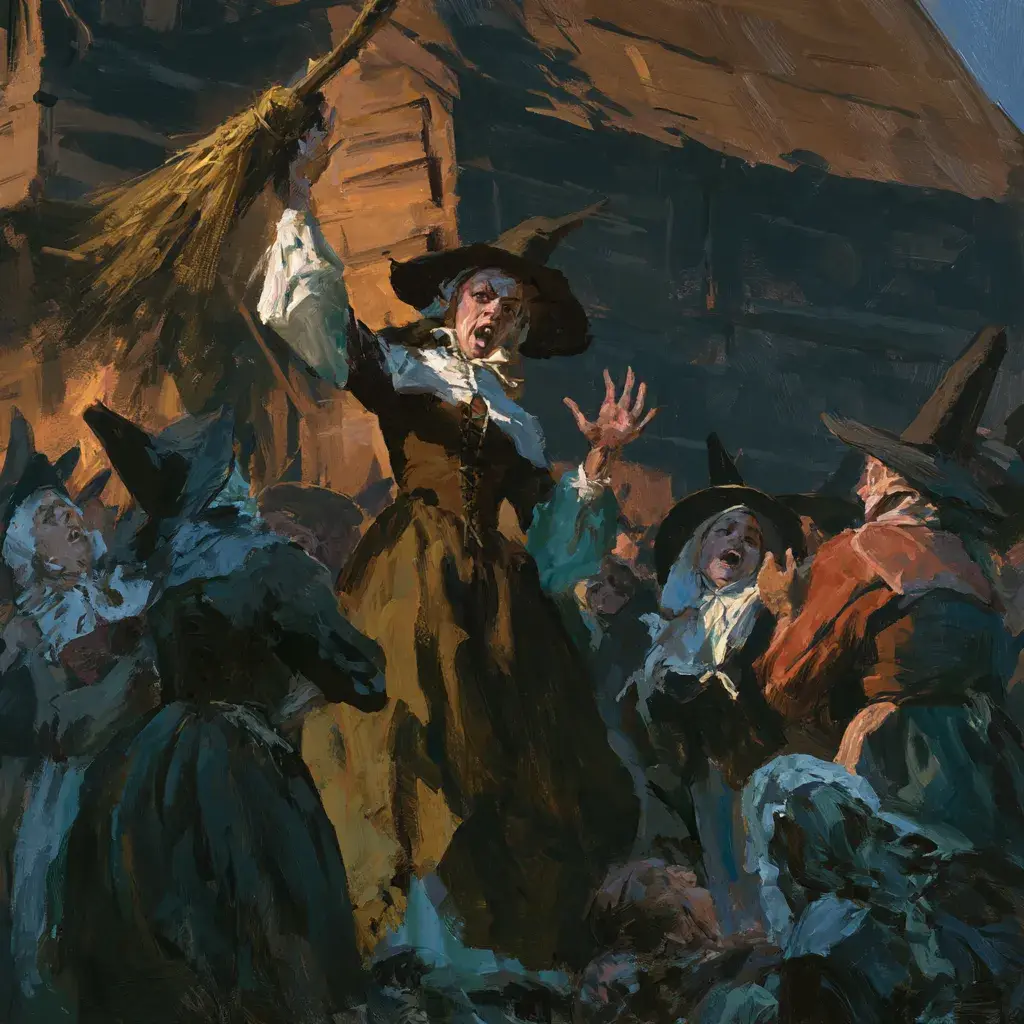 The Salem Witch TrialsIn 1692, a Massachusetts panic led to over 200 accusations of witchcraft, 19 hangings, and the death by pressing of one man, Giles Corey.
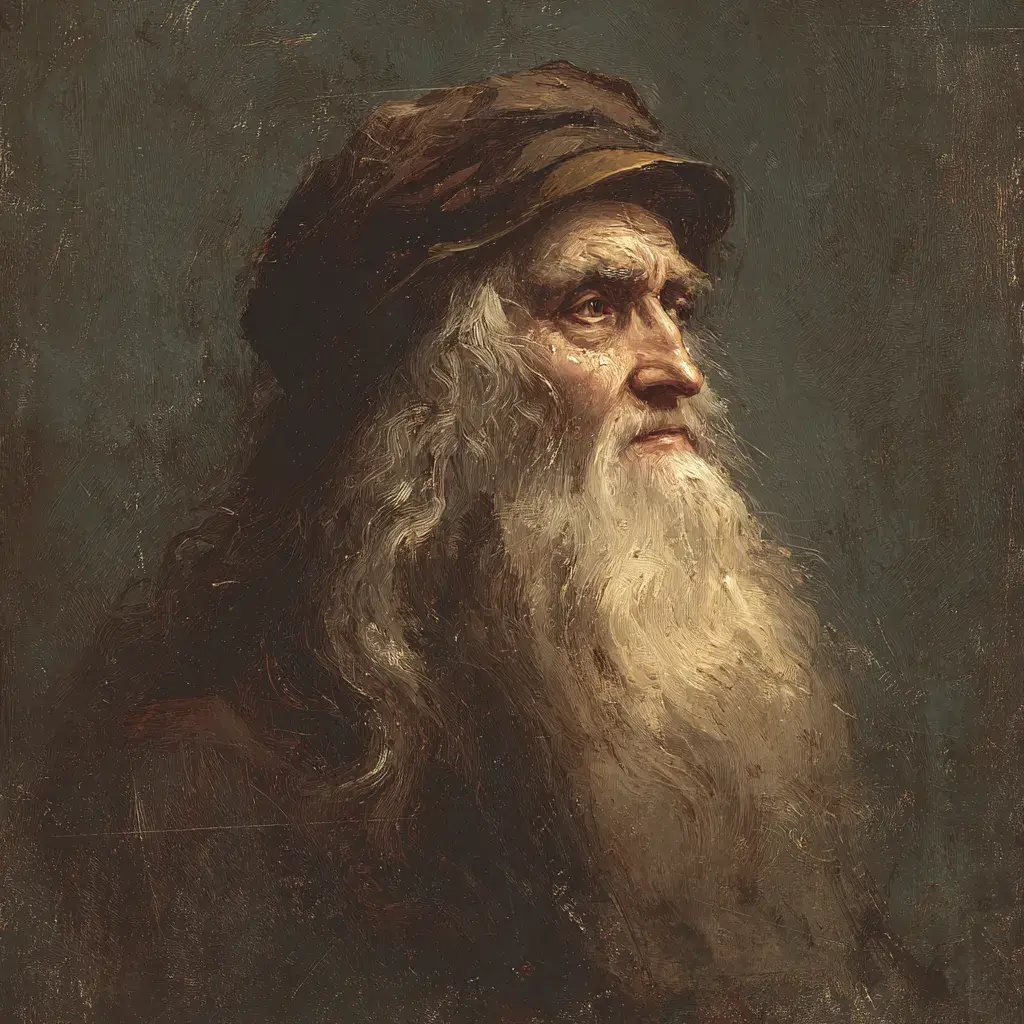 Leonardo da Vinci — Genius of the RenaissanceThe life of Leonardo da Vinci, from illegitimate son in Vinci to the Last Supper, the Mona Lisa, his anatomical studies and his final years in France.
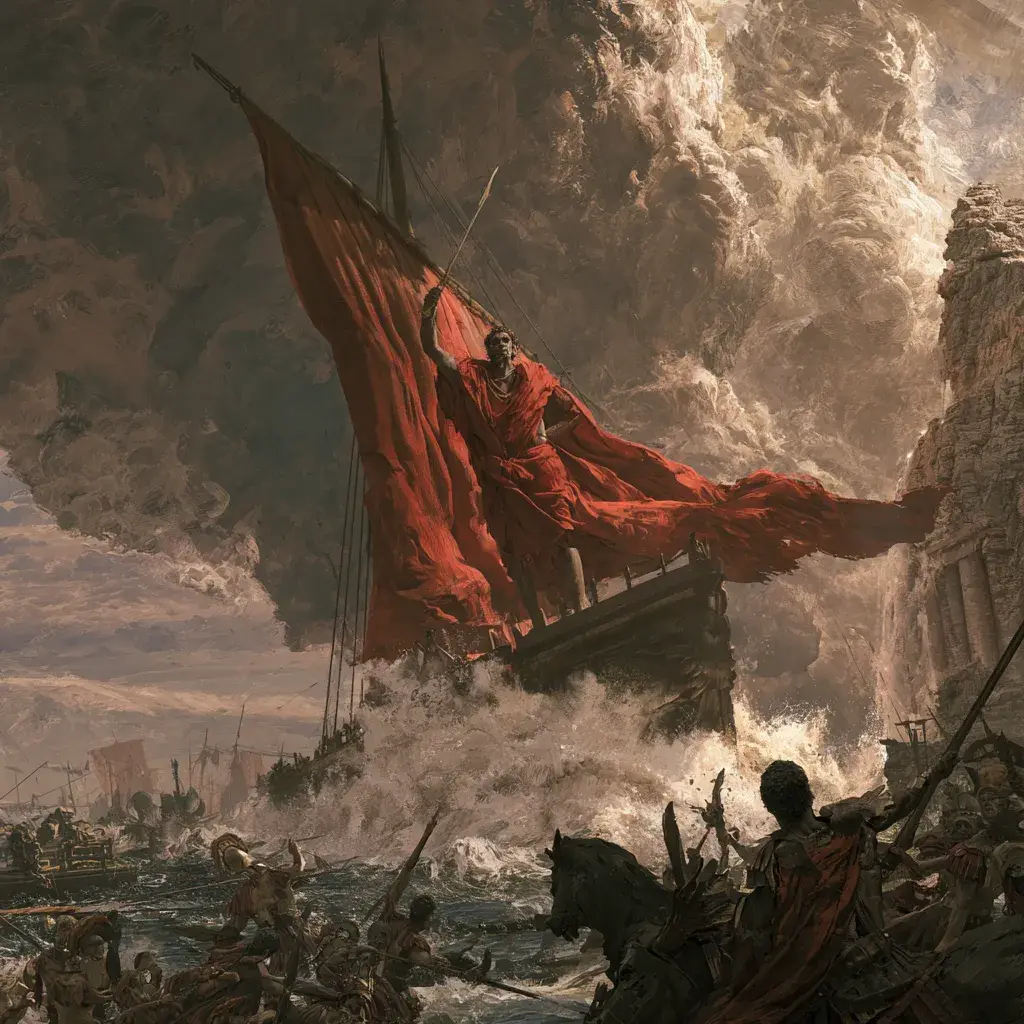 The OdysseyHomer's epic of Odysseus's 10-year struggle to return home to Ithaca after the Trojan War, a journey cursed by the god Poseidon.
 Pandora's BoxThe myth of Pandora explains humanity's suffering, unleashed from a great jar, but also why Hope remains even in the darkest of times.
 Ragnarök: The End of the WorldThe prophesied end of the Norse world begins with three years of winter and ends with the earth sinking into the sea, consumed by fire.
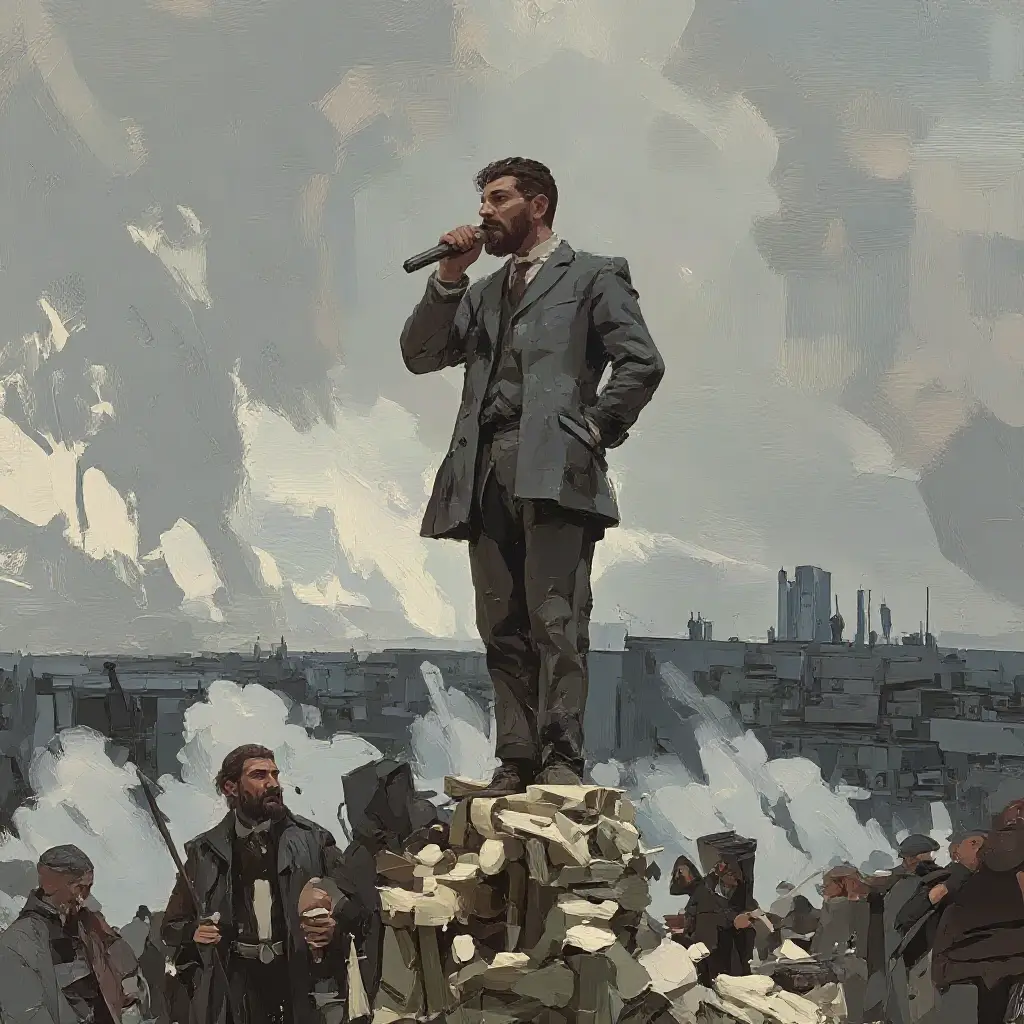 The Armenian GenocideThe Ottoman government's systematic killing of up to 1.5 million Armenians during WWI, starting in early 1915.
 The First Sino-Japanese WarIn 1894, the First Sino-Japanese War began over Korea, a conflict that would invert Asia's traditional order of power.
 Persephone and HadesThe myth of Persephone, whose abduction by Hades led her mother Demeter to create a global famine, explaining the cycle of the seasons to the Greeks.
 The History of BeerThe history of beer, from possible brewing traces about 13,000 years old through Sumer and Egypt, hops and Bavaria's 1516 purity law, to refrigeration and the pure yeast behind modern lager.
 The BuddhaThe life of Siddhartha Gautama, the sheltered prince who confronted suffering and became the Buddha, and his core teachings on how to end it.
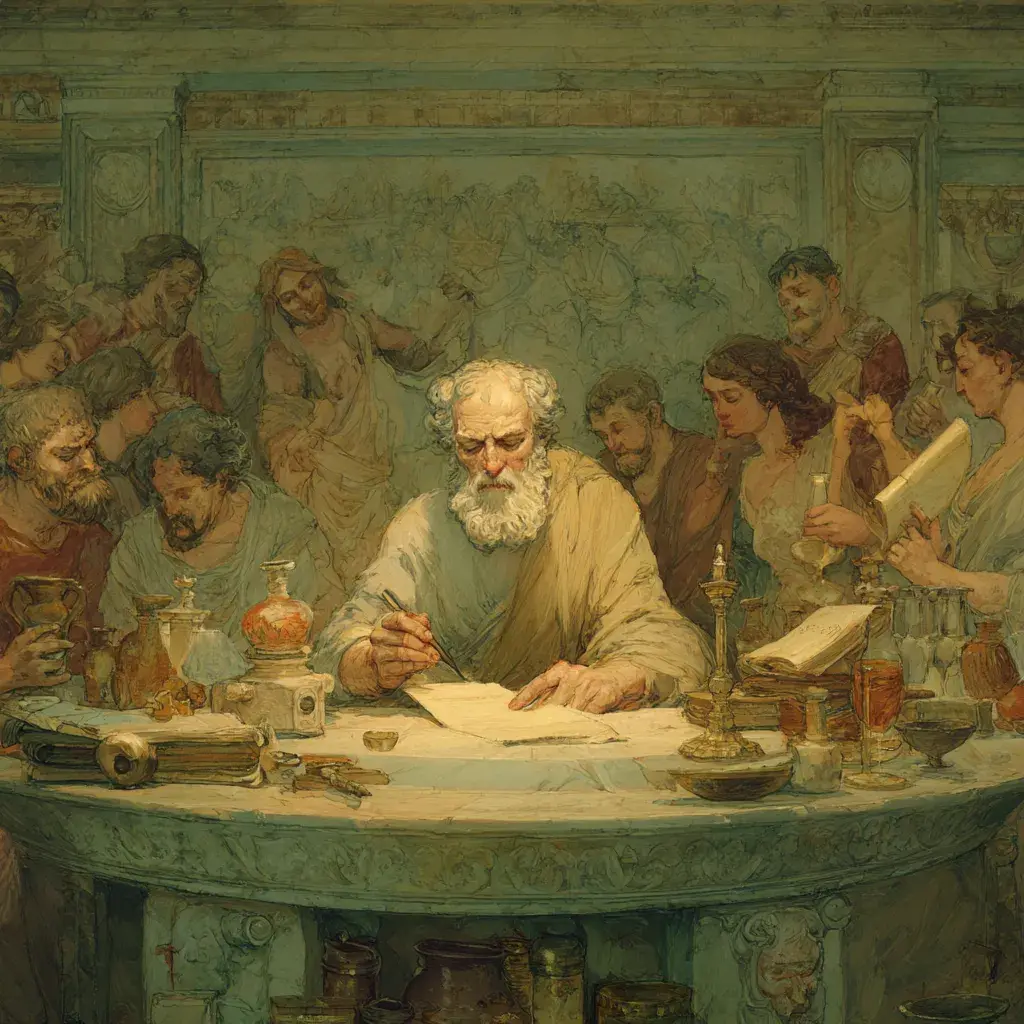 HippocratesHippocrates of Cos, the Greek physician who taught that illness has natural causes and whose name is on medicine's most famous oath.
 Occam's RazorThe philosophical principle that the simplest explanation, the one with the fewest assumptions, is usually the right one to test first.
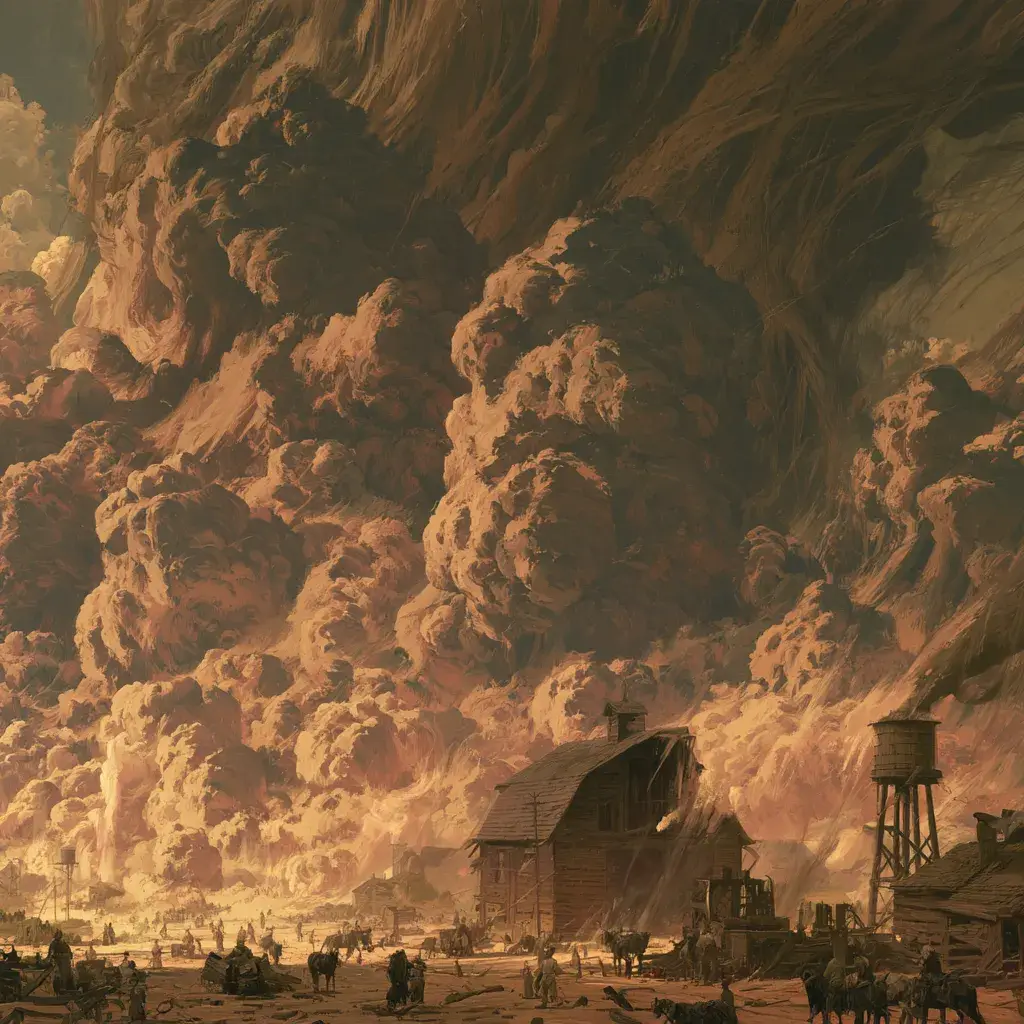 The Dust BowlIn the 1930s, drought and the over-ploughing of the Great Plains led to huge dust storms, Black Sunday, mass migration west and new federal soil conservation programmes.
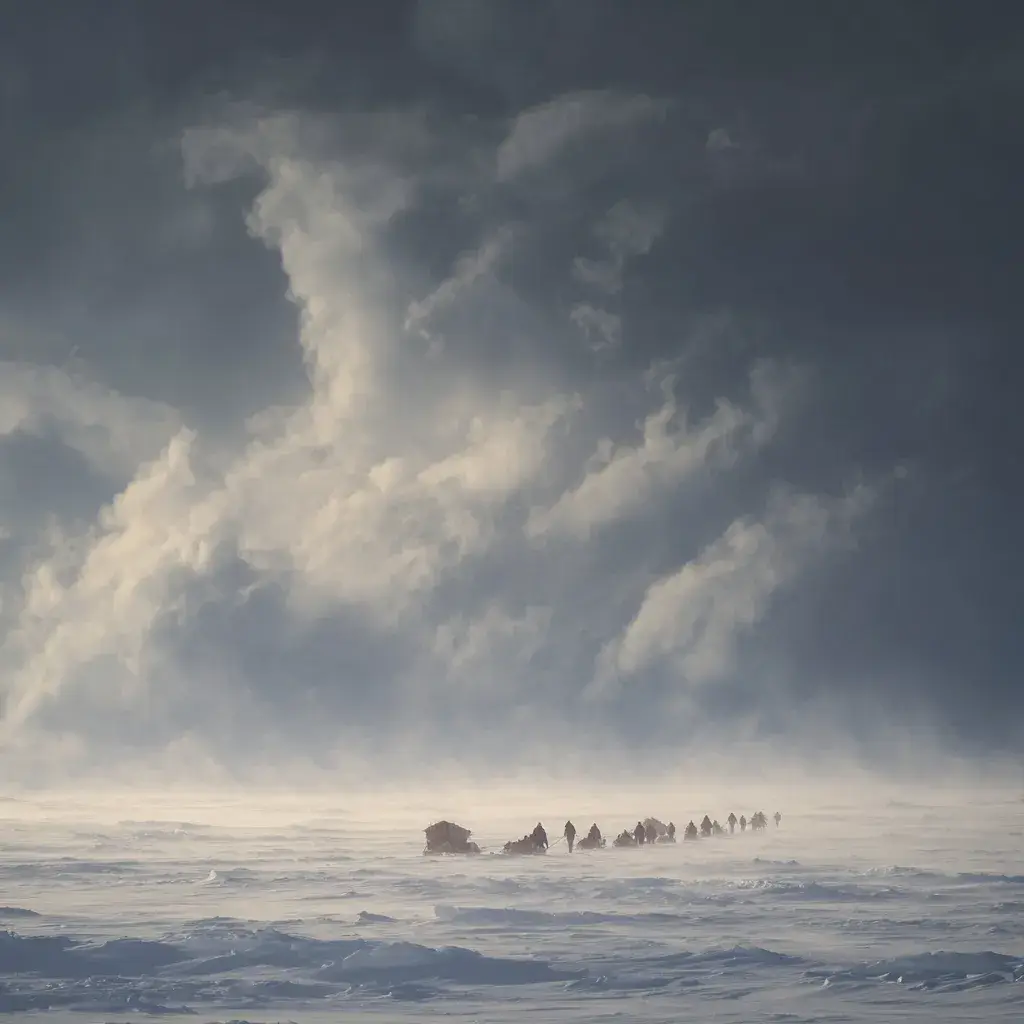 The Race to the South PoleTwo rival teams led by Roald Amundsen and Robert Scott battle deadly cold to reach the South Pole between 1911 and 1912.
 The Cuckoo's Egg: Hunting a Hacker From a 75-Cent ErrorAn astronomer chased a 75-cent billing error at Berkeley and uncovered a hacker selling secrets to the KGB.
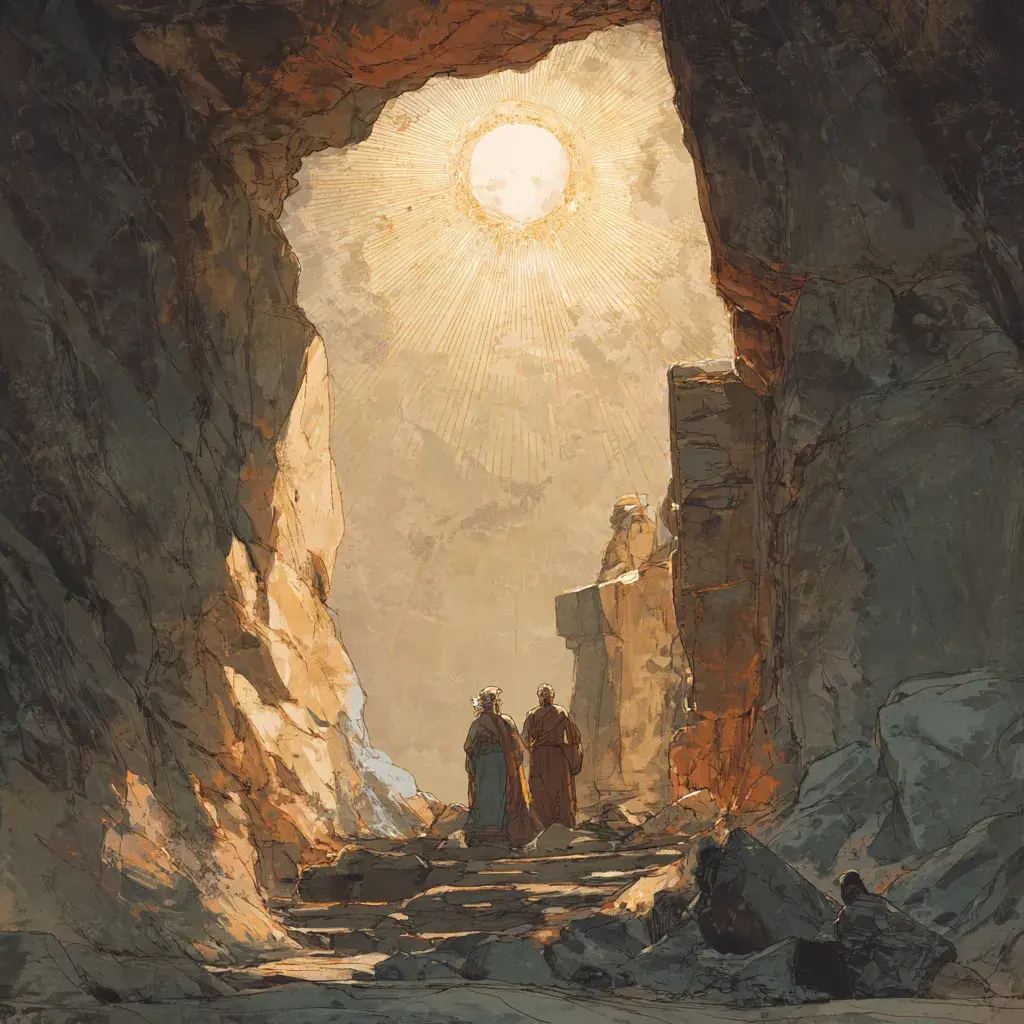 Plato’s Allegory of the CavePlato's Allegory of the Cave from the Republic: prisoners who mistake shadows for reality, one man's climb into the light, and what Plato meant by it.
 TunguskaThe 1908 explosion over Siberia that flattened 80 million trees and left no crater, inspiring modern planetary defense.
 The History of SurgeryHow surgery went from Stone Age skull drilling to organ transplants: anatomy, anaesthesia, antiseptics, blood groups and the first kidney transplant.
 The First World Cup, 1930The first FIFA World Cup in 1930 saw Uruguay chosen as host, a European boycott, and a dramatic final against Argentina won by the hosts 4-2.
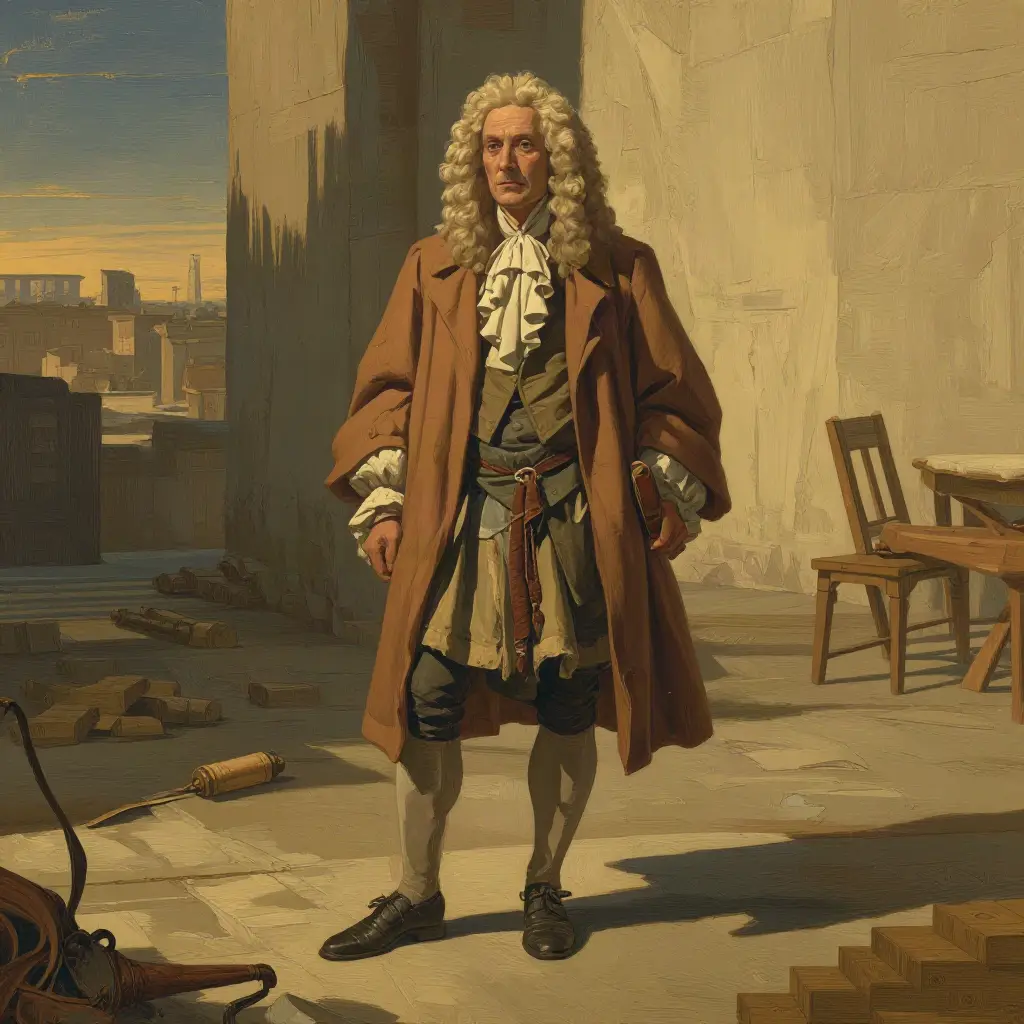 Isaac Newton and GravityIn 1666, Isaac Newton saw an apple fall and realized the same force holding the Moon in orbit was pulling the object to the ground.
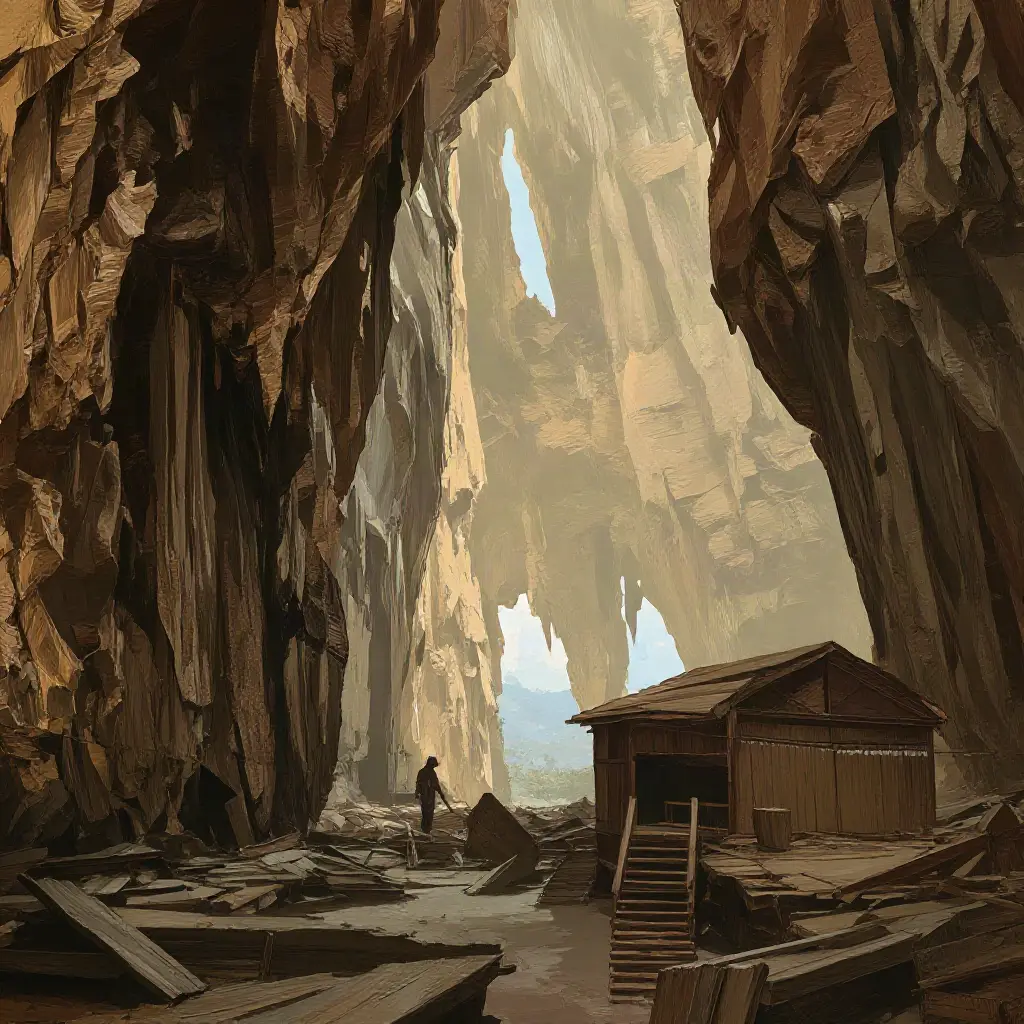 Son Doong: The Cave a Farmer LostHo Khanh found a cave in 1990, lost the way back, and in 2008 found it again: Son Doong, the largest known cave on Earth.
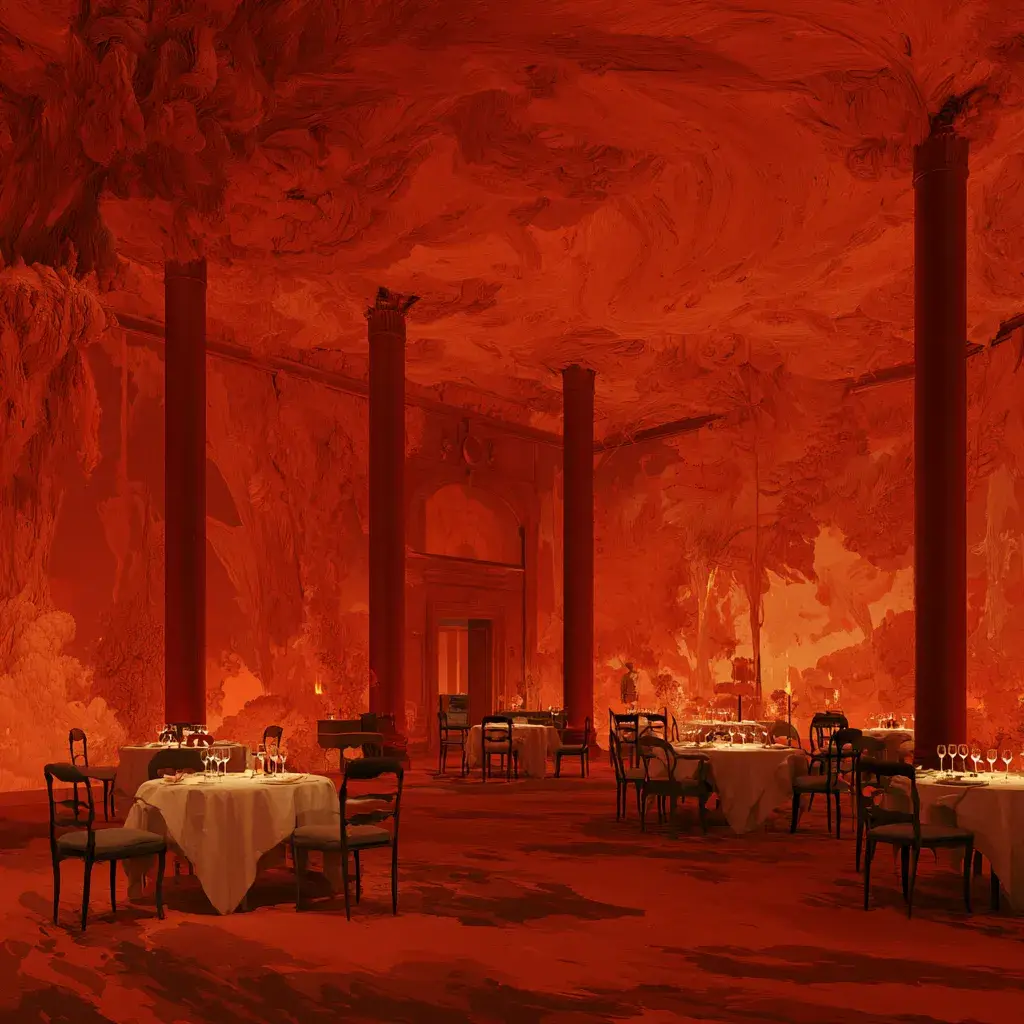 The History of The Michelin GuideHow the Michelin brothers' free 1900 motoring handbook became a paid restaurant guide, with its star ratings, anonymous inspectors, a 1944 reprint for Allied officers, and its record-setting Tokyo edition.
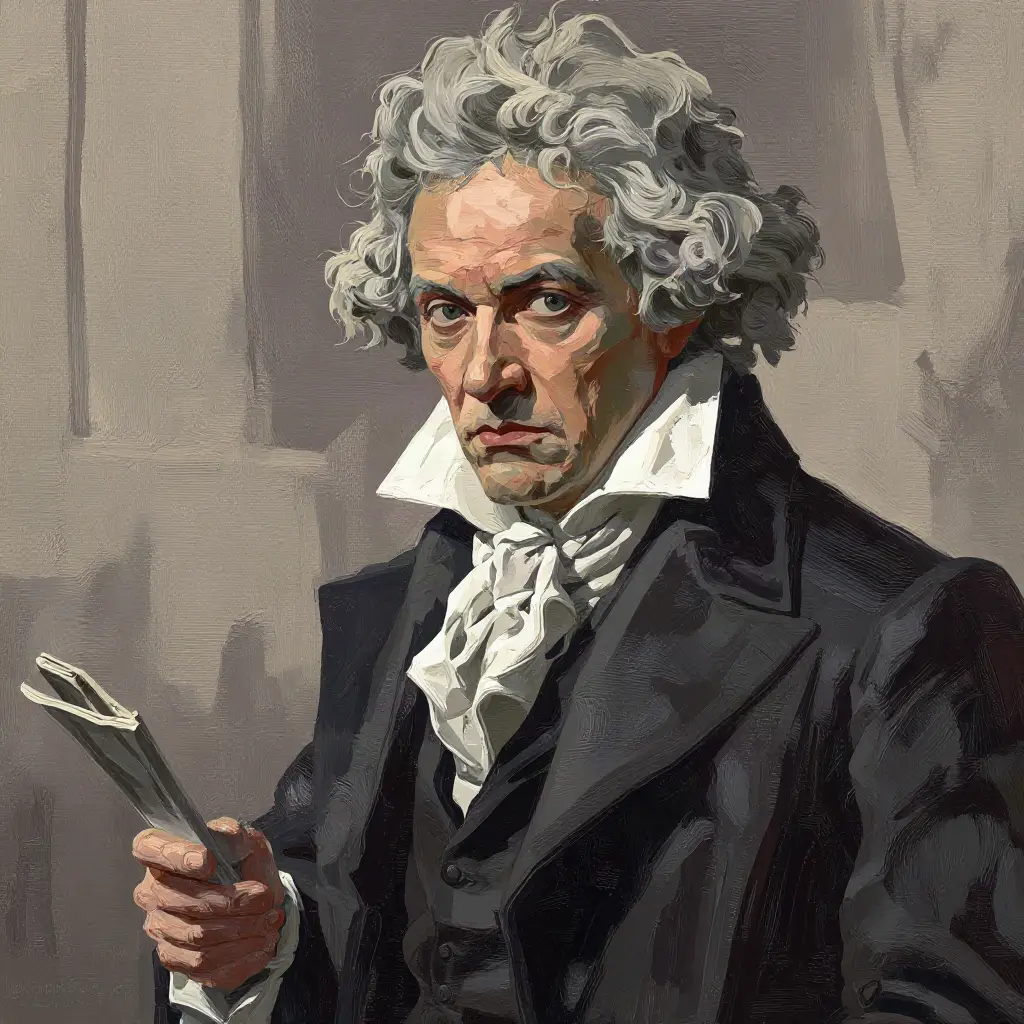 BeethovenThe life of Ludwig van Beethoven, from his despair over deafness to the Ninth Symphony premiere he could not hear.
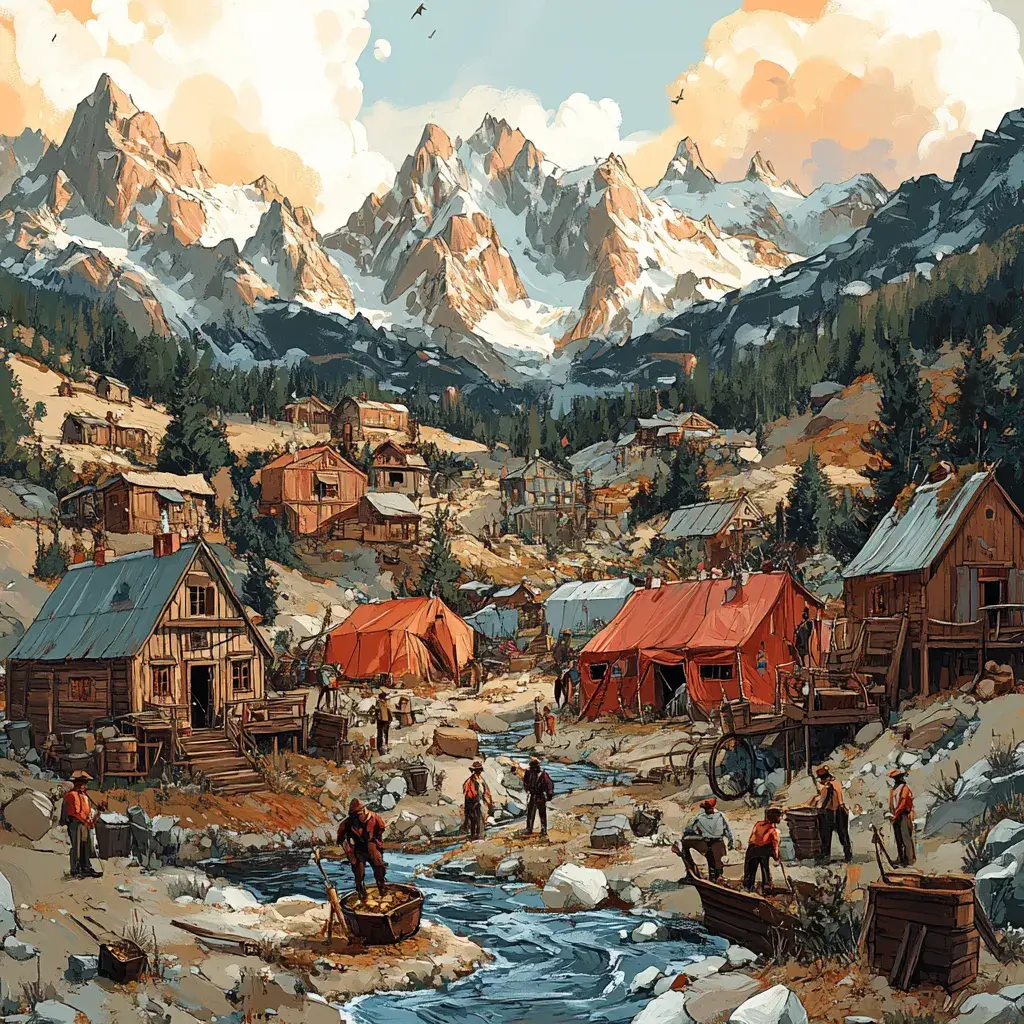 The California Gold RushJames Marshall's 1848 gold find at Sutter's Mill set off a mass migration to California. It made the state rich, cost Native Californians their lands and lives, and left the men who started it broke.
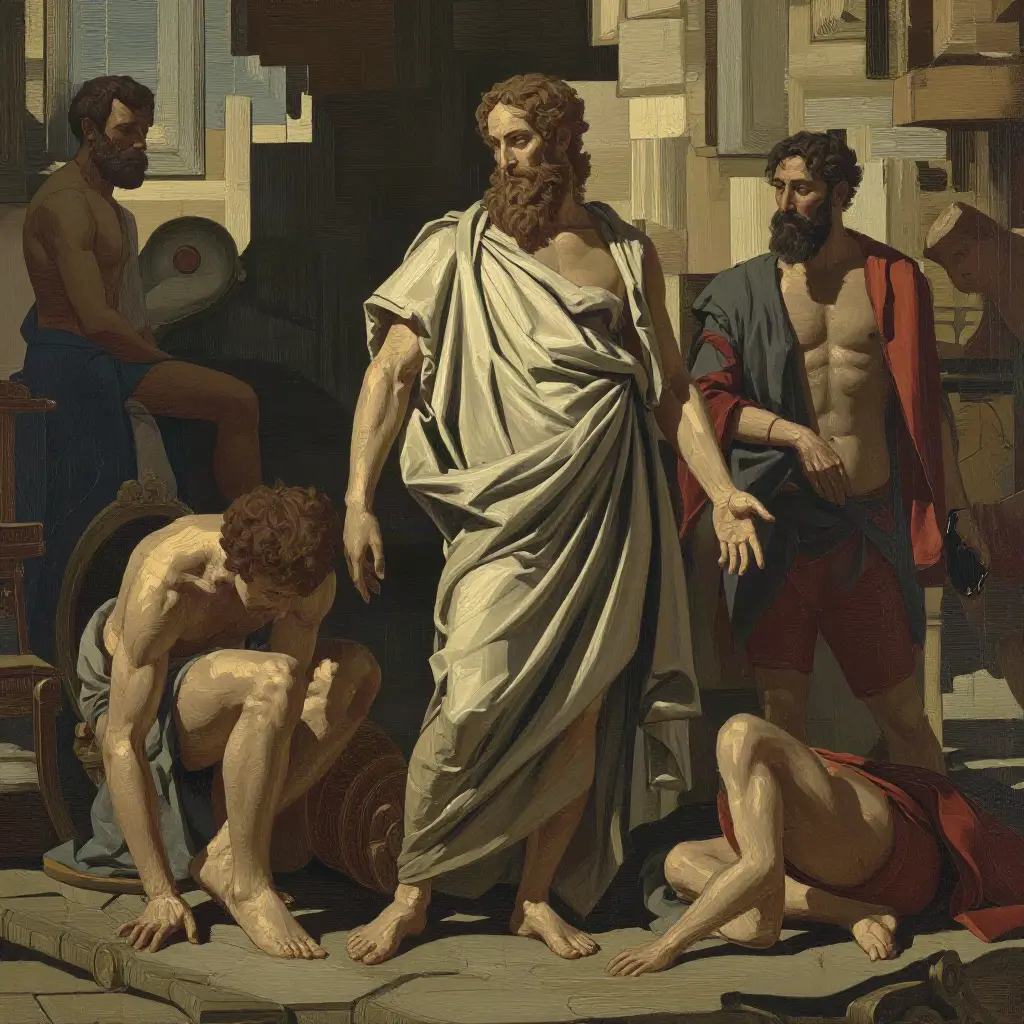 Epicurus and the Philosophy of PleasureThe Greek philosopher Epicurus taught that the good life means calm and freedom from fear rather than indulgence. This is how his ideas were slandered, then revived through Lucretius's poem.
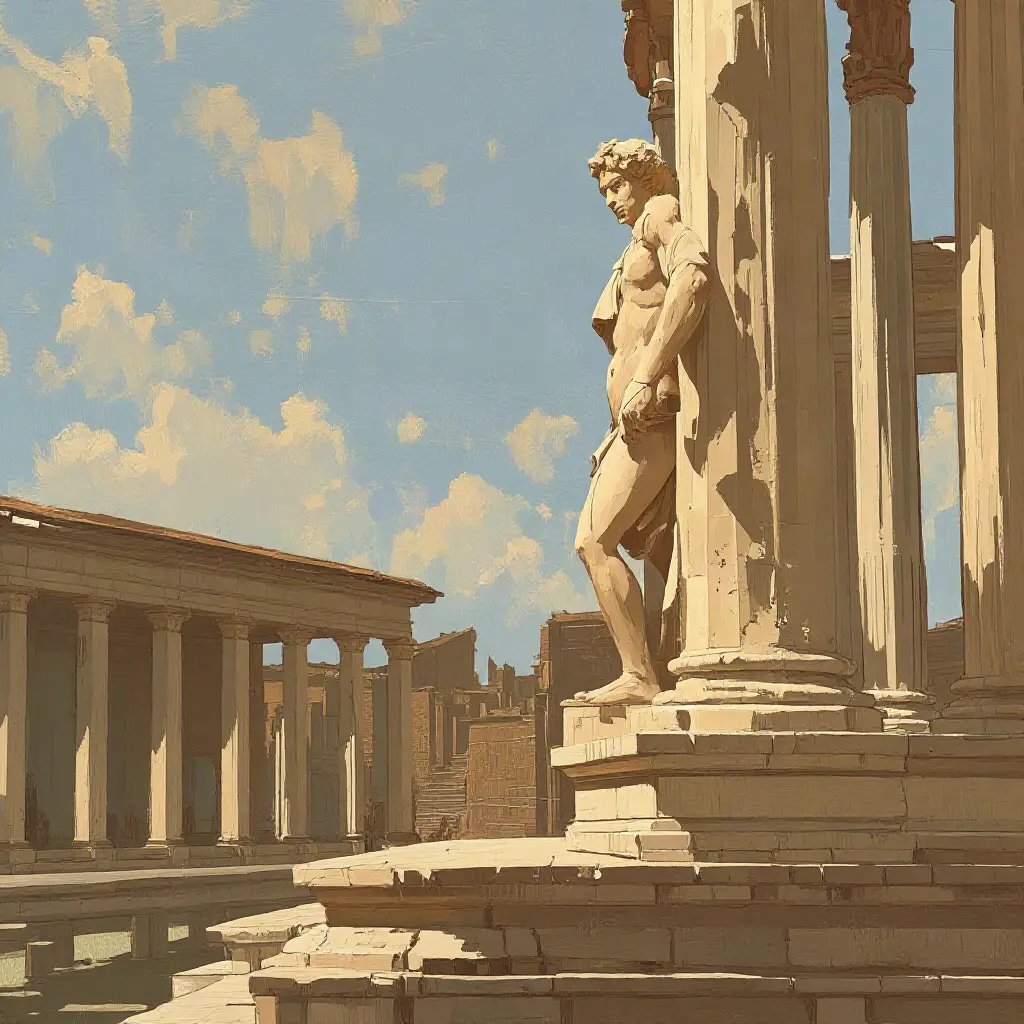 PompeiiThe AD 79 eruption of Vesuvius buried Pompeii, a catastrophe witnessed and recorded by Roman author Pliny the Younger.
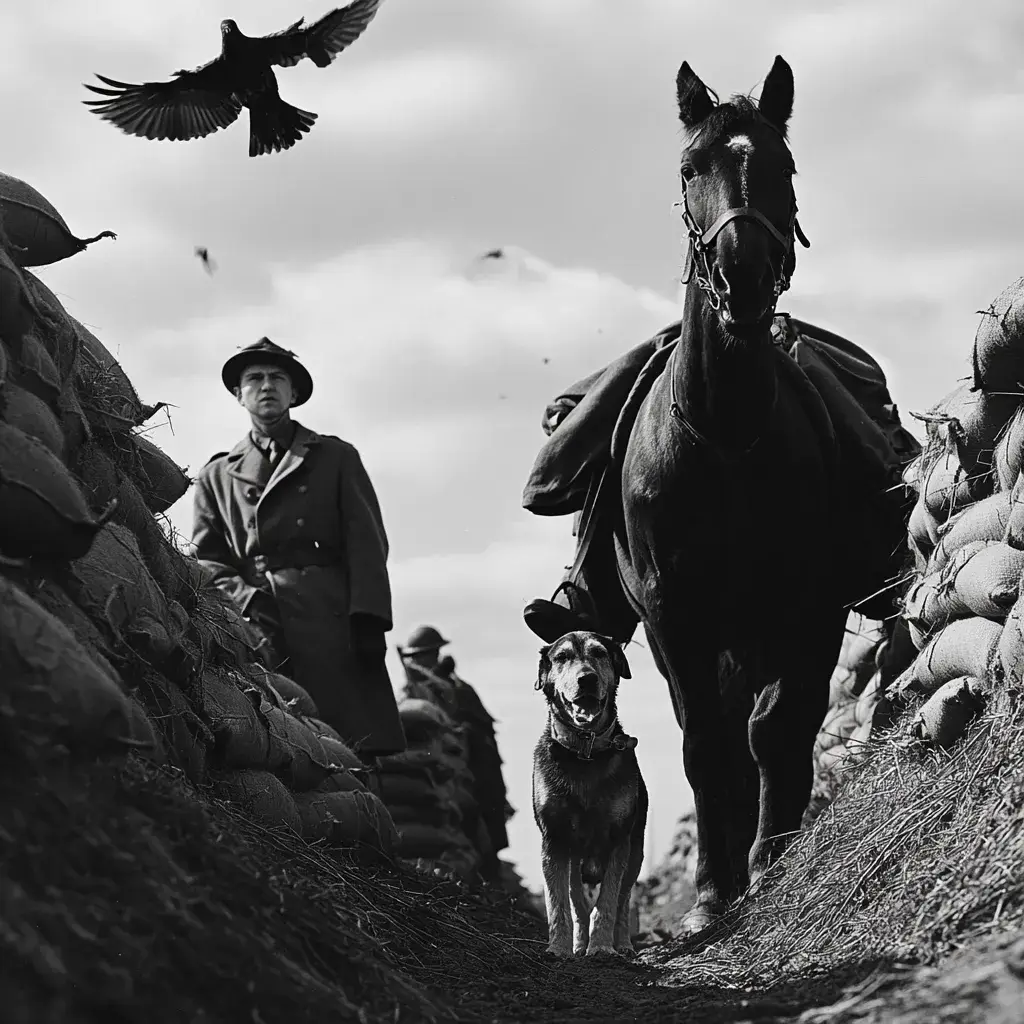 Animals in the TrenchesThe horses, mules, dogs, pigeons and even slugs that served in the First World War, from requisitioned farm horses to the pigeon Cher Ami, and the memorial that honours them.
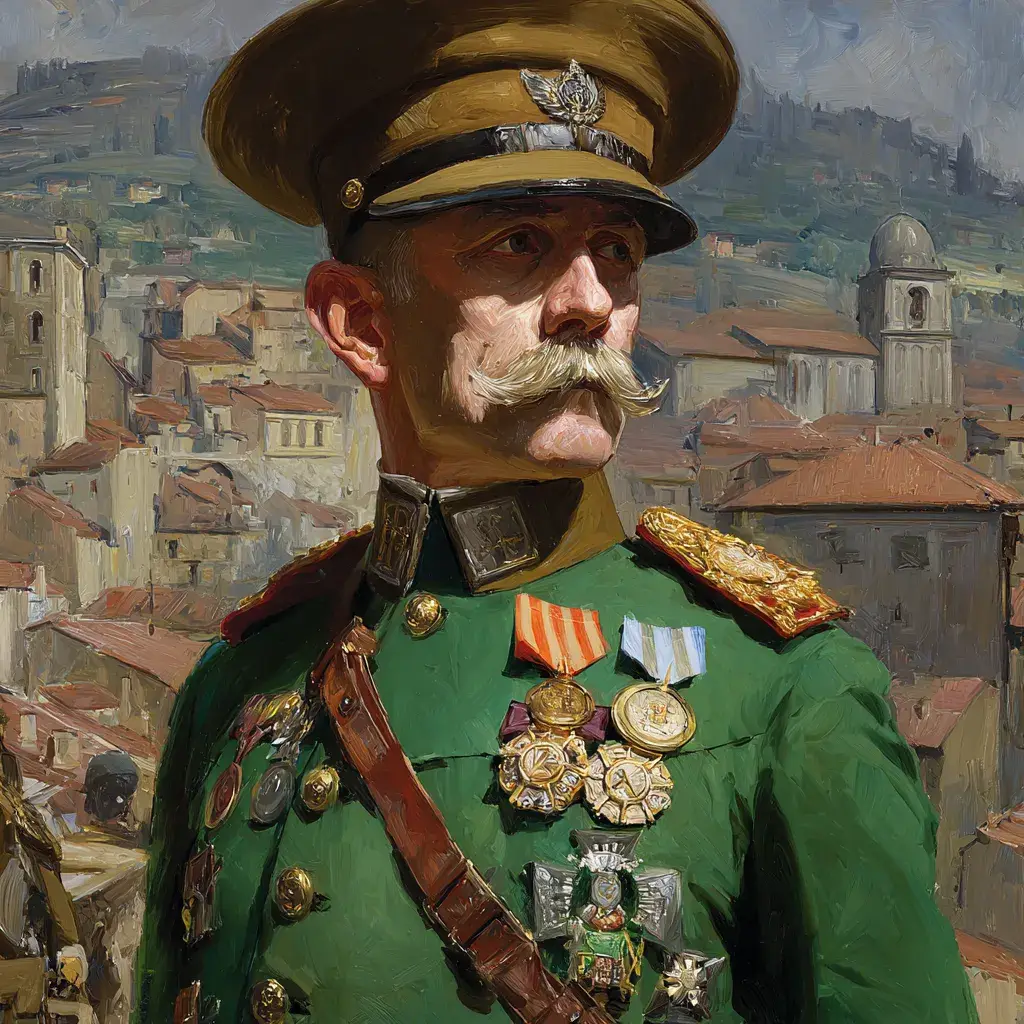 The Assassination of Archduke Franz FerdinandOn June 28, 1914, a young nationalist's two gunshots in Sarajevo assassinated an Archduke and ignited the flames of World War One.
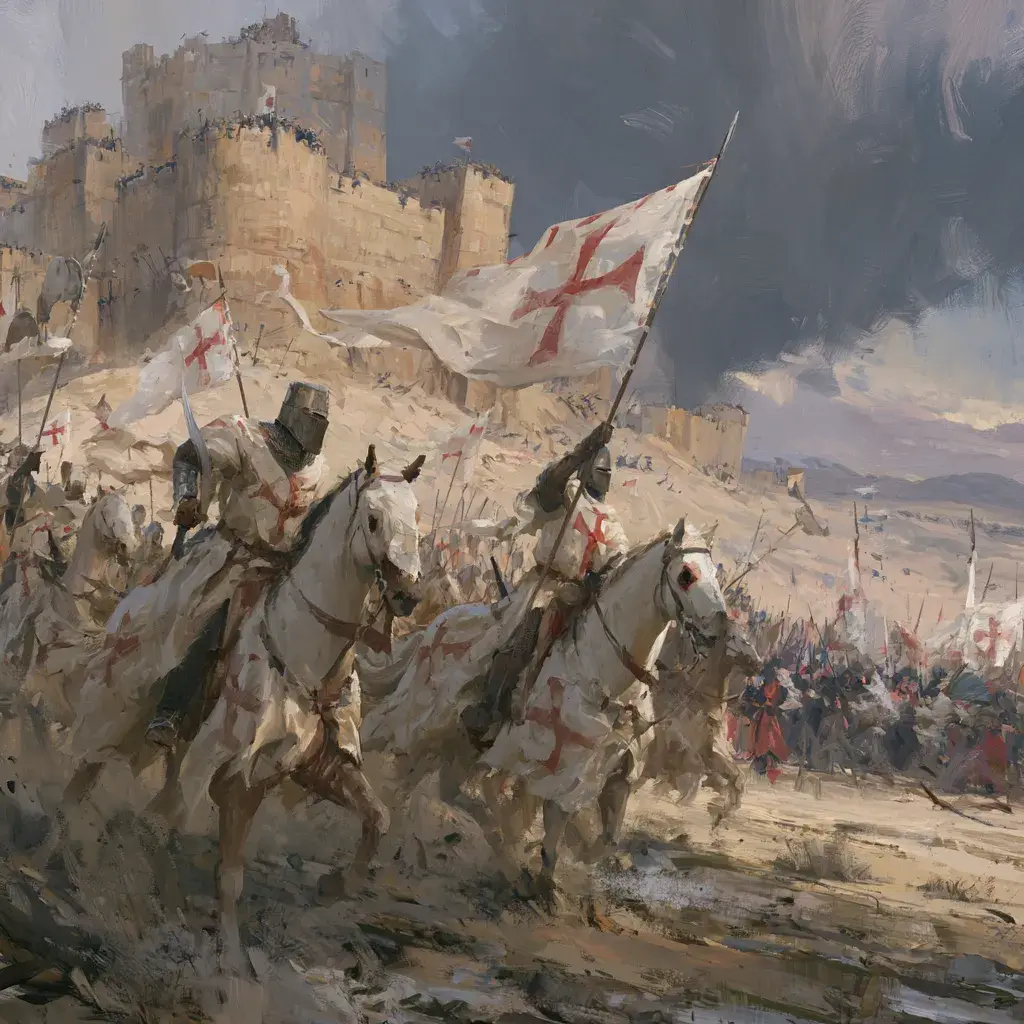 The Templar KnightsThe Knights Templar, a crusading order founded around 1119 to protect pilgrims, which grew rich handling money for Europe's rulers until Philip IV of France had its members arrested and the Pope dissolved it.
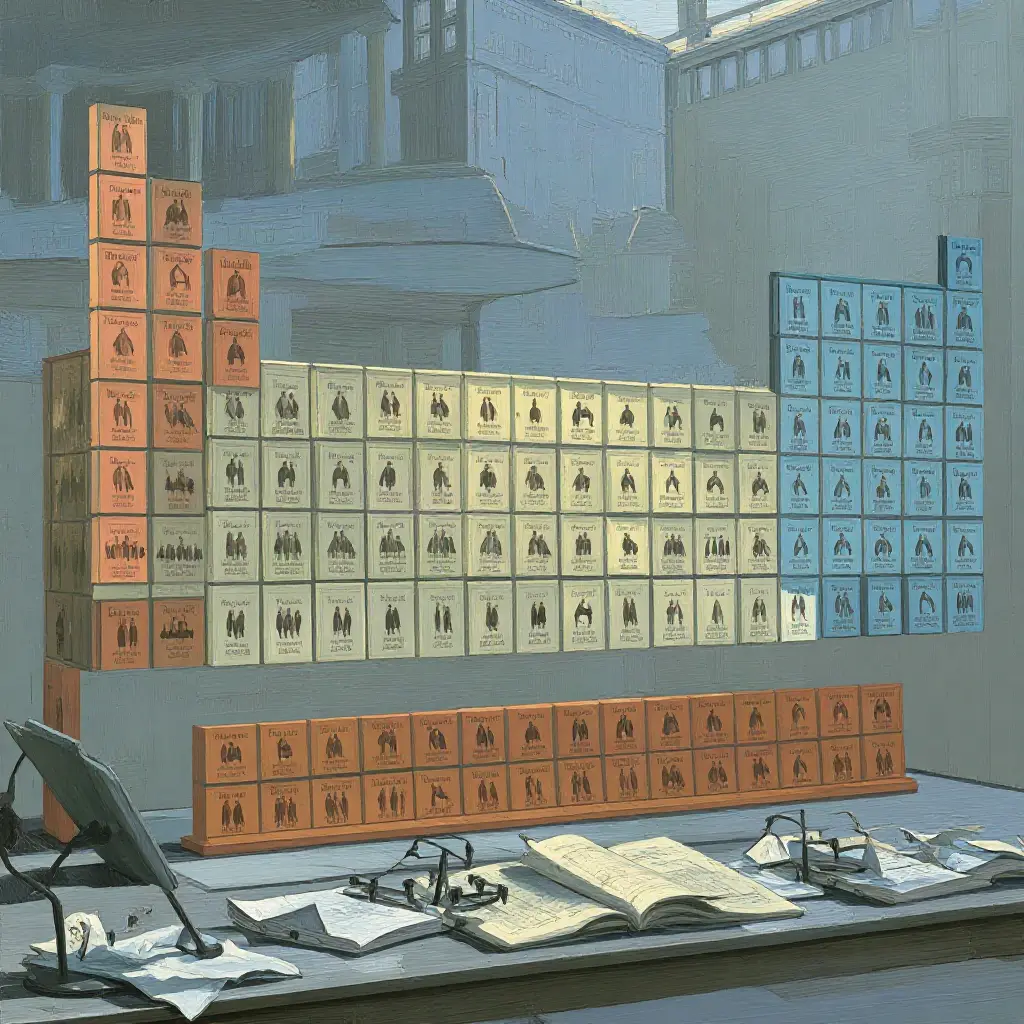 Mendeleev's Periodic TableIn 1869, Dmitri Mendeleev organized the 63 known elements, leaving gaps for new ones he predicted would one day be found.
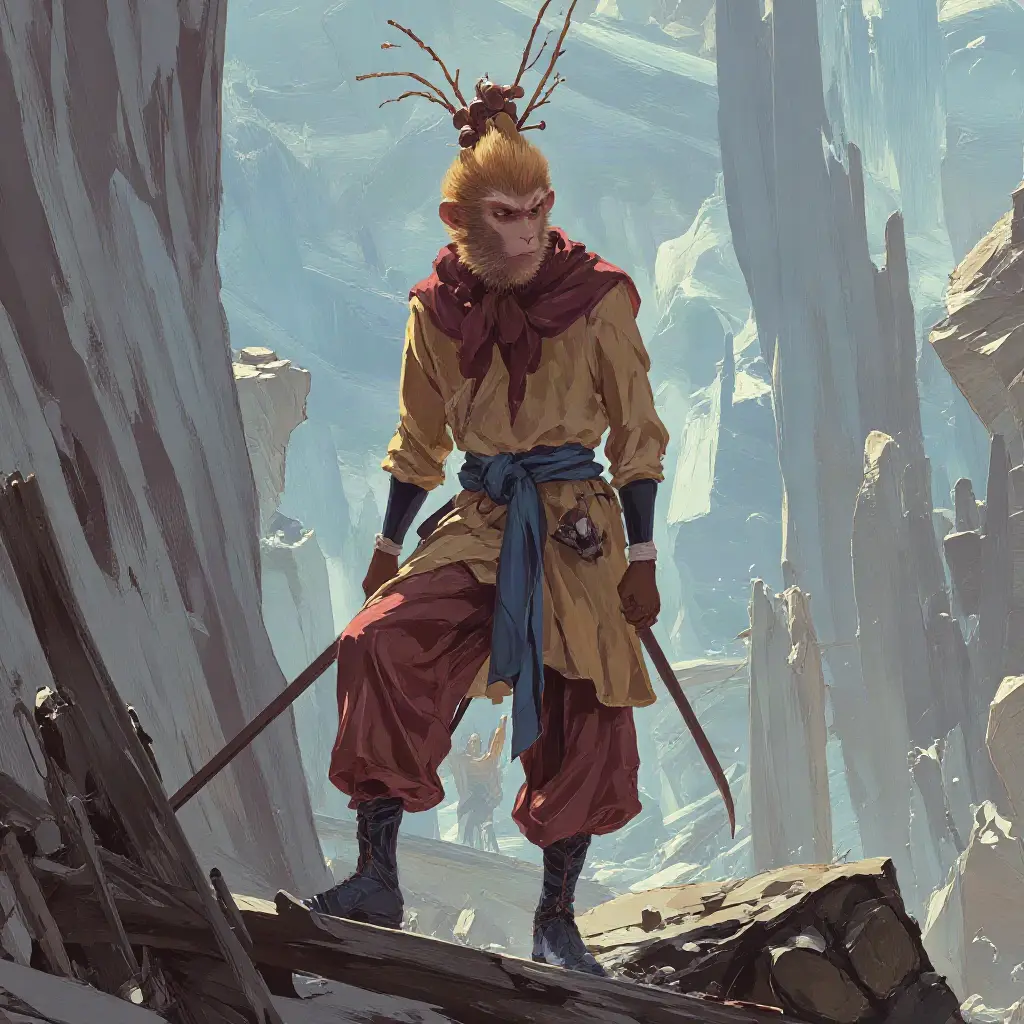 Sun Wukong, the Monkey KingThe Monkey King of the Chinese novel Journey to the West: born from a stone, he wages war on heaven, then guards a monk on the road to India.
 Frida Kahlo: Paint, Pain, and PowerThe life of Mexican painter Frida Kahlo, from the 1925 bus crash that left her bedridden to the self-portraits that made her world-famous.
 The Monuments MenIn 1943, the Allies formed a unit of 345 experts to protect Europe's cultural treasures from the Nazis.
 Semmelweis and the Case for HandwashingIn 1847, a Vienna doctor showed that handwashing cut deaths in his maternity ward from over 18% to nearly 1%, but his peers rejected him.
 The Pirahã: The Tribe That Converted Its MissionaryDan Everett arrived in 1977 to convert the Pirahã. They asked 'Have you seen him?' and he lost his faith instead.
 Judas Iscariot: Why Did He Do It?Judas asked the priests for a price and got 30 pieces of silver. Why he did it, the ancient sources never agree.
 The Hitler DiariesStern paid 9.3 million marks for 62 supposed Hitler diaries that Konrad Kujau forged in a Stuttgart cellar.
 The French RevolutionThe French Revolution from the 1789 Estates-General and the fall of the Bastille, through the king's failed escape and the Terror, to Napoleon's seizure of power and his Civil Code.
 Punk's Jubilee Boat: The Sex Pistols on the ThamesThe Sex Pistols' Thames boat party on the Queen's Silver Jubilee, 7 June 1977, ended in a police raid and 11 arrests as 'God Save the Queen' hit the charts.
 The Bay of Pigs InvasionThe CIA's disastrous failed attempt to overthrow Fidel Castro using Cuban exiles.
 The Epic of GilgameshThe Epic of Gilgamesh, the world's oldest surviving great story: a Mesopotamian king, the wild man who became his friend, and a search for eternal life.
 SisyphusThe myth of the king who cheated death twice and the punishment of the boulder, re-examined by philosopher Albert Camus in 1942.
 The Teotihuacan CollapseTeotihuacan, the great city of ancient Mexico, and the fire and slow decline that ended it, which many archaeologists link to internal revolt and a colder climate.
 Odin's Sacrifice for WisdomThe Norse myth, told in the Hávamál and Prose Edda, of how Odin gave an eye at Mímir's well and hung nine nights on the world tree to win the runes.
 Florence Nightingale’s War for Clean HospitalsFlorence Nightingale's work in the Crimean War hospitals at Scutari, and how she used statistics to show that most soldiers' deaths came from preventable disease, changing nursing and hospital sanitation.
 The Amazon RainforestThe world's largest rainforest makes its own rain, releasing 20 billion metric tons of water vapor into the atmosphere every single day.
 Sargon of AkkadSargon of Akkad rose from cupbearer to create the world's first empire, uniting Mesopotamia with a standing army and a new capital, Agade.
 Scurvy and the First Clinical TrialHow James Lind's 1747 test of six scurvy remedies on twelve sailors found that citrus worked, and why the navy took fifty years to act on it.
 The Overton WindowThe political theory explaining how unpopular ideas become mainstream, created by Joseph Overton with a cardboard slider in the 1990s.
 The Donner PartyThe harrowing story of American pioneers trapped by snow in the Sierra Nevada after taking a supposed shortcut to California.
 The Fall of SaigonWhite Christmas on the radio and 105 degrees and rising: the secret signal that began the last helicopter evacuation of Saigon.
 Michael Rockefeller Vanishes in New GuineaMichael Rockefeller tied two red jerry cans to his belt on Nov. 19, 1961, and swam for shore. He was never seen again.
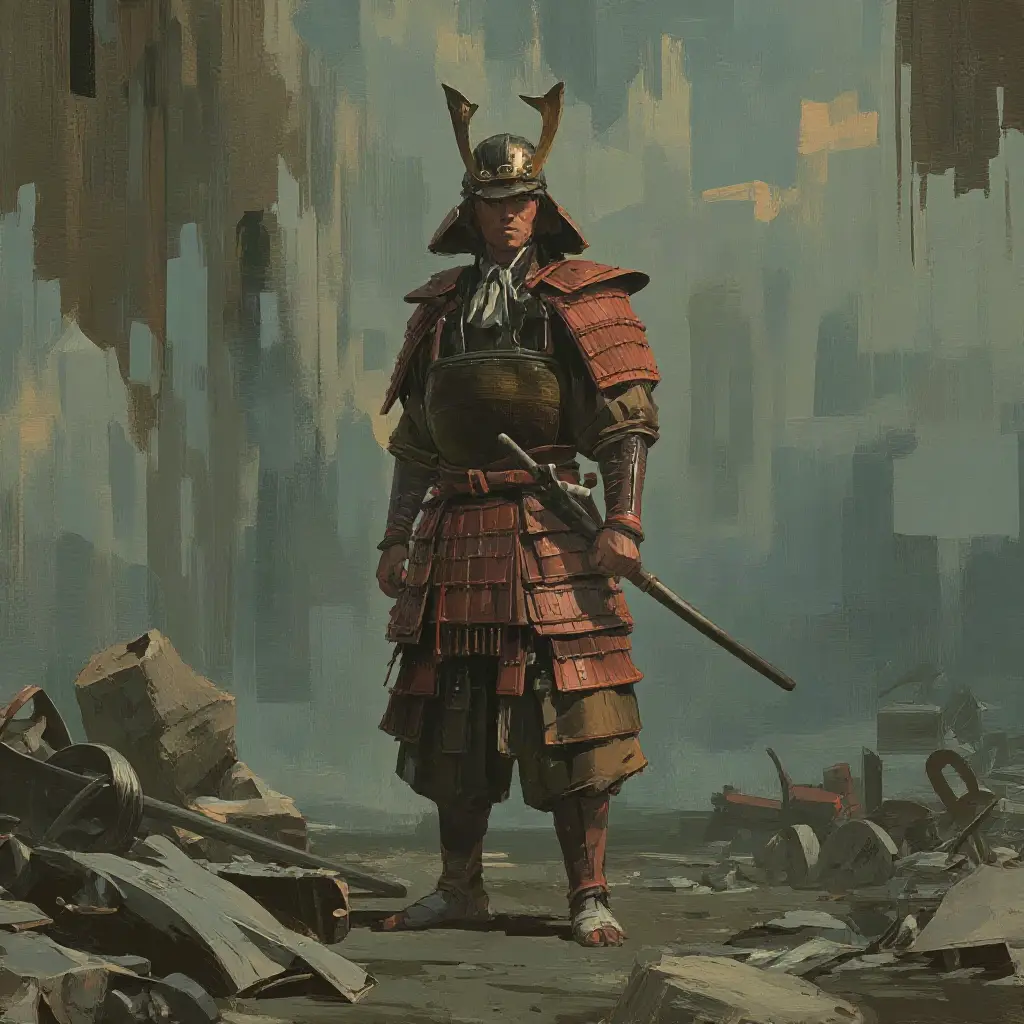 The SamuraiThe famous samurai code of Bushido was invented not in feudal Japan, but in Pennsylvania in 1899 by a Japanese scholar.
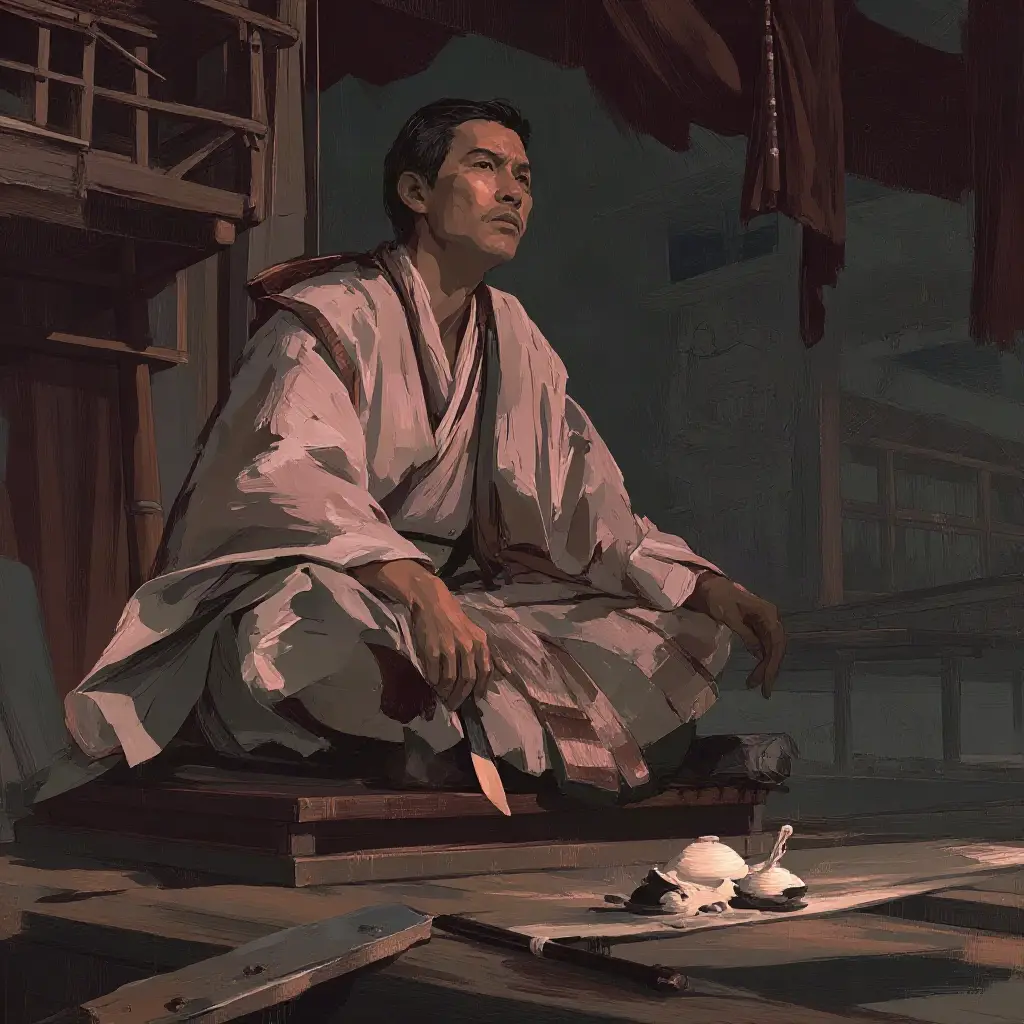 The Kamakura ShogunateThe rise and fall of Japan's first shogunate, from Minamoto no Yoritomo's victory in 1185 through the Mongol invasions to the Hōjō clan's end at Kamakura in 1333.
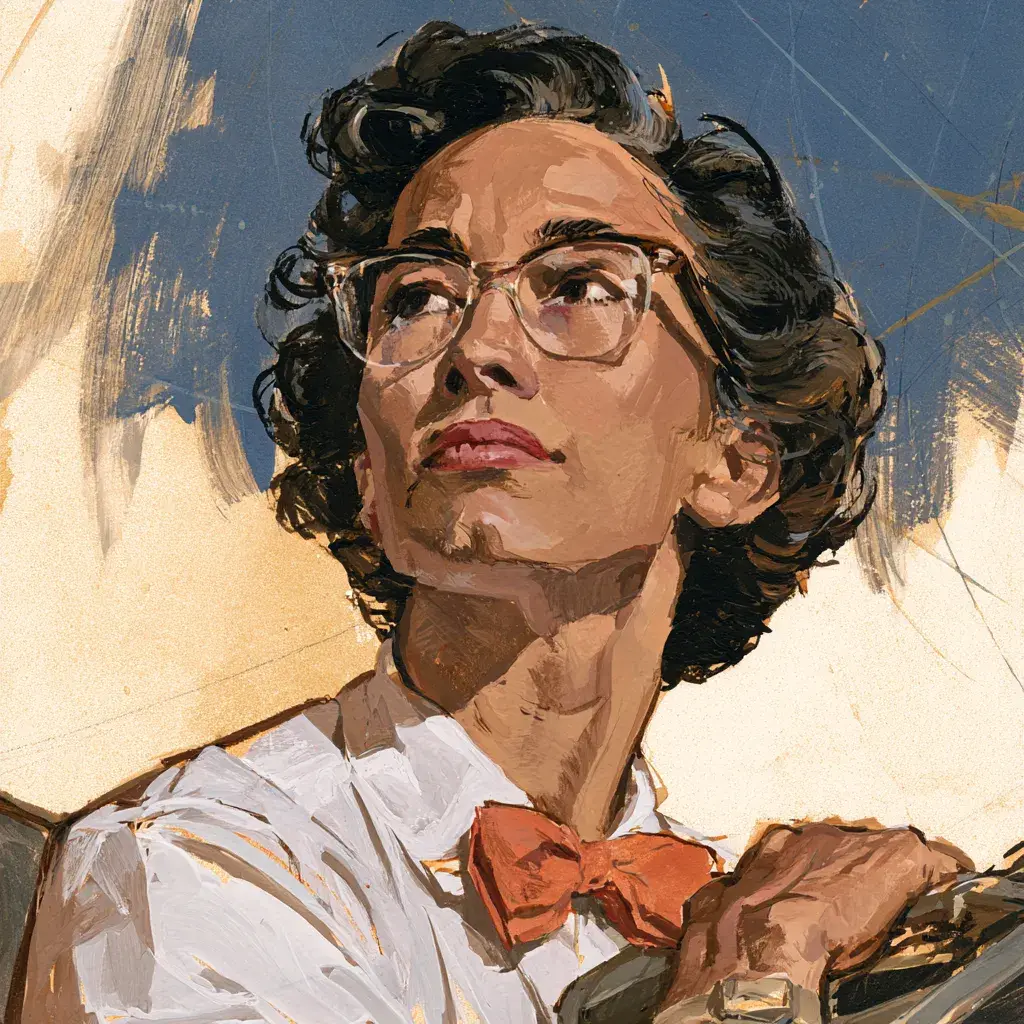 Katherine Johnson and the Apollo 11 TrajectoryThe career of NASA mathematician Katherine Johnson, who calculated flight paths for Alan Shepard, checked John Glenn's orbit and worked on Apollo trajectories and backup navigation.
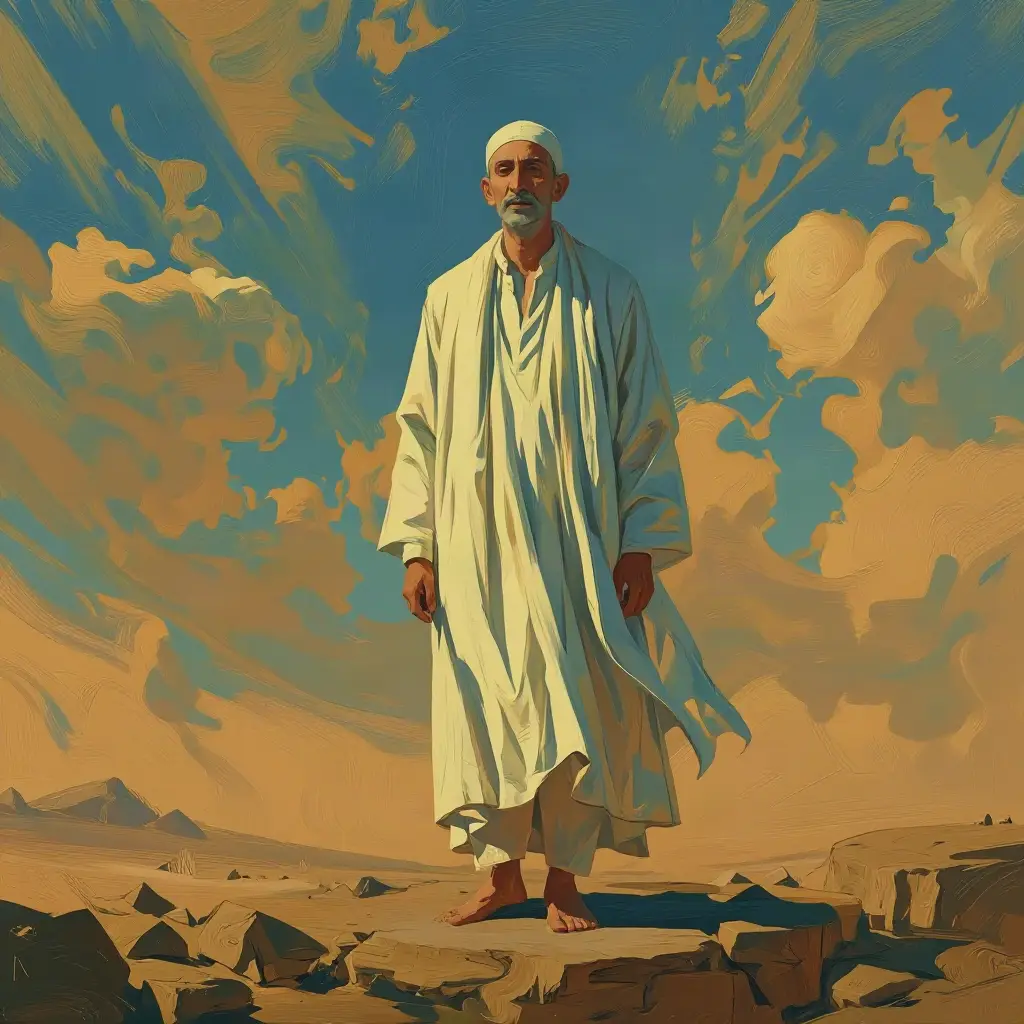 RumiThe 13th-century scholar turned mystic poet after meeting a wandering dervish, and whose Islamic faith is often erased in popular translation.
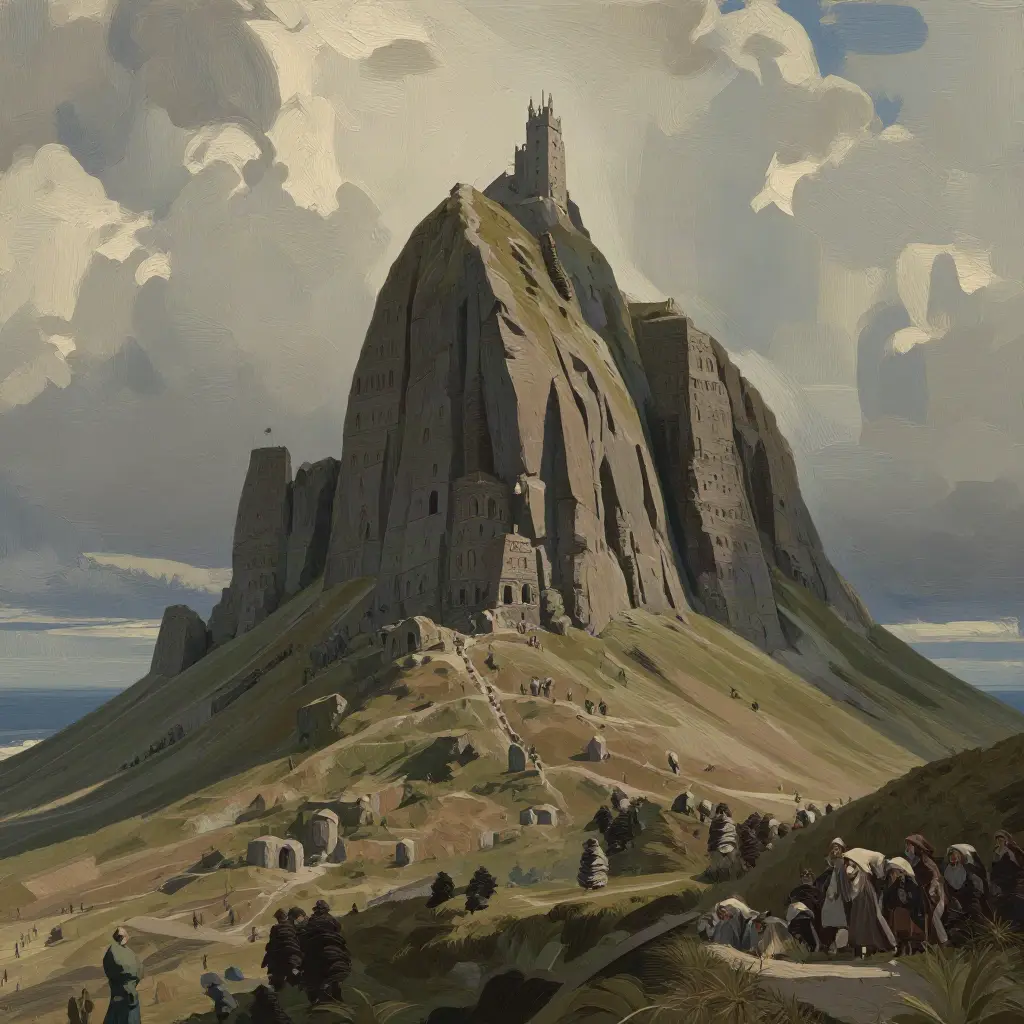 The Vikings at LindisfarneOn June 8, 793, Scandinavian raiders attacked the monastery of Lindisfarne, a violent raid that marked the beginning of the Viking Age.
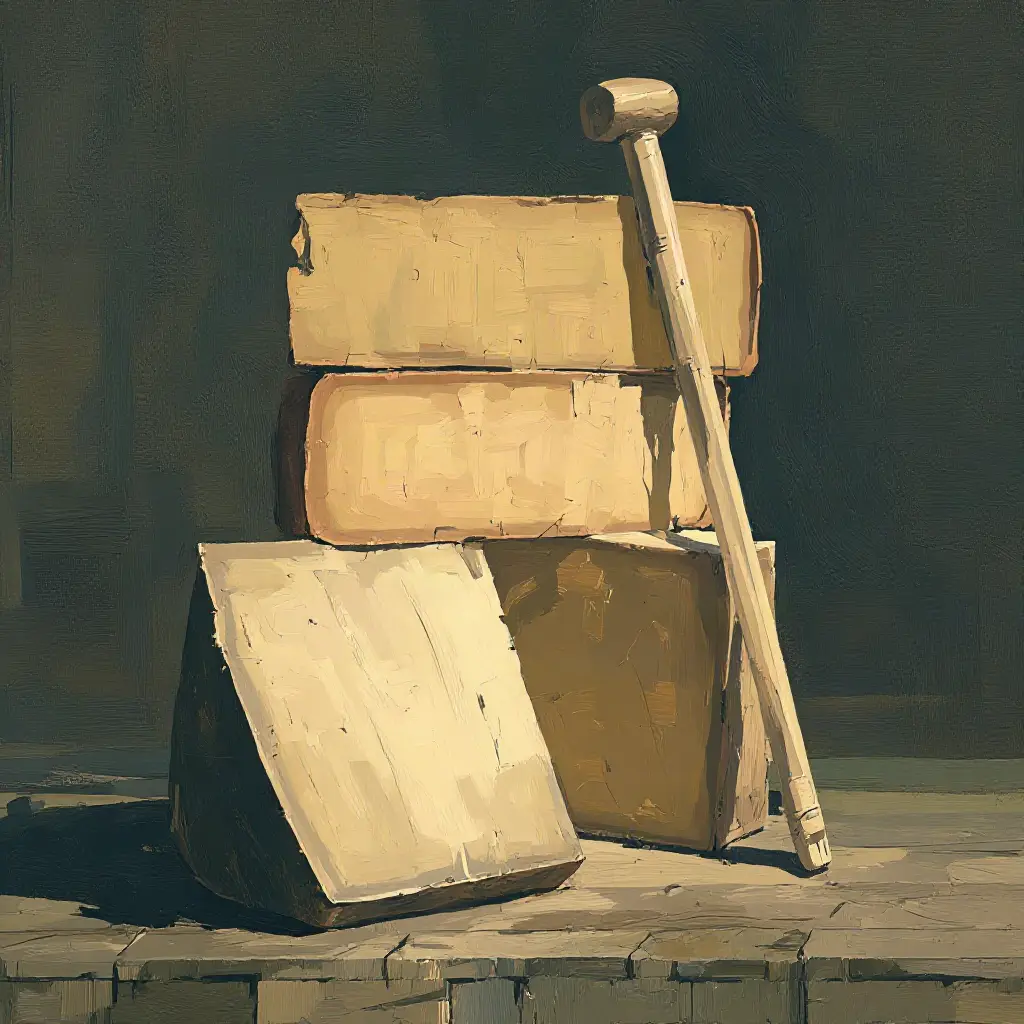 The History of CheeseCheese from Neolithic Polish sieves and Egyptian tombs to Roman rations, monastery cheeses and the first American cheese factory in 1851.
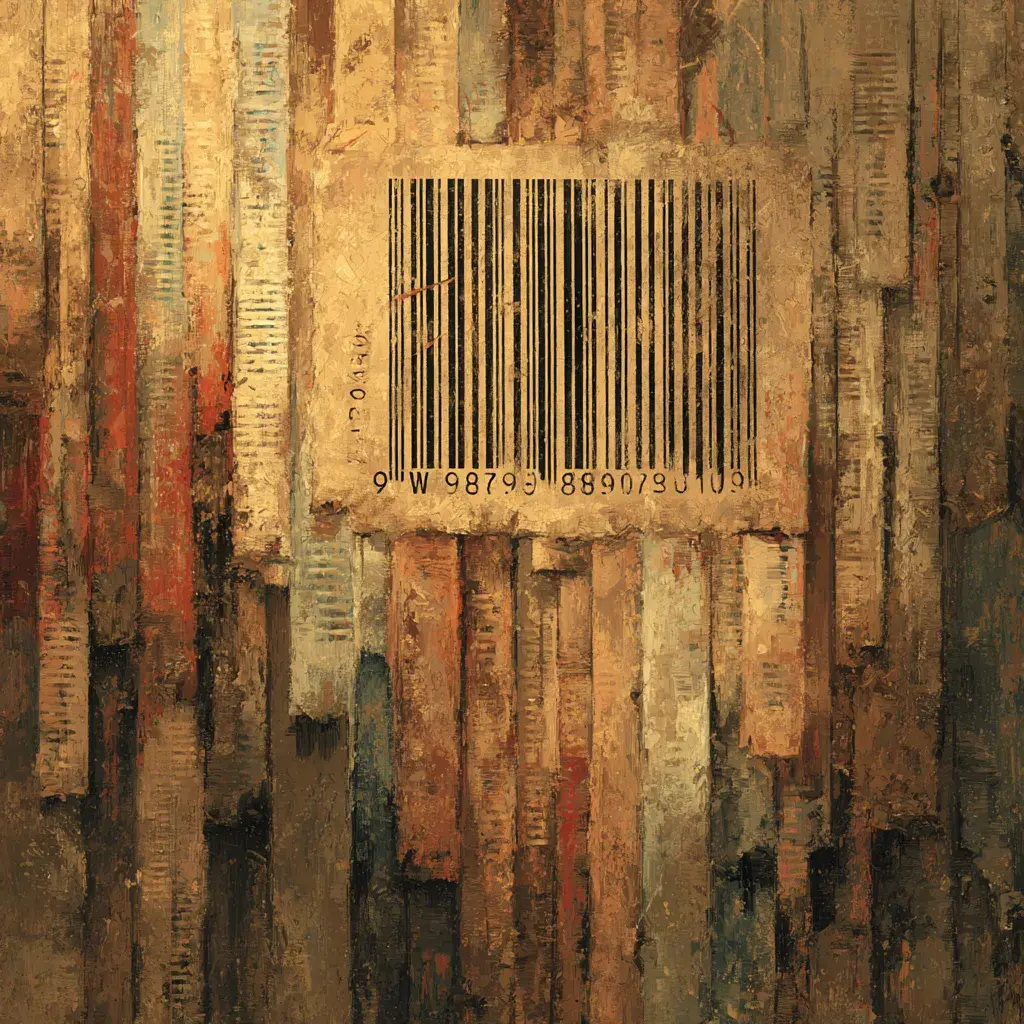 The Invention of the BarcodeHow a sketch in Miami sand in 1949 became the barcode, from Woodland and Silver's bullseye patent to IBM's UPC and the first supermarket scan in 1974.
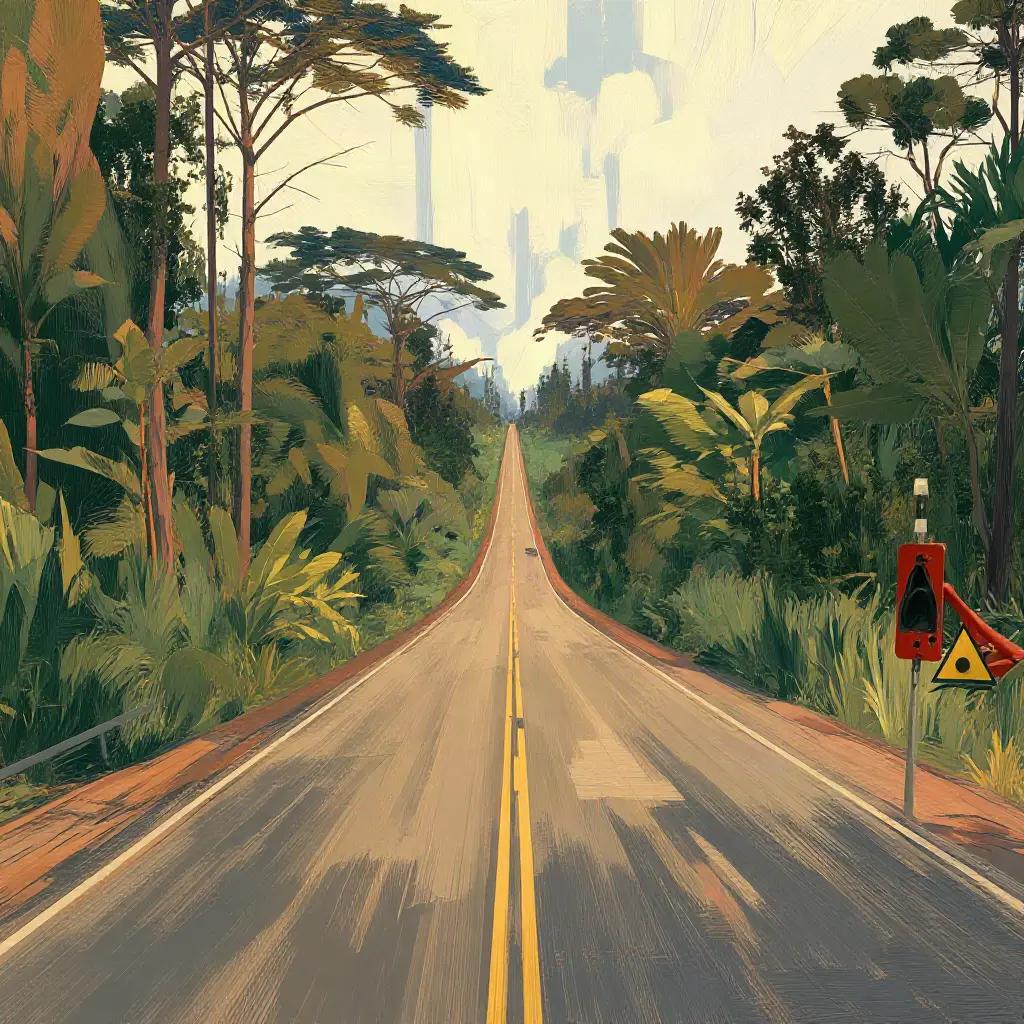 The Darién Gap: The Break in the Pan-American HighwayThe Darién Gap, the roadless stretch of jungle between Panama and Colombia that is the only break in the Pan-American Highway, and why it has never been built through.
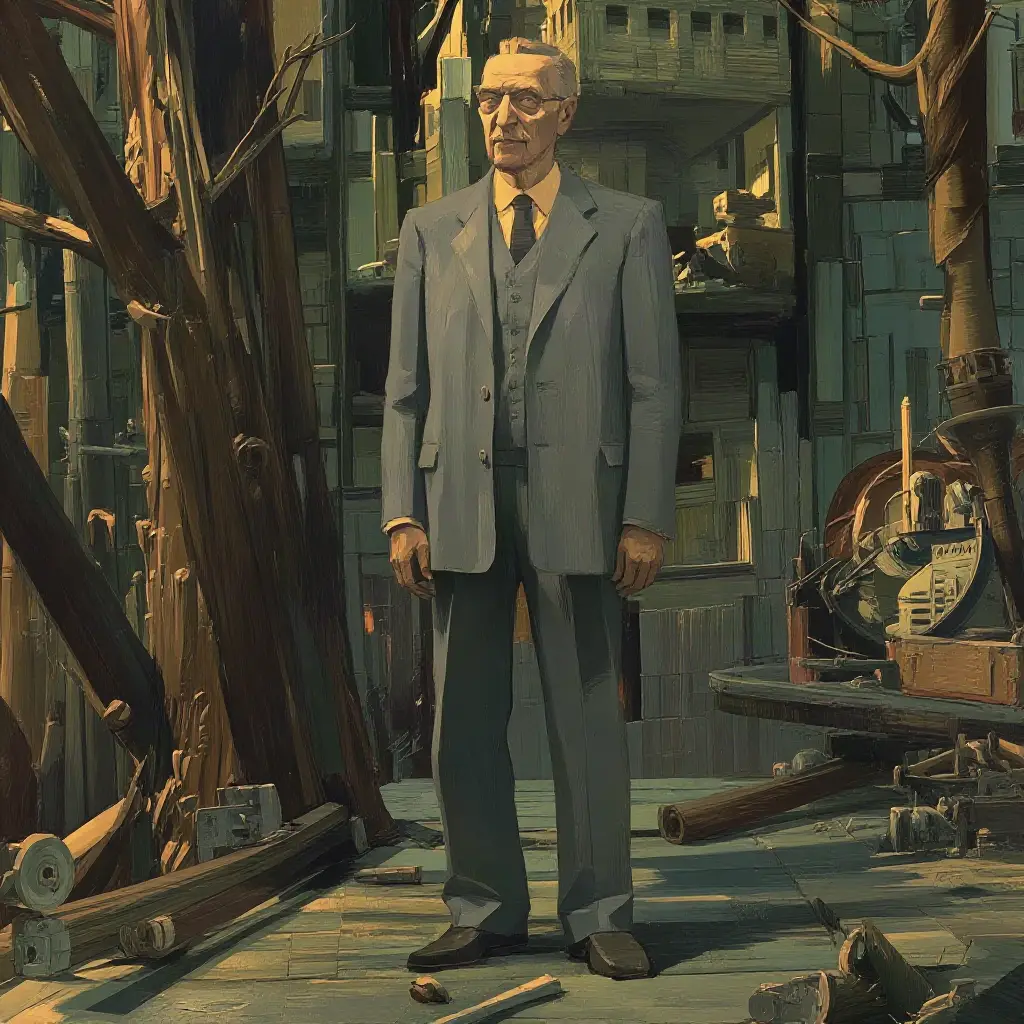 Carl JungCarl Jung's concept of a 'collective unconscious' defined his career after his famous split from Sigmund Freud.
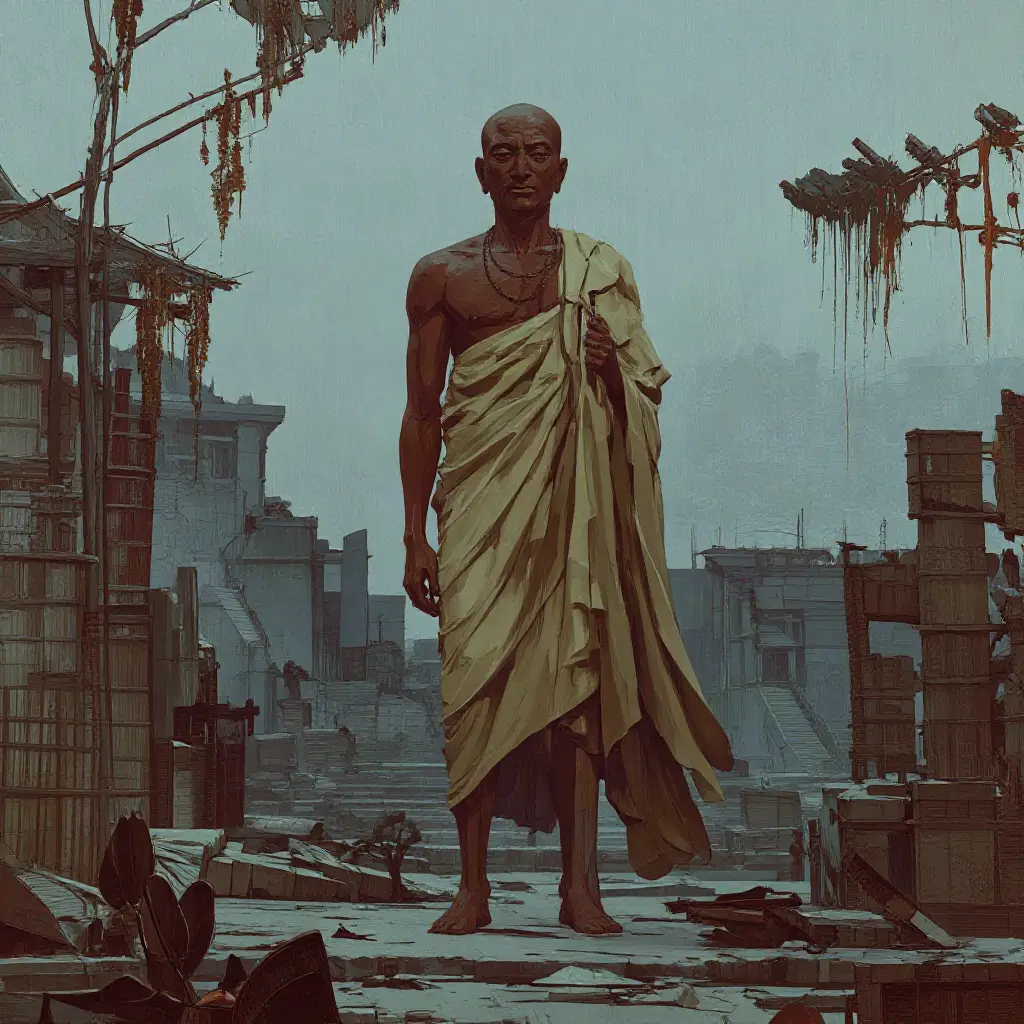 BodhidharmaThe story of Bodhidharma, the monk credited with bringing Zen to China, and of how the little that is recorded about him grew into centuries of legend.
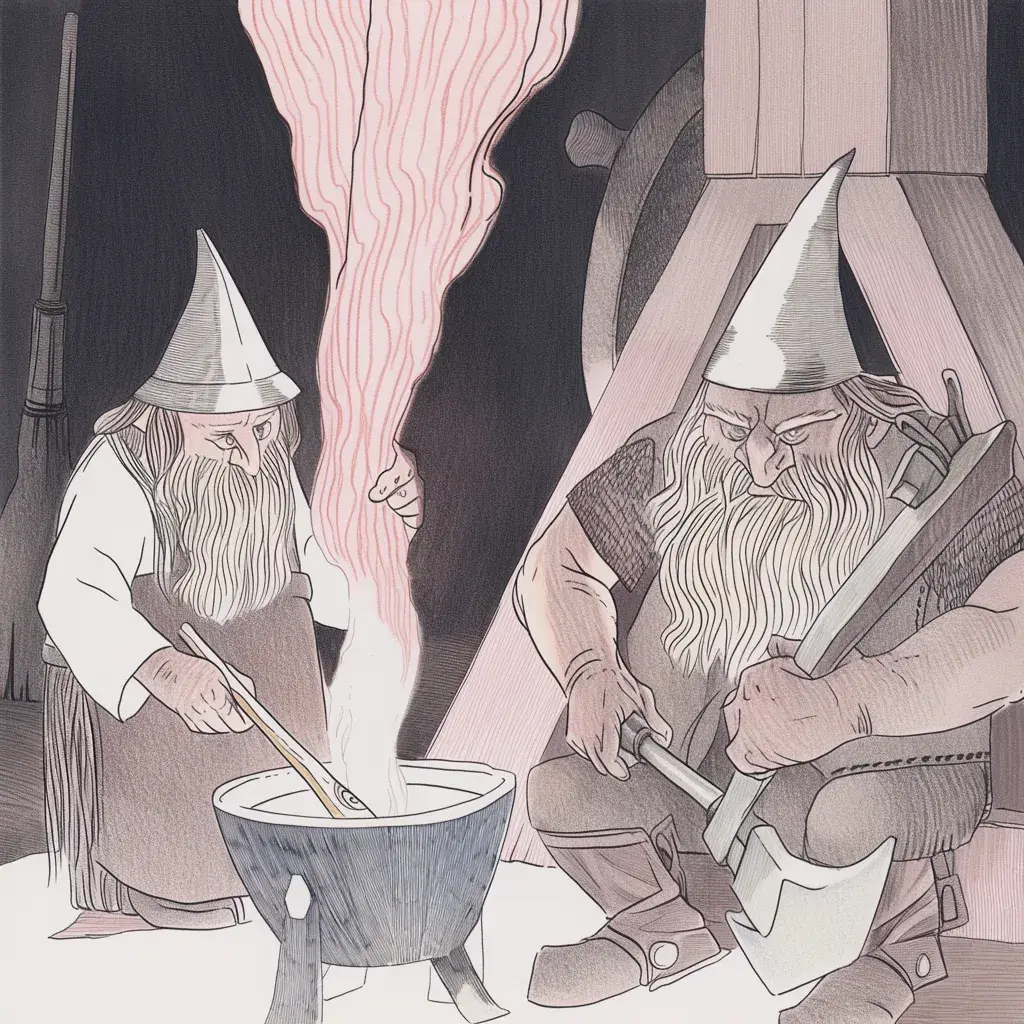 The Creation of MjölnirThe Norse myth, told in Snorri's Prose Edda, of how Loki's prank on Sif led to a wager with the dwarf smiths who forged Thor's hammer Mjölnir.
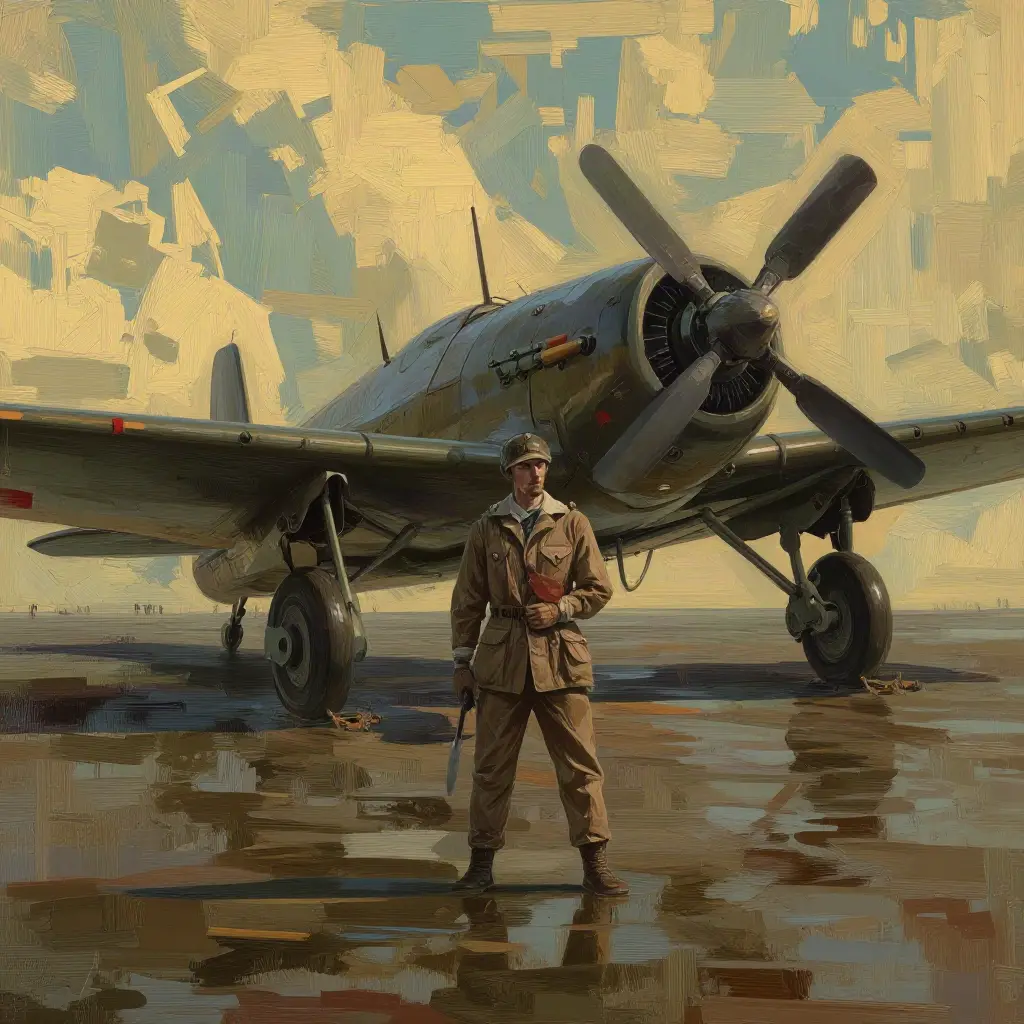 D-DayOn June 6, 1944, roughly 132,000 Allied troops stormed the beaches of Normandy, beginning the largest amphibious assault in history.
 The Boys Who Found LascauxOn September 8, 1940, 17-year-old Marcel Ravidat and his dog Robot found a cave of paintings hidden for millennia.
 AphantasiaAphantasia is the inability to form voluntary mental images, first studied in 1880 but only formally named by neurologists in 2015.
 Homer's IliadHomer's Iliad, the Greek epic of Achilles' rage in the tenth year of the Trojan War, from his quarrel with Agamemnon to the death and burial of Hector.
 The History of AnimationHow animation developed from Victorian optical toys and Gertie the Dinosaur to Disney's Snow White and Pixar's Toy Story, including how Walt Disney lost his first star, Oswald the Lucky Rabbit.
 The Many-Worlds InterpretationHow Hugh Everett's 1957 Princeton thesis became the many-worlds interpretation of quantum mechanics, rejected in Copenhagen, revived in 1970, and still one of several competing ways to read the theory.
 Albert Einstein and RelativityAlbert Einstein's theories of relativity state that the speed of light is constant, which means time and space are relative to the observer.
 The Vietnam WarThe Vietnam War began after a 1954 partition, escalated with US involvement, and ended with the fall of Saigon in 1975.
 Ibn KhaldunIbn Khaldun, the 14th-century North African statesman and historian whose Muqaddimah set out a theory of how dynasties rise and fall through group solidarity, or asabiyyah.
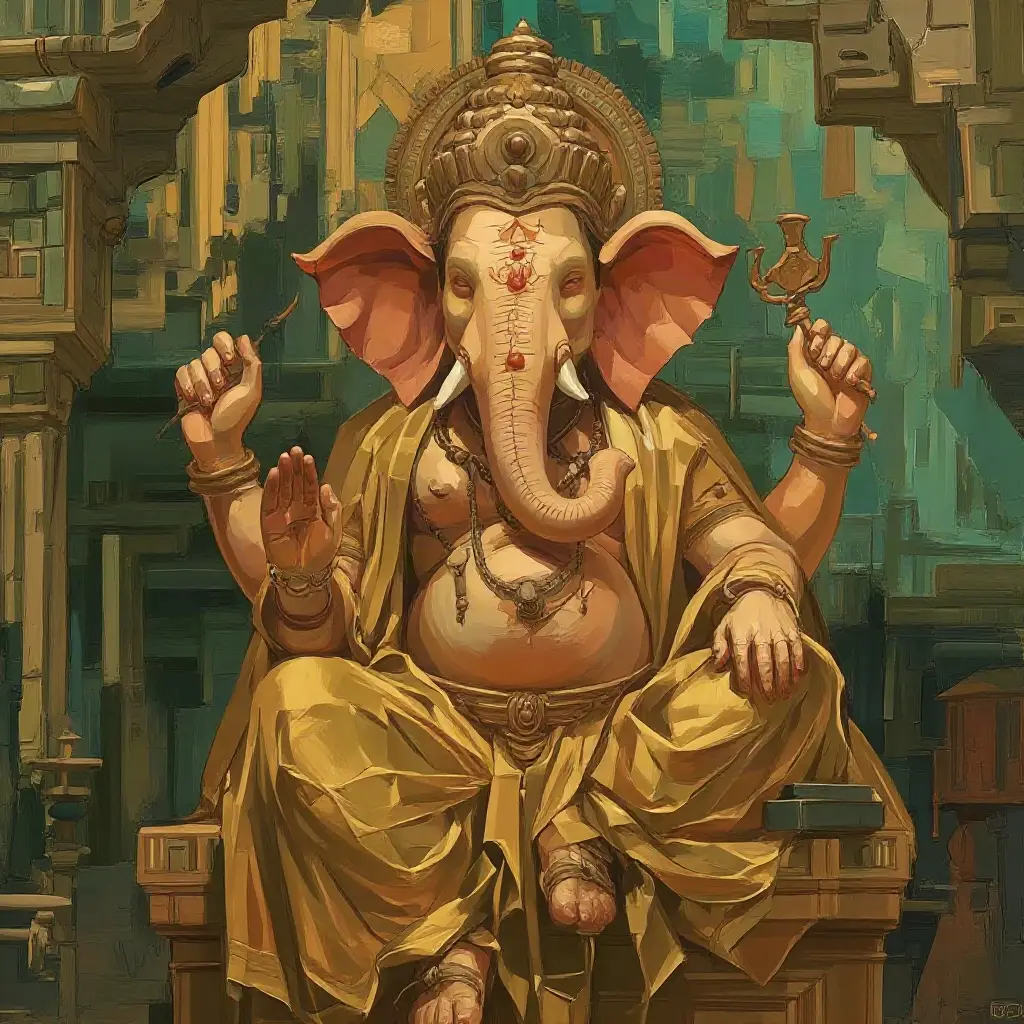 How Ganesha Got His Elephant HeadIn the Shiva Purana, Shiva beheads the boy guarding Parvati's door, then replaces the head with an elephant's.
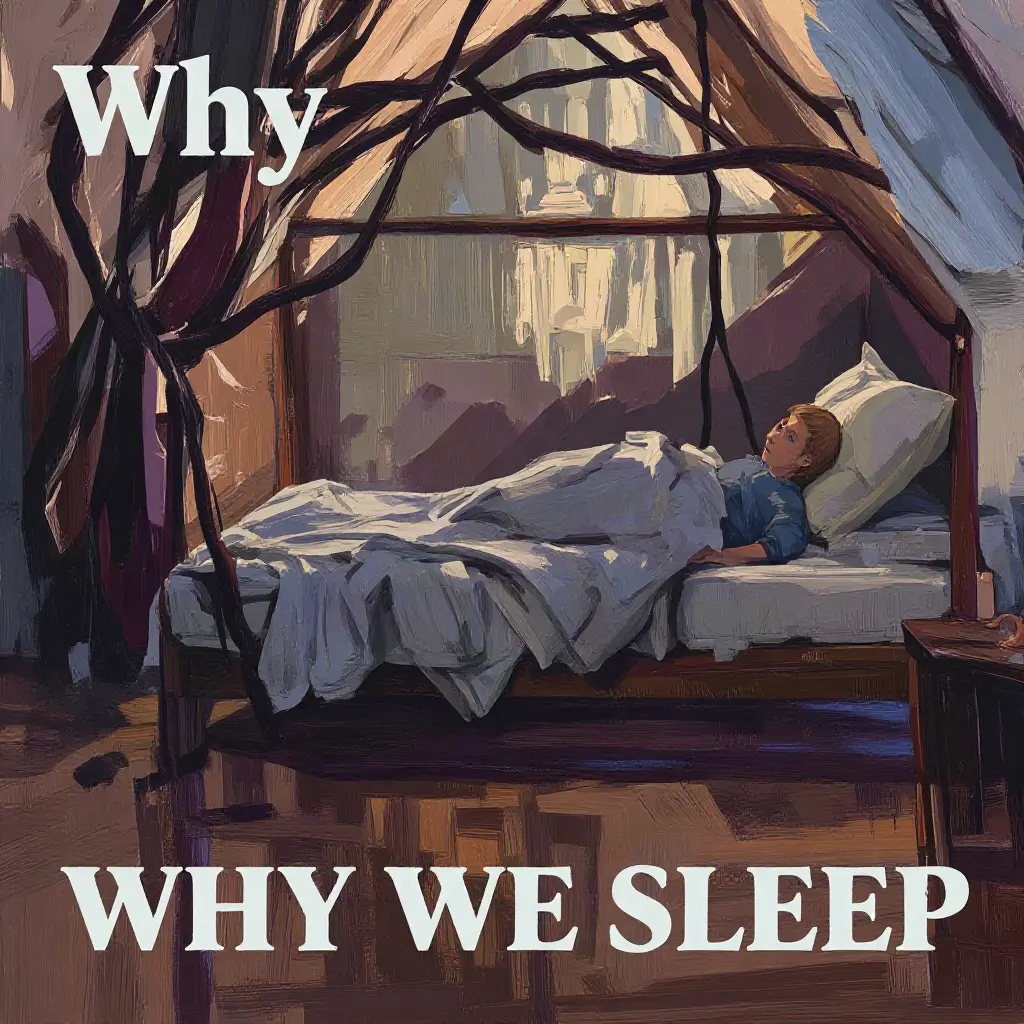 Why We SleepScience reveals why we sleep, from the discovery of active brain stages to the nightly clearance of toxic waste from between our brain cells.
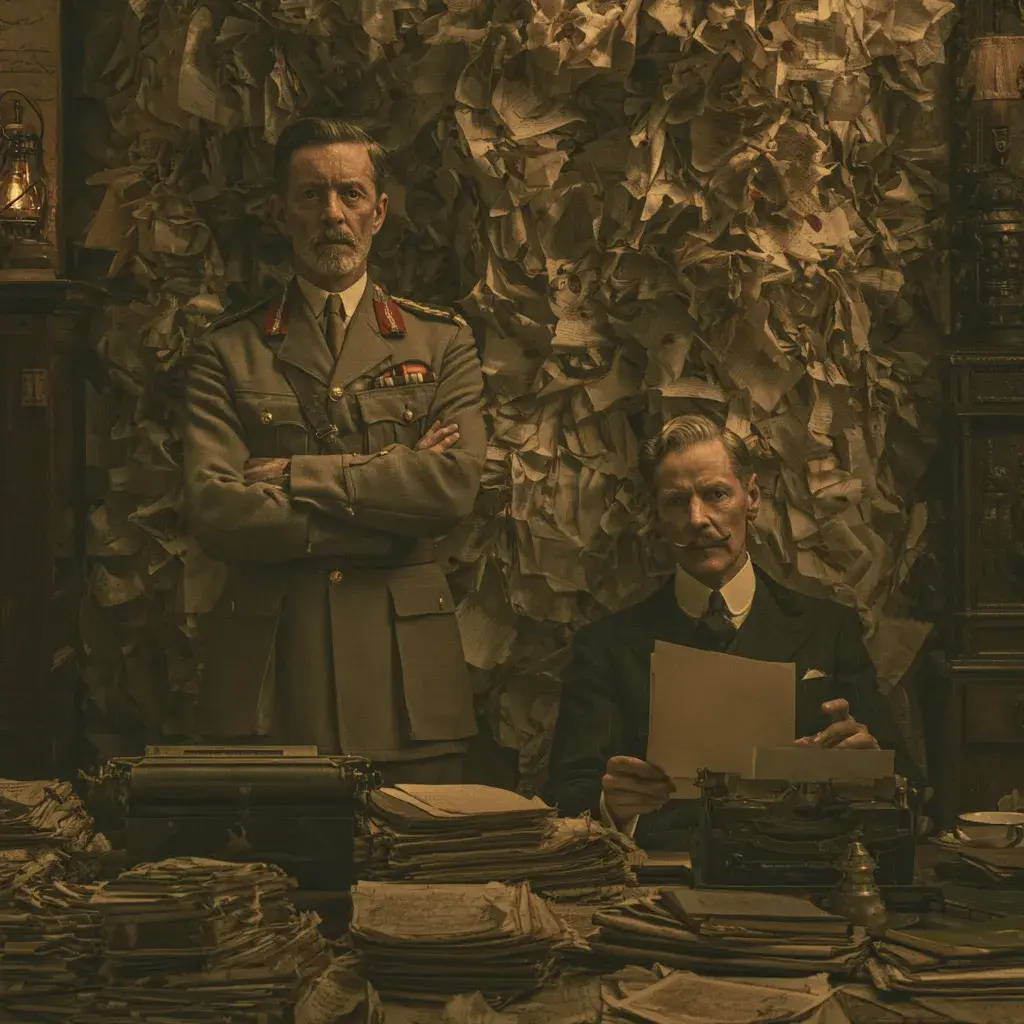 Operation MincemeatHow a corpse carrying fake secrets tricked Hitler into diverting troops and clearing the way for the invasion of Sicily.
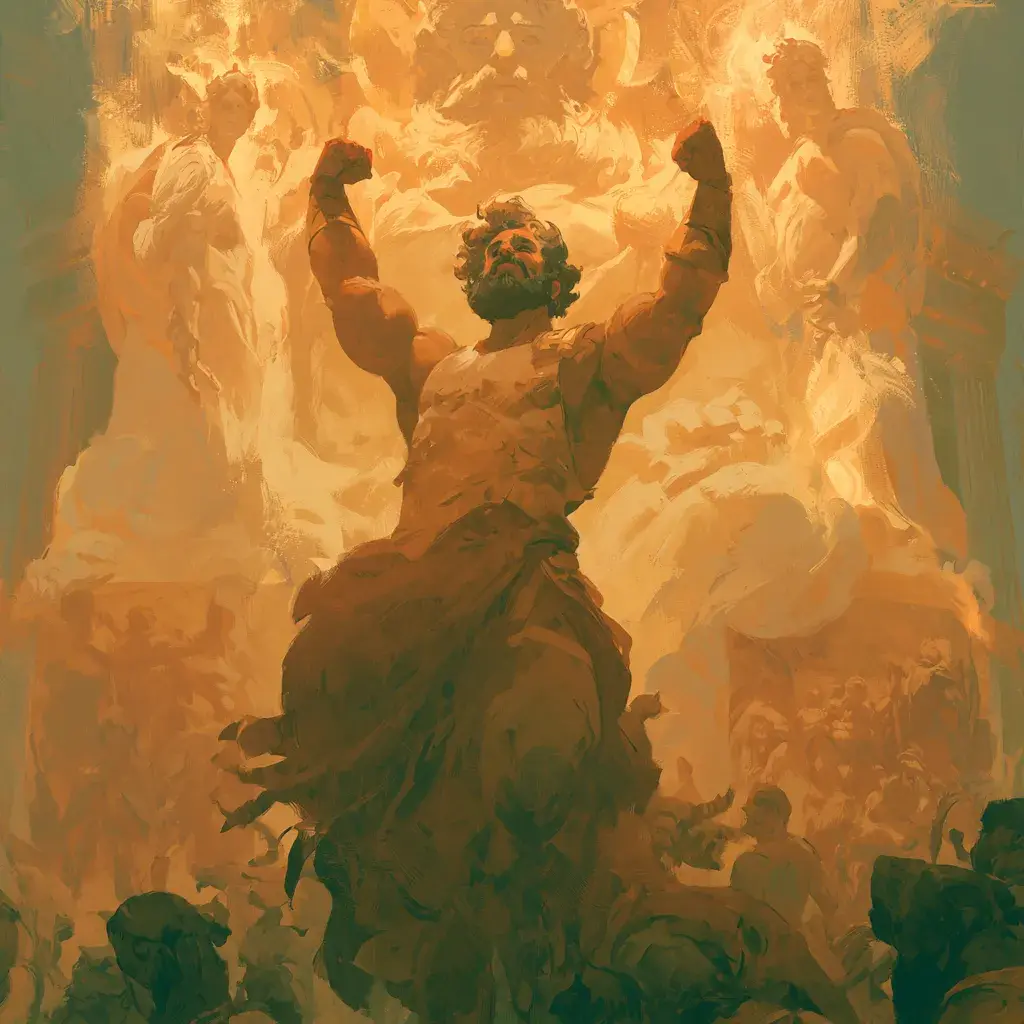 The Story of Heracles' LaborsThe Greek myth of the twelve labours Heracles performed for King Eurystheus, a penance that would earn him immortality.
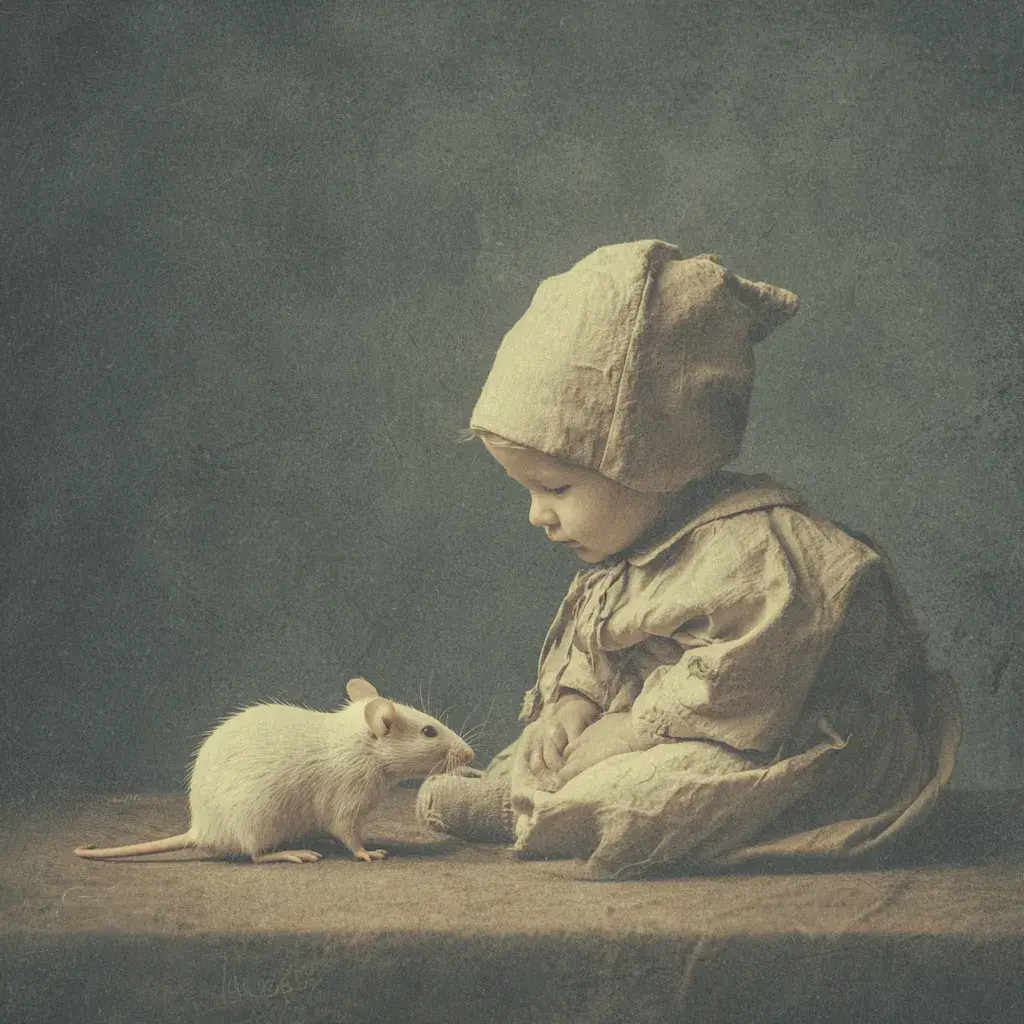 The Little Albert ExperimentHow a 1920 experiment taught a baby to fear a white rat, changing psychology and research ethics forever.
 The Holodomor: Terror-Famine in UkraineStalin's 1930s policies caused a famine that killed 3.9 million people in Ukraine while the USSR exported their grain.
 Kafka Asks His Friend to Burn EverythingKafka told Max Brod to burn his papers unread, and Brod instead published The Trial in 1925.
 The Strait of HormuzThe Strait of Hormuz, the narrow channel between Iran and Oman: Portugal's conquest in 1515, its role in the oil trade, and the 2026 crisis that has largely closed it to shipping, as of October 2026.
 The History of Daylight Saving TimeHow daylight saving time came about, from George Hudson's 1895 proposal in New Zealand and William Willett's campaign to wartime adoption in 1916 and the American arguments that followed.
 Thor Dressed as a BrideThor wore a bridal veil and housewife's keys to win back a hammer a giant had buried eight leagues deep.
 The Popol VuhThe K'iche' Maya creation story of gods, heroes, and the first people made from maize, a text that survived the Spanish conquest.
 The Death of BaldurIn Snorri's Prose Edda, Baldur dies when blind Hodr throws a mistletoe shaft that Loki handed him.
 Sartre and Radical FreedomJean-Paul Sartre's existentialism: the idea that we are 'condemned to be free' and must make ourselves through our choices.
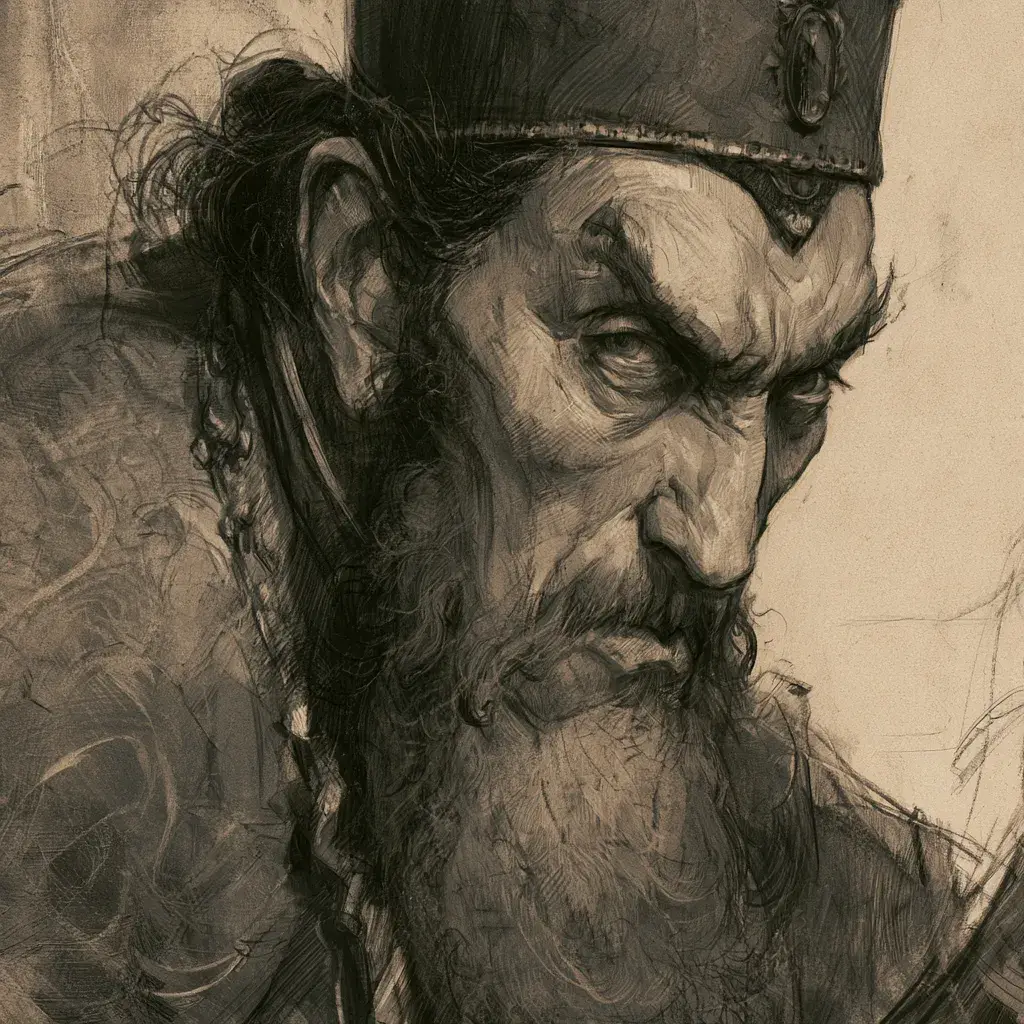 Ivan the TerribleThe life of Ivan IV, Russia's first crowned tsar, from his early reforms and the conquest of Kazan to the Oprichnina terror, the sack of Novgorod and the killing of his own heir.
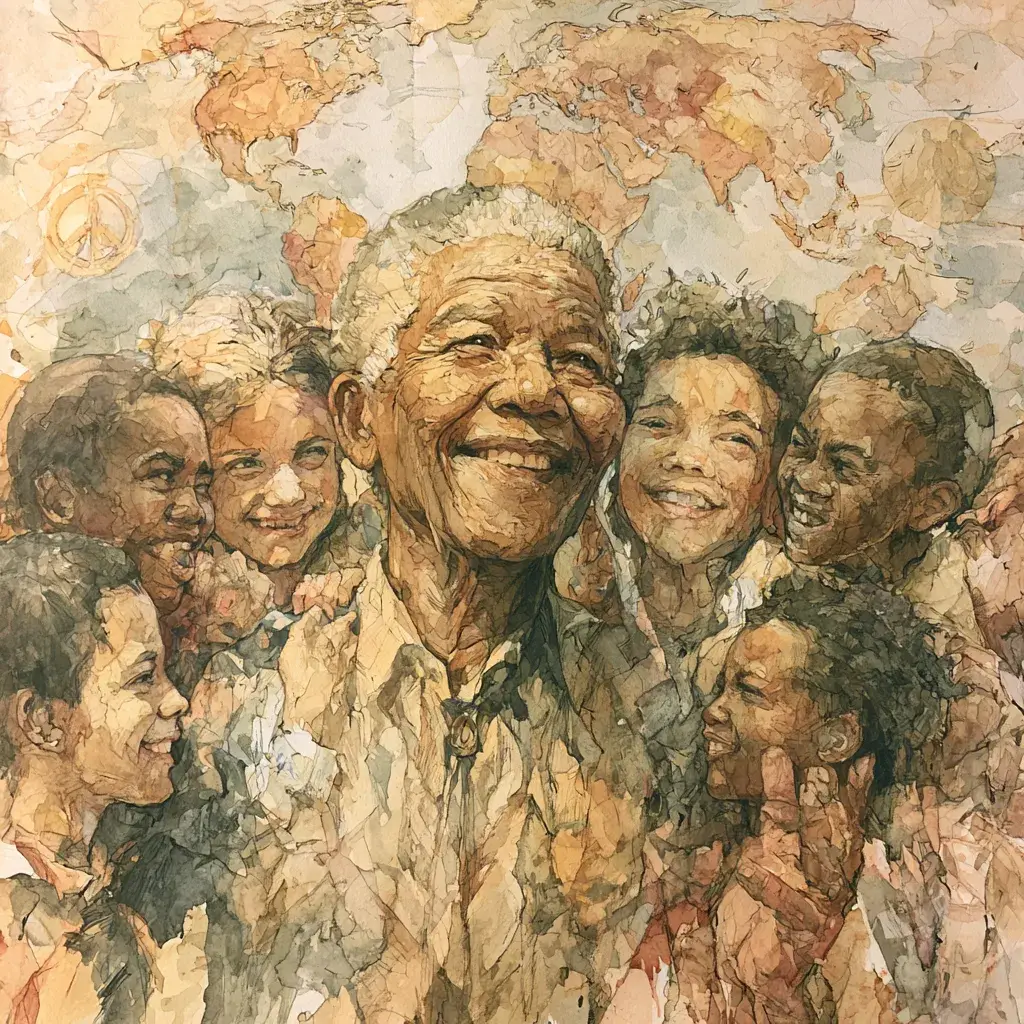 Nelson MandelaThe life of Nelson Mandela, from founding the ANC Youth League and the armed struggle to the Rivonia Trial, 27 years in prison, and his election as South Africa's first Black president.
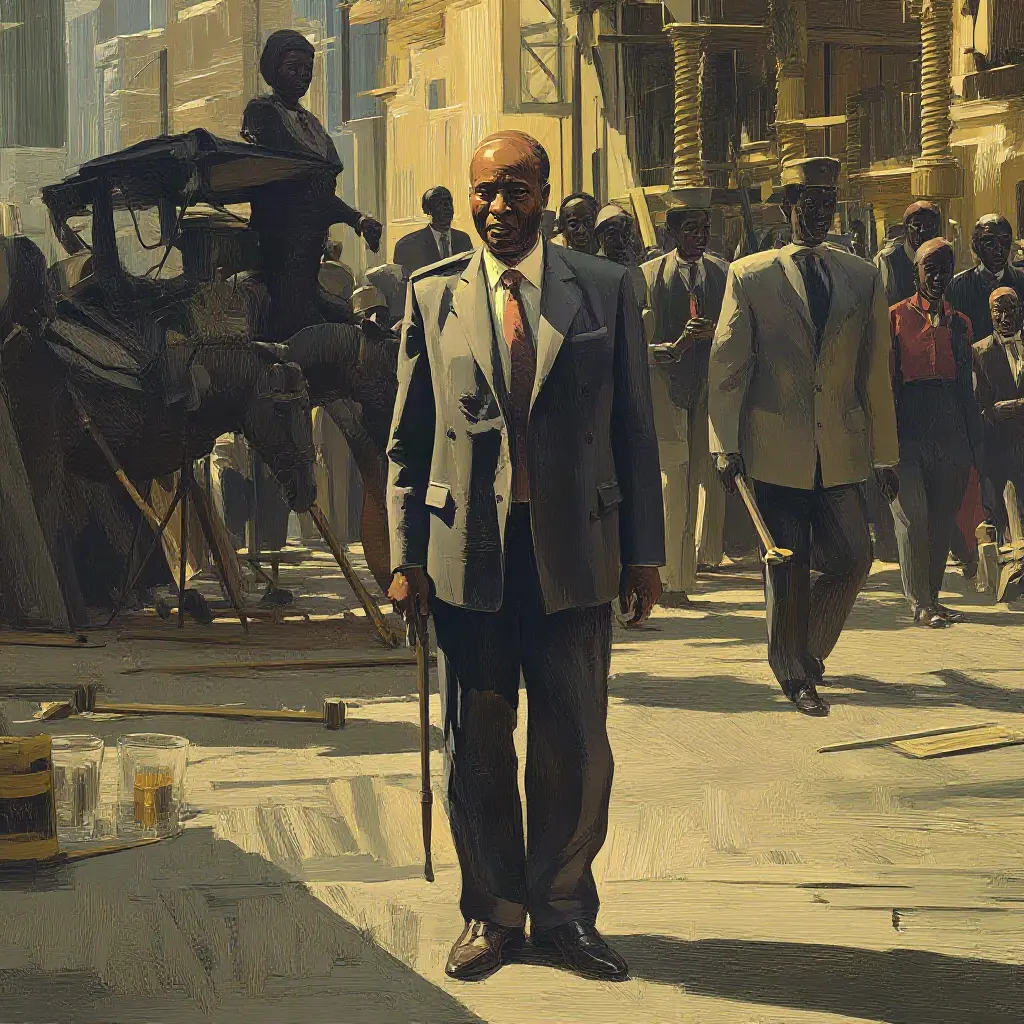 Idi Amin's UgandaThe story of Idi Amin, the dictator who seized power in 1971 and whose brutal rule led to Uganda's economic collapse.
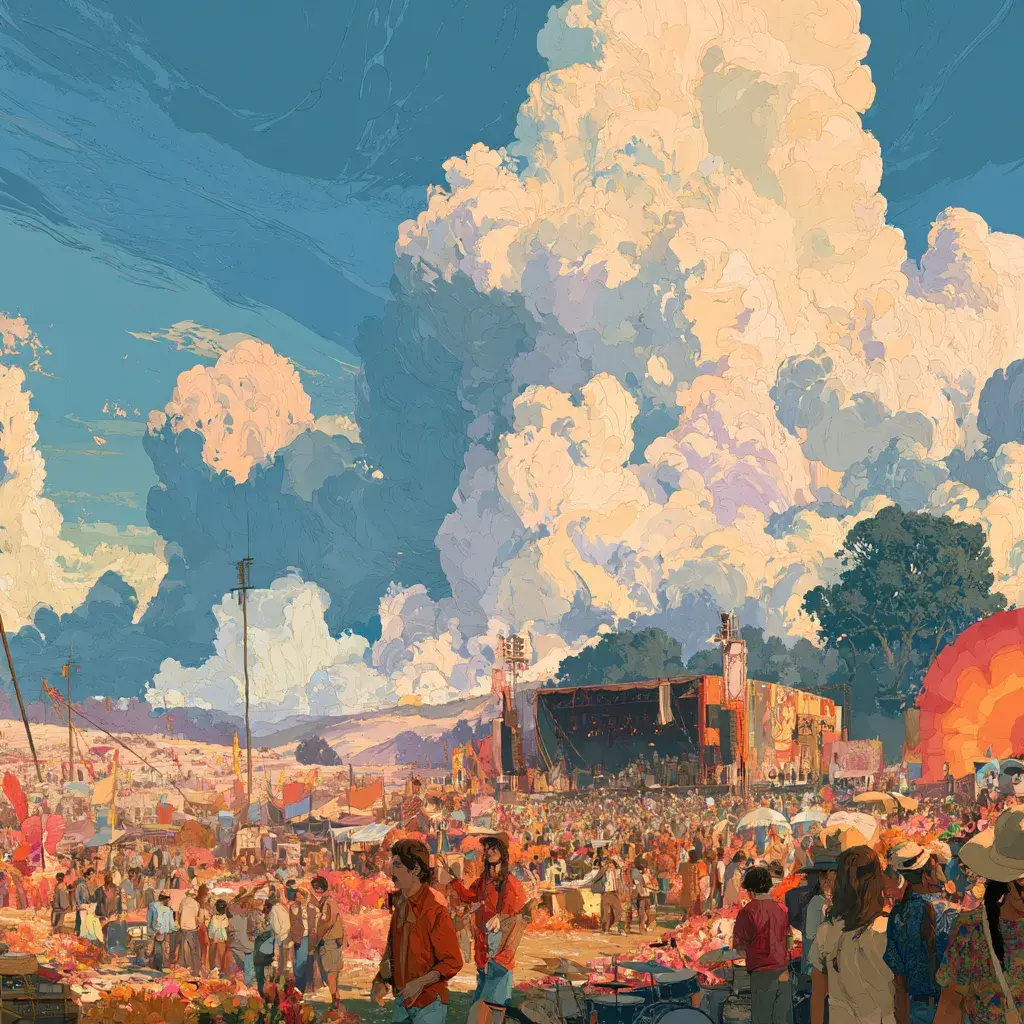 Woodstock: The Free Festival That Wasn't Meant to BeOriginally a for-profit venture that sold 186,000 tickets, Woodstock became an accidental free festival for over 400,000 people in 1969.
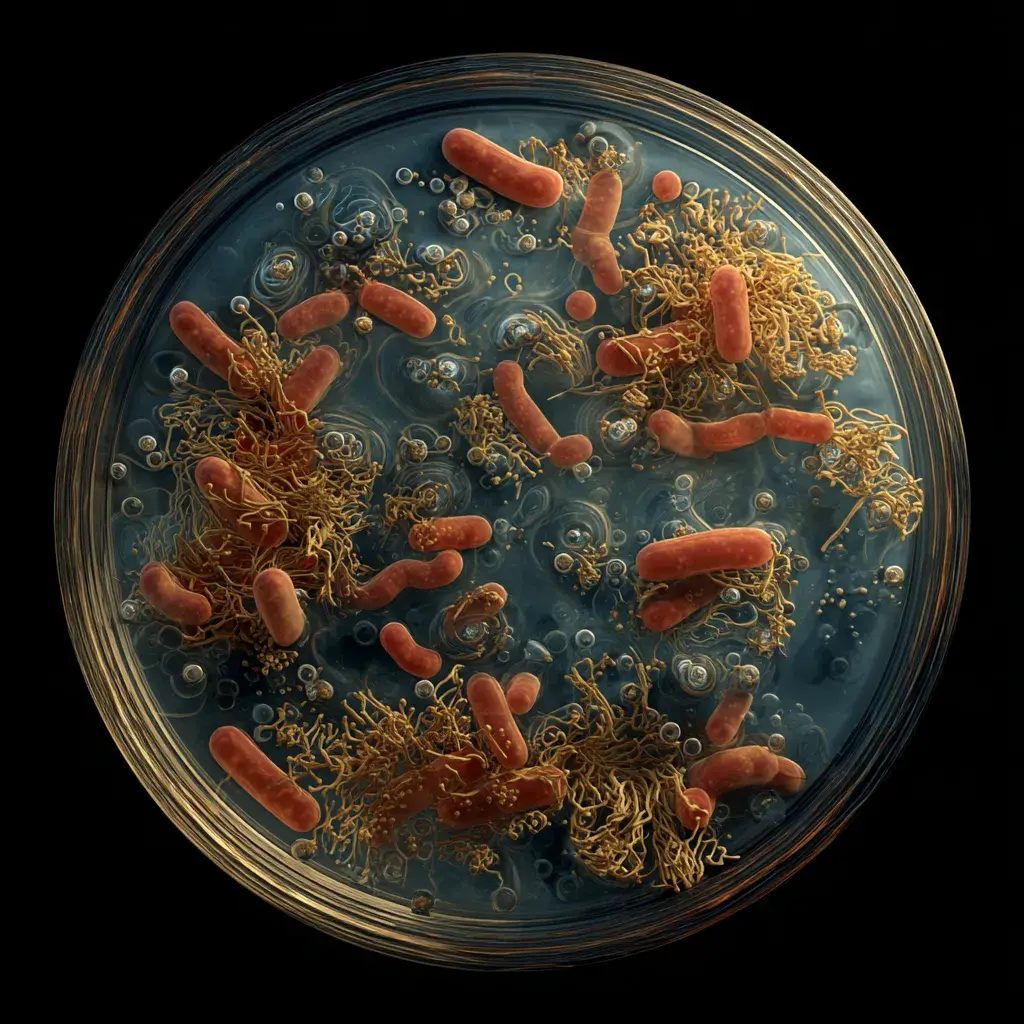 The Discovery of PenicillinHow Alexander Fleming's 1928 mould observation became a usable drug through the Oxford team's work and American mass production, in time for D-Day and the start of the antibiotic era.
 How the Eight-Hour Day Became the NormHow the eight-hour day spread, from Robert Owen's 1817 slogan through Melbourne, Haymarket and Ford's five-dollar day to the ILO's 1919 convention and America's 1938 Fair Labor Standards Act.
 The Paris CommuneFor 72 days in 1871, Parisians established a radical government, the Commune, before it was brutally crushed in the 'Bloody Week'.
 Why Leprosy Is Now RareHow leprosy went from a feared curse to a curable disease after Gerhard Hansen identified its bacterium in 1873.
 The Rise and Fall of the Roman EmpireHow Rome grew from a Republic into a vast empire, and why its western half fell in 476 while the east endured until 1453.
 Hannibal Crosses the AlpsIn 218 BC, Hannibal Barca led an army with 37 elephants across the Alps to invade Italy, sparking a 17-year war that brought Rome to the brink of collapse.
 Blaise PascalThe life of Blaise Pascal, the French mathematician and religious thinker behind the Pascaline calculator, the Puy de Dôme air-pressure experiment, early probability theory and the Pensées.
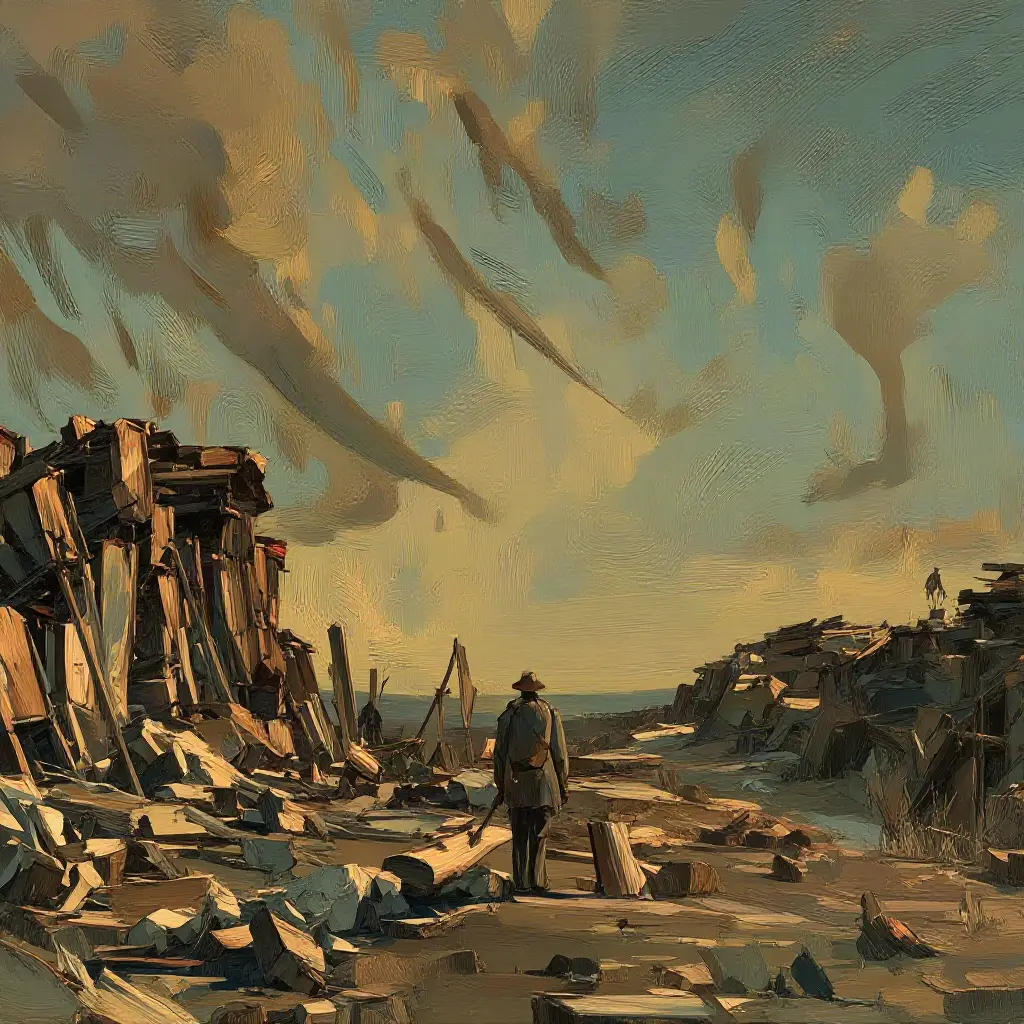 The Trail of TearsThe forced removal of the Cherokee Nation from their ancestral lands after the 1830 Indian Removal Act.
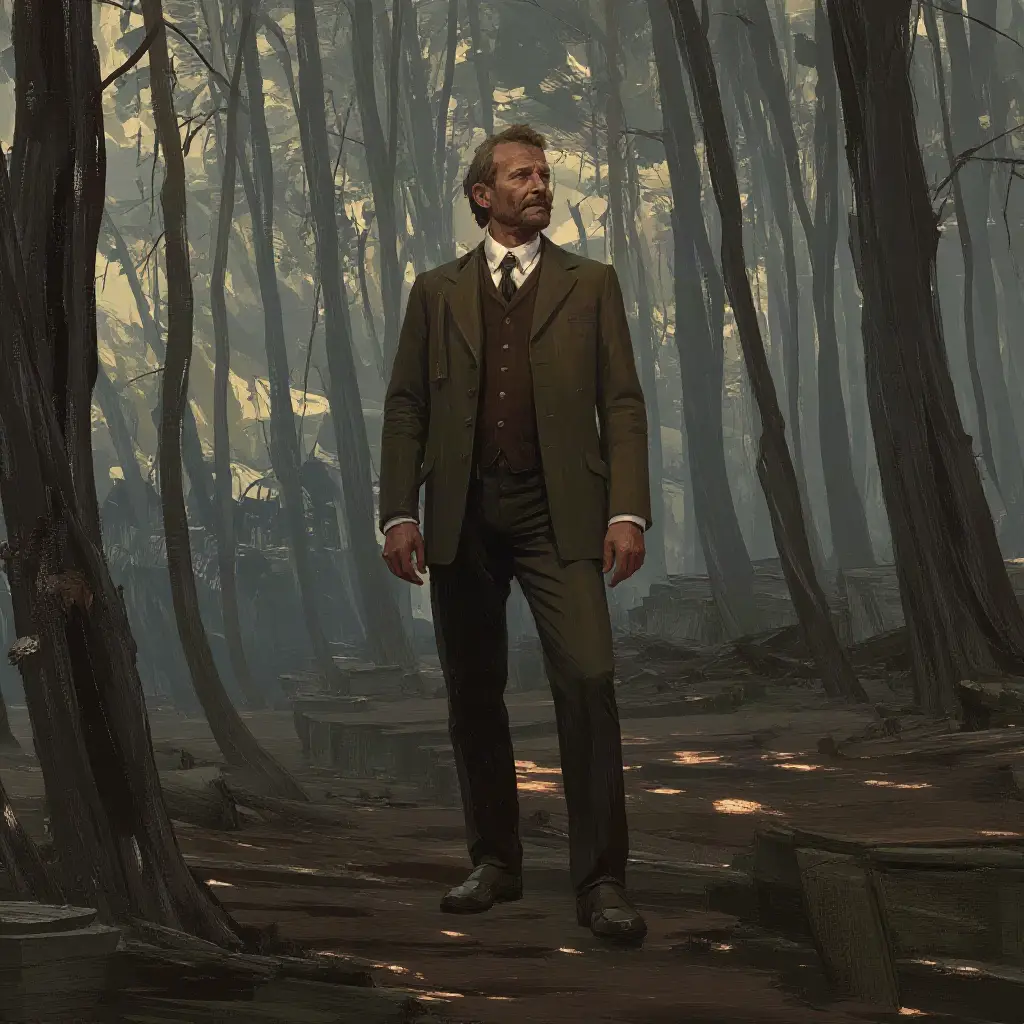 The Lewis and Clark ExpeditionThe epic journey of over two years to explore the American West and find a water route to the Pacific Ocean.
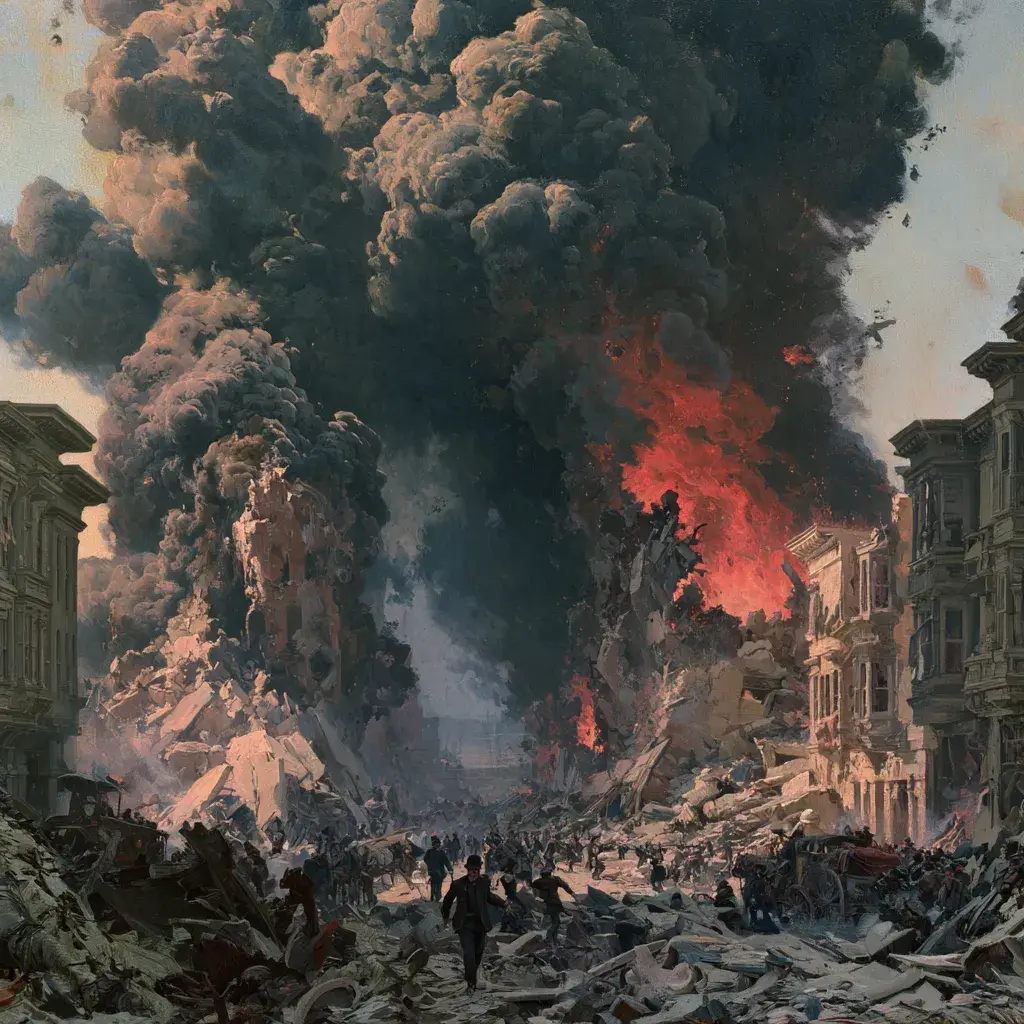 The San Francisco EarthquakeOn April 18, 1906, a 7.9 magnitude quake hit San Francisco, but it was the fire that followed that destroyed 80% of the city.
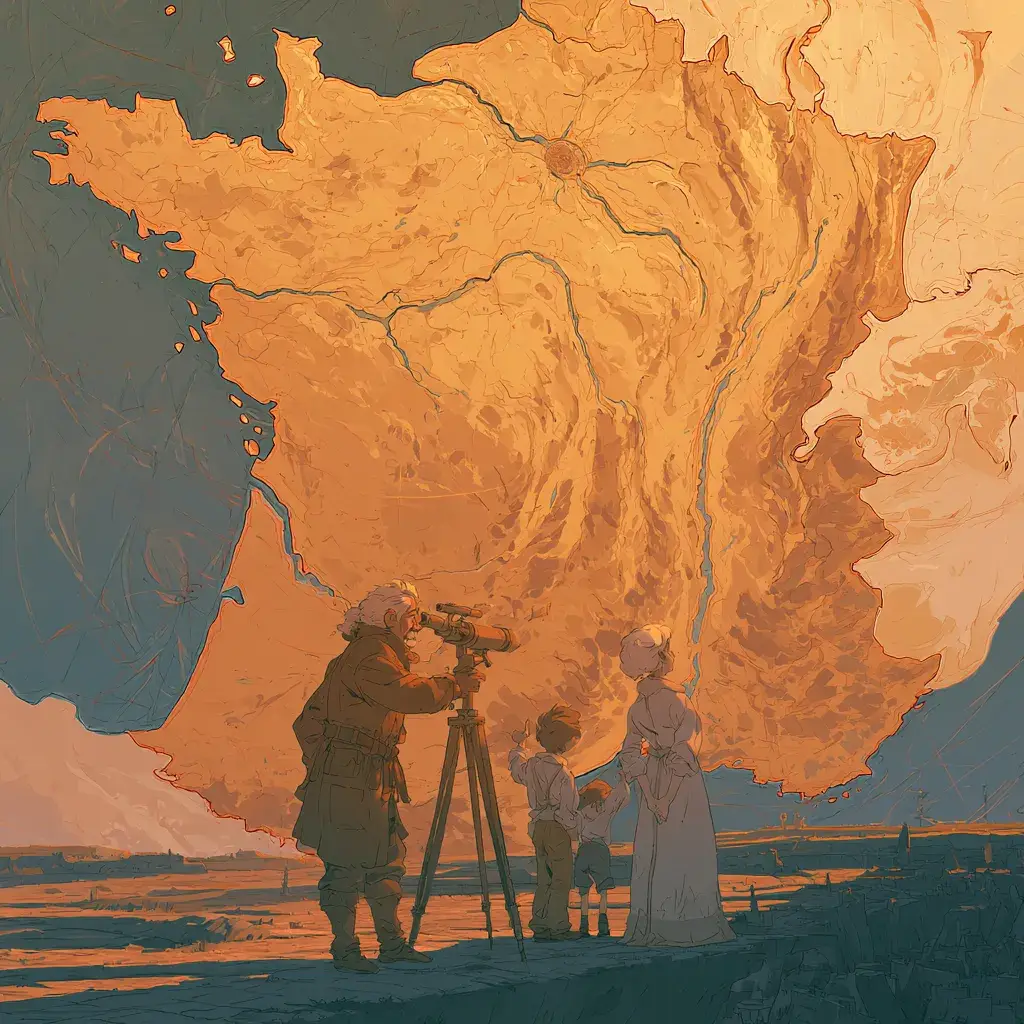 The Cassini Maps of FranceFour generations of one family measured France with triangles and produced the first accurate map of a whole country.
 The Discovery of InsulinHow a team in Toronto discovered insulin in 1921 and turned type 1 diabetes from a death sentence into a treatable condition.
 The Civil Rights MovementThe struggle for social justice by Black Americans, from the 1955 bus boycott to the landmark 1965 Voting Rights Act.
 DoggerlandThe story of Doggerland, the land that once joined Britain to Europe, revealed by a harpoon found in a fisherman's net in 1931.
 The Murderer Who Helped Write the Oxford English DictionaryAn asylum inmate sent over 10,000 quotation slips to the editor of the Oxford English Dictionary.
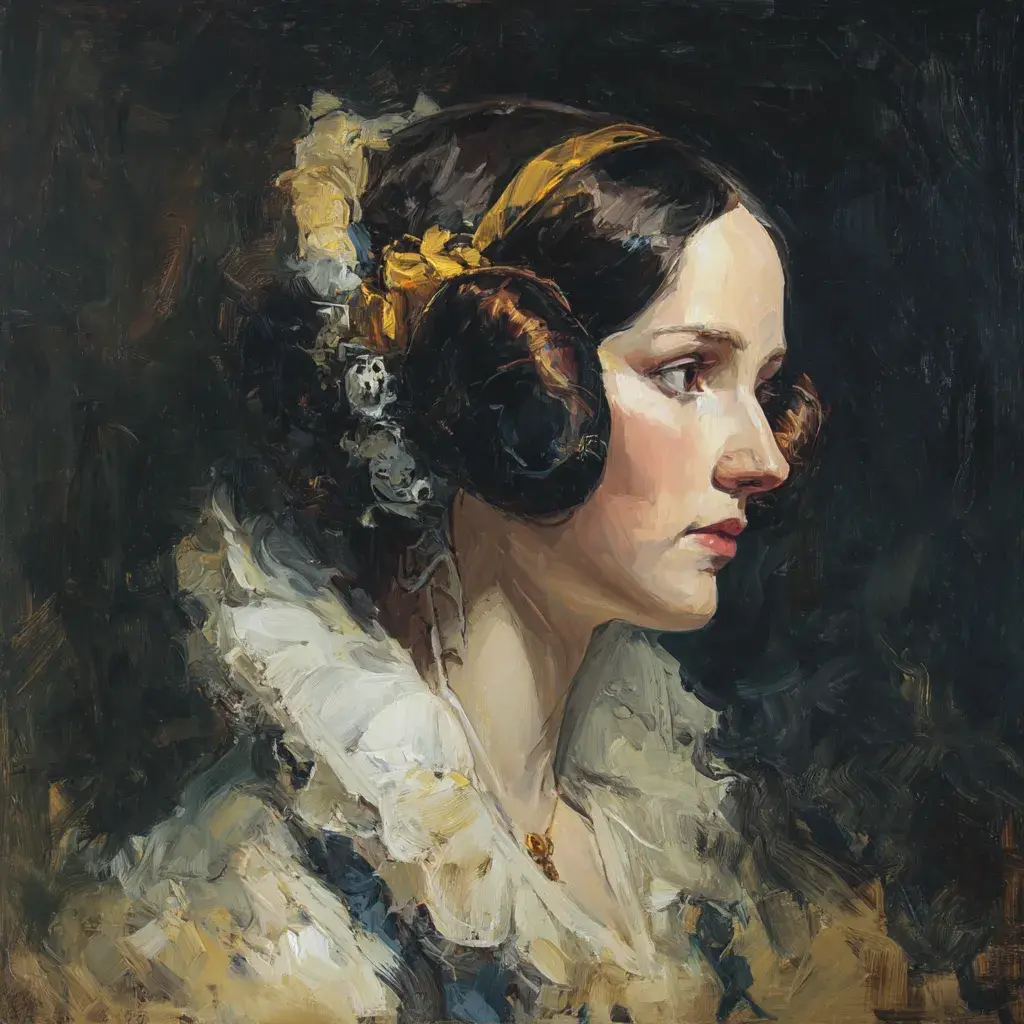 Ada Lovelace: The First Computer ProgrammerThe life of Ada Lovelace, whose 1843 notes on Charles Babbage's Analytical Engine set out the first published computer program and foresaw machines that could work with more than numbers.
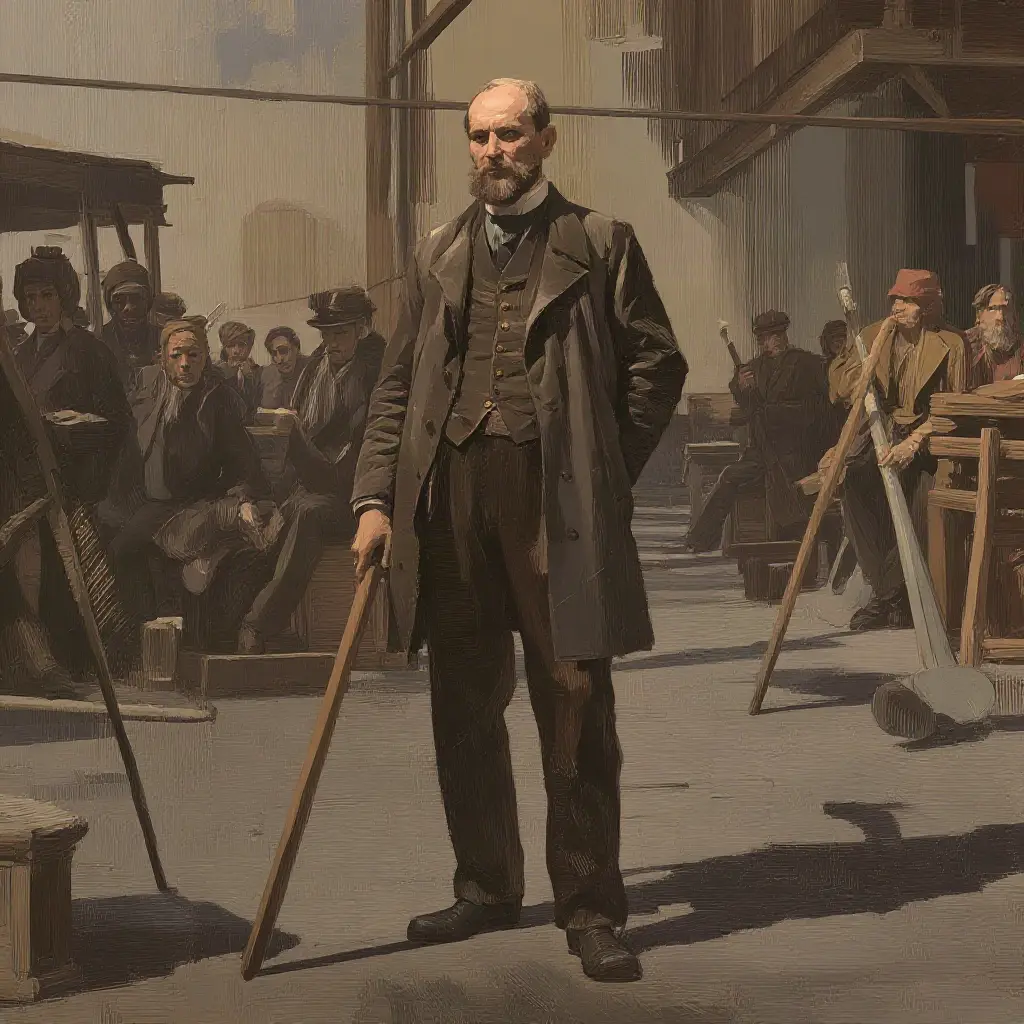 Phineas GageThe railway foreman who survived an iron rod through his skull in 1848, and what his case taught science about the brain's frontal lobes.
 Hegel and the End of HistoryHegel finished the main text of the Phenomenology of Spirit in Jena in October 1806, as Napoleon's army took the city. He wrote that he had seen the emperor, "this world-soul", ride through.
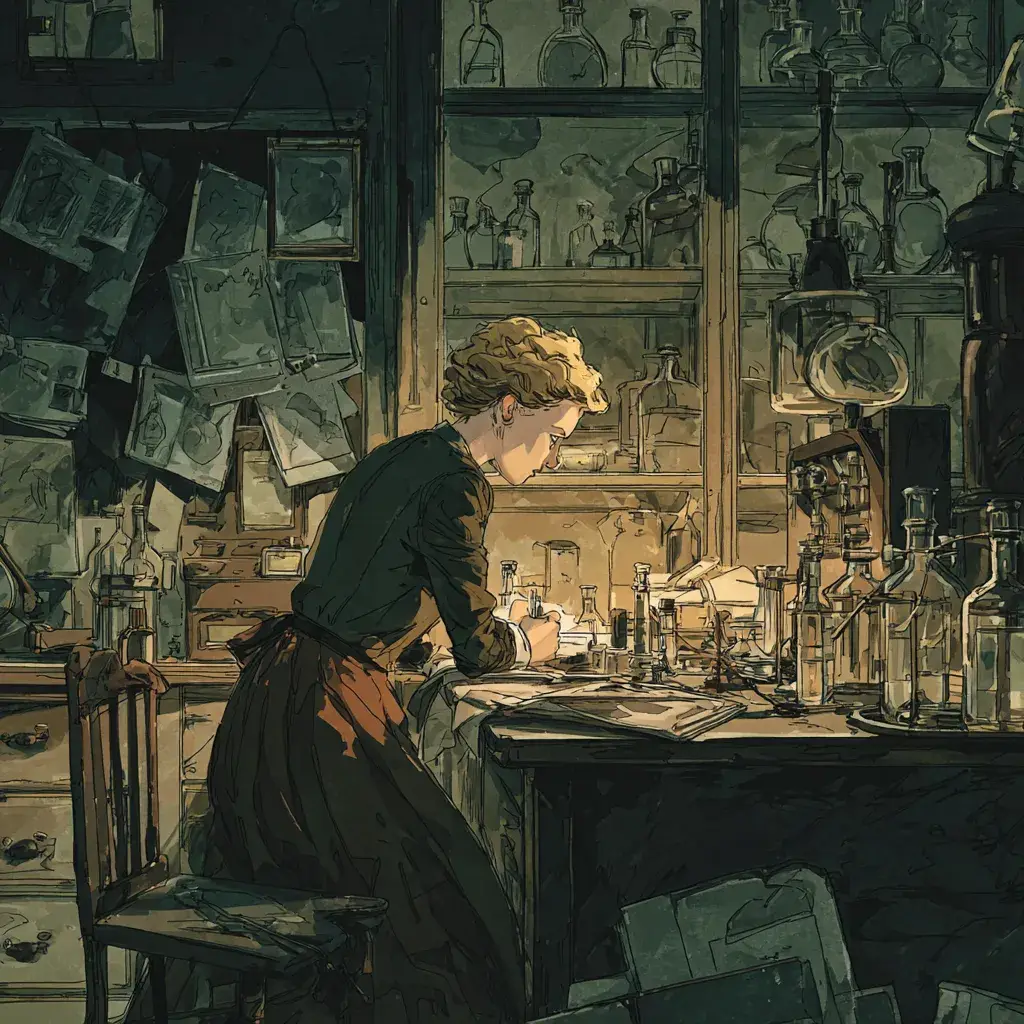 Marie Curie and the Discovery of RadioactivityMarie Curie became the first woman to win a Nobel Prize, and then the first person to win a second in a different scientific field.
 The Spanish Flu: History's Deadliest PandemicThe story of the H1N1 virus that killed up to 100 million people, more than the World War it coincided with.
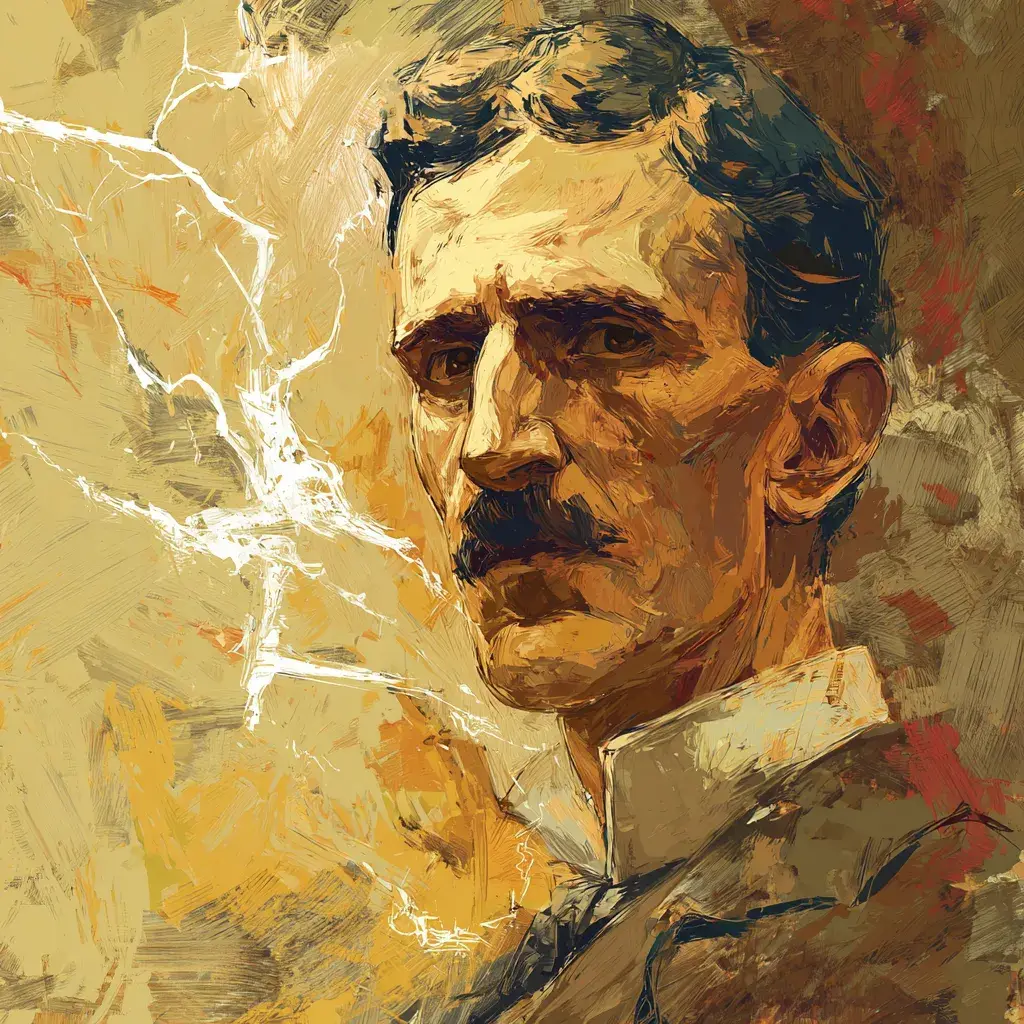 Nikola Tesla and the War of the CurrentsNikola Tesla's AC system battled Edison's DC, a war decided when AC power was sent 42 kilometers from Niagara Falls to Buffalo.
 The Christmas Truce of 1914The story of the unofficial Christmas truce of 1914, when British and German soldiers on the Western Front sang carols, swapped gifts, buried their dead and played football.
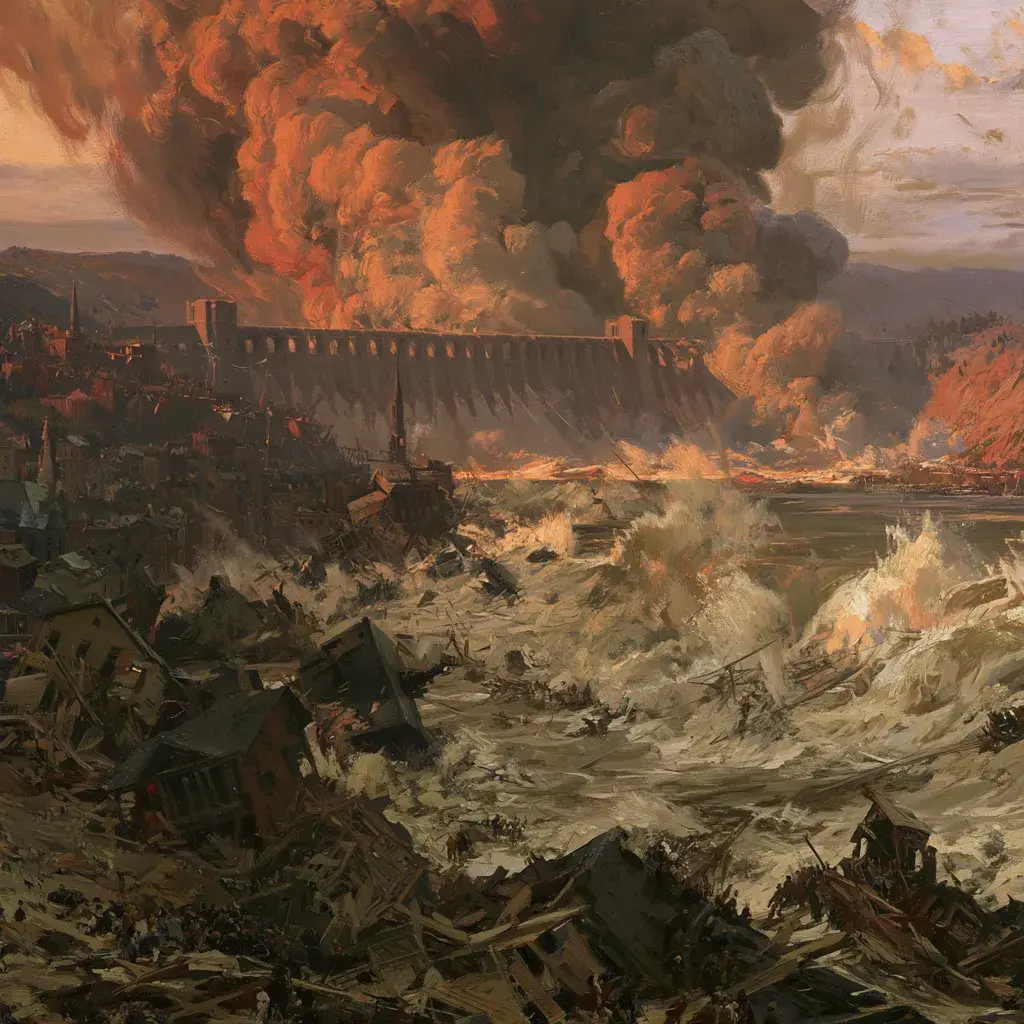 The Johnstown FloodIn 1889, a private club's poorly maintained dam unleashed a 60-foot wall of water, killing 2,209 people in Johnstown, Pennsylvania.
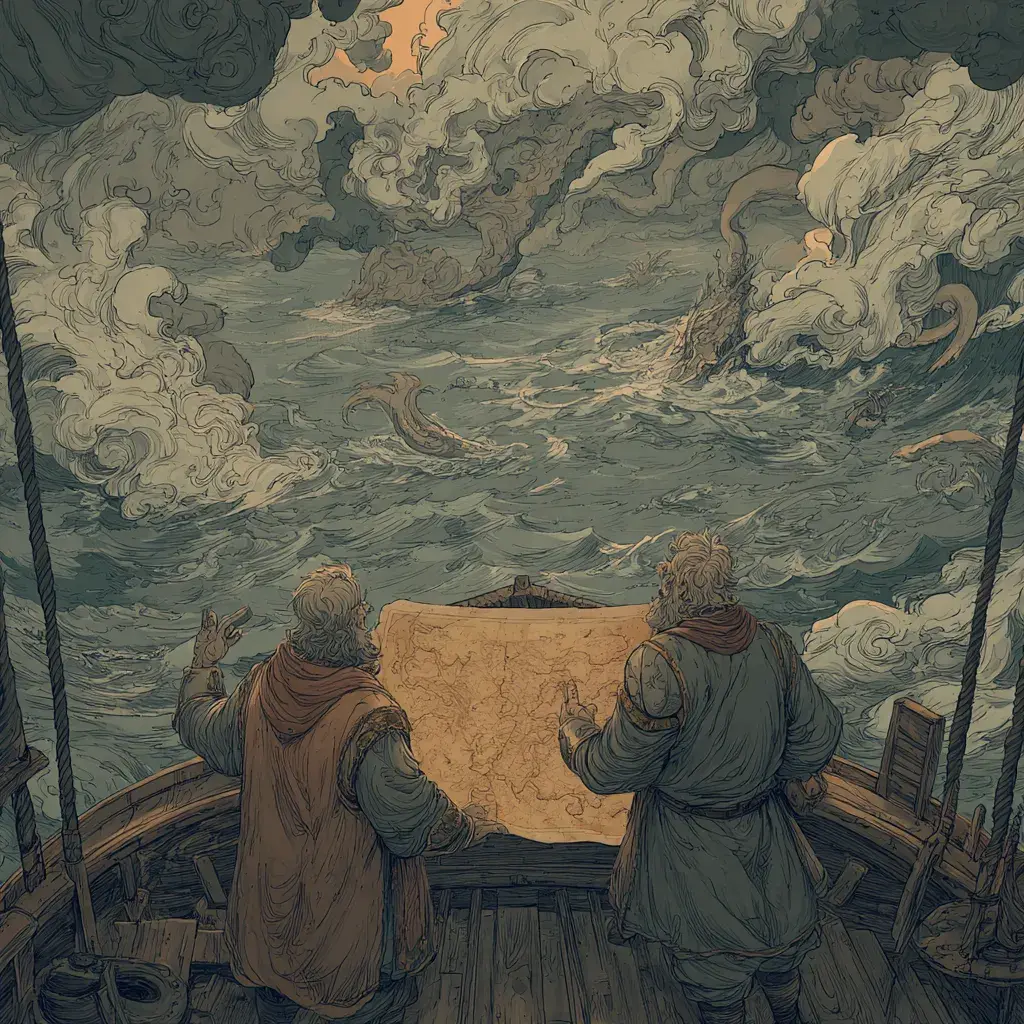 Mapping the Deep: The Quest to Understand the OceanFrom an ancient Greek's weighted rope to modern robots, this is the story of the quest to map the ocean floor, revealing a hidden world.
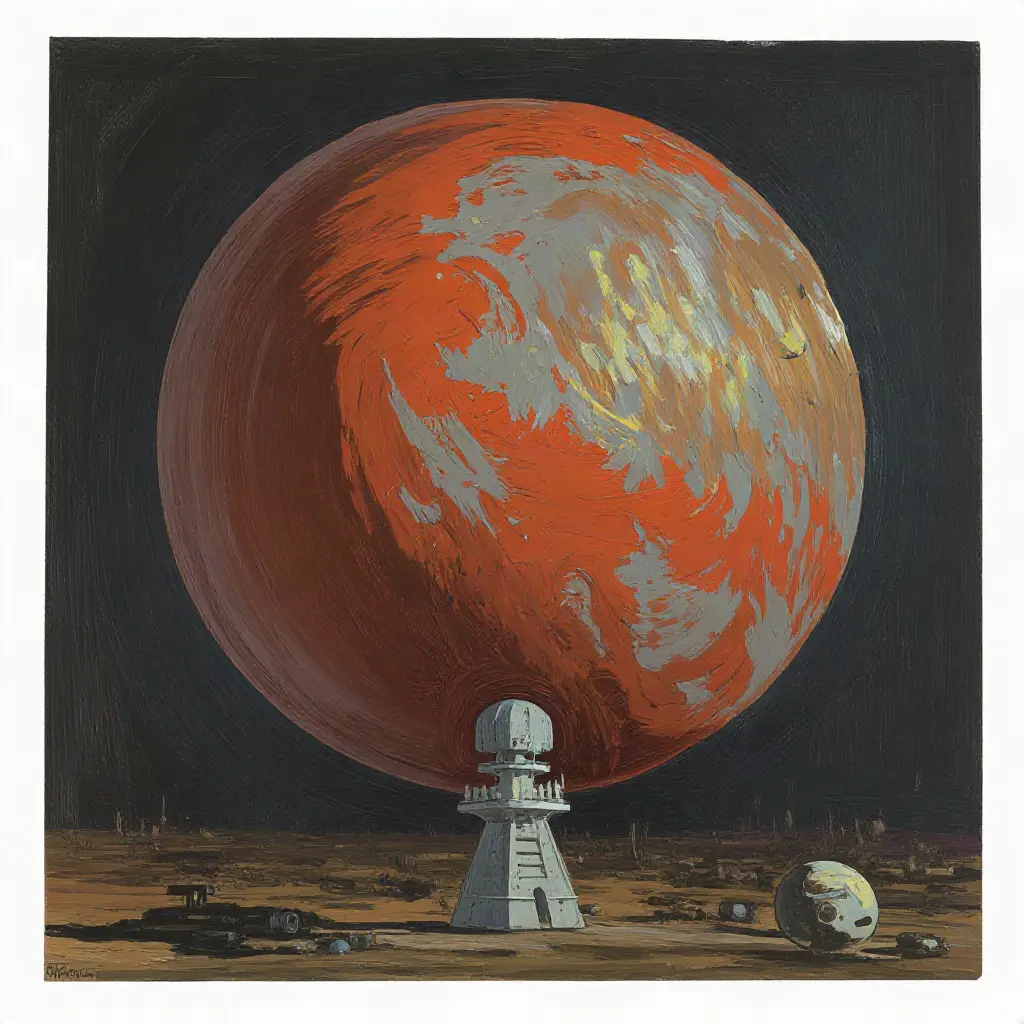 Exoplanets: The Hunt for Seven New WorldsThe story of finding new planets, from the 1995 discovery of 51 Pegasi b to the seven Earth-sized worlds of TRAPPIST-1.
 The Eruption of KrakatoaThe 1883 eruption of Krakatoa in Indonesia: the loudest sound in recorded history, tsunamis that killed about 36,000 people, and ash that turned skies red around the world.
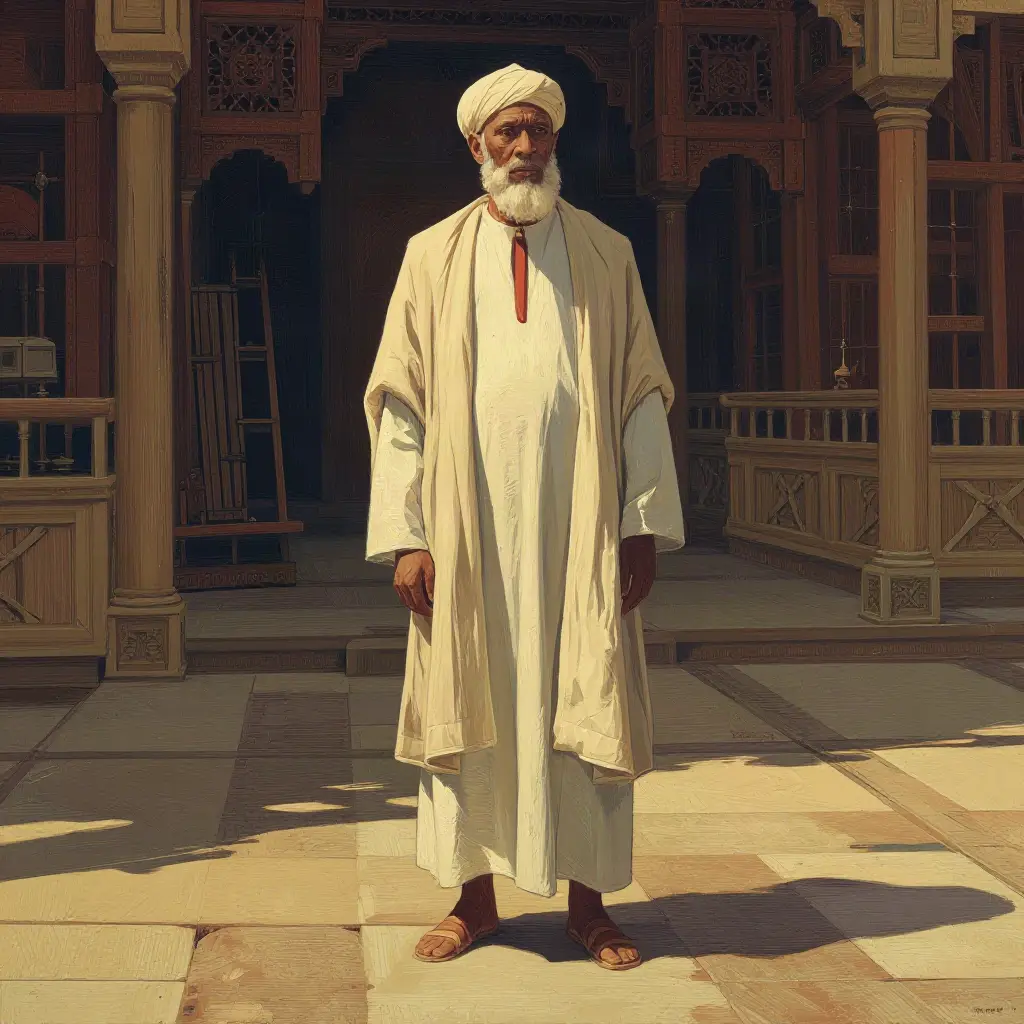 Mansa MusaThe 14th-century ruler of the Mali Empire, Mansa Musa, embarked on a pilgrimage to Mecca that famously crashed Cairo's gold market.
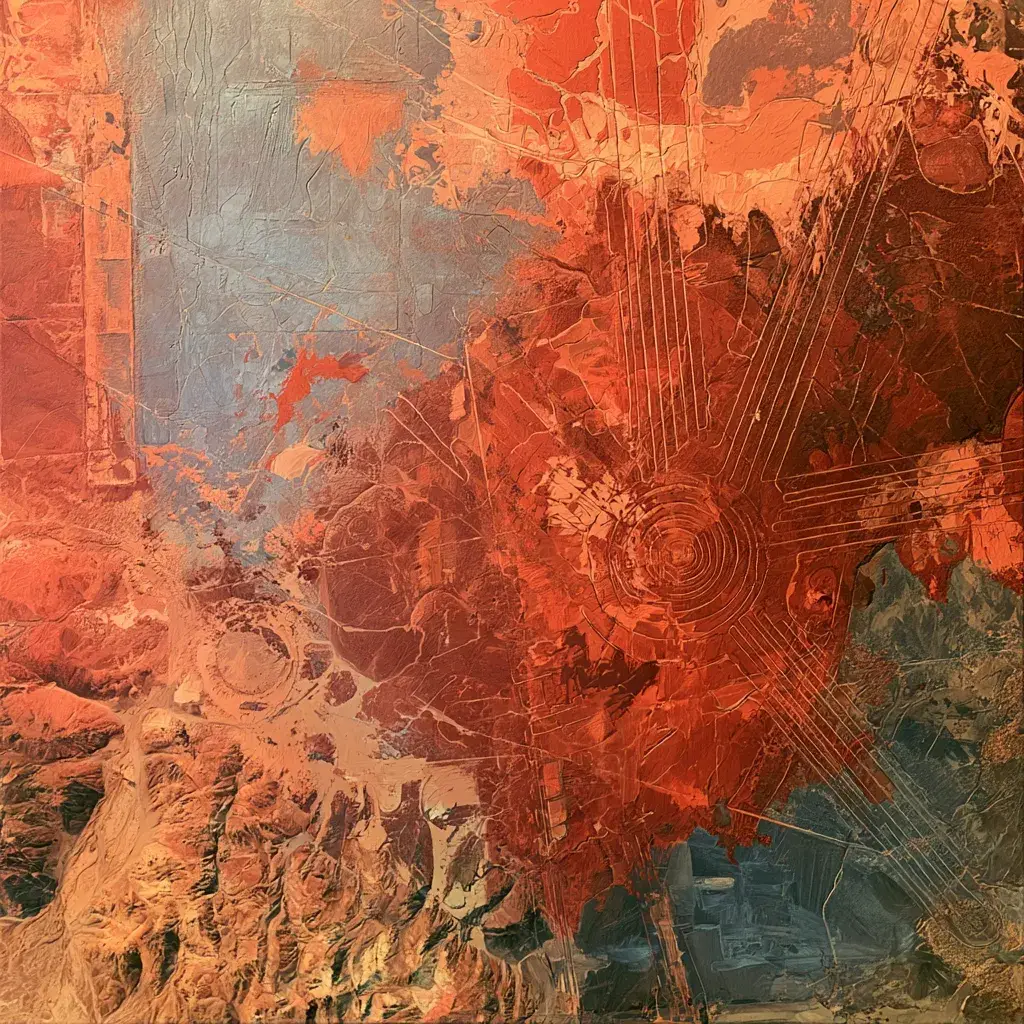 The Nazca LinesThe Nazca Lines of southern Peru: how the desert geoglyphs were made, the researchers who studied and protected them, the 2024 AI-assisted discovery of 303 new figures, and the threats they face.
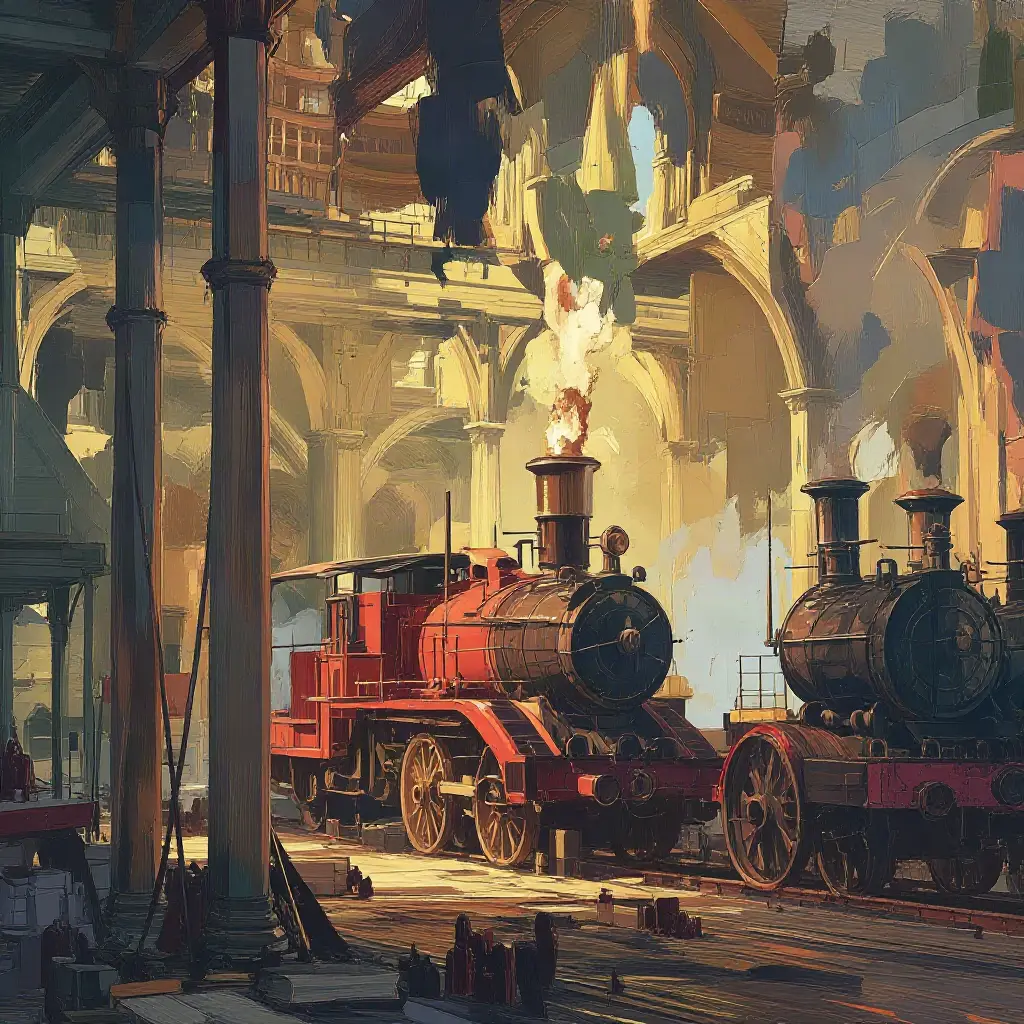 Stephenson's Rocket and the Rainhill TrialsThe story of Stephenson's Rocket, the 1829 locomotive that won the Rainhill Trials and set the pattern for the steam engines that followed.
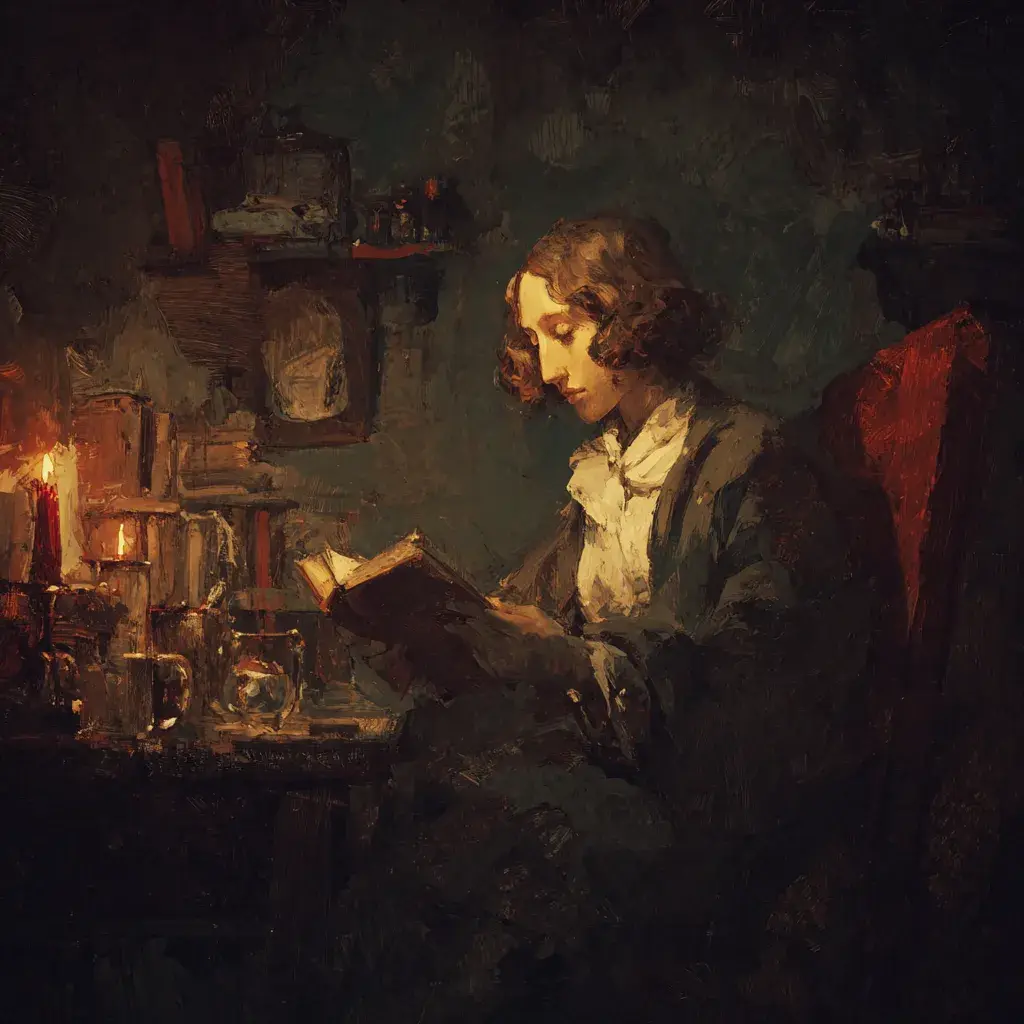 George EliotThe life of Mary Ann Evans, who wrote as George Eliot, from her break with her father's church to Adam Bede, Middlemarch and her unconventional partnership with George Henry Lewes.
 Ask and Embla: The First HumansThe Norse myth of the first humans: Odin, Vili and Vé find two pieces of driftwood on a shore and give them breath, mind and senses, making Ask and Embla.
 The Harlem RenaissanceHow Black writers, thinkers and musicians made 1920s Harlem a cultural capital, from Alain Locke's "New Negro" and Langston Hughes to Duke Ellington, until the Depression and the 1935 riot ended the era.
 Nick Leeson Breaks Barings BankNick Leeson hid losses in secret account 88888 and sank 233-year-old Barings Bank, leaving a hole of 827 million pounds.
 Cato the Younger: The Stoic Who Defied CaesarCato the Younger refused to live under Caesar's pardon and chose death at Utica in April 46 BC.
 The Tanganyika Laughter EpidemicIn 1962, three schoolgirls in Kashasha began laughing uncontrollably, and 95 of 159 pupils were affected before the school closed.
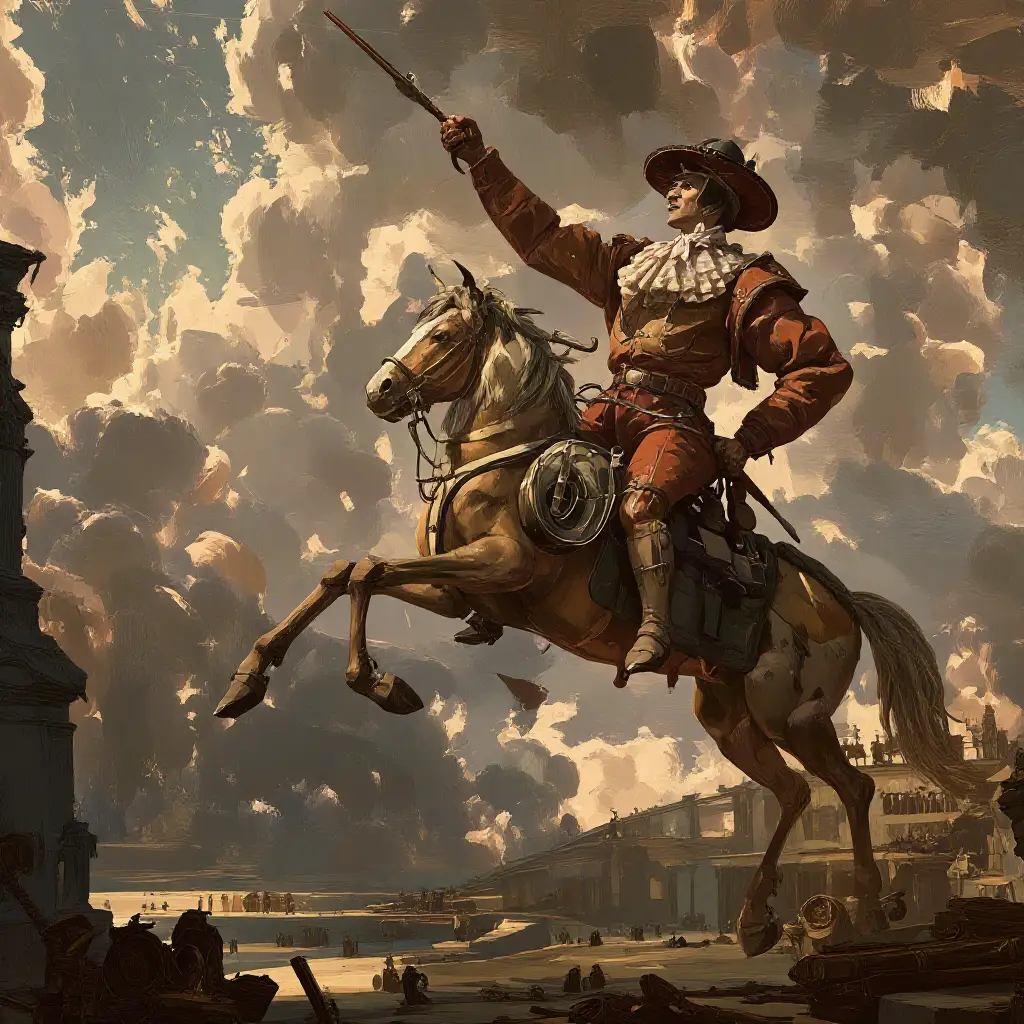 The Creation of Don QuixoteHow Miguel de Cervantes, a soldier and tax collector, wrote the world's first modern novel after conceiving it in a Seville prison.
 The Internet RevolutionFrom a 1962 vision of a 'Galactic Network' to a connected world, this is the story of how the internet was built, one step at a time.
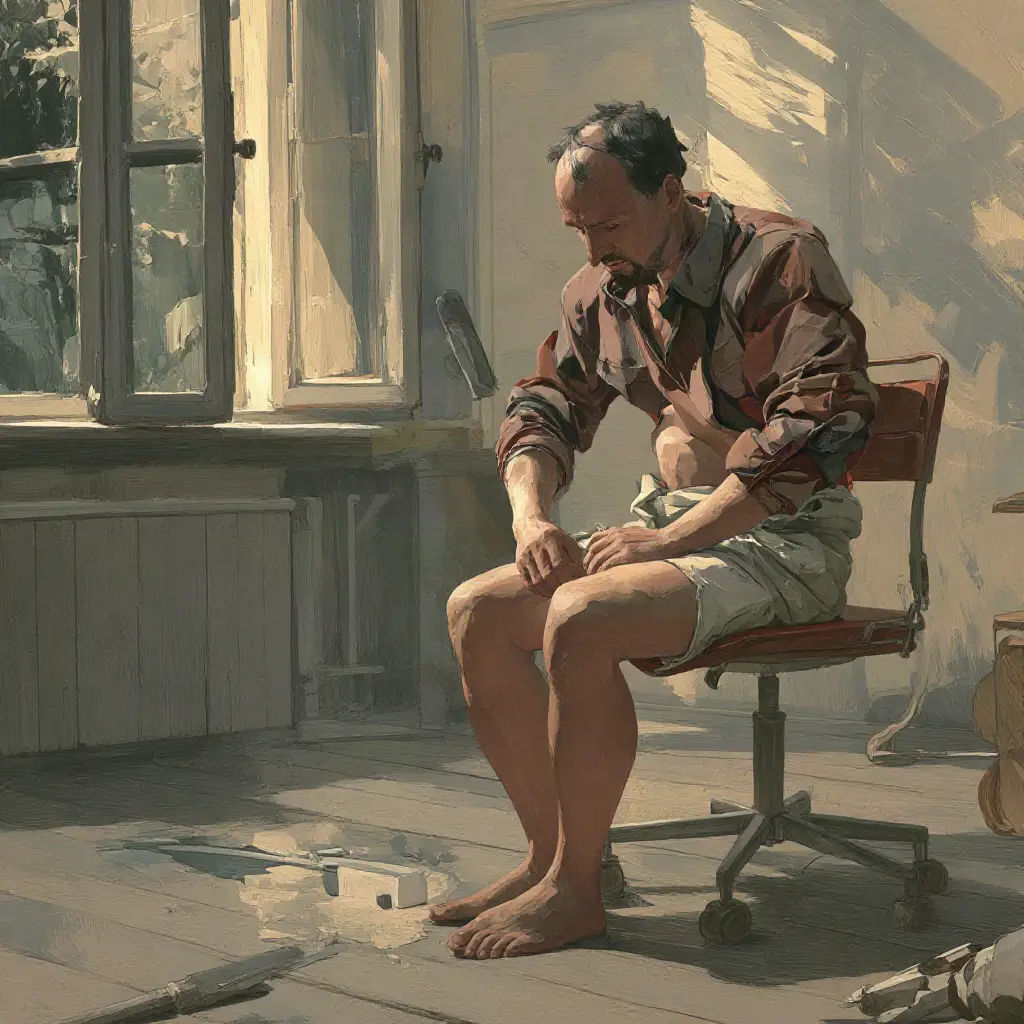 Leonid Rogozov Removes His Own AppendixA Soviet surgeon cut out his own appendix with a mirror, roughly 3,000 km from the nearest Soviet base.
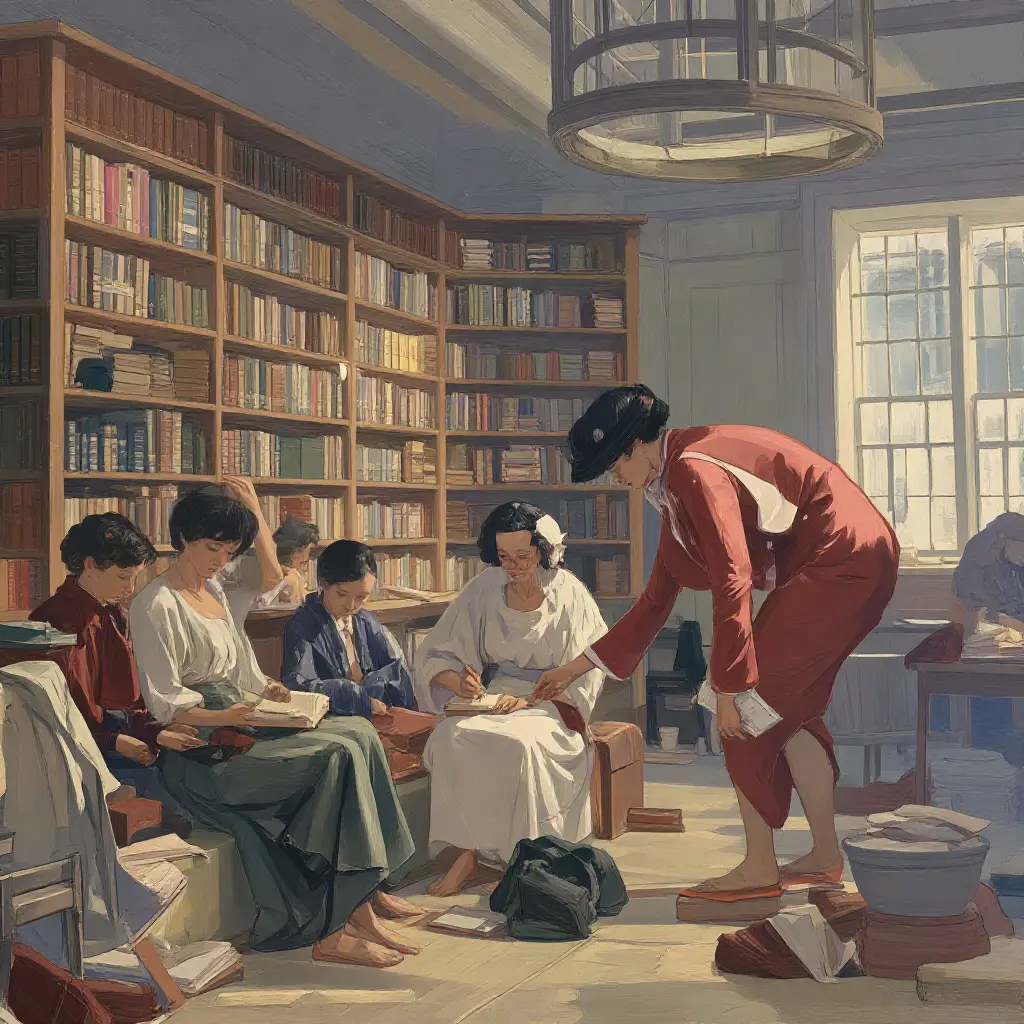 Annie Jump Cannon and the Harvard ComputersAnnie Jump Cannon and the Harvard 'Computers' classified hundreds of thousands of stars, creating a system astronomers still use today.
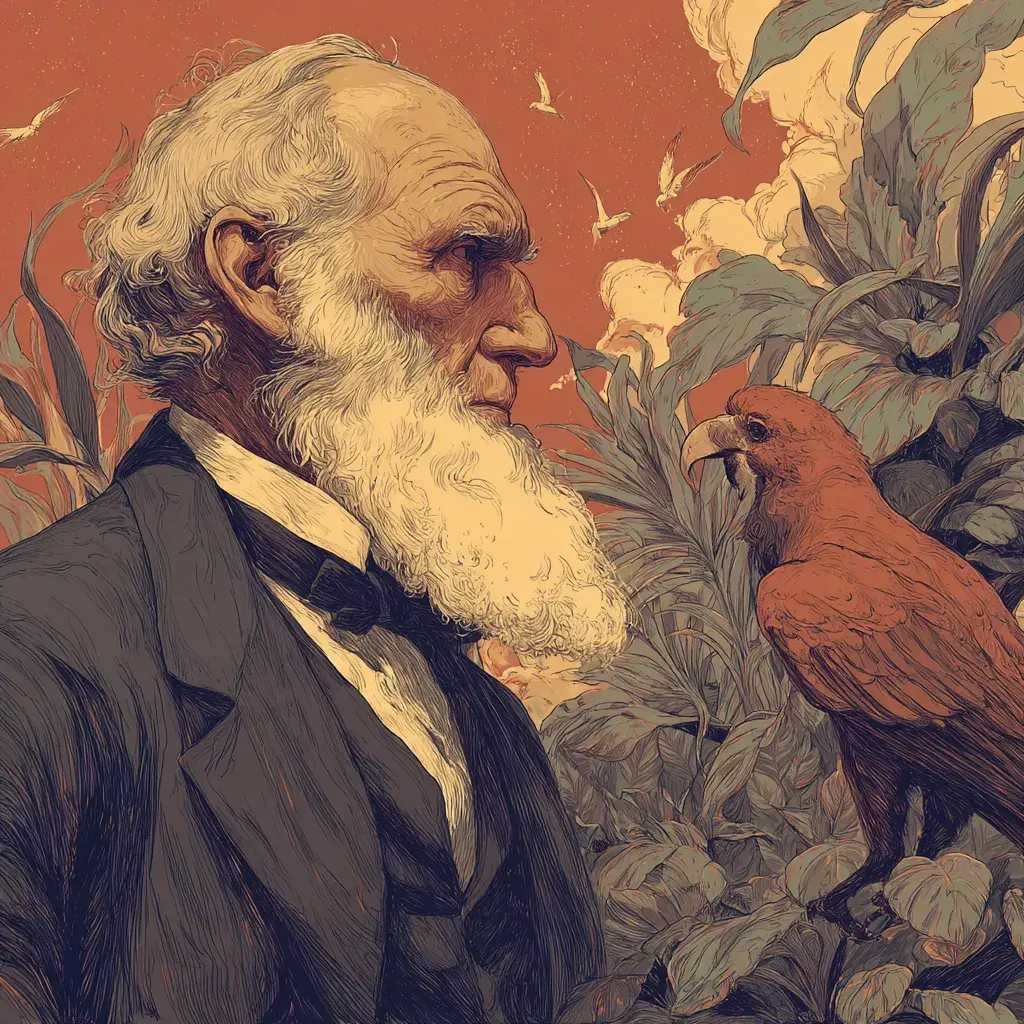 Charles Darwin and the Origin of SpeciesHow Charles Darwin developed his theory of evolution, from a fossil skull in 1832 to the publication of 'On the Origin of Species'.
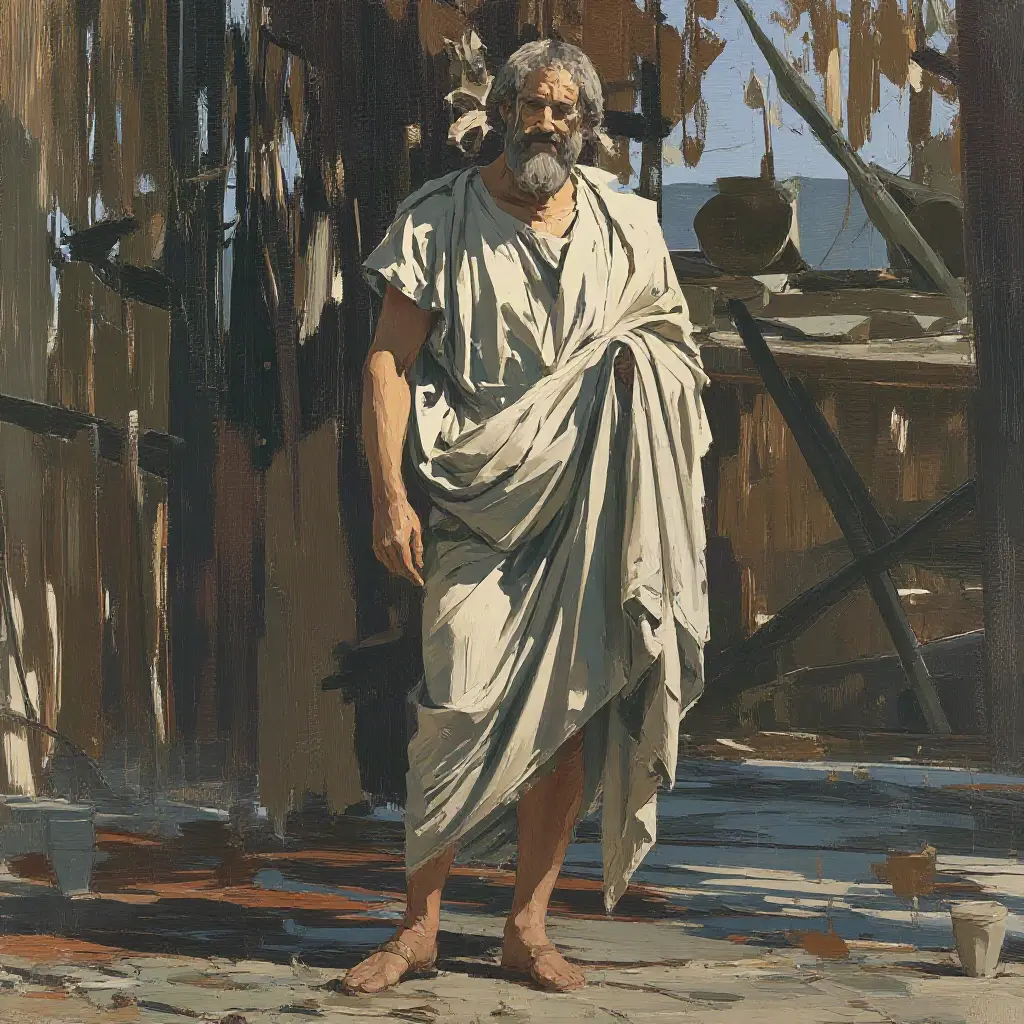 EpictetusThe enslaved man who became a great Stoic teacher, whose ideas on control would one day guide the Roman Emperor Marcus Aurelius.
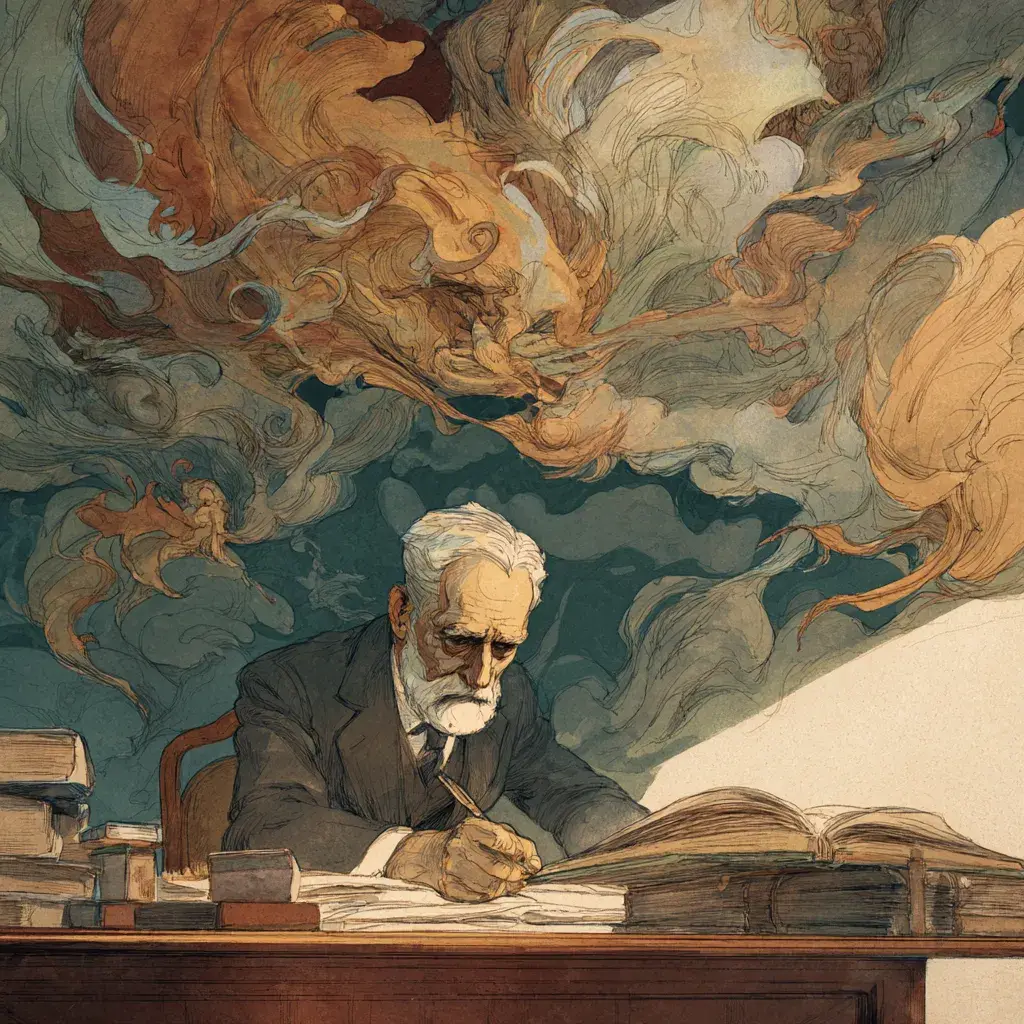 Sigmund Freud: The Man Who Mapped the MindSigmund Freud, the Viennese doctor who invented psychoanalysis, from the 'talking cure' to his flight from the Nazis to London.
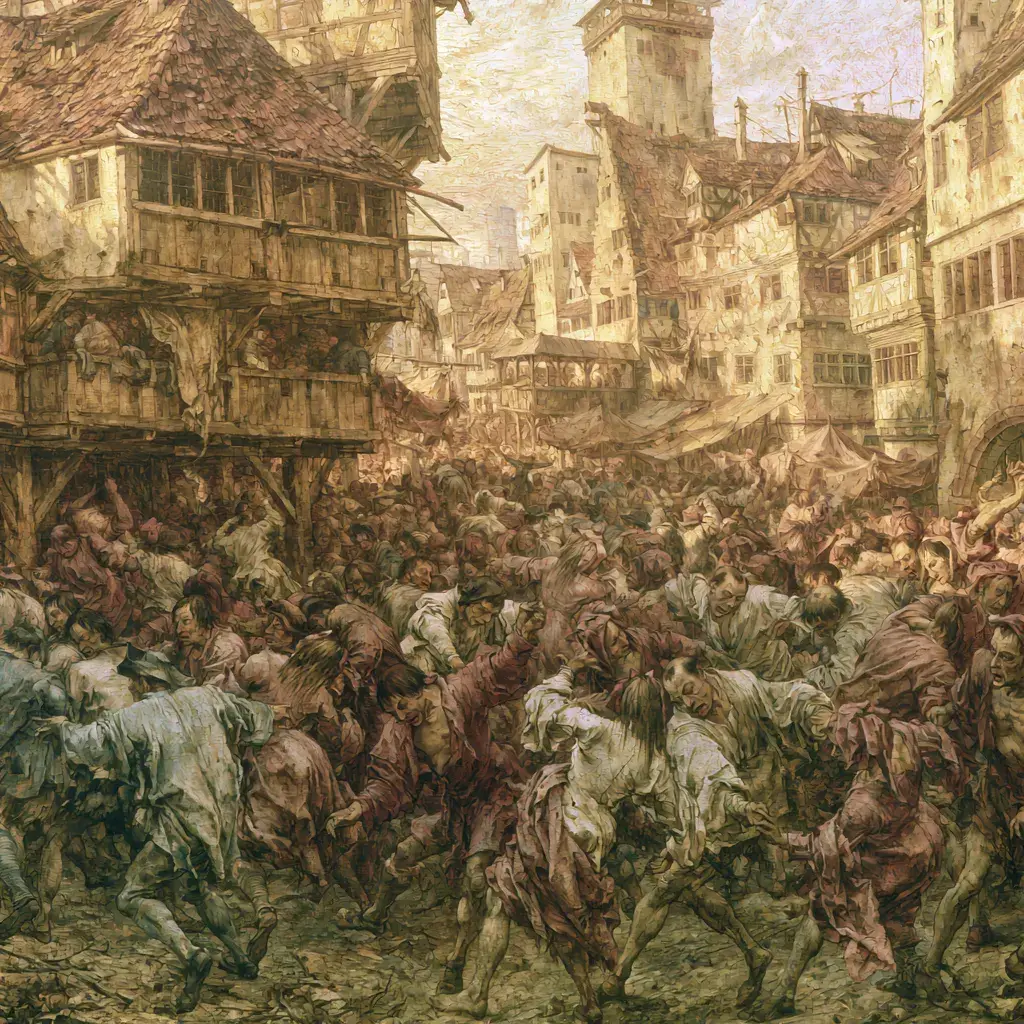 The Dancing Plague of 1518The Dancing Plague of 1518: hundreds of people in Strasbourg danced for weeks, the city's strange cure, and how historians explain it today.
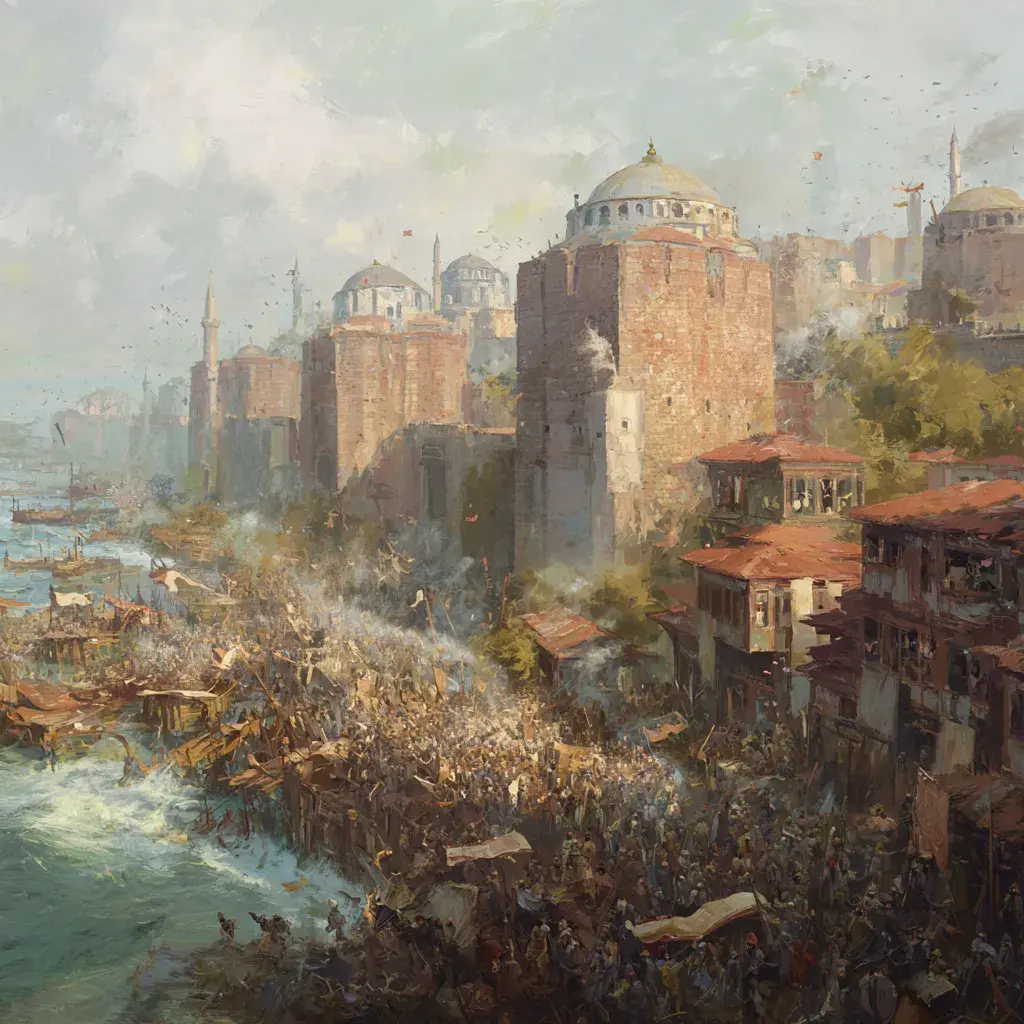 The Fall of ConstantinopleIn 1453, Ottoman Sultan Mehmed II used giant cannons and an overland fleet to conquer Constantinople, ending the 1,100-year-old Byzantine Empire.
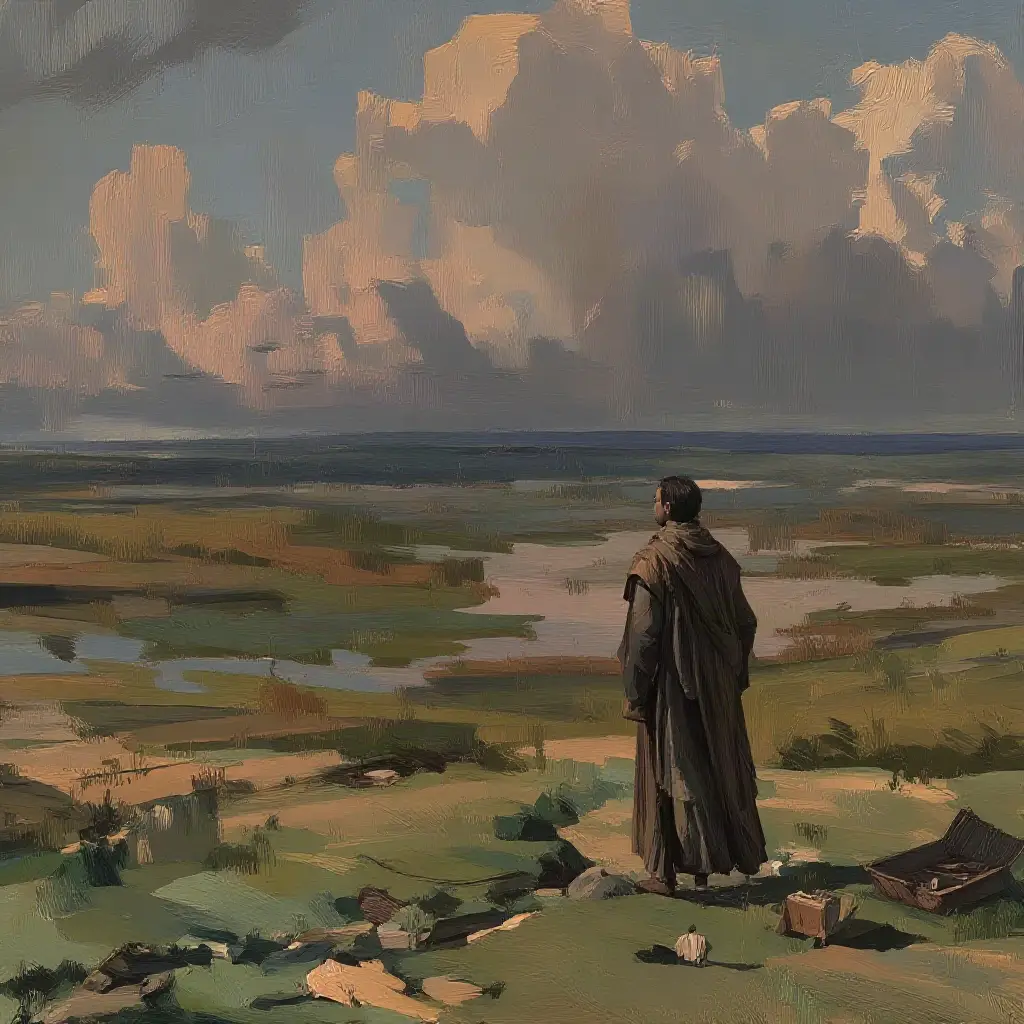 The Vinland VoyagesAround 1000 CE Norse Greenlanders sailed to North America. This is the story of the saga voyages to Vinland, the camp found at L'Anse aux Meadows, and the tree rings that date it to 1021.
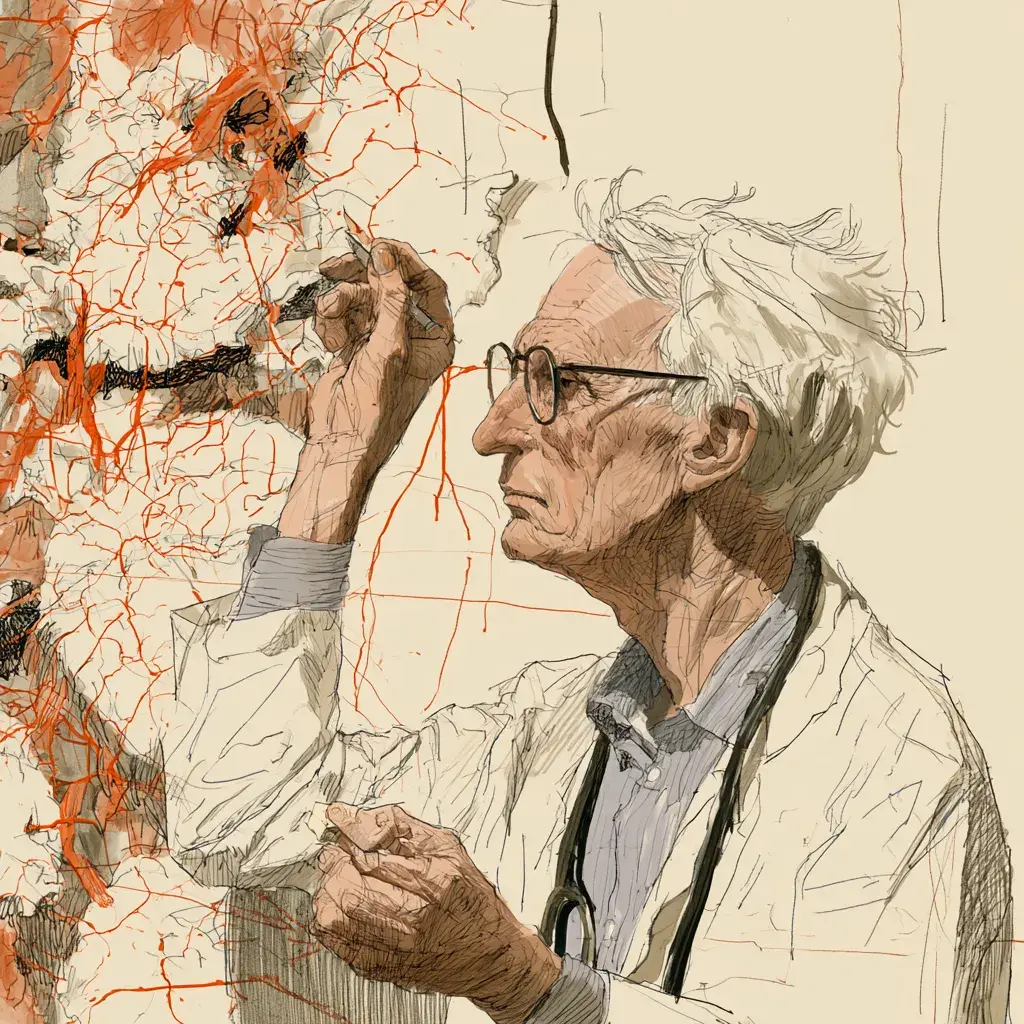 The Discovery of Prions and Creutzfeldt-Jakob DiseaseHow scientists discovered prions, misfolded proteins with no genes that cause kuru, mad cow disease and Creutzfeldt-Jakob disease.
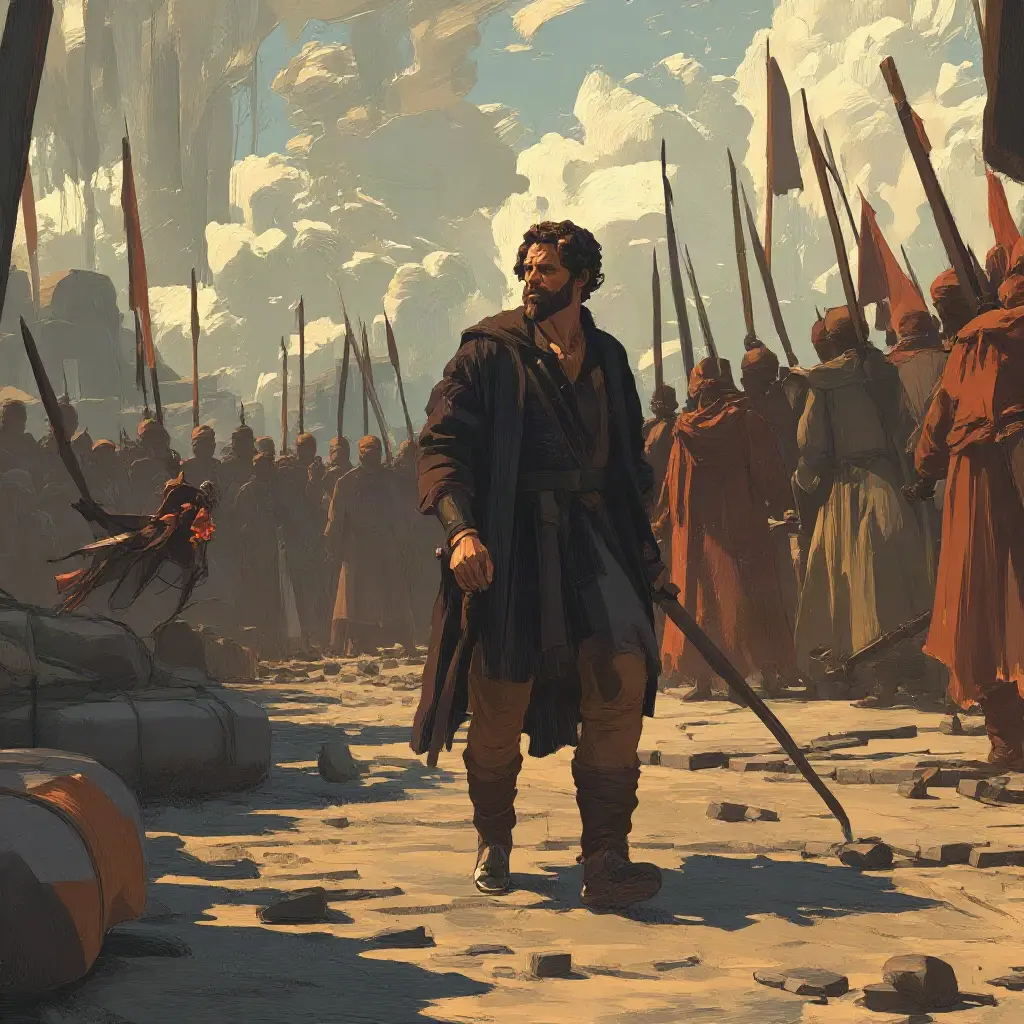 The Peasants' RevoltIn 1381, England's peasants rose up against a harsh poll tax, marching on London to confront their young king, Richard II.
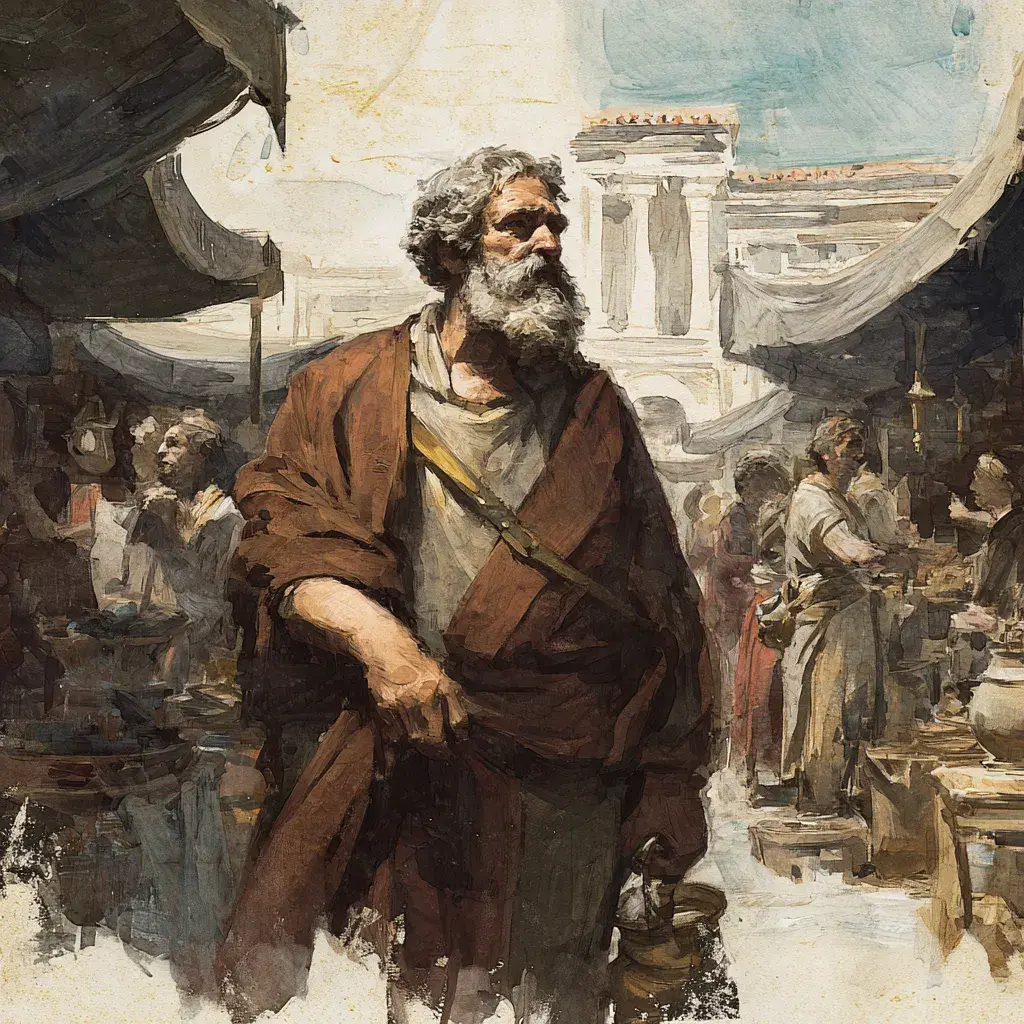 Socrates: The Man Who Taught the World to QuestionSocrates, the Athenian who wrote nothing yet founded Western philosophy by asking questions, and the trial in 399 BCE that sentenced him to death.
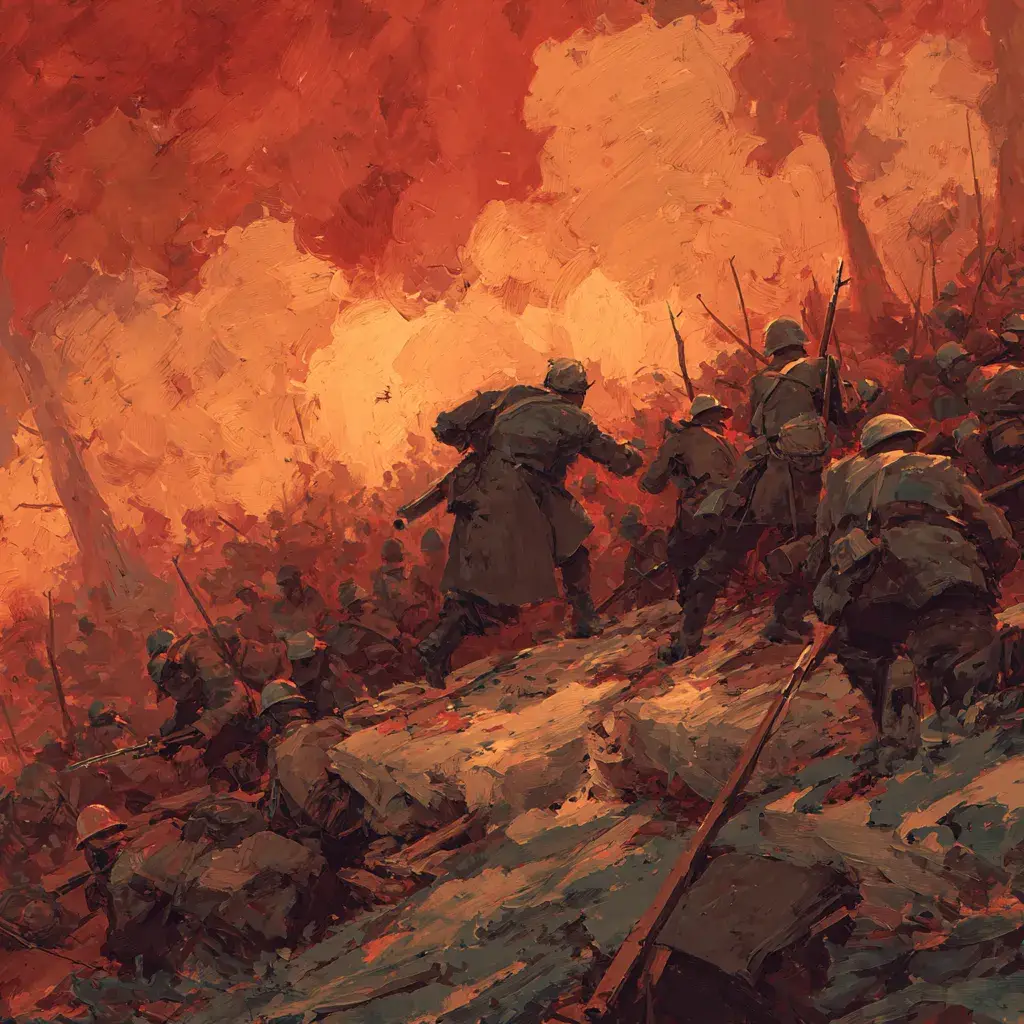 The Battle of VerdunGermany's 1916 attack on Verdun caused more than 700,000 casualties in ten months, and nine French villages were never rebuilt.
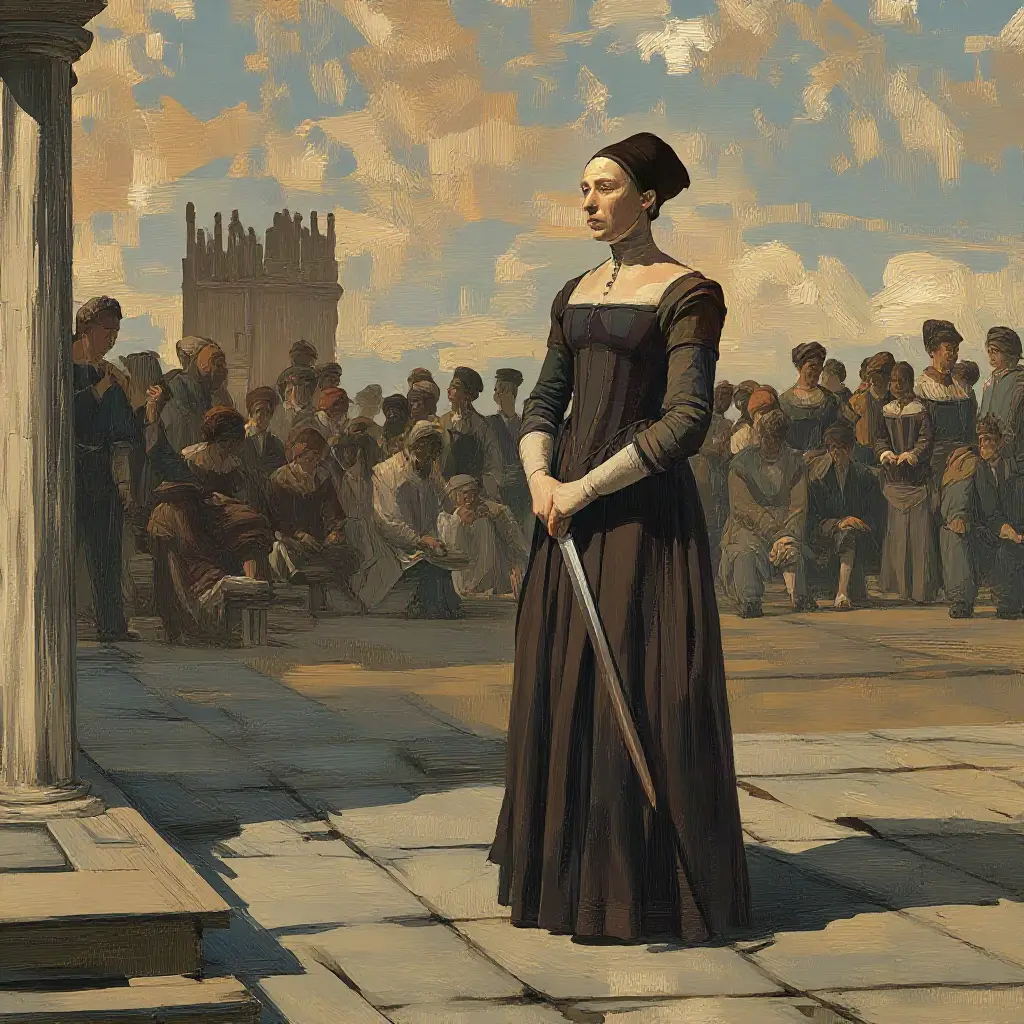 Lady Jane GreyEngland's nine-day queen: the story of a sixteen-year-old scholar made queen in 1553 and executed seven months later.
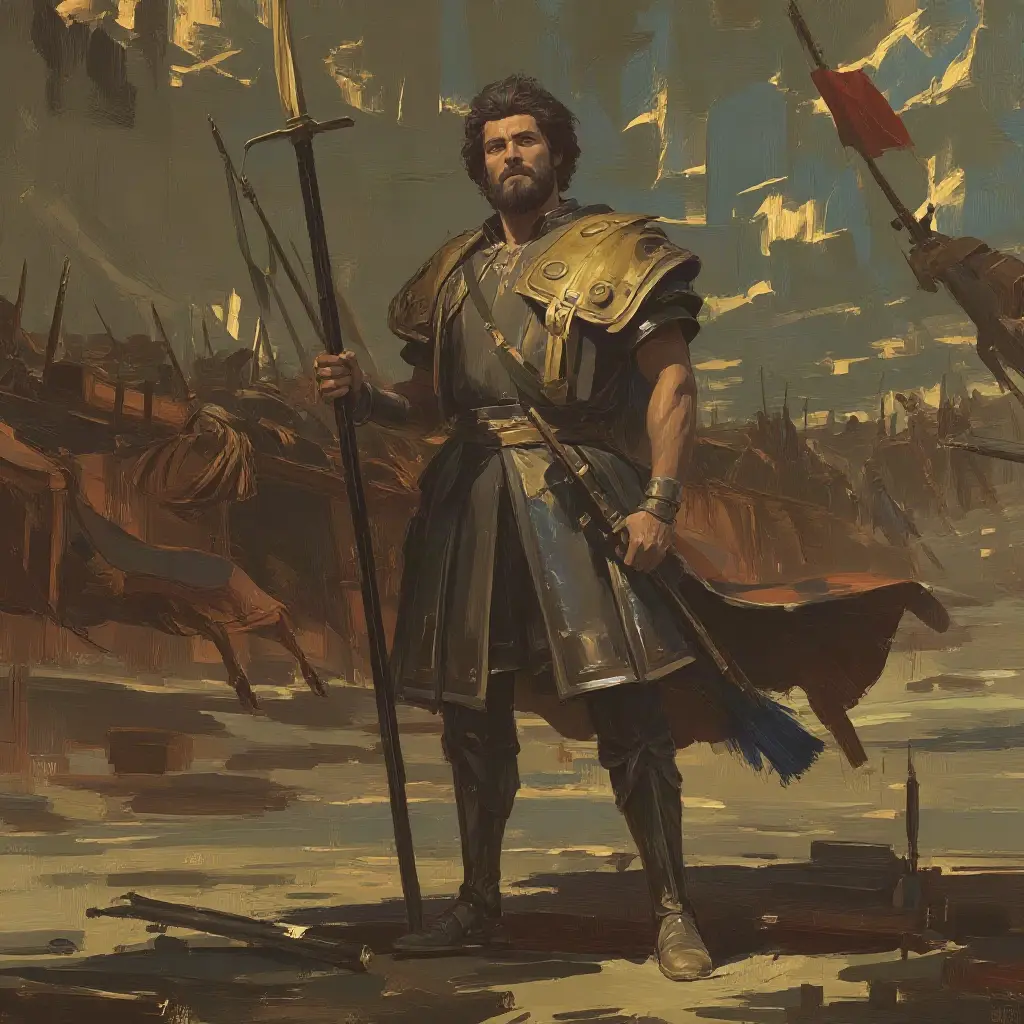 Tamerlane: The Lame ConquerorTimur, known in Europe as Tamerlane, rose from a minor Central Asian warlord to conquer an empire from Delhi to Anatolia, defeating the Golden Horde and the Ottomans before dying in 1405.
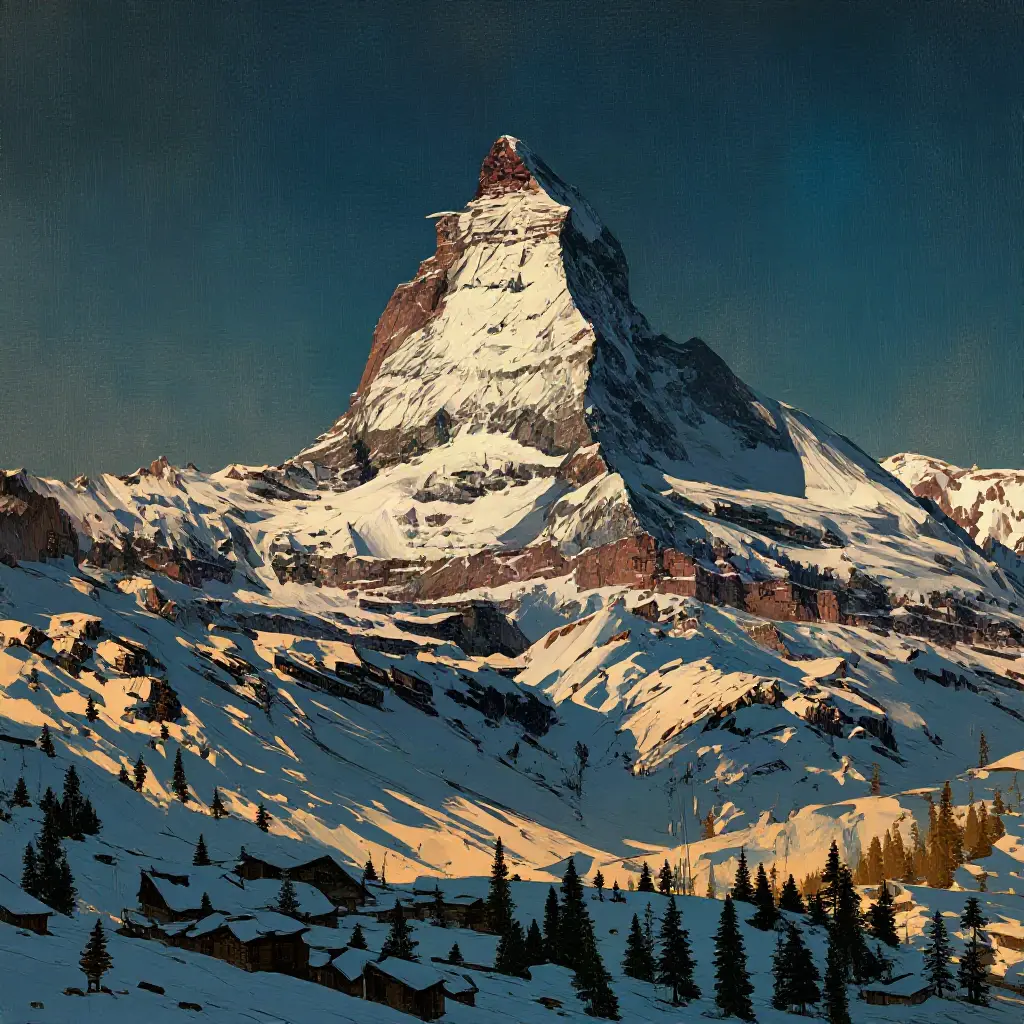 The Matterhorn TragedyOn July 14, 1865 Edward Whymper won the Matterhorn race, then a snapped rope sent four of his six companions to their deaths.
 The Missoula Floods and the Scablands HereticGeologist J Harlen Bretz was called a heretic for his theory of a megaflood that carved Washington's Scablands, a theory rejected for decades.
 King MidasThe myths of King Midas tell of a golden touch and donkey ears, but historical records reveal a real king who ruled Phrygia in the 8th century BCE.
 Louis PasteurLouis Pasteur proved germs cause disease, invented pasteurization, and created the first rabies vaccine, saving a young boy's life in 1885.
 The Tuskegee Syphilis StudyFor 40 years, a US government study withheld syphilis treatment from hundreds of Black men in Alabama, telling them they had 'bad blood'.
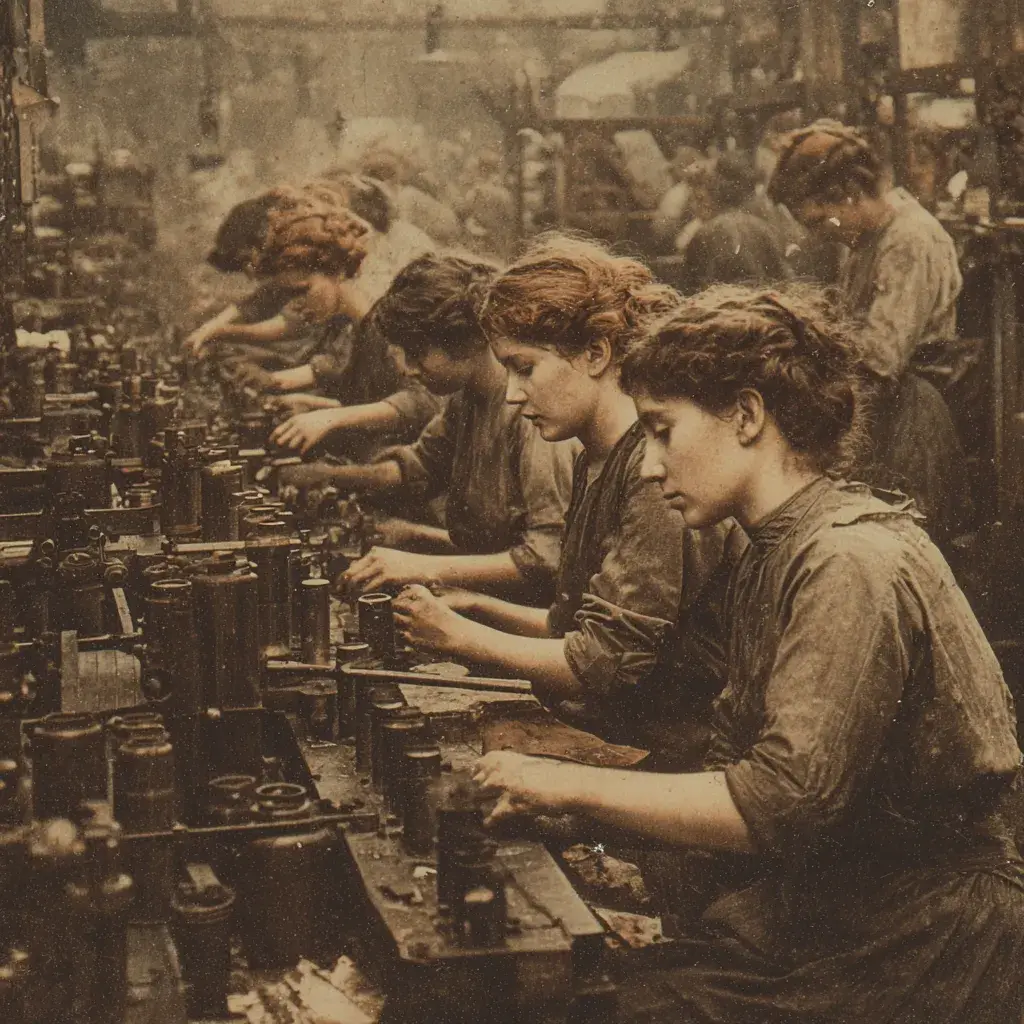 Women in World War OneHow WWI changed women's roles, from 'Canary Girls' in factories to the 8.4 million who won the vote in 1918.
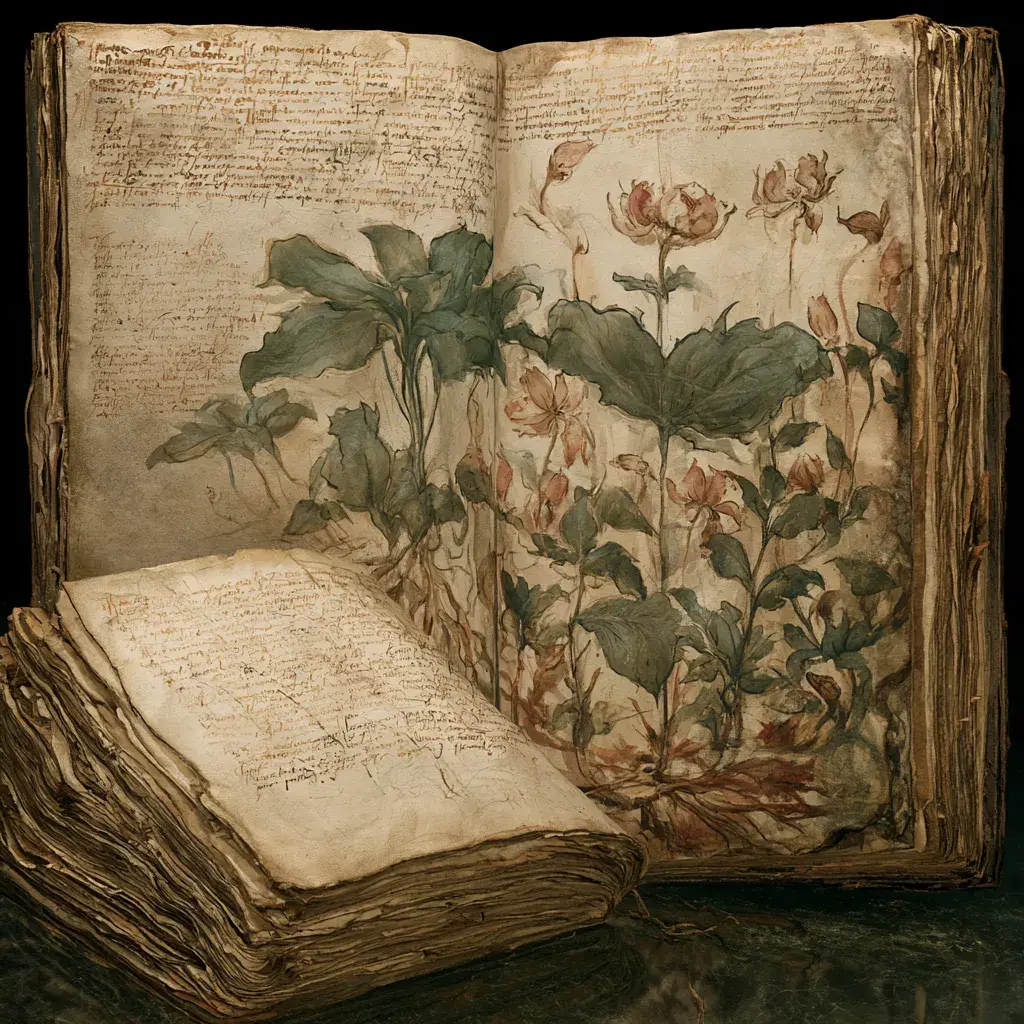 The Voynich Manuscript: History's Most Baffling BookThe Voynich Manuscript, a 15th-century book written in an unknown script and illustrated with unidentified plants, which no one has ever read.
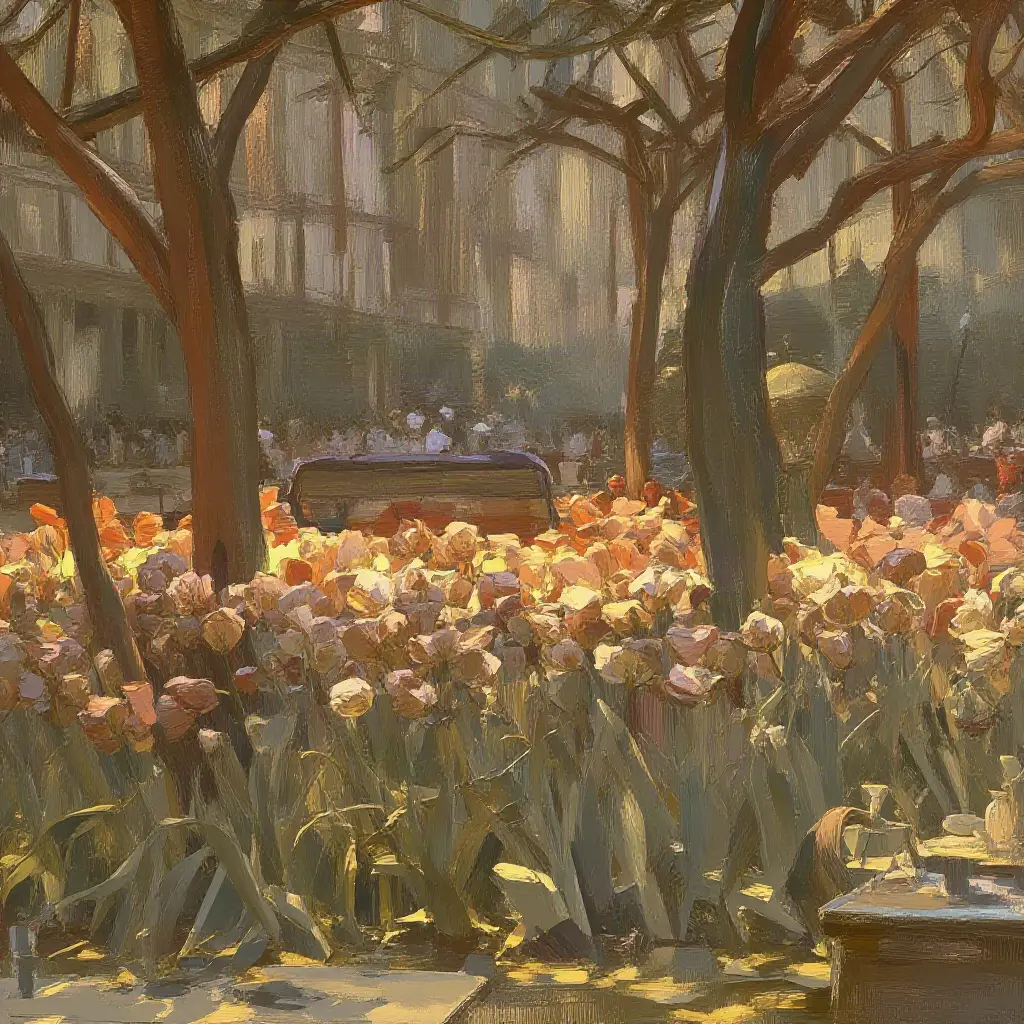 Tulip ManiaIn the 1630s, Dutch traders speculated on tulip bulbs, with one 'Semper Augustus' bulb valued at the price of an Amsterdam canal house.
 ELIZA: The First Chatbot and the Man Who Feared ItIn 1966, Weizenbaum’s secretary knew ELIZA was just code, yet she asked for privacy to talk to the computer alone.
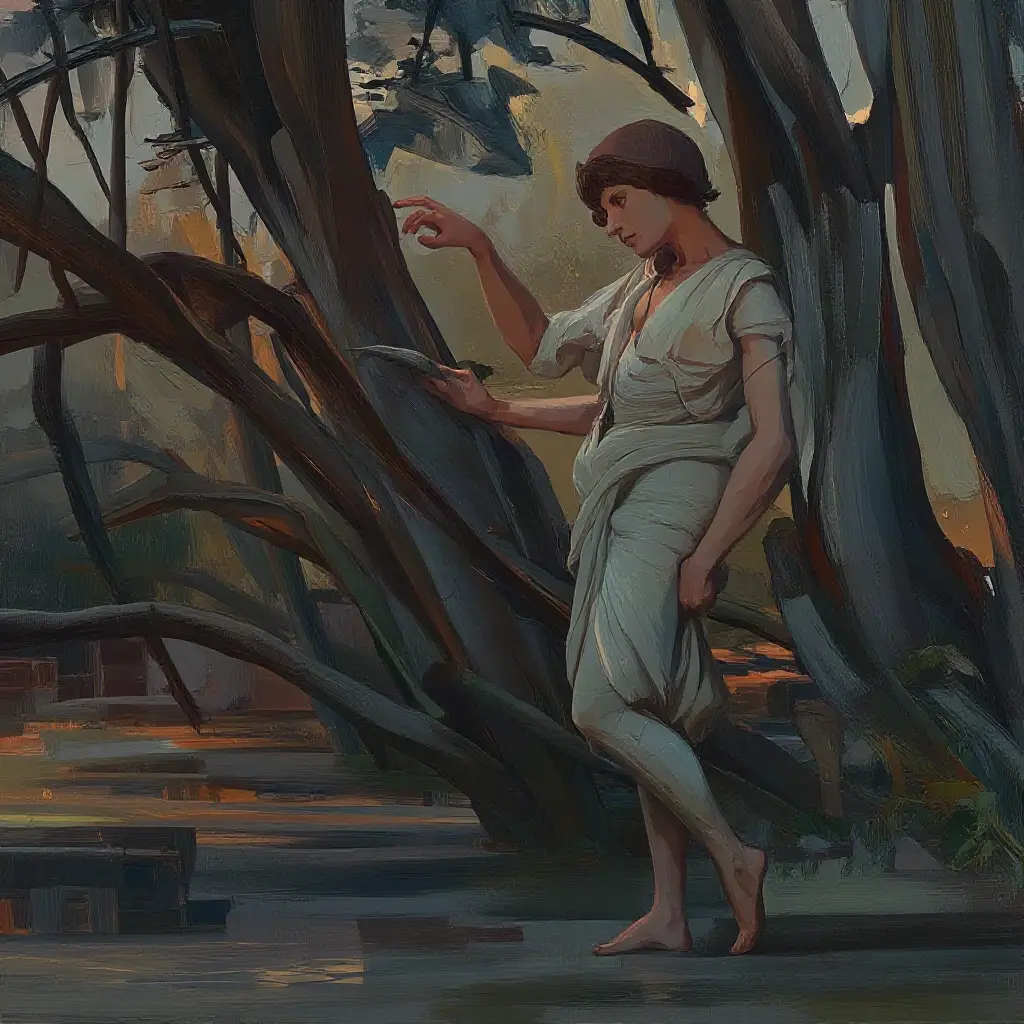 Narcissus and EchoOvid's myth of Echo, who could only repeat, and Narcissus, who fell in love with his own reflection, leading to the term narcissism.
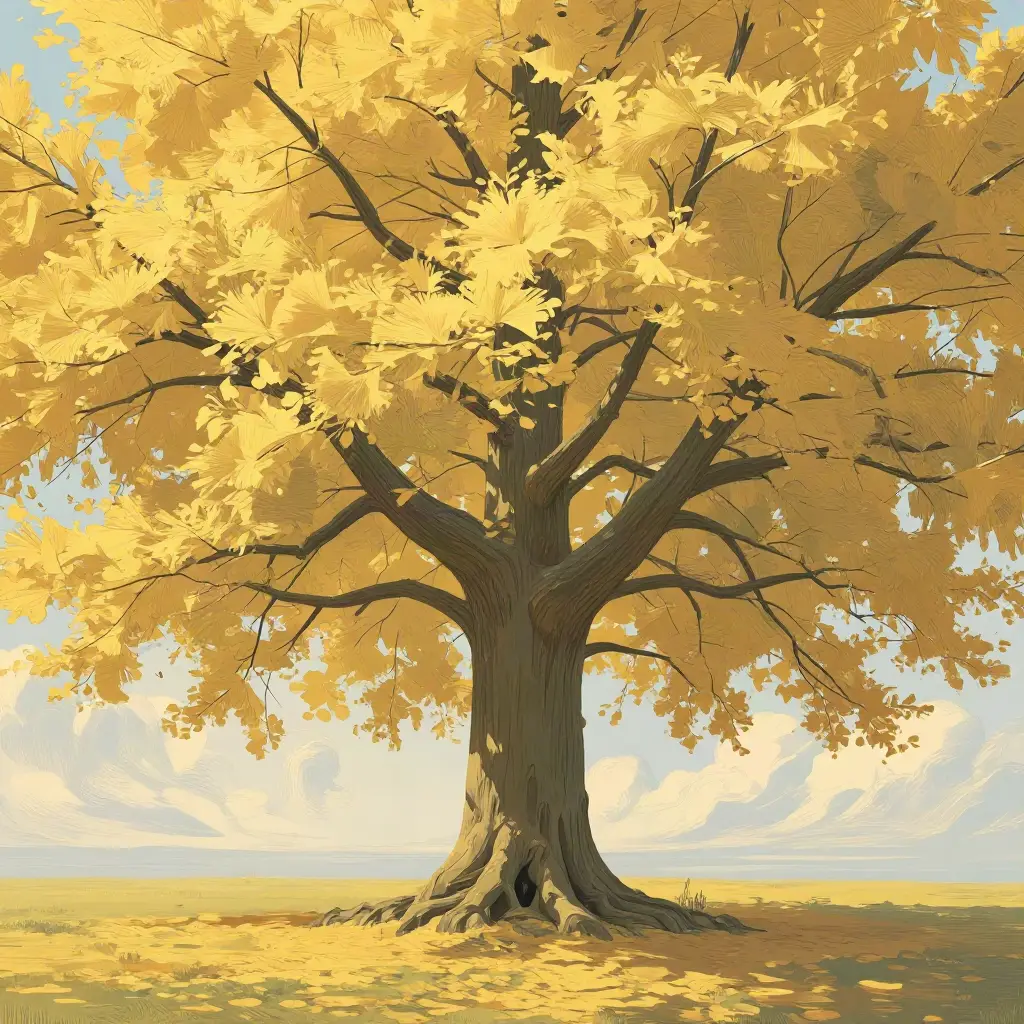 The Ginkgo Tree: A Living FossilThe ginkgo, the last survivor of an ancient group of trees, which has stayed almost unchanged since the age of the dinosaurs.
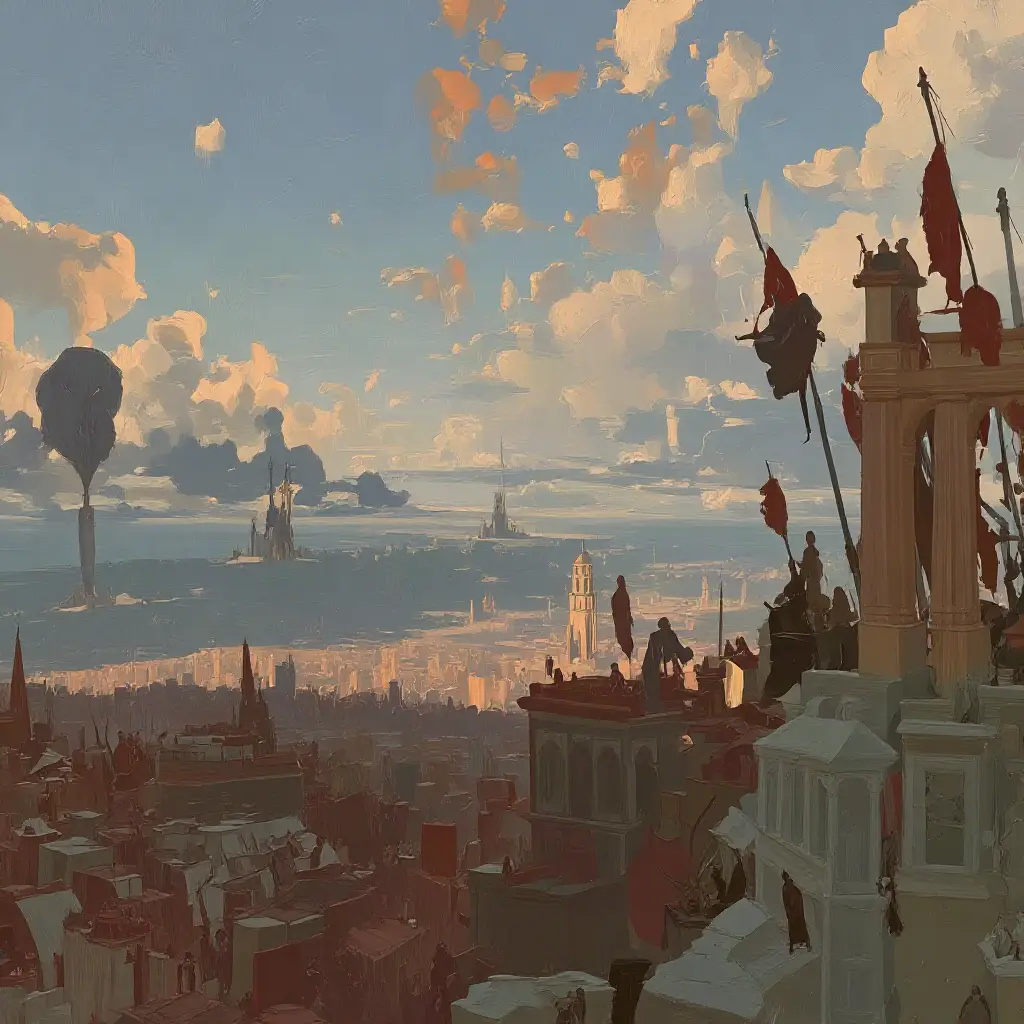 The Holy Roman EmpireThe story of the thousand-year Holy Roman Empire, from Charlemagne’s coronation in 800 to its dissolution in 1806.
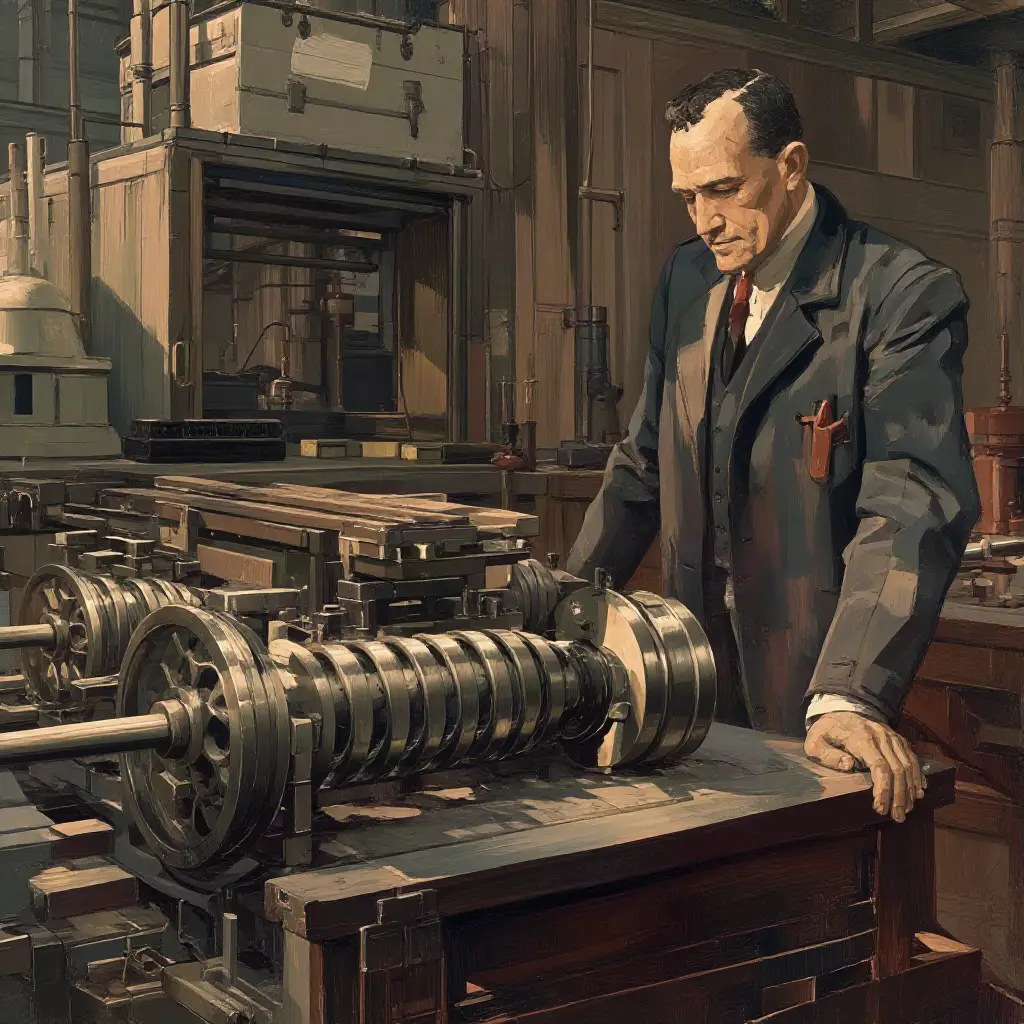 Thomas Midgley: The Man Who Poisoned the Planet TwiceMidgley added lead to petrol in 1921 and invented CFCs in 1928, and both chemicals went on to poison the planet.
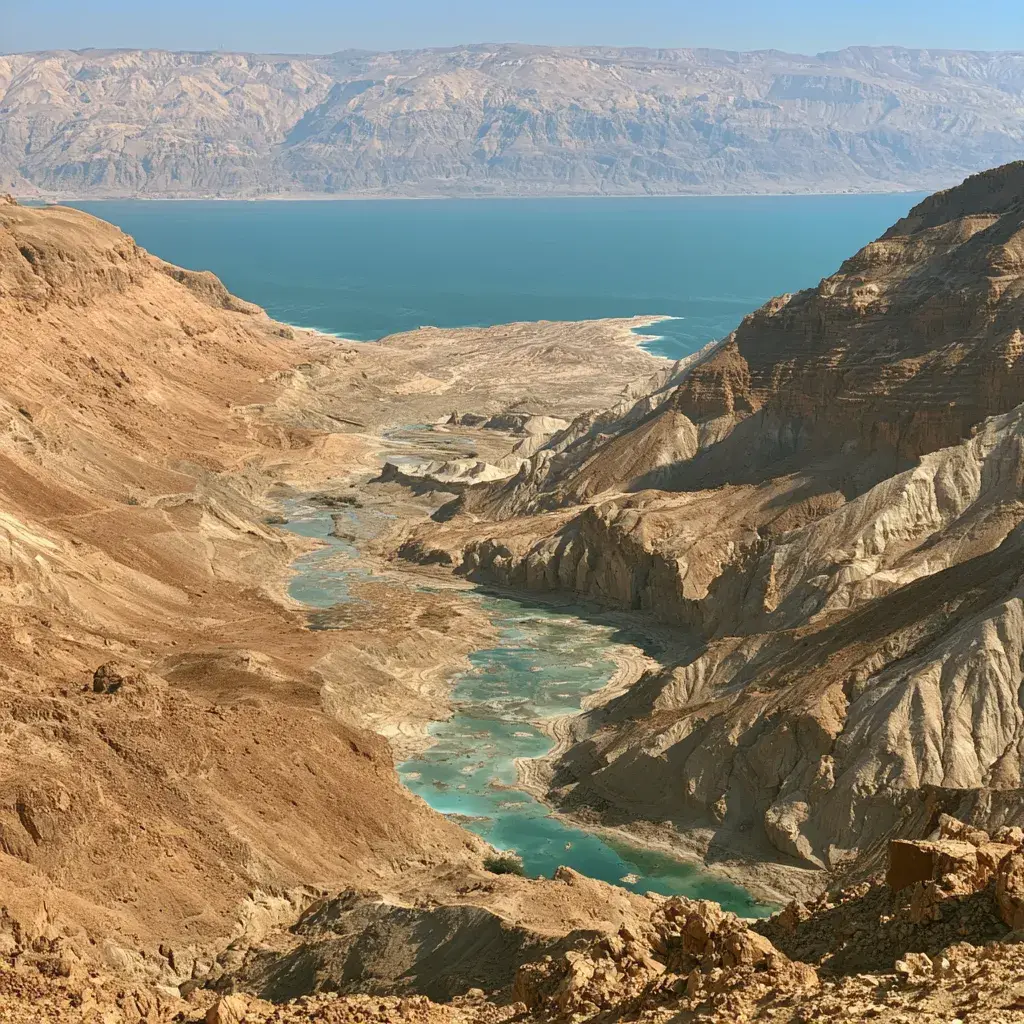 Why the Dead Sea Is ShrinkingWhy the Dead Sea is falling by over a metre a year: the water taken from the Jordan River, the mineral industry, and what scientists expect to happen next.
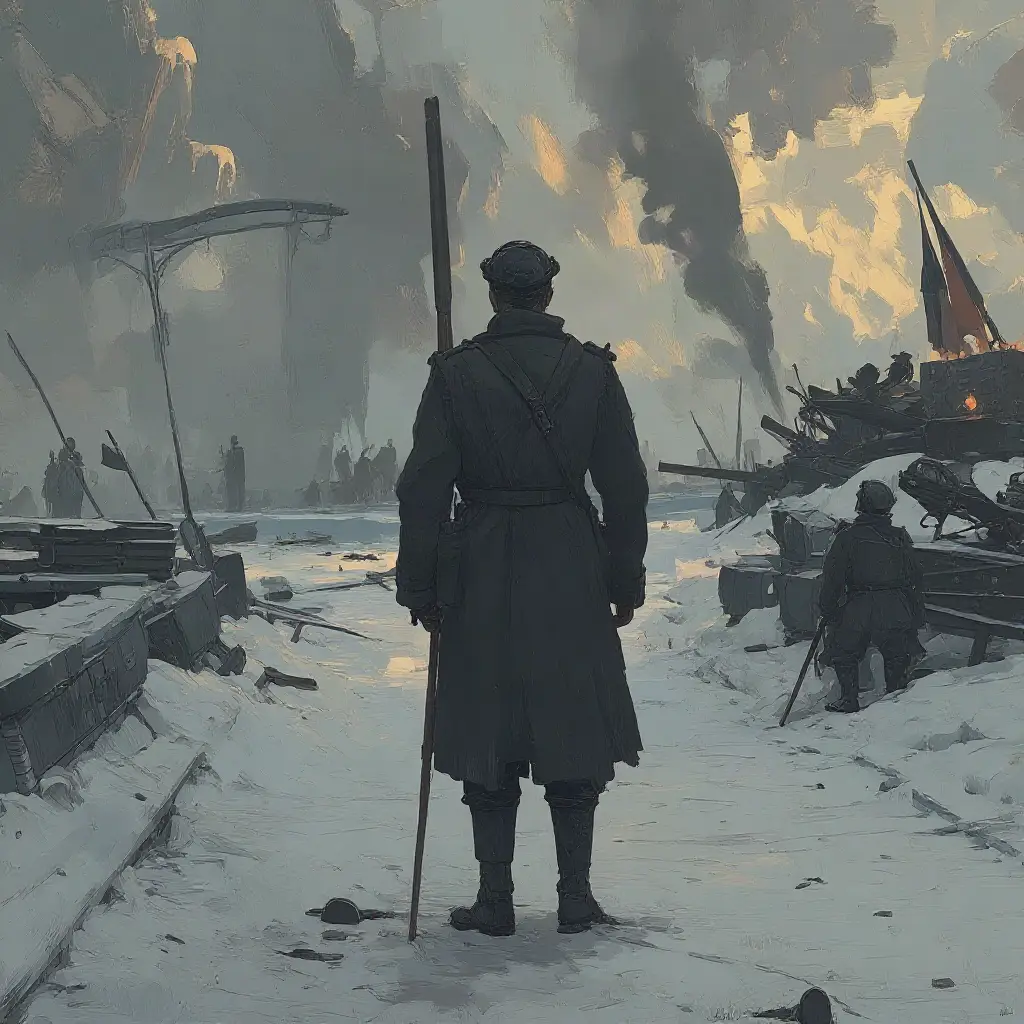 The Winter WarIn 1939, the Soviet Union invaded Finland, expecting a quick victory, but met fierce resistance that gave the world the 'Molotov cocktail'.
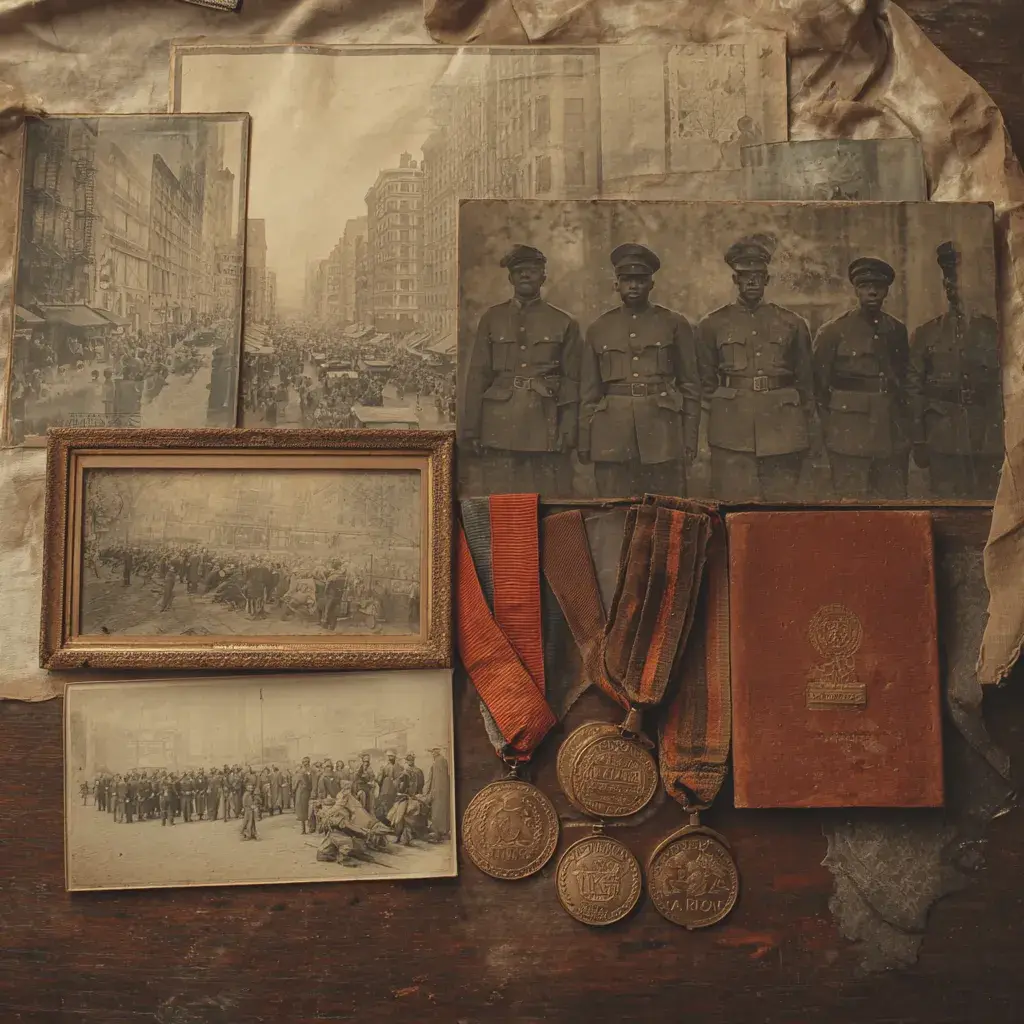 The Harlem HellfightersThe Harlem Hellfighters, the all-Black 369th Infantry Regiment that spent 191 days at the front in the First World War and brought jazz to France.
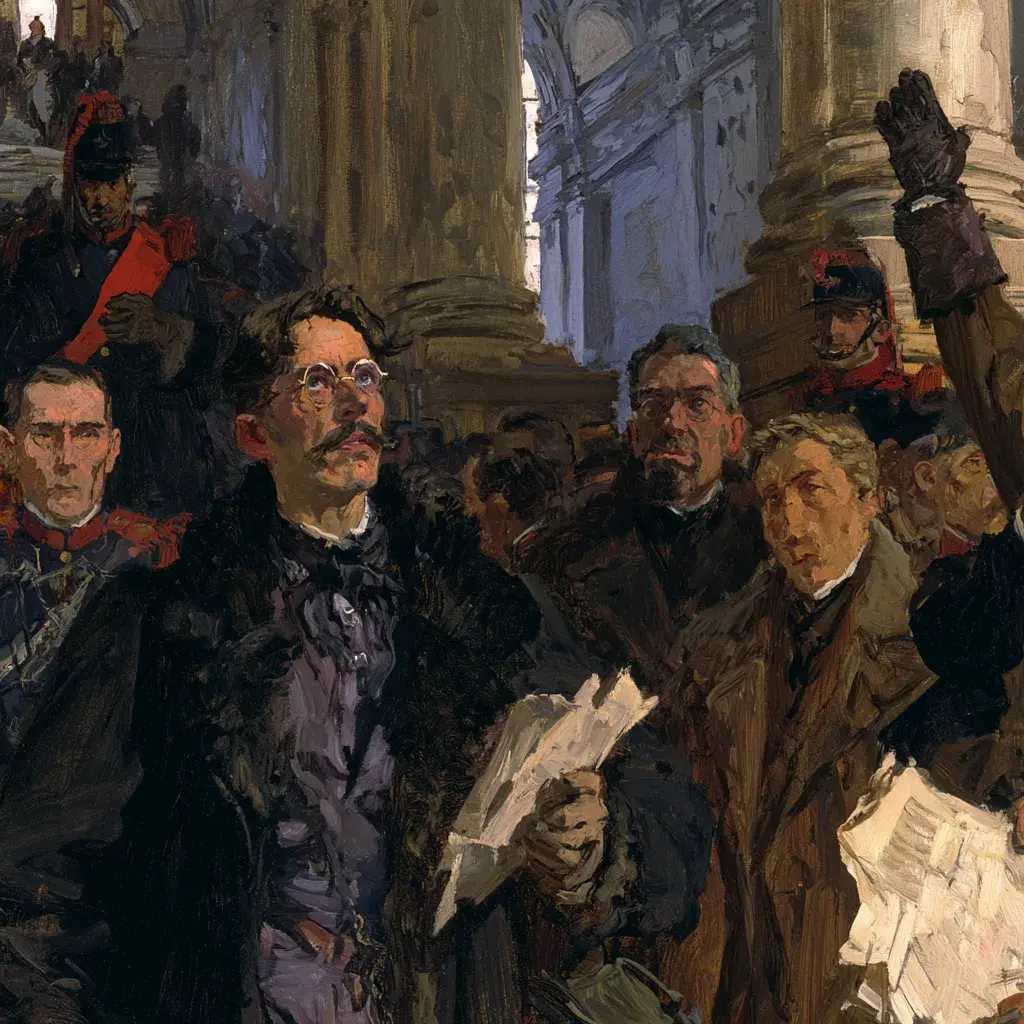 The Dreyfus AffairA torn memo in a Paris wastebasket sent an innocent French officer to Devil's Island, exposing a nation's deep-seated antisemitism.
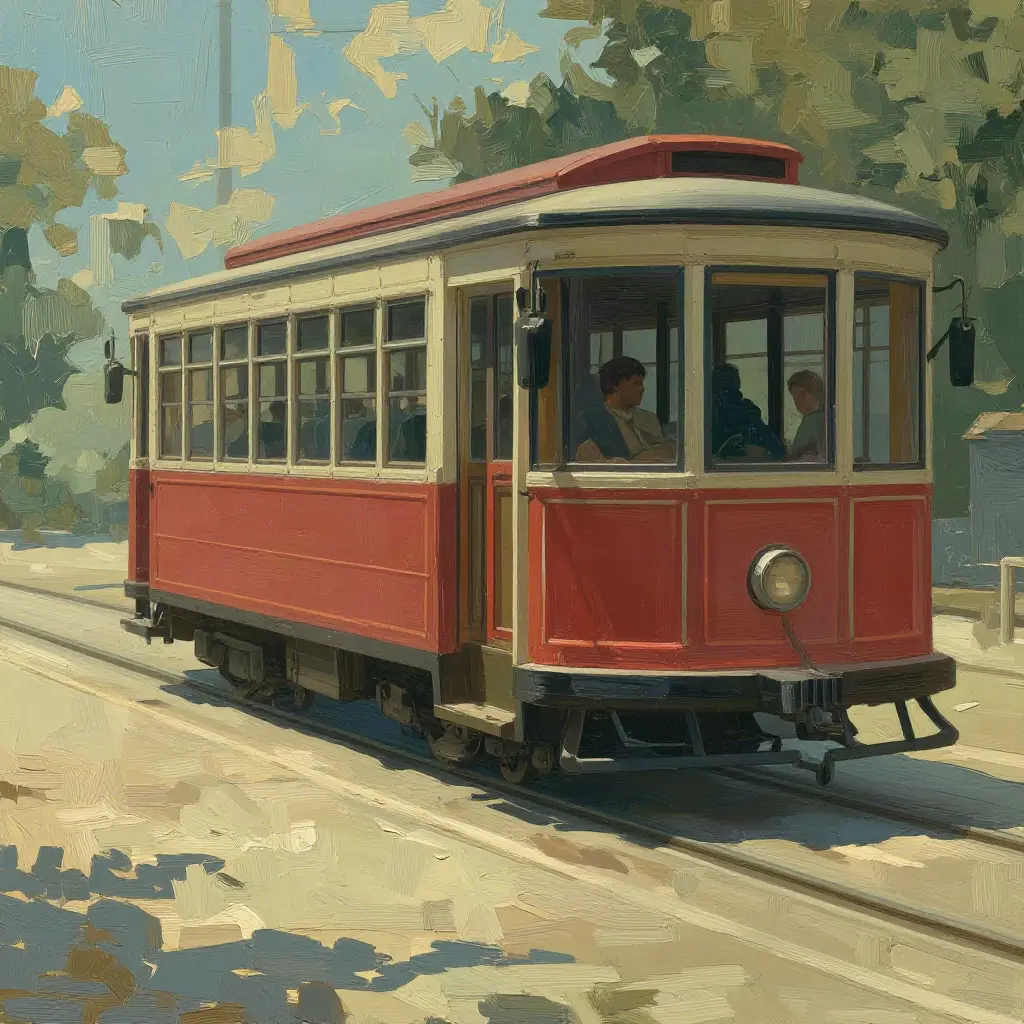 The Trolley ProblemThe famous trolley problem explained, from its 1967 origins to why most people refuse to push a man to save five lives.
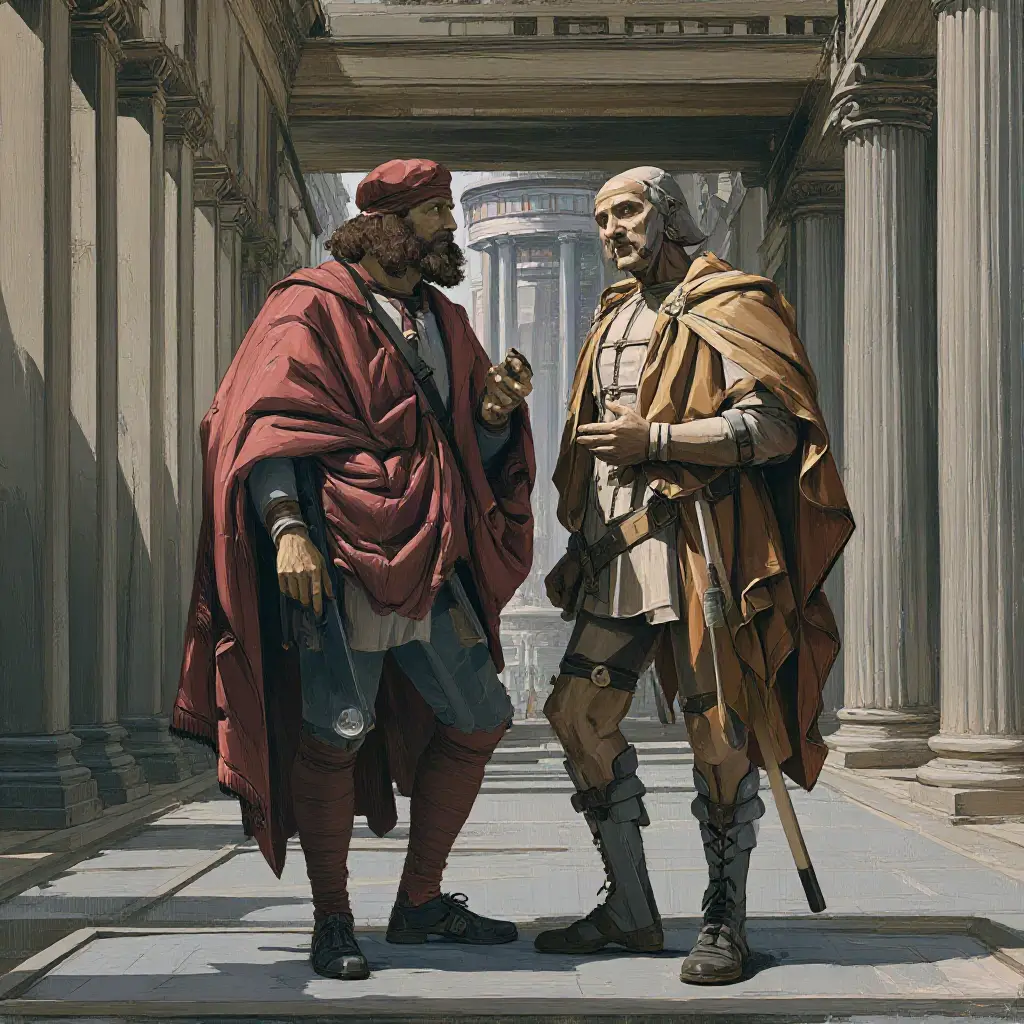 Machiavelli and The PrinceDismissed in 1512 and tortured in 1513, Machiavelli wrote The Prince to reveal how power is truly won and kept.
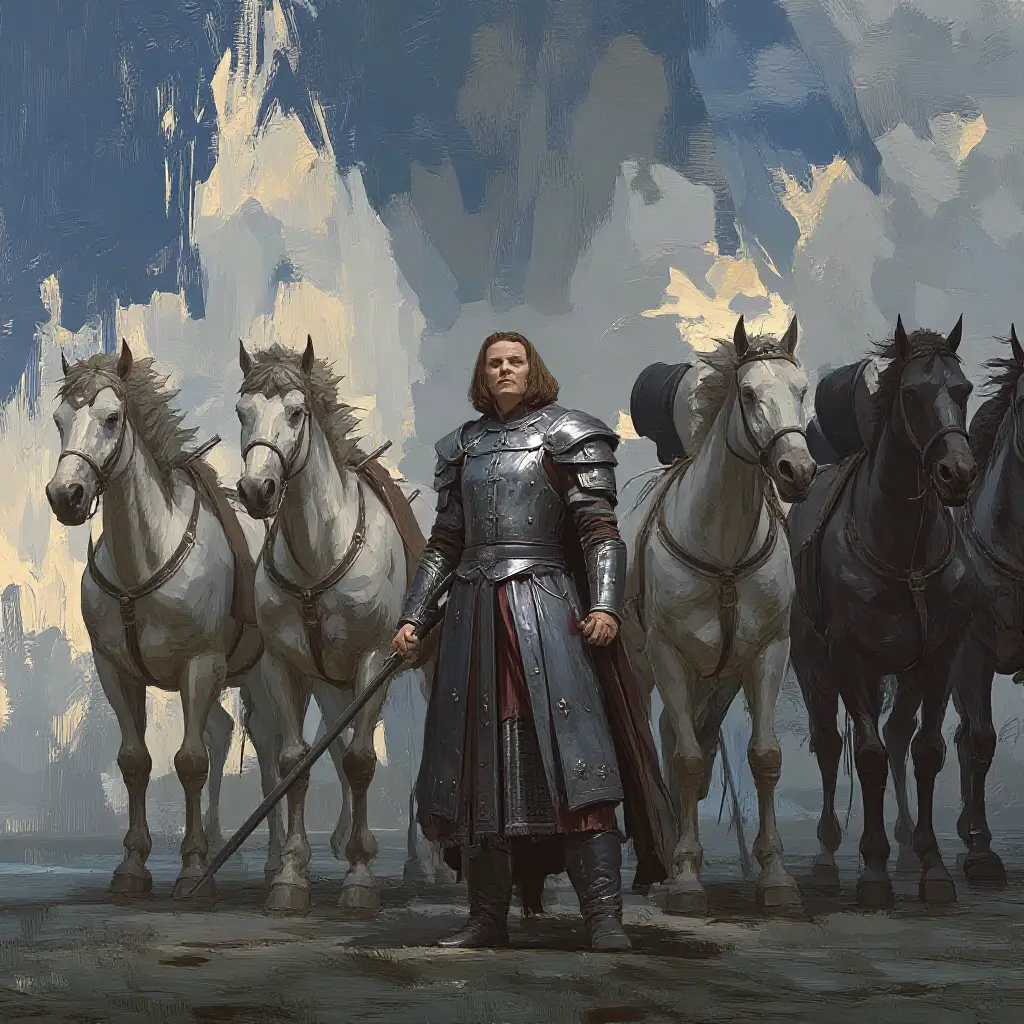 The Valkyries, Choosers of the SlainThe story of the warrior maidens of Norse myth who decided who lived and died in battle, escorting fallen heroes to Valhalla.
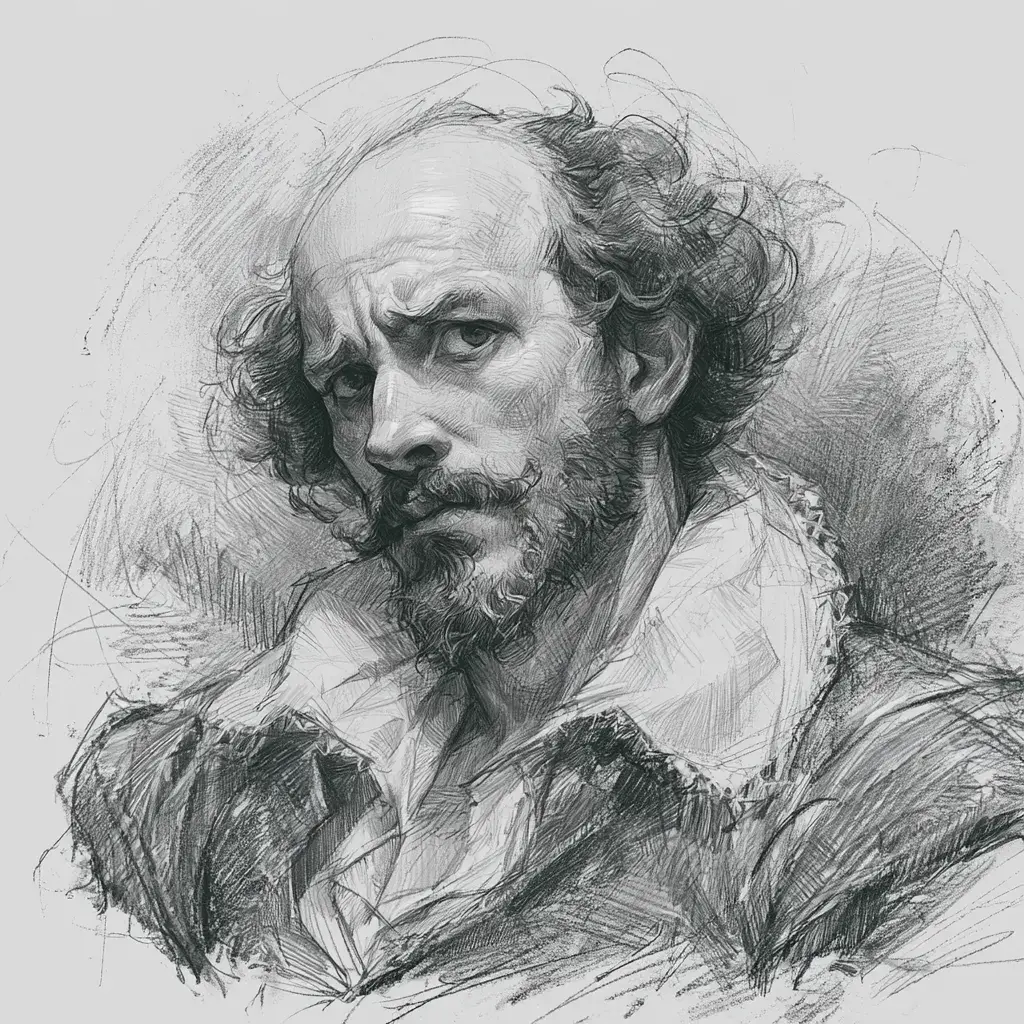 William ShakespeareThe life of William Shakespeare, from Stratford glover's son to London playwright, the Globe and Hamlet, and the 1623 First Folio that preserved 18 of his plays.
 Patient H.M.: The Man Who Couldn't Make MemoriesAfter 1953 surgery, Henry Molaison could form no new long-term memories of events, and his brain was later cut into 2,401 slices.
 Rabbi Shlomo ben YitzchakThe story of Rashi, the 11th-century French rabbi whose commentaries on the Bible and Talmud are still studied today.
 The Life and Death of Edgar Allan PoeThe story of the master of the macabre, from his tragic life to his mysterious death in Baltimore in 1849.
 The Bone Wars: Cope vs MarshTwo friends turned rivals raced to dig up America's dinosaurs with bribes, spies and smashed bones.
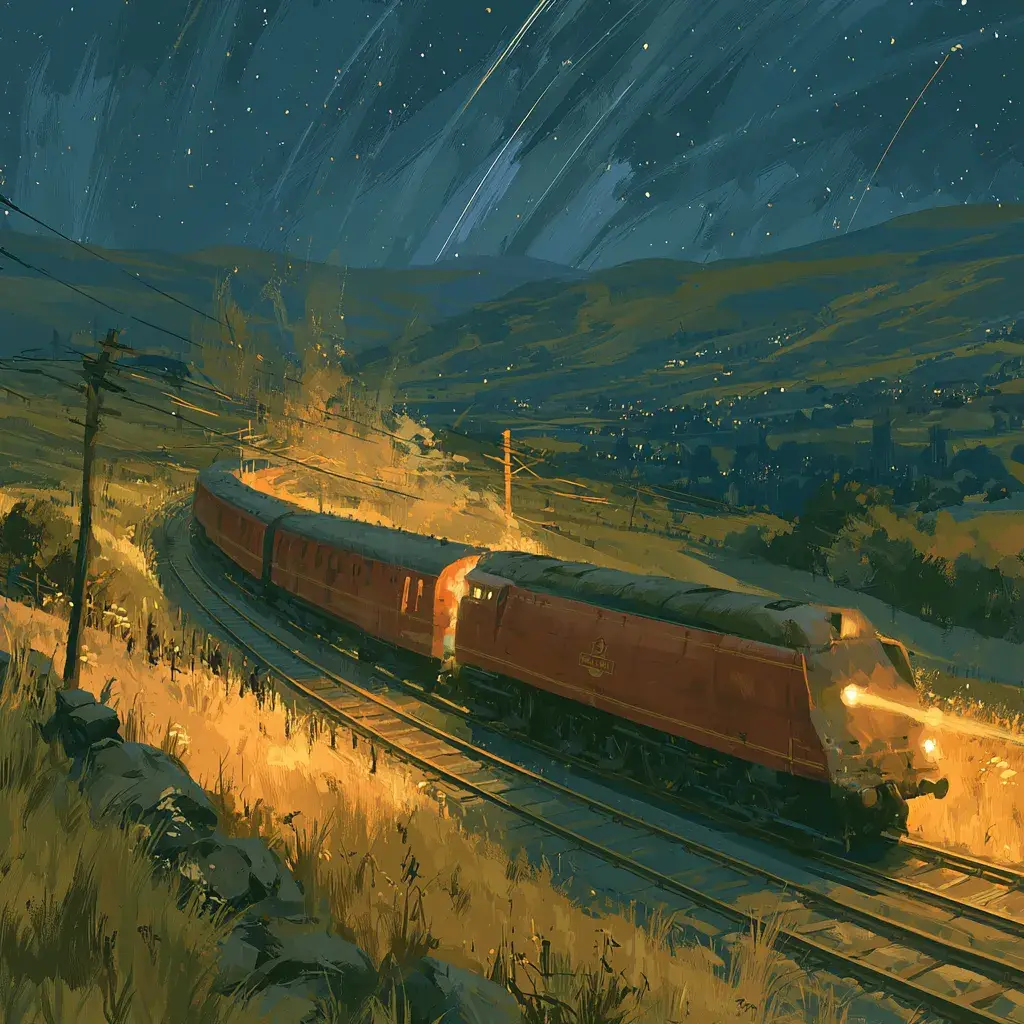 The Great Train RobberyThe 1963 robbery of a Glasgow-to-London Royal Mail train in Buckinghamshire, when a gang stole £2.6 million, and the investigation, trial and escape of Ronnie Biggs that followed.
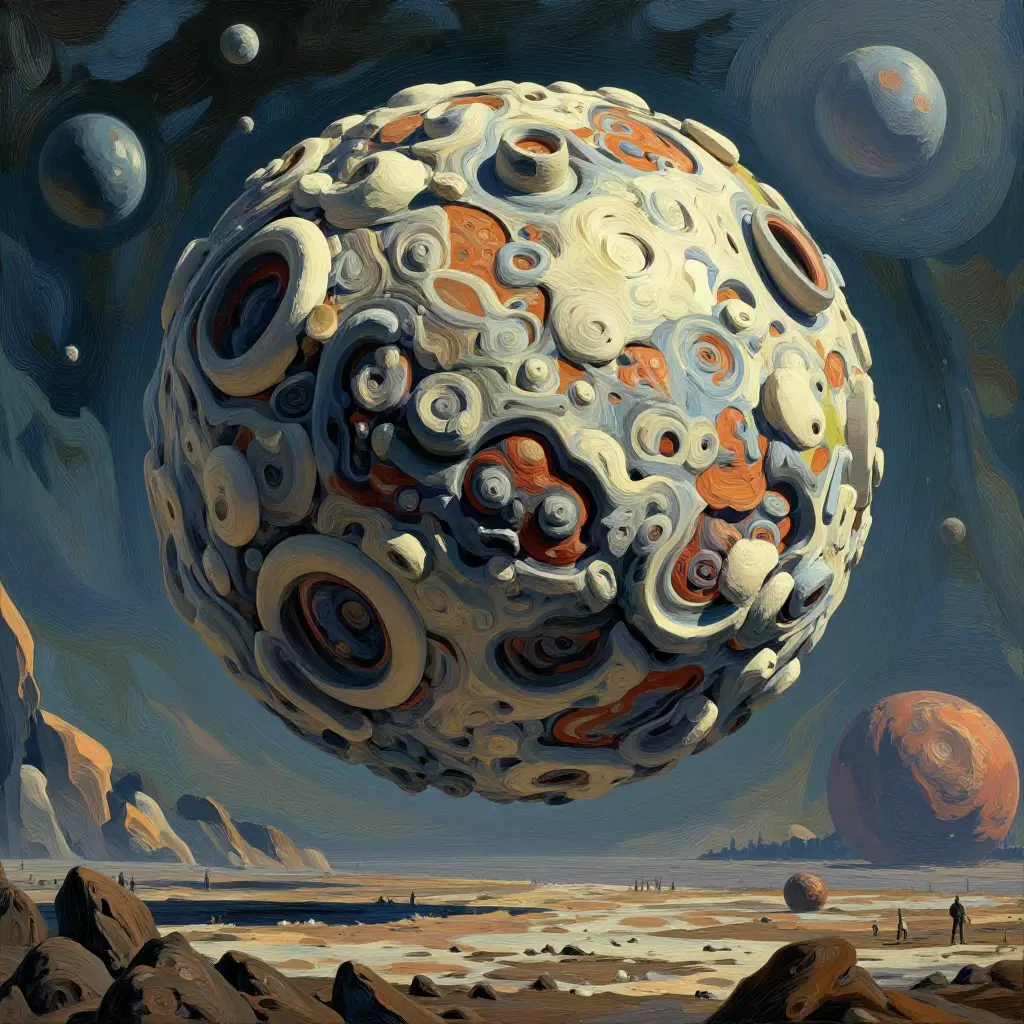 The Asteroid That Killed the DinosaursA thin clay layer identified in 1980 explains why the dinosaurs died out 66 million years ago: a city-sized asteroid impact.
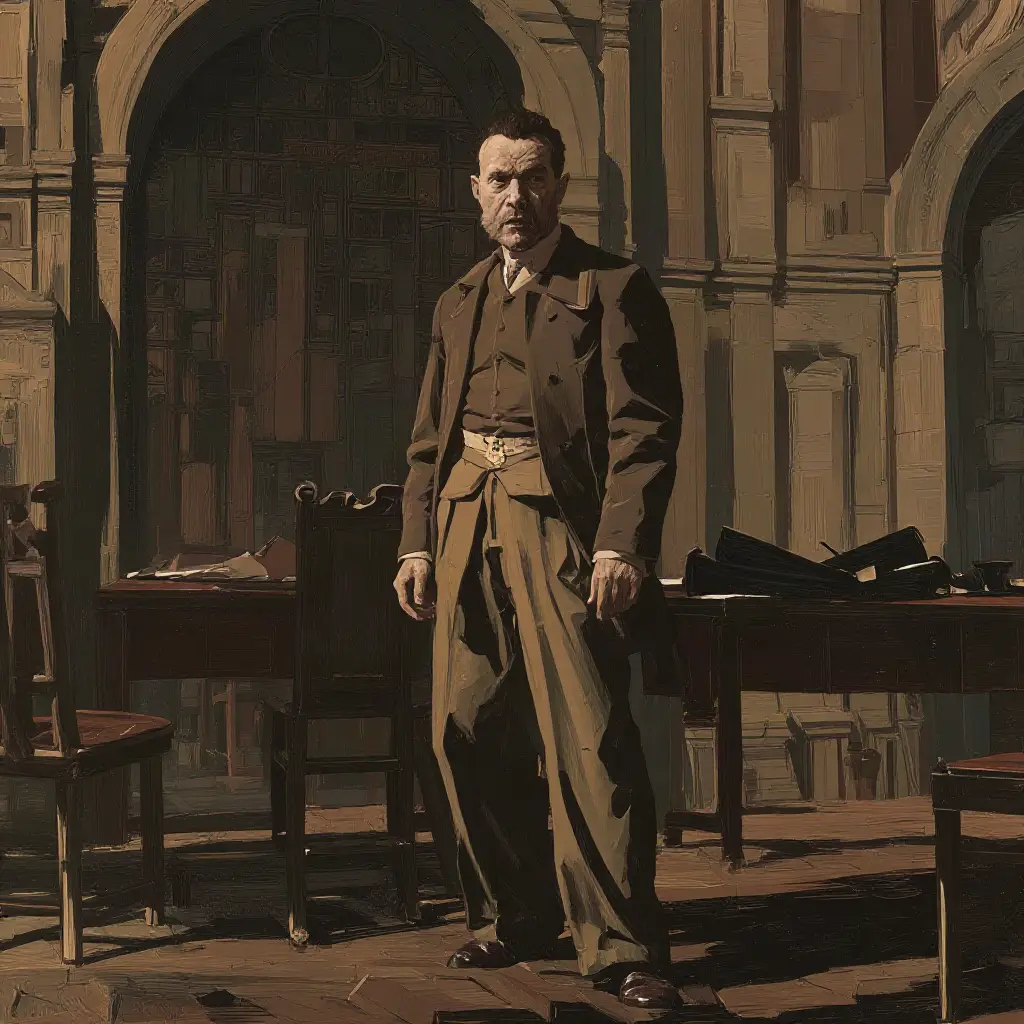 Le Prince: The Inventor of Film Who VanishedLe Prince filmed a Leeds garden in 1888, then vanished from a Paris-bound train on September 16, 1890.
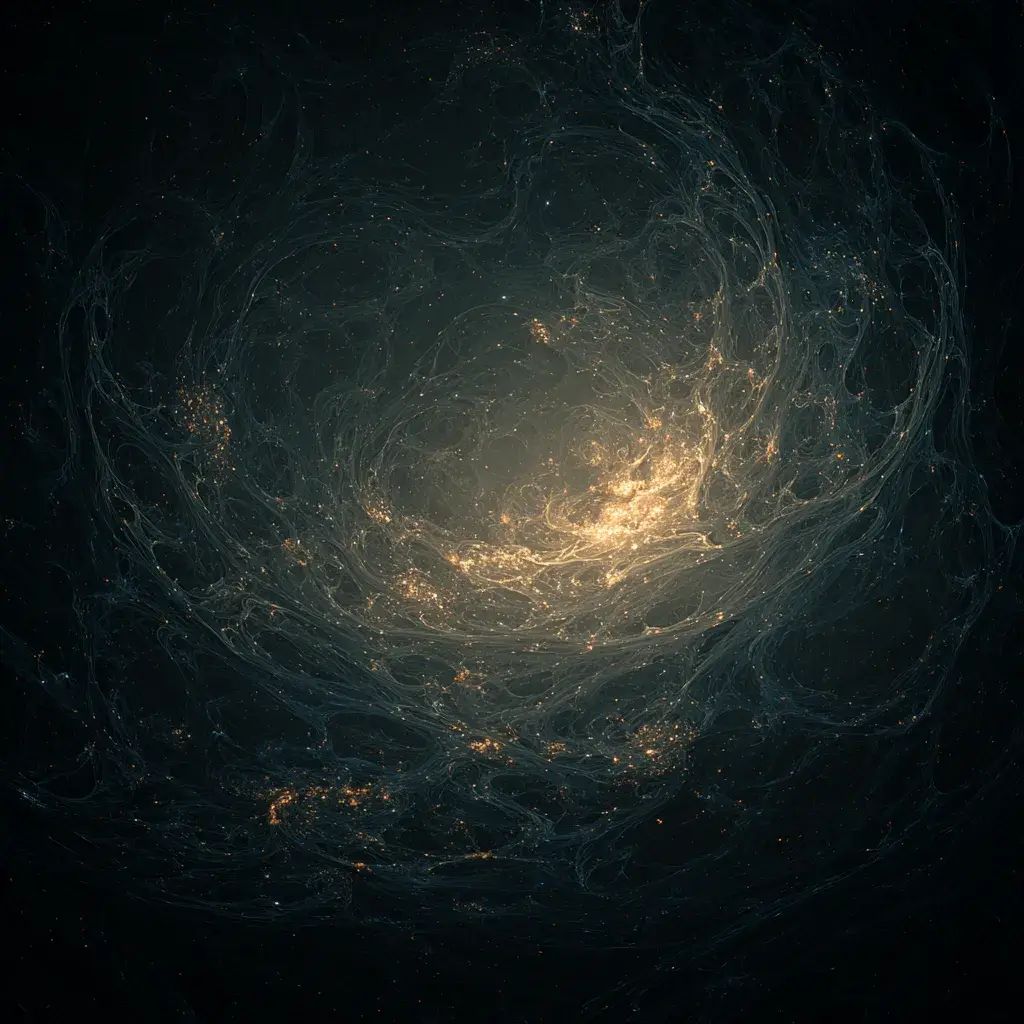 The Big Bang TheoryHow scientists worked out that the universe began in a hot, dense state, from Hubble's expanding galaxies to the cosmic microwave background and the COBE satellite's 1992 map.
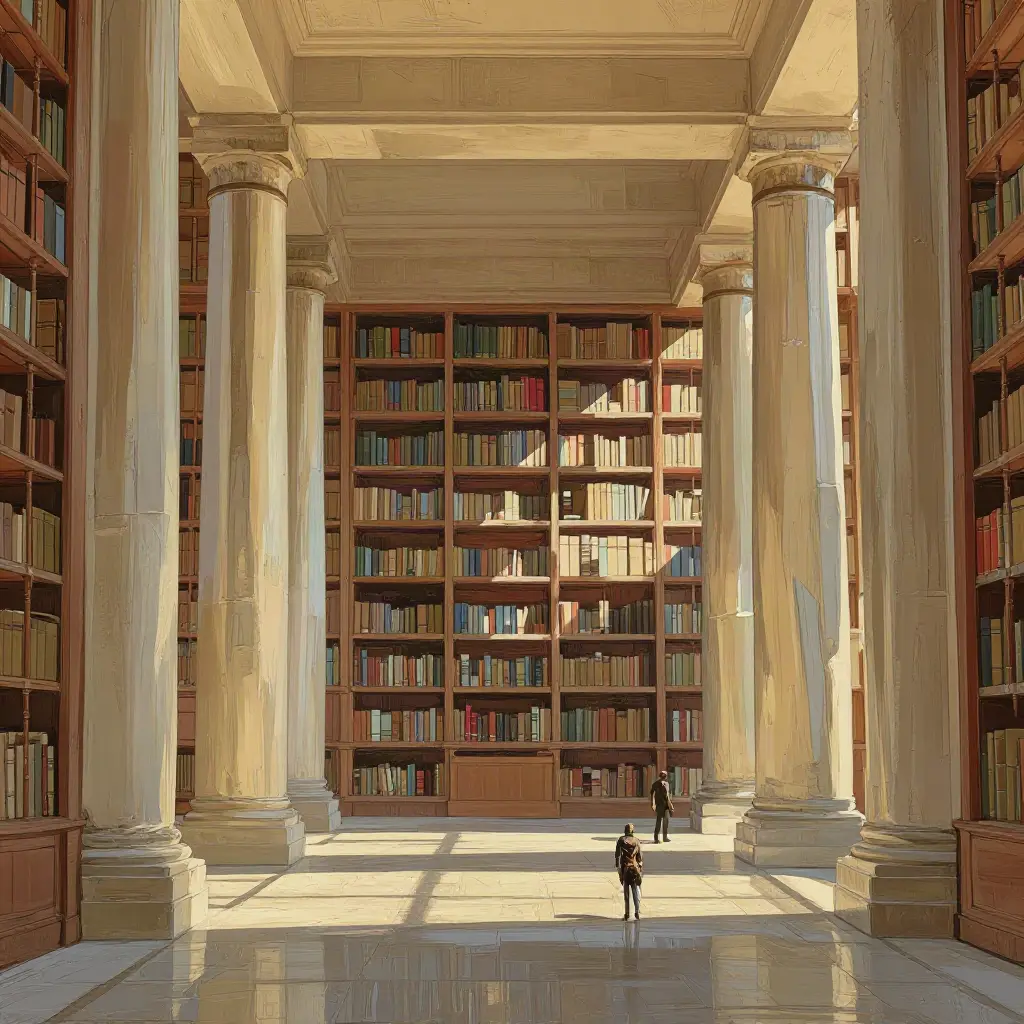 The Library of AlexandriaDiscover how the Library of Alexandria gathered its massive collection, who worked there, and the events that led to its destruction.
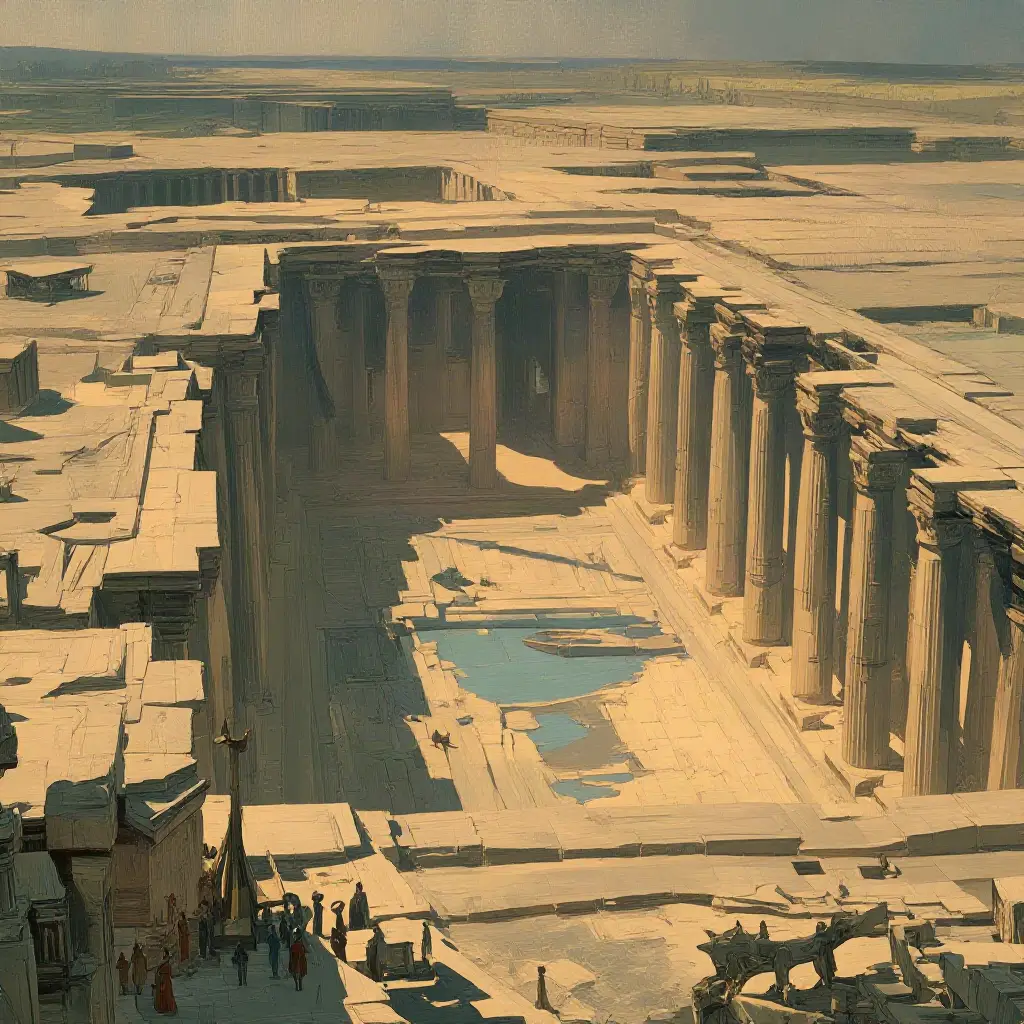 The Discovery of Ur's Death PitWoolley's team found Queen Puabi's tomb in 1927, then a pit of 74 retainers whose deaths were finally reexamined with CT scans in 2007.
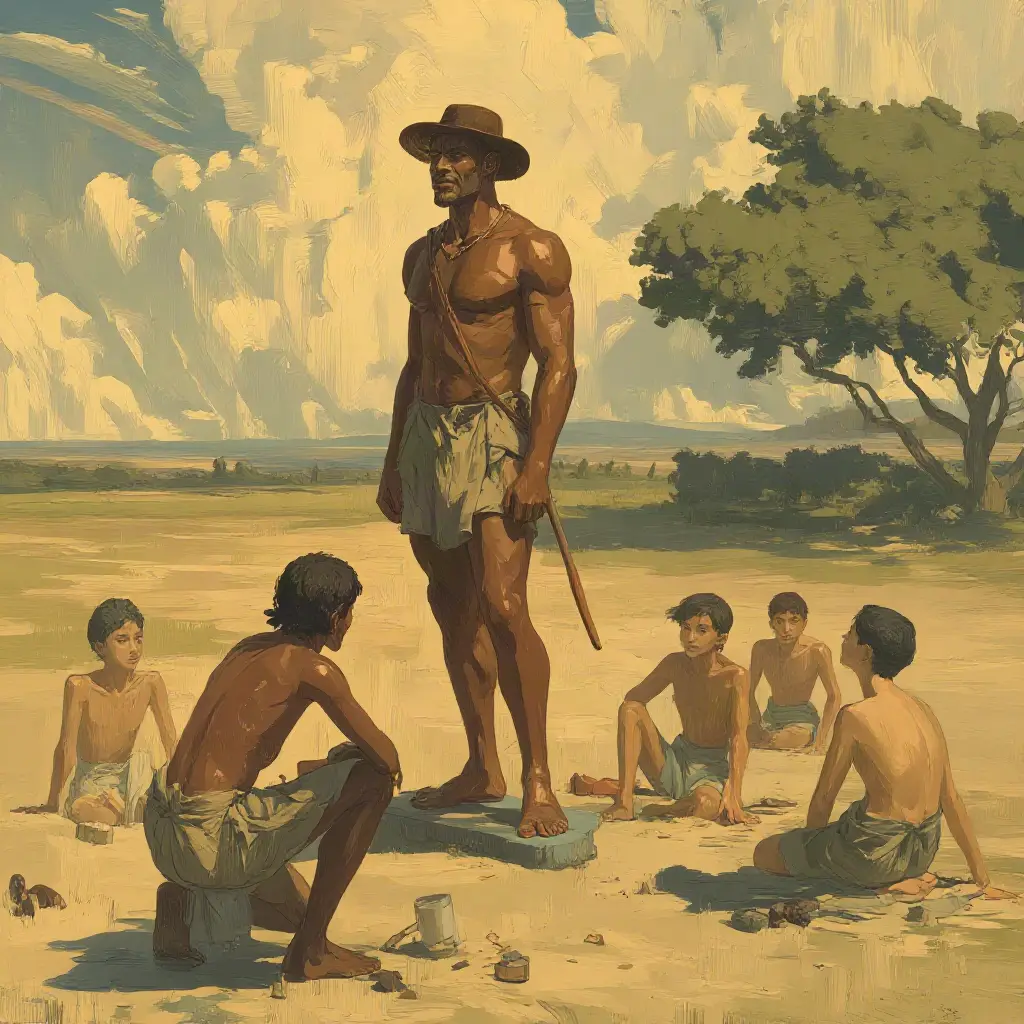 The Real Lord of the Flies: Six Boys on 'AtaSix Tongan boys stranded on ʻAta for 15 months kept a work rota, a time-out rule and a fire burning the whole time.
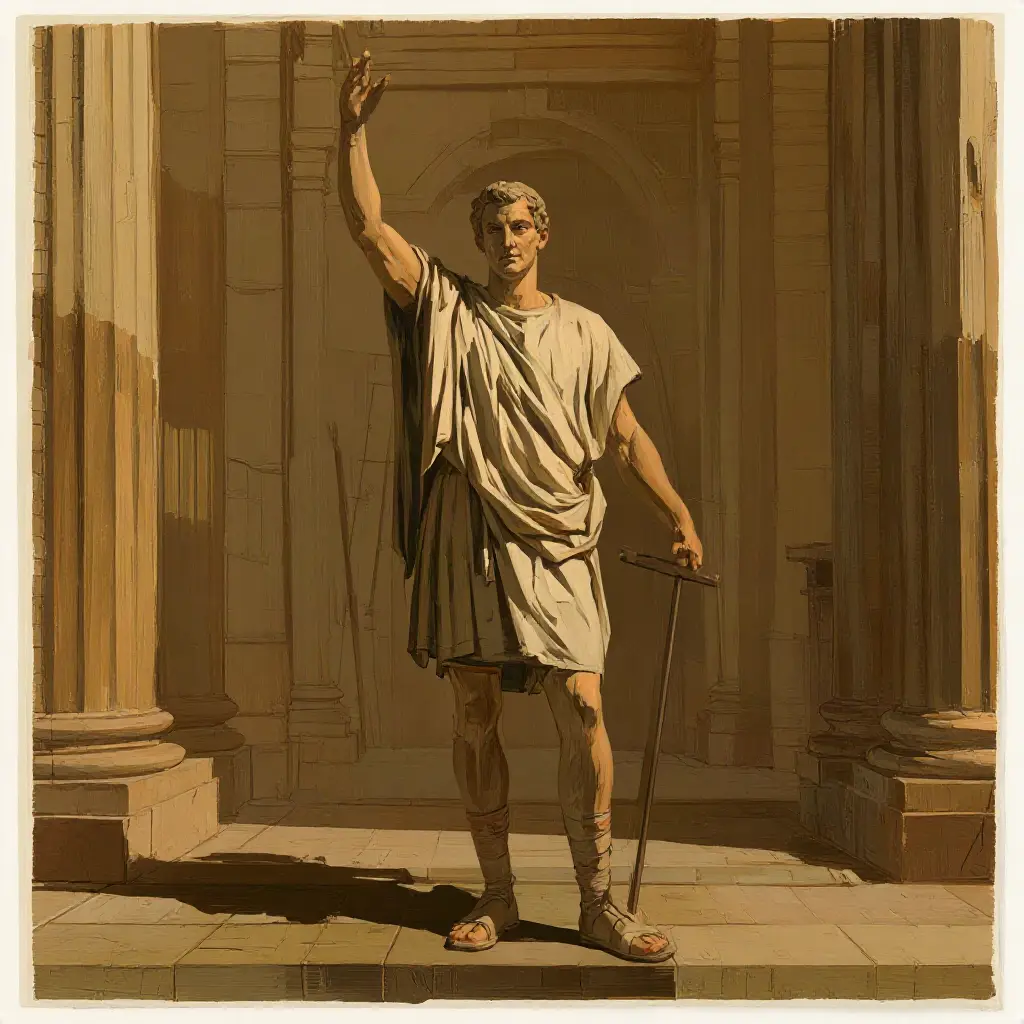 The Rise of AugustusHow a sickly teenager outmaneuvered his rivals, ended a century of civil war, and became Rome's first emperor.
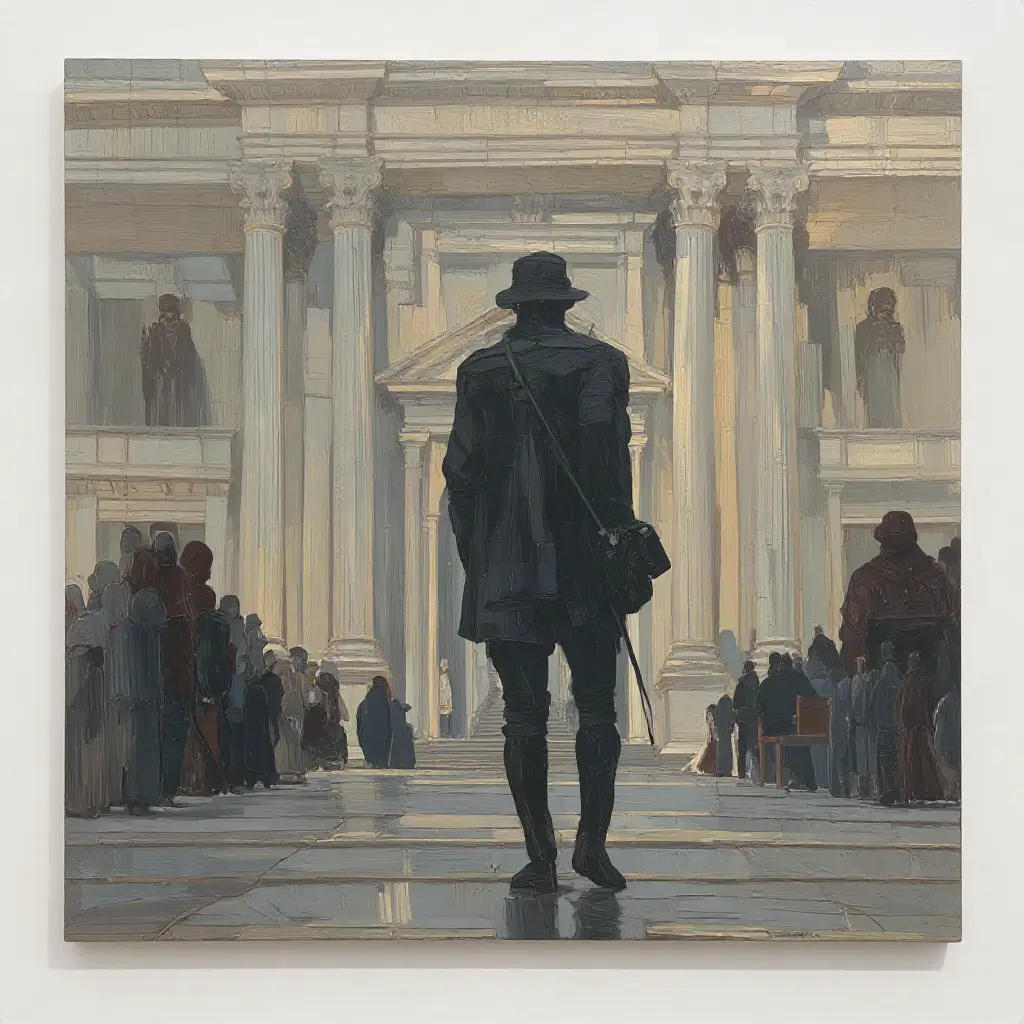 The Gardner Museum HeistTwo men dressed as police stole 13 works worth over $500 million from a Boston museum in 81 minutes, and none has come back.
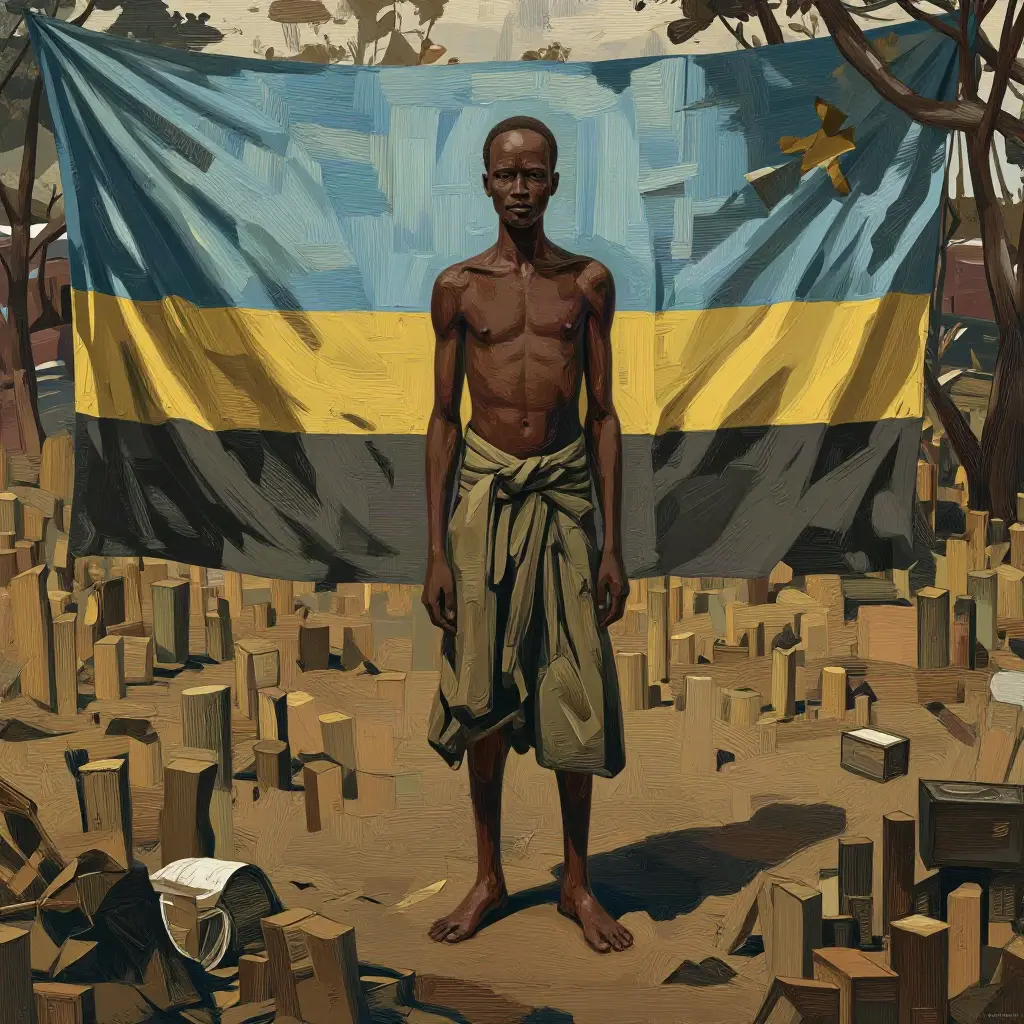 The Rwandan GenocideIn 1994, an estimated 800,000 people were murdered in 100 days while the international community failed to intervene.
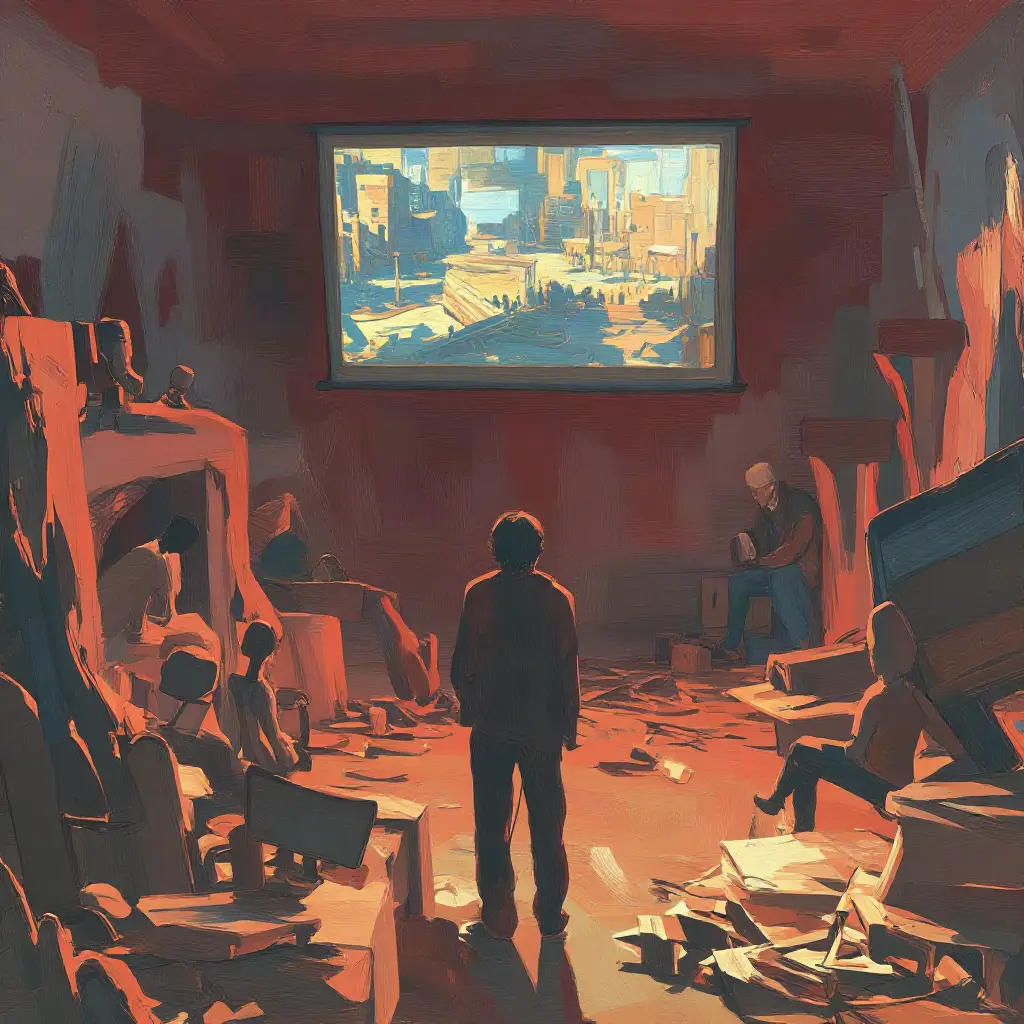 The History of Video GamesFrom a university lab in 1962 to a market crash in 1983, this is the story of how video games began, and how Nintendo revived them.
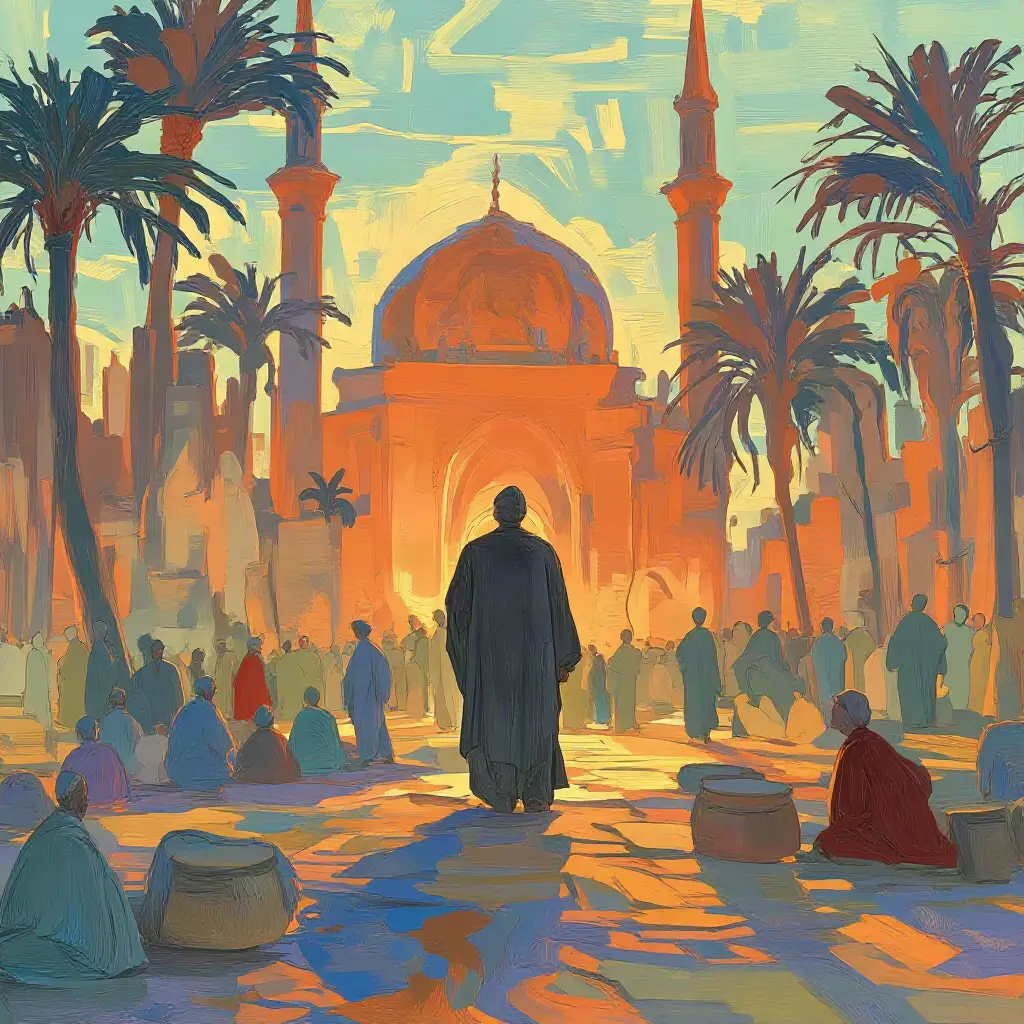 The Origins of RamadanThe story of Ramadan, the Islamic holy month commemorating the first revelation of the Quran to the Prophet Muhammad in a cave outside Mecca.
 The BeatlesFrom 1960 to 1970, the Beatles revolutionized popular music, a journey that began in the clubs of Hamburg and ended on a London rooftop.
 The Unification of ItalyThe story of the Risorgimento, the decades-long struggle to transform Italy from a "mere geographical expression" into a united state.
 Umuganda: Rwanda's Day of ServiceRwanda's mandatory day of service for all citizens, a tradition once abused, now rebuilds the nation every month.
 Eratosthenes Measures the EarthAround 240 BC, a librarian in Alexandria measured the Earth's size using only a shadow, a well, and some clever geometry.
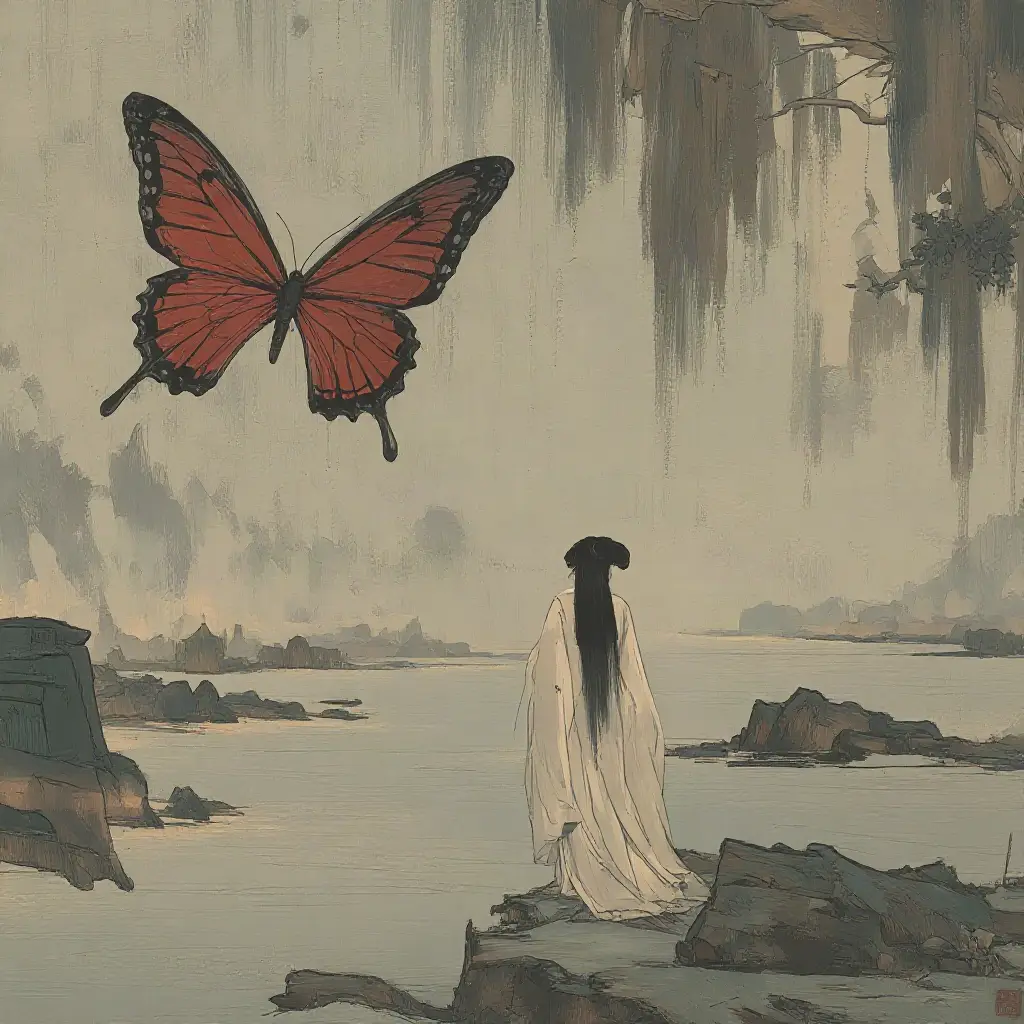 Zhuangzi's Butterfly DreamThe Daoist thinker Zhuangzi dreamed he was a butterfly, and on waking could not say which was the dreamer, questioning the nature of reality.
 The Asch Conformity Experiments — Seeing What Isn’t ThereIn 1951, an experiment on matching lines revealed that 75% of participants conformed to a group's wrong answer at least once.
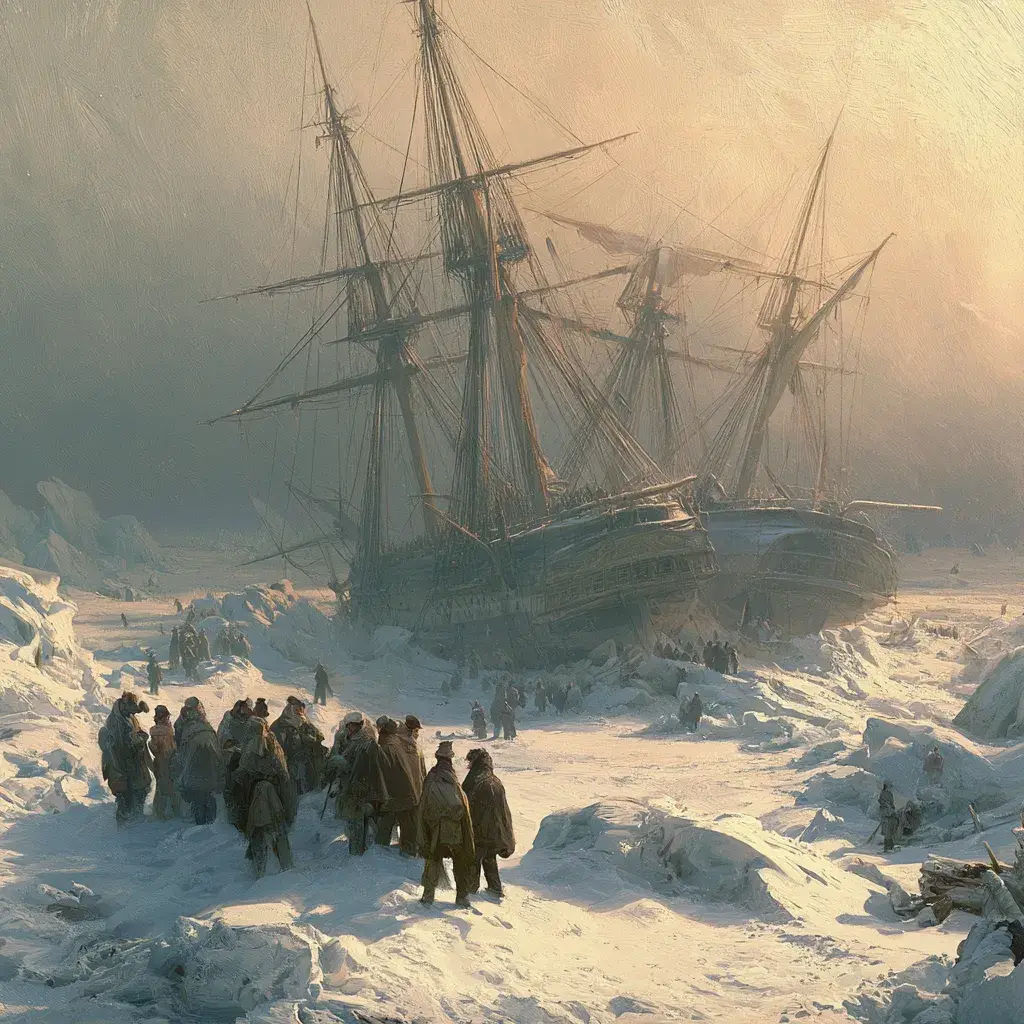 The Franklin ExpeditionSir John Franklin's 1845 Arctic expedition to find the Northwest Passage: how both ships and all 129 men were lost, what searchers and Inuit testimony revealed, and the wrecks found in 2014 and 2016.
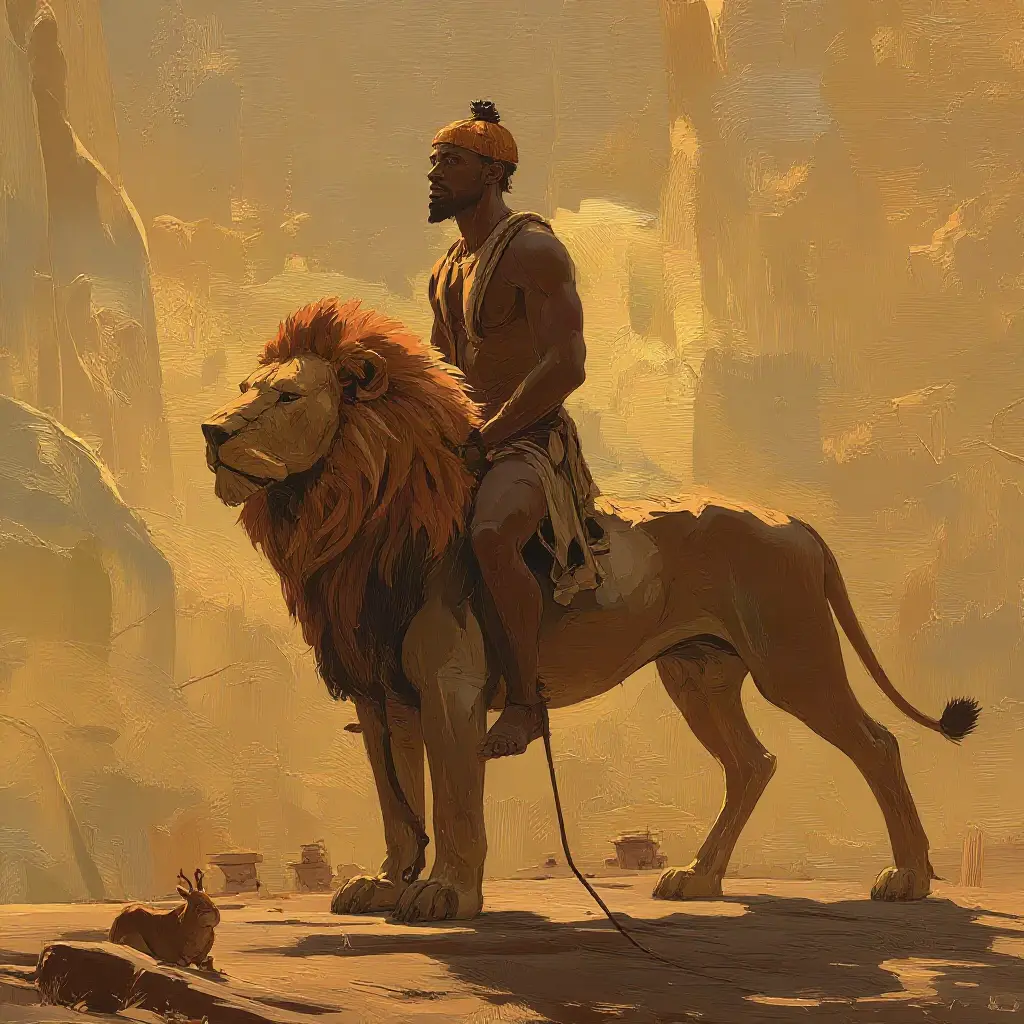 Sundiata: The Lion King of MaliA boy who could not walk until age seven became the founder of the Mali Empire, according to the Epic of Sundiata.
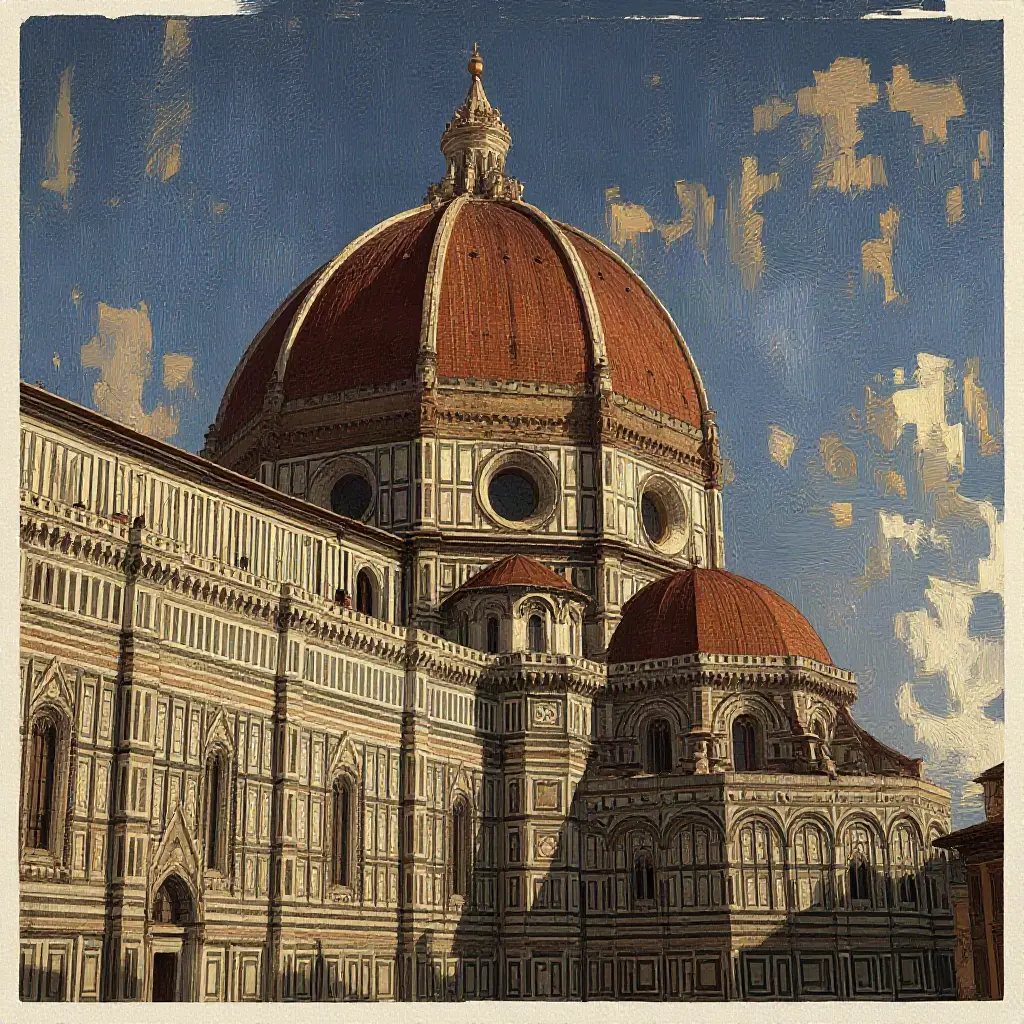 Brunelleschi's DomeHow Filippo Brunelleschi built Florence's iconic dome, a 43-metre-wide marvel, using a double shell and no ground-based scaffolding.
 Rudolf Hess Flies to ScotlandOn May 10, 1941, Hitler's deputy Rudolf Hess bailed out over Eaglesham, Scotland, after a solo flight of nearly 1,000 miles to seek peace.
 The Space RaceFrom Sputnik to the Moon, two superpowers raced into space. The journey included the first human orbit and ended with a handshake in space.
 The Double-Slit ExperimentThe quantum experiment where single particles pass through two slits at once, creating a wave pattern that vanishes when measured.
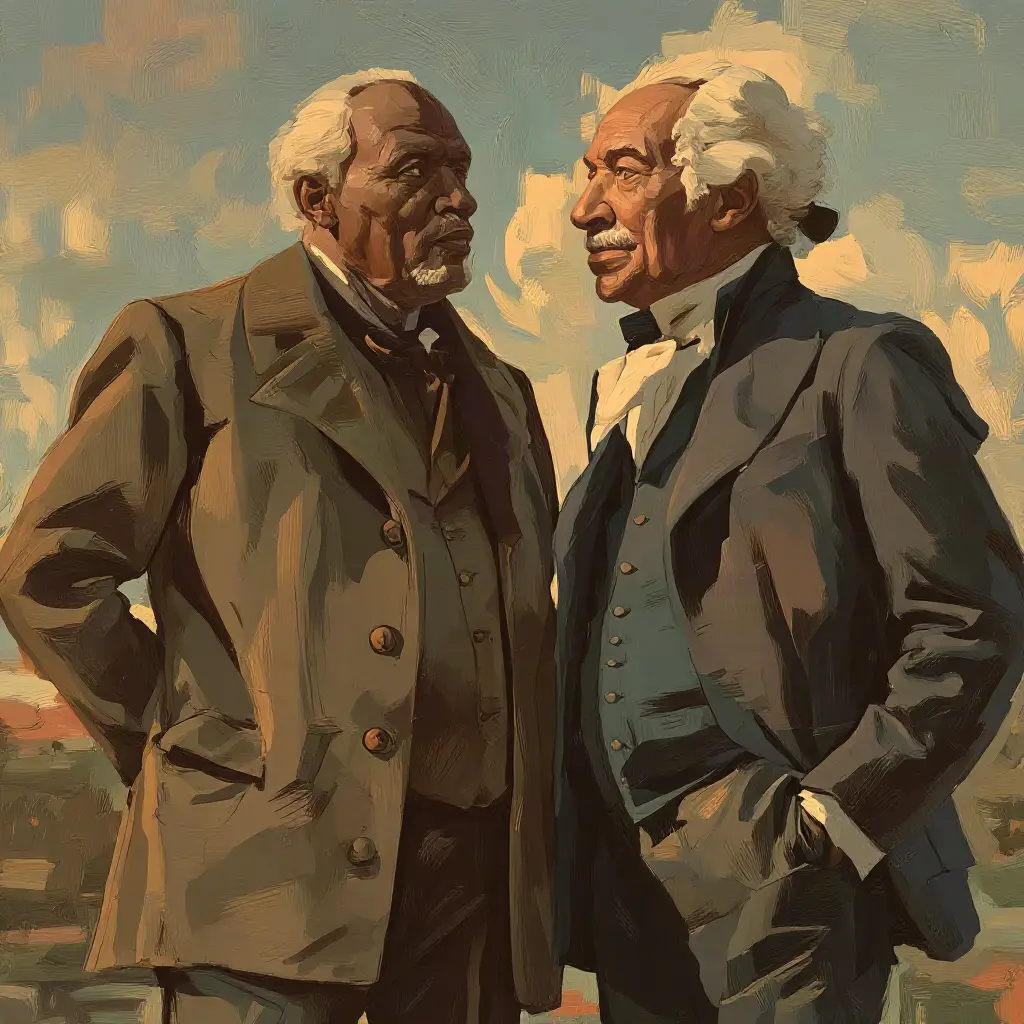 George Washington Carver and the PeanutHow a scientist born into slavery revolutionized Southern agriculture by promoting alternative crops like peanuts and sweet potatoes.
 Spinoza: God or NatureExcommunicated at 23 for "evil opinions," Baruch Spinoza lived as a lens grinder while arguing that God and nature are one.
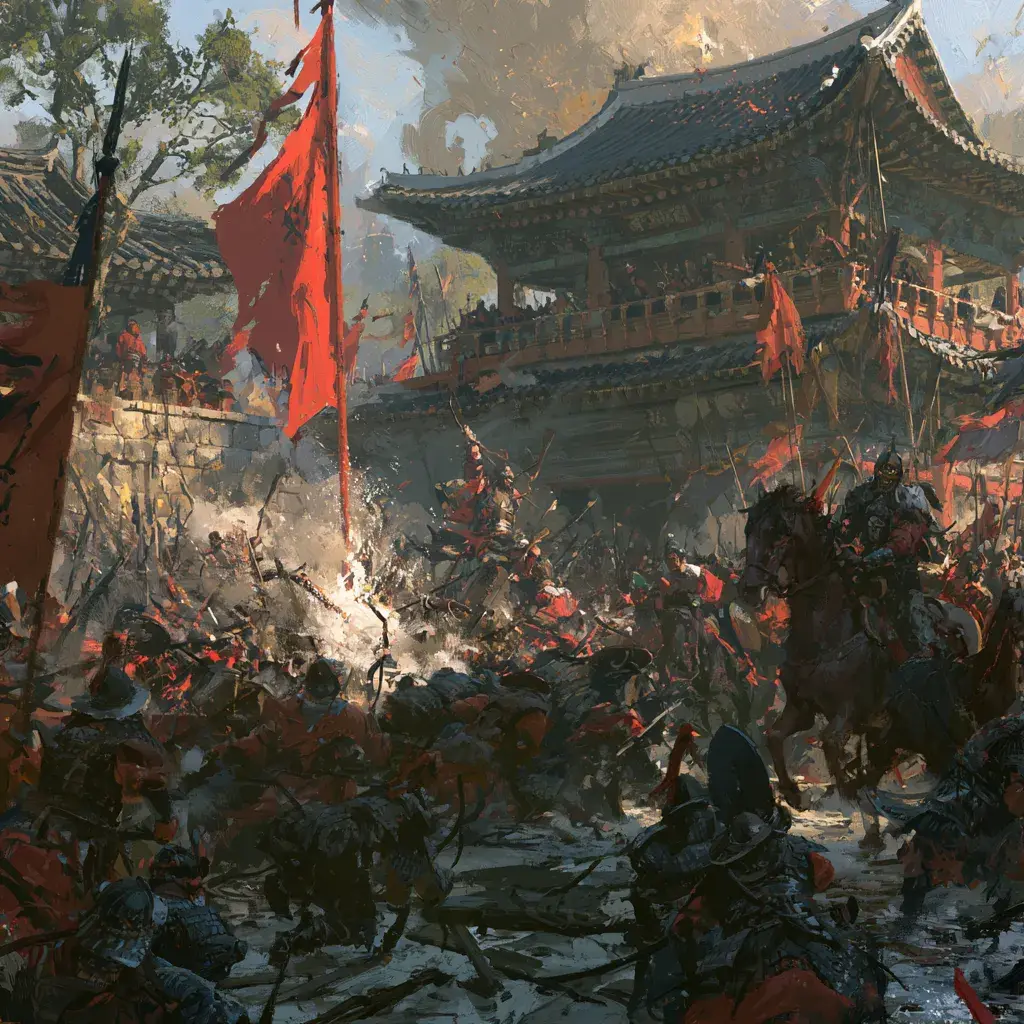 The Imjin WarIn 1592 Toyotomi Hideyoshi invaded Korea on the way to Ming China, starting a seven-year war decided by Admiral Yi Sun-sin's navy and Ming intervention.
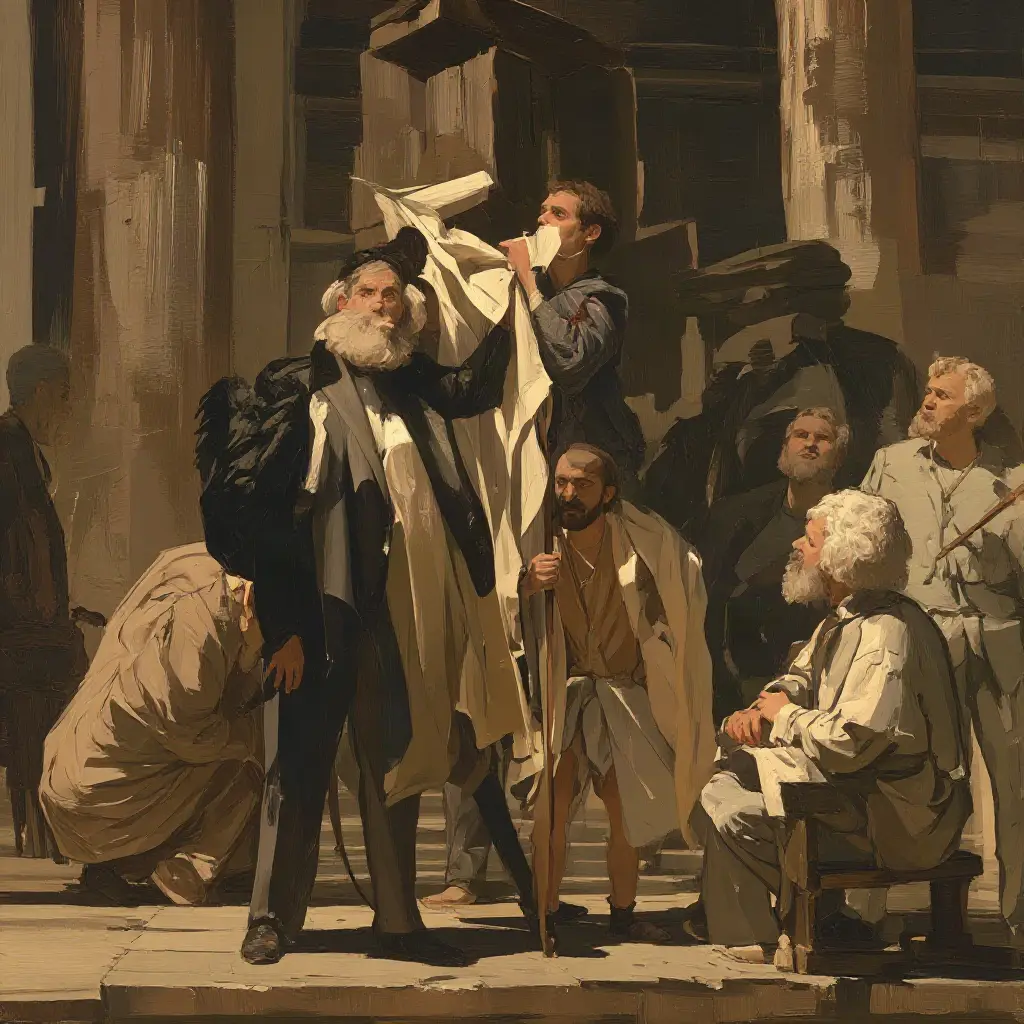 The Castrato Who Sang for KingsThe story of Farinelli, the 18th-century castrato singer whose voice was so powerful it was used to treat a king's depression.
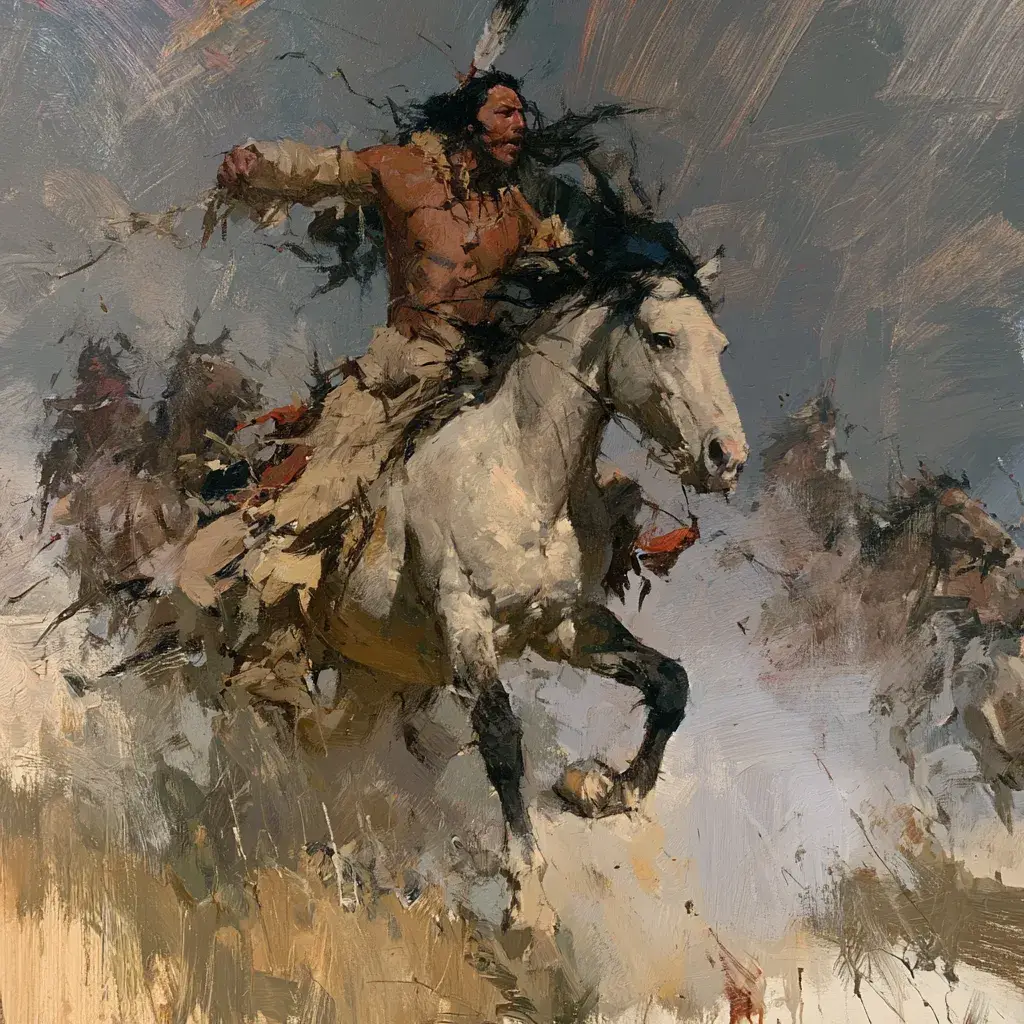 The Battle of Little BighornHow the US seizure of the Black Hills led to the 1876 Battle of the Little Bighorn, where Lakota, Cheyenne and Arapaho warriors defeated Custer's 7th Cavalry, and the land cession that followed.
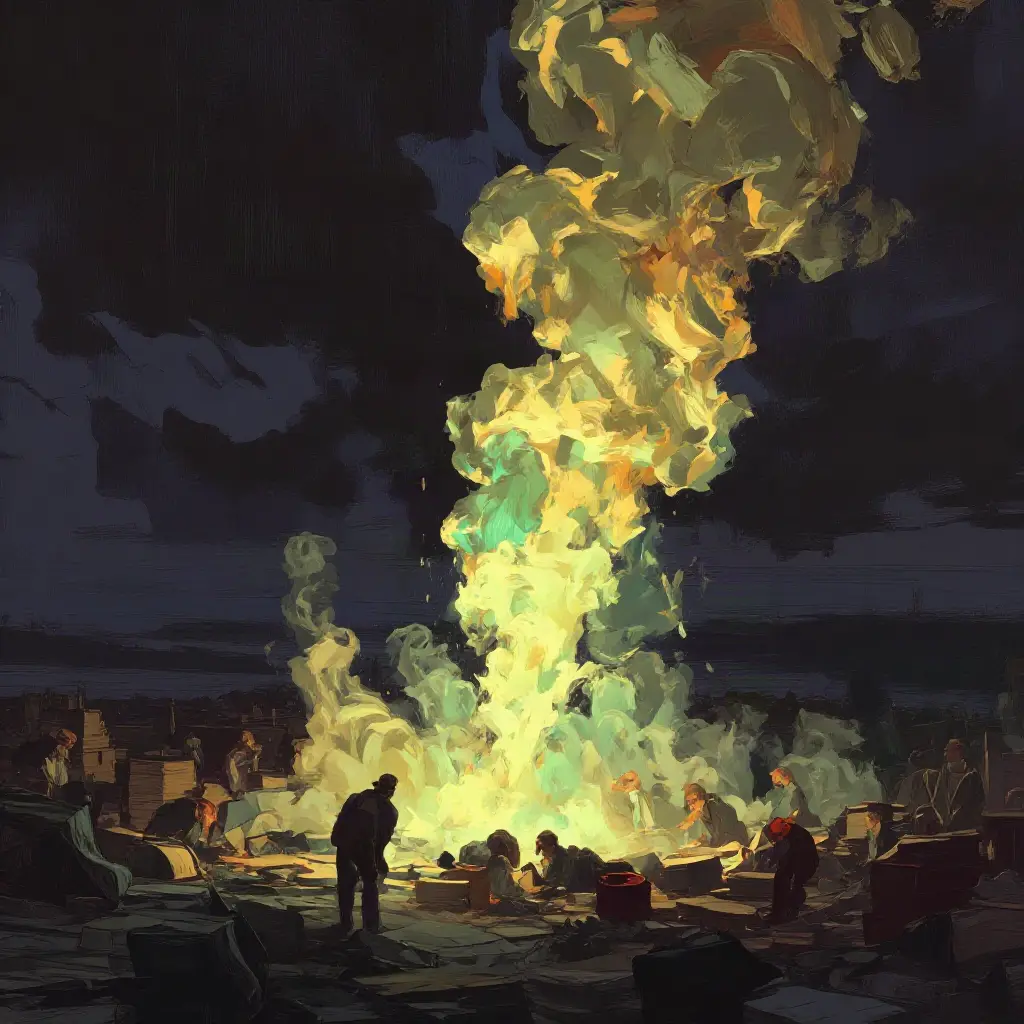 The Goiânia Glowing PowderIn 1987 scavengers in Goiânia opened a glowing cesium capsule, starting a disaster that went undetected for 16 days.
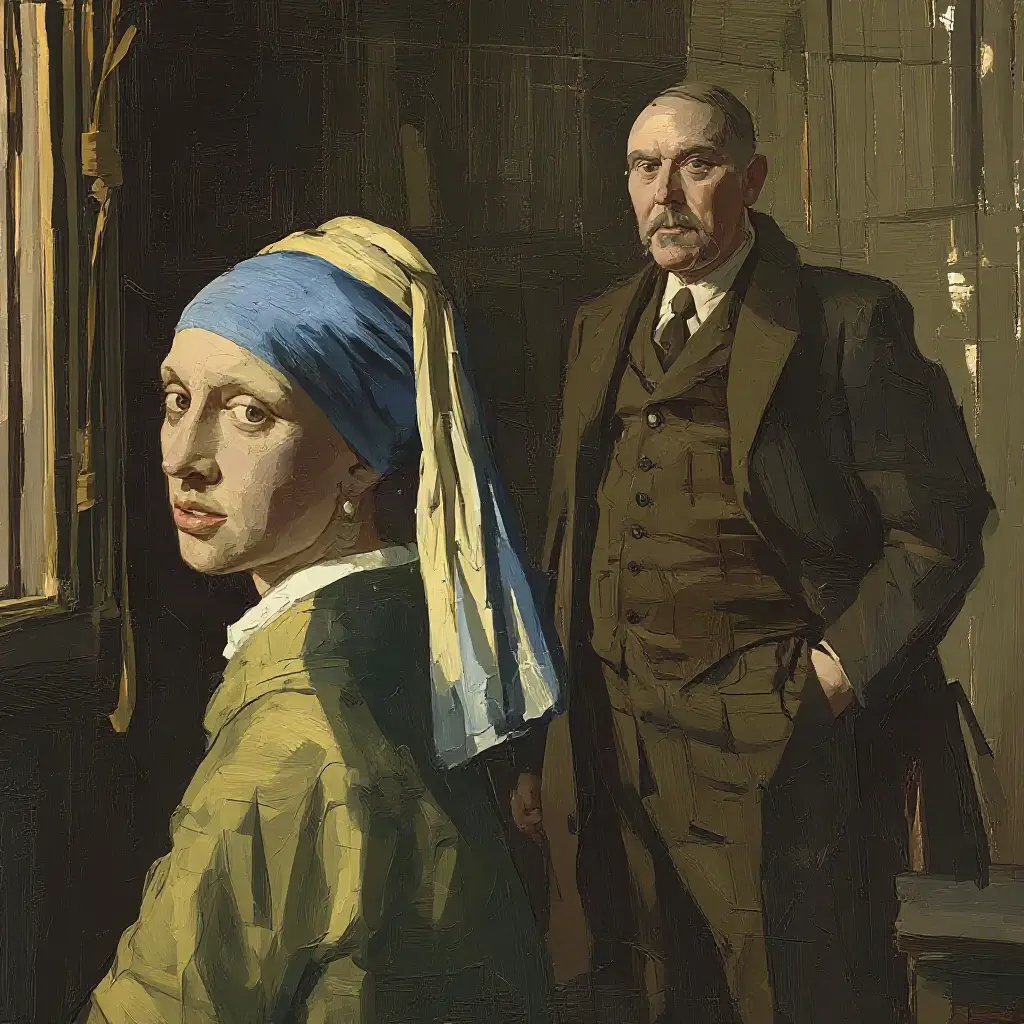 Han van Meegeren Fooled Göring With a Fake VermeerA forger who baked fake Vermeers sold one to Göring for 137 looted paintings, then escaped treason by painting another.
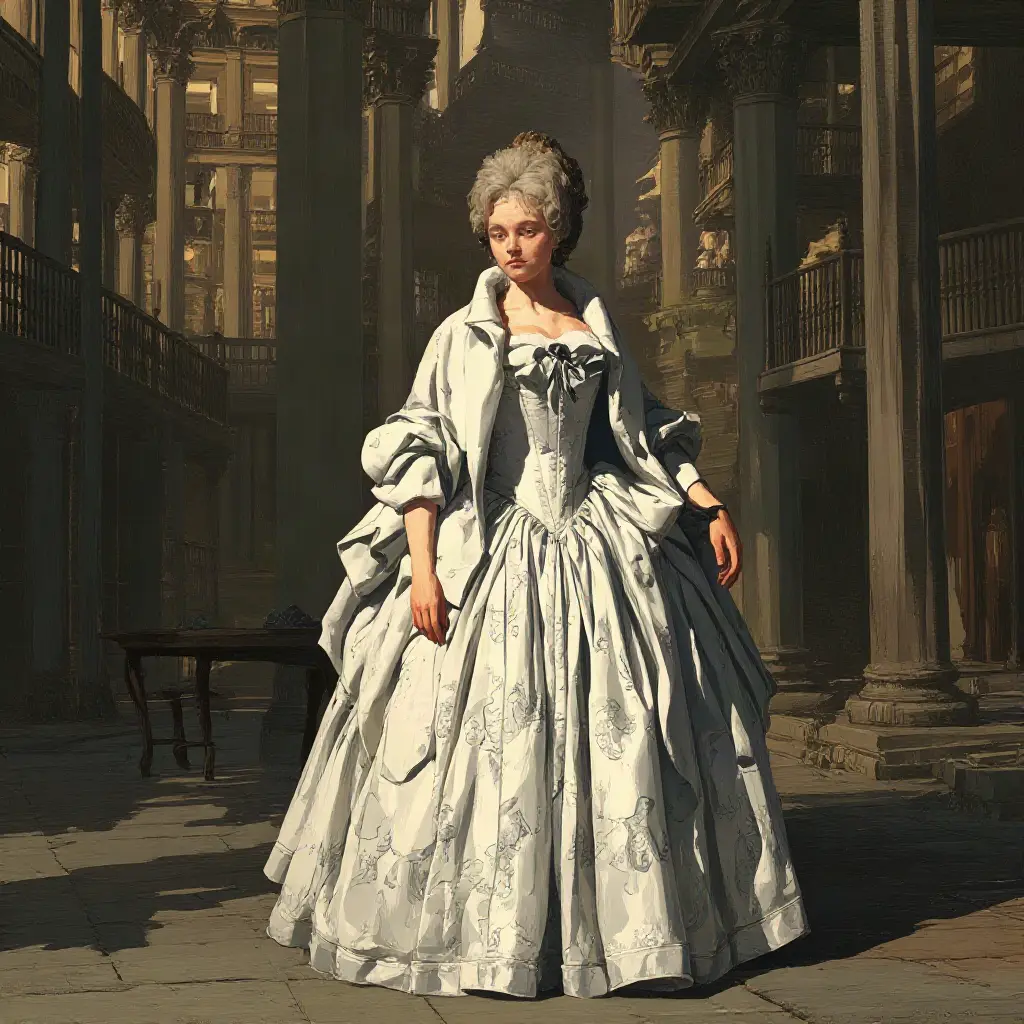 The Fall of Marie AntoinetteHow the Queen of France went from a symbol of royal excess to the guillotine.
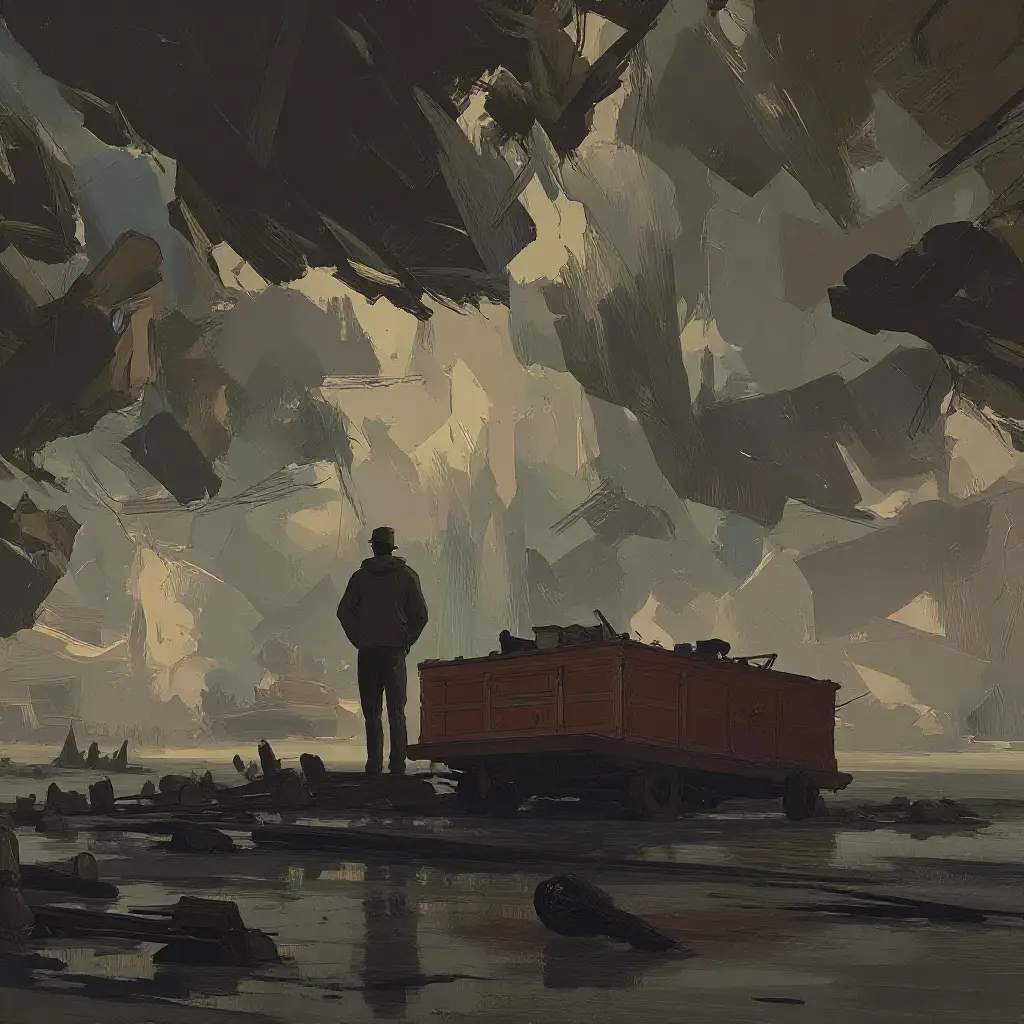 The Worst Journey in the WorldThree men hauled 757 pounds of gear through Antarctic winter darkness to collect Emperor penguin eggs.
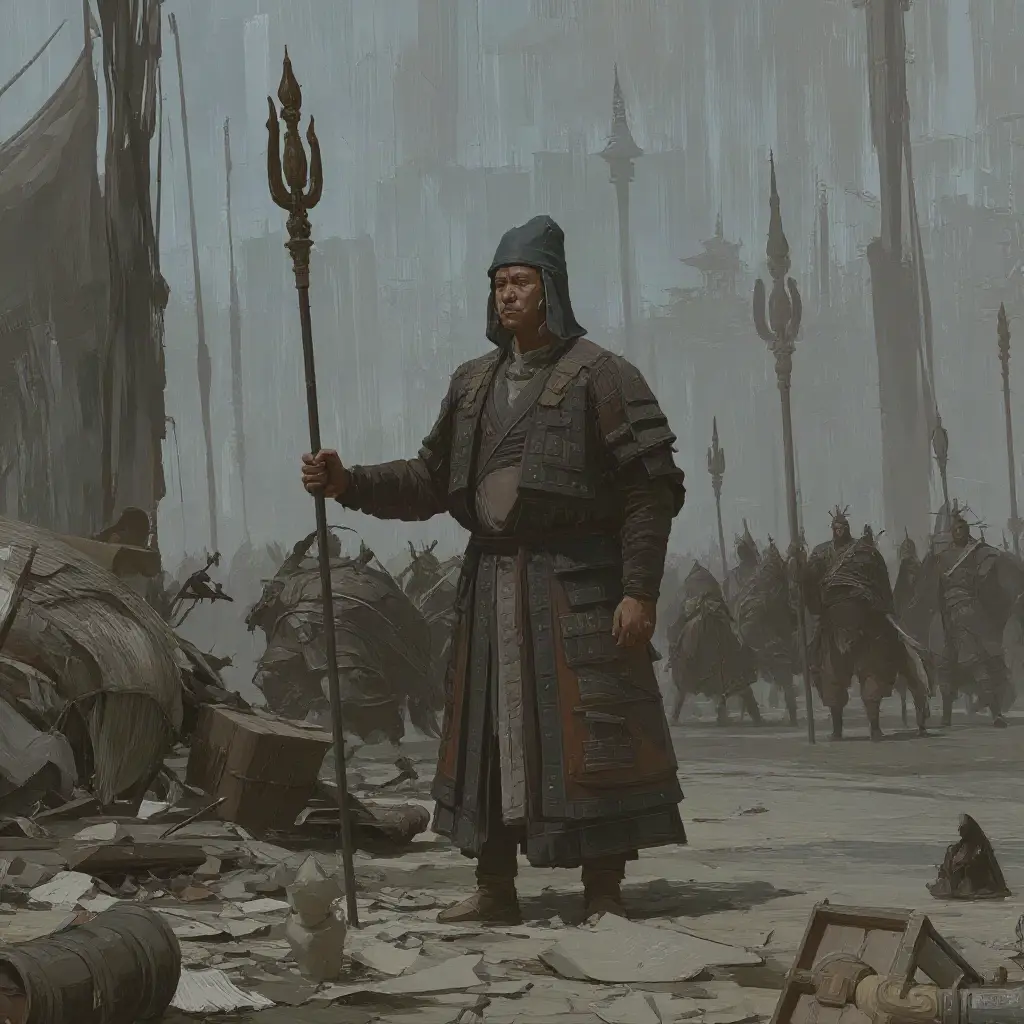 The Mongols in VietnamThe Mongols invaded Vietnam three times between 1257 and 1288, and were defeated each time by clever tactics and fierce resistance.
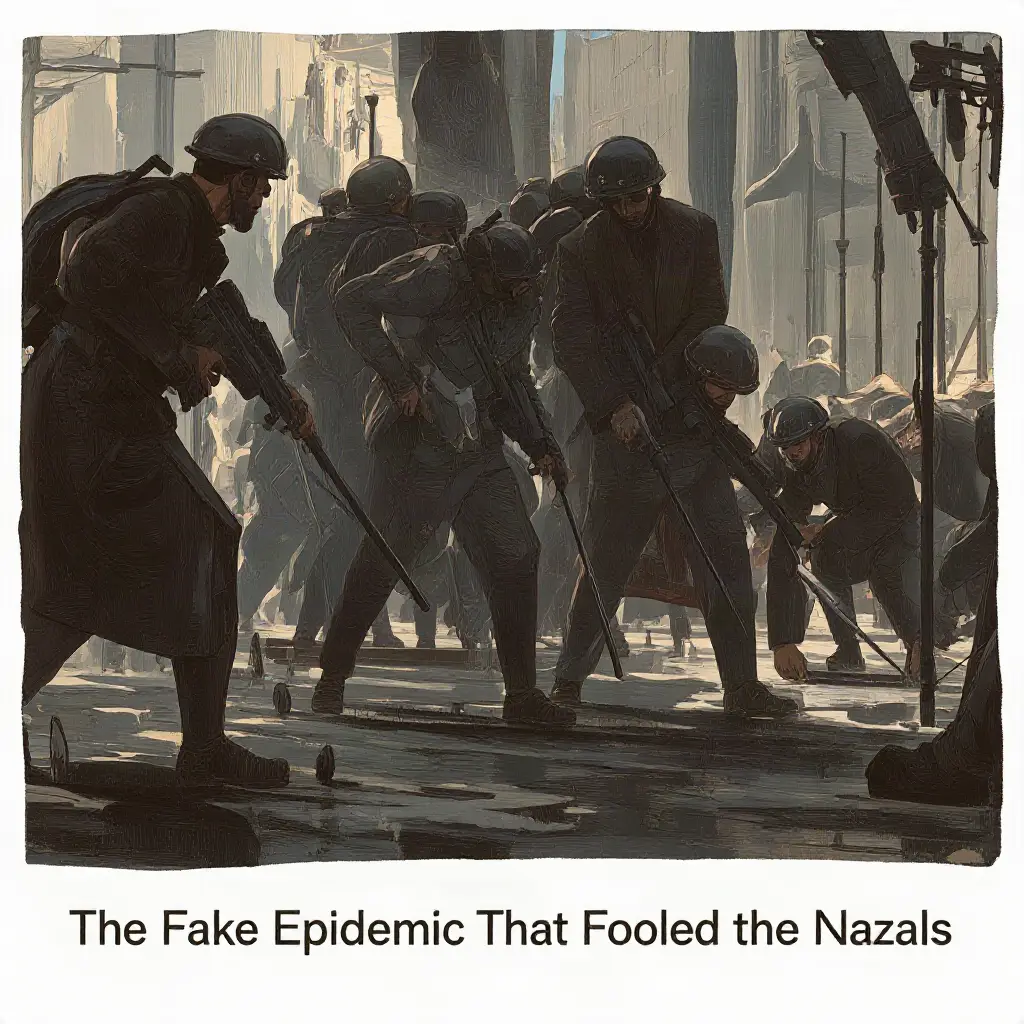 The Fake Epidemic That Fooled the NazisTwo Polish doctors injected patients with dead bacteria so a blood test said typhus, and 8,000 people escaped deportation.
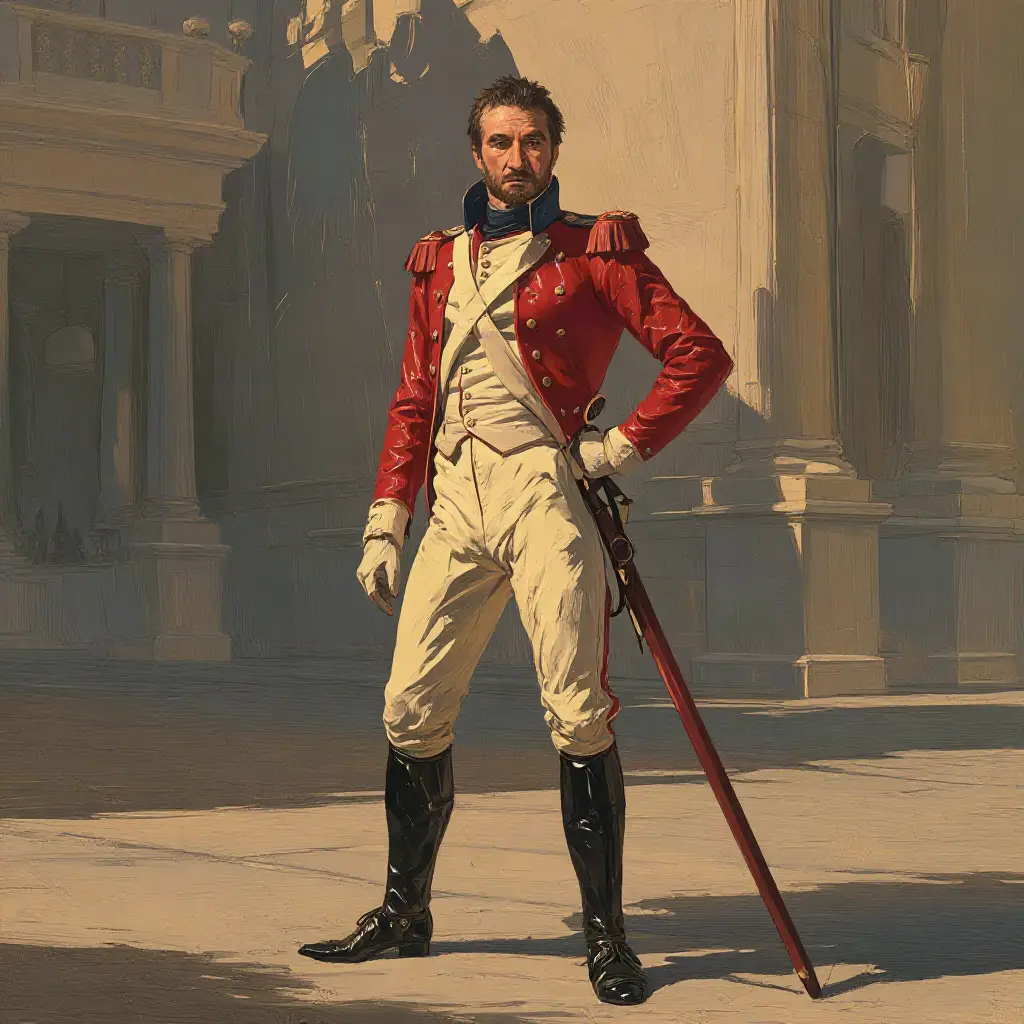 Napoleon BonaparteFrom Corsican officer to Emperor, Napoleon's rise and fall is a story of ambition, reform, and military genius that ended at Waterloo.
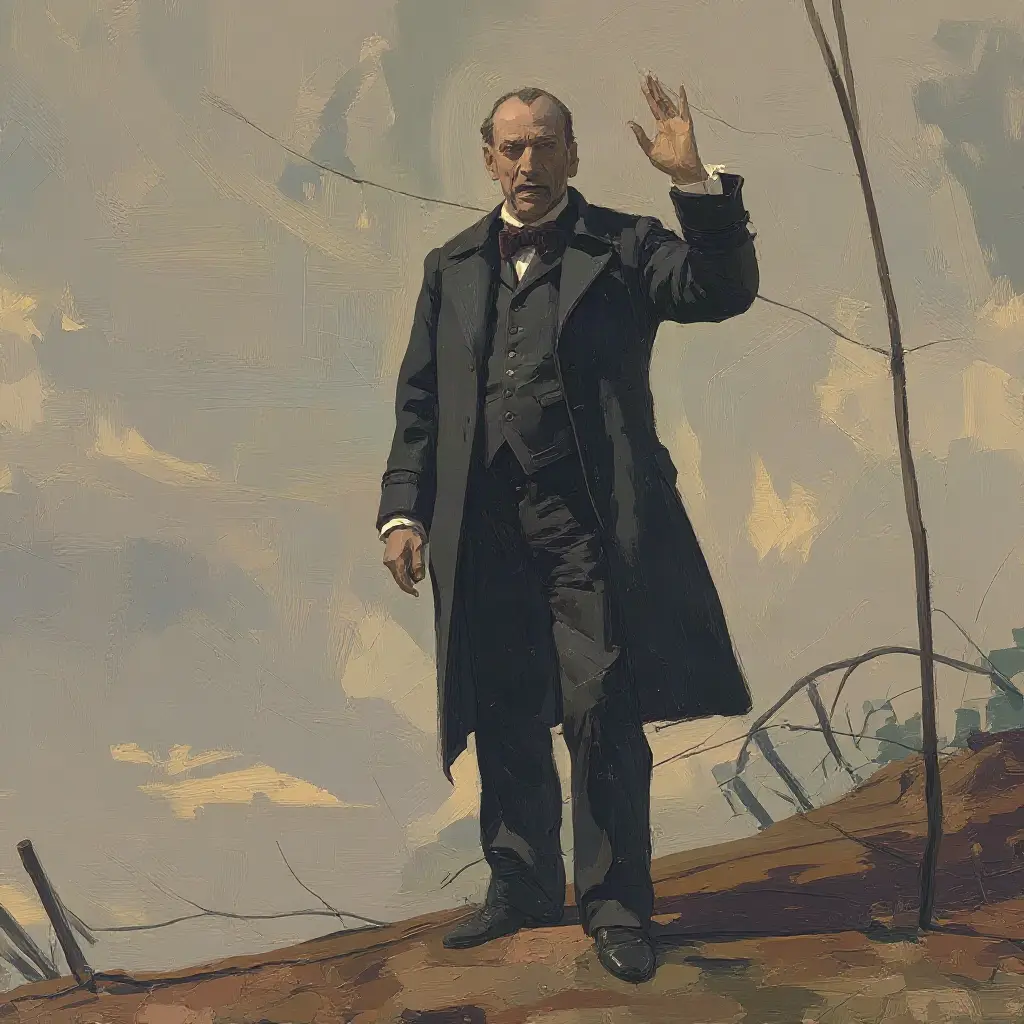 Schopenhauer's PessimismIn 1818, Schopenhauer published a book claiming a single thought solved existence: the world is a blind, insatiable Will that causes suffering.
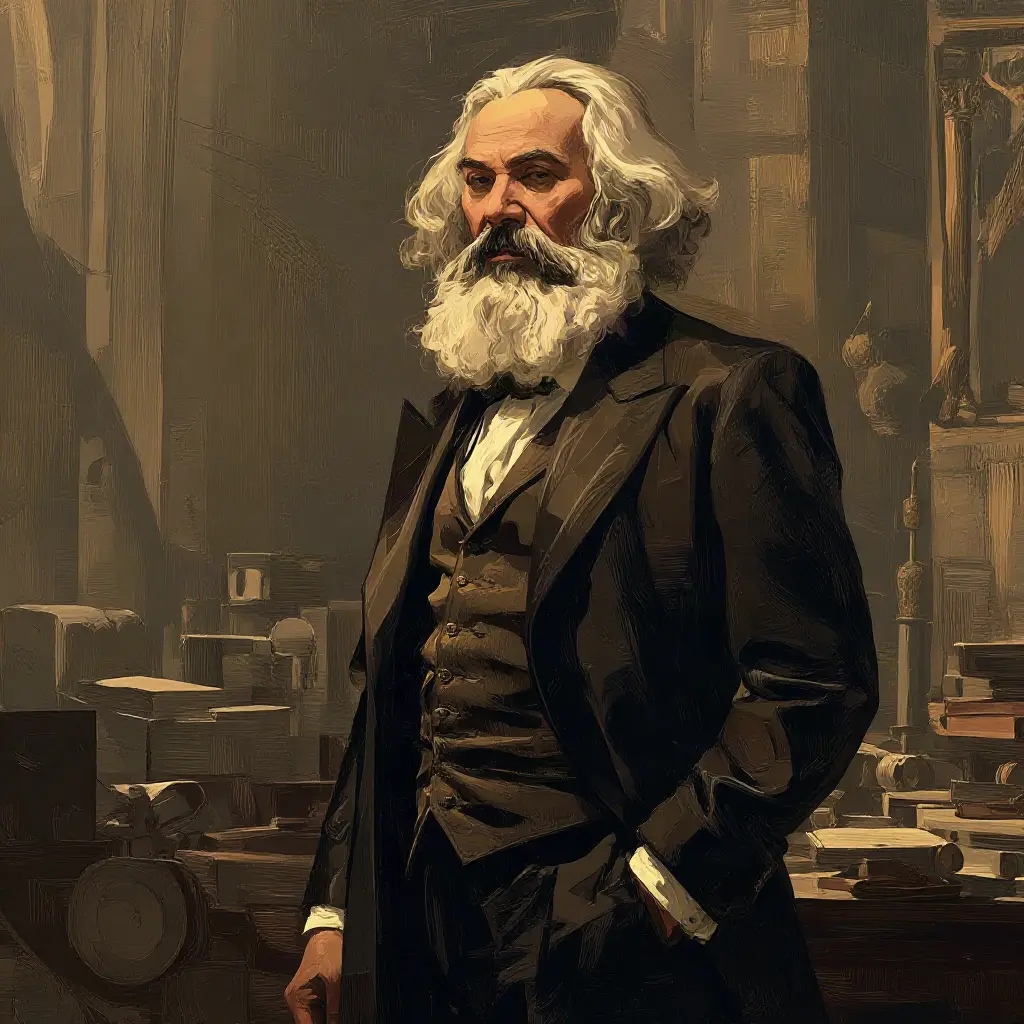 Karl Marx and CapitalKarl Marx's Capital argued profit comes from unpaid labor. This is his theory of class conflict and why capitalism was doomed to fail.
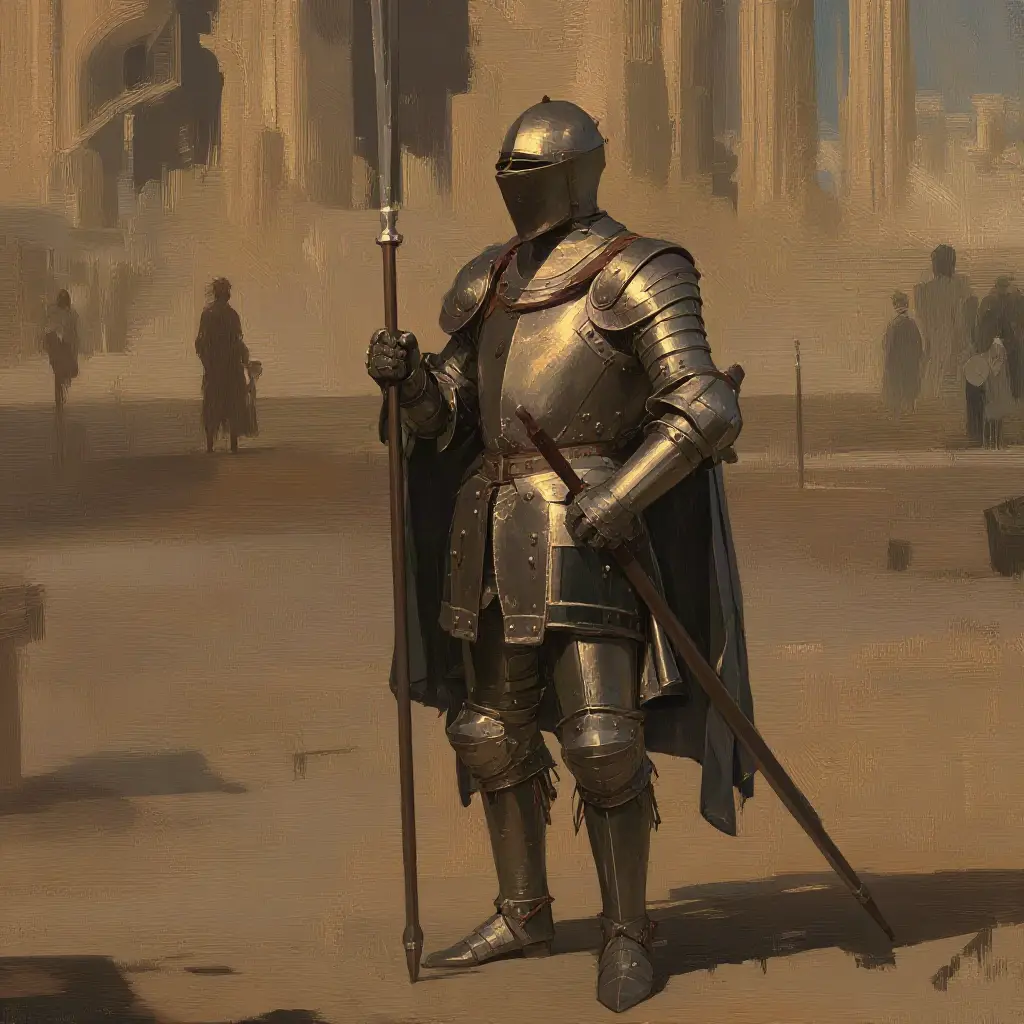 Chivalry and KnighthoodWhat medieval chivalry meant in practice: how knights were trained and dubbed, what horses and armour cost, the ideals set out by Ramon Llull and Geoffroi de Charny, and how knights treated commoners.
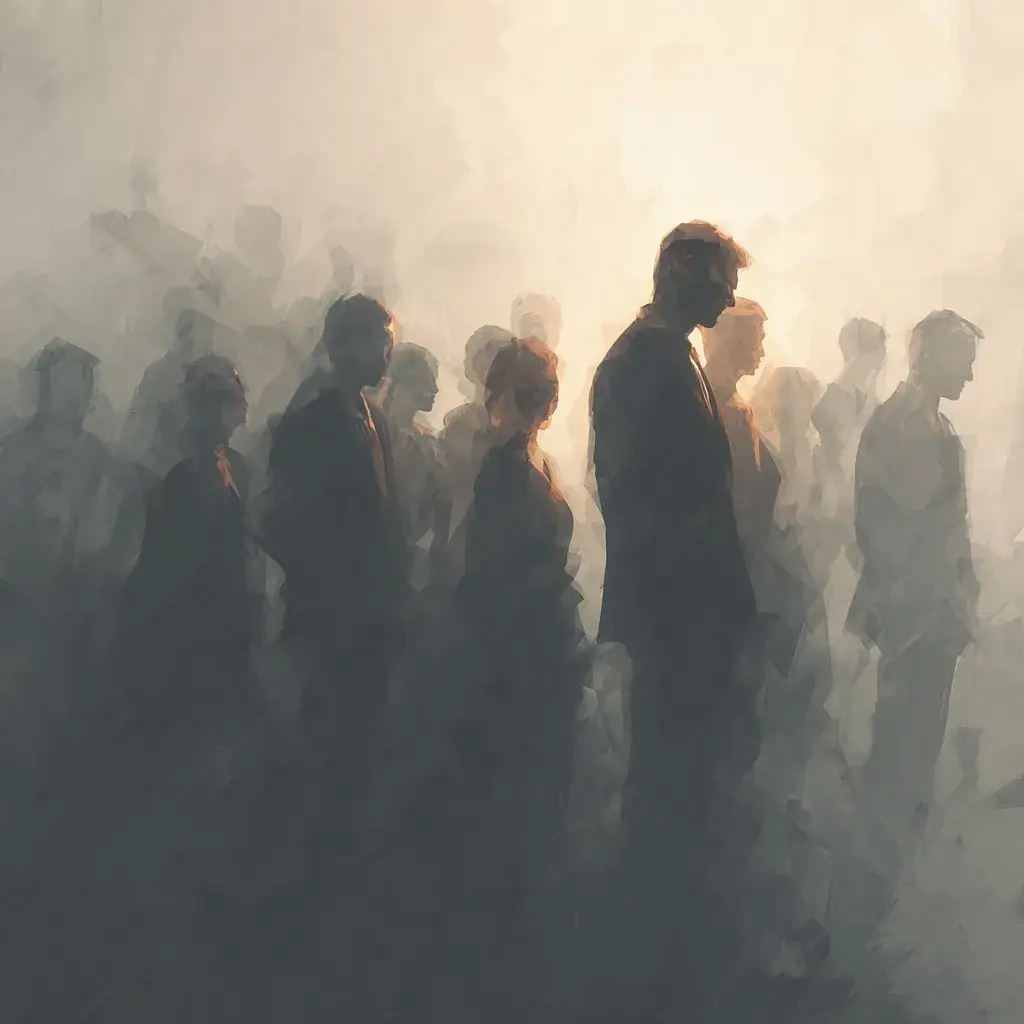 The Bystander EffectThe bystander effect: why people in a crowd are less likely to help, the misreported murder that inspired the research, and the experiments that proved it.
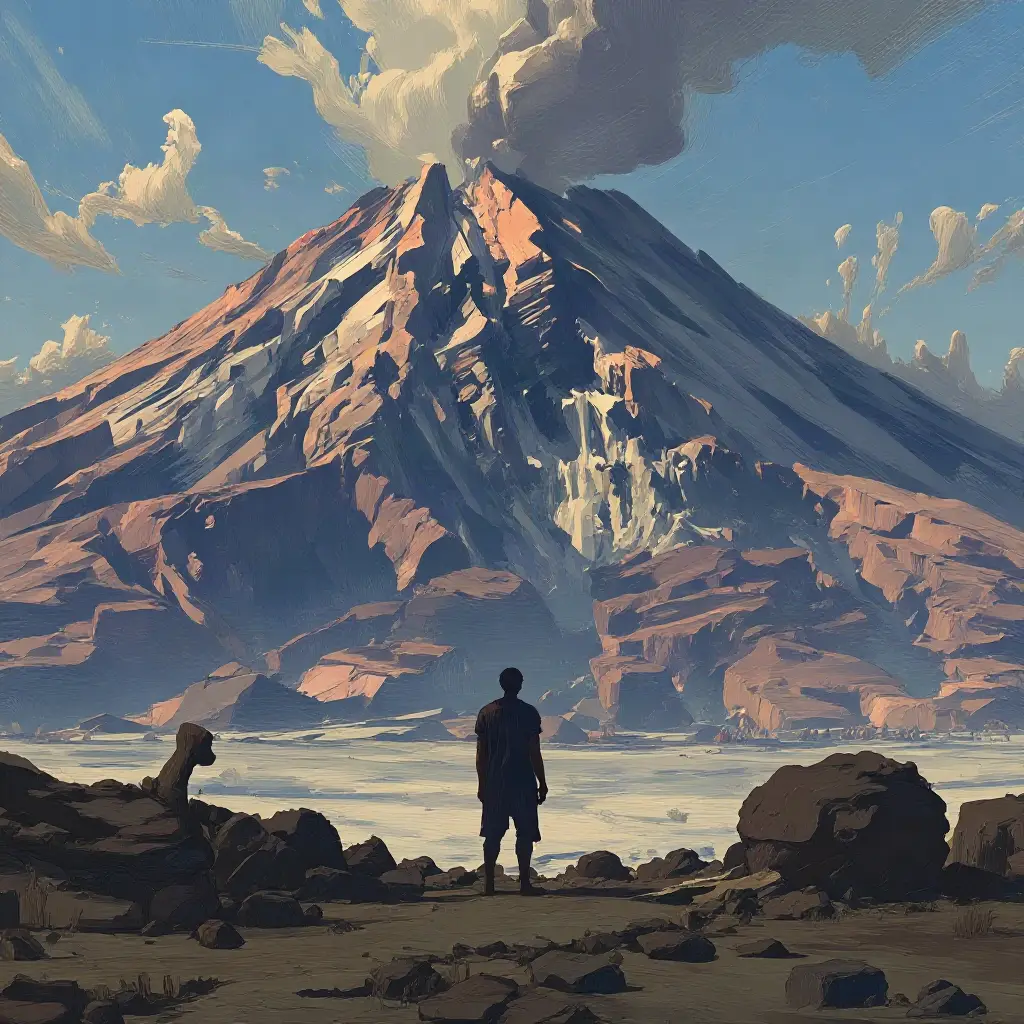 Mount Pelée: The Prisoner Who SurvivedLudger Sylbaris survived three days in a Saint-Pierre dungeon cell after Mount Pelée destroyed the city in 1902.
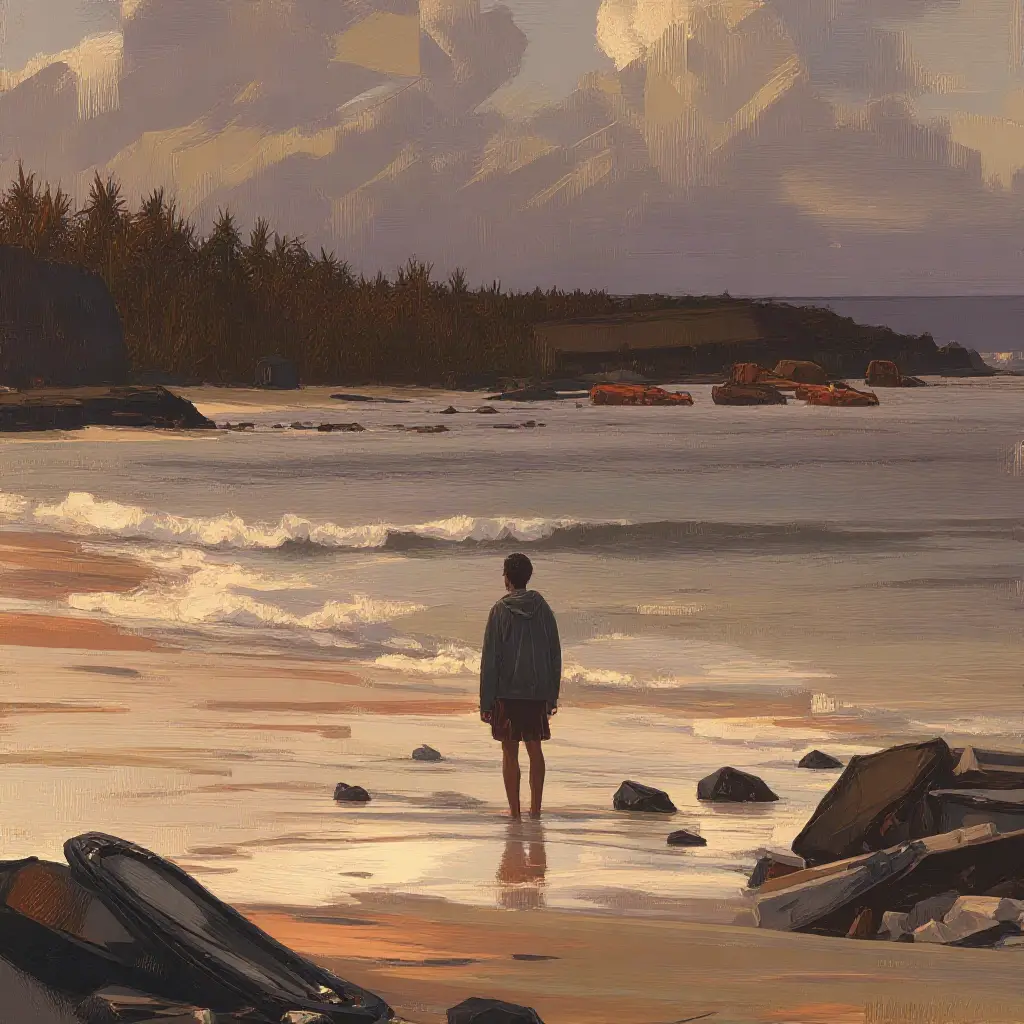 The Galápagos Affair: Murder on FloreanaIn November 1934, a tuna boat found two bodies on Marchena. Four days later, Floreana lost Friedrich Ritter.
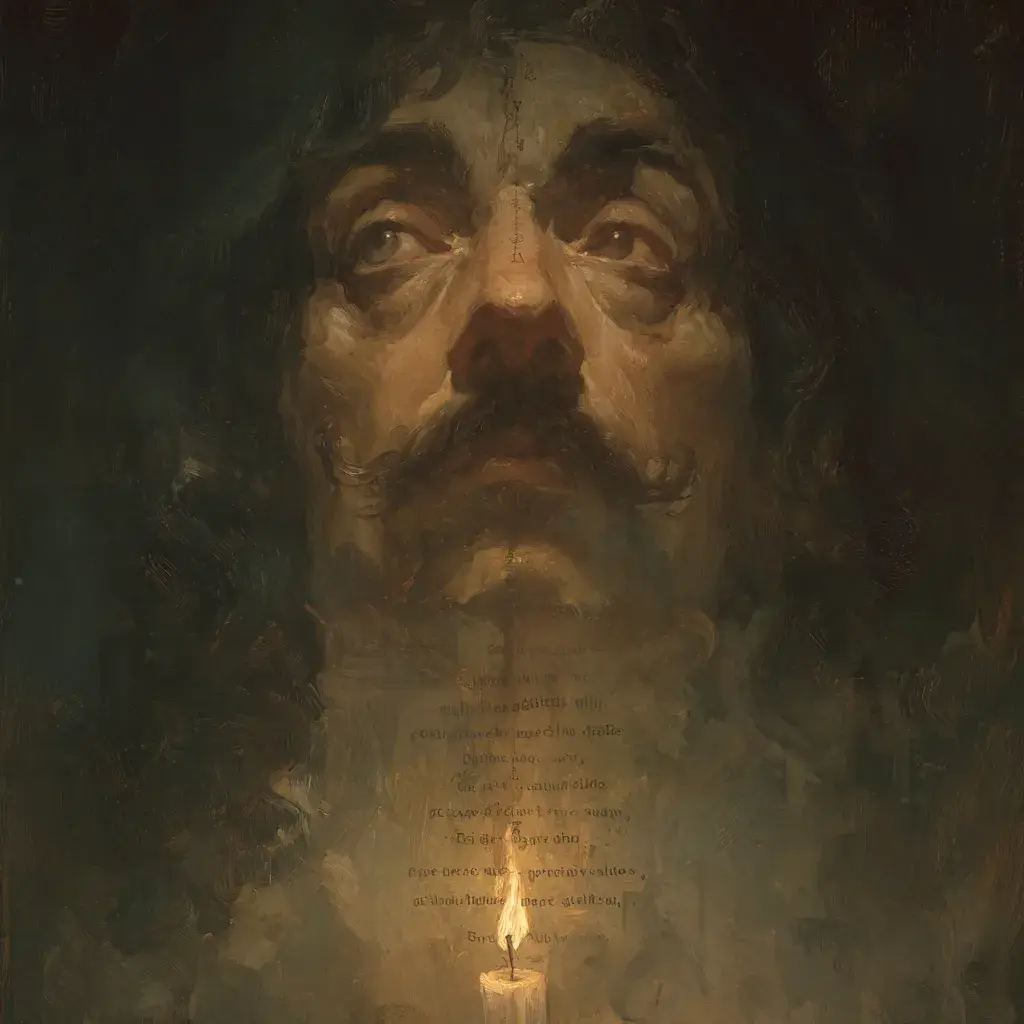 René Descartes and the Birth of Modern ThoughtHow René Descartes doubted his own senses to build a new foundation for science on the single certainty: 'I think, therefore I am'.
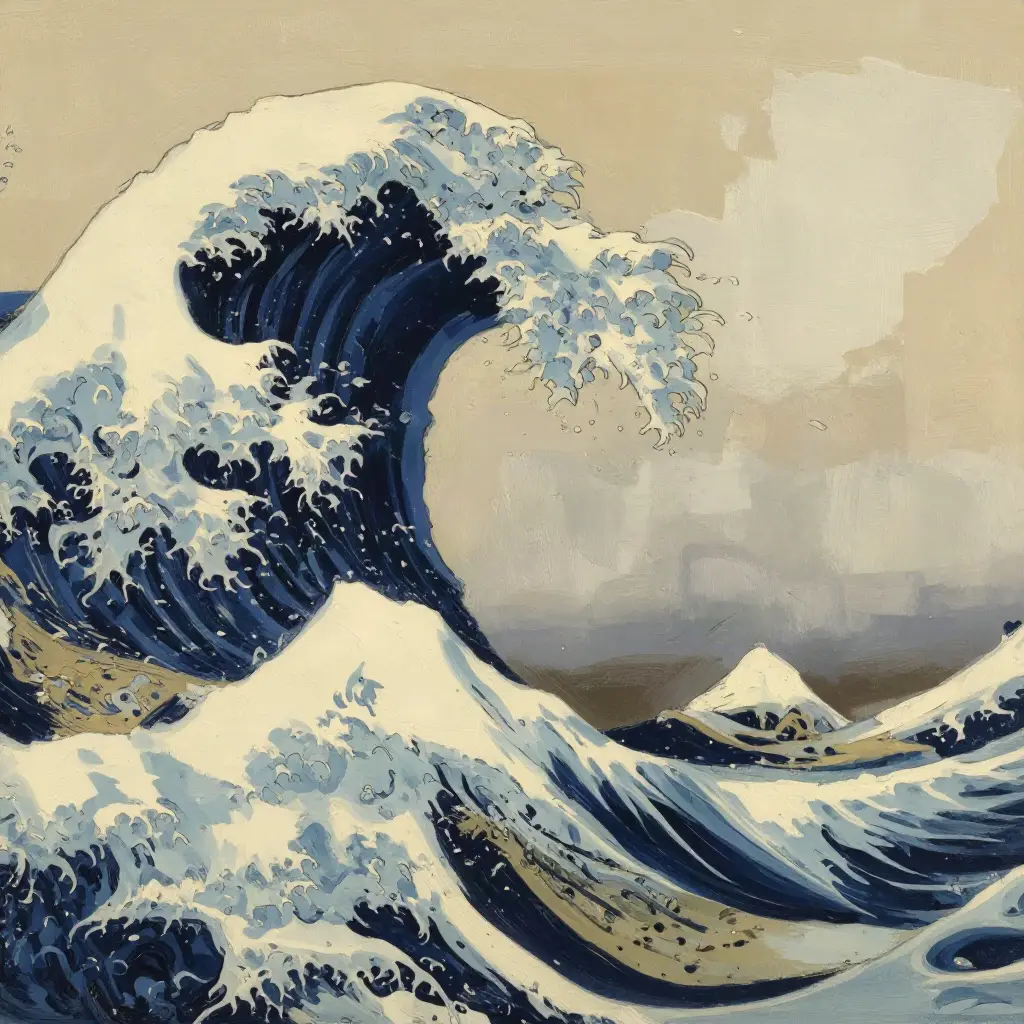 Hokusai's Great WaveThe story of Hokusai's 1831 woodblock print, made with a new Prussian blue pigment and sold for the price of a bowl of noodles.
 The Milgram Experiment: Obedience to AuthorityMilgram’s 1960s study found 65% of participants would obey orders to deliver severe shocks, reshaping psychology.
 Nietzsche and the Death of GodIn 1882, Friedrich Nietzsche declared 'God is dead,' not as a boast, but as a warning for a world that had lost its moral compass.
 Cardinal RichelieuCardinal Richelieu, chief minister to Louis XIII, used 'Raison d'État' to strengthen France by fighting the Habsburgs and centralizing power.
 The Rosetta StoneA forgotten stone slab from 196 BC, found in a wall in 1799, held the key to deciphering ancient Egyptian hieroglyphs.
 Kant's Copernican RevolutionImmanuel Kant's idea that the mind shapes how we experience the world: space, time and cause are the lenses we see through.
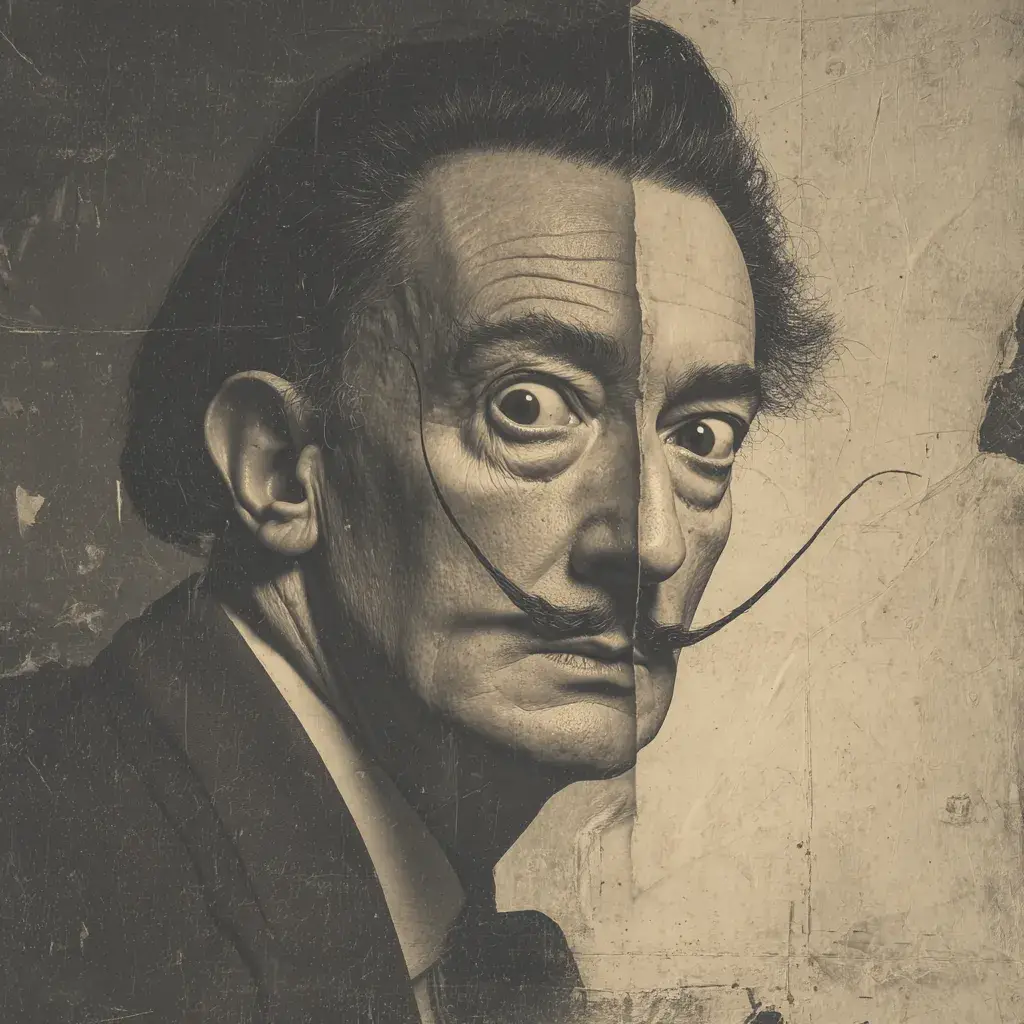 Salvador Dalí — Madness, Ego, and SurrealismThe life of Salvador Dalí, the Spanish Surrealist painter: his family, his muse Gala, The Persistence of Memory, his break with the Surrealists and his museum in Figueres.
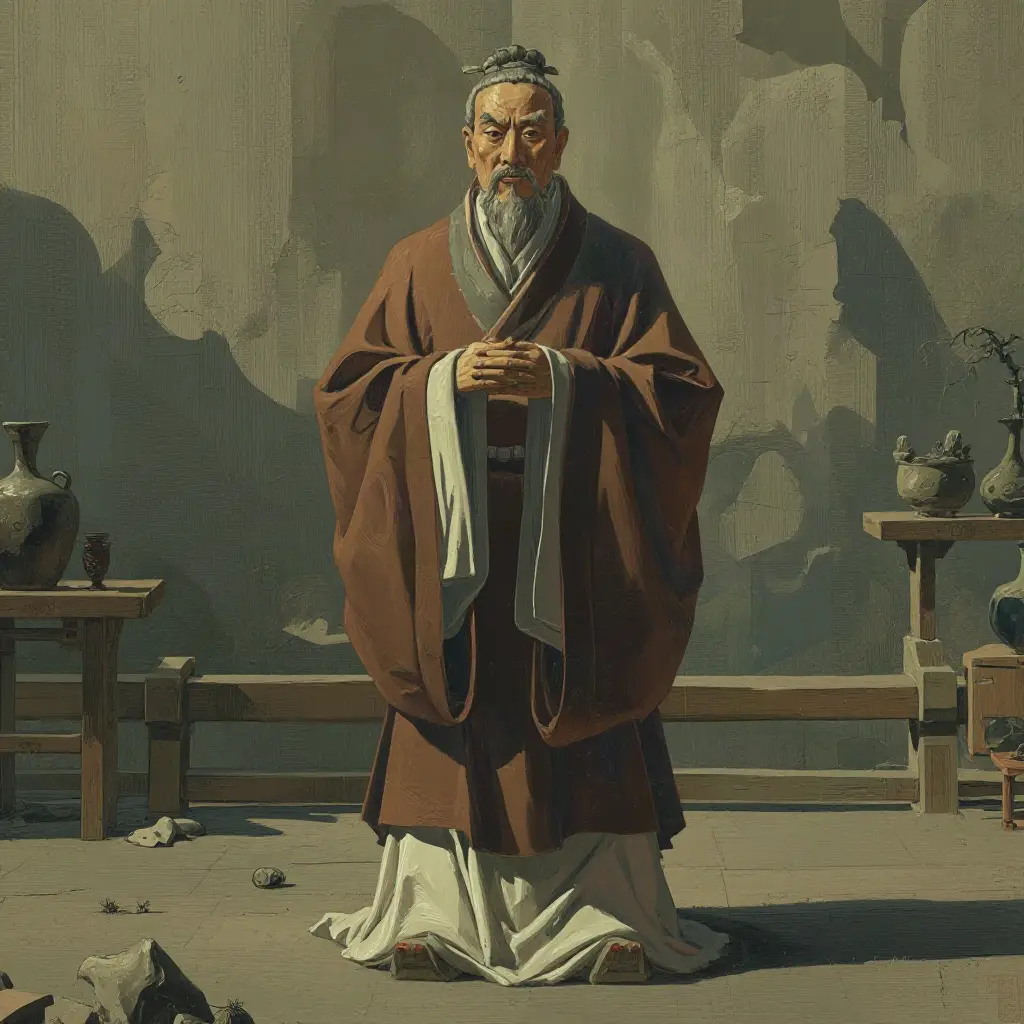 ConfuciusA failed official in a time of war, Confucius taught that a good society is built from good conduct in ordinary relationships.
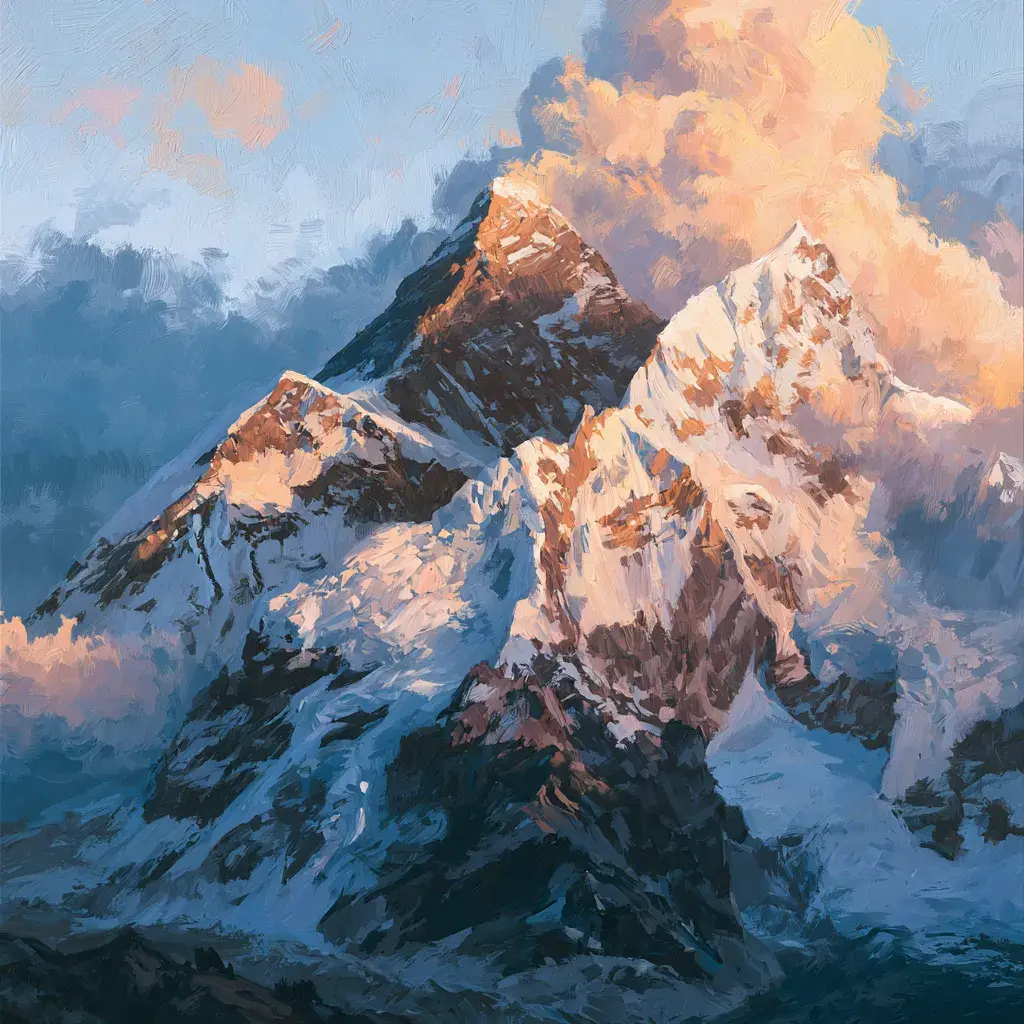 Edmund Hillary & Tenzing Norgay: Everest's SummitHow Edmund Hillary and Tenzing Norgay became the first to reach the summit of Everest on 29 May 1953, and who really stepped on top first.
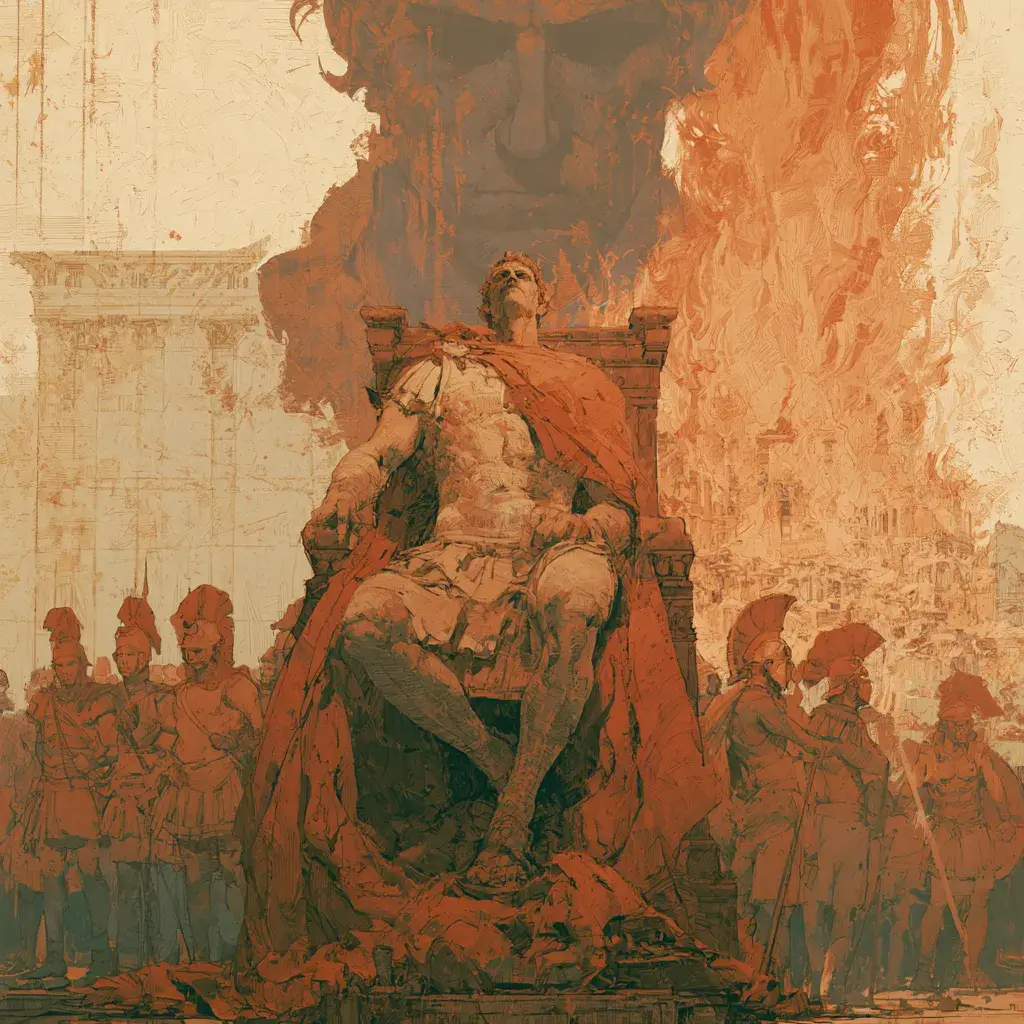 Alexander the GreatThe life of Alexander the Great in six episodes: taming Bucephalus, the Gordian knot, Gaugamela, the burning of Persepolis, the army's refusal at the Hyphasis, and his death in Babylon.
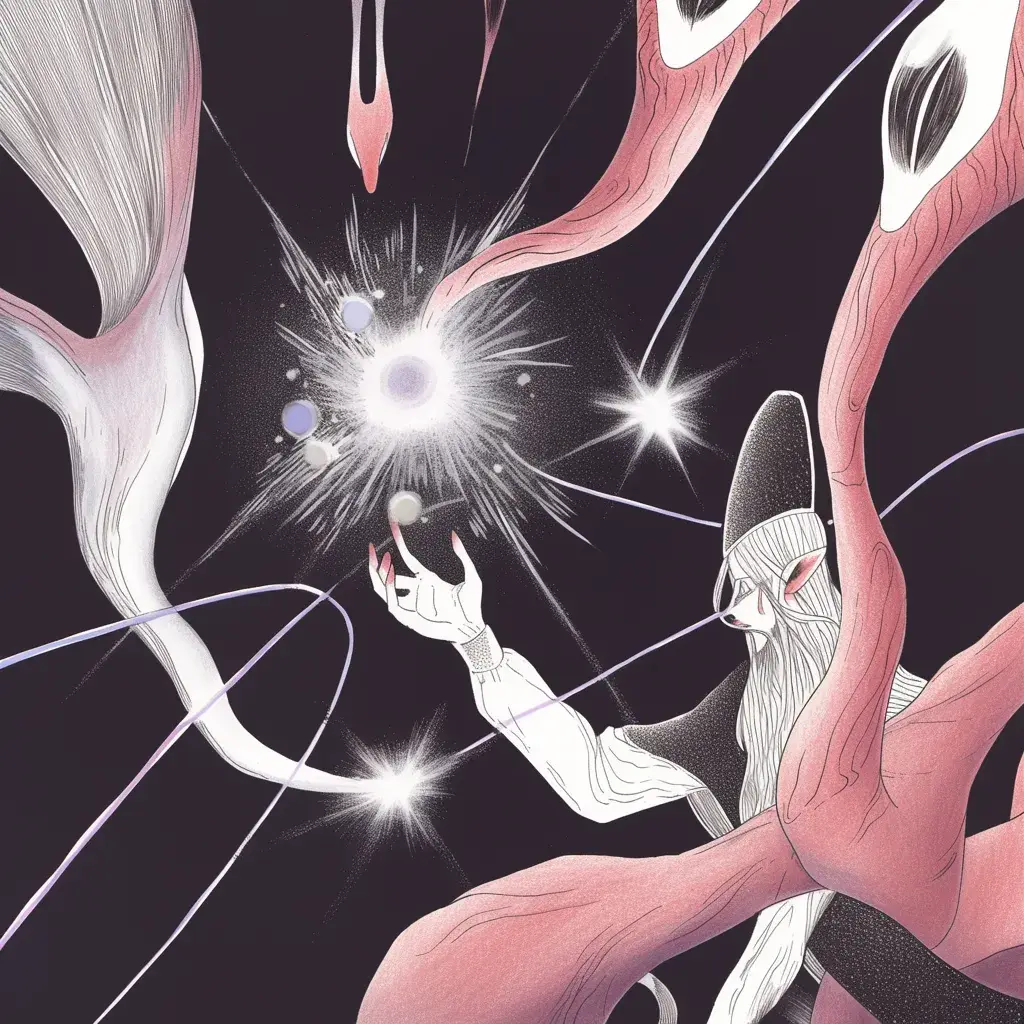 The Creation of the CosmosThe Norse creation myth: how fire and ice met in the void of Ginnungagap, and the gods built the world from the body of the first giant, Ymir.
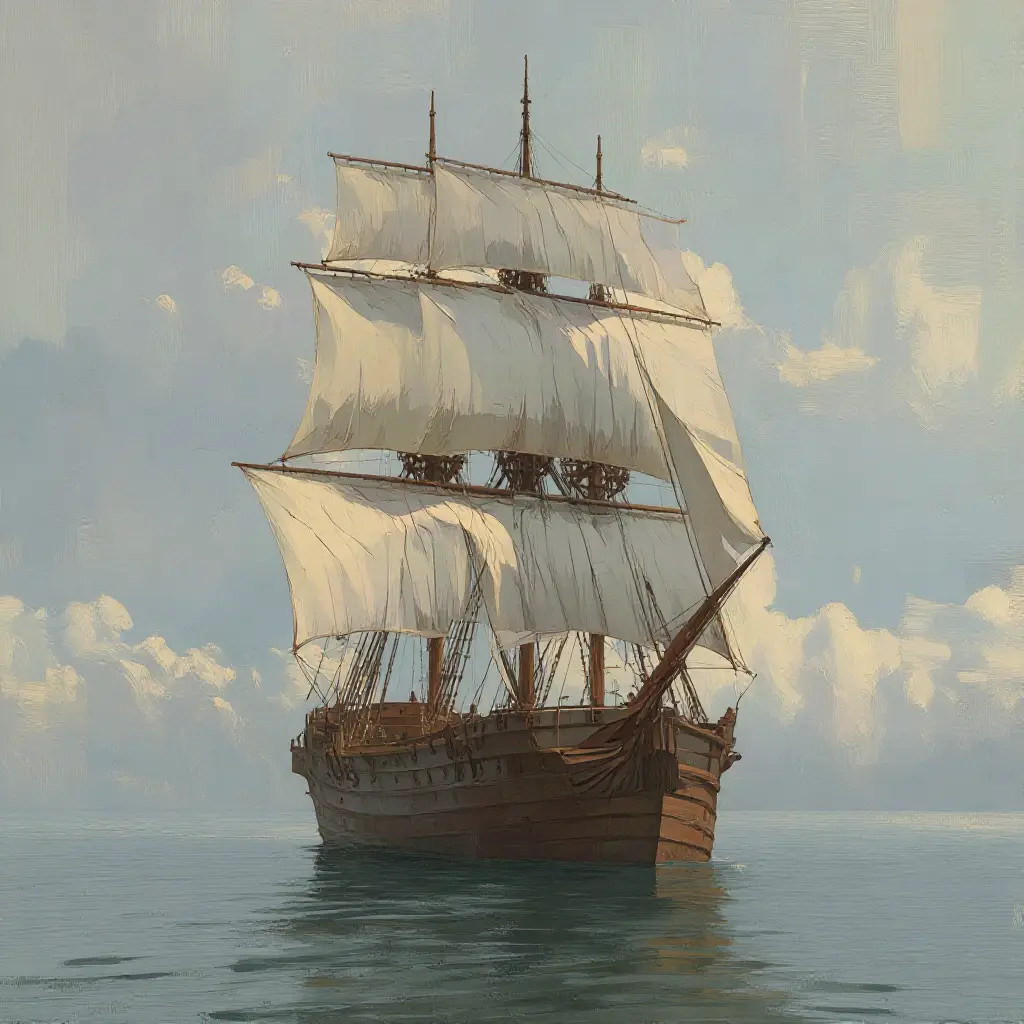 The Mary CelesteIn 1872 the Mary Celeste was found sailing the Atlantic with 3.5 feet of water in her hold and none of her ten people aboard.
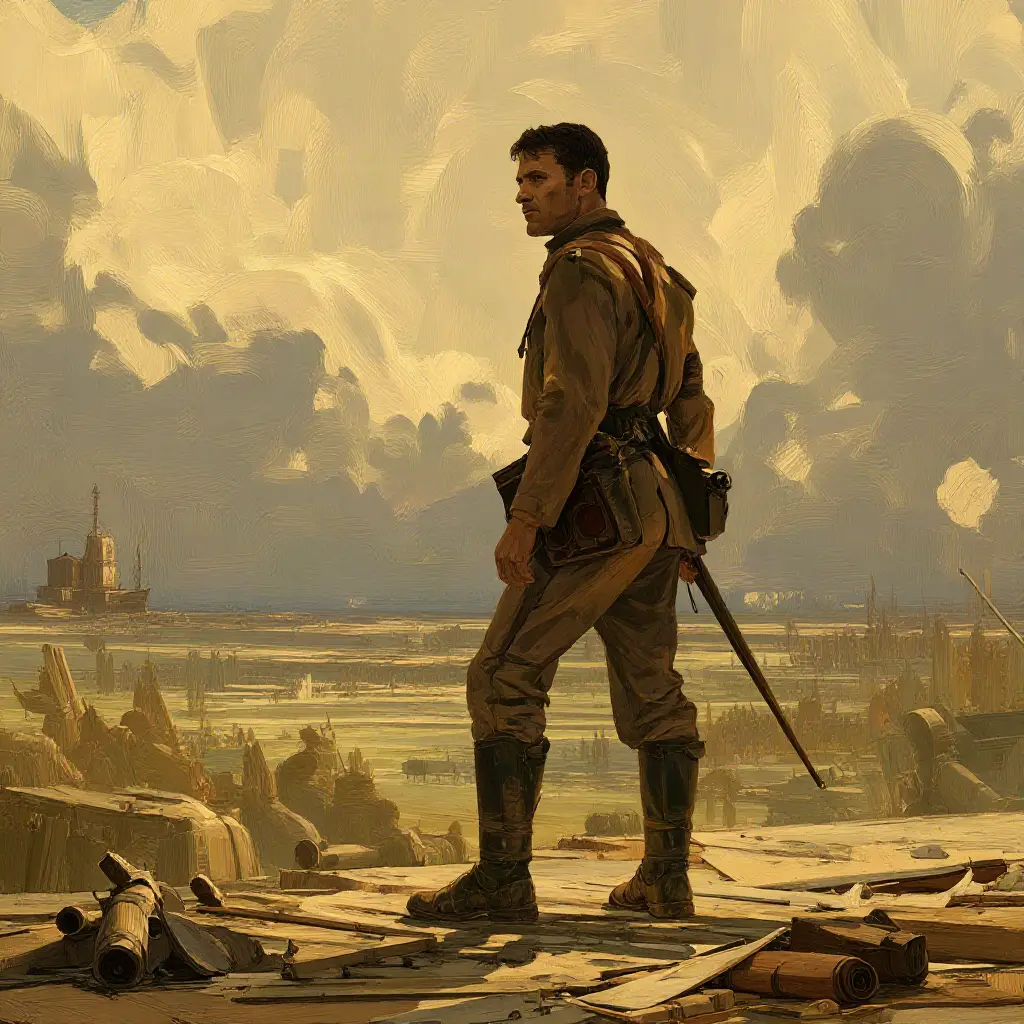 The Spanish-American WarHow the explosion of the USS Maine in Havana Harbor led America to war with Spain and into possession of an overseas empire.
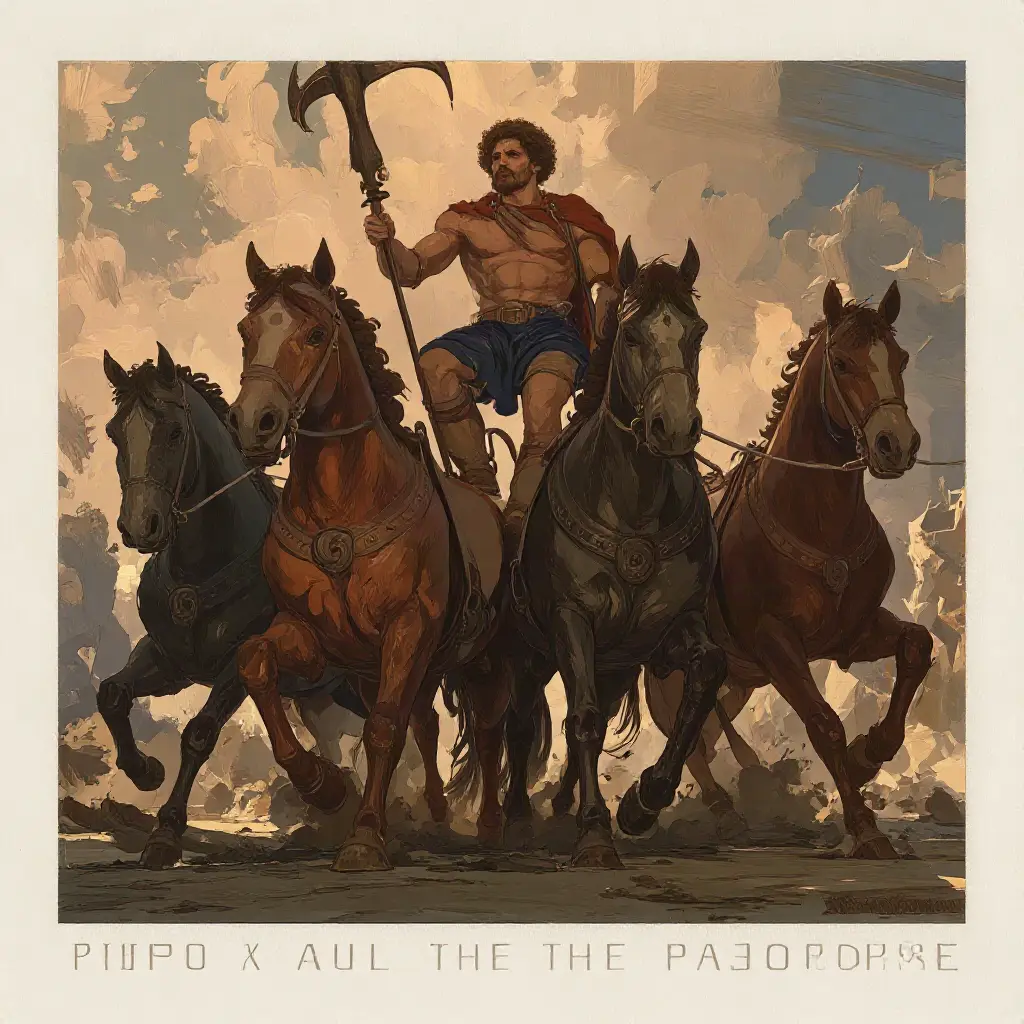 The Four Horsemen of the ApocalypseThe story of the four riders from the Book of Revelation who symbolize conquest, war, famine, and death, written around 95 AD.
 The TitanicThe tragic tale of the Titanic, a ship designed to survive four flooded compartments, but which met its end after an iceberg breached five.
 The MahabharataThe Mahabharata is the world's longest epic poem, chronicling a devastating war between two families of royal cousins, the Pandavas and Kauravas.
 Chopin's Heart Smuggled to WarsawDying in 1849, Chopin asked his sister Ludwika to take his heart home. It later survived the 1944 destruction of Warsaw.
 The Eiger North Face: Toni KurzIn 1936 Toni Kurz died five metres above his rescuers on the Eiger North Face after a night hanging in a blizzard.
 The Historical JesusWhat historians can say about Jesus of Nazareth, from Paul's letters to his crucifixion under Pontius Pilate and mentions in Roman sources.
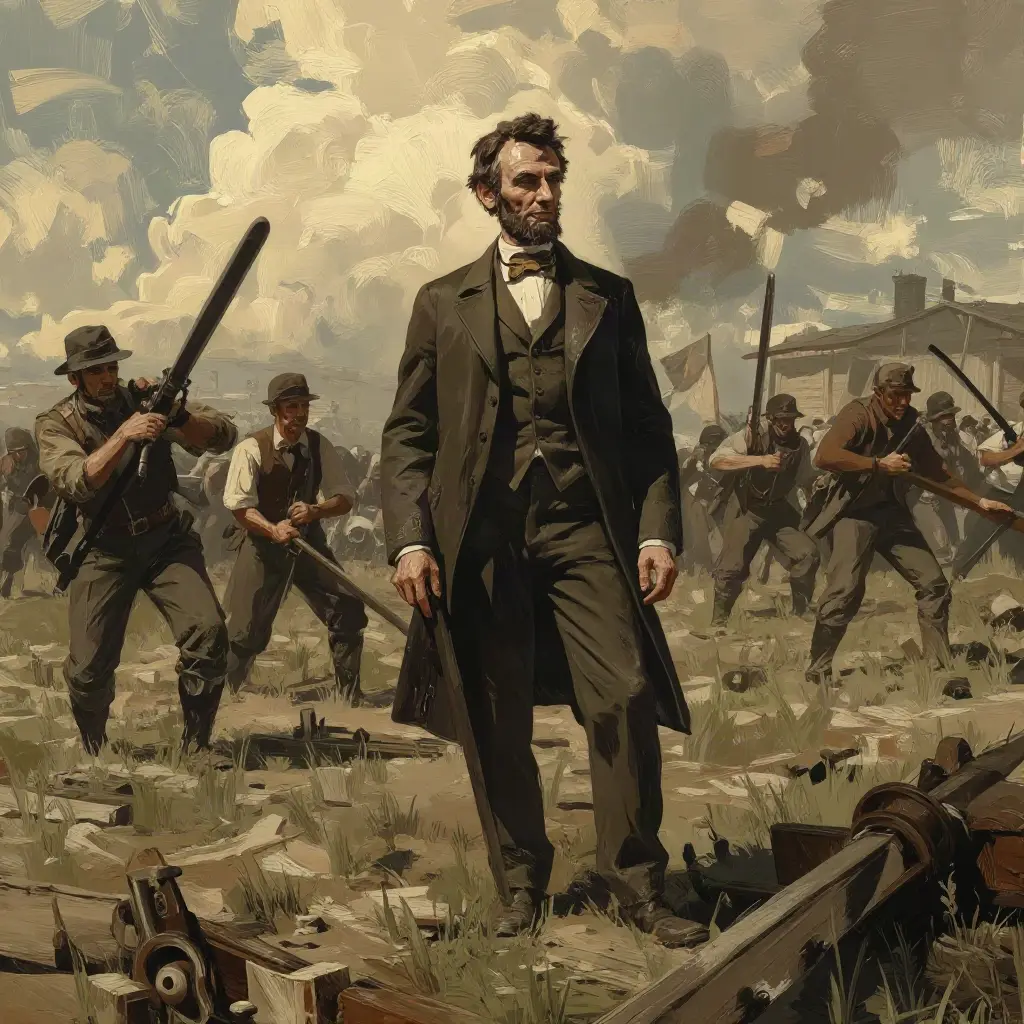 Abraham Lincoln and the Civil WarHow a prairie lawyer from a log cabin preserved the Union and ended slavery in a nation torn by war.
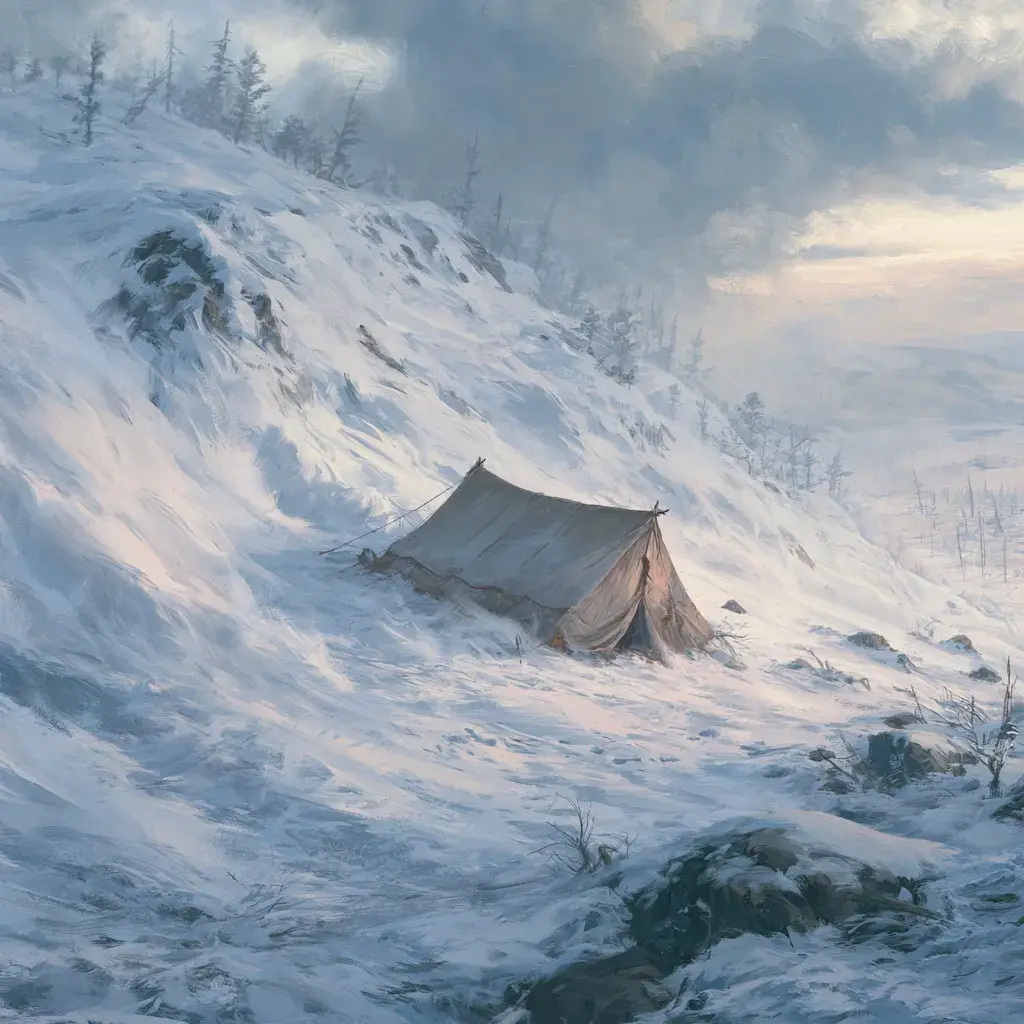 The Dyatlov Pass IncidentThe 1959 deaths of nine Soviet student hikers in the northern Urals, the strange evidence that fuelled decades of theories, and the 2021 study showing a delayed slab avalanche could explain it.
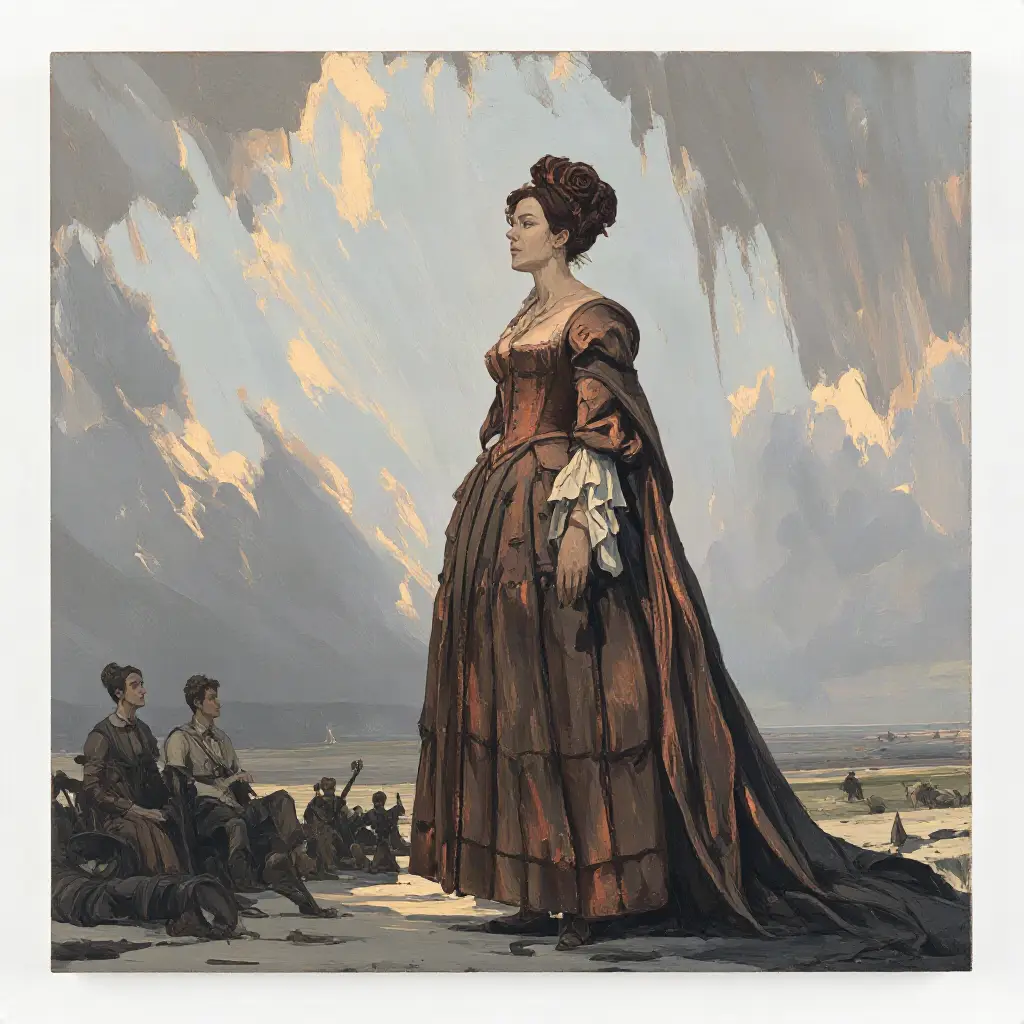 The Fall of Anne BoleynThe dramatic story of how Queen Anne Boleyn went from the throne to the executioner's block in just four months in 1536.
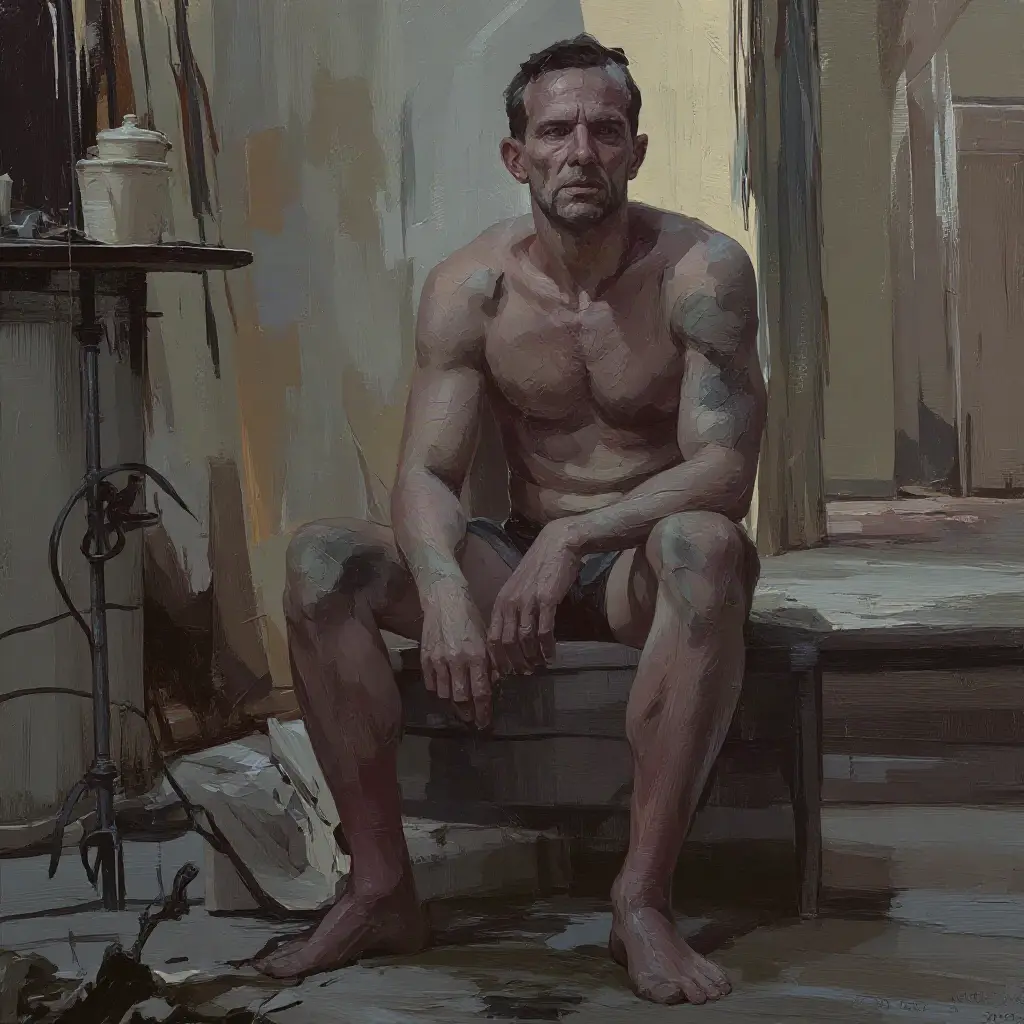 Martin Pistorius: The Ghost BoyMartin Pistorius was awake and aware for years in a body that would not respond, until an aromatherapist noticed his eyes in 2001.
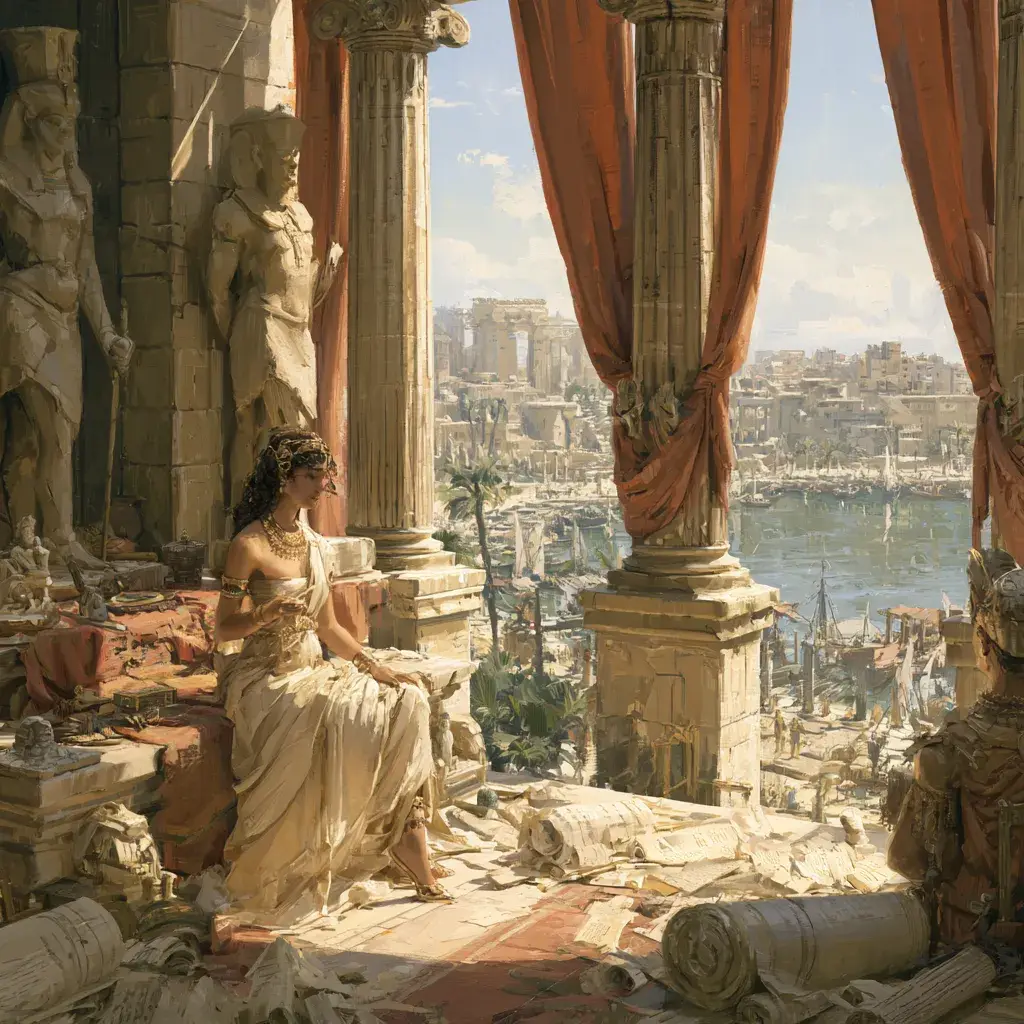 CleopatraHow Cleopatra, Egypt's last pharaoh, used her wits and alliances to rule, keep her kingdom independent, and challenge the might of Rome.
 The Chernobyl Nuclear DisasterThe 1986 Chernobyl disaster began during a flawed safety test on a volatile reactor, releasing a plume of radioactive isotopes into the air.
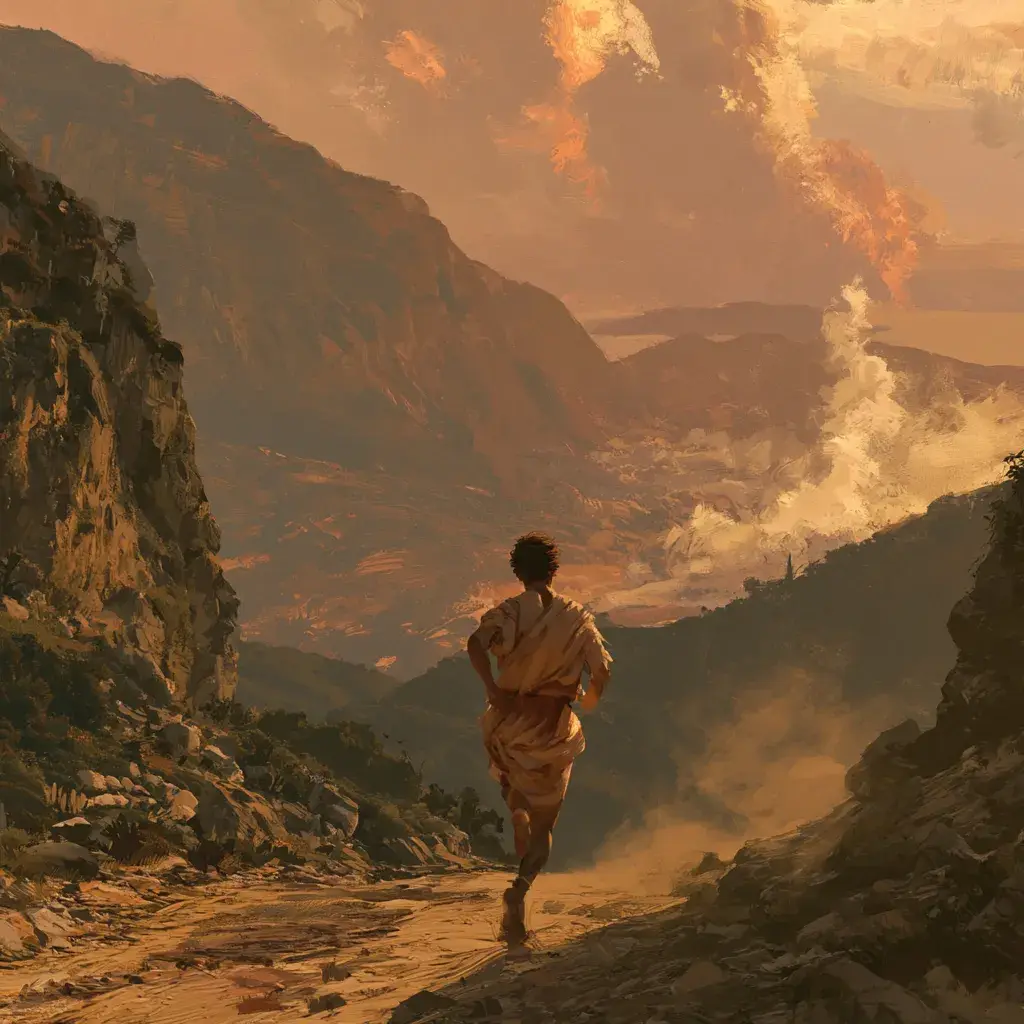 The Origin of the MarathonThe marathon myth tells of a dying messenger, but the real runner ran 240km to Sparta. The modern race distance was set by British royalty.
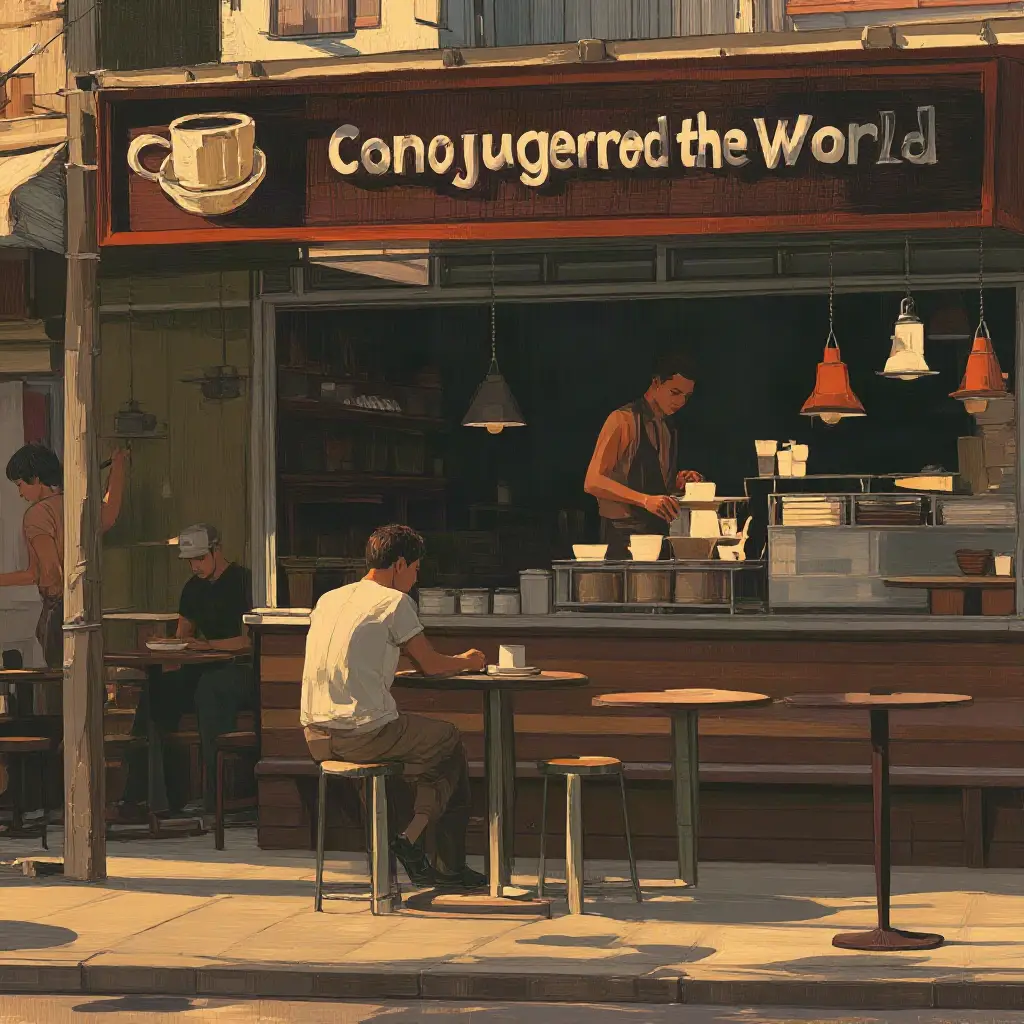 How Coffee Conquered the WorldFrom Sufi monks in Yemen to the cafés of London, this is the story of how coffee became a global obsession and a catalyst for revolution.
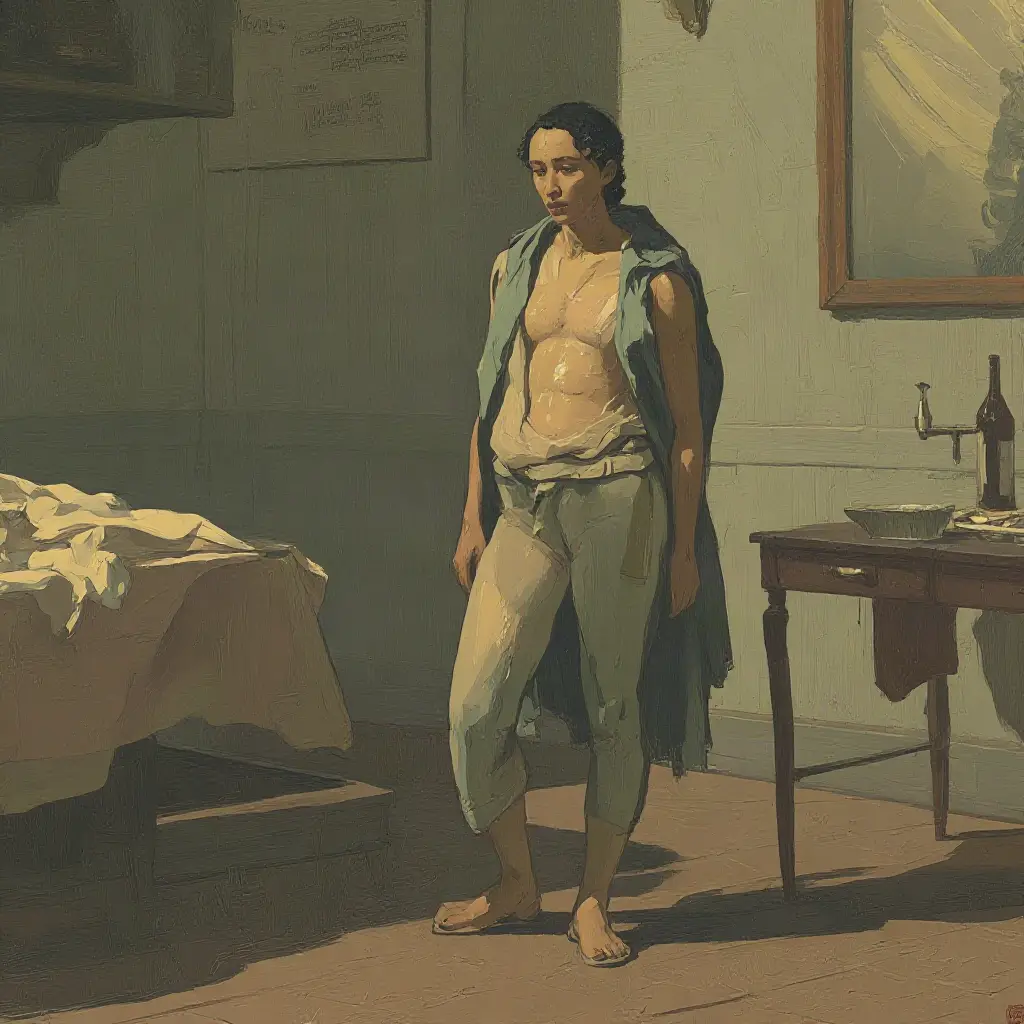 The First AnaestheticThe story of October 16, 1846, when dentist William Morton first publicly demonstrated ether and ended the agony of surgery.
 The History of the Banking SystemThe history of banking, from Mesopotamian temple loans and Templar letters of credit to the Bank of England, the end of the gold standard and the 2008 crash.
 Mendel and His PeasHow a monk discovered the rules of inheritance with pea plants, revealing a near-perfect three-to-one ratio that was ignored for 34 years.
 The Fall of ManThe biblical story of Adam, Eve, and a serpent in a garden, culminating in their exile and the birth of human mortality.
 The Lost Colony of RoanokeIn 1587, 115 settlers landed on Roanoke. When their governor returned in 1590, he found the word CROATOAN on a post.
 The Printing PressJohannes Gutenberg's press used a special metal alloy and oil-based ink to print 250 sheets an hour, sparking a revolution in knowledge.
 The Mystery of Easter IslandHow the Rapa Nui carved nearly 900 moai and moved them by "walking" them upright, how they farmed a harsh island, and how Peruvian slave raids and smallpox nearly destroyed them in the 1860s.
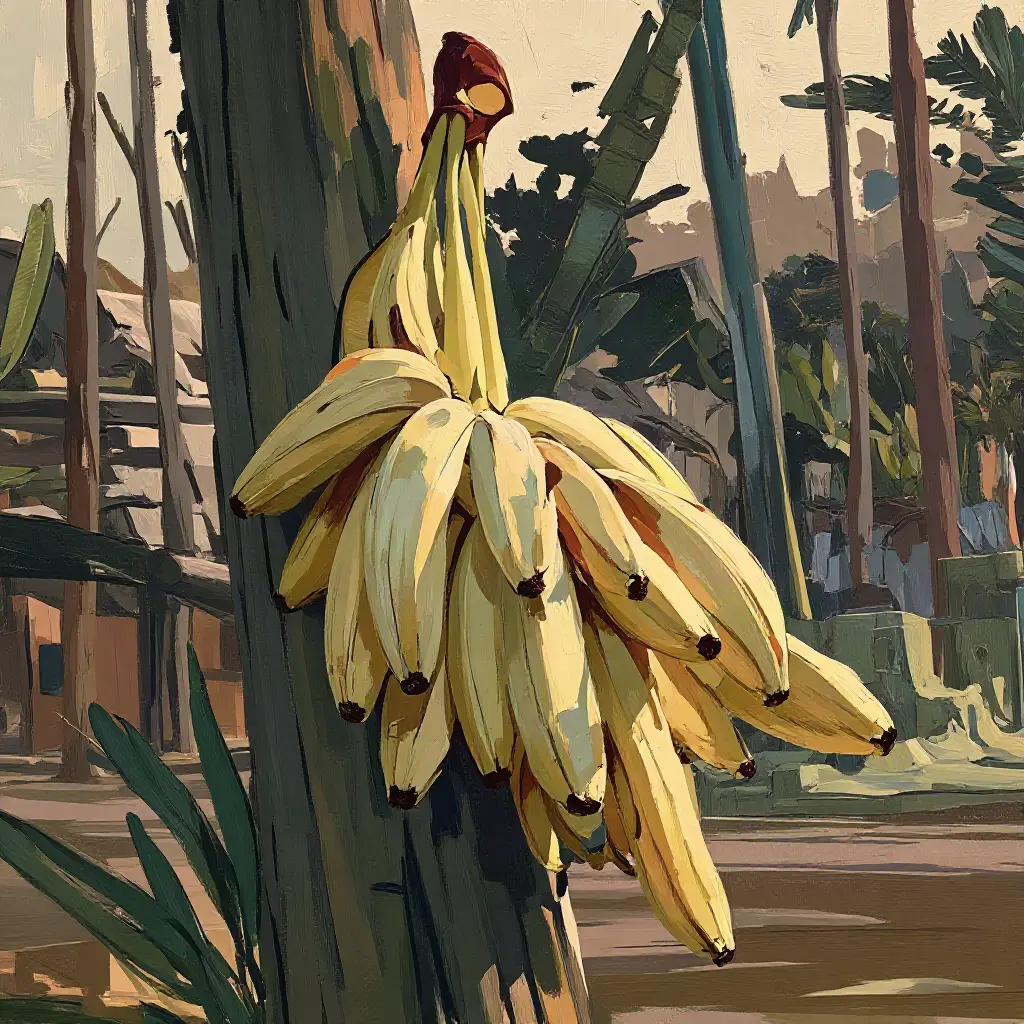 The Banana EmpireHow the United Fruit Company came to dominate Central America, and the part it played in the CIA-backed 1954 coup in Guatemala.
 The Mariana TrenchThe deepest place on Earth, a scar formed by 50 million years of one tectonic plate diving under another.
 The Treaty of VersaillesThe 1919 peace treaty that ended the First World War, signed in the Hall of Mirrors five years to the day after Franz Ferdinand's assassination.
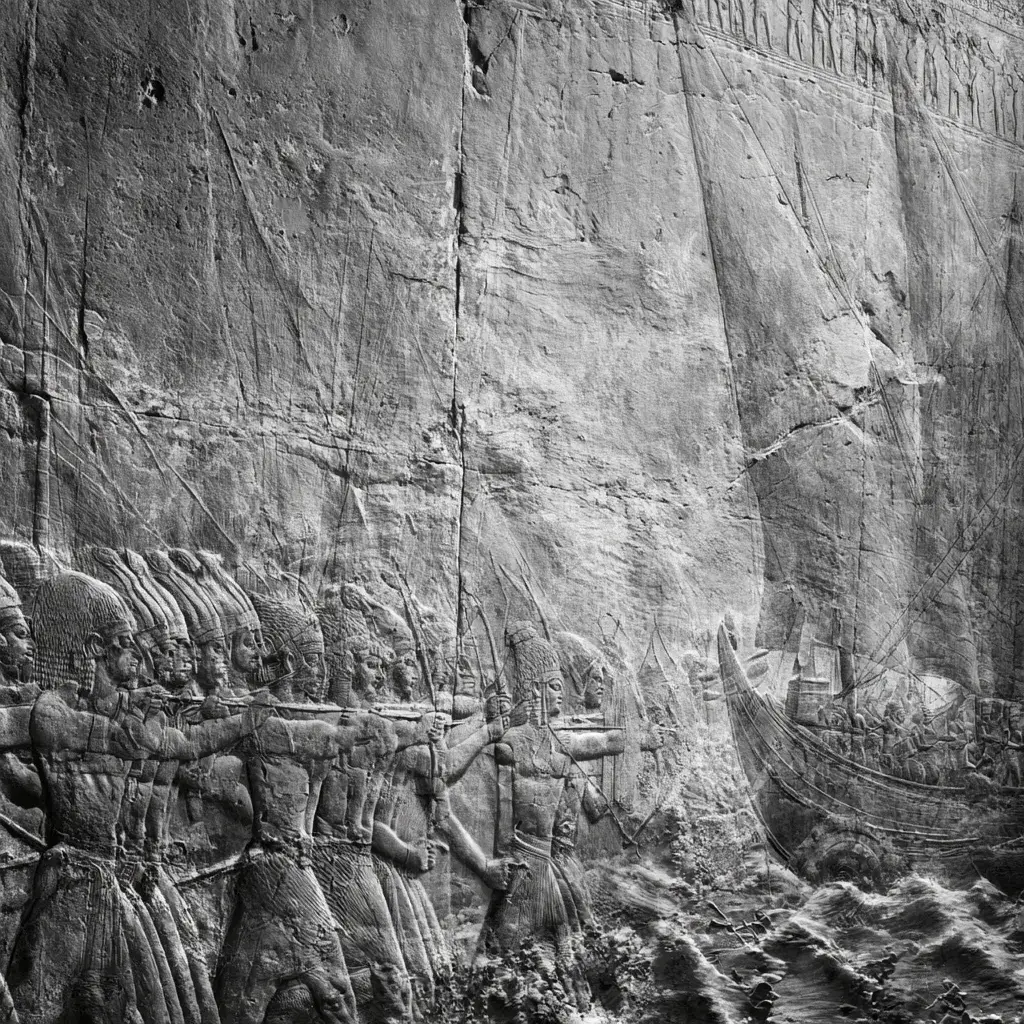 The Mystery of the Sea PeoplesThey helped topple the Bronze Age world, and a 2019 DNA study finally proved their European origins.
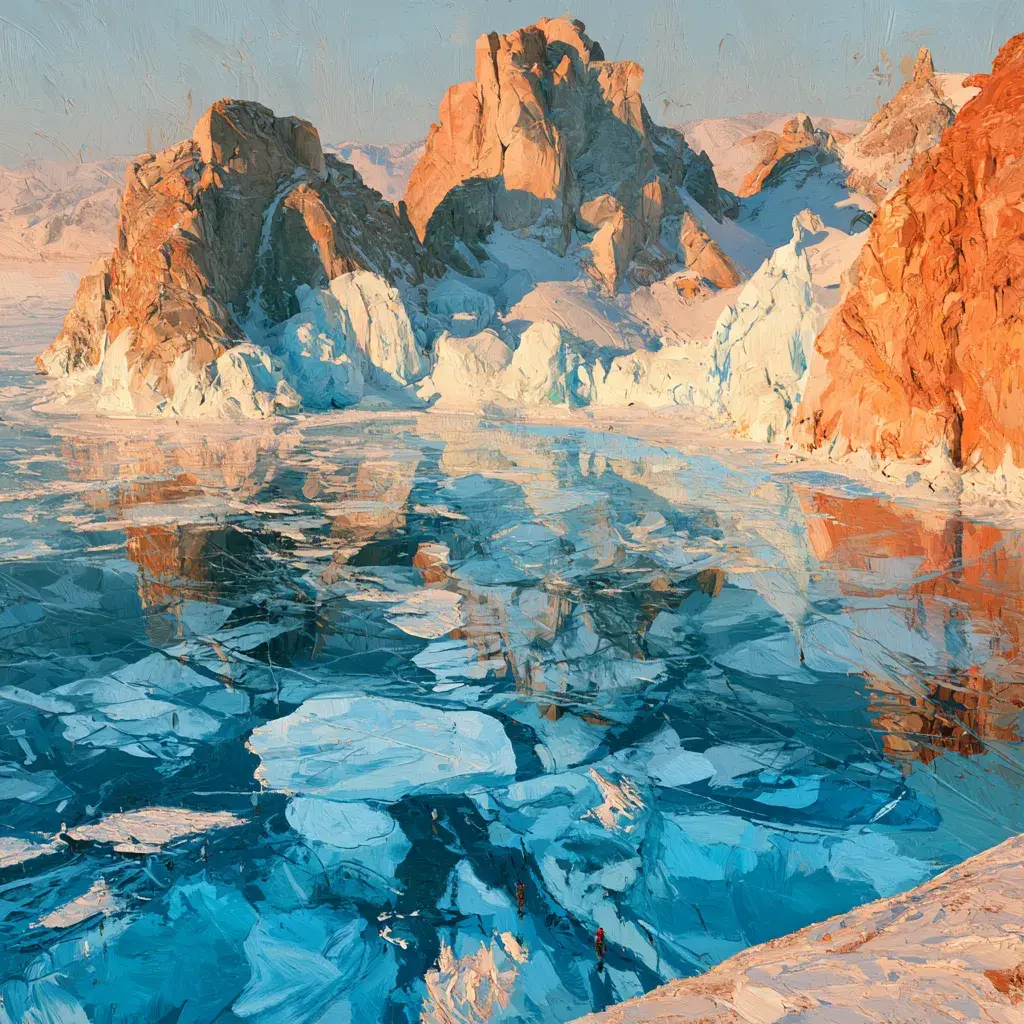 Lake BaikalLake Baikal in Siberia, the world's oldest and deepest lake: its active rift, its unique wildlife, Buryat legend, the 1904 railway laid across its ice, and the neutrino telescope in its depths.
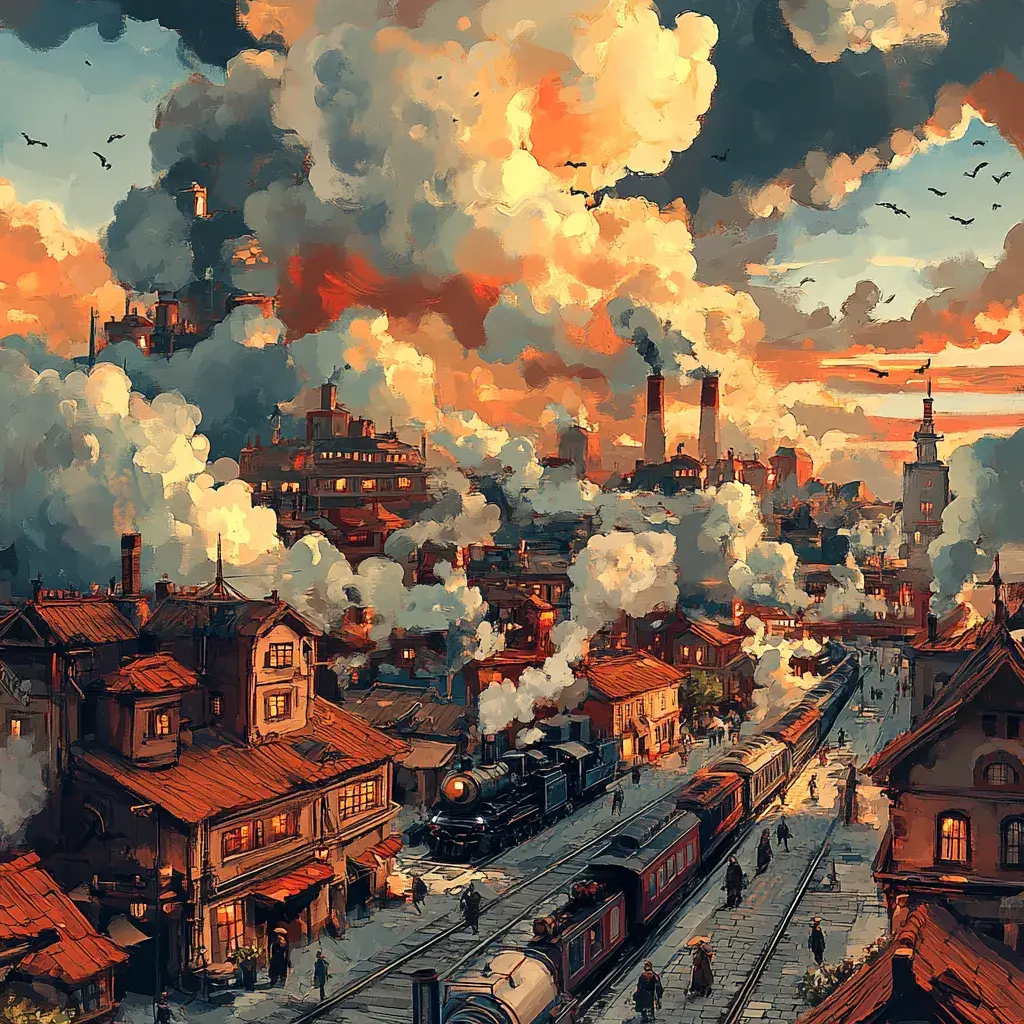 The Industrial RevolutionHow Britain moved from farms and cottage work to machines and factories, from Newcomen's 1712 mine engine and Watt's condenser to Arkwright's mills, the Rocket, child-labour reform and the Great Exhibition.
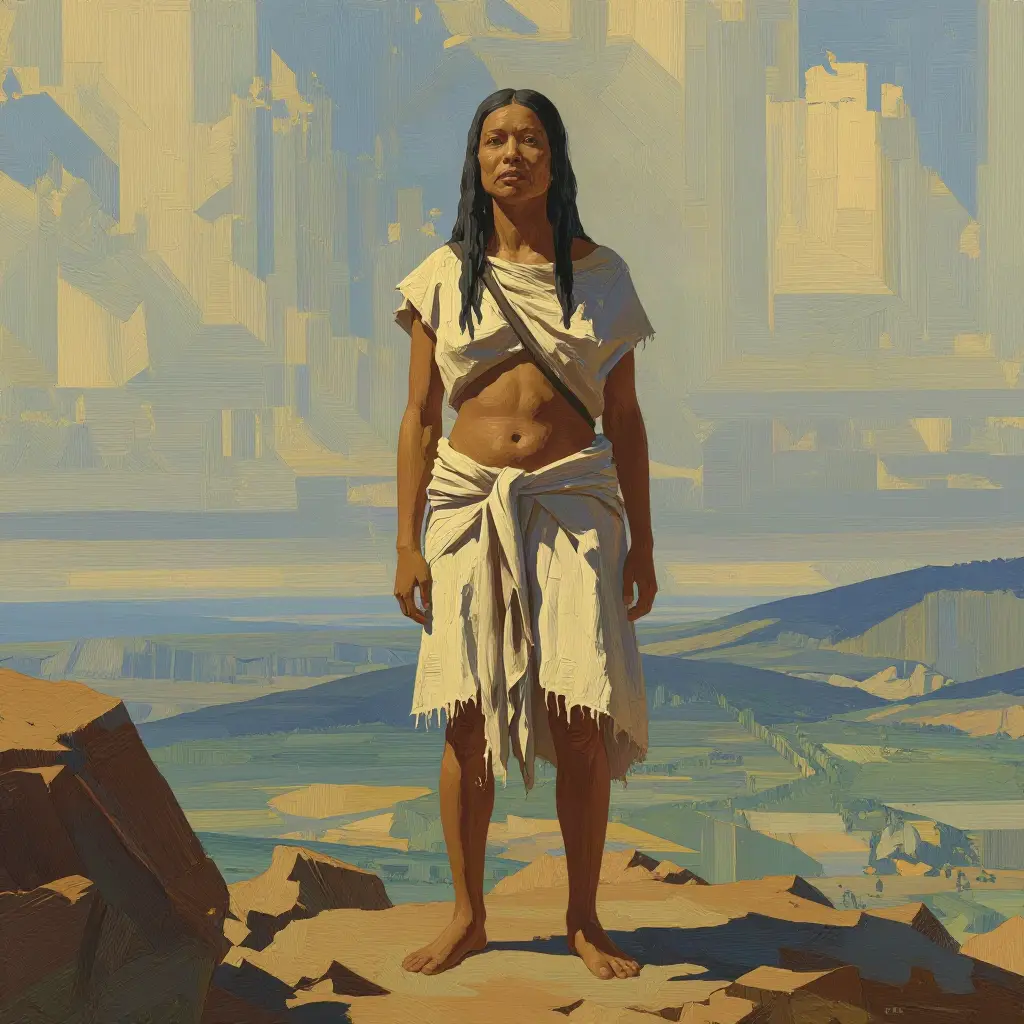 PocahontasThe real story of Pocahontas, from her capture and marriage to John Rolfe to her tragic death in England at age 21.
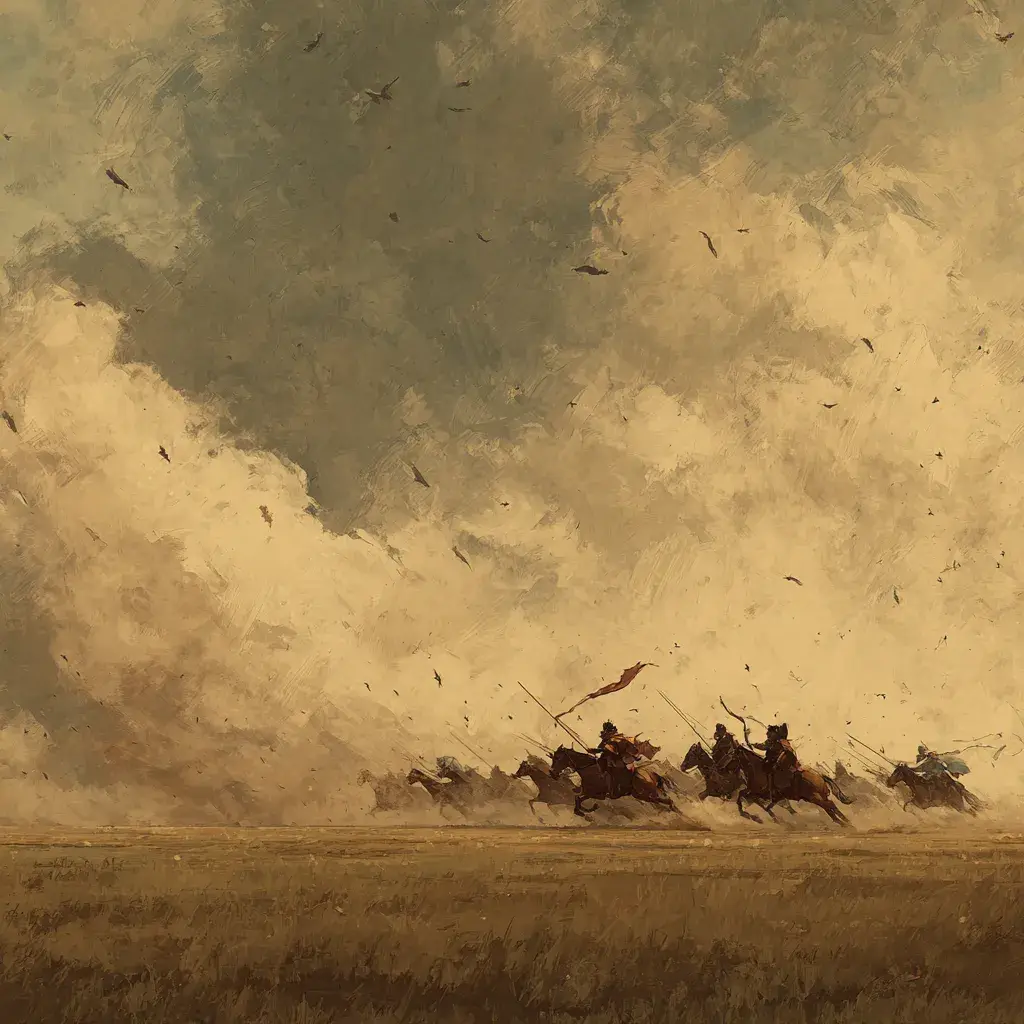 Genghis Khan and the Mongol EmpireHow Temüjin rose from an outcast boyhood to unite the Mongol tribes as Genghis Khan, the army and courier network he built, and the empire his descendants ruled after him.
 MozartMozart's life from child prodigy to freelance composer in Vienna, and the truth behind his mysterious Requiem and common grave.
 The Trojan WarThe Trojan War, a timeless tale of pride and fate, began when the prince of Troy, Paris, awarded a golden apple to the goddess Aphrodite.
 The Creation of the NHSHow Aneurin Bevan created Britain's National Health Service in 1948, winning over hostile doctors, and why its first years cost far more than expected.
 The Coelacanth: A Living FossilThe story of the shocking 1938 discovery of a fish thought to have gone extinct with the dinosaurs 66 million years ago.
 Laozi and the DaoThe Dao De Jing teaches the 'Dao', the way things naturally go. Its author, Laozi, may not have been a single person at all.
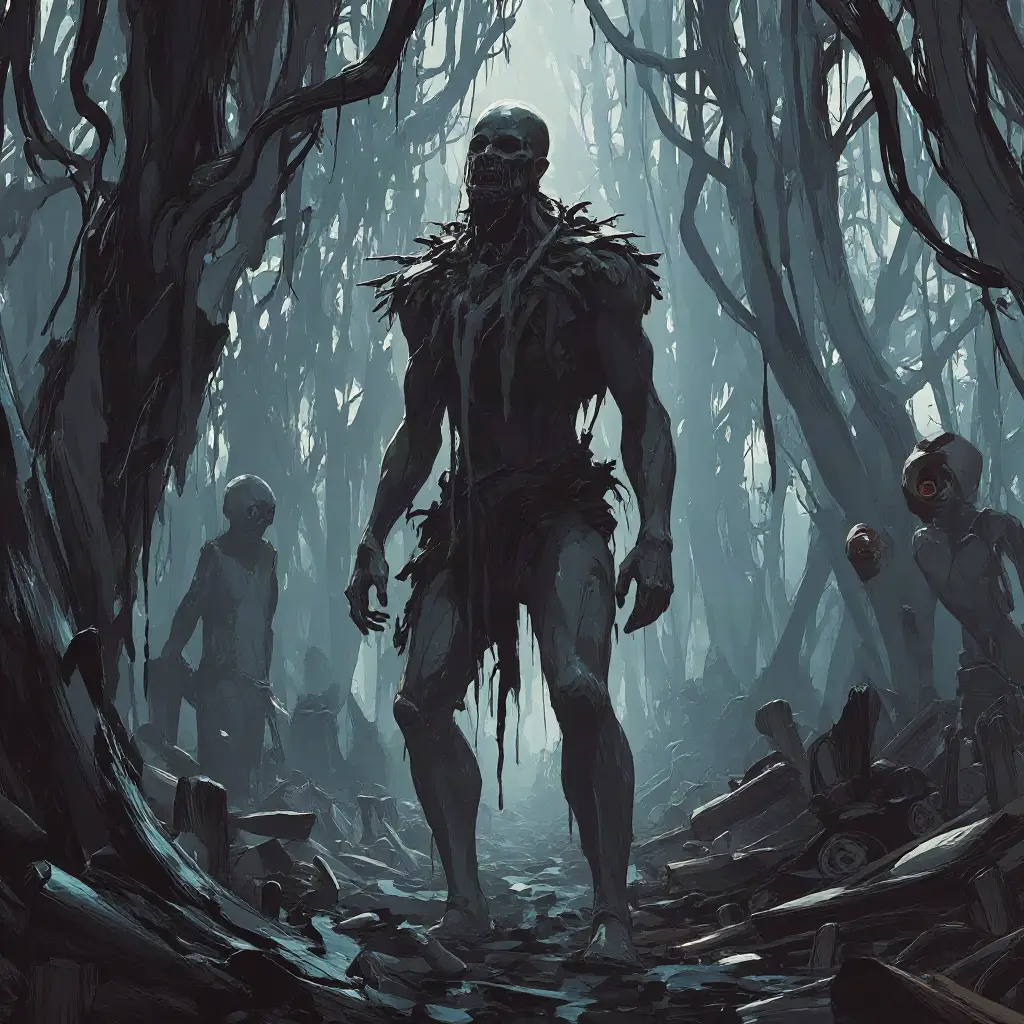 The Wendigo's Eternal HungerThe Algonquian legend of the Wendigo, a spirit of greed whose insatiable hunger grows with every victim it consumes.
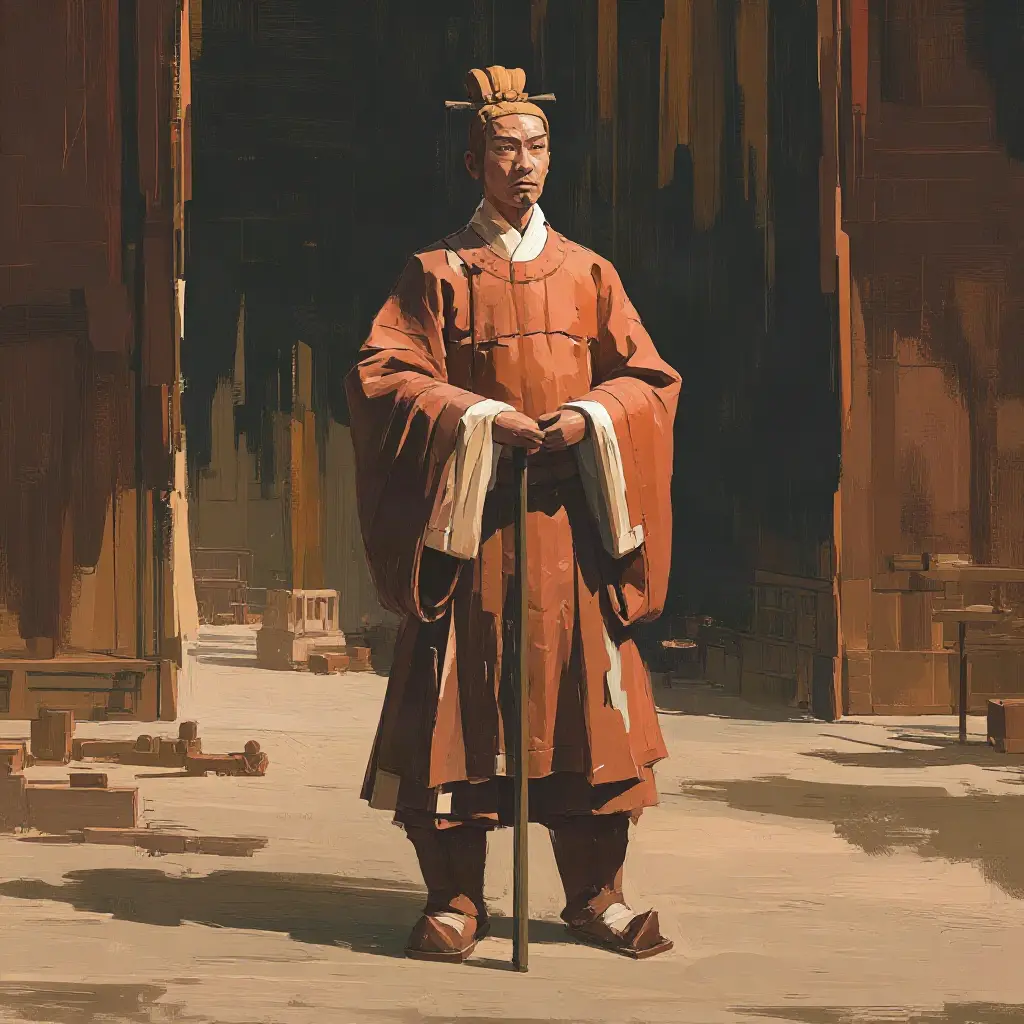 The First Emperor of ChinaIn 221 BC, Qin Shi Huang unified China, standardized its writing and currency, and was buried with an army of over 8,000 terracotta soldiers.
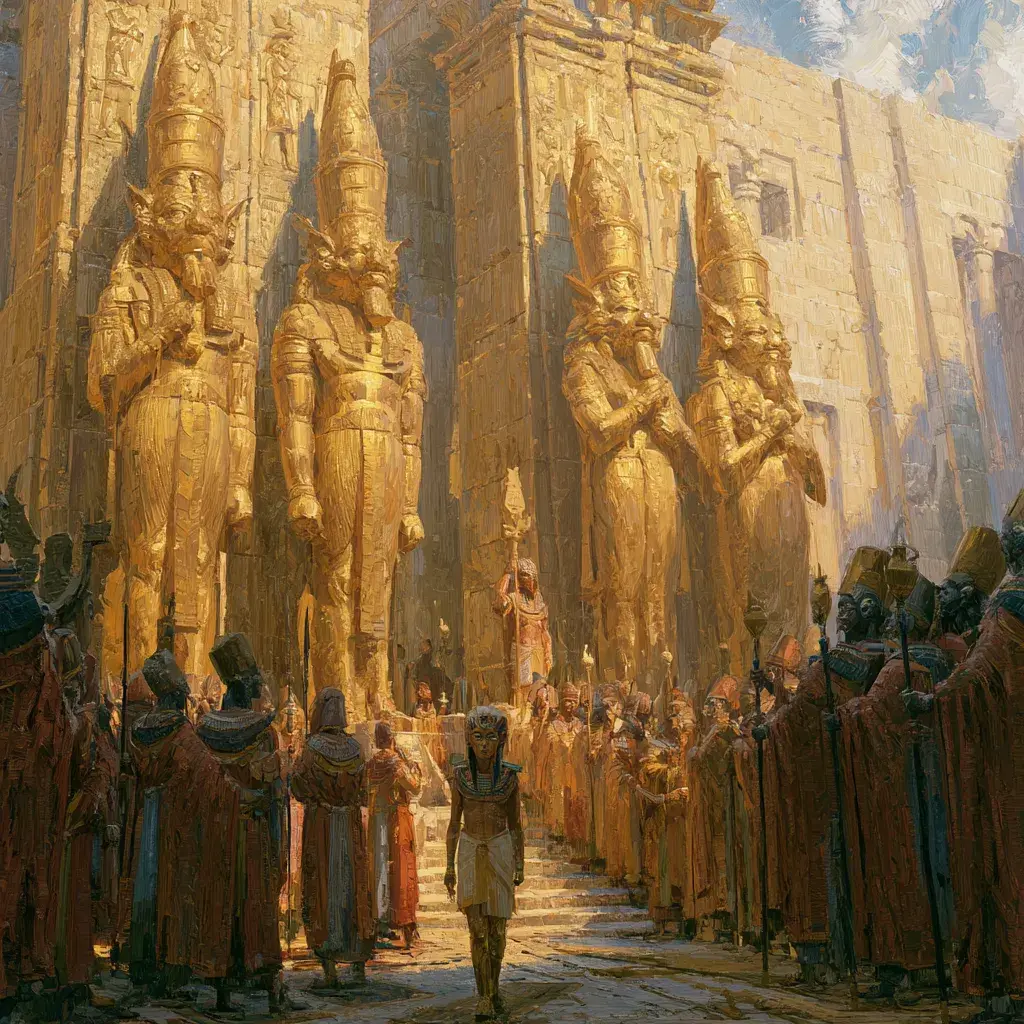 Tutankhamun: The Boy KingThe life and death of Tutankhamun, the boy pharaoh who restored Egypt's old gods, and Howard Carter's 1922 discovery of his nearly intact tomb in the Valley of the Kings.
 The Olympic Games: From Ancient to ModernThe Olympic Games, from the sacred festival at Olympia in 776 BCE to their revival in Athens in 1896.
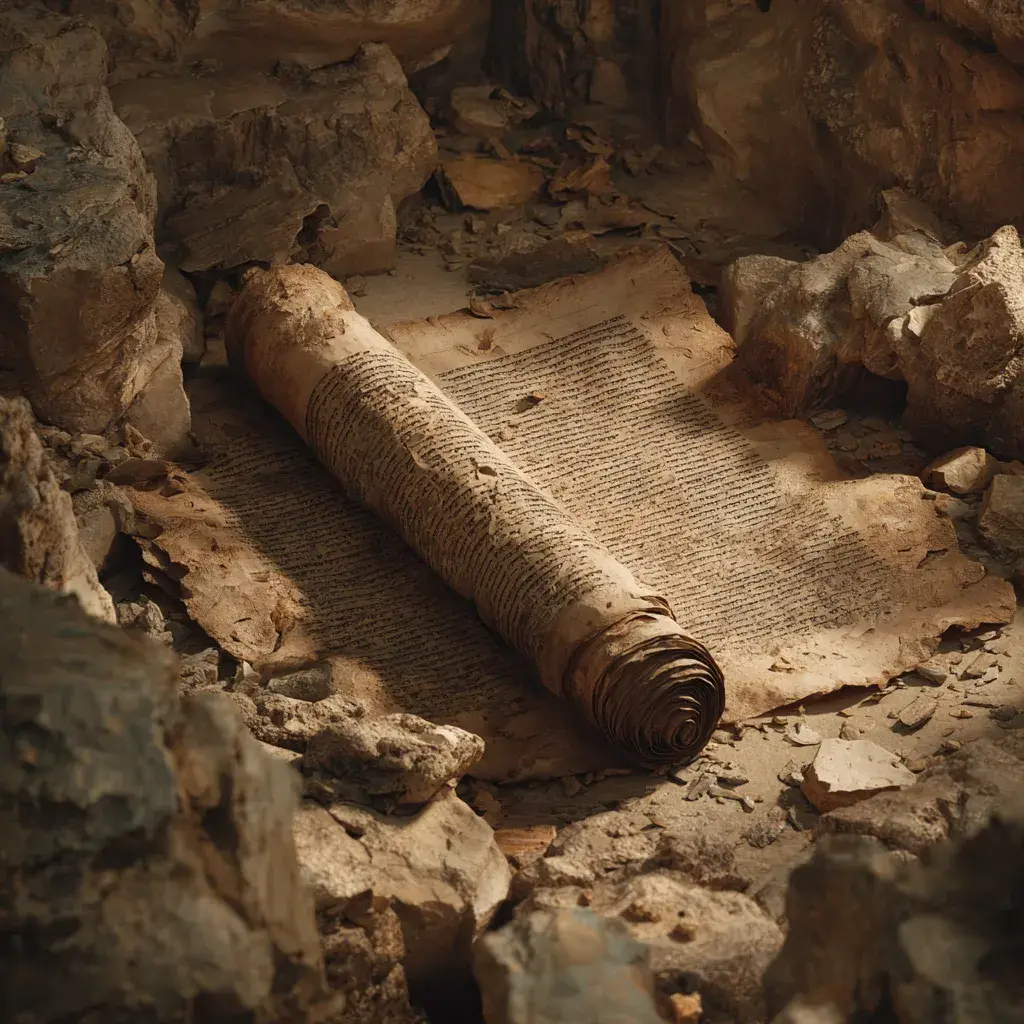 The Dead Sea ScrollsIn 1947, a shepherd found manuscripts hidden for nearly 2,000 years, revealing the story of who wrote them and why.
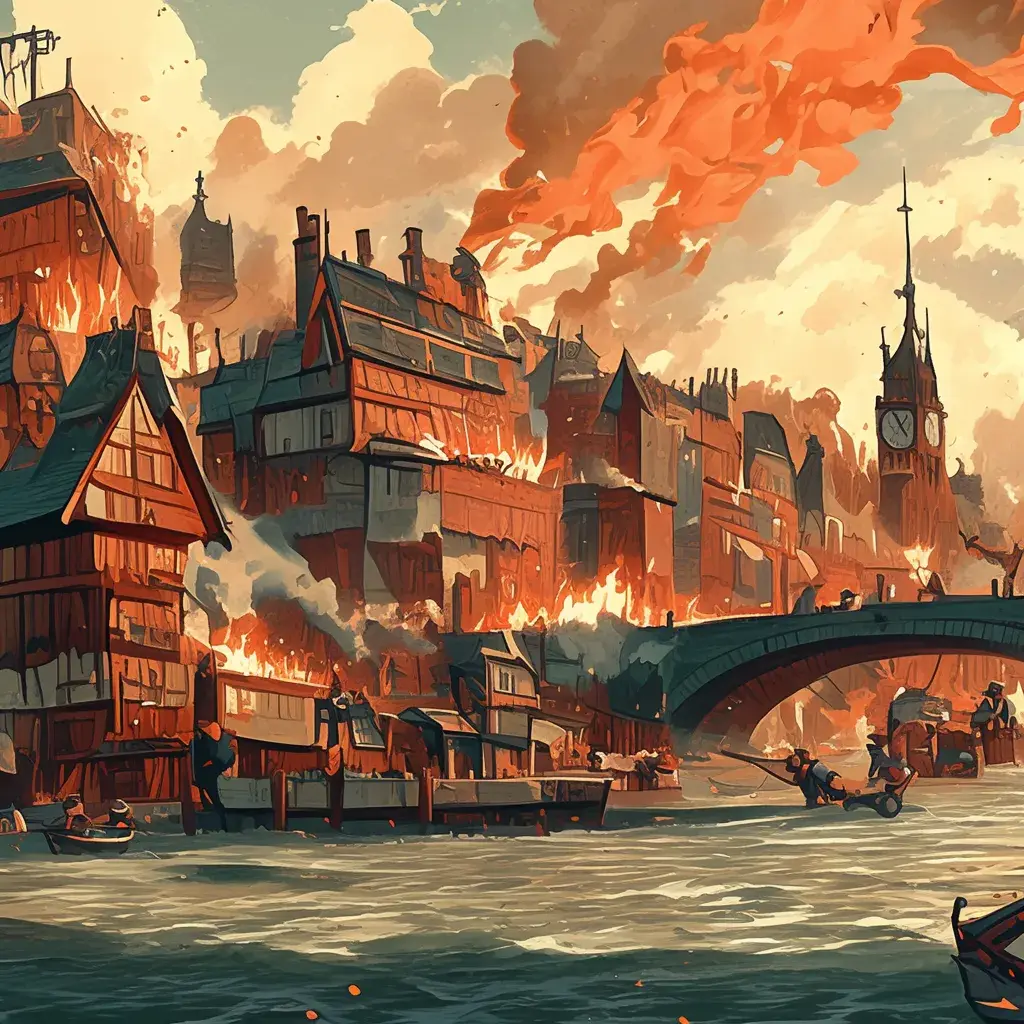 The Great Fire of LondonIn 1666, a small fire in a London bakery escalated into a devastating inferno that destroyed 13,200 houses and reshaped the city.
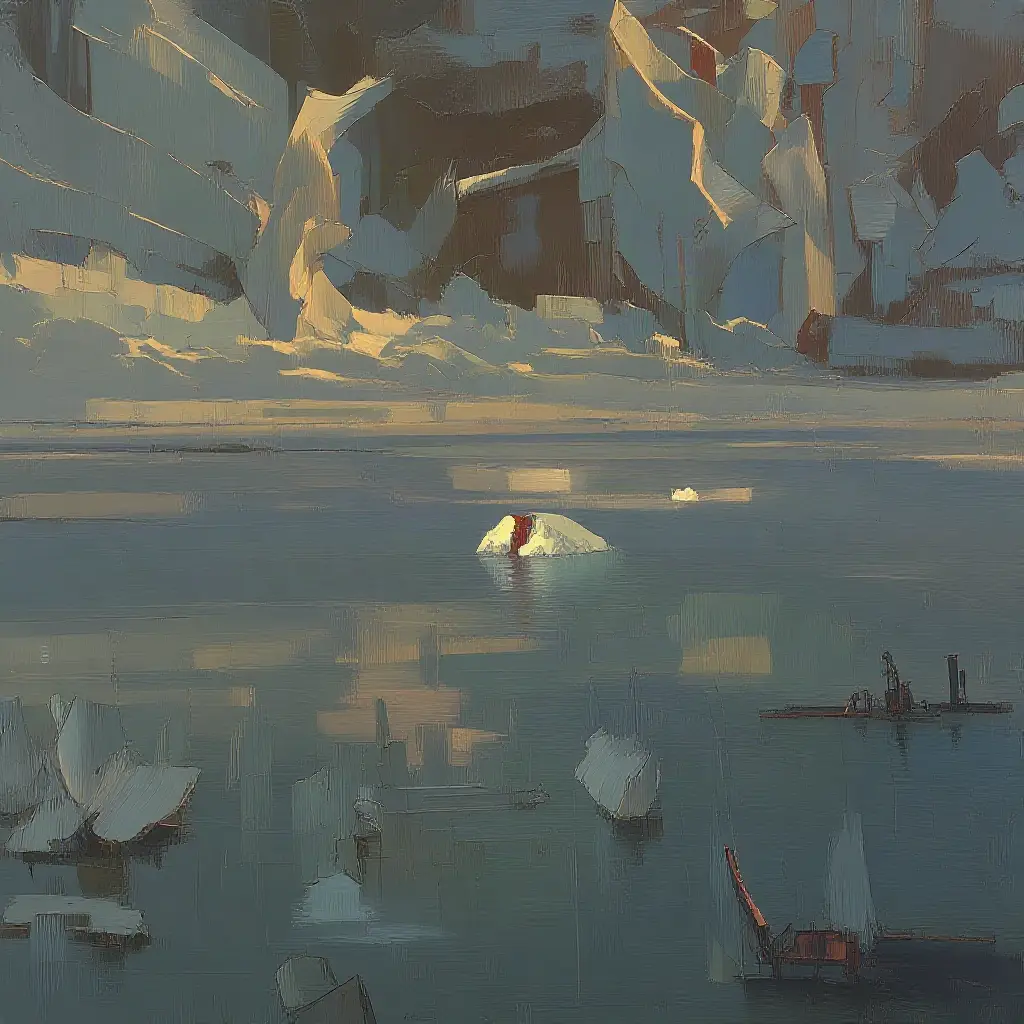 Lake Vostok and Subglacial ExplorationBeneath 4km of Antarctic ice lies Lake Vostok, a freshwater lake isolated for millions of years, finally breached by a Russian drilling team in 2012.
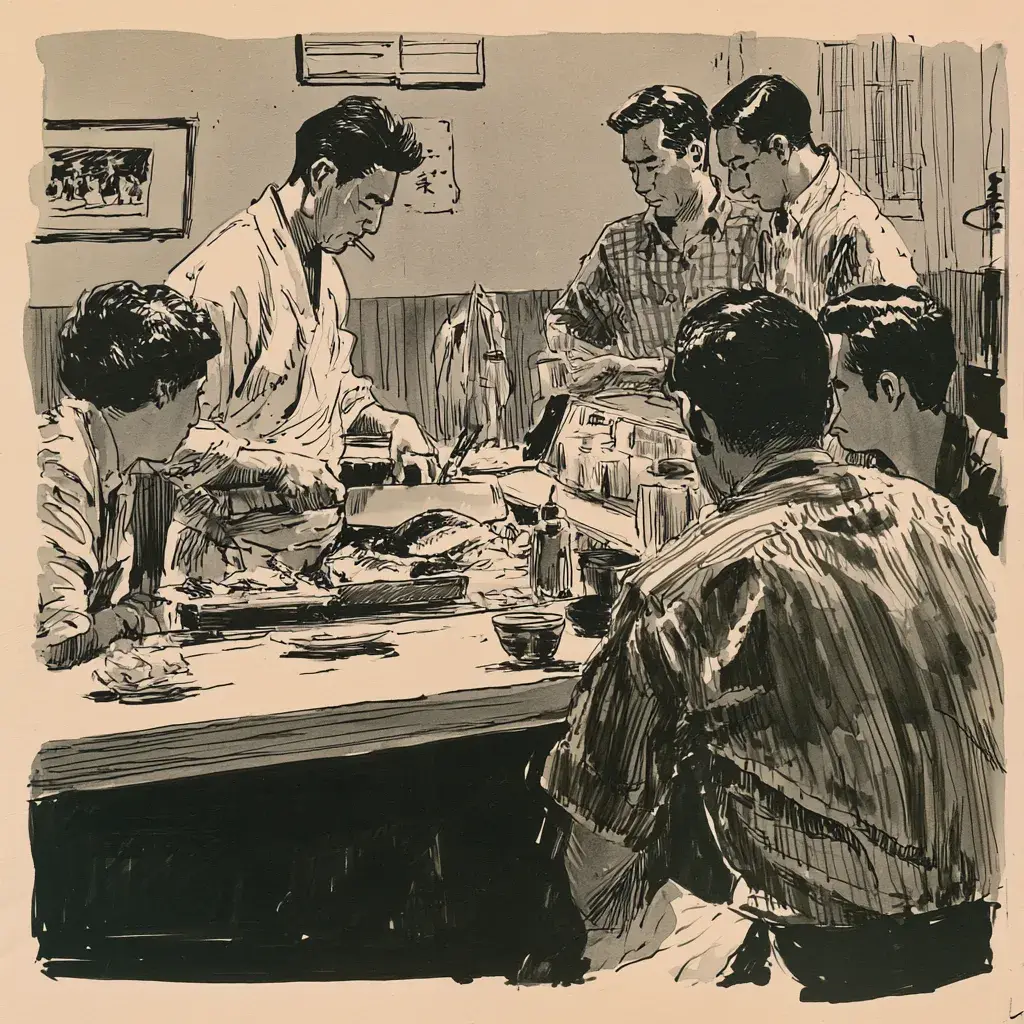 Hanaya Yohei and the Invention of Nigiri SushiHow Edo street vendor Hanaya Yohei came to be credited with hand-pressing fish onto vinegared rice in the 1820s, creating nigiri sushi, and how the style spread across Japan.
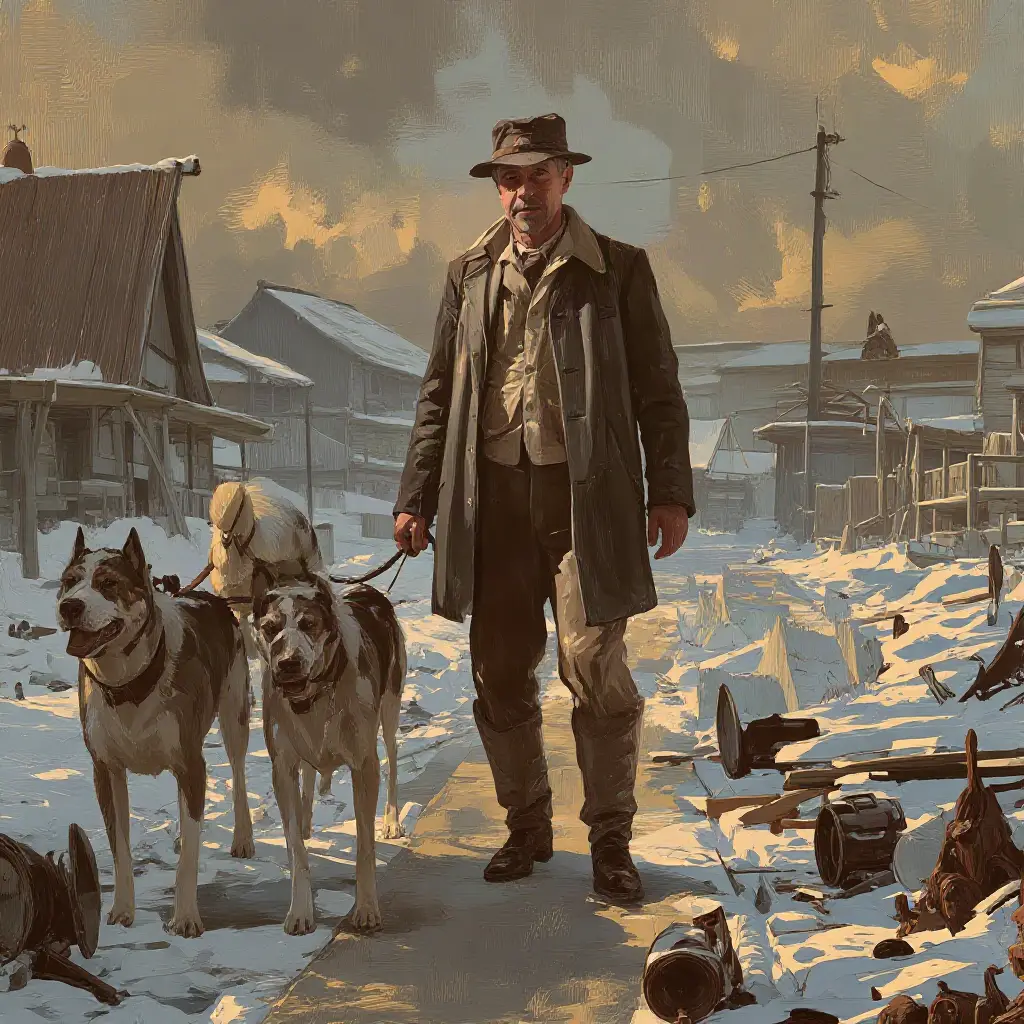 The 1925 Serum Run: Togo and BaltoDog teams relayed diphtheria serum 674 miles to Nome in 127.5 hours in 1925, led in turn by Togo and Balto.
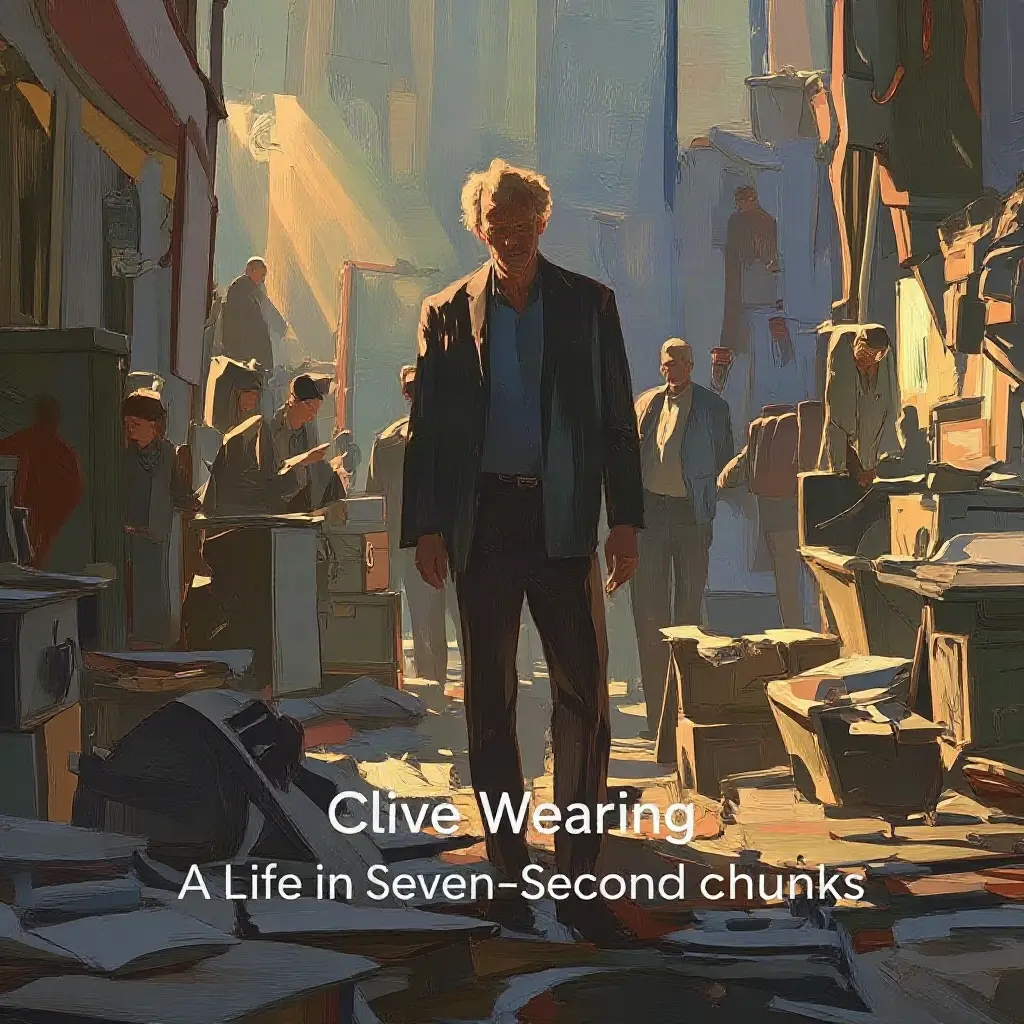 Clive Wearing: A Life in Seven-Second ChunksClive Wearing's memory lasted 7 to 30 seconds after a 1985 virus, yet he greeted his wife Deborah with joy every time.
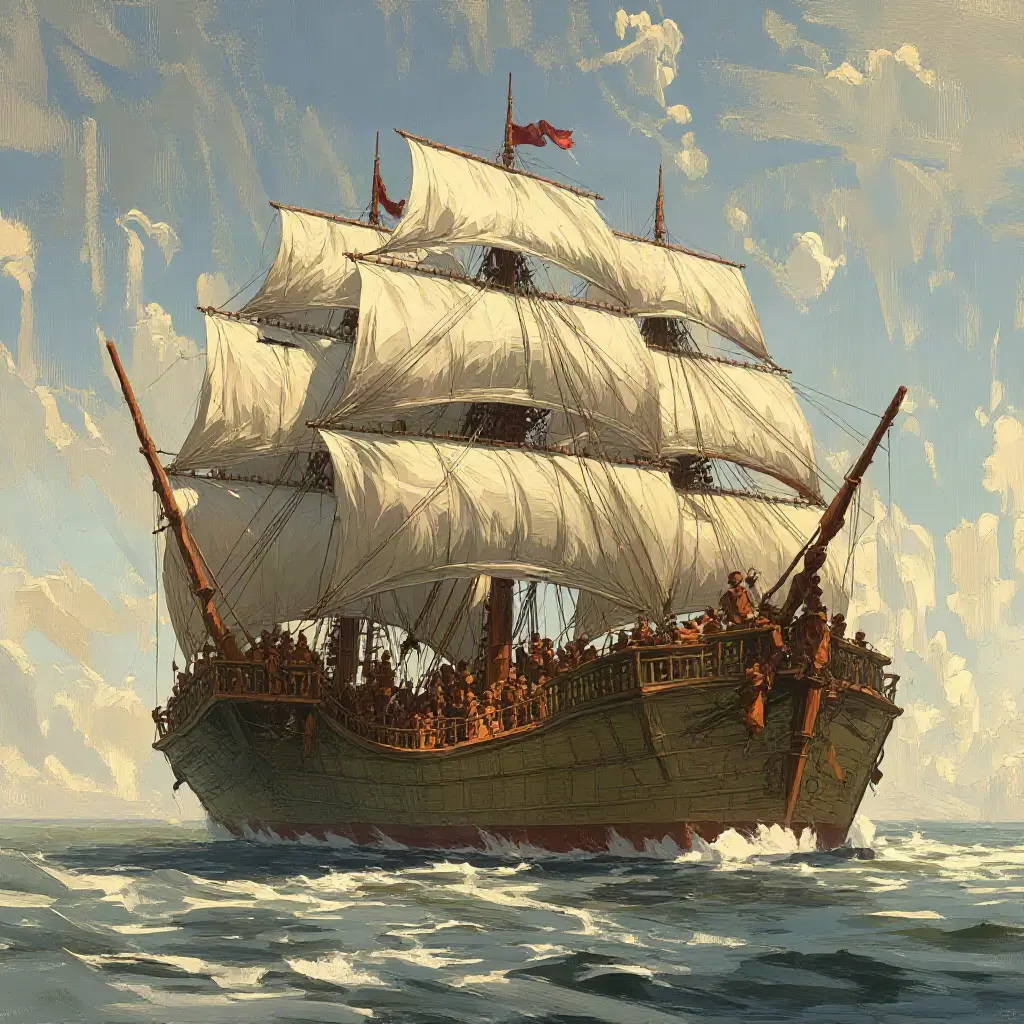 Zheng He's Treasure FleetsBetween 1405 and 1433, Admiral Zheng He's massive ships sailed to Africa, but China then let its fleet rot.
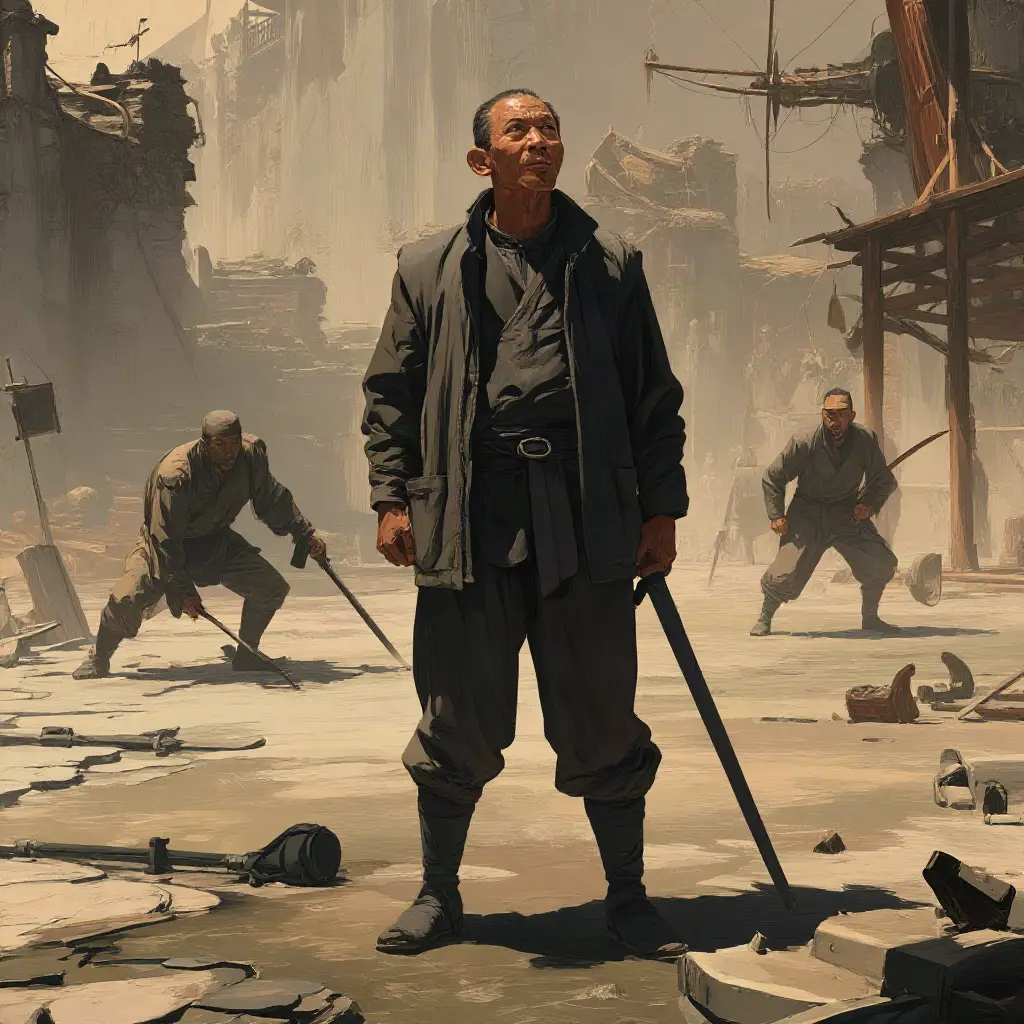 The Boxer RebellionIn 1900, a secret society of Chinese martial artists known as the Boxers attempted to drive all foreigners out of China.
 Theseus and the MinotaurThe Greek myth of Theseus, who sailed to Crete with Athens' tribute of youths, killed the Minotaur in Daedalus's Labyrinth with Ariadne's help, and caused his father's death on the way home.
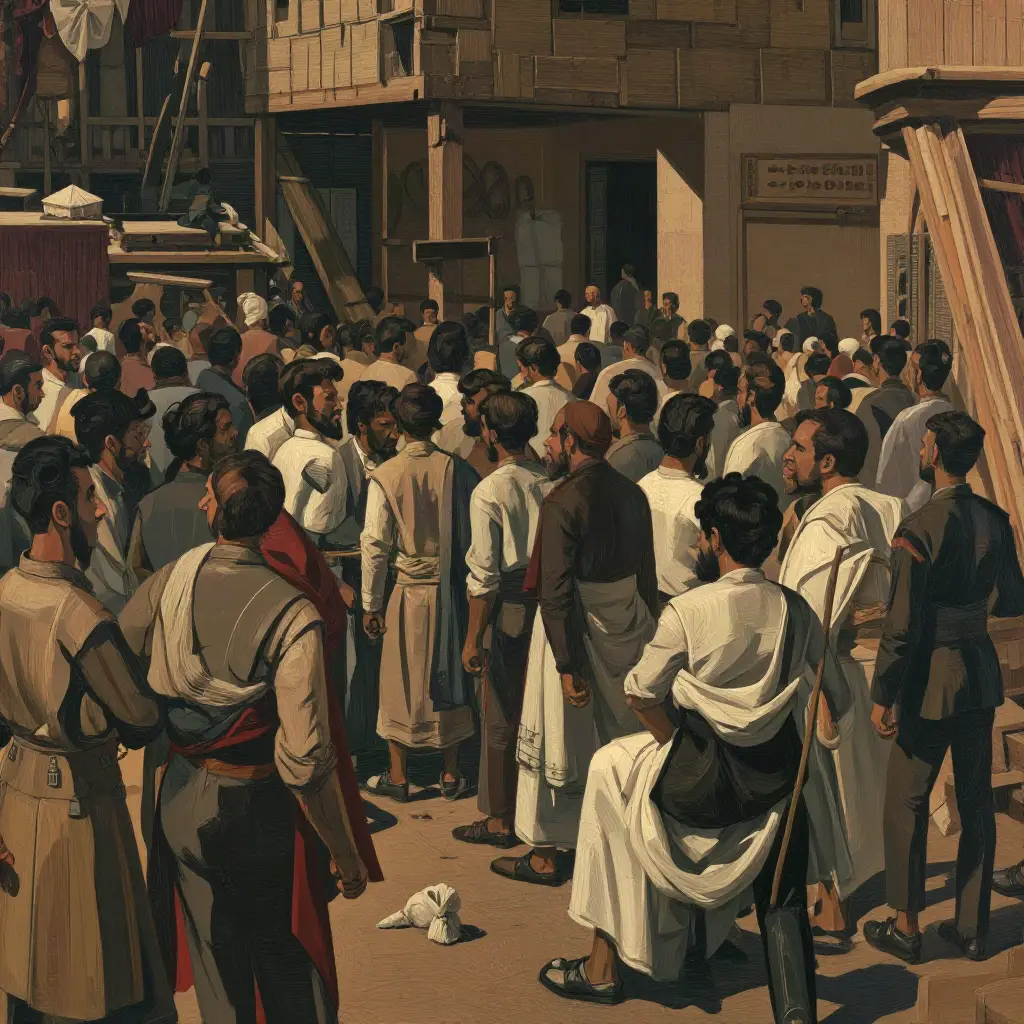 The 1979 Iranian RevolutionHow a year of protest in 1978 drove the Shah of Iran into exile and brought Ayatollah Khomeini to power as the head of a new Islamic Republic.
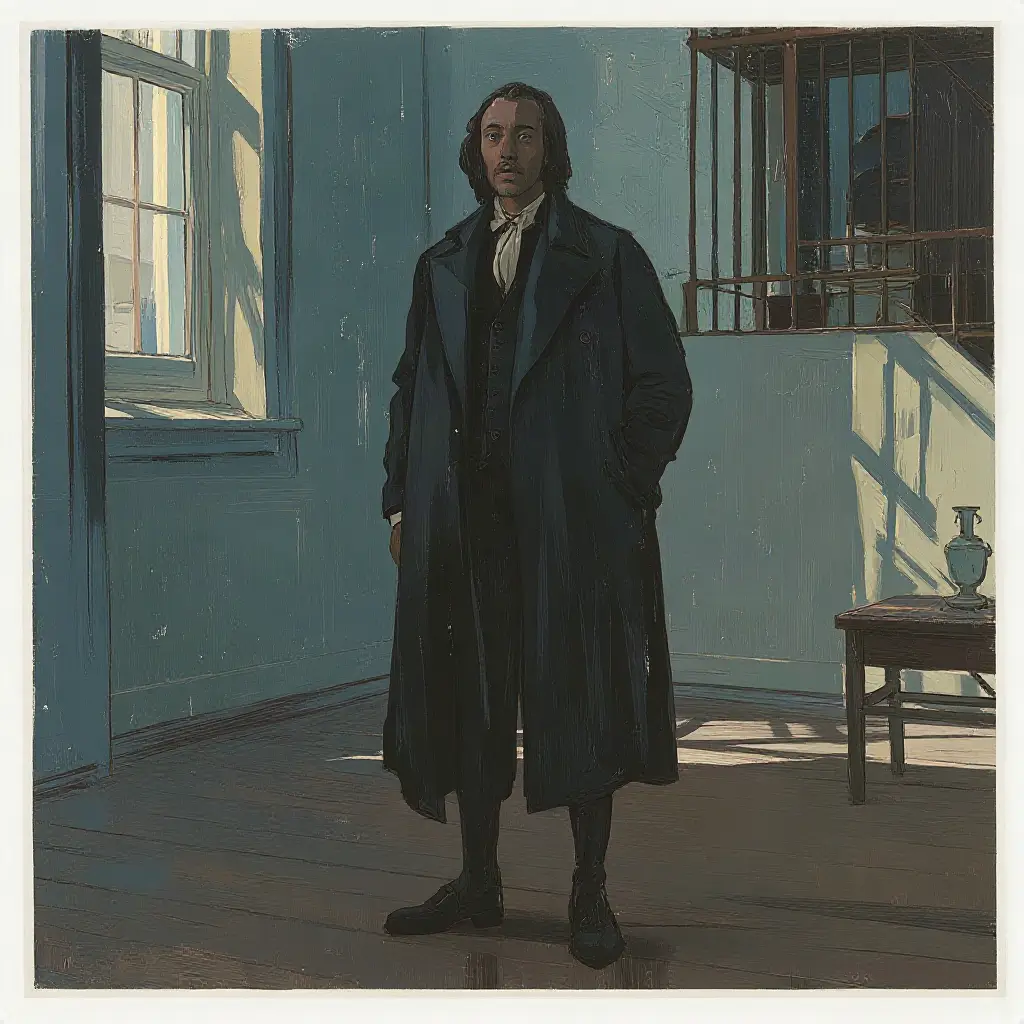 Pascal's WagerBlaise Pascal's argument that believing in God is the rational bet, a concept born from a 1654 gambling dispute that founded probability theory.
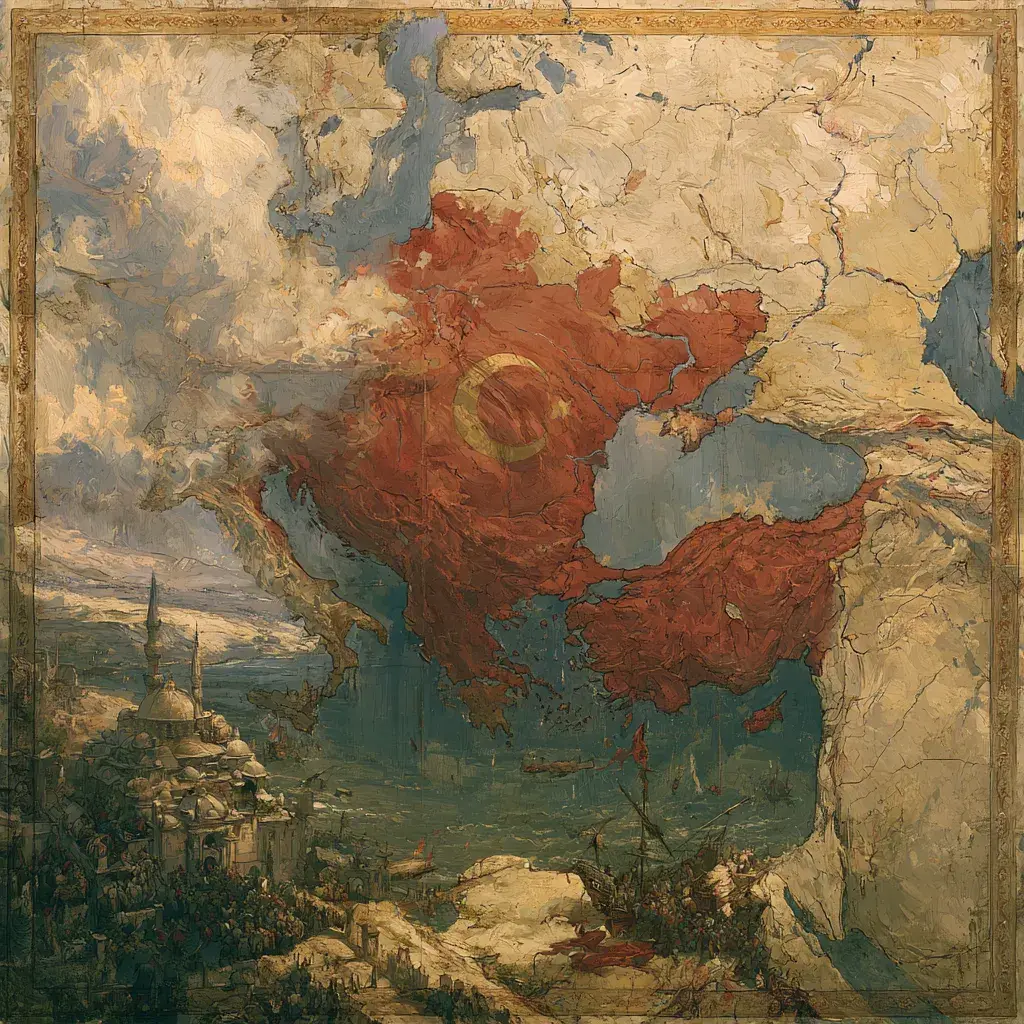 The Ottoman EmpireHow a small Turkish state became an empire spanning three continents and fell after six centuries of rule.
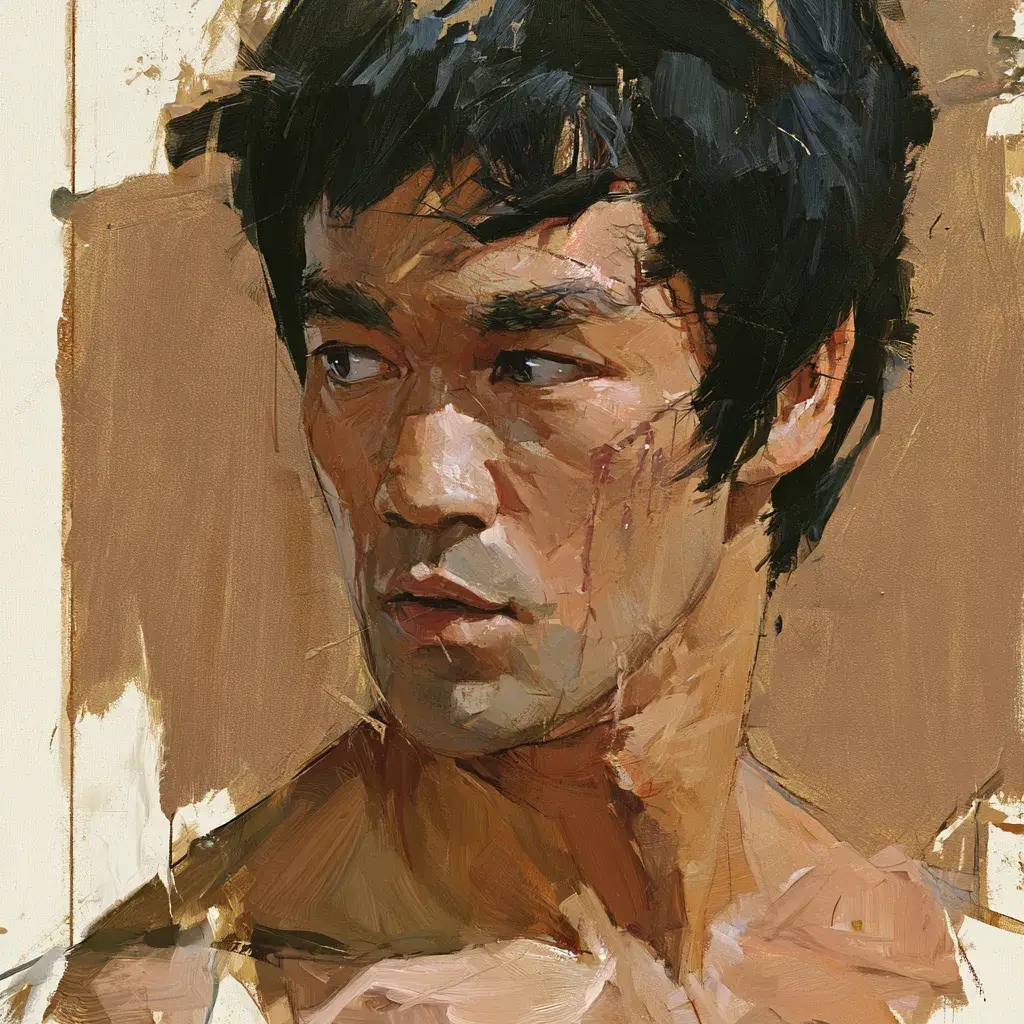 Bruce LeeHow a pivotal fight pushed Bruce Lee to reject tradition, create his own martial art, and become a global icon.