Women in World War One
ChunksChunks Microlearning
Women in World War One

Women in World War One

How WWI transformed women's roles, fueling courage, sacrifice, and change.

Chapter 1

Before the Storm

1:26

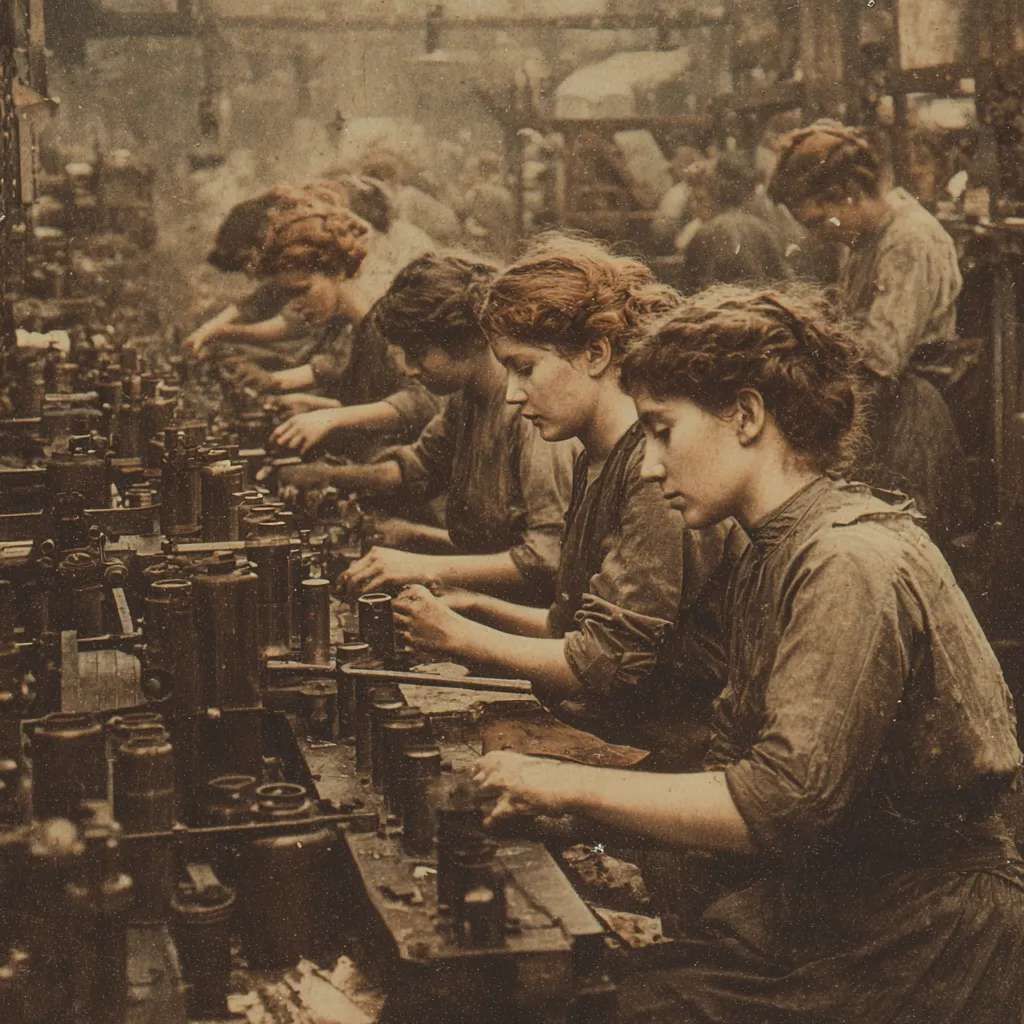
At the dawn of the 20th century, women’s lives in Europe and America were largely defined by tradition. Most women worked as wives, mothers, teachers, or in service roles, with only a minority finding employment in factories or offices. In politics, they had little voice; Few countries permitted women to vote or hold office. Yet the seeds of change were already sowing. Across Britain and the United States, bold activists campaigned for women’s suffrage, waving banners and risking arrest. Their cause, however, often met fierce resistance and societal skepticism about women’s abilities and appropriate place.

Then, in the summer of 1914, the assassination of Archduke Franz Ferdinand unleashed a storm. Nations across Europe mobilized for war, summoning millions of men to put on uniforms and leave their homes. Suddenly, entire economies and societies were left with enormous gaps—factories, farms, and offices desperately needed workers. Governments soon realized that women were not only necessary, but essential. The demands of total war began to crack age-old social barriers, nudging women onto paths that had long seemed forbidden. The world, it became clear, would never be quite the same.

Frequently Asked Questions

How did World War I change women's roles in society?

World War I dramatically transformed women's roles as they filled jobs previously held by men who went to fight. Women worked in munitions factories, drove ambulances, served as nurses near battlefields, and took on roles in agriculture and heavy industry. This unprecedented participation in the workforce and war effort accelerated the women's suffrage movement and challenged traditional gender expectations.

What types of jobs did women perform during World War I?

Women during WWI worked as nurses and medical assistants on the front lines, operated dangerous munitions factories producing shells and explosives, and served as ambulance drivers transporting wounded soldiers. They also worked in agriculture, shipbuilding, and transportation, while some served as spies and intelligence operatives. These roles were previously considered unsuitable for women but became essential to the war effort.

Did women serve as soldiers in World War I?

Most countries did not allow women to serve as combat soldiers during WWI, but some women found ways to fight by disguising themselves as men or serving in auxiliary military roles. Russia had female battalions including the Women's Battalion of Death led by Maria Bochkareva. Many more women served in dangerous support roles near battlefields as nurses, drivers, and communication operators under enemy fire.

Learn more

To continue the story, download the Chunks Microlearning app

AppleDownload on iOS
GoogleDownload on Android