
Imagine stepping into a world so lush and alive, it feels like entering another planet. This is the Amazon Rainforest. Stretching across nine South American countries and covering more than 2 million square miles, it is the largest jungle on Earth. But it is more than just a massive forest; it is a living, breathing ecosystem teeming with life. The air is thick with humidity and the sweet scents of blooming flowers. Sunlight pierces through the canopy in golden beams, illuminating a mosaic of green leaves, vines, and ancient trees. This place is home to jaguars, pink river dolphins, poison dart frogs, and thousands of species found nowhere else. The Amazon is often called the lungs of the planet because it produces around 20% of the world’s oxygen and stores immense amounts of carbon. For thousands of years, indigenous peoples have called these forests home, living in harmony with the land. Today, as you begin this journey, you will discover why the Amazon is not just a distant wilderness, but a vital part of Earth’s story—and ours.
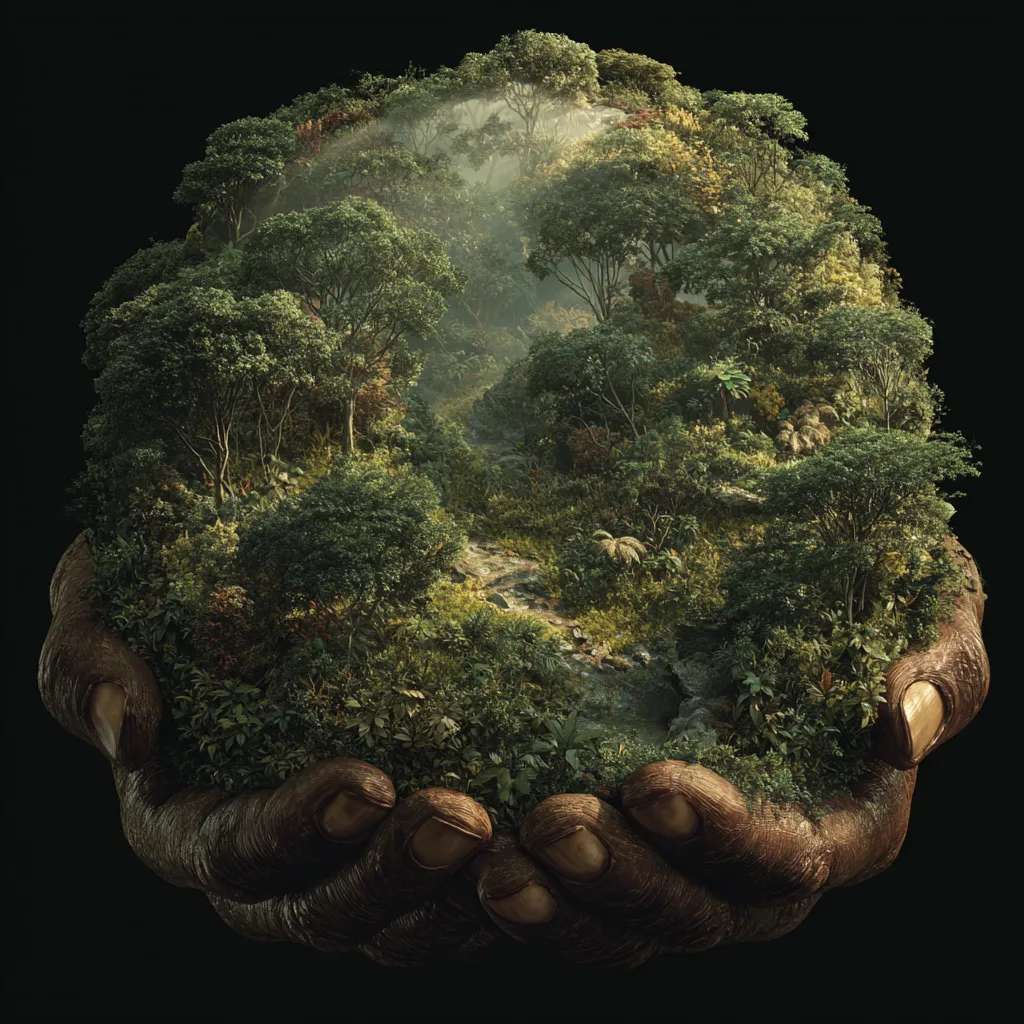
The Wonders of the Amazon Rainforest
Vibrant life, hidden dangers, and why the Amazon matters to us all.
Into the Green Heart
Frequently Asked Questions
How many species of plants and animals live in the Amazon rainforest?
The Amazon rainforest is home to approximately 10% of all known species on Earth. Scientists estimate it contains over 40,000 plant species, 2.5 million insect species, and thousands of birds, mammals, reptiles, and fish. Many species remain undiscovered, making it the most biodiverse ecosystem on the planet.
What role do indigenous peoples play in protecting the Amazon rainforest?
Indigenous communities have been the Amazon's primary guardians for thousands of years, protecting approximately 80% of the rainforest's remaining biodiversity. Their traditional knowledge and sustainable practices help preserve the ecosystem while their territorial rights serve as natural barriers against deforestation. Indigenous-managed lands show significantly lower rates of forest loss compared to other areas.
Why is the Amazon rainforest important for global climate regulation?
The Amazon produces about 20% of the world's oxygen and absorbs massive amounts of carbon dioxide, helping regulate global climate patterns. The rainforest generates its own weather system, recycling water vapor that influences rainfall across South America. Its destruction would release billions of tons of stored carbon, accelerating climate change worldwide.
Learn more
To continue the story, download the Chunks Microlearning app
 Download on iOS
 Download on Android