
In March 1953, a massive British expedition set off to conquer the highest point on Earth: the summit of Mount Everest. Led by Colonel John Hunt, the military-style operation involved over 400 people, including 20 Sherpa guides and hundreds of porters carrying 7.5 tonnes of supplies. This was seen as Britain's final chance to claim the 'Third Pole' before other nations were granted permission to try. Among the team's best climbers were a quiet beekeeper from New Zealand, Edmund Hillary, and a veteran Sherpa guide, Tenzing Norgay. The world watched to see if they, or any of the team, could finally stand on the highest point on Earth.
Edmund Hillary & Tenzing Norgay: Everest's Summit
How Edmund Hillary and Tenzing Norgay became the first to reach the summit of Everest on 29 May 1953, and who really stepped on top first.
Chapter 1
The Third Pole
0:44
People in this story
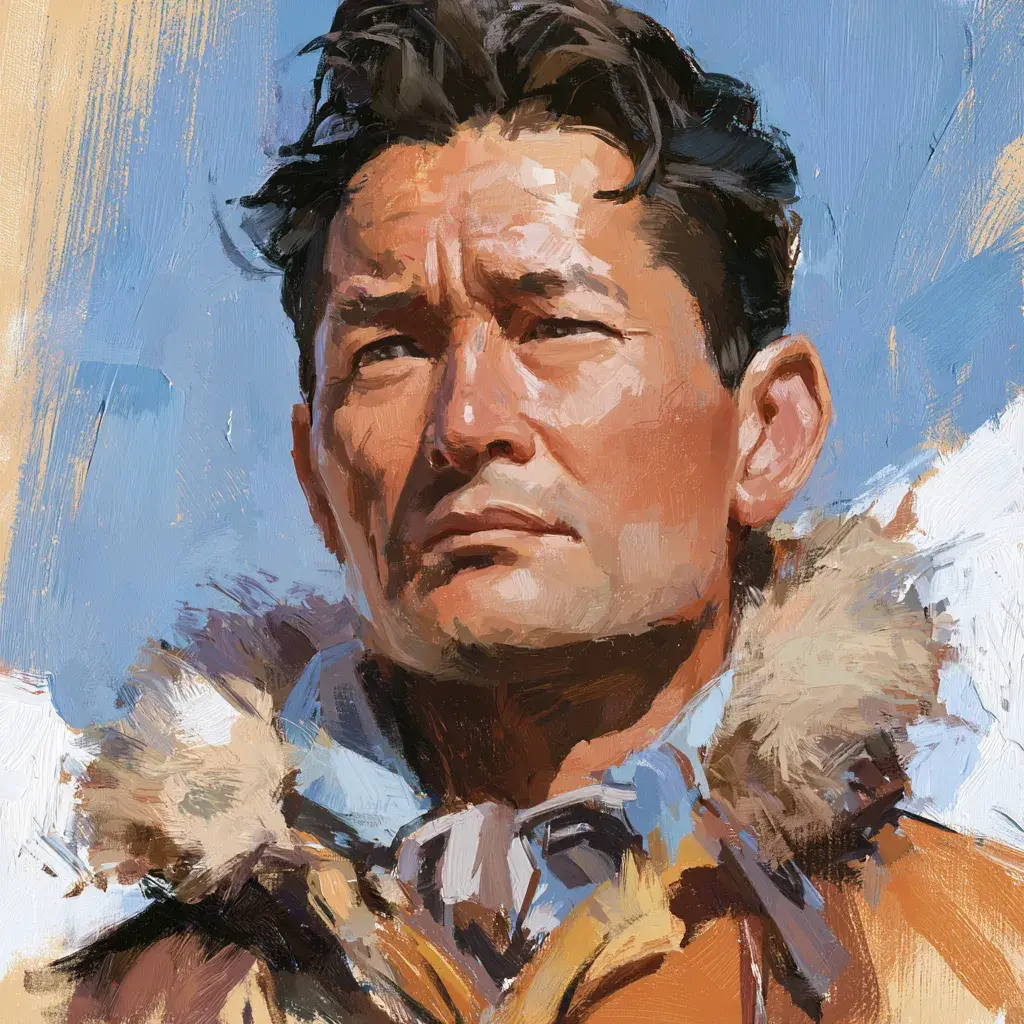
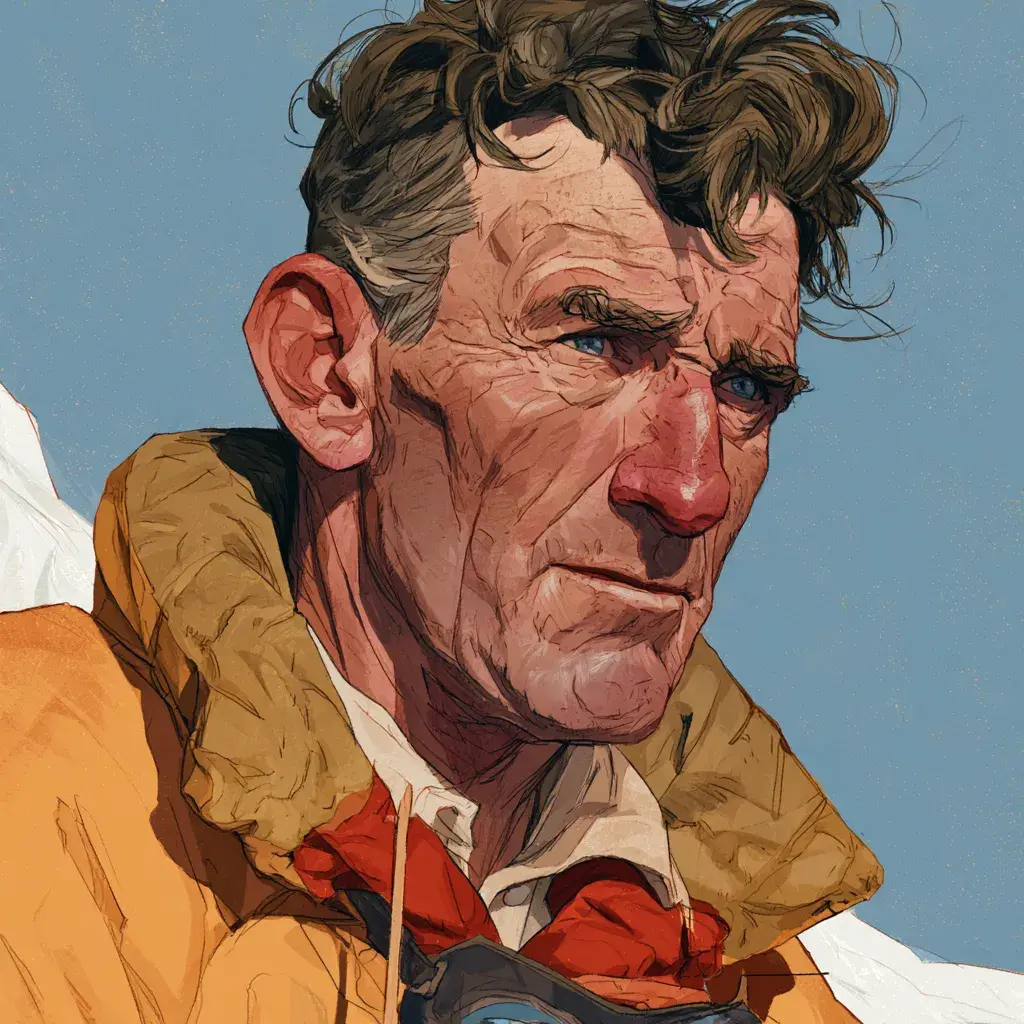
Part of
Frequently Asked Questions
Who led the 1953 Everest expedition?
The 1953 British Mount Everest expedition was led by Colonel John Hunt. He was chosen for his military background to impose discipline and manage the complex logistics of the massive operation, which involved over 400 people and 7.5 tonnes of equipment.
Did anyone else try to reach the summit before Hillary and Tenzing?
Yes. Tom Bourdillon and Charles Evans made the first summit attempt on May 26, 1953. They reached the South Summit, just 91 meters from the top, but were forced to turn back due to malfunctioning oxygen equipment and exhaustion.
Who actually stepped on the summit of Everest first?
Edmund Hillary stepped on the summit first, followed moments later by Tenzing Norgay. Tenzing confirmed this in his 1955 autobiography, after the two had initially agreed to say they arrived together to emphasize their teamwork.
Learn more
To continue the story, download the Chunks Microlearning app
Or get it straight away:
 Download on iOS
 Download on Android