
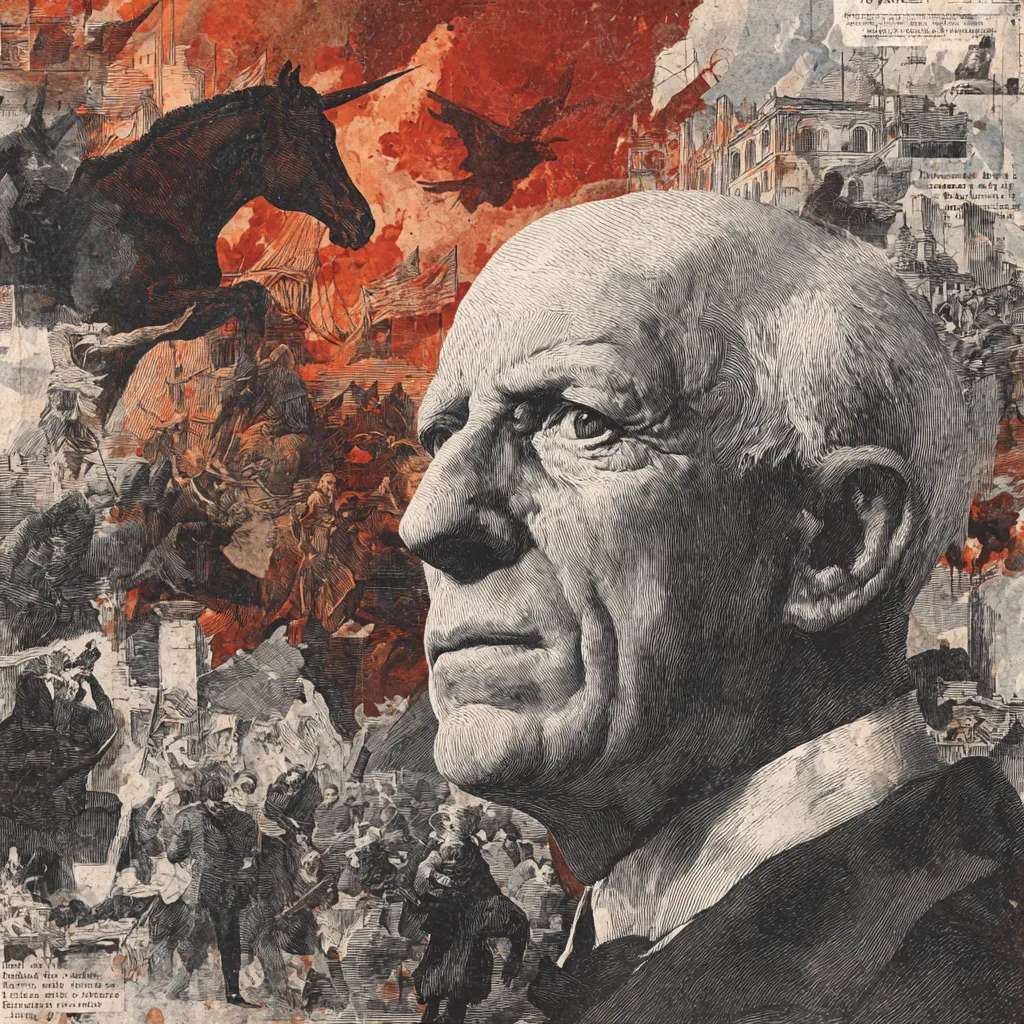
Pablo Picasso was born in 1881 in the vibrant port city of Málaga, Spain. From the very beginning, the walls of his childhood home echoed with the sound of his father’s brushes. Picasso’s father, an art teacher and painter himself, noticed something startling in his young son: an ability to capture the world with astounding precision. Picasso’s earliest sketches already showed a sensitivity beyond his years, leading his family to believe they were witnessing the growth of a true prodigy.
As a child, Picasso quickly surpassed his peers and, some say, even his teachers, in technical skill. By the time other children were learning simple shapes, he was rendering anatomically correct doves, horses, and hands. He soon progressed to formal training at prestigious art academies in Spain, where he absorbed the classical traditions of drawing and painting. Yet, even as Picasso mastered the old rules, he grew restless. Traditional technique felt like an elegant but tight-fitting suit, one he would soon want to shed. By his teenage years, Picasso was already yearning for something more: a new way to see, express, and ultimately, reinvent reality.
 Download on iOS
 Download on Android