
In the arid coastal desert of southern Peru, between roughly 100 BCE and 500 CE, the ancient Nazca culture began a monumental art project. With simple tools, they transformed the landscape into a gigantic canvas. Their method was straightforward but effective: by scraping away a thin top layer of dark, volcanic pebbles coated in iron-oxide, they revealed the pale yellow, alkaline clay subsoil beneath. This created striking visual contrasts that formed hundreds of massive drawings, or geoglyphs. The figures included huge geometric patterns and long trapezoidal strips, alongside stylized zoomorphic shapes. A monkey with a swirling tail, a perfectly rendered spider, and a delicate hummingbird were etched into the earth. Many archaeologists believe these lines served a ritual purpose, with large pathways converging toward water networks or the ceremonial city of Cahuachi. These may have been procession paths for people praying for rain in one of the driest places on the planet. In a region that averages less than 20 minutes of rainfall a year, the extreme aridity ensured that wind and water would not erase their work for millennia to come.
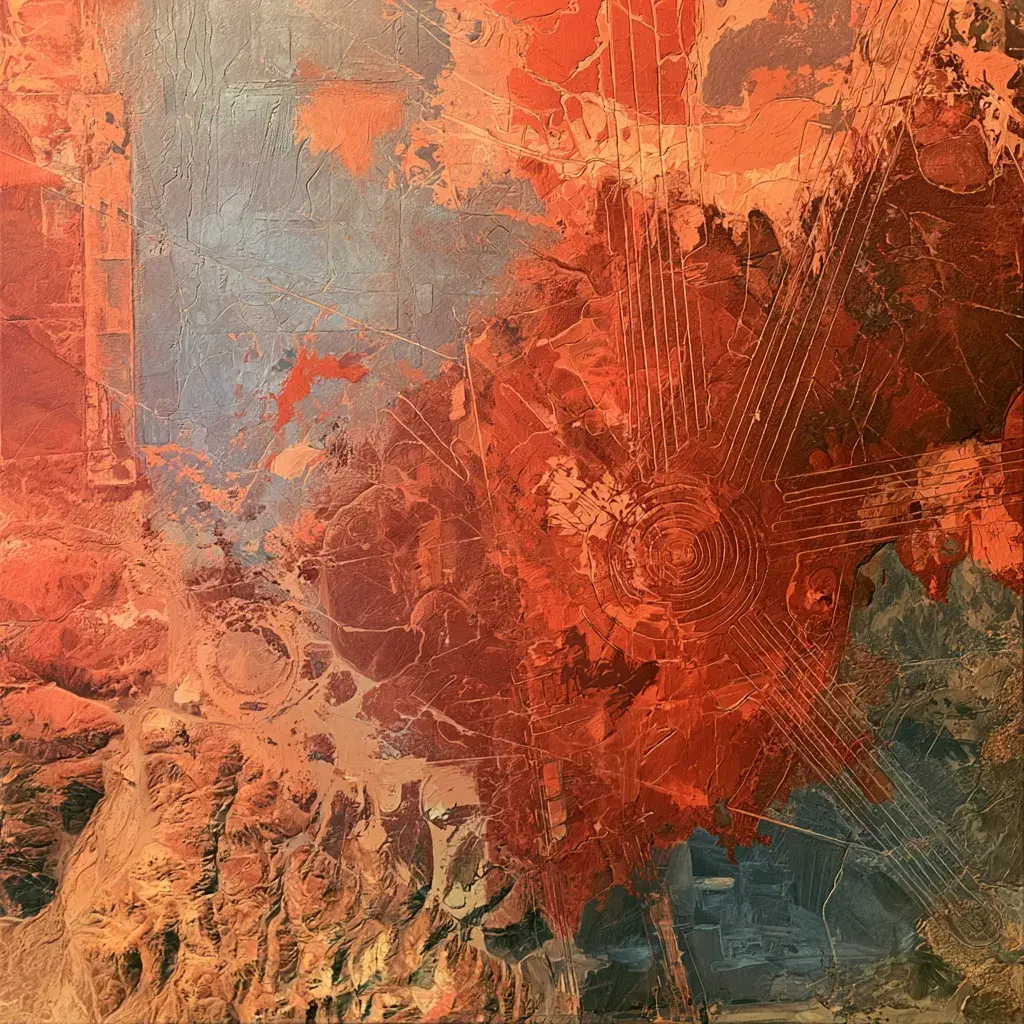
The Nazca Lines
AI recently helped discover over 300 new geoglyphs in Peru's desert, some depicting humanoids and decapitated heads.
The Canvas of the Ancients
Frequently Asked Questions
How were the Nazca Lines made?
The Nazca people created the lines between 100 BCE and 500 CE by removing a thin layer of dark, iron-oxide-coated pebbles from the desert surface. This exposed the lighter-colored clay subsoil beneath, creating a stark visual contrast.
Why have the lines survived for so long?
The Nazca desert is one of the driest places on Earth, receiving very little rain. While there is wind, the lines are protected from erosion. The exposed subsoil is rich in lime, which hardens when it interacts with the moisture from morning mist, forming a durable, protective crust.
What do the Nazca Lines depict?
The geoglyphs include hundreds of figures. There are large geometric shapes, long straight lines, and massive zoomorphic designs of animals like a monkey, a spider, a hummingbird, and a condor. Recent discoveries also found smaller figures of humanoids.
Learn more
To continue the story, download the Chunks Microlearning app
Or get it straight away:
 Download on iOS
 Download on Android