
As the 1920s dawned, the neighborhood of Harlem in New York City became a magnet for African American families seeking new opportunities. The Great Migration, which began around 1916, saw hundreds of thousands of Black people move north from the rural South, escaping Jim Crow laws and searching for better jobs and lives. Harlem, with its brownstone-lined streets and vibrant community, soon transformed into the epicenter of African American culture. The city buzzed with promise, and so did Harlem. It was a place where dreams could be realized, where artists, writers, and musicians gathered in cafes and apartments, sharing ideas late into the night. The Harlem Renaissance was not just about art; it was a movement of hope and pride. The city crackled with energy as a new generation began to define what it meant to be Black and American. The stage was set for a cultural revolution that would inspire the world.
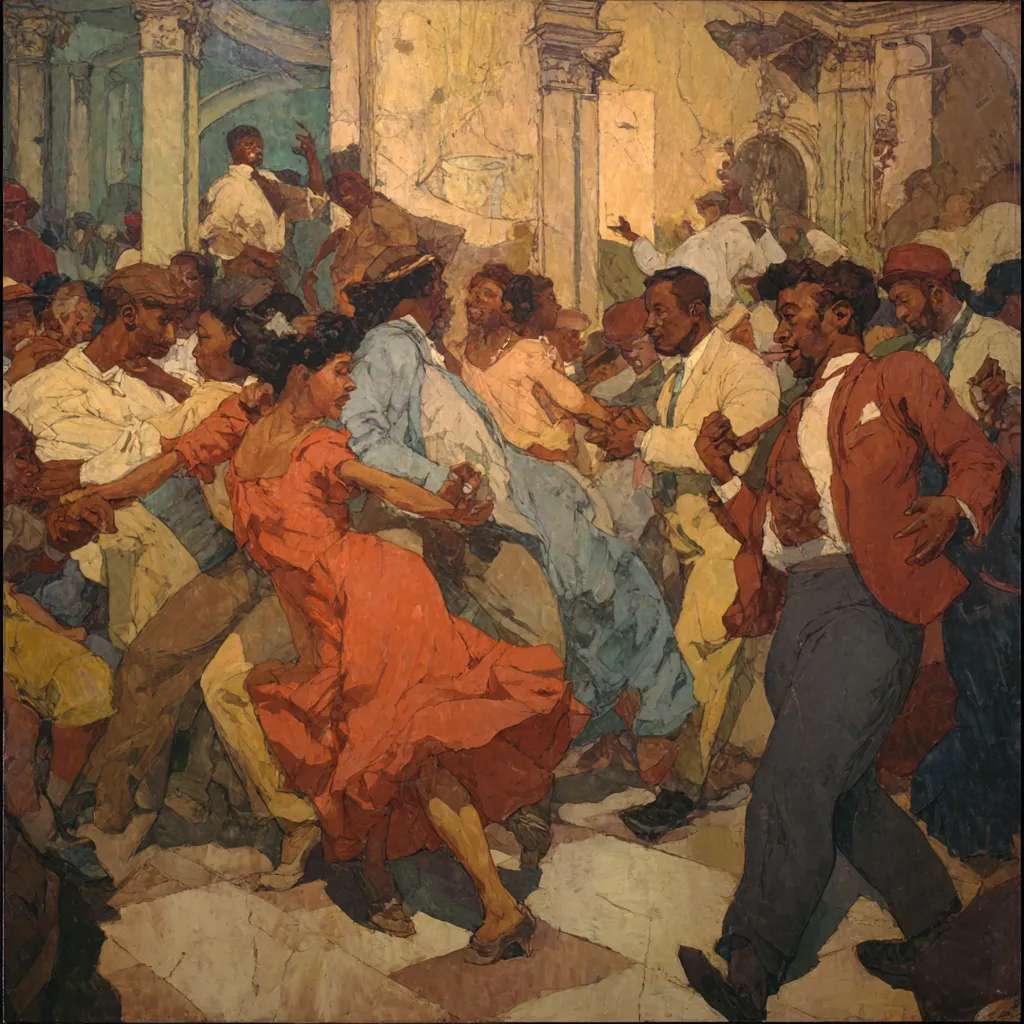
The Harlem Renaissance
Journey into the Harlem Renaissance, a cultural explosion of Black art and ideas.
A New Beginning in Harlem
Frequently Asked Questions
What was the Harlem Renaissance and when did it take place?
The Harlem Renaissance was a cultural and artistic movement that flourished in the Harlem neighborhood of New York City during the 1920s and 1930s. This period marked an explosion of African American creativity in literature, music, art, and intellectual thought. The movement celebrated Black culture and identity while challenging racial stereotypes and discrimination.
Who were some of the most famous writers and artists of the Harlem Renaissance?
Key figures included poet Langston Hughes, novelist Zora Neale Hurston, and writer Claude McKay in literature. Jazz musicians like Duke Ellington and Louis Armstrong revolutionized American music. Visual artists such as Aaron Douglas and Augusta Savage created powerful works celebrating African American heritage and experience.
How did jazz music contribute to the cultural impact of the Harlem Renaissance?
Jazz became the soundtrack of the Harlem Renaissance, with legendary venues like the Cotton Club and Savoy Ballroom hosting groundbreaking performances. Musicians like Duke Ellington, Bessie Smith, and Count Basie developed new musical styles that influenced American culture far beyond Harlem. Jazz represented freedom, improvisation, and authentic Black artistic expression during this transformative period.
To continue the story, download the Chunks Microlearning app
 Download on iOS
 Download on Android