
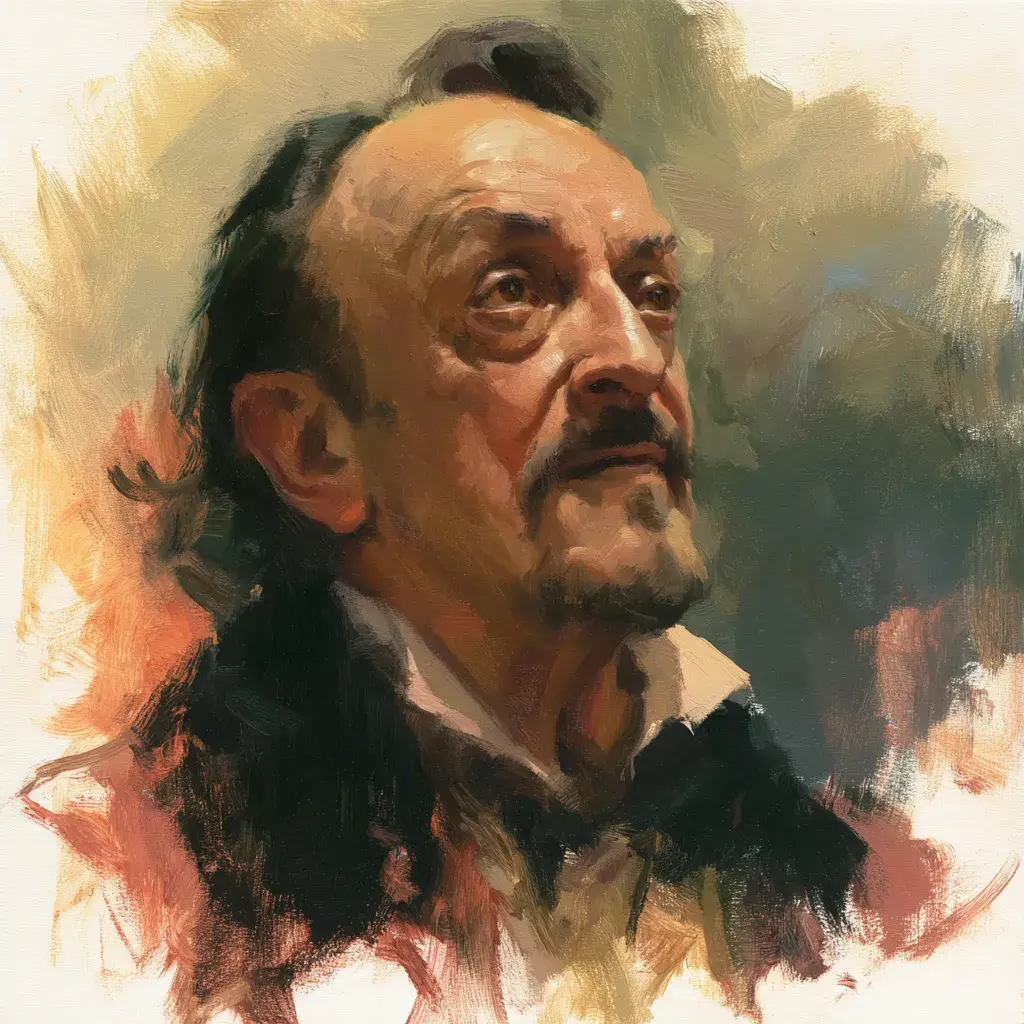
In August 1971, Stanford psychology professor Philip Zimbardo wanted to know how social roles shape behavior. With funding from the U.S. Office of Naval Research, he transformed a university basement into a mock prison. Zimbardo recruited 24 male college students, all screened for mental health, and offered them 15 dollars a day. A coin flip decided their fate: they would be either a 'guard' or a 'prisoner' in a study scheduled to last for fourteen days. Zimbardo himself took on a role, acting not only as the principal investigator but also as the prison superintendent. The goal was to observe the long-term effects of imprisonment. But no one, not even Zimbardo, was prepared for how quickly the simulation would become real.
The Stanford Prison Experiment
In 1971 Philip Zimbardo turned a Stanford basement into a mock prison. The study was stopped after six days, and later evidence has cast doubt on what it showed.
Chapter 1
A Prison in the Basement
0:49
People in this story
Part of
Frequently Asked Questions
Why was the Stanford Prison Experiment stopped early?
The experiment, scheduled for 14 days, was halted after only six. Graduate student Christina Maslach confronted lead researcher Philip Zimbardo about the immoral conditions she witnessed. Her objection made Zimbardo realize he had lost his scientific objectivity and was causing genuine harm to the participants.
Were the participants real prisoners and guards?
No, they were 24 male college students screened for mental stability. They were randomly assigned their roles by a coin flip and paid 15 dollars per day to participate. The prison itself was a mock-up constructed in the basement of Stanford's psychology building.
Is the Stanford Prison Experiment still considered valid science?
The study's conclusions are now heavily disputed. Archival research has revealed that guards were explicitly coached to be 'tough,' suggesting their cruel behavior was not spontaneous. Critics now argue it was more of a demonstration in following orders than a genuine experiment about the power of situations.
Learn more
To continue the story, download the Chunks Microlearning app
Or get it straight away:
 Download on iOS
 Download on Android