
In the summer of 1854, London was in the grip of the third global cholera pandemic. The city’s medical establishment believed the disease was a ‘miasma,’ a foul vapor rising from the rotting waste of the River Thames. But Dr. John Snow, a respected anesthesiologist who had recently attended Queen Victoria, held a different view. He had published a pamphlet in 1849 arguing that cholera was not in the air, but was a waterborne poison, a ‘materies morbi’ that attacked the digestive tract. His theory was largely ignored by prominent figures like the statistician William Farr, who remained convinced the danger was in the foul city air. For years, Snow's idea remained on the fringes of medicine, waiting for evidence.
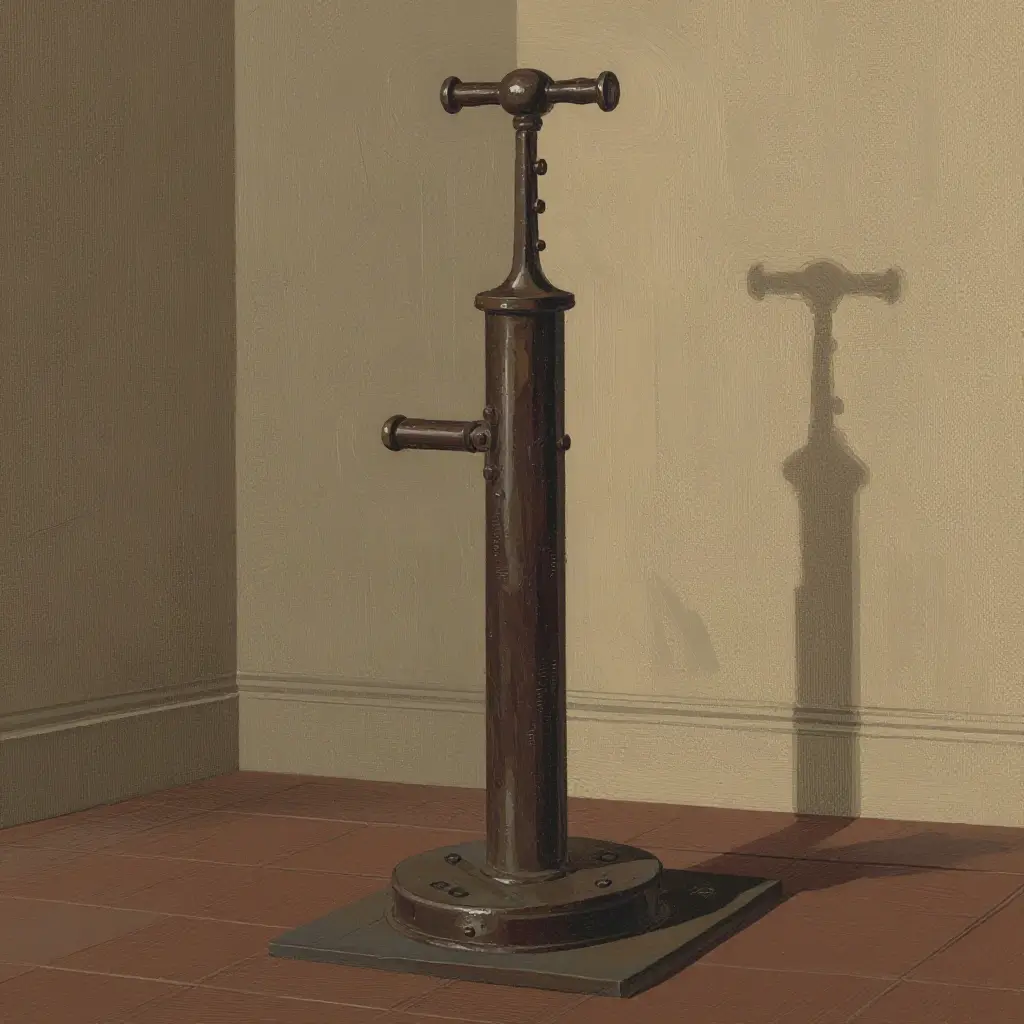
The 1854 Pump Handle That Ended a Plague
In 1854, Dr. John Snow used a map of cholera deaths to trace an outbreak to a single London water pump, challenging dominant medical theories.
Chapter 1
A Tale of Two Theories
0:48
Frequently Asked Questions
What was the 'miasma' theory of disease?
Miasma theory was the dominant medical idea in the mid-19th century. It held that diseases like cholera were spread by 'miasma,' a form of foul-smelling air produced by organic decay. This incorrect theory focused on air quality over water purity.
How was the Broad Street pump contaminated?
A baby living at 40 Broad Street became the outbreak's first case. Her mother washed her soiled diapers and disposed of the contaminated water into a cesspool just 0.9 meters from the public well. The cesspool's decayed brickwork allowed sewage to leak directly into the drinking water.
Was John Snow's theory accepted immediately after he removed the pump handle?
No, his waterborne theory was not widely accepted. It took another major cholera outbreak in London in 1866, years after Snow's death, for the medical establishment to fully acknowledge he had been correct. The pump handle was removed as a desperate measure, not out of conviction in his theory.
To continue the story, download the Chunks Microlearning app
Or get it straight away:
 Download on iOS
 Download on Android