
Learn Psychology in Minutes
Explore the human mind through landmark experiments, pioneering thinkers, and the science of behaviour — in bite-sized stories on Chunks, free to download on iOS and Android.
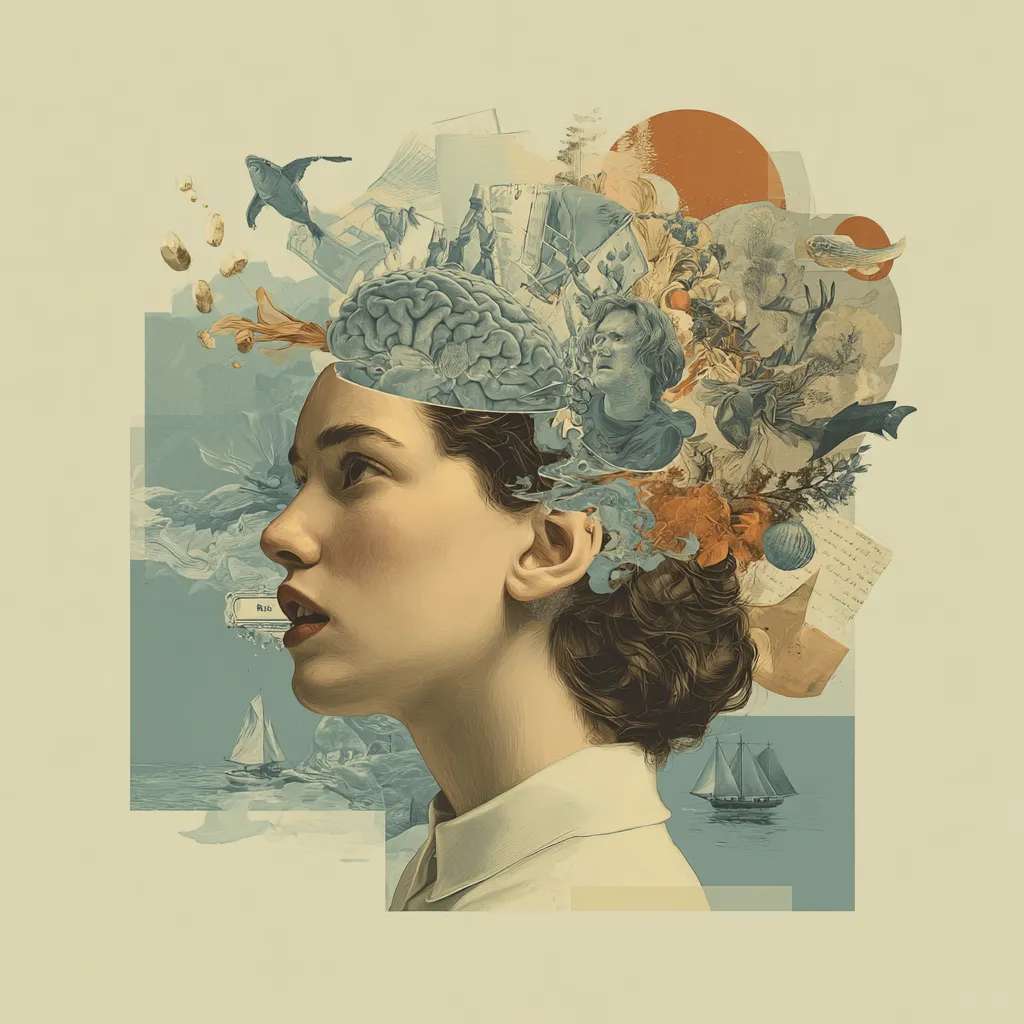
What Is Psychology?
Psychology is the scientific study of the mind and behaviour. It explores how people think, feel, and act — from the biological processes in the brain to the social forces that shape entire societies. Modern psychology emerged in the late 19th century, but it draws on questions philosophers have asked for millennia: What is consciousness? Why do people act against their own interests? Can personality be changed?
Today psychology spans clinical therapy, neuroscience, behavioural economics, education, and more. It is one of the broadest scientific disciplines, touching everything from how children develop language to why crowds behave differently from individuals. Whether you realise it or not, psychological principles influence the apps you use, the advertisements you see, and the decisions you make every day.
The Pioneers: Freud, Jung, and the Birth of Modern Psychology
Sigmund Freud developed psychoanalysis and introduced concepts like the unconscious mind, repression, and the Oedipus complex — ideas that revolutionised how we understand human motivation. Carl Jung expanded on Freud’s work with theories of archetypes, the collective unconscious, and personality types (introvert vs extrovert). William James, often called the father of American psychology, established the first psychology lab in the US and wrote The Principles of Psychology.
B.F. Skinner’s behaviourism showed how behaviour is shaped by rewards and punishments, shifting the focus from inner thoughts to observable actions. Each of these thinkers challenged fundamental assumptions about why humans do what they do, and their ideas continue to shape therapy, education, marketing, and our everyday understanding of ourselves and the people around us.
Famous Experiments That Changed Psychology
Some of the most important discoveries in psychology came from landmark experiments. The Stanford Prison Experiment (1971) showed how quickly ordinary people adopt abusive behaviour when given authority. The Milgram Experiment demonstrated that most people will obey authority figures even when it means harming others. Pavlov’s dogs revealed classical conditioning — the process by which a neutral stimulus becomes associated with a response. The Marshmallow Test explored delayed gratification in children, and the Asch conformity experiments showed how social pressure overrides individual judgement.
These studies revealed uncomfortable truths about human nature — and many sparked debates about ethics in research that continue today. They forced the scientific community to develop stricter ethical guidelines, but they also gave us profound insights into obedience, conformity, and the gap between how we think we would behave and how we actually do when put to the test.
Why Learn Psychology?
Understanding psychology helps you make better decisions, build stronger relationships, and recognise the cognitive biases that shape everyday thinking. Concepts like confirmation bias, the bystander effect, and loss aversion are not just academic — they explain why people buy what they buy, vote how they vote, and treat each other the way they do.
Chunks makes psychology accessible by breaking each topic into narrative-driven chapters you can read or listen to in 5–10 minutes. Every story is editorially reviewed for accuracy and features professional audio narration with synchronised text. Whether it is the Stanford Prison Experiment, Freud’s theories, or the science of decision-making, Chunks covers psychology alongside history, philosophy, science, and more — so you can keep learning wherever your curiosity takes you.
Why Chunks Covers Psychology
- Stories
- 3+Stories
- Key Figures & Experiments
- 5+Key Figures & Experiments
- Min per Chapter
- 5–10Min per Chapter
Chunks covers psychology’s most famous experiments and the ethical debates they sparked — not just what happened, but why it still matters. Featured stories include the Stanford Prison Experiment, the Milgram obedience study, and the life of Sigmund Freud.
Each psychology story on Chunks averages 2–4 hours of human research and editorial review, covering landmark studies from the 1890s to the 1970s. Unlike textbook summaries, every story explores the full context — the researchers, the subjects, the controversy, and the lasting impact on how we understand human behaviour.
Featured Psychology Stories
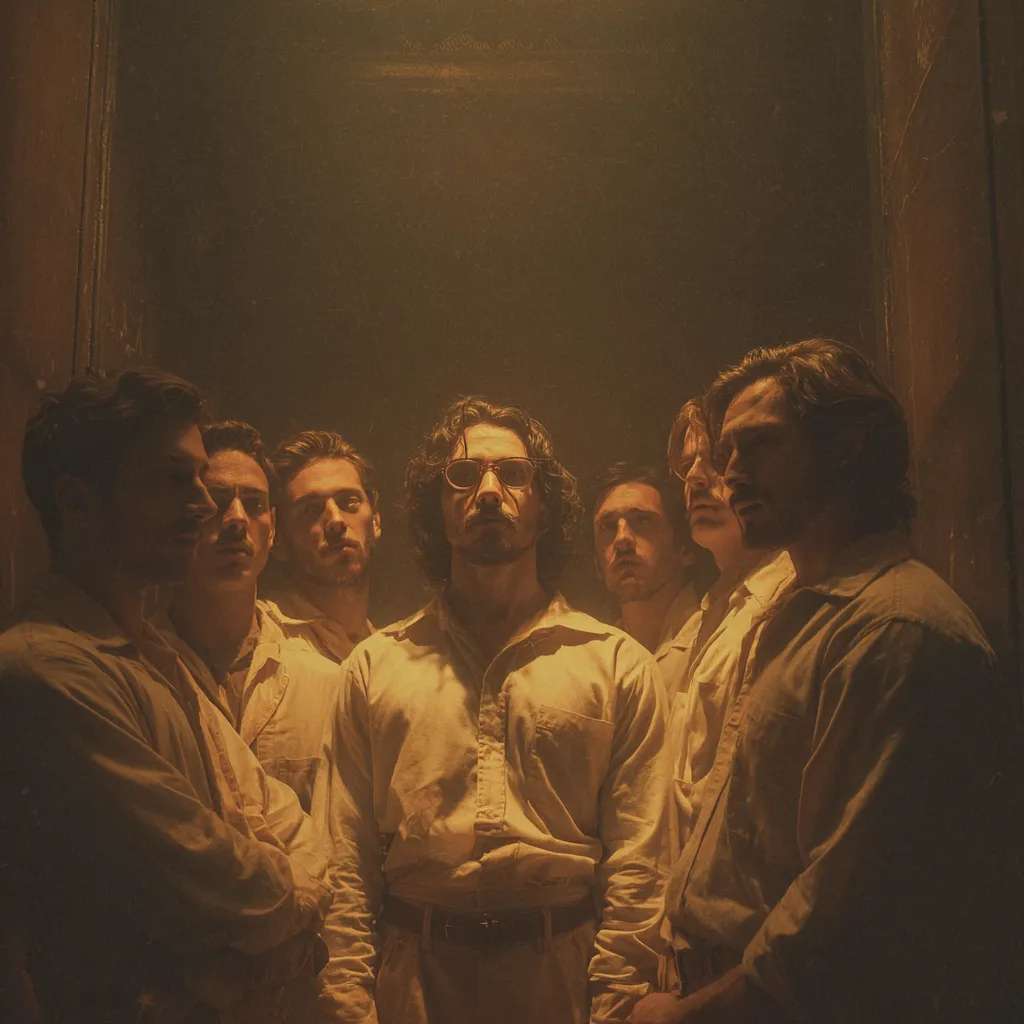 The Stanford Prison ExperimentHow a 1971 psychology study at Stanford University revealed the terrifying power of authority and social roles
 The Milgram ExperimentThe shocking obedience study that showed ordinary people would deliver painful electric shocks when told to by an authority figure
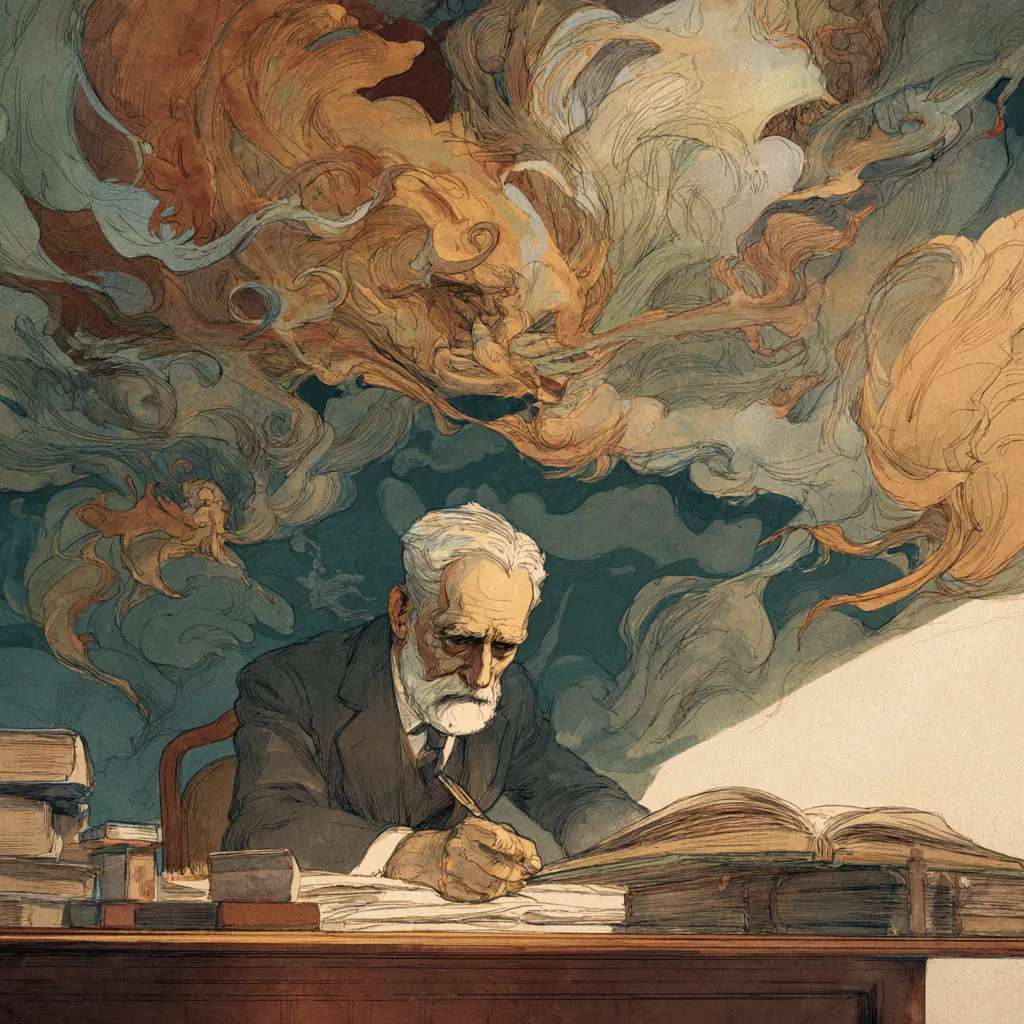 Sigmund FreudThe father of psychoanalysis who introduced the unconscious mind, repression, and dream interpretation to the world
Explore more topics
From the blog
Frequently asked questions
What is psychology?
The scientific study of the mind and behaviour, covering how people think, feel, learn, and interact. It includes sub-fields like clinical psychology, cognitive psychology, social psychology, developmental psychology, and neuropsychology.
Who are the most important psychologists?
Key figures include Sigmund Freud (psychoanalysis), Carl Jung (archetypes and the collective unconscious), B.F. Skinner (behaviourism), William James (functionalism), Jean Piaget (child development), and Daniel Kahneman (behavioural economics and cognitive biases).
What are the most famous psychology experiments?
The Stanford Prison Experiment, the Milgram obedience study, Pavlov’s classical conditioning experiments, the Asch conformity experiments, the Marshmallow Test, and Harlow’s monkey attachment studies are among the most widely known and debated.
What is the difference between psychology and psychiatry?
Psychology is the study of the mind and behaviour, typically involving therapy, counselling, and research. Psychiatry is a branch of medicine — psychiatrists are medical doctors who can prescribe medication. Both treat mental health conditions, but their training and methods differ.
What is the best way to learn psychology?
Start with the stories and experiments rather than textbooks. Apps like Chunks cover psychology topics in short, narrative-driven chapters with audio narration you can finish in minutes. For deeper reading, Daniel Kahneman’s Thinking, Fast and Slow and Oliver Sacks’s The Man Who Mistook His Wife for a Hat are excellent starting points.
Is Chunks free to download?
Yes. Chunks is free on iOS and Android with access to starter content. Full library access covering psychology, history, philosophy, science, and more is available via monthly or annual subscription.
Download Chunks to explore psychology and hundreds more stories
 Download on iOS
 Download on Android