All Characters
Discover 67 historical figures — thinkers, leaders, and creators who shaped our world.
 Frida KahloMexican artist whose intensely personal paintings explored themes of identity, pain, and Mexican culture with raw emotional power. Her bold self-portraits and surrealist-influenced works made her an icon of artistic expression and feminist strength.
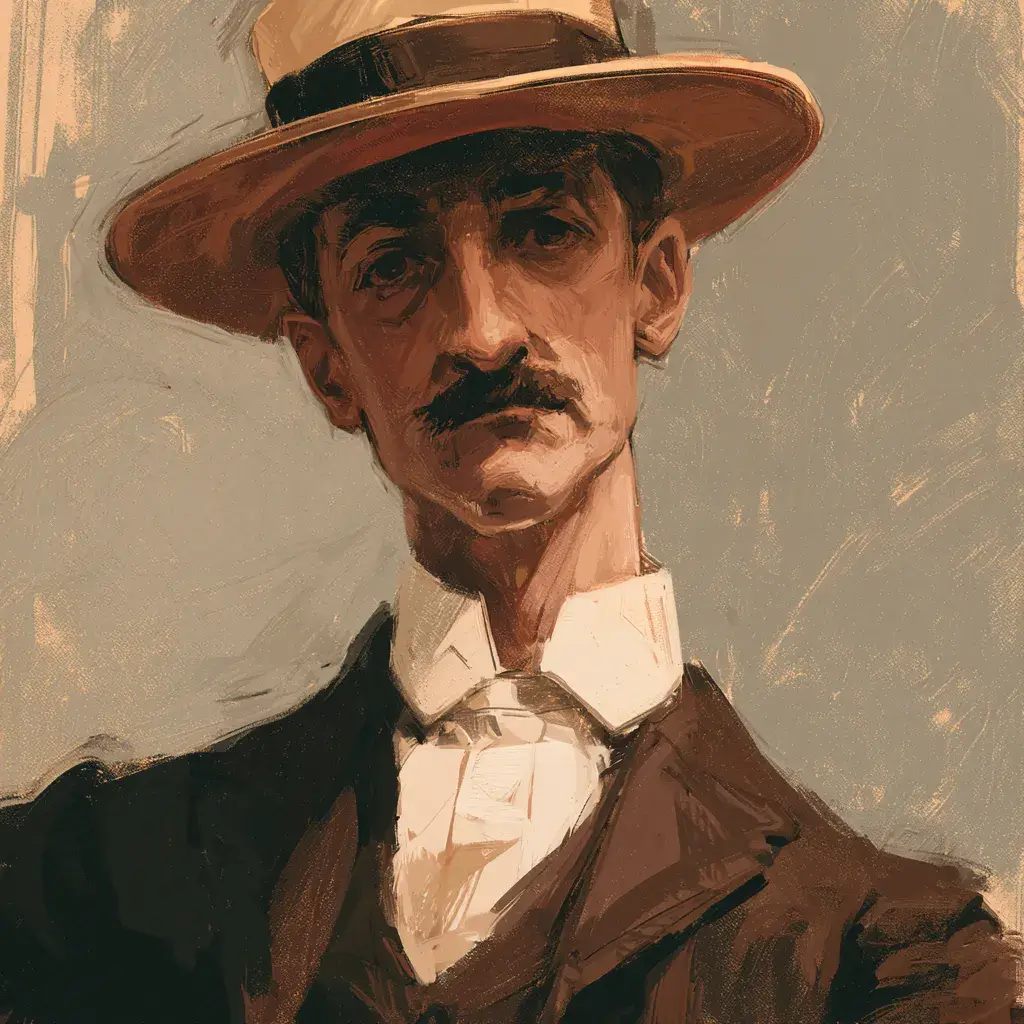 Orville WrightAmerican aviation pioneer who, with his brother Wilbur, achieved the first powered, sustained, and controlled airplane flight in 1903. Their invention launched the age of aviation and transformed transportation forever.
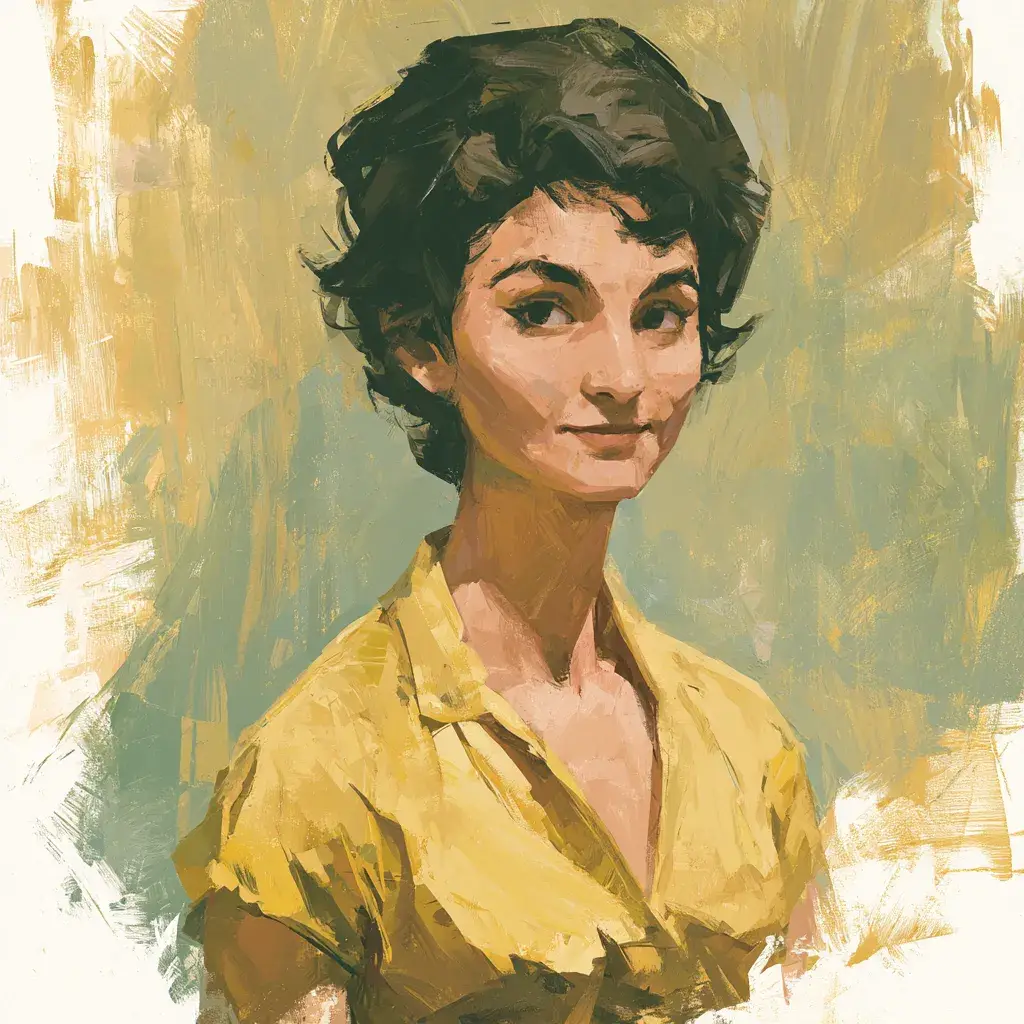 Kitty GenoveseAmerican woman whose 1964 murder in New York sparked research into the 'bystander effect' after reports suggested witnesses failed to help or call police.
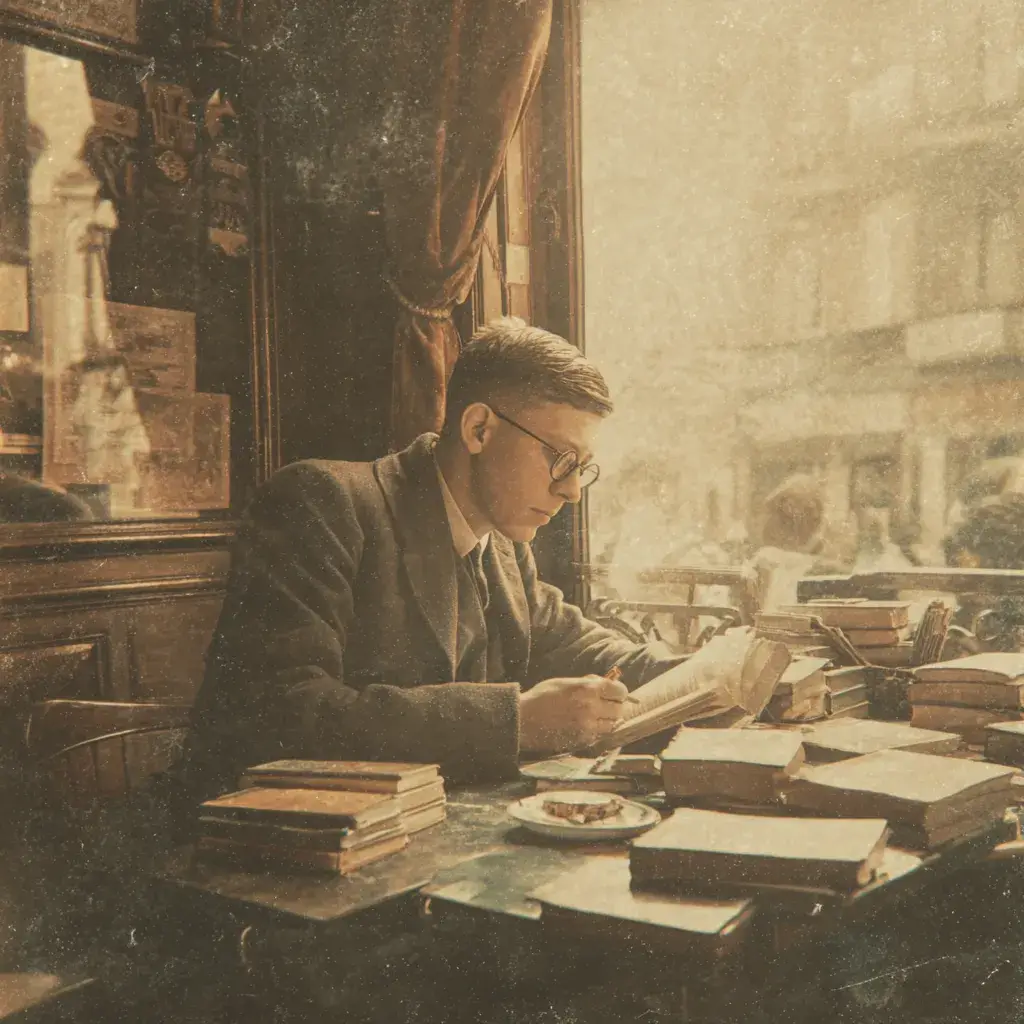 Jean-Paul SartreFrench philosopher, playwright, and novelist who became a leading figure in 20th-century existentialism. His philosophy emphasized radical freedom and individual responsibility, arguing that 'existence precedes essence' and that humans are 'condemned to be free.'
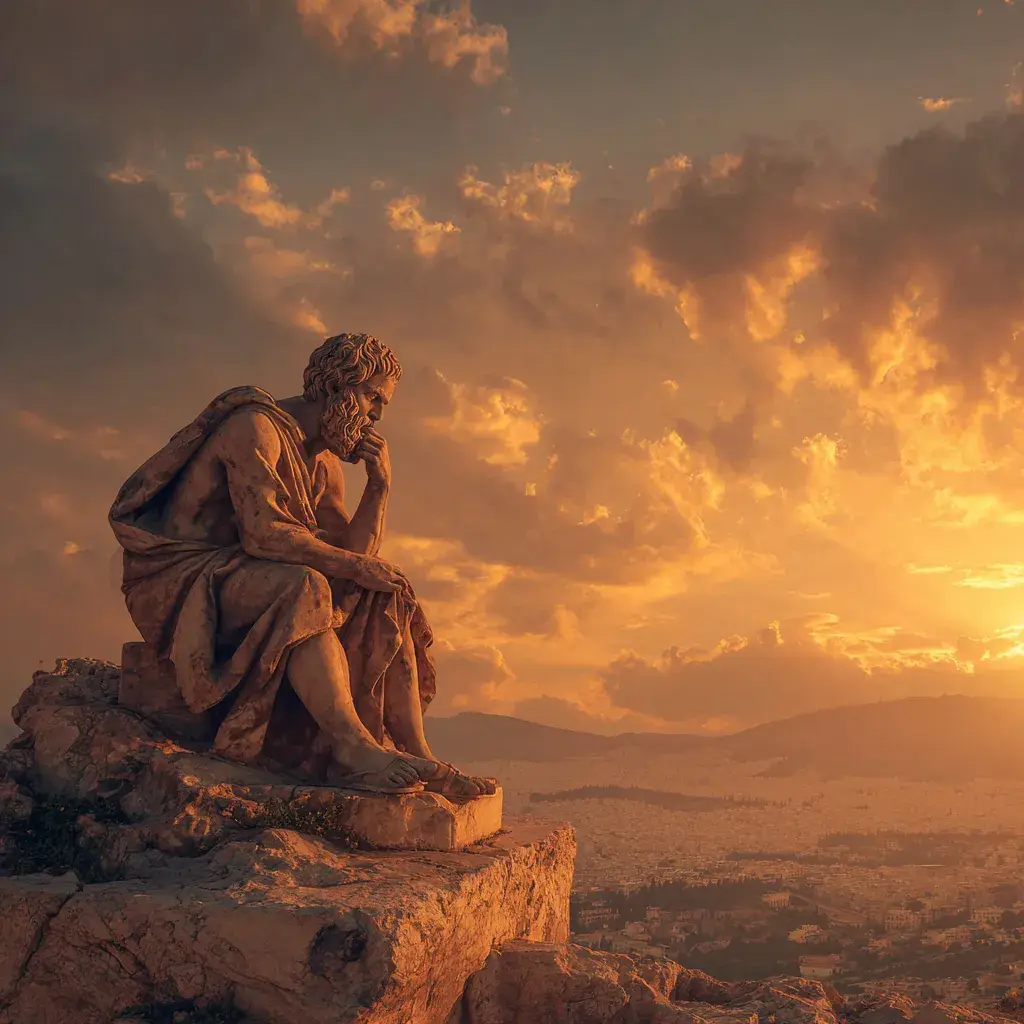 SocratesAncient Greek philosopher considered the founder of Western philosophy, known for his method of questioning (Socratic method) and his famous declaration that 'the unexamined life is not worth living.' Though he wrote nothing himself, his teachings were preserved through his student Plato.
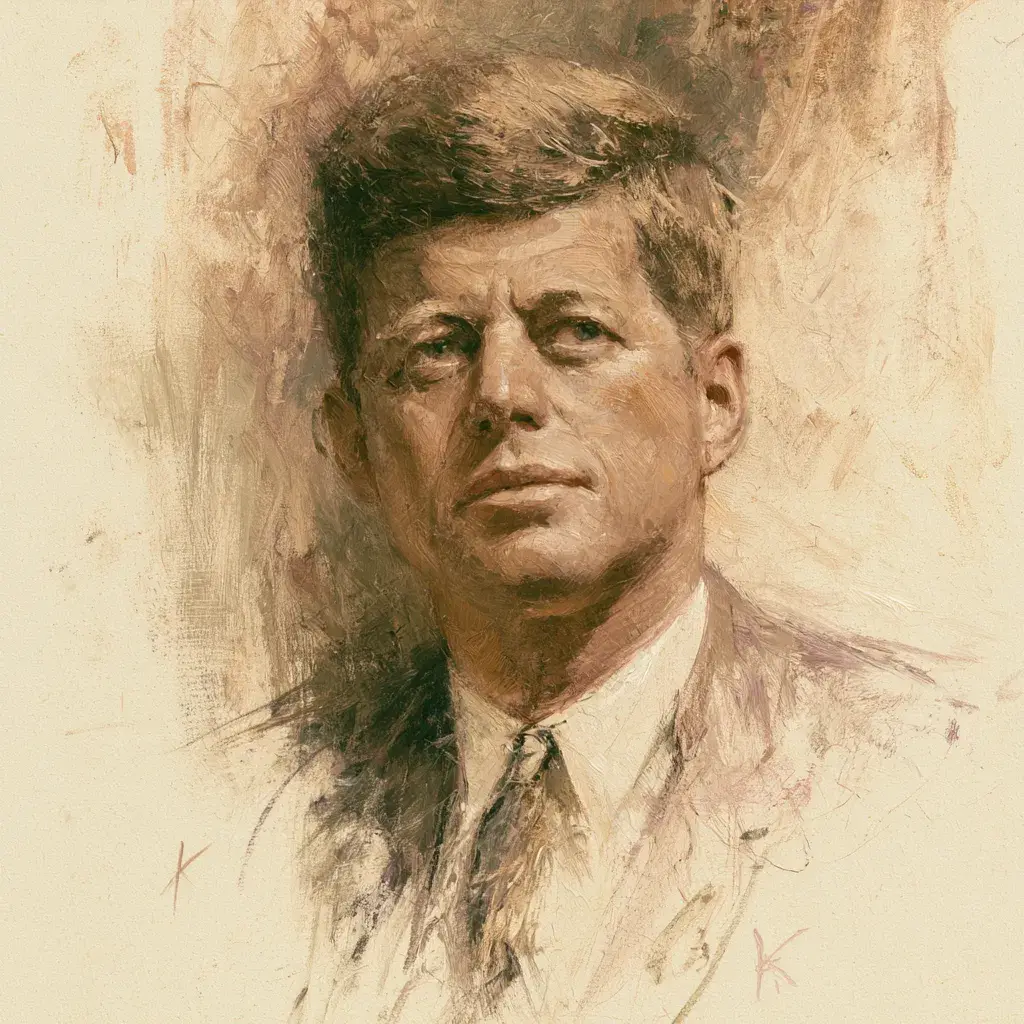 John F. Kennedy35th President of the United States who navigated the Cuban Missile Crisis in 1962, preventing nuclear war through careful diplomacy. His leadership during this tense standoff helped define Cold War politics and nuclear deterrence strategies.
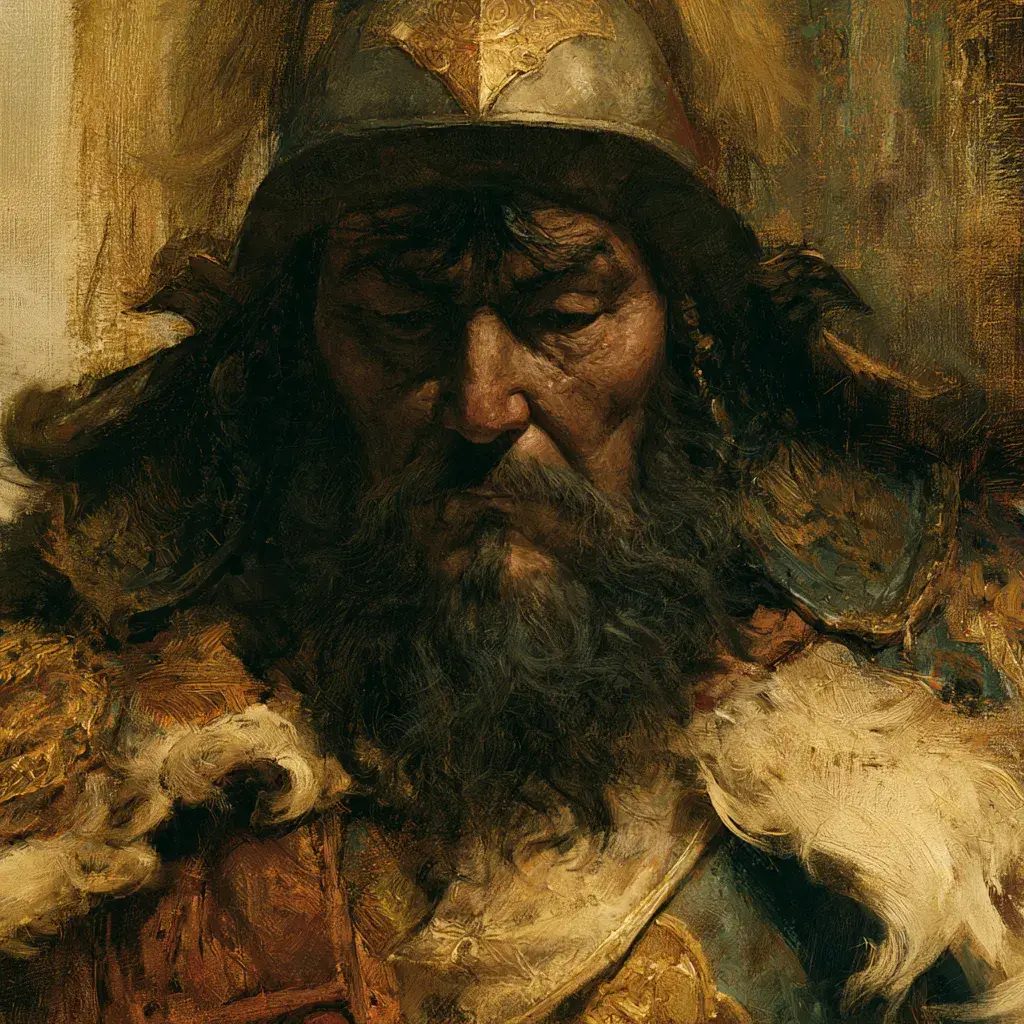 Genghis KhanMongol emperor who created the largest contiguous land empire in history, connecting East and West through conquest, trade, and cultural exchange.
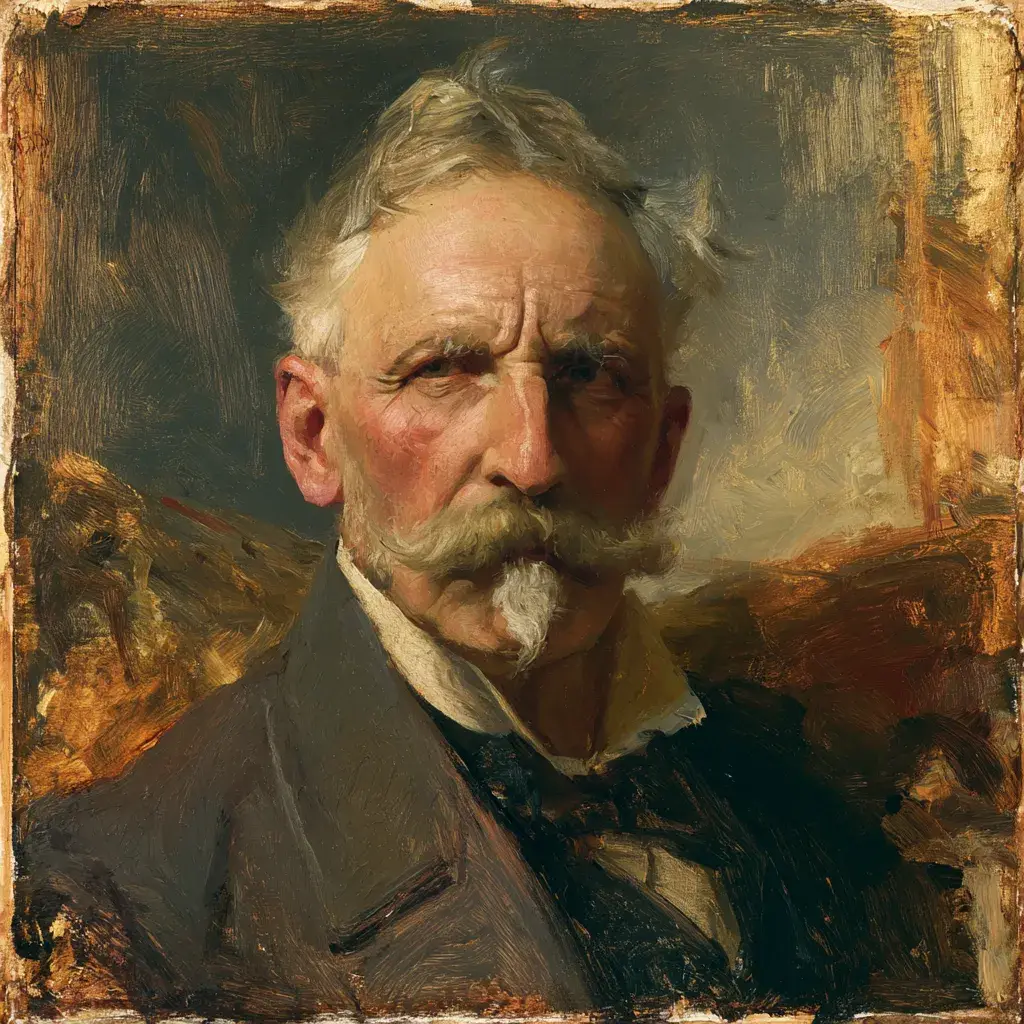 Arthur ZimmermannGerman Foreign Secretary during World War I who sent the infamous Zimmermann Telegram proposing a military alliance with Mexico against the United States.
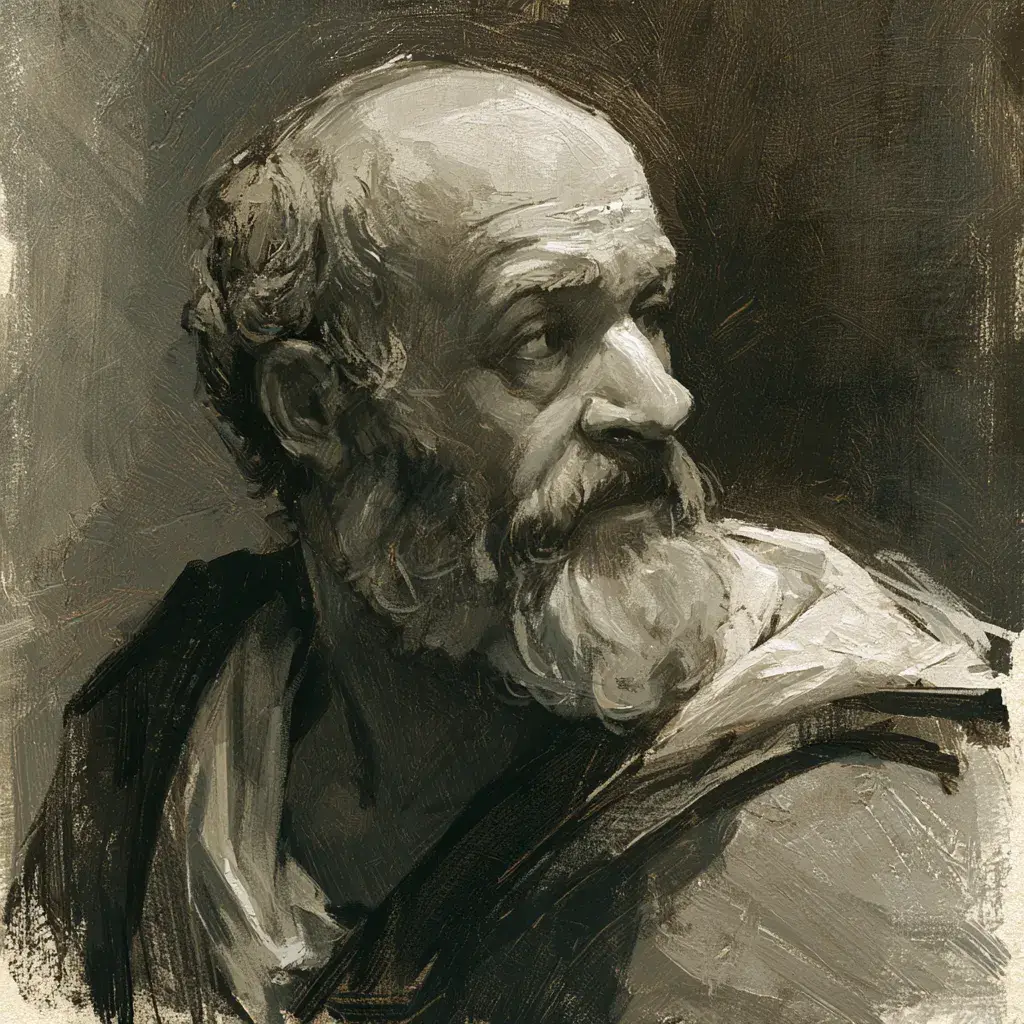 HippocratesAncient Greek physician known as the 'Father of Medicine' who established medicine as a profession distinct from philosophy and religion, creating the Hippocratic Oath.
__w1920.webp?v=1769011898576) MichelangeloItalian Renaissance sculptor, painter, and architect whose masterpieces like the Sistine Chapel ceiling and statue of David epitomize artistic genius. His intense dedication to his craft and deep faith created some of humanity's most enduring works of art.
MichelangeloItalian Renaissance sculptor, painter, and architect whose masterpieces like the Sistine Chapel ceiling and statue of David epitomize artistic genius. His intense dedication to his craft and deep faith created some of humanity's most enduring works of art.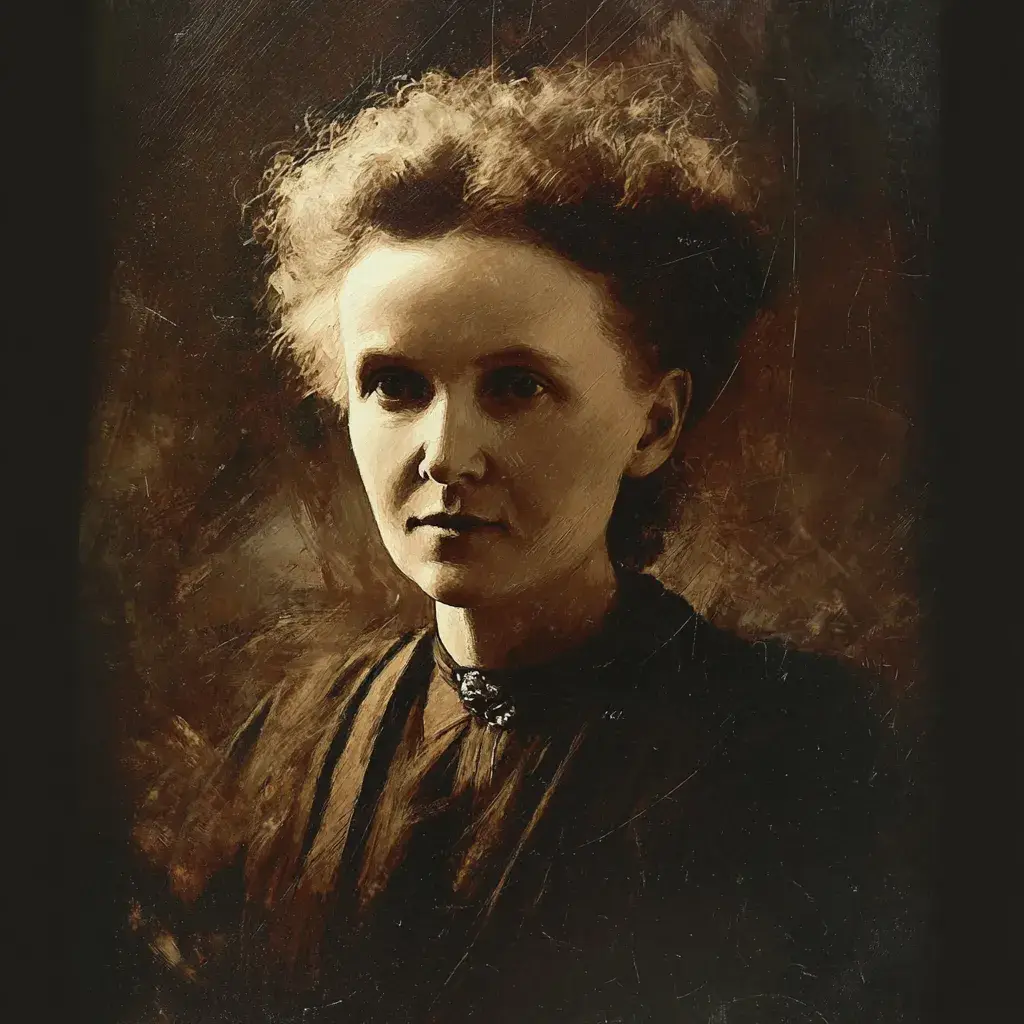 Marie CuriePolish-French physicist and chemist who discovered radium and polonium, becoming the first woman to win a Nobel Prize and the only person to win Nobel Prizes in two different sciences. Her groundbreaking research on radioactivity laid the foundation for modern atomic physics.
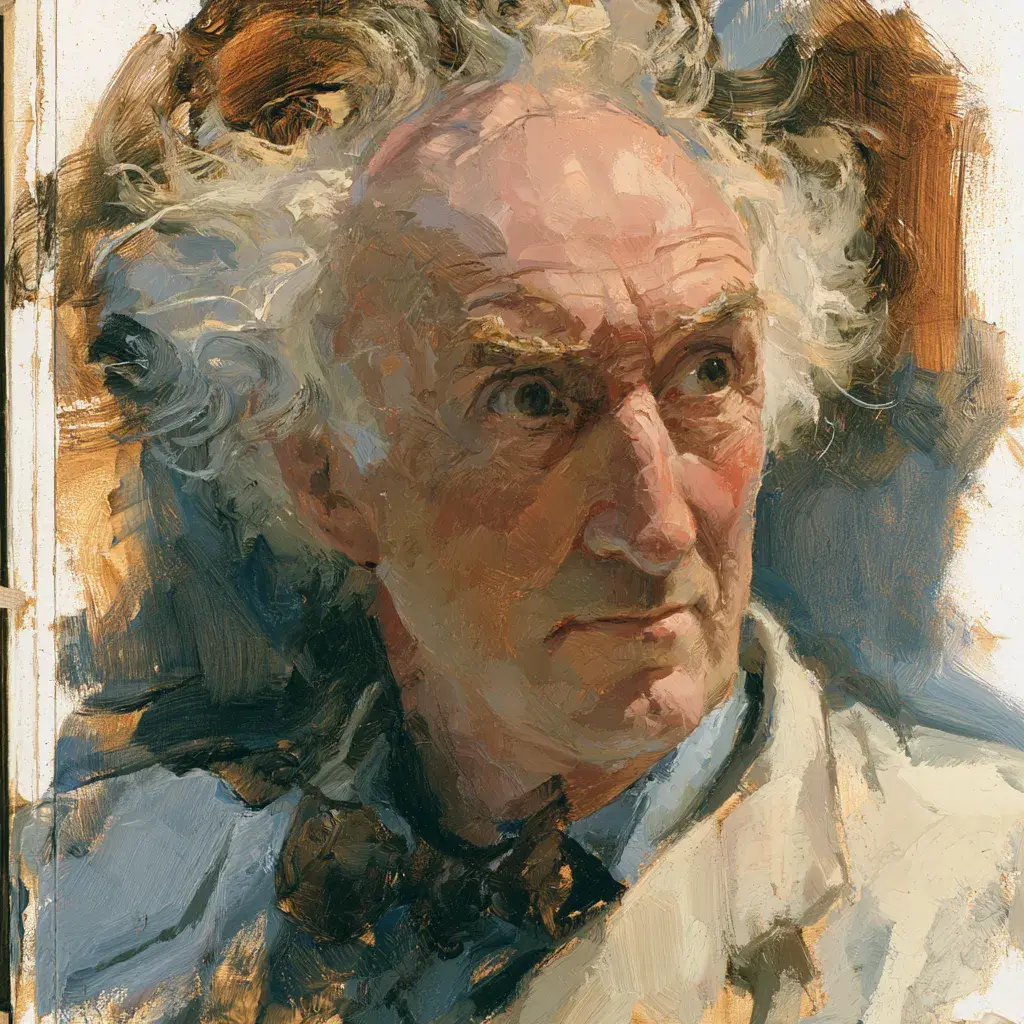 Francis CrickBritish molecular biologist who co-discovered the double helix structure of DNA with James Watson, fundamentally changing our understanding of life and heredity.
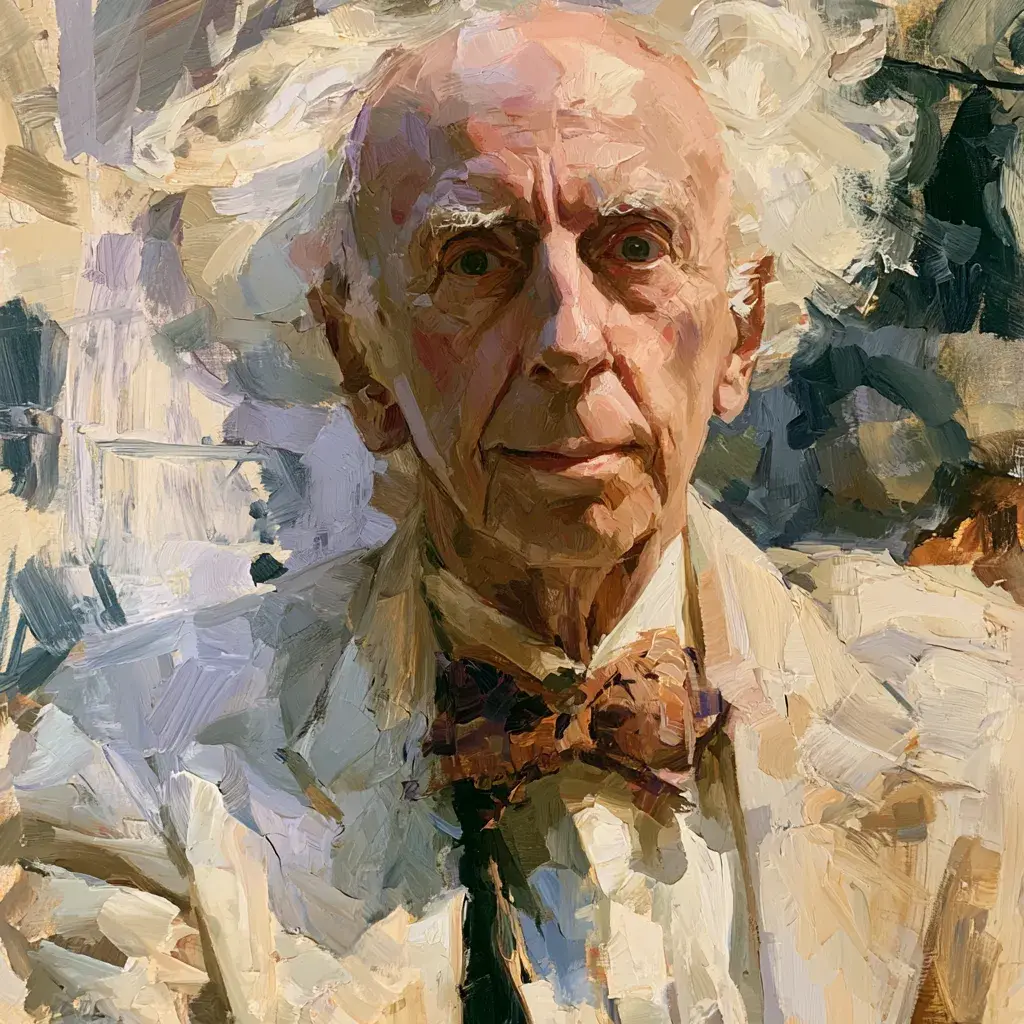 James WatsonAmerican molecular biologist who, with Francis Crick, discovered the double helix structure of DNA, revolutionizing our understanding of genetics and heredity.
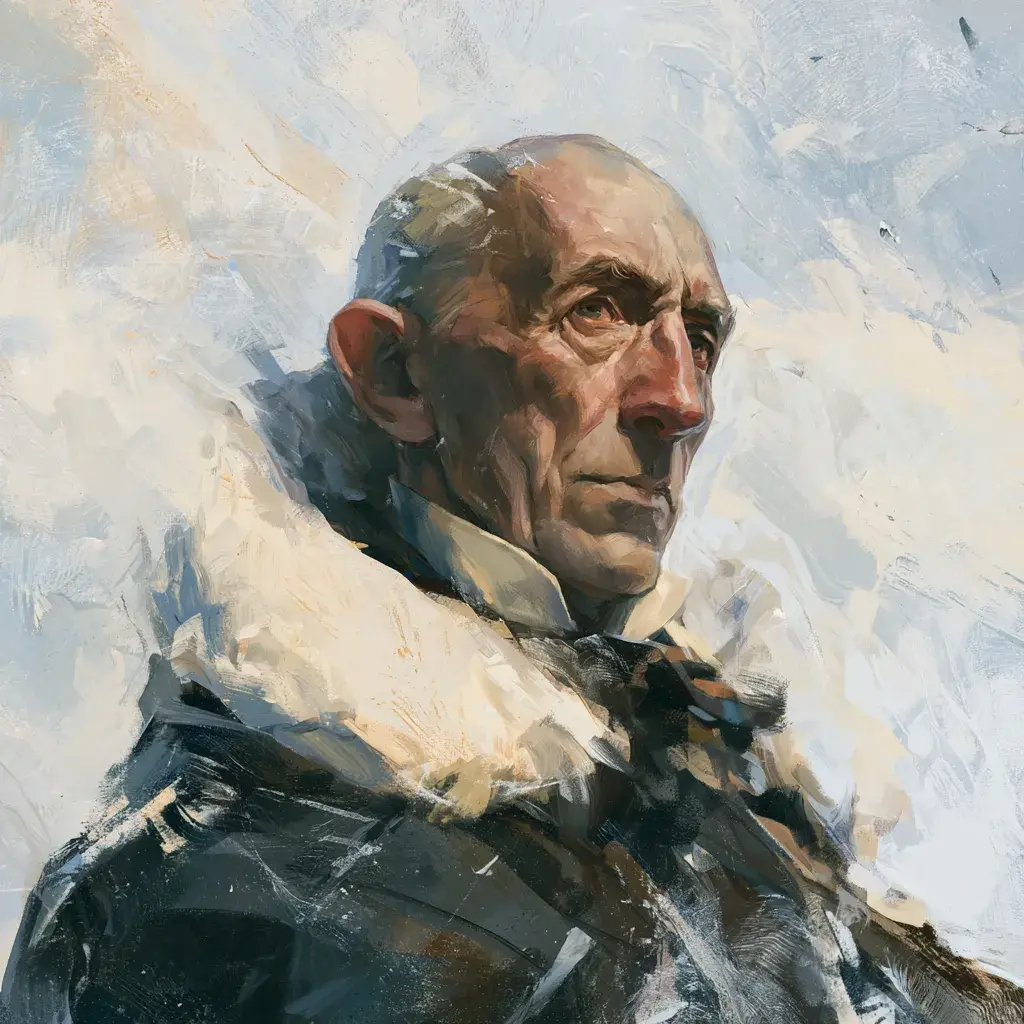 Roald AmundsenNorwegian polar explorer who led the first successful expedition to the South Pole in 1911, beating British explorer Robert Falcon Scott by 34 days. His meticulous planning, use of sled dogs, and Arctic expertise made him one of history's greatest polar explorers.
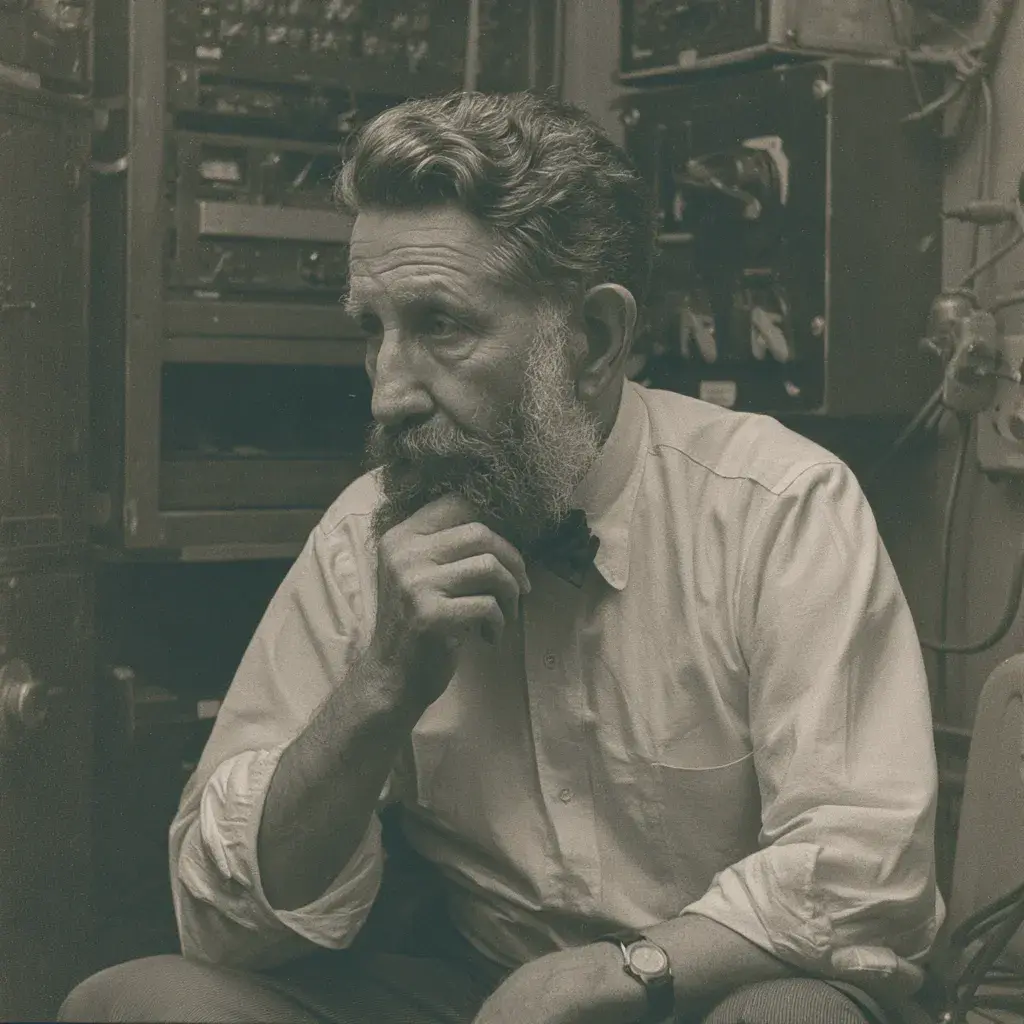 Stanley MilgramAmerican social psychologist whose controversial obedience experiments in the 1960s revealed disturbing truths about human behavior under authority. His work fundamentally changed how we understand conformity, obedience, and moral responsibility in social situations.
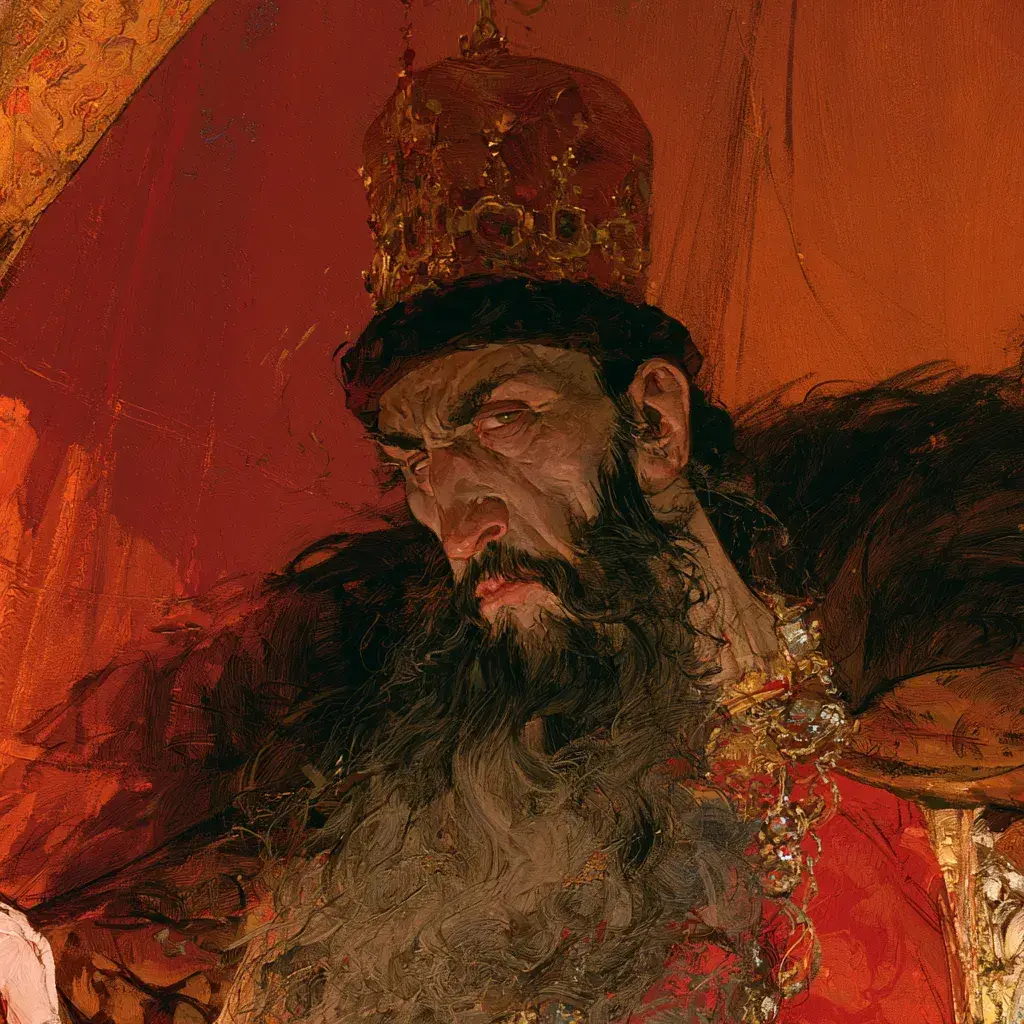 Ivan the TerribleIvan IV, known as Ivan the Terrible, was the first Tsar of Russia, ruling from 1547 to 1584. He expanded Russian territory dramatically but is also remembered for his brutal purges and erratic later reign.
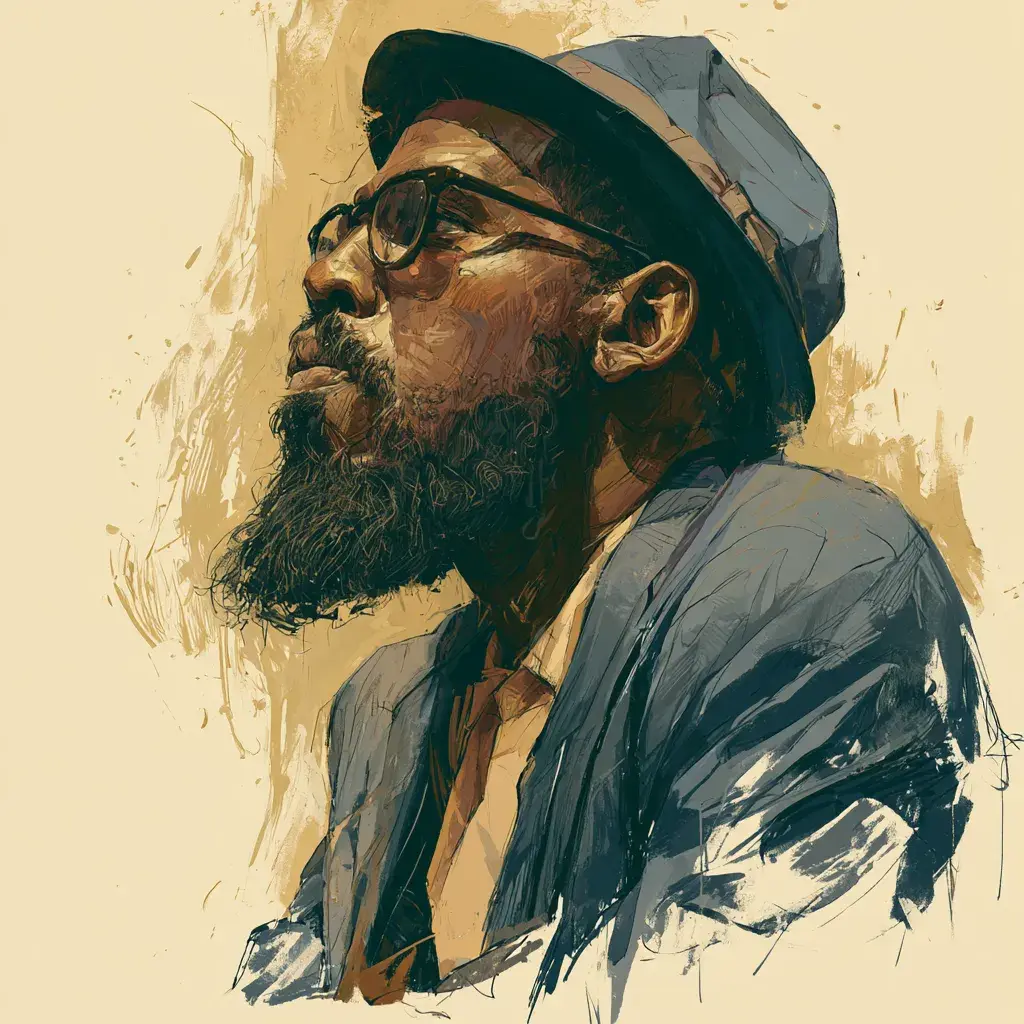 Thelonious MonkAmerican jazz pianist and composer known for his unique improvisational style, angular melodies, and contributions to bebop and modern jazz.
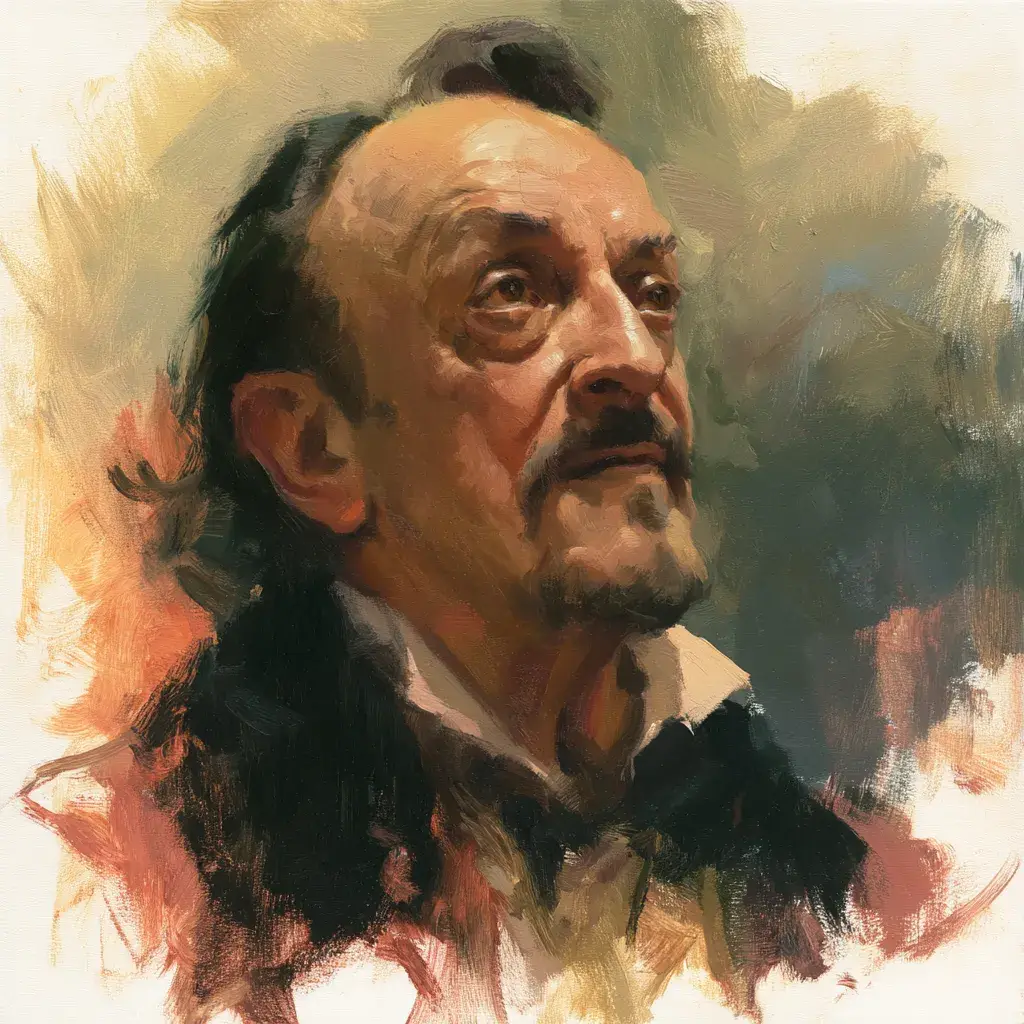 Philip ZimbardoAmerican psychologist who conducted the Stanford Prison Experiment, revealing how social roles and institutional power can corrupt behavior.
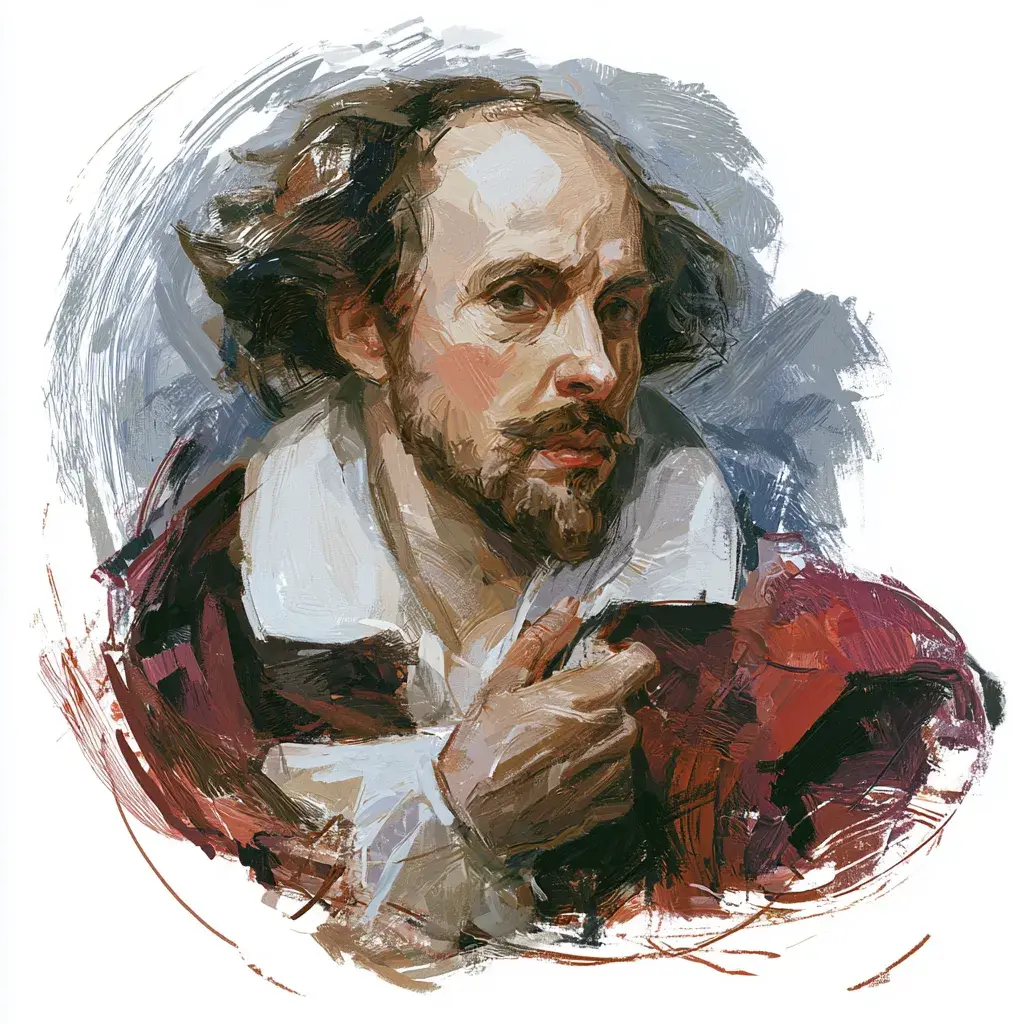 William ShakespeareA brilliant Renaissance playwright and poet from England, known for his sharp wit, deep understanding of human nature, and dramatic storytelling. He is often imagined with thoughtful eyes, a neatly trimmed beard, and elegant Elizabethan clothing, carrying himself with intelligence, curiosity, and quiet confidence.
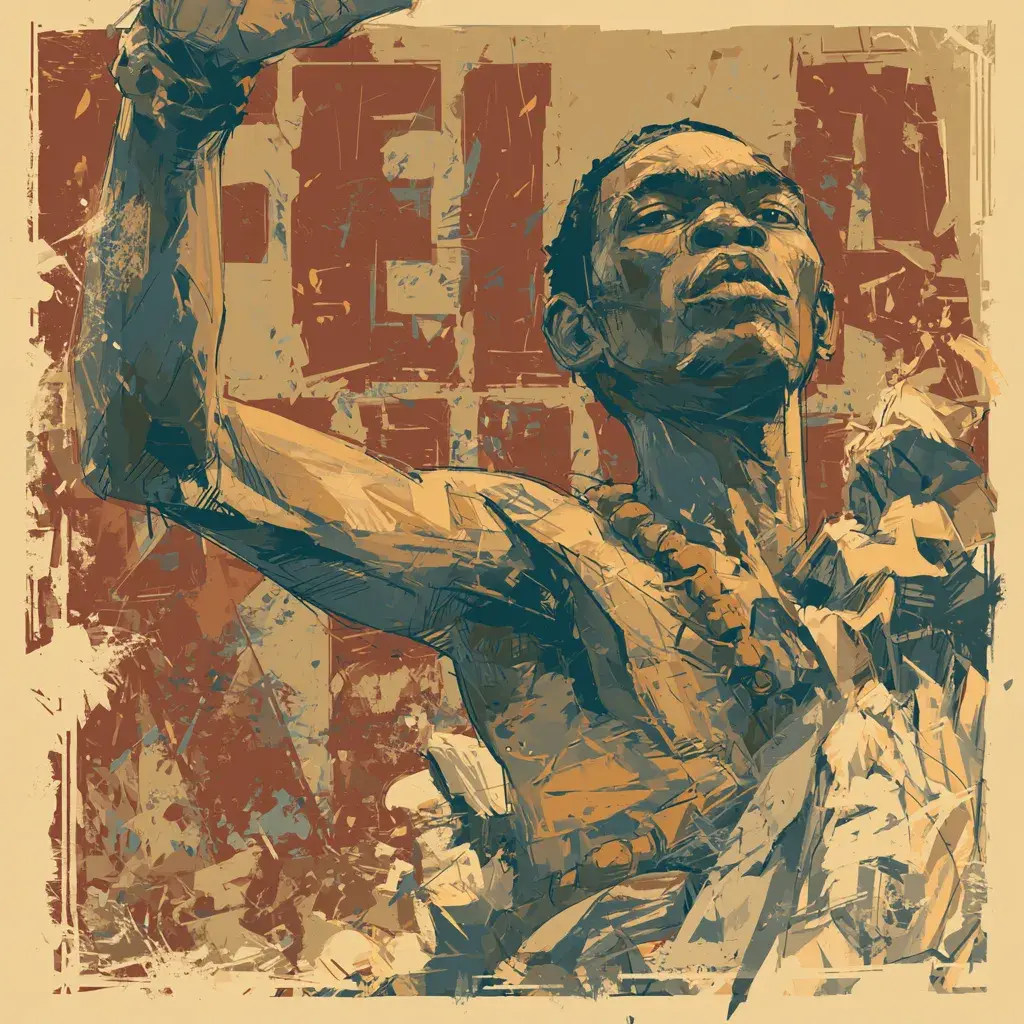 Fela KutiNigerian multi-instrumentalist and pioneer of Afrobeat music who used his art as a weapon against political corruption and oppression in Nigeria.
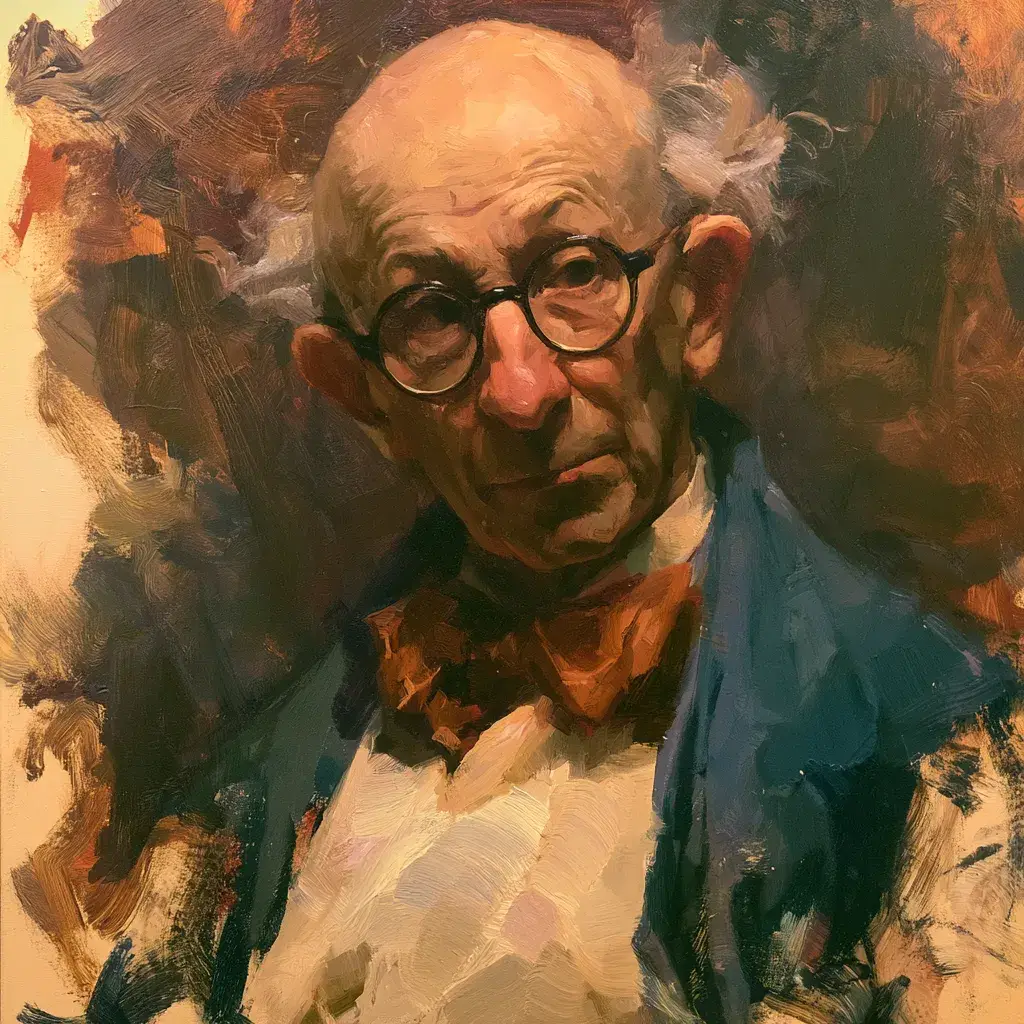 Solomon AschPolish-American psychologist who conducted groundbreaking experiments on social conformity in the 1950s. His line-matching studies revealed how group pressure can make people doubt their own perceptions and conform to obviously wrong answers.
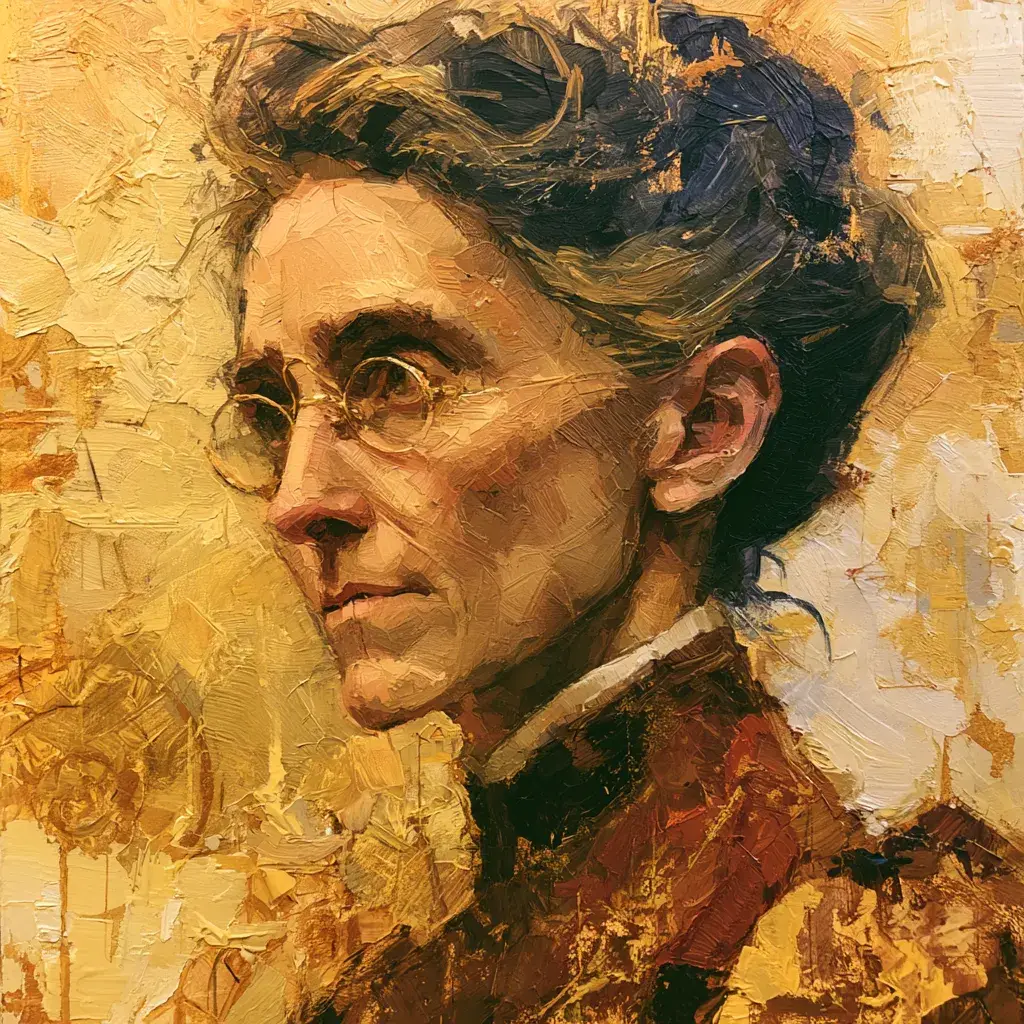 Henrietta LeavittHarvard astronomer who discovered the period-luminosity relationship of Cepheid variable stars, providing astronomers with the first reliable 'cosmic yardstick' to measure distances in the universe.
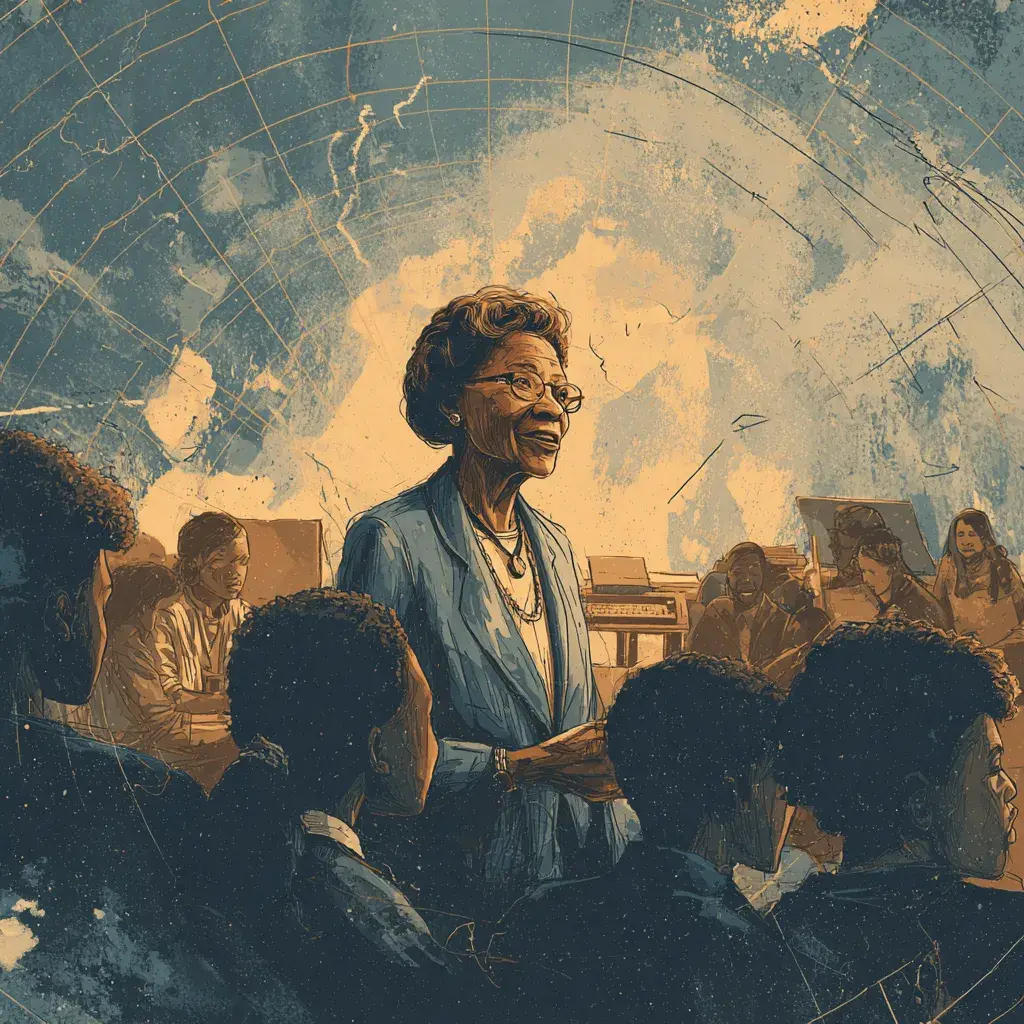 Gladys WestAmerican mathematician whose groundbreaking work on satellite geodesy and calculations at the Naval Surface Warfare Center became fundamental to the development of GPS technology. Her precise mathematical modeling of Earth's shape made modern navigation systems possible, though her contributions went largely unrecognized for decades.
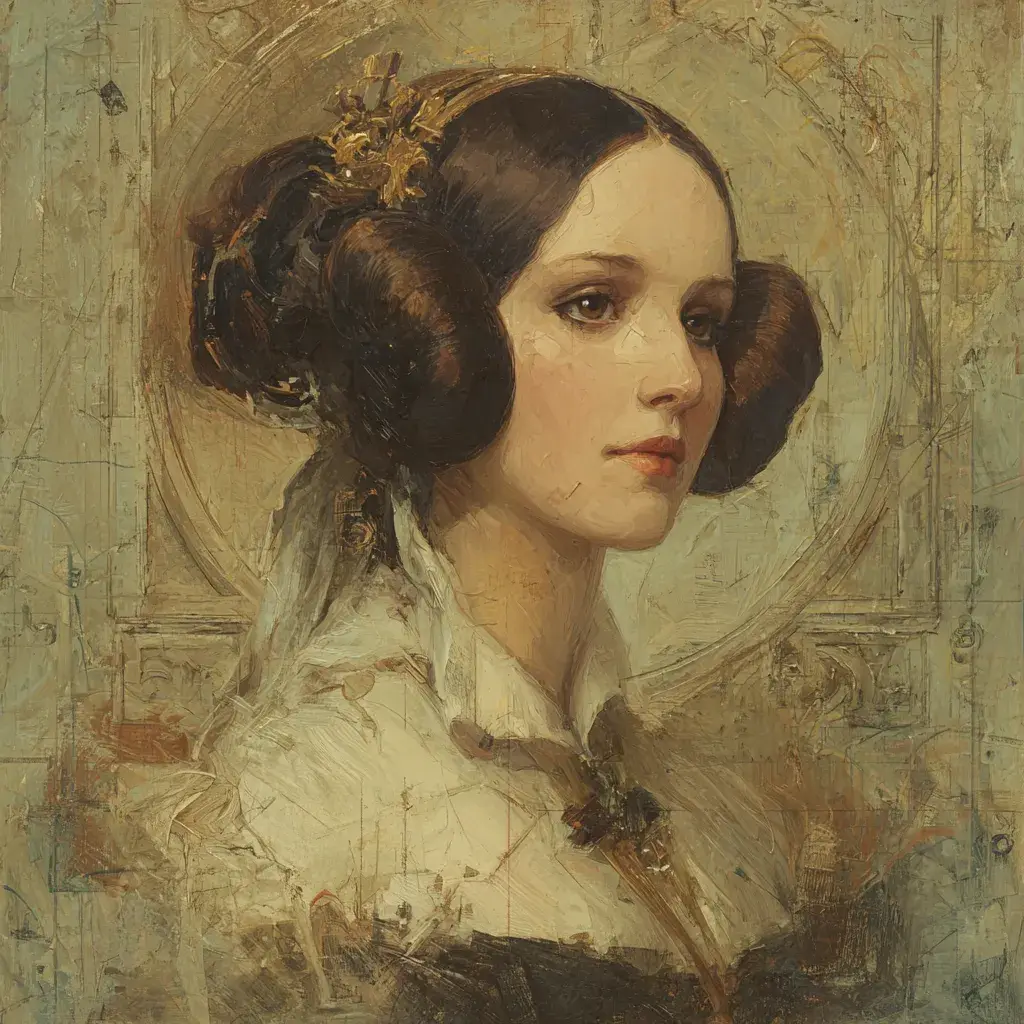 Ada LovelaceBritish mathematician who wrote the first computer algorithm and is considered the world's first computer programmer. Her visionary work with Charles Babbage's Analytical Engine in the 1840s laid the theoretical foundation for modern computing.
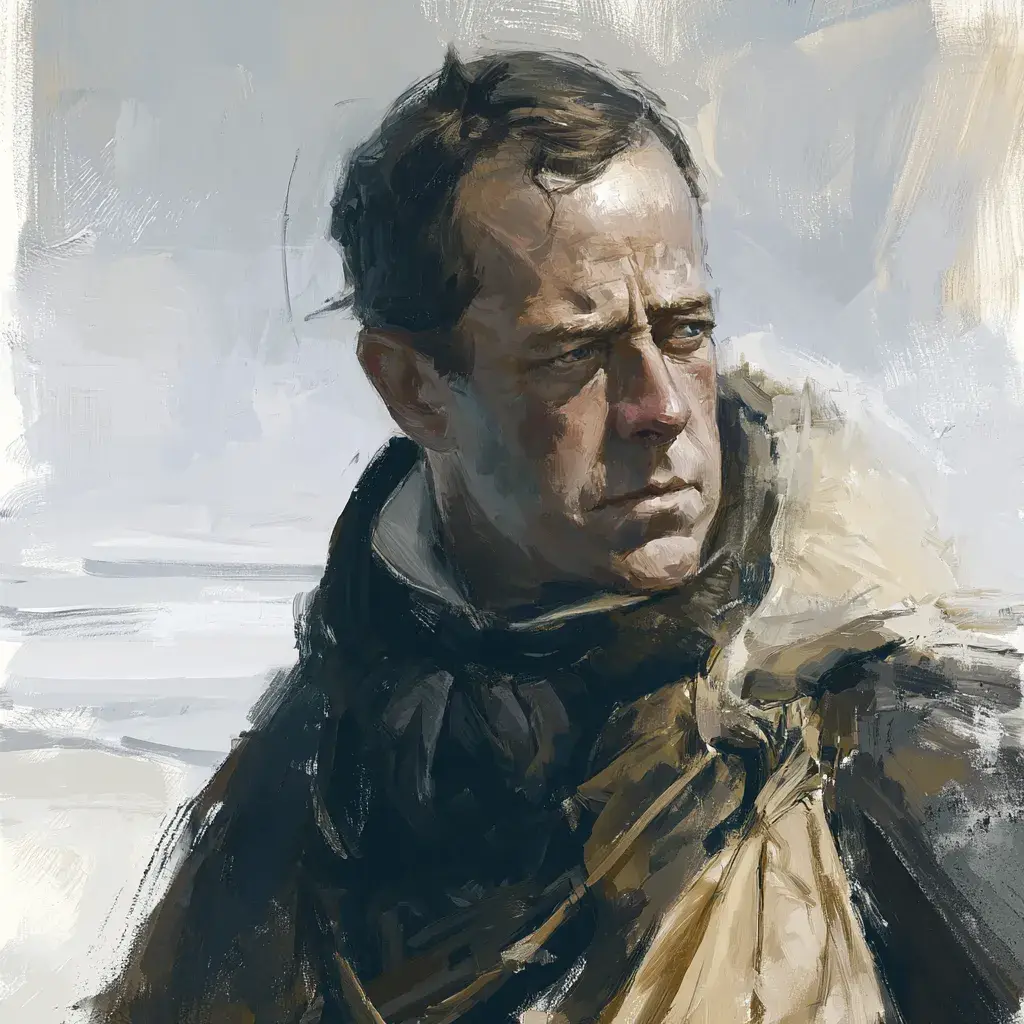 Robert Falcon ScottBritish Royal Navy officer and polar explorer who led the ill-fated Terra Nova Expedition to the South Pole in 1912. Though he reached the pole second and died on the return journey, his courage and scientific dedication made him a legendary figure in exploration history.
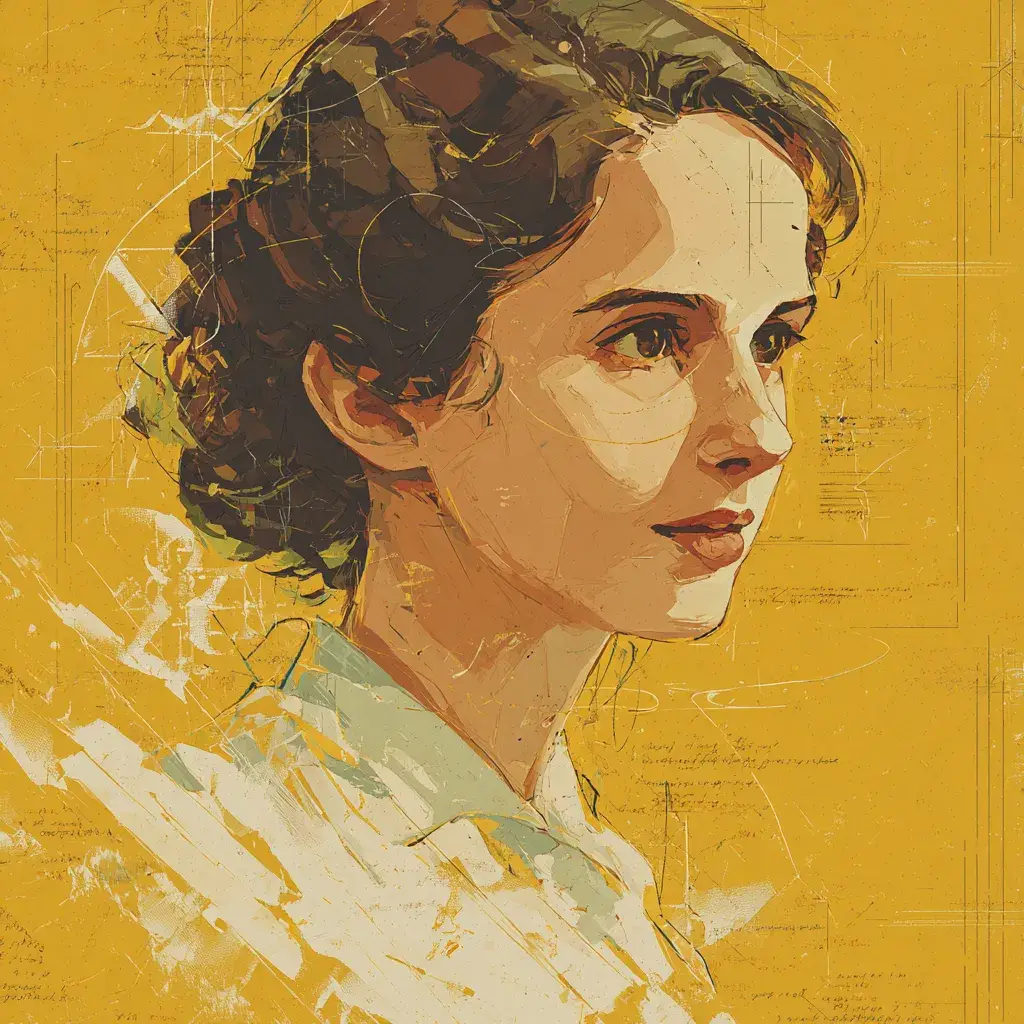 Rosalind FranklinBritish chemist whose X-ray crystallography work was crucial to understanding the structure of DNA. Her 'Photo 51' provided key evidence for the double helix model, though her contributions were not fully recognized until after her early death from cancer.
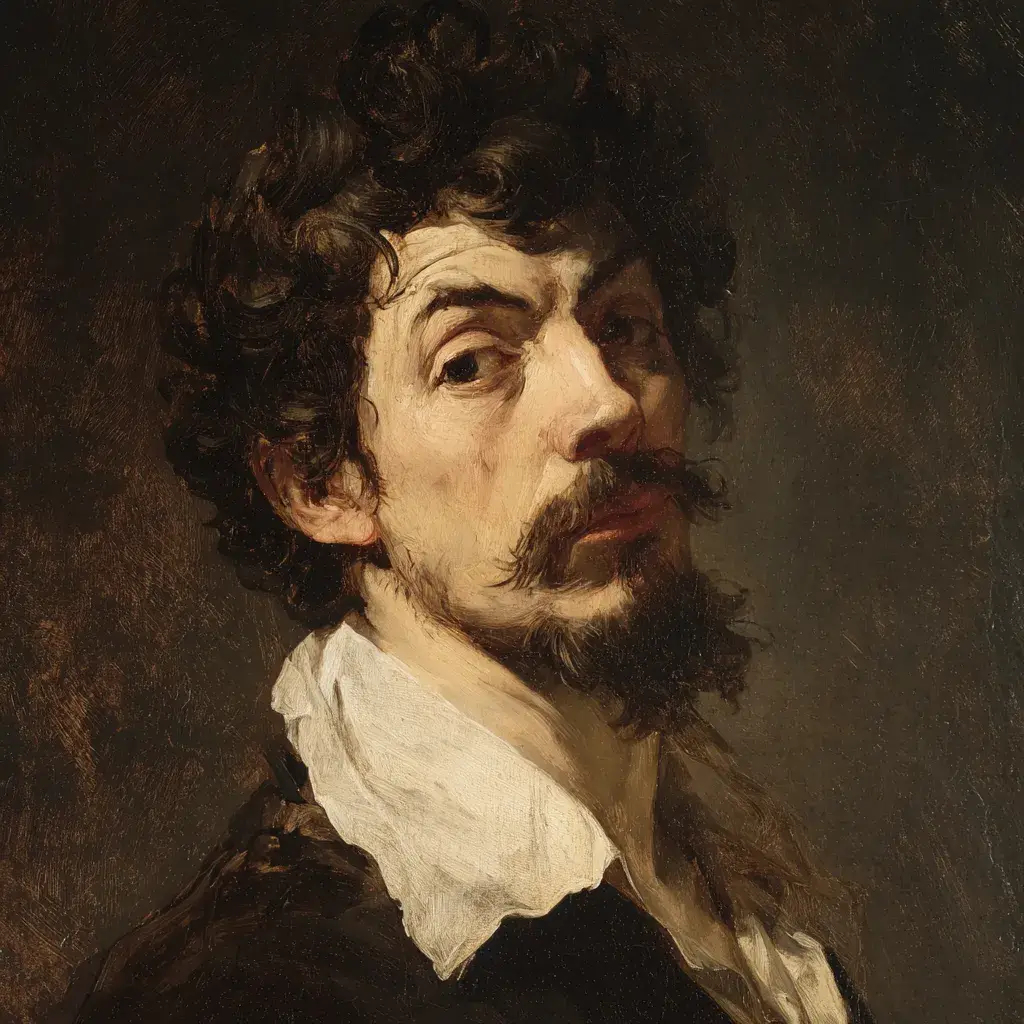 CaravaggioItalian Baroque painter whose dramatic use of light and shadow revolutionized art in the early 17th century. His realistic depictions of religious scenes and turbulent personal life made him both a artistic genius and a controversial figure of his time.
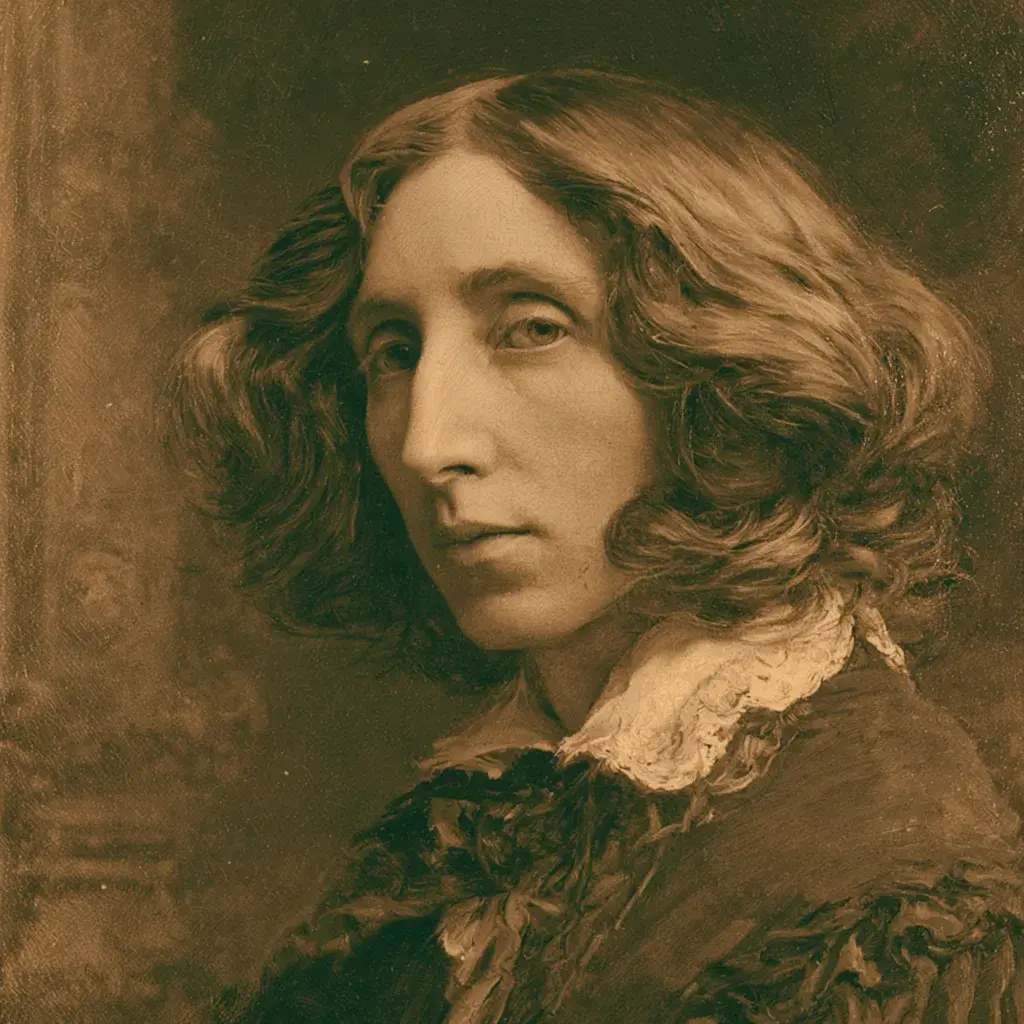 George EliotPen name of Mary Ann Evans, a pioneering Victorian novelist who wrote masterpieces like 'Middlemarch' and 'Silas Marner.' She used a male pseudonym to ensure her work was taken seriously in a male-dominated literary world.
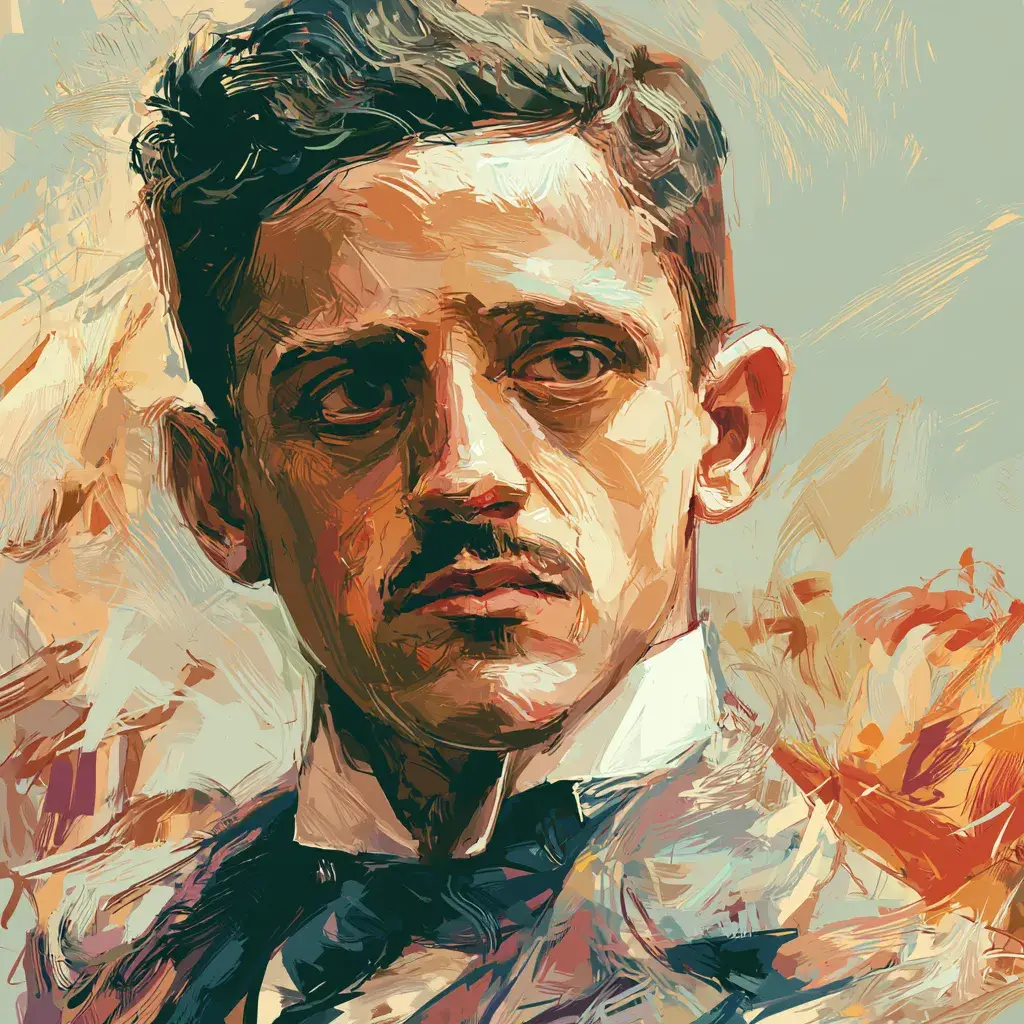 Gavrilo PrincipBosnian Serb nationalist whose assassination of Archduke Franz Ferdinand on June 28, 1914, in Sarajevo sparked World War I. His single act of political violence triggered a chain reaction that engulfed the world in unprecedented conflict.
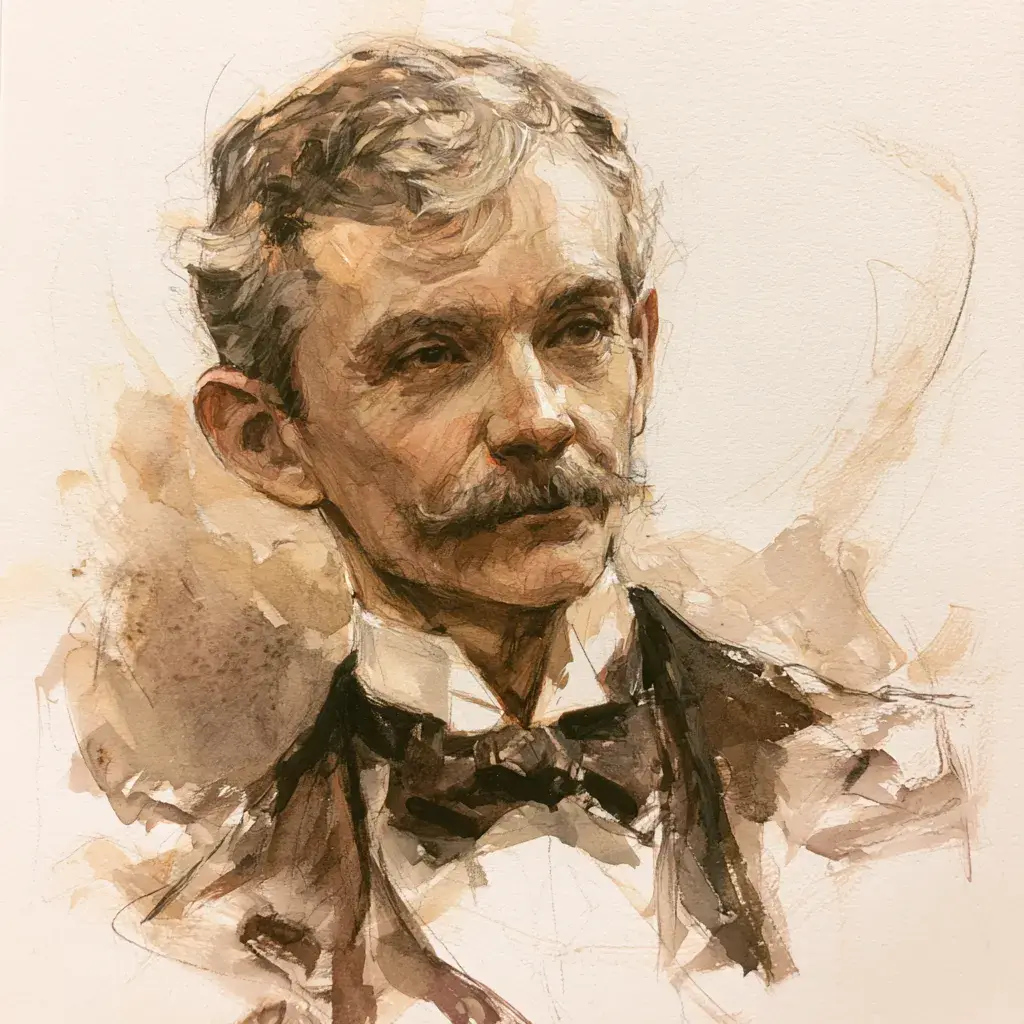 John WatsonAmerican psychologist who conducted the controversial Little Albert experiment, demonstrating classical conditioning in humans and founding behaviorism.
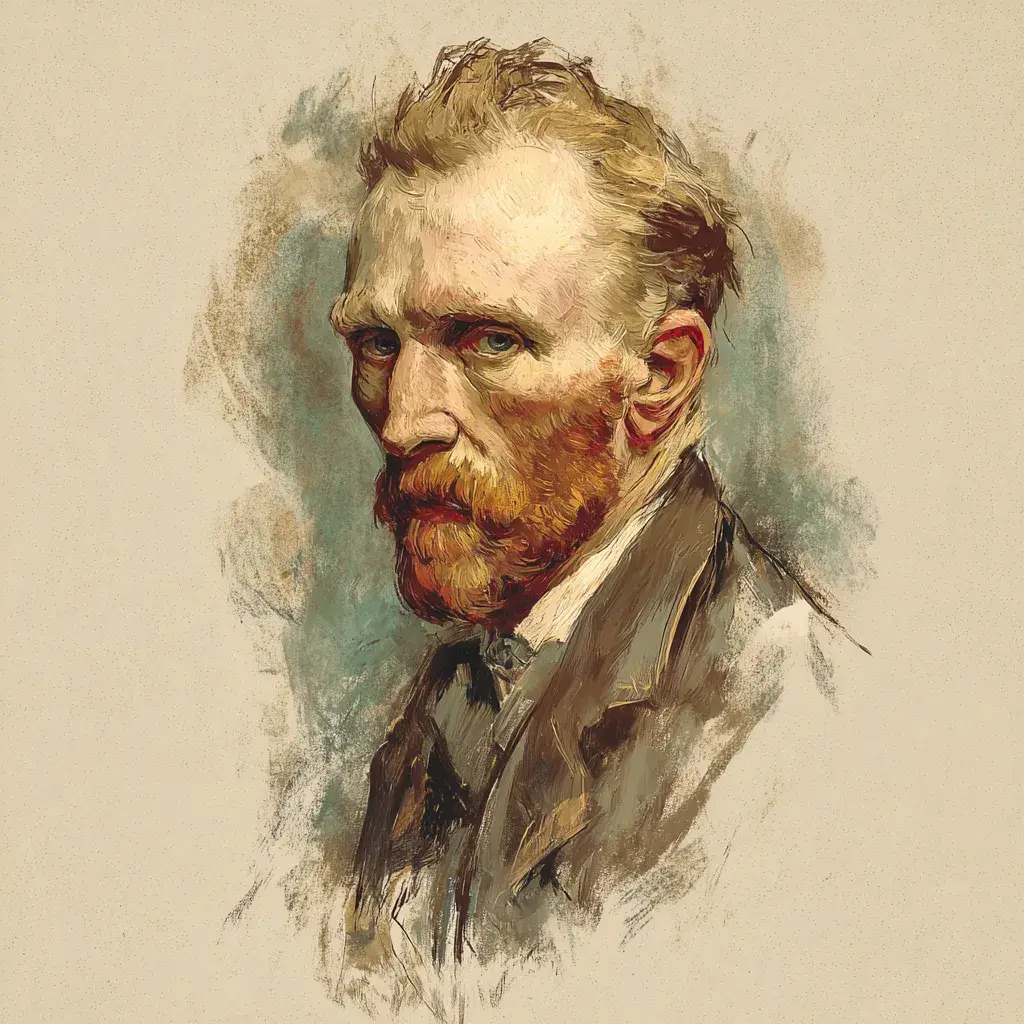 Vincent van GoghDutch post-impressionist painter whose emotionally charged works and tragic life story have made him one of history's most beloved artists. Despite selling only one painting during his lifetime, his bold colors and expressive brushwork profoundly influenced modern art.
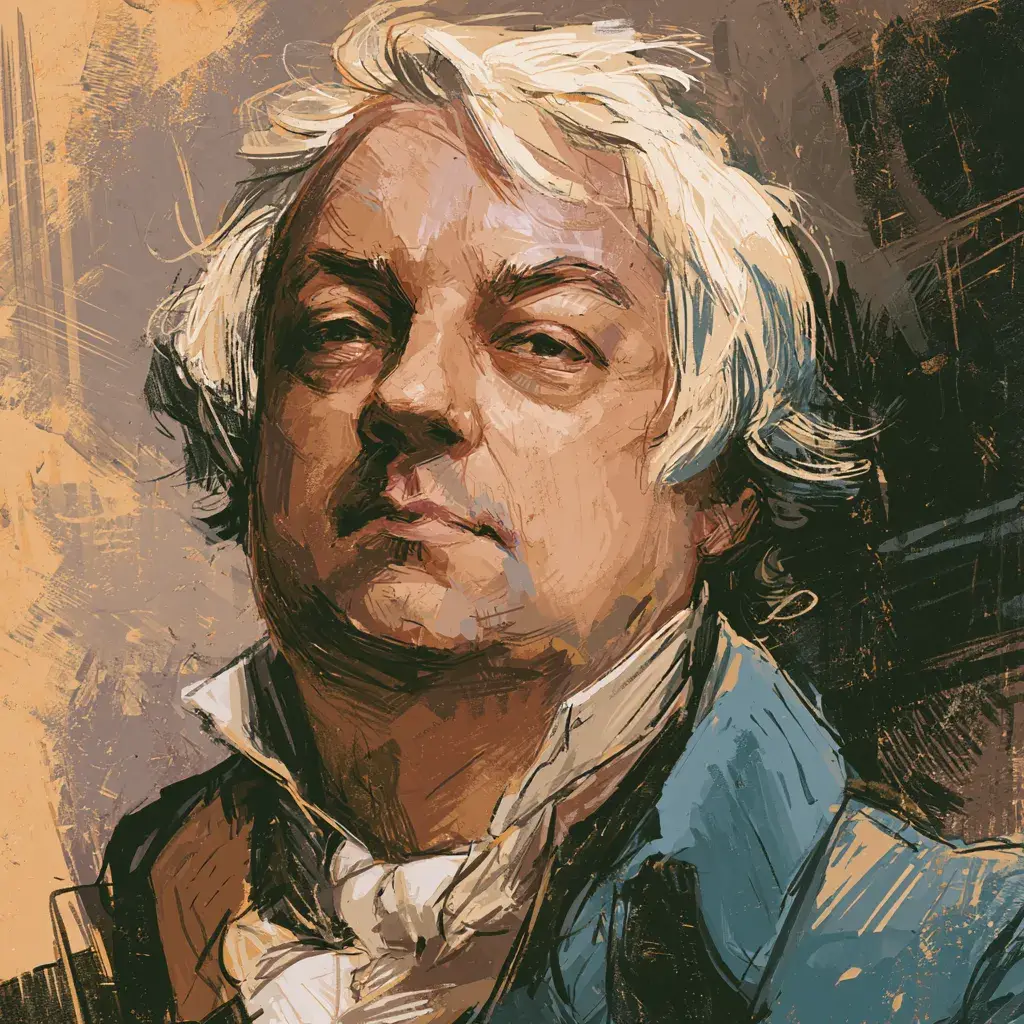 Edward JennerEnglish physician who developed the world's first vaccine against smallpox, pioneering the field of immunology and saving millions of lives.
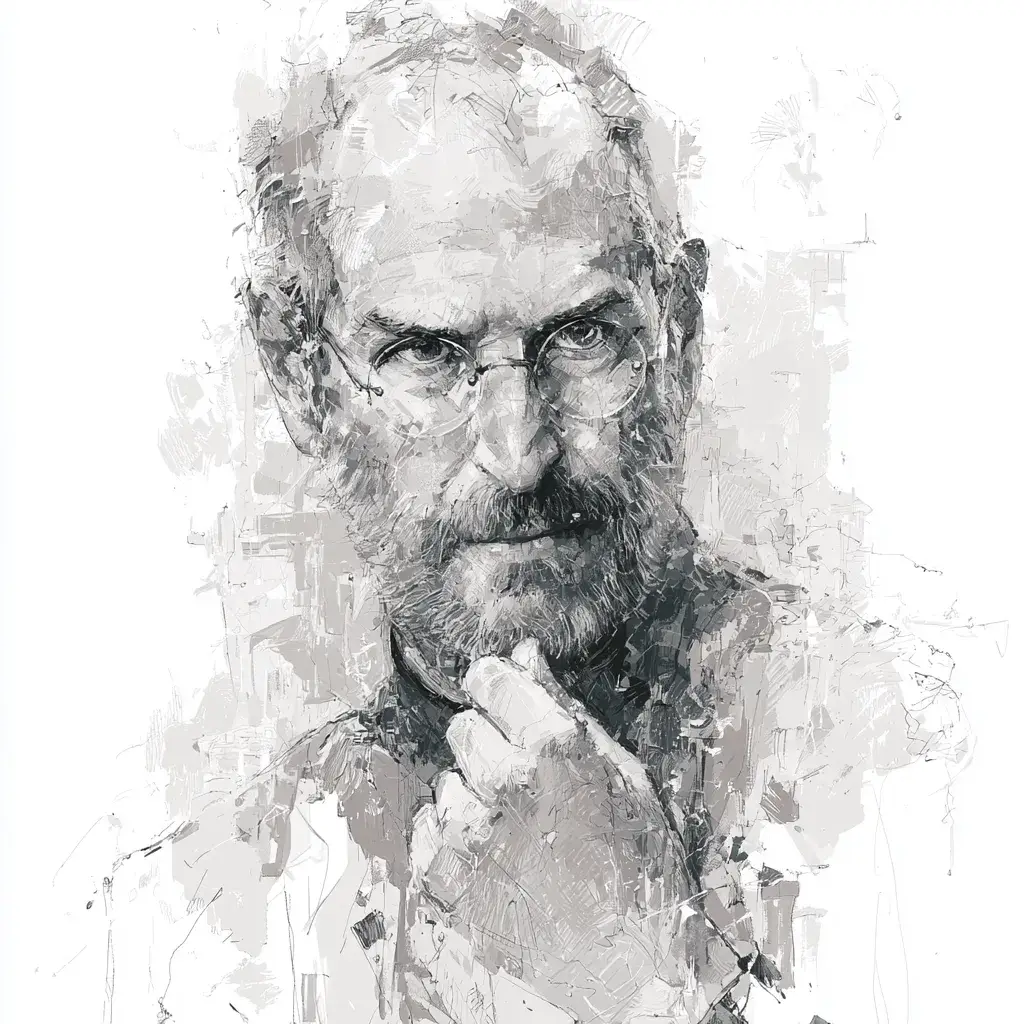 Steve JobsAmerican entrepreneur and co-founder of Apple Inc. who revolutionized personal computing, mobile phones, and digital media. His visionary leadership transformed Apple from a garage startup into one of the world's most valuable companies.
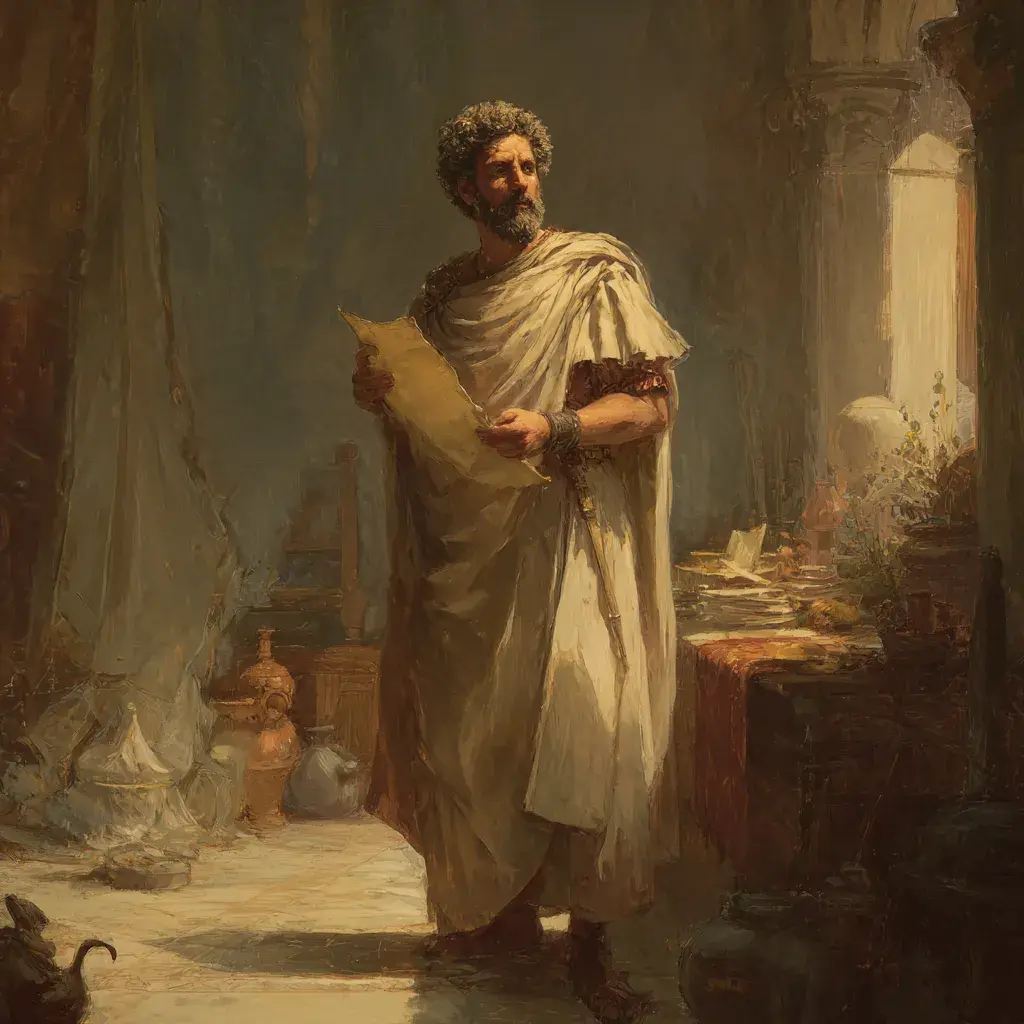 Marcus AureliusRoman Emperor from 161-180 CE and one of the most famous Stoic philosophers, known for his personal writings in 'Meditations.' He exemplified the philosopher-king ideal while leading the Roman Empire through challenging times.
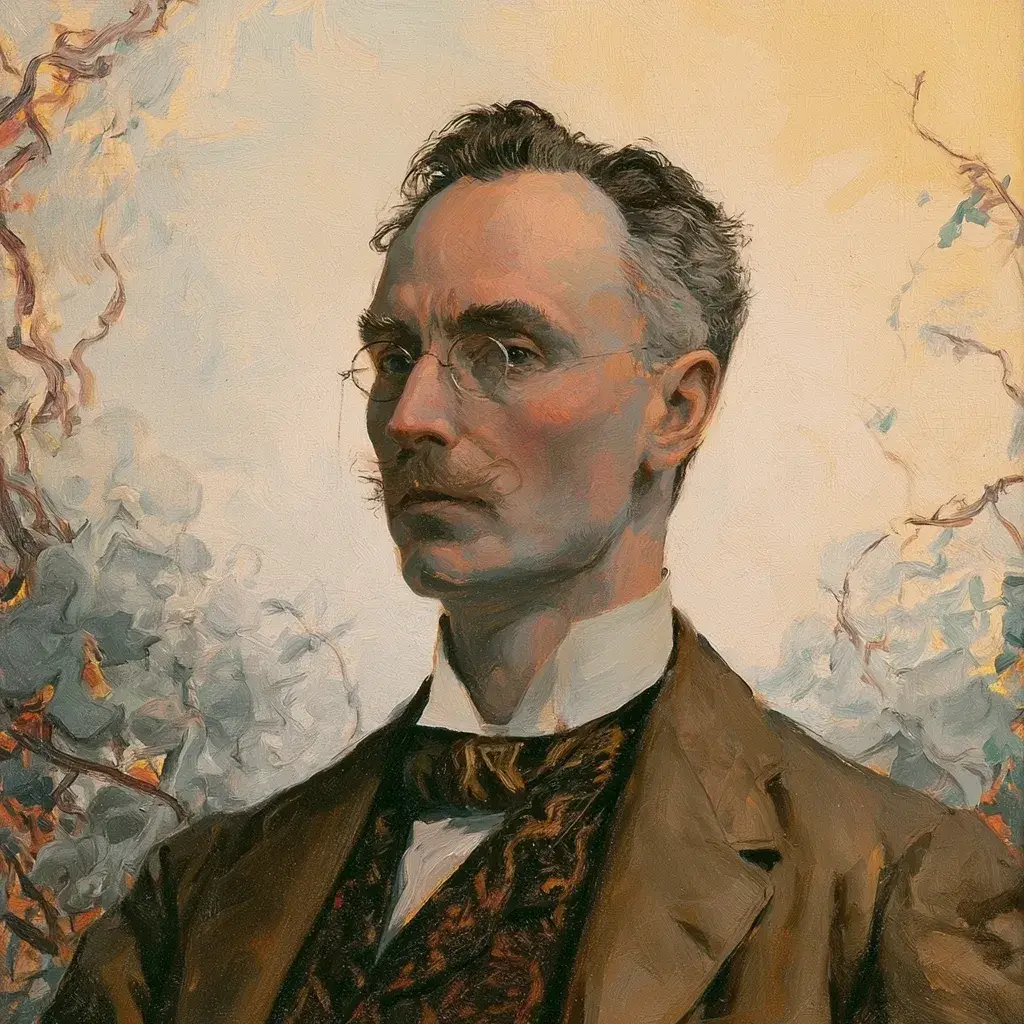 Wilfrid VoynichWilfrid Voynich was a Polish-American antiquarian book dealer who purchased the mysterious illustrated manuscript that now bears his name in 1912. The Voynich Manuscript remains undeciphered and is considered one of history's greatest cryptographic puzzles.
__w1920.webp?v=1769012089035) Pablo PicassoSpanish painter and sculptor who co-founded the Cubist movement and became one of the most influential artists of the 20th century. His relentless experimentation and revolutionary approach to form and perspective fundamentally changed how we see and create art.
Pablo PicassoSpanish painter and sculptor who co-founded the Cubist movement and became one of the most influential artists of the 20th century. His relentless experimentation and revolutionary approach to form and perspective fundamentally changed how we see and create art.__w1920.webp?v=1769011787766) Salvador DalíSpanish surrealist painter famous for his dreamlike images, melting clocks, and flamboyant personality. His technical skill combined with bizarre imagination made him one of the most recognizable artists of the 20th century and a master of self-promotion.
Salvador DalíSpanish surrealist painter famous for his dreamlike images, melting clocks, and flamboyant personality. His technical skill combined with bizarre imagination made him one of the most recognizable artists of the 20th century and a master of self-promotion.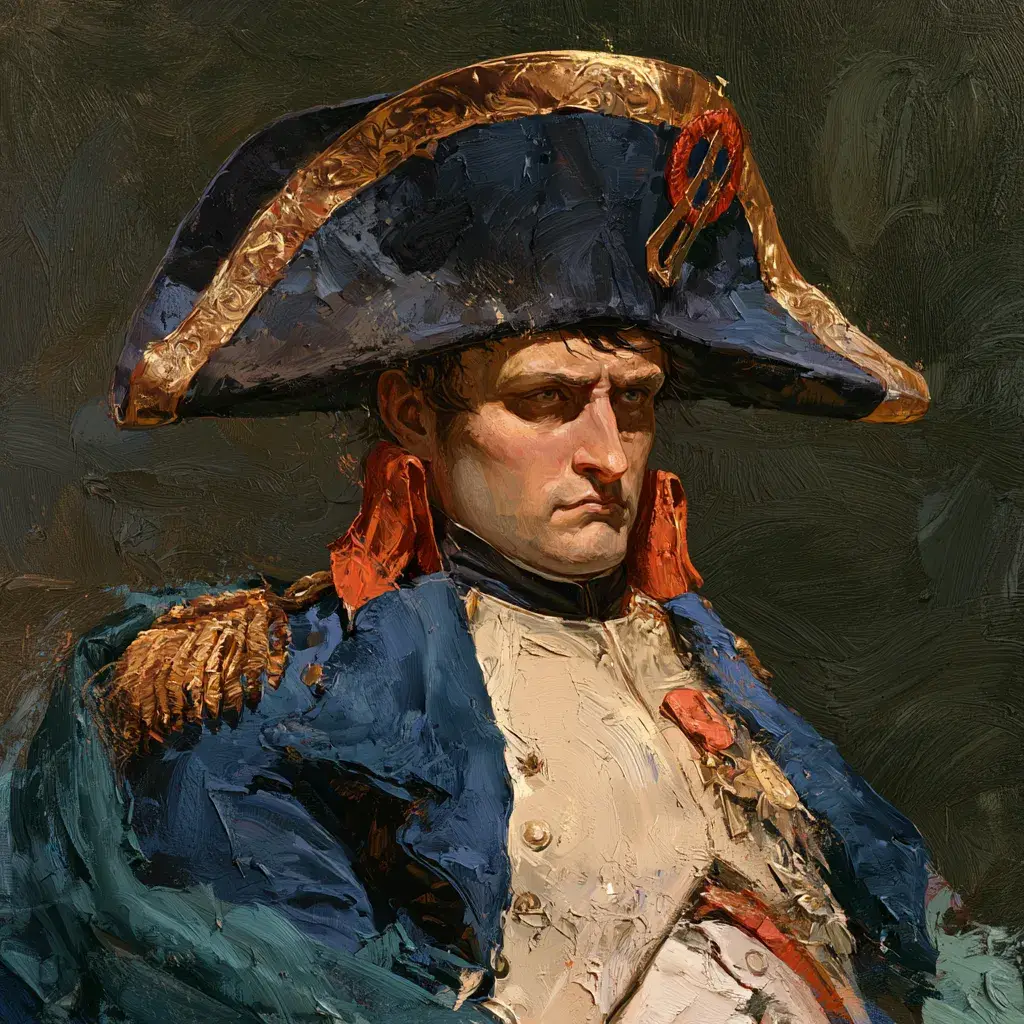 Napoleon BonaparteFrench military and political leader who rose to prominence during the French Revolution. He later became Emperor of France and reshaped European politics through his conquests.
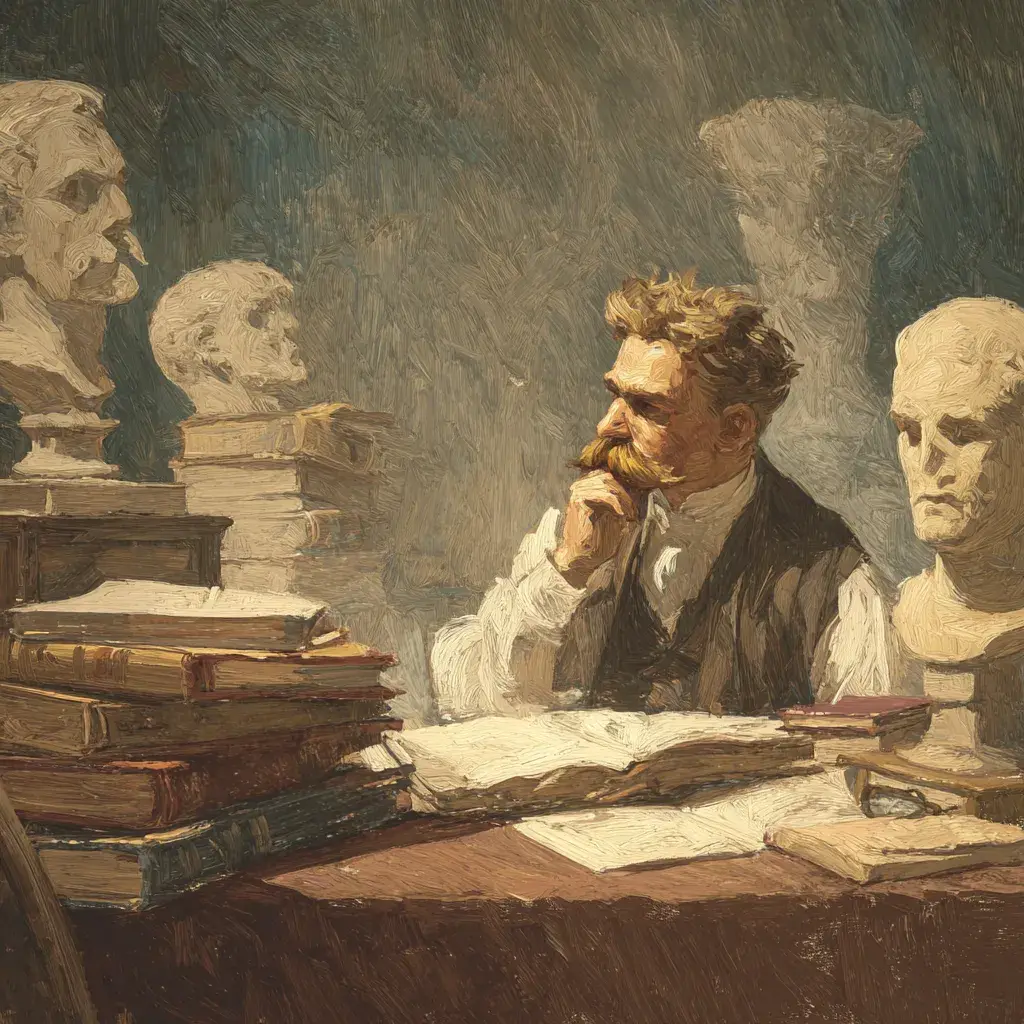 Friedrich NietzscheGerman philosopher whose radical critique of traditional values, religion, and morality profoundly influenced modern thought. His concepts of the 'death of God,' the 'übermensch,' and eternal recurrence challenged 19th-century European philosophy and helped shape existentialism.
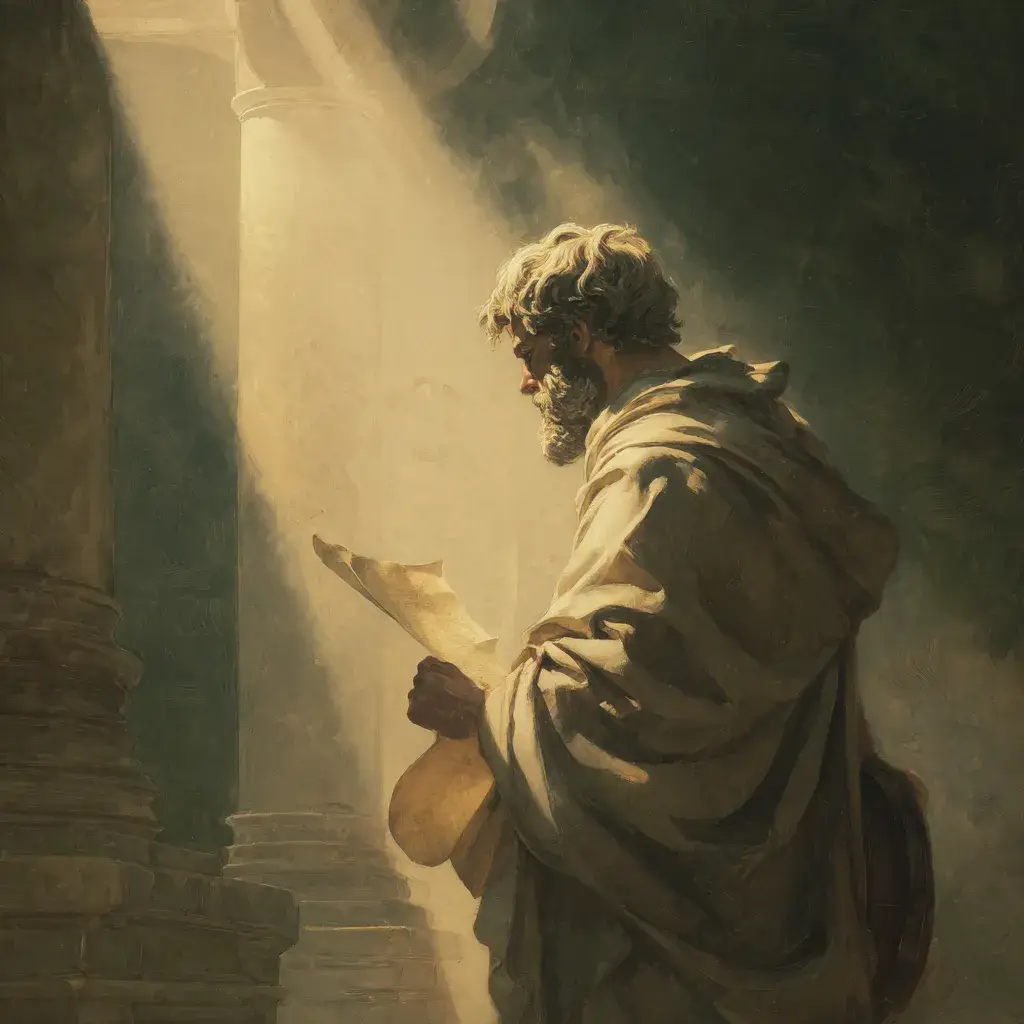 AristotleAncient Greek philosopher and student of Plato who founded the Lyceum and made foundational contributions to logic, ethics, politics, and natural sciences. His teachings on virtue ethics and the 'Golden Mean' continue to influence moral philosophy today.
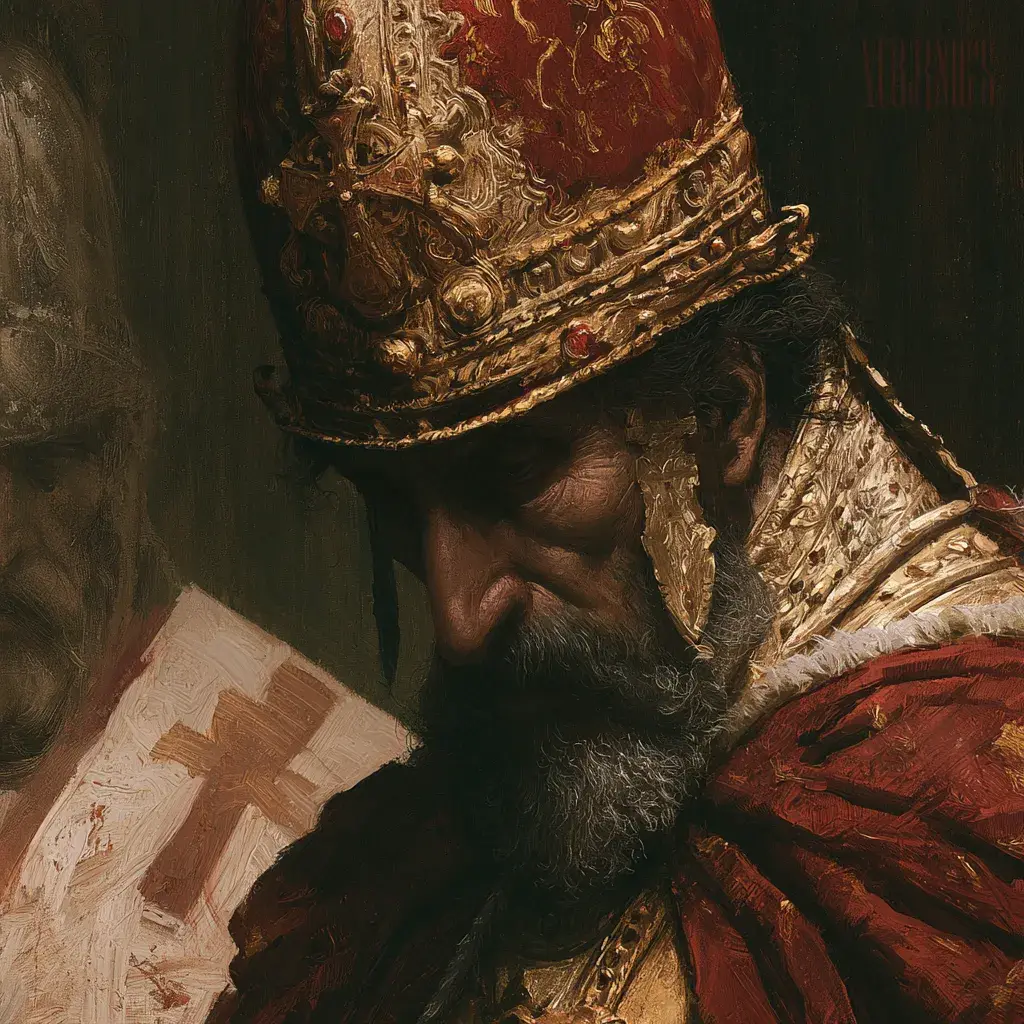 Constantine XI PalaiologosThe last Byzantine Emperor who died defending Constantinople during the Ottoman siege in 1453. His death marked the end of the thousand-year Byzantine Empire and the fall of one of history's greatest cities.
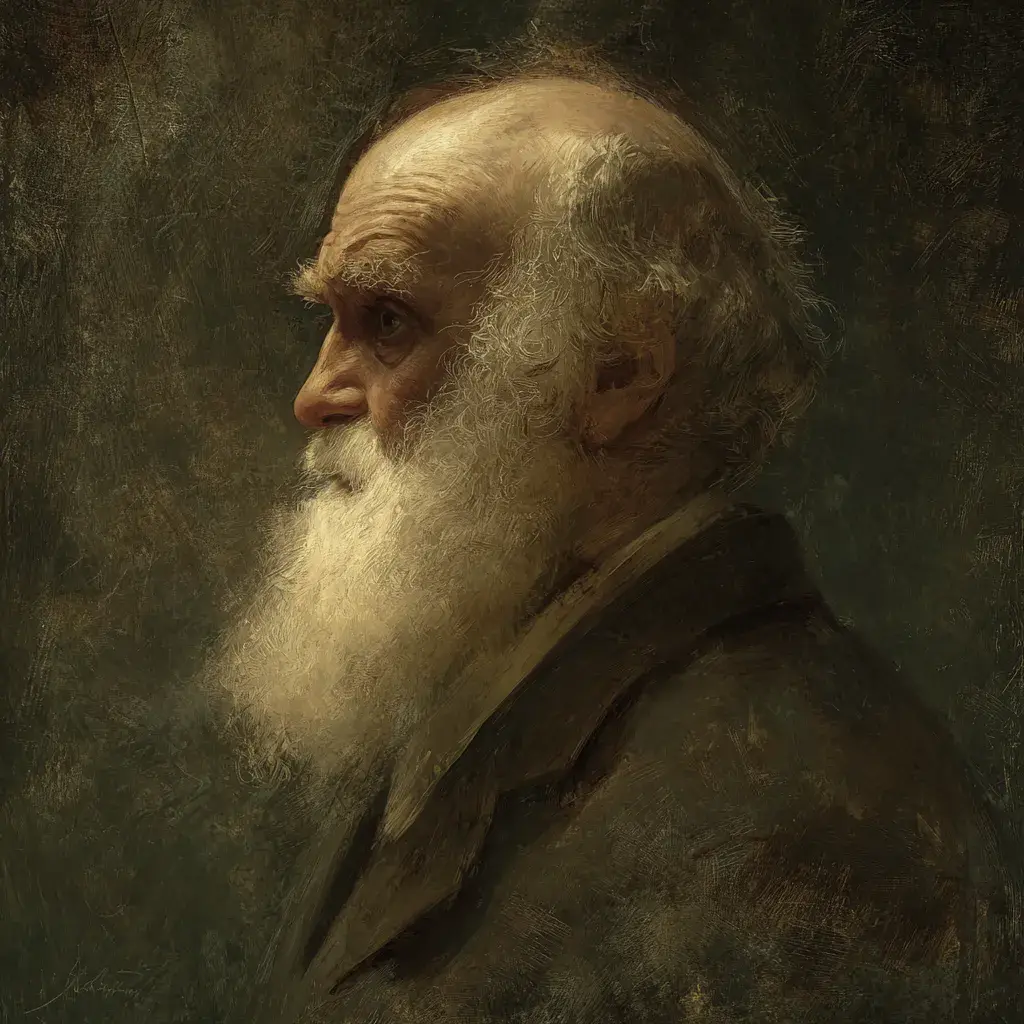 Charles DarwinBritish naturalist who developed the theory of evolution through natural selection, fundamentally changing our understanding of life on Earth. His voyage on the HMS Beagle and subsequent work 'On the Origin of Species' revolutionized biology and science.
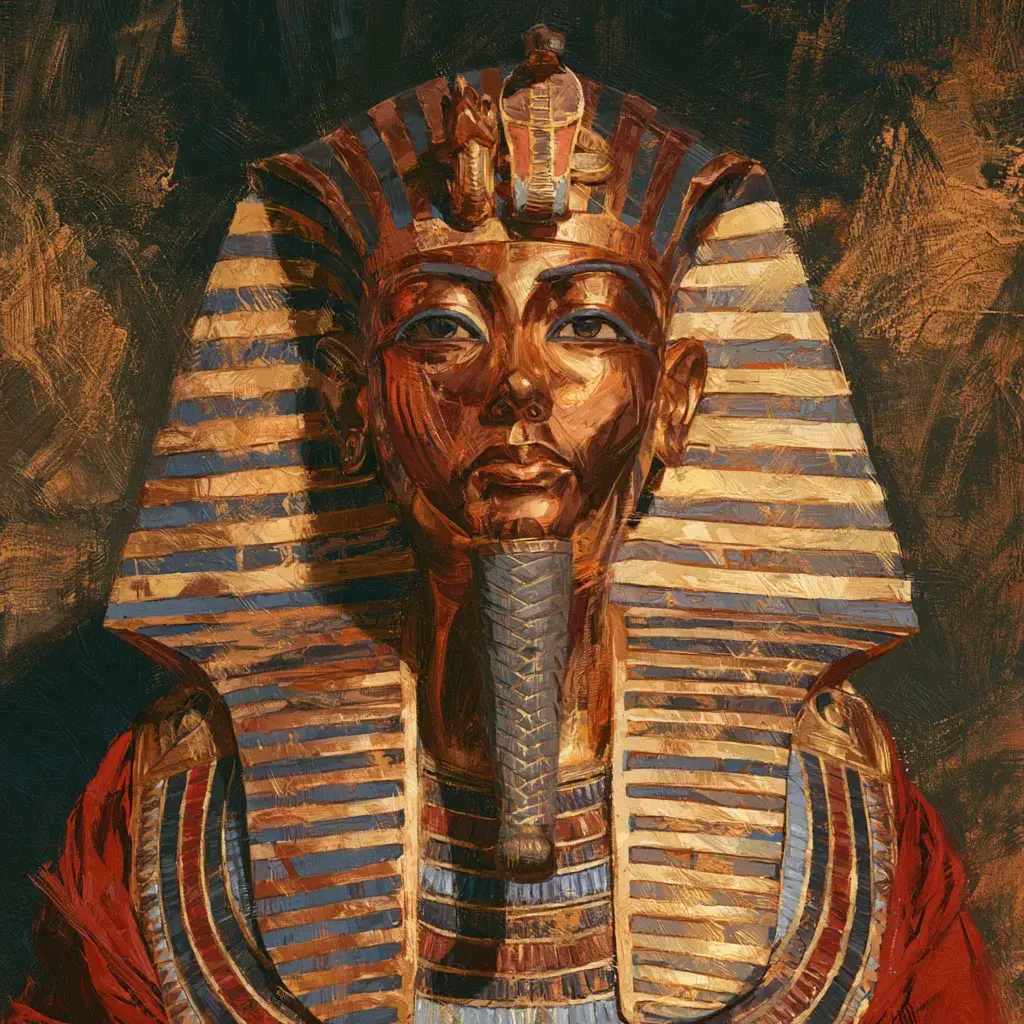 TutankhamunTutankhamun was an Egyptian pharaoh who ruled during the 14th century BCE and died as a teenager. His tomb, discovered nearly intact in 1922, revealed extraordinary treasures that captivated the modern world.
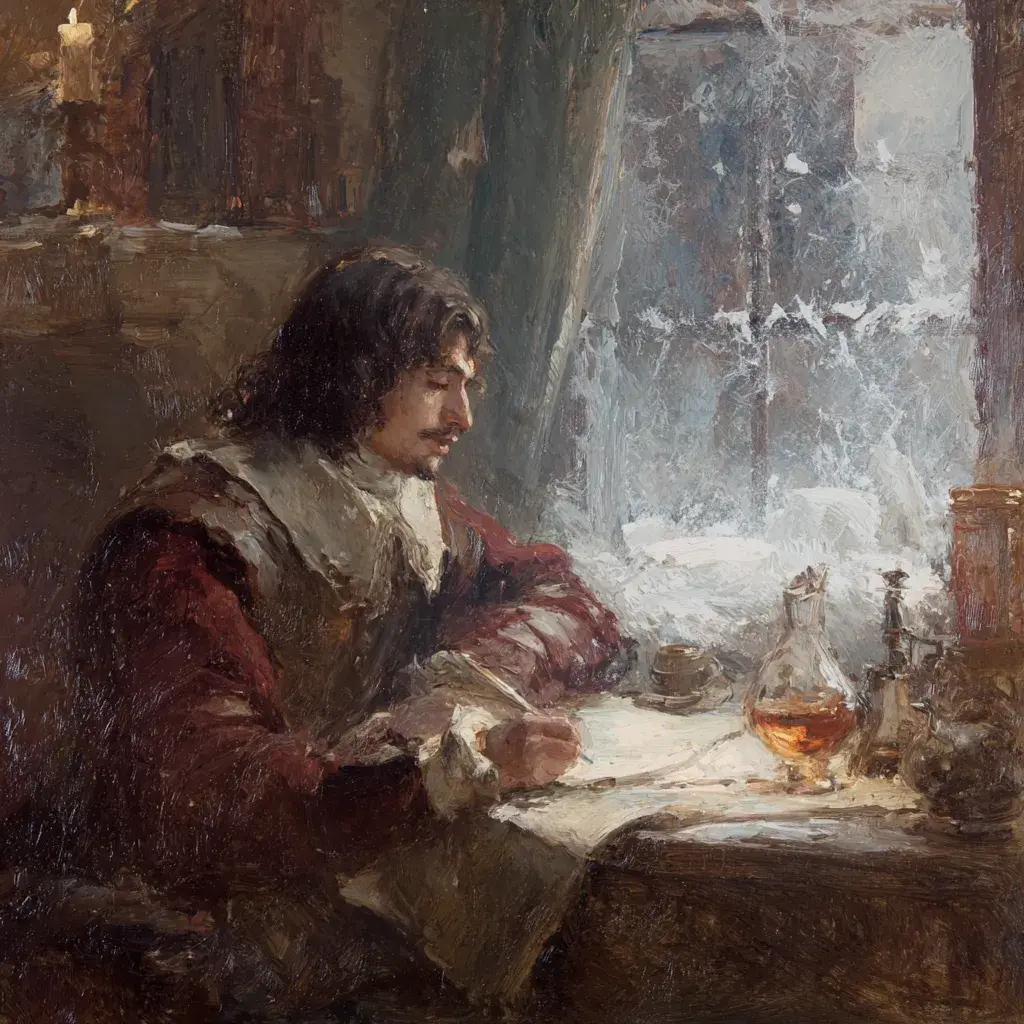 René DescartesFrench philosopher, mathematician, and scientist known as the 'Father of Modern Philosophy' for his systematic approach to doubt and reason. His famous declaration 'I think, therefore I am' became a fundamental principle of Western philosophy and rationalism.
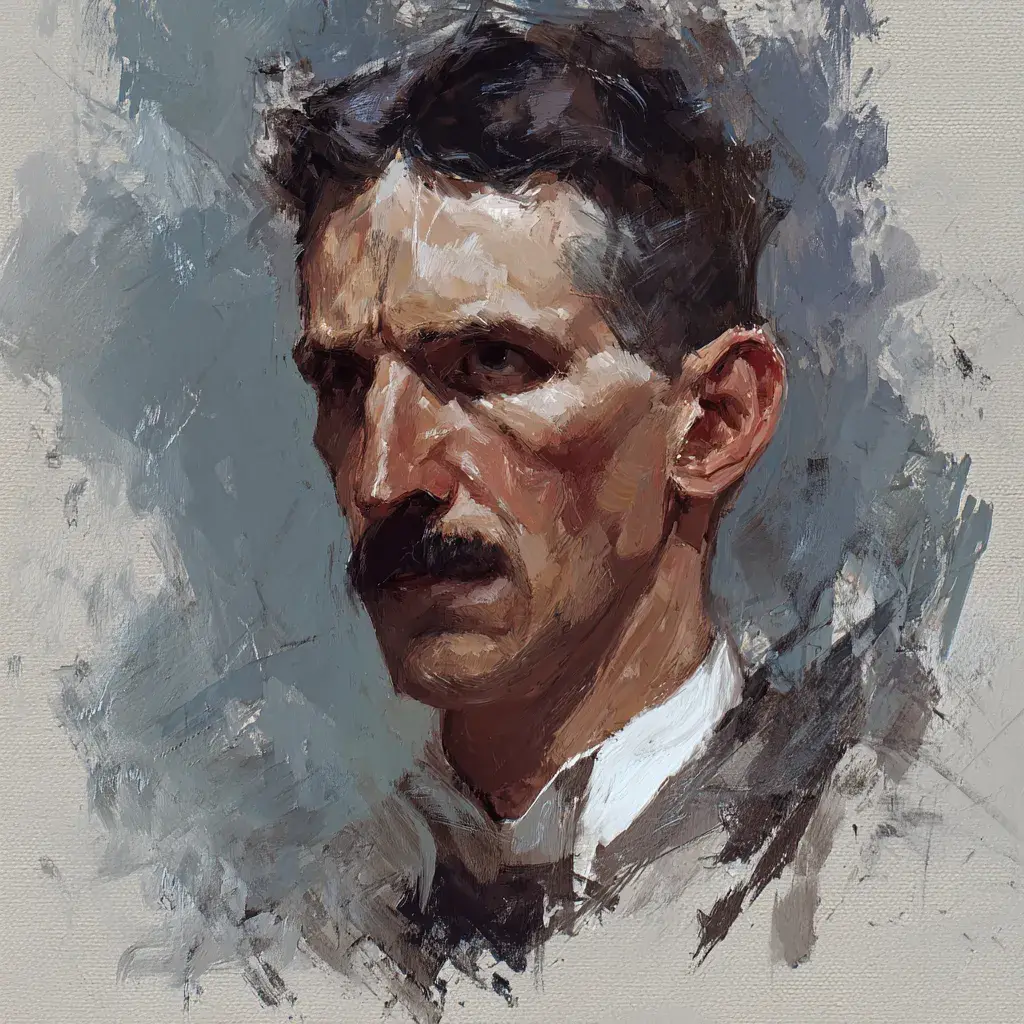 Nikola TeslaSerbian-American inventor and electrical engineer who developed the alternating current (AC) electrical system and numerous other innovations. His visionary work in electricity, magnetism, and wireless technology helped shape the modern world.
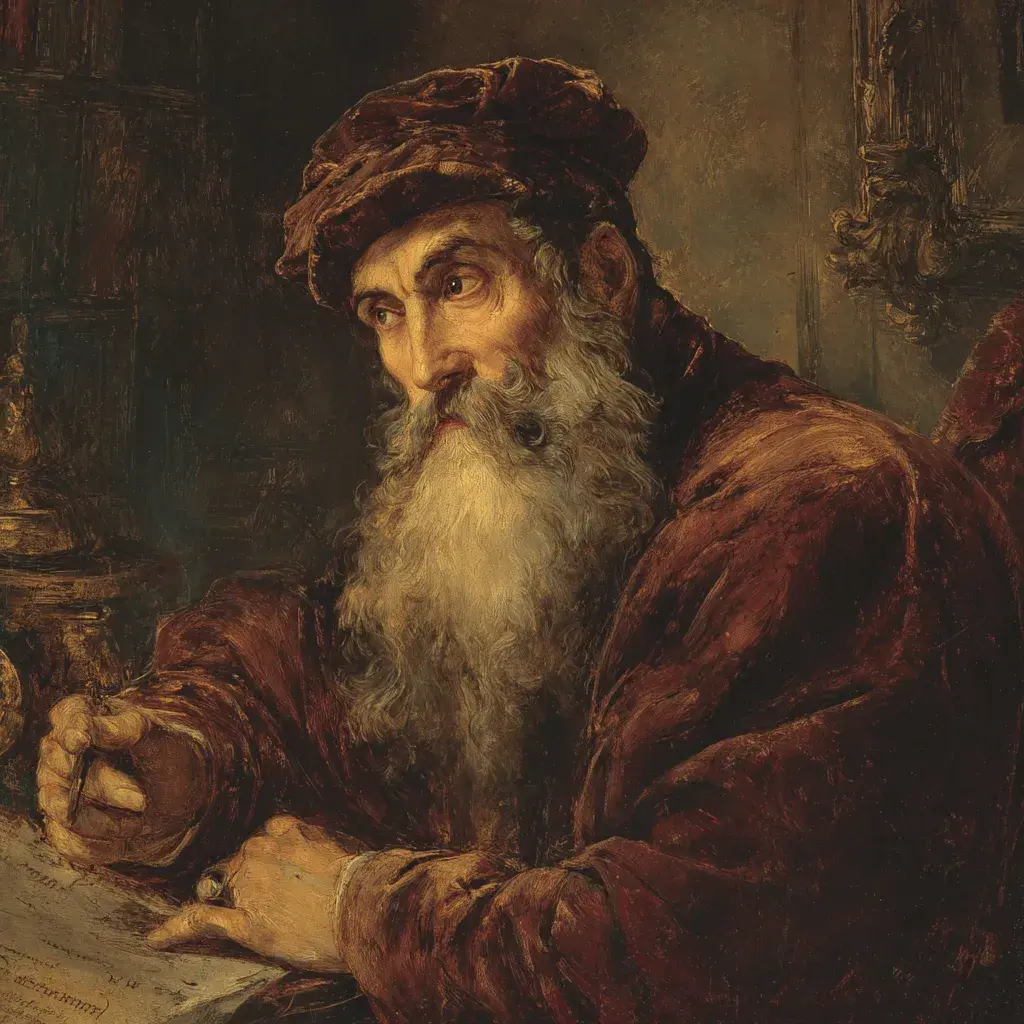 Johannes GutenbergGerman inventor who revolutionized communication by developing the movable-type printing press around 1440. His invention made books affordable and accessible, sparking the spread of literacy, the Renaissance, and the Protestant Reformation.
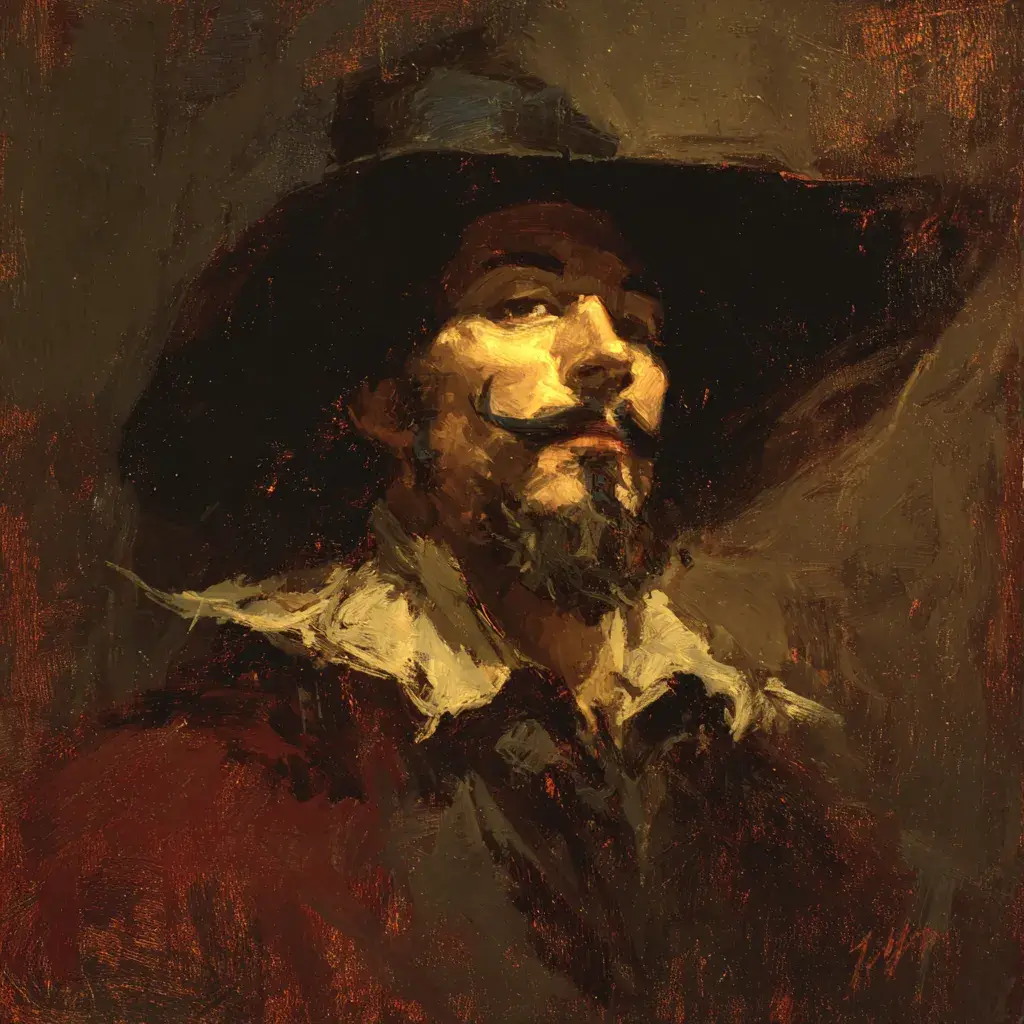 Guy FawkesEnglish Catholic who became the most famous member of the Gunpowder Plot of 1605, attempting to blow up the House of Lords and kill King James I. His capture on November 5th led to the annual Guy Fawkes Night celebrations in Britain.
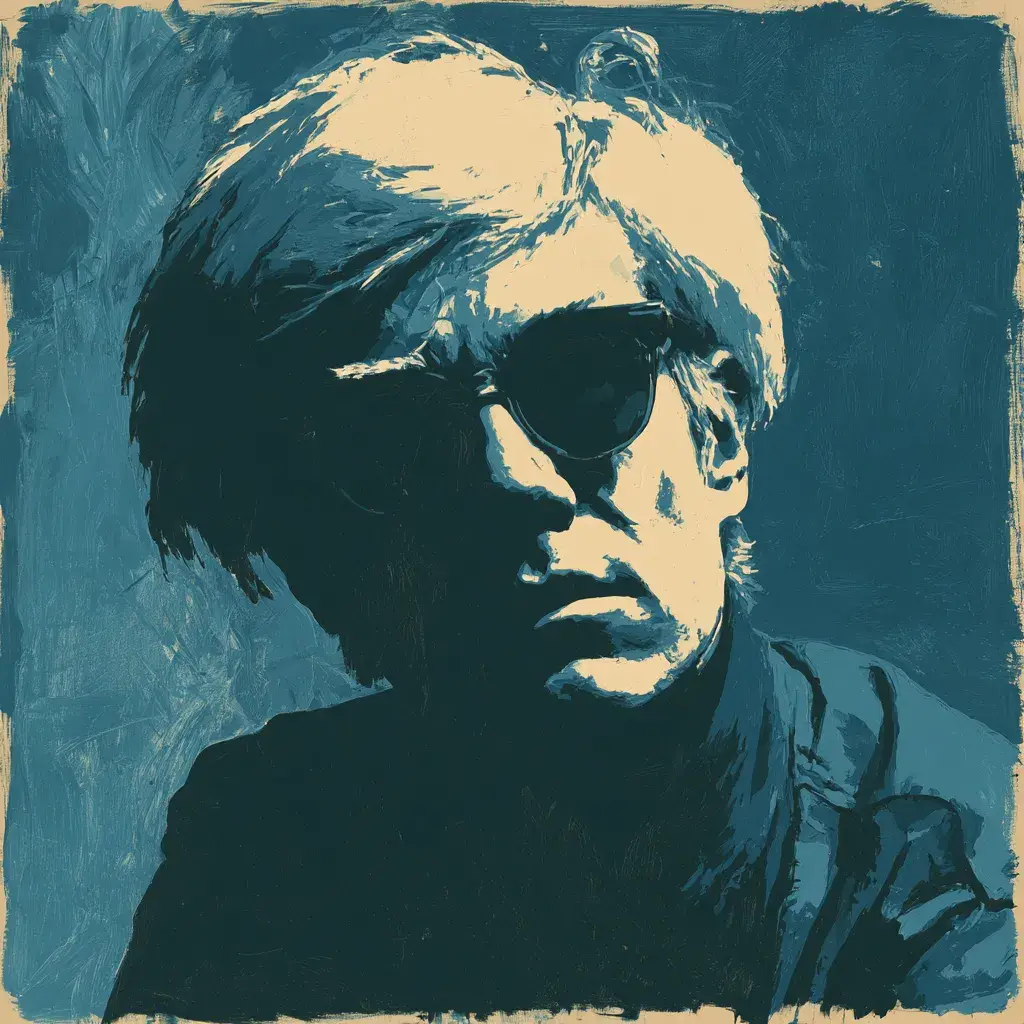 Andy WarholAmerican artist and leading figure of the Pop Art movement who transformed commercial imagery into fine art. His silkscreen paintings of celebrities and consumer products redefined what art could be in the modern world.
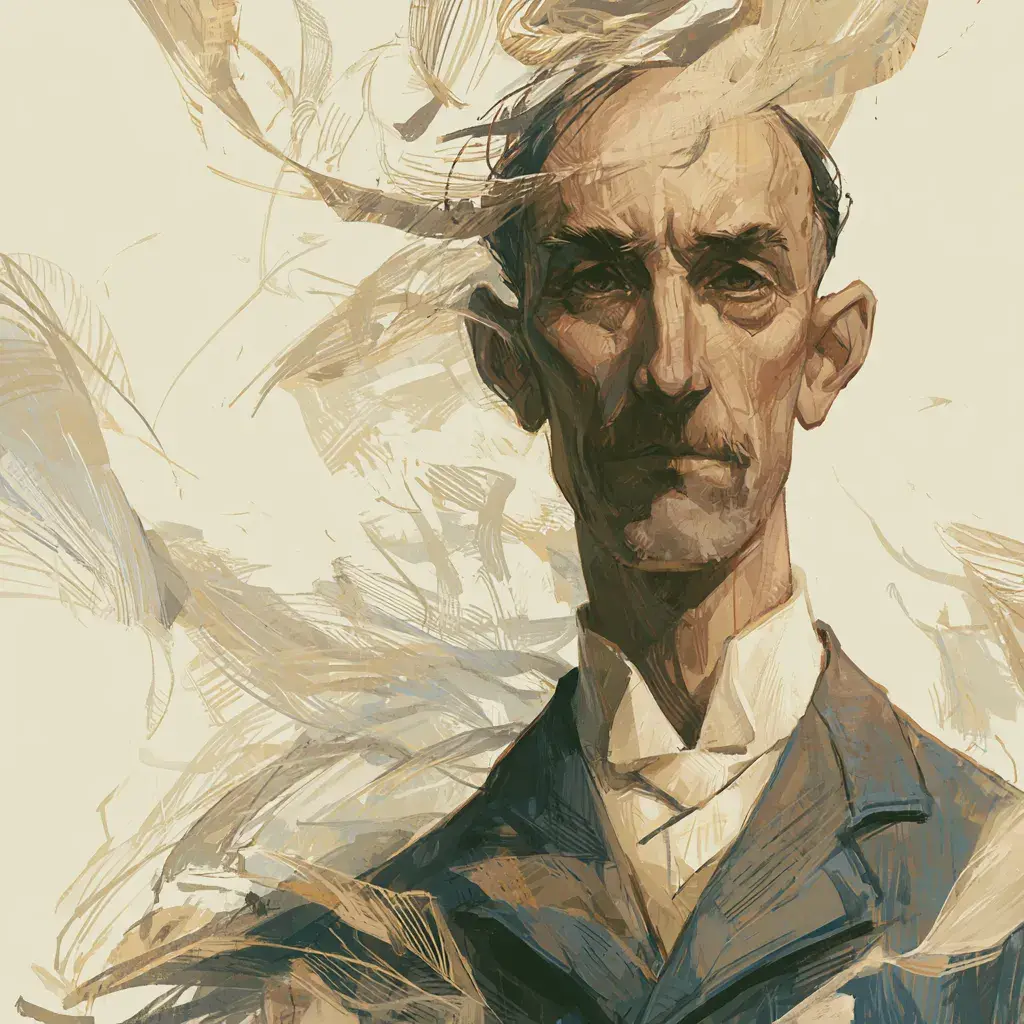 Wilbur WrightAmerican aviation pioneer who, with his brother Orville, achieved the first powered, sustained, and controlled airplane flight in 1903. Their methodical approach to solving the problems of flight made modern aviation possible.
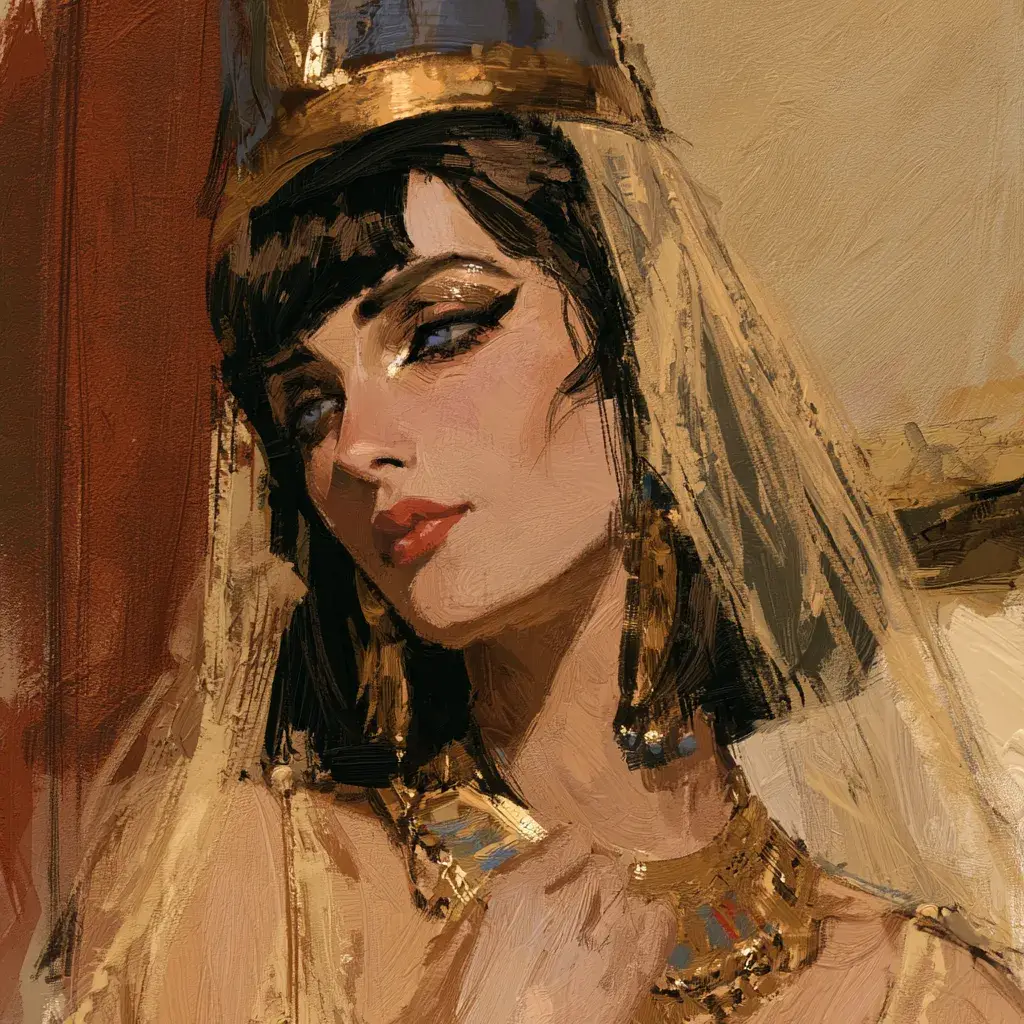 CleopatraCleopatra VII was the last active ruler of the Ptolemaic Kingdom of Egypt, known for her political alliances with Julius Caesar and Mark Antony. Her reign marked the final chapter of ancient Egyptian independence before Roman annexation.
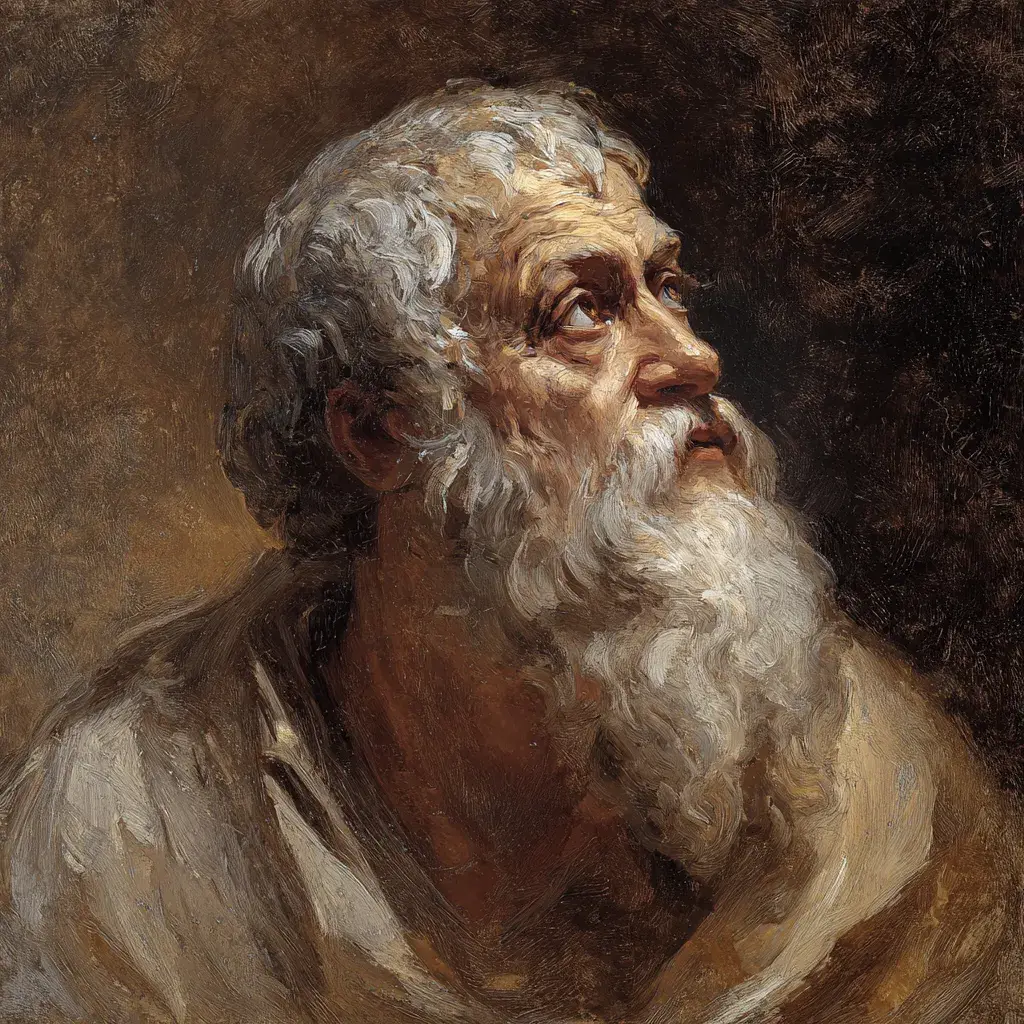 PlatoAncient Greek philosopher and student of Socrates who founded the Academy in Athens and wrote philosophical dialogues that remain influential today. His allegory of the cave is one of philosophy's most famous metaphors for the journey from ignorance to knowledge.
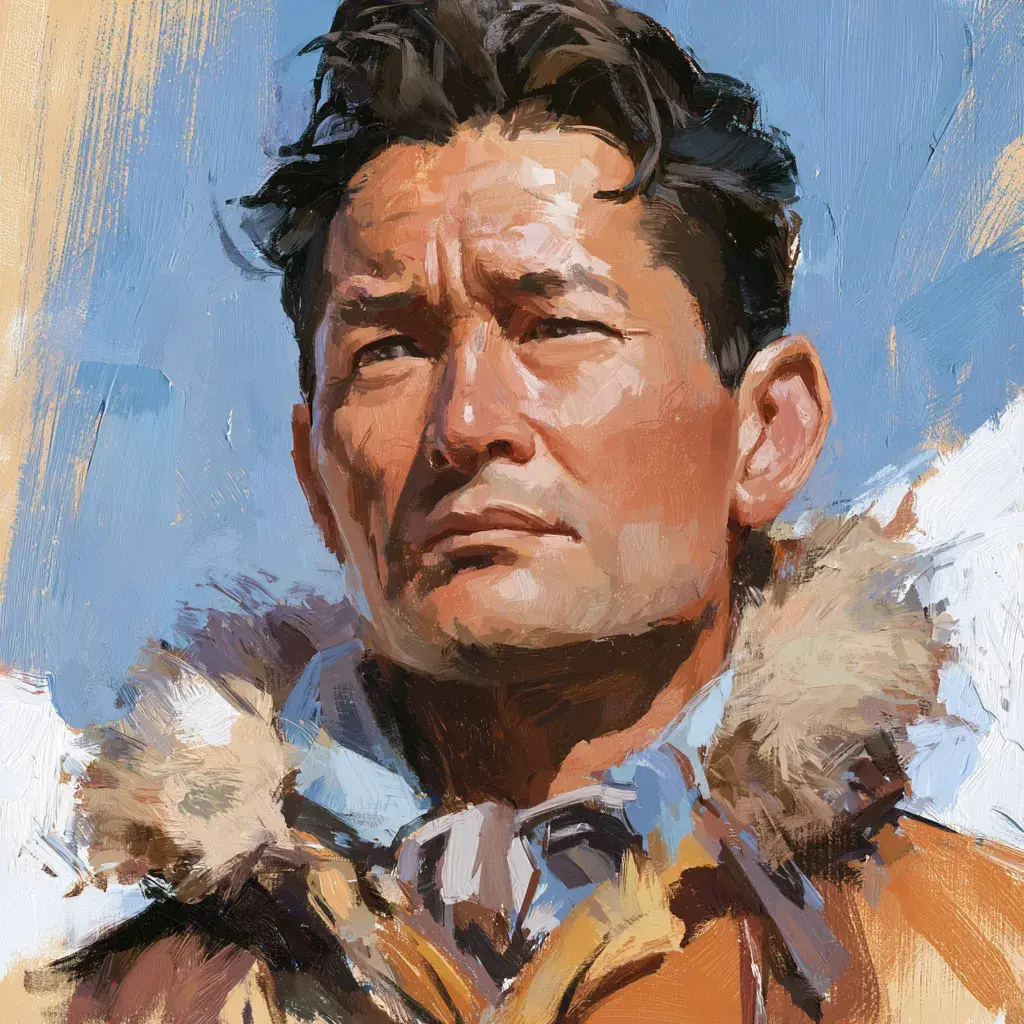 Tenzing NorgayTenzing Norgay was a Nepali-Indian Sherpa mountaineer who, together with Edmund Hillary, made history as the first person confirmed to summit Mount Everest in 1953. His expertise and courage were vital to the expedition's success.
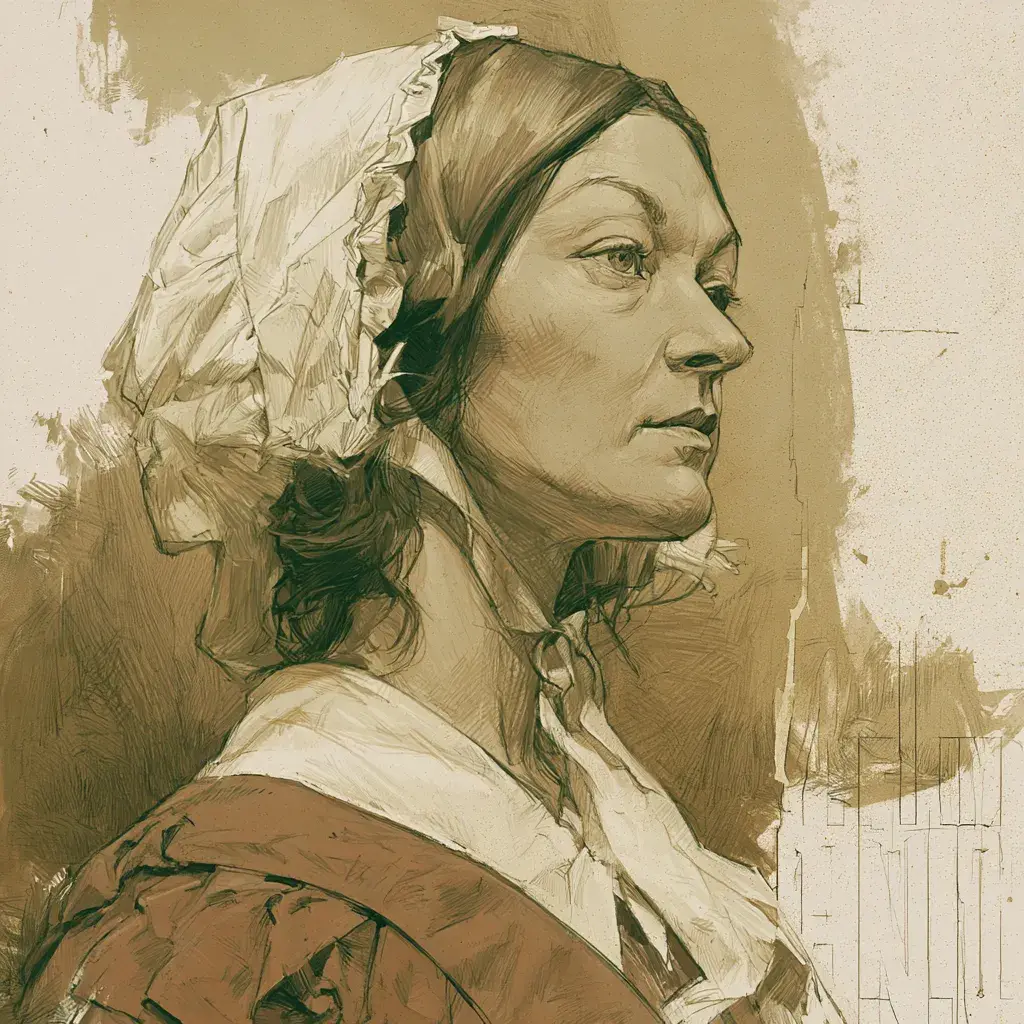 Florence NightingaleBritish nurse and social reformer who revolutionized hospital sanitation during the Crimean War and established modern nursing as a respected profession.
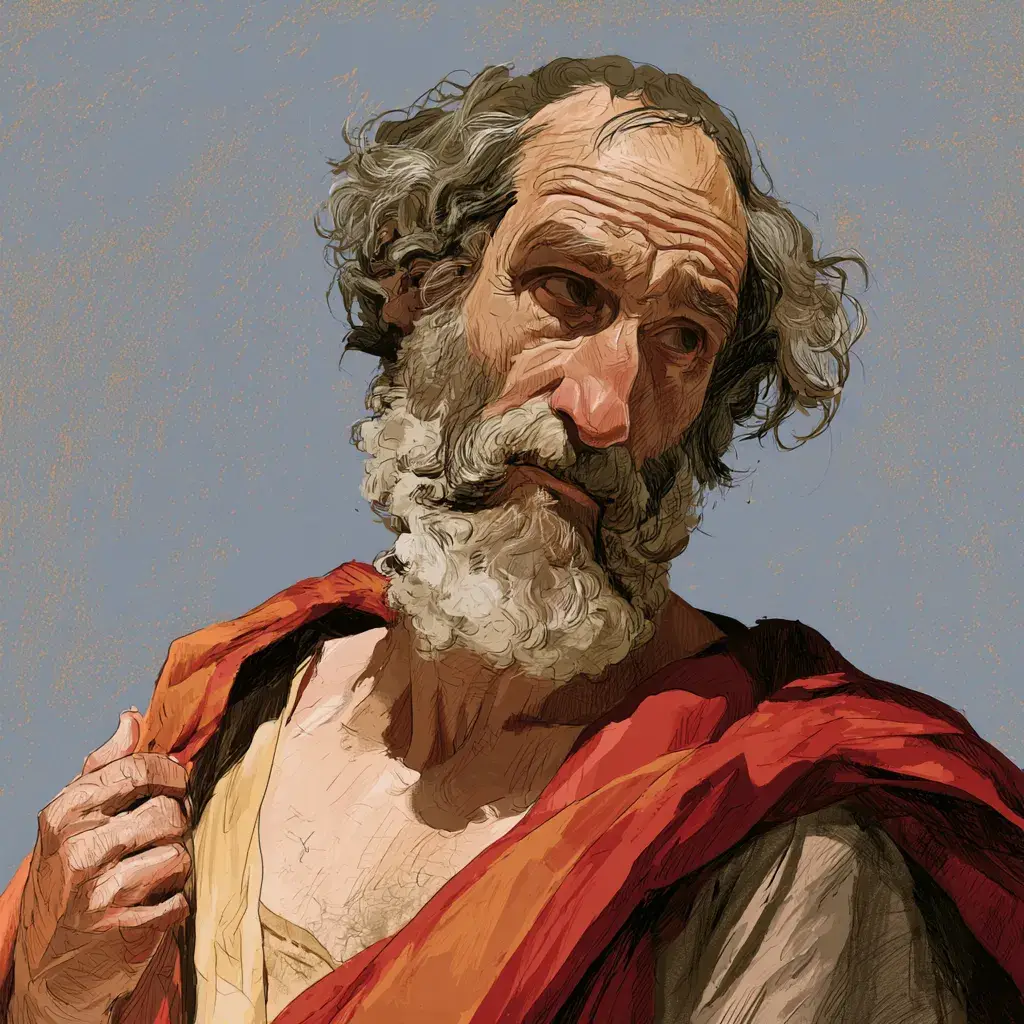 HomerAncient Greek poet traditionally credited with composing the Iliad and the Odyssey. His epic works about the Trojan War have shaped Western literature for nearly three thousand years.
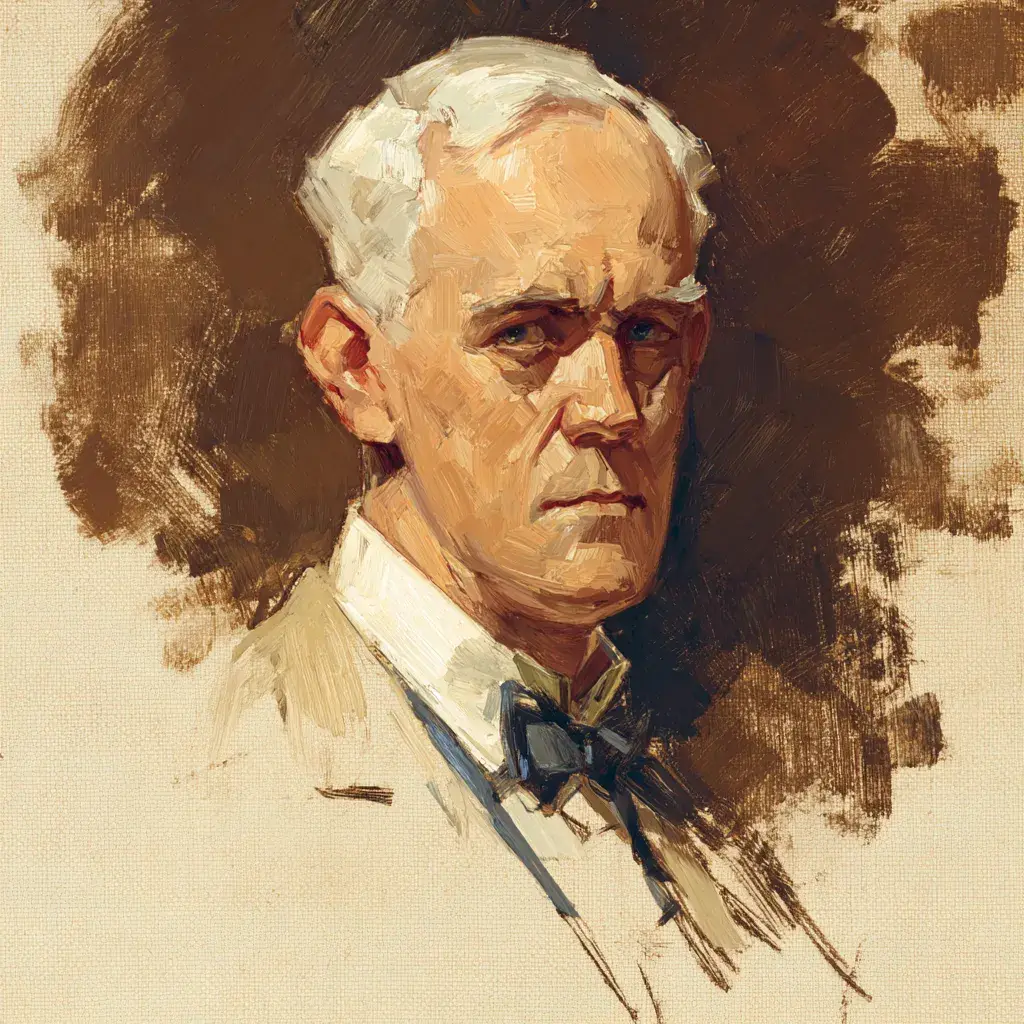 Alexander FlemingScottish microbiologist who accidentally discovered penicillin in 1928 when he noticed that a mold had contaminated one of his bacterial cultures and killed the bacteria. This serendipitous discovery led to the development of antibiotics, saving millions of lives.
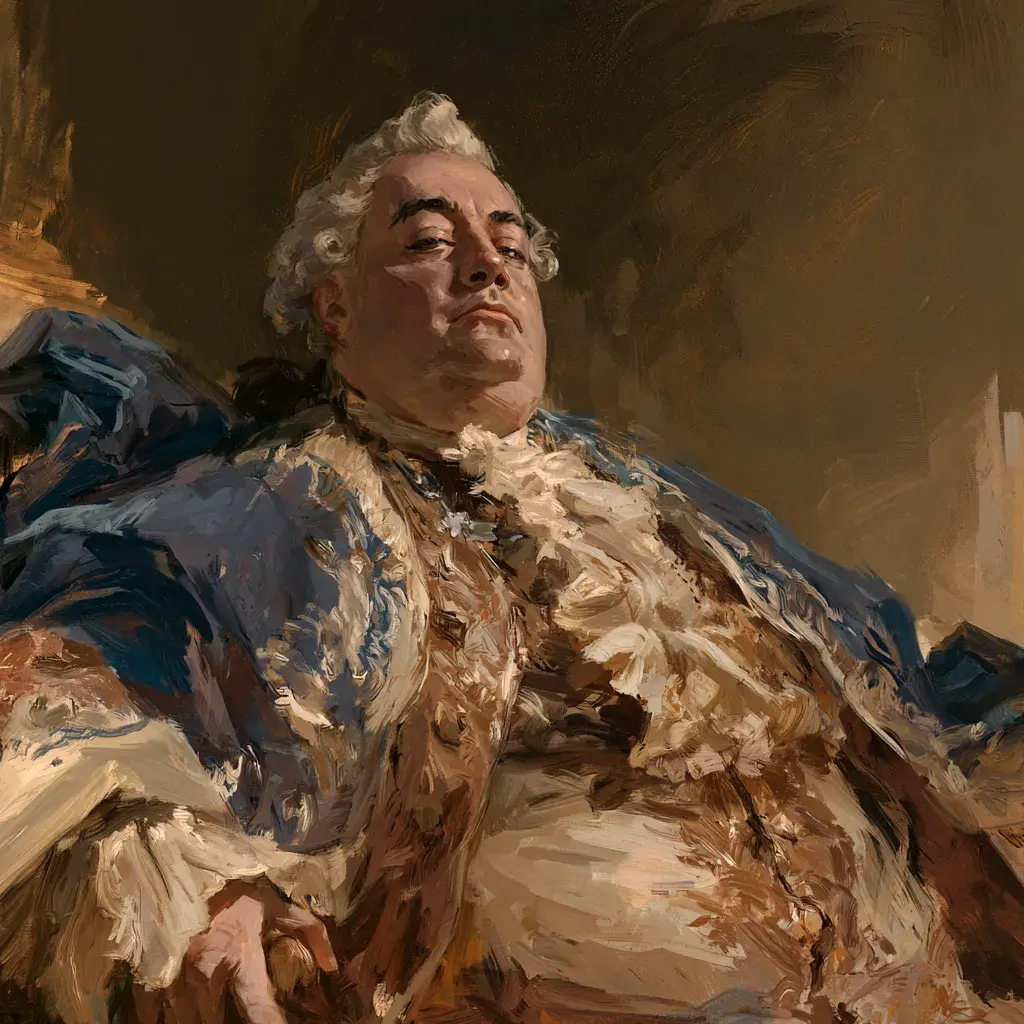 Louis XVIThe last king of France before the monarchy was abolished during the French Revolution. His indecisive leadership and financial crises contributed to the unrest that toppled the French monarchy.
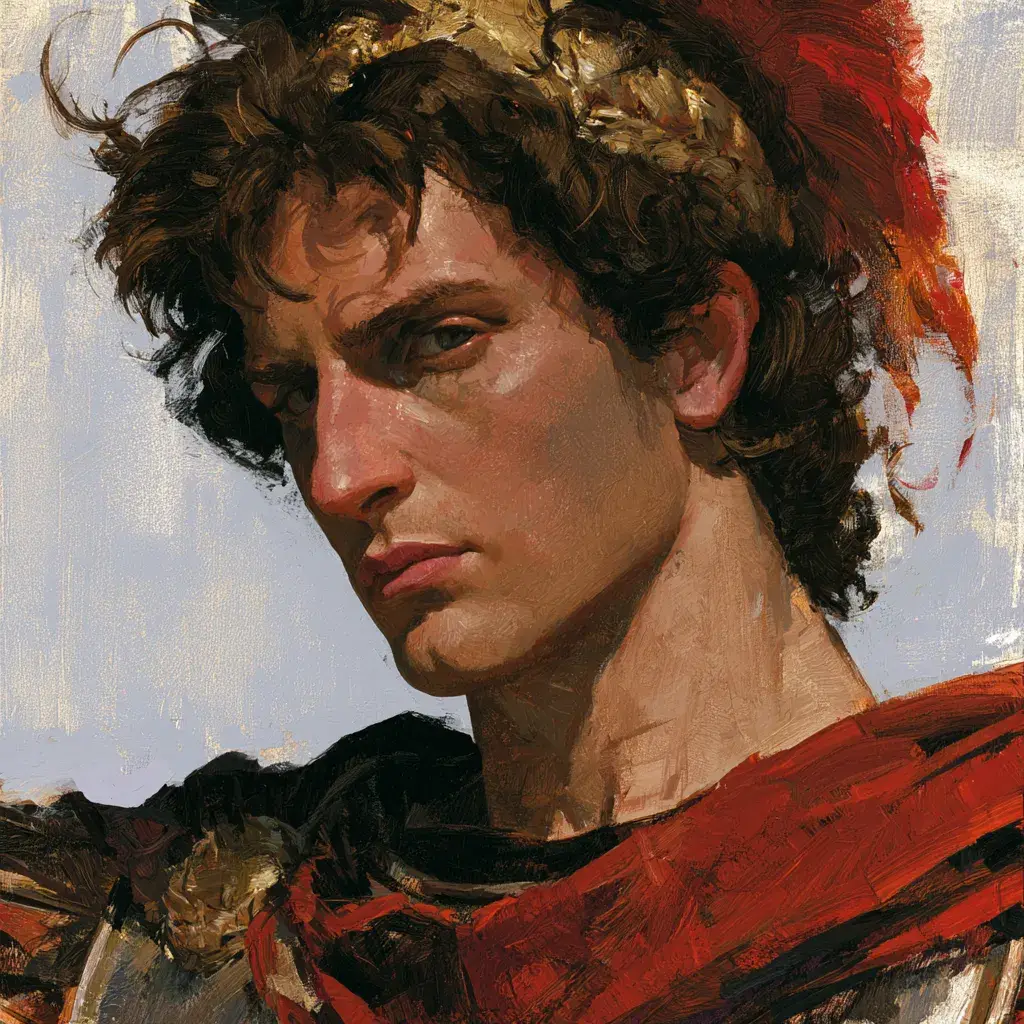 Alexander the GreatAlexander the Great was King of Macedonia who created one of the largest empires in ancient history by age 30. His conquests spread Greek culture across three continents and reshaped the ancient world.
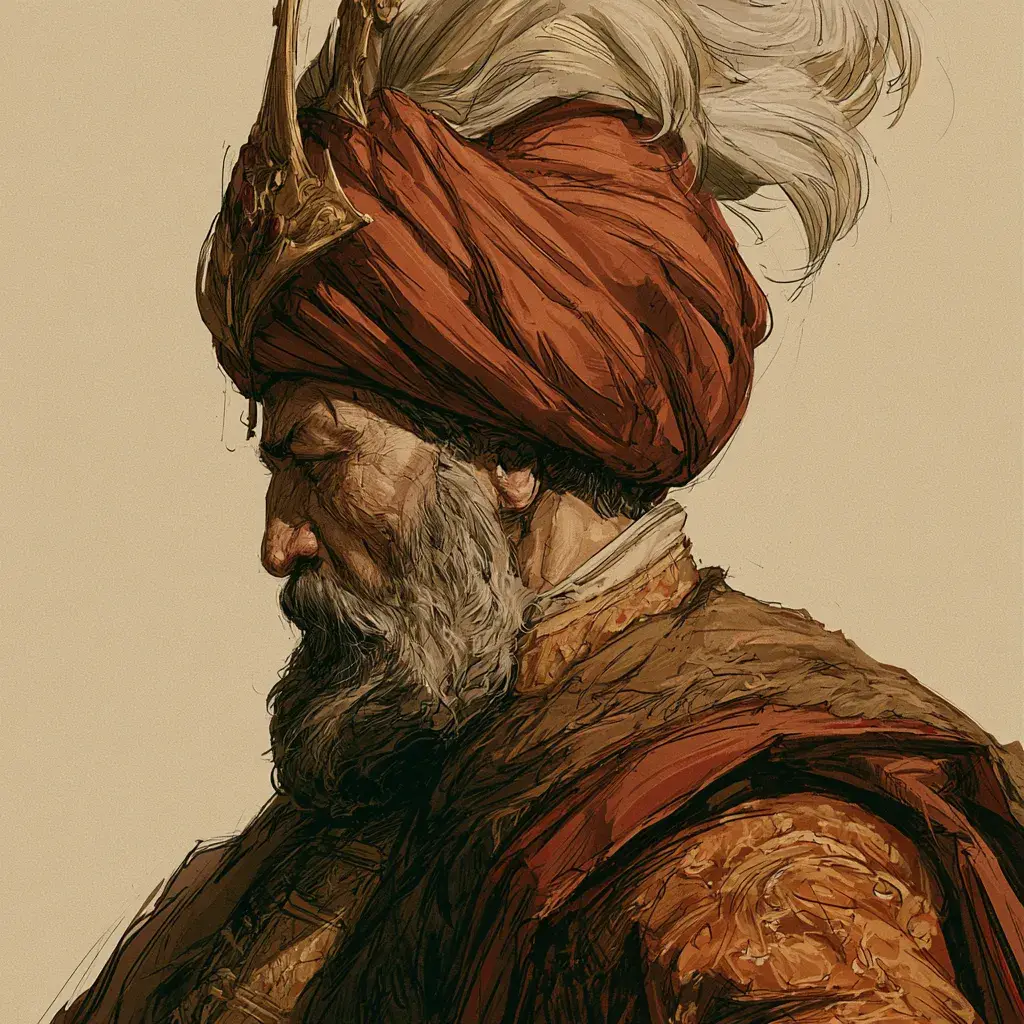 Mehmed IIOttoman Sultan known as 'the Conqueror' who captured Constantinople in 1453, ending the Byzantine Empire. His victory transformed the Ottoman Empire into a major European power and changed the course of world history.
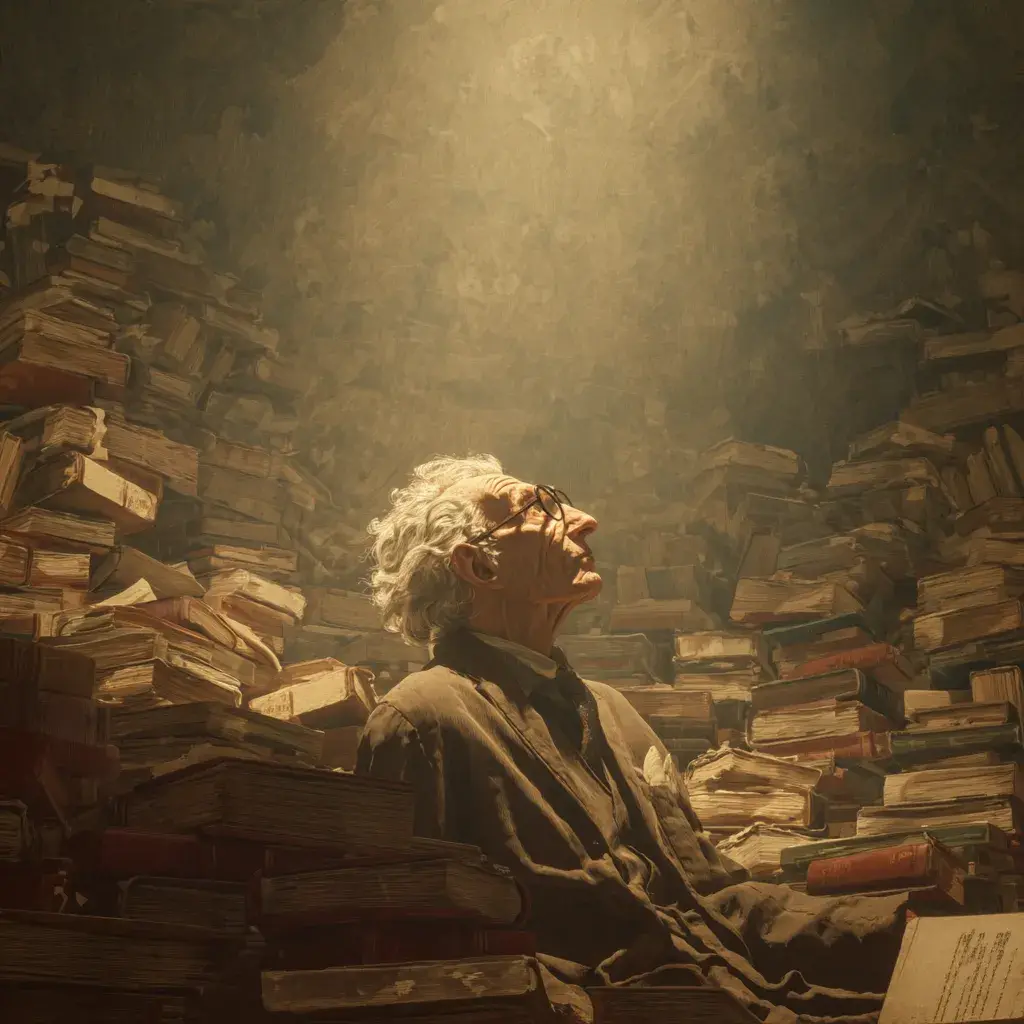 Viktor FranklAustrian neurologist, psychiatrist, and Holocaust survivor who developed logotherapy, a form of psychotherapy focused on finding meaning in life. His experiences in Nazi concentration camps and his book 'Man's Search for Meaning' have inspired millions worldwide.
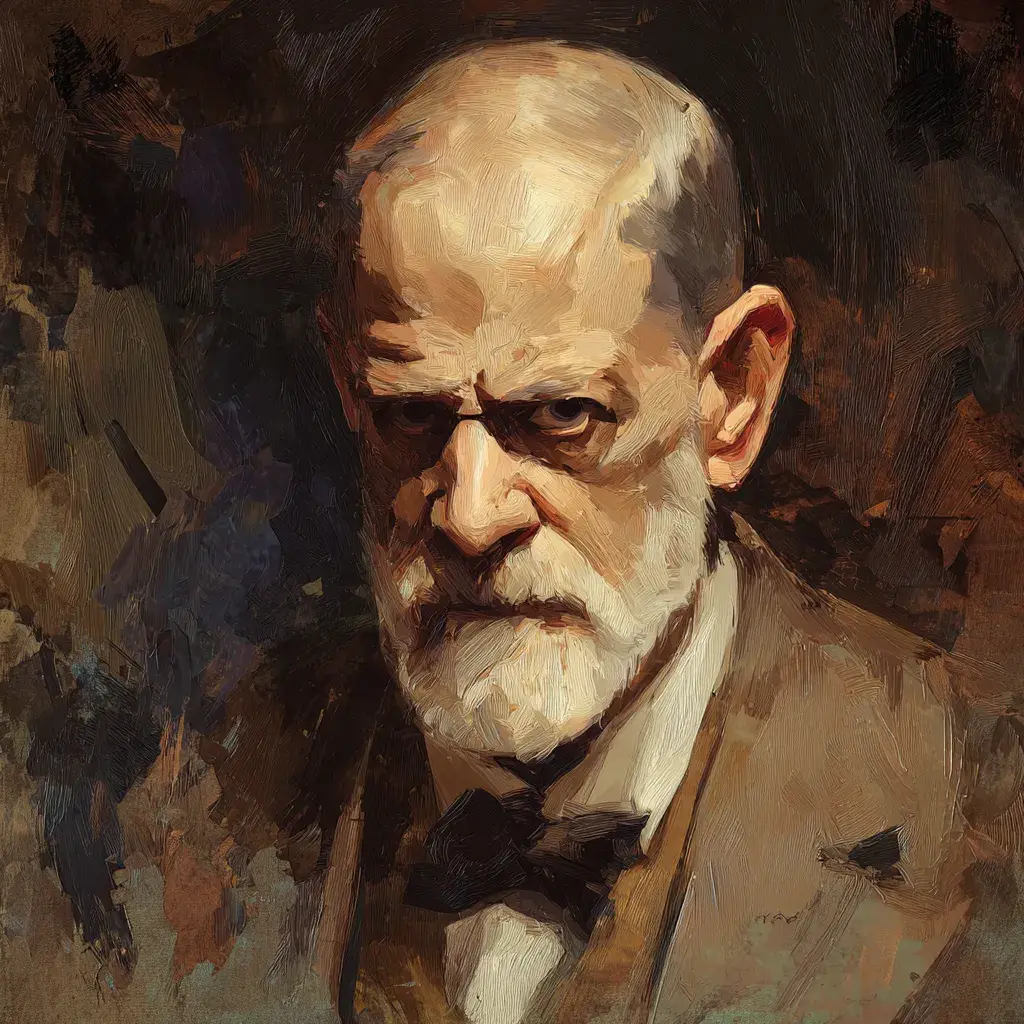 Sigmund FreudAustrian neurologist who founded psychoanalysis and developed revolutionary theories about the unconscious mind, dreams, and human psychology. His work fundamentally changed how we understand mental health, personality, and human behavior.
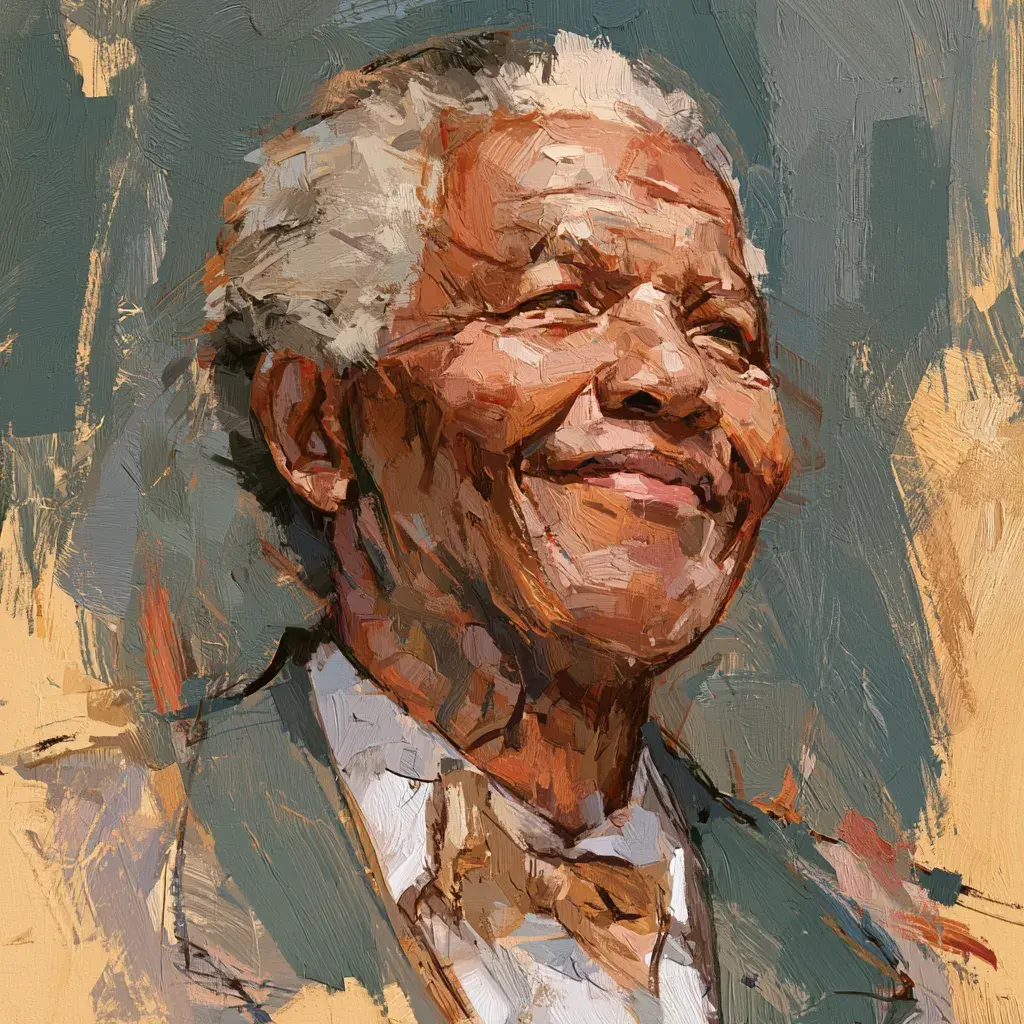 Nelson MandelaNelson Mandela was a South African anti-apartheid revolutionary who spent 27 years in prison before becoming the country's first Black president. He championed reconciliation and remains a global symbol of resilience and justice.
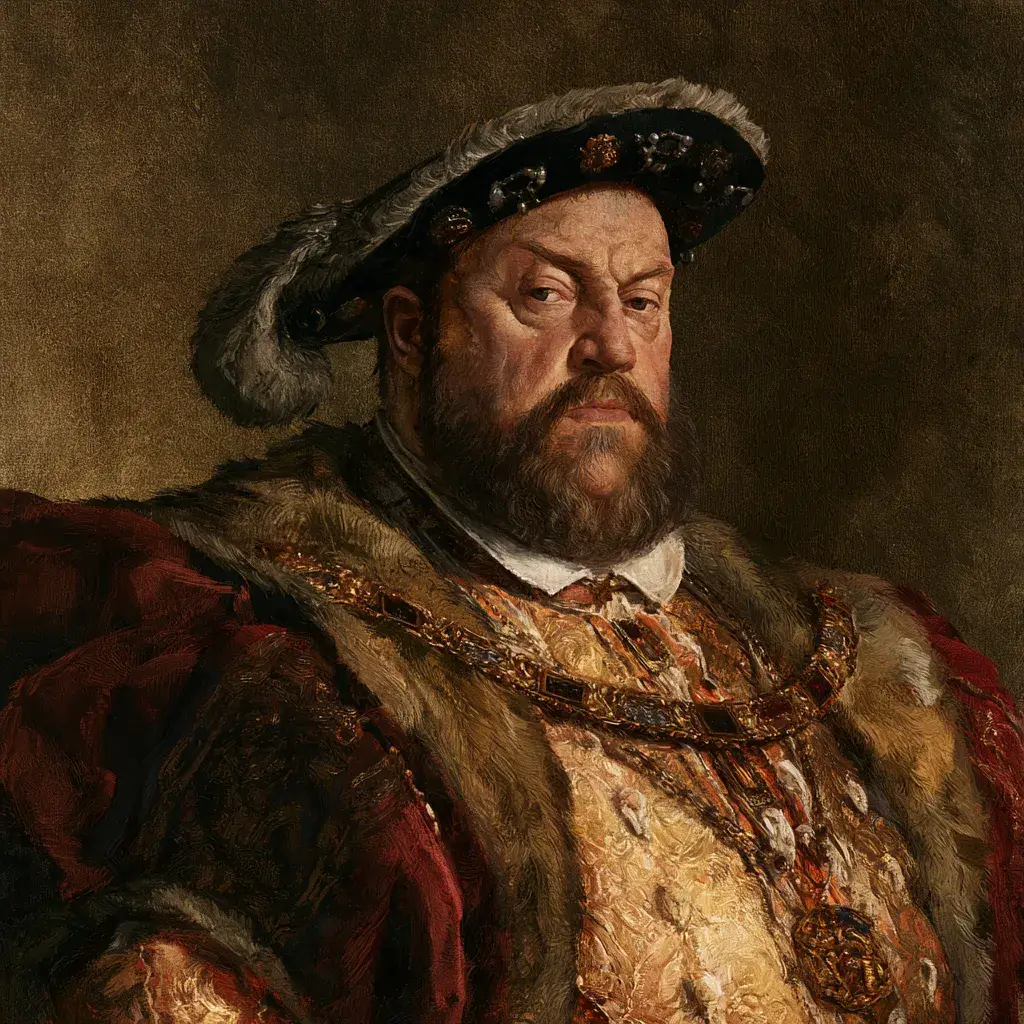 Henry VIIIHenry VIII was King of England from 1509 to 1547, famous for his six marriages and for breaking from the Catholic Church to found the Church of England. His reign reshaped English religion, politics, and monarchy.
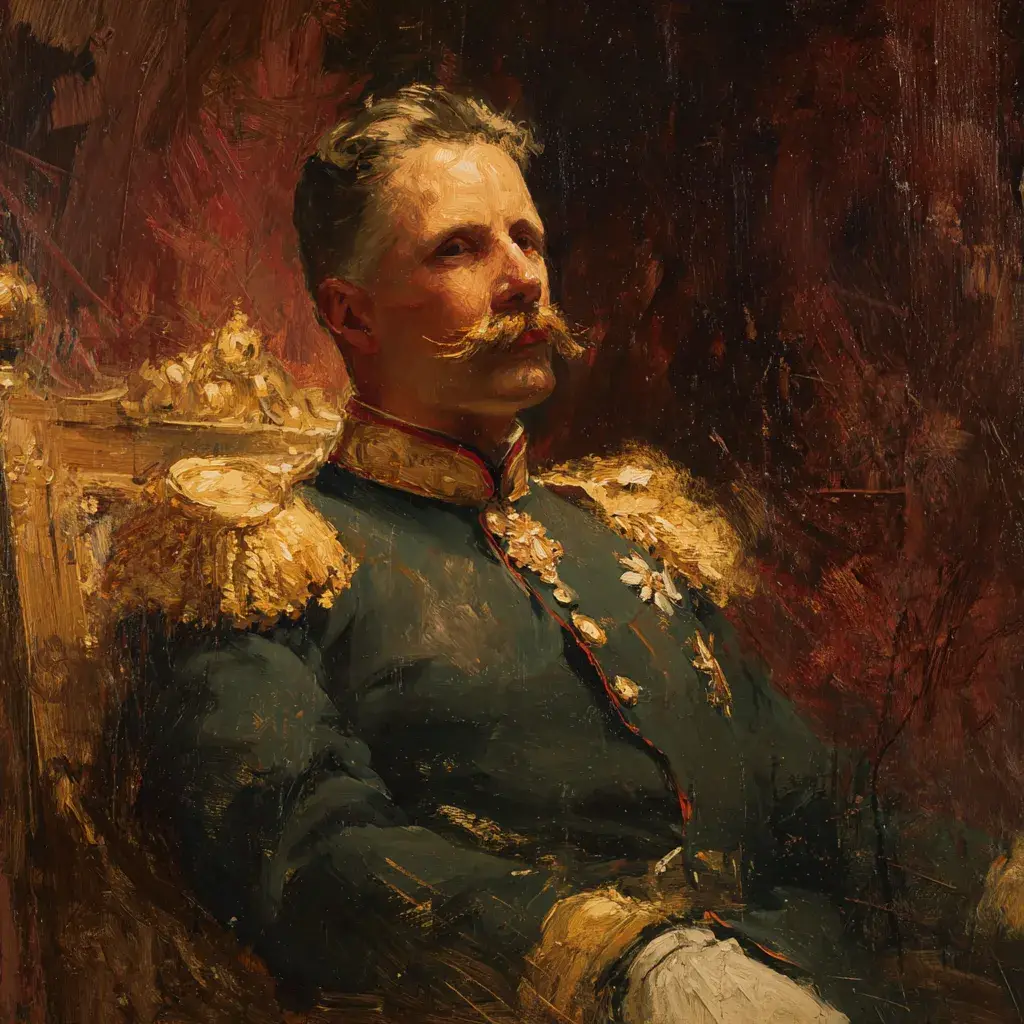 Archduke Franz FerdinandHeir to the Austro-Hungarian throne whose assassination in Sarajevo on June 28, 1914, triggered a series of events that led to World War I. His death became the catalyst for the most devastating conflict the world had yet seen.
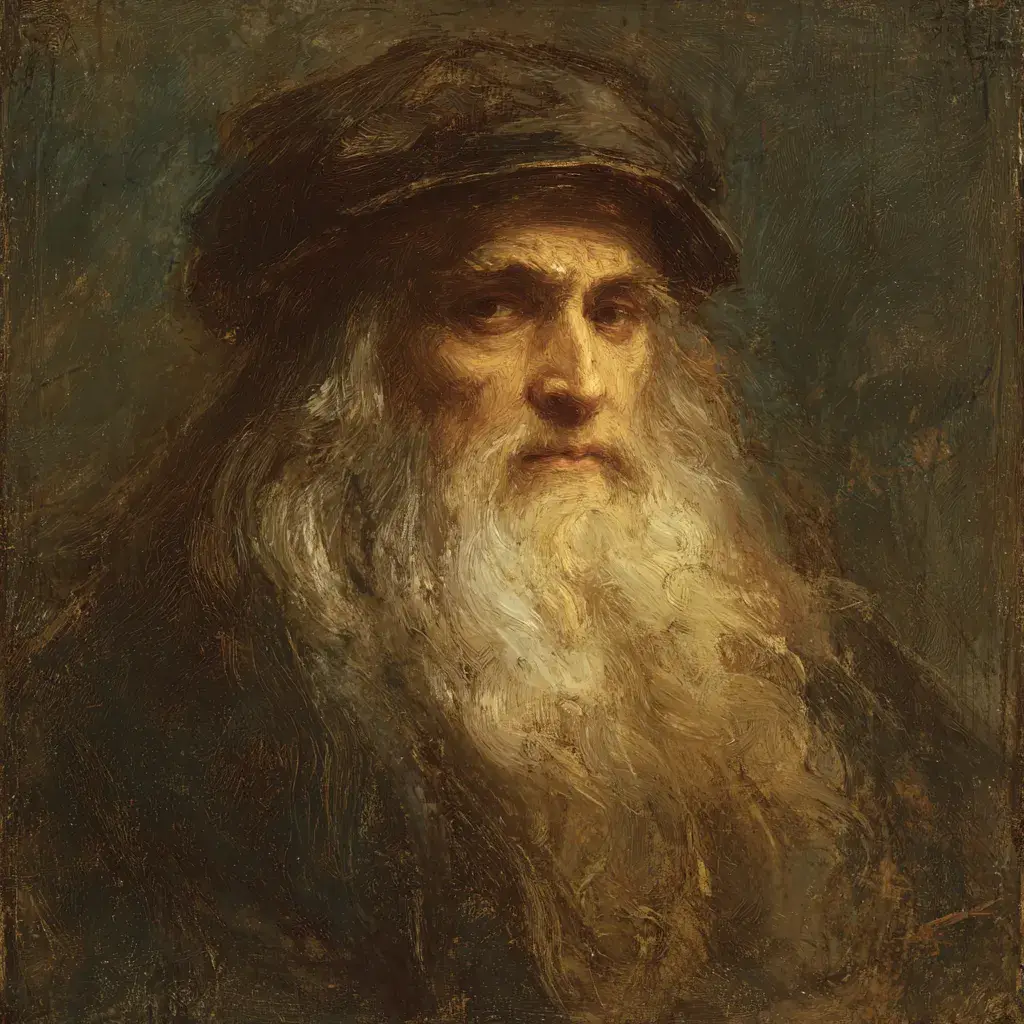 Leonardo da VinciLeonardo da Vinci (1452–1519) was an Italian Renaissance polymath whose genius spanned art, science, engineering, anatomy, and invention. Best known for masterpieces like The Mona Lisa and The Last Supper, Leonardo believed that careful observation of nature was the key to all knowledge. He filled thousands of notebook pages with studies of the human body, flight, machines, and natural phenomena—many ideas far ahead of his time. Leonardo became the enduring symbol of the “Renaissance man,” driven by relentless curiosity and the belief that art and science are inseparable.
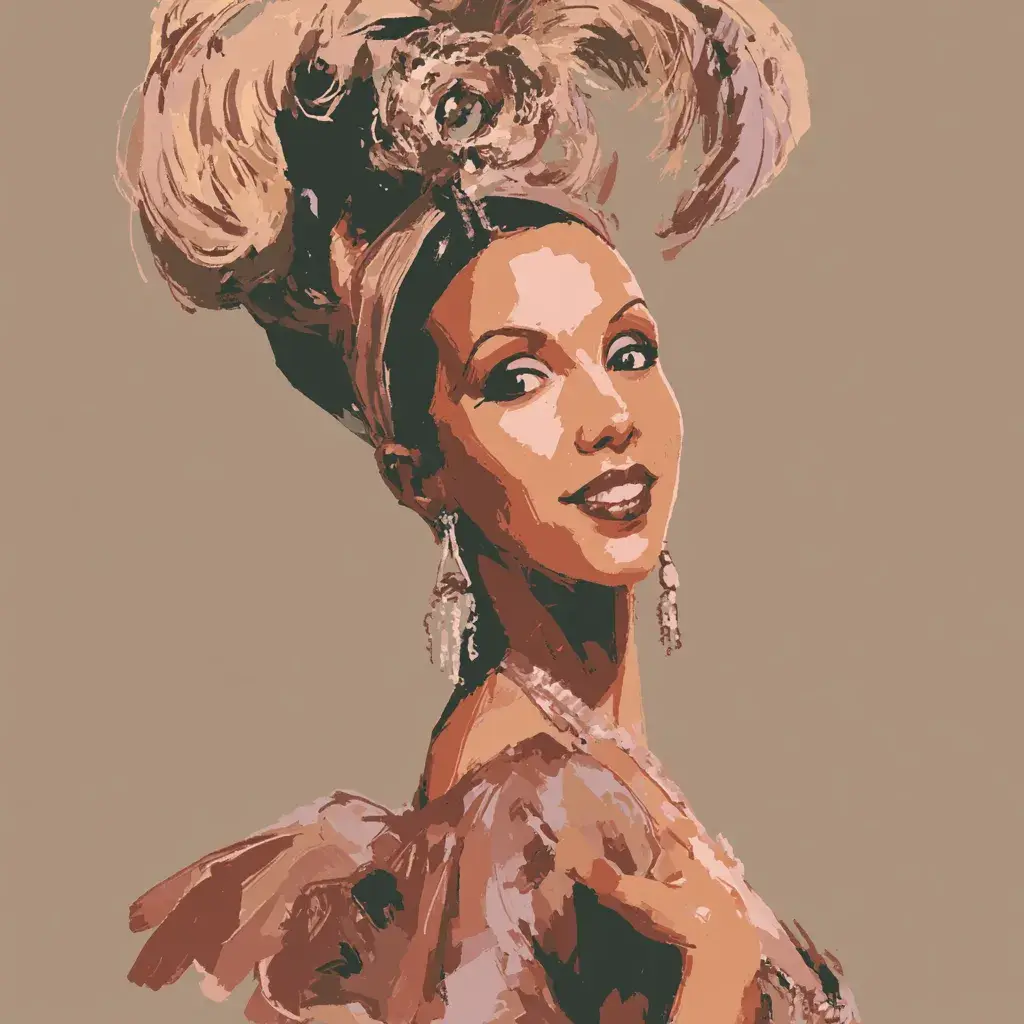 Josephine BakerAmerican-born French entertainer, dancer, and World War II spy who became an international icon while secretly working for the French Resistance.
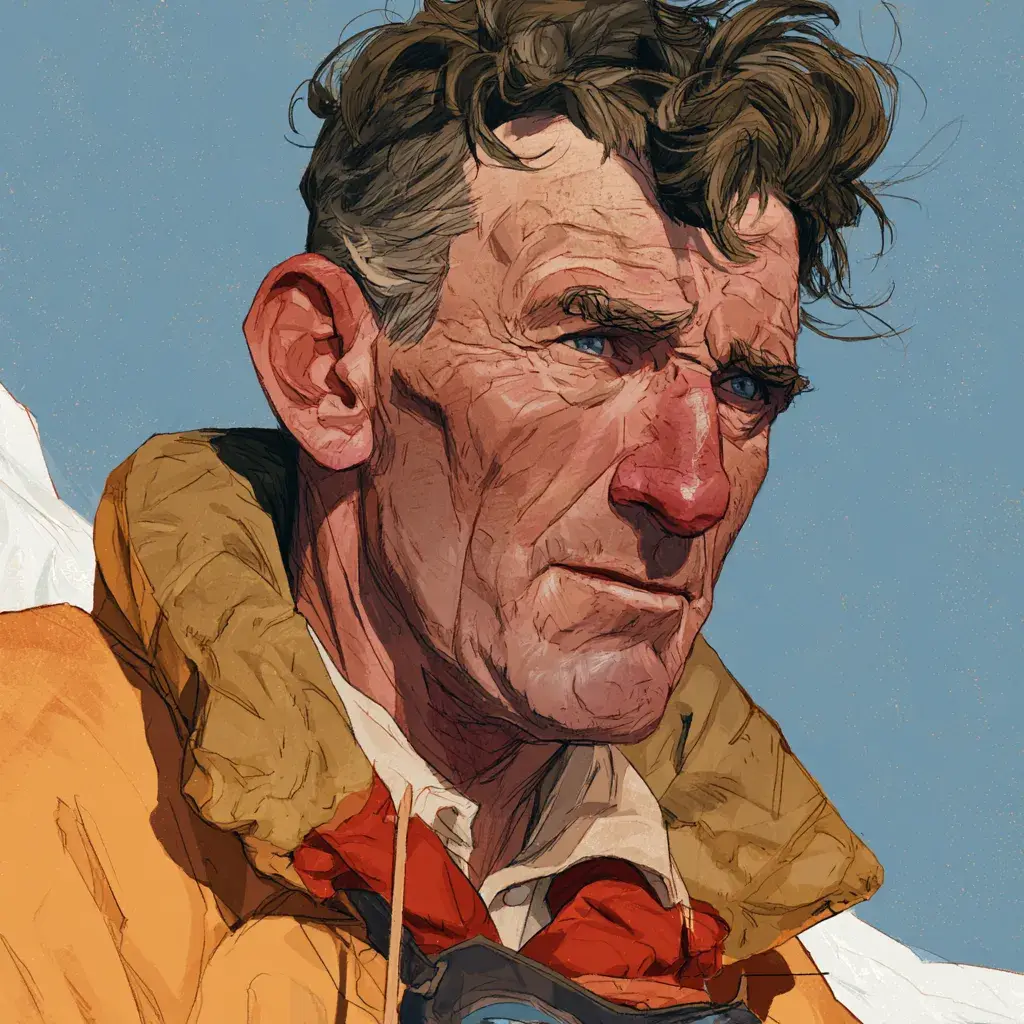 Edmund HillaryEdmund Hillary was a New Zealand mountaineer who, with Tenzing Norgay, became the first person confirmed to reach the summit of Mount Everest in 1953. His achievement remains one of the most celebrated feats in exploration history.
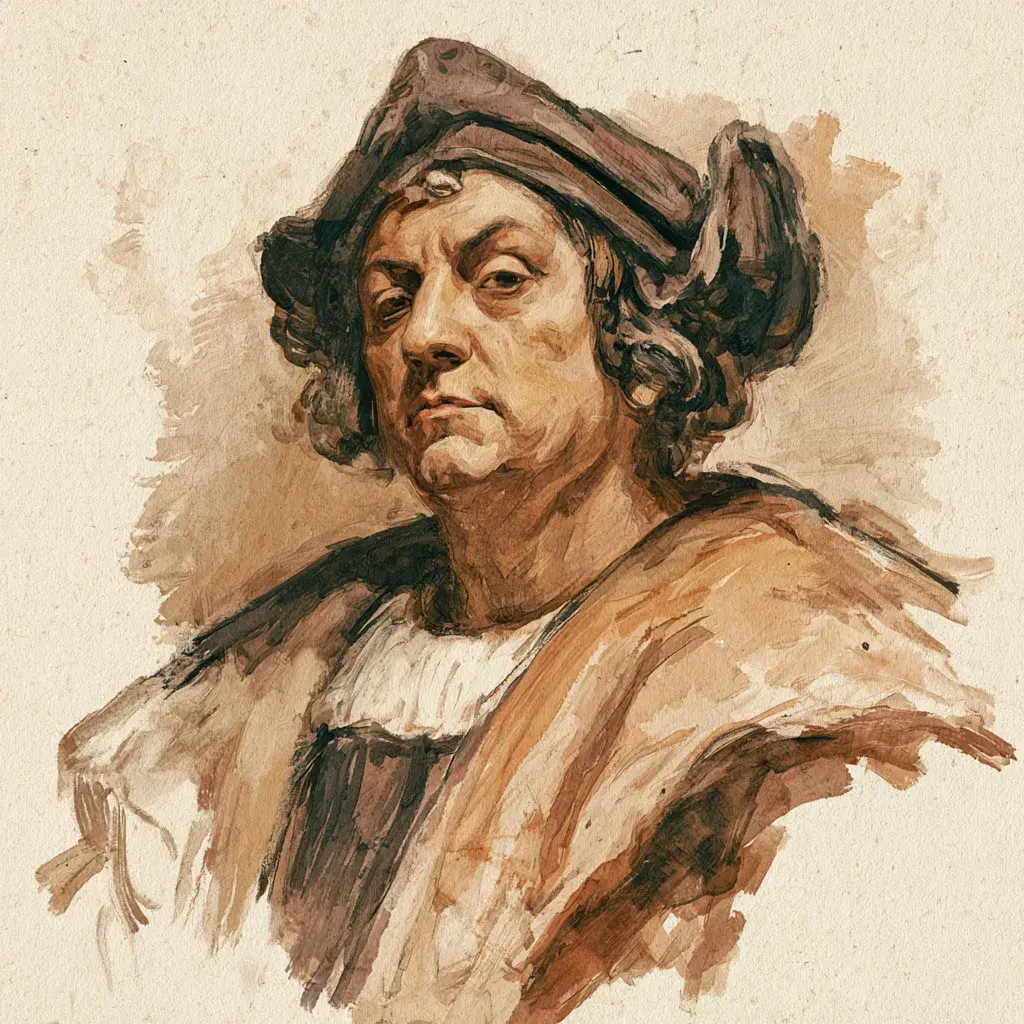 Christopher ColumbusItalian explorer whose 1492 voyage to the Americas initiated widespread European colonization and forever changed the course of world history. His expeditions connected two worlds and sparked centuries of exploration.