
Learn Norse Mythology in Minutes
Discover the gods of Asgard, the prophecy of Ragnarok, and the nine worlds of Viking legend through bite-sized stories on Chunks — free to download on iOS and Android.
The Norse Gods: Odin, Thor, and Loki
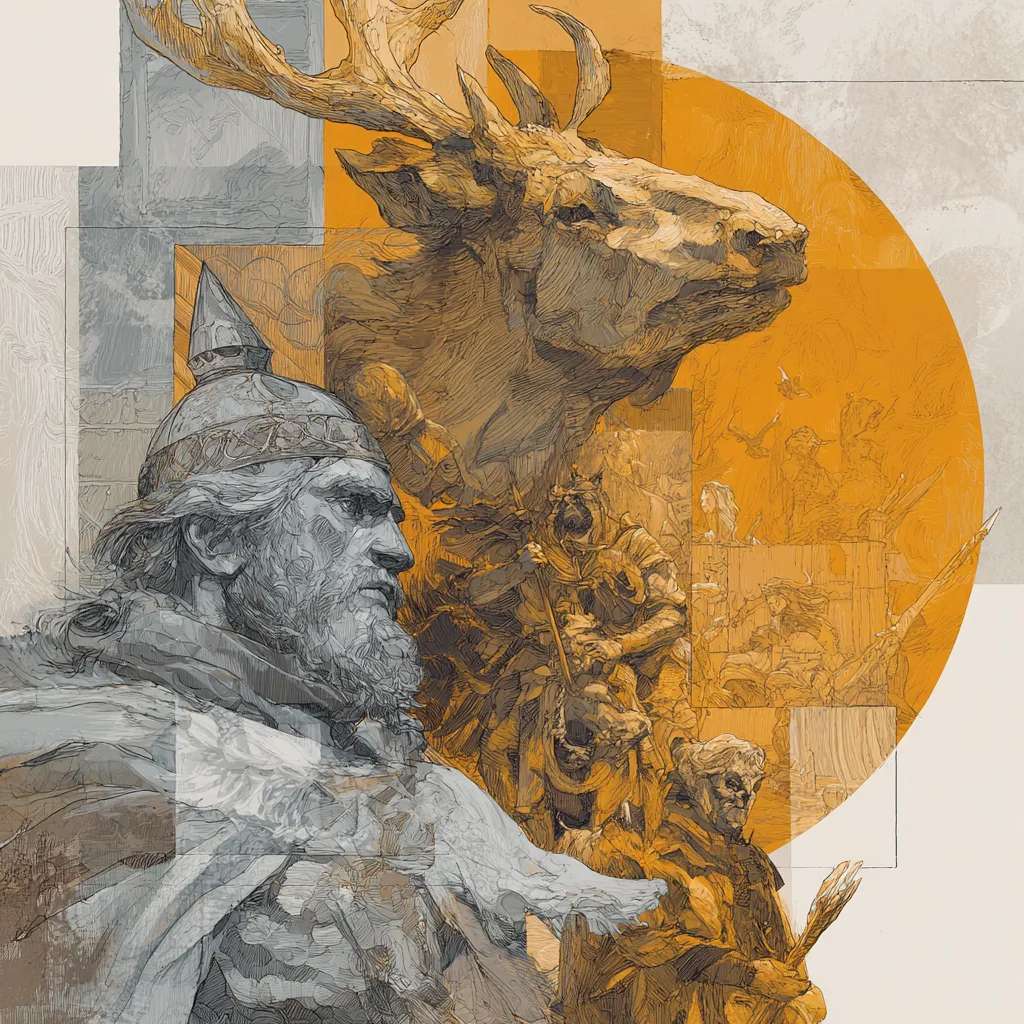
At the centre of Norse mythology stand three figures who define the pantheon. Odin, the Allfather, is the god of wisdom, war, and death — a relentless seeker of knowledge who sacrificed one of his eyes at the Well of Mimir to gain cosmic insight and hung himself from the great world-tree Yggdrasil for nine days and nights, pierced by his own spear, to learn the secret of the runes. Thor, his son, is the thunder god and protector of both gods and humanity, wielding the mighty hammer Mjolnir to defend the realms against giants and chaos. Loki, the trickster and shapeshifter, is Odin’s blood-brother — cunning, unpredictable, and capable of both helping and betraying the gods in equal measure.
Beyond these three, the Norse pantheon includes Freya, goddess of love, war, and magic, who rides a chariot pulled by cats and claims half the slain warriors for her hall Folkvangr. Tyr is the god of justice and sacrifice, who lost his hand to the great wolf Fenrir so that the beast could be bound. Baldur, the most beloved of the gods, is associated with light and beauty — and his death, orchestrated by Loki, is the event that sets the wheels of Ragnarok in motion. Together, these gods form a pantheon defined not by invincibility but by courage in the face of a fate they cannot escape.
The Nine Worlds and Yggdrasil
The Norse cosmos is structured around Yggdrasil, an immense ash tree whose branches and roots connect nine distinct worlds. Asgard, home of the Aesir gods, sits among its highest branches, while Midgard — the realm of humans — lies at its centre, encircled by a vast ocean where the Midgard Serpent Jormungandr coils. Jotunheim is the wild realm of the giants, ancient enemies of the gods. Niflheim is a primordial world of ice, mist, and cold, while Muspelheim blazes with eternal fire — and it was from the meeting of these two elemental extremes that the universe was first created.
The remaining worlds include Alfheim, realm of the light elves; Svartalfheim, home of the dwarves who forged the gods’ greatest treasures including Mjolnir and Odin’s spear Gungnir; Vanaheim, land of the Vanir gods associated with fertility and nature; and Helheim, the realm of the dead ruled by Hel, Loki’s daughter. These worlds are connected by the Bifrost, a burning rainbow bridge guarded by the ever-watchful god Heimdall, who will sound his horn Gjallarhorn to announce the coming of Ragnarok. The nine worlds together form a cosmology unlike any other — interconnected, alive, and destined for destruction and rebirth.
Ragnarok: The End and Rebirth of the World
Ragnarok is the prophesied doom of the gods — a final, cataclysmic battle that the Norse knew was coming and could not prevent. It begins with Fimbulwinter, three successive years of endless winter with no summer between them, during which humanity turns on itself in war and despair. The great wolf Fenrir breaks free of his chains, the Midgard Serpent Jormungandr rises from the depths of the ocean, and Loki, freed from his own punishment, leads an army of giants and the dead against the gods. The Bifrost shatters under the march of the fire giants led by Surtr.
In the battle that follows, Thor kills the Midgard Serpent but staggers nine steps before falling dead from its venom. Odin is swallowed whole by Fenrir, who is then slain by Odin’s son Vidar. Surtr sets the entire world ablaze, and it sinks beneath the waves. But Ragnarok is not simply an ending — it is also a beginning. The world rises again from the sea, green and fertile. Two humans, Lif and Lifthrasir, survive hidden in the branches of Yggdrasil to repopulate the earth, and several younger gods live on to build a new age. This cyclical destruction and renewal makes Norse mythology unique among the great mythological traditions — it faces annihilation not with despair but with the promise that something new will always emerge from the ashes.
Why Learn Norse Mythology?
Norse myths shaped Scandinavian culture for centuries and left an indelible mark on the modern world. The English days of the week carry their names: Tuesday comes from Tyr, Wednesday from Woden (Odin), Thursday from Thor, and Friday from Freya. J.R.R. Tolkien drew heavily from Norse sources for The Lord of the Rings — dwarves, elves, dragons sitting on hoards of gold, and a ring of power all trace back to the Eddas and the Volsunga Saga. Marvel’s Thor franchise has introduced millions to these characters, and the Viking Age itself remains one of the most fascinating periods of European history.
Chunks makes Norse mythology accessible by breaking each story into narrative-driven chapters you can read or listen to in 5–10 minutes. Every story is editorially reviewed for accuracy and written to bring the drama and grandeur of these ancient tales to life — from Odin’s sacrifice on the world-tree to the final battle at Ragnarok. Professional audio narration with synchronised text means you can learn during a commute, a workout, or before bed. Whether you are new to Norse mythology or revisiting favourite stories, Chunks is the fastest way to explore the world of the Viking gods.
Why Chunks Covers Norse Mythology
- Stories
- 3+Stories
- Norse Figures
- 8+Norse Figures
- Min per Chapter
- 5–10Min per Chapter
Chunks traces Norse myths from the creation of the cosmos to the final battle of Ragnarok — the full arc of an entire mythology. Featured figures include Odin, Thor, Loki, Freya, Tyr, Baldur, Fenrir, and Heimdall.
Each Norse mythology story on Chunks is sourced from the Prose Edda, Poetic Edda, and scholarly commentary, then shaped into a narrative you can read or listen to in minutes. With 3+ stories spanning the nine worlds, Chunks covers more of the Norse mythological cycle than most introductory books — in a fraction of the time.
Featured Norse Mythology Stories
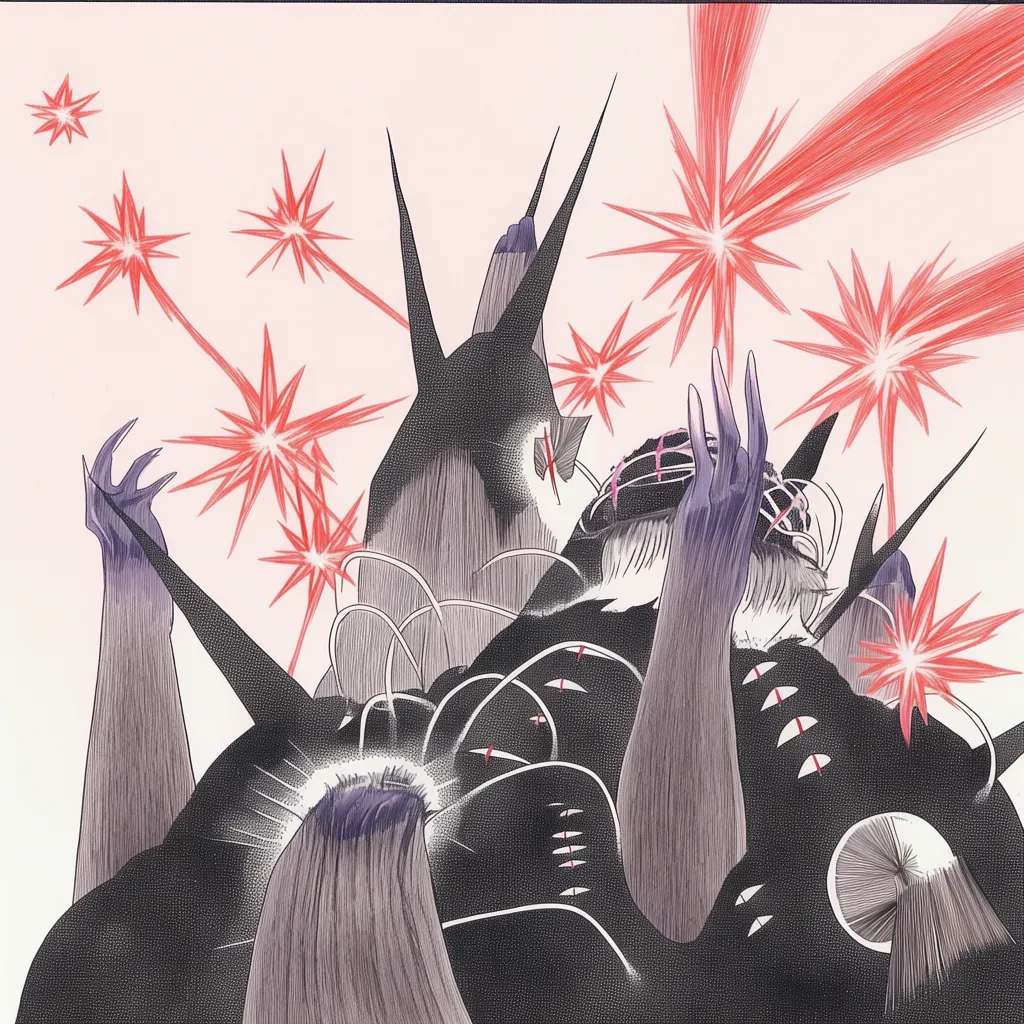 Ragnarok: The End of the WorldThe Norse prophecy of the final battle between gods and giants that ends — and renews — the world
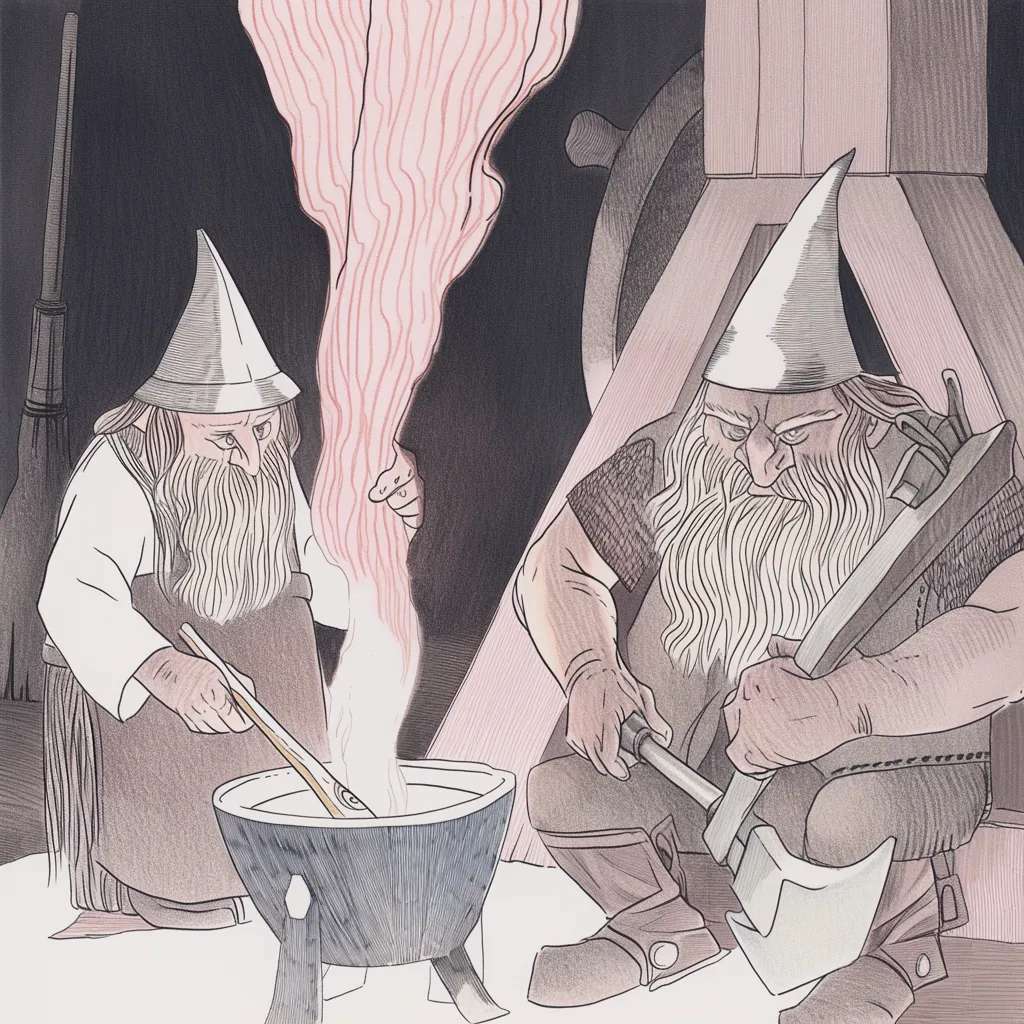 The Creation of MjolnirHow Thor's legendary hammer was forged by dwarven brothers in a bet that Loki would come to regret
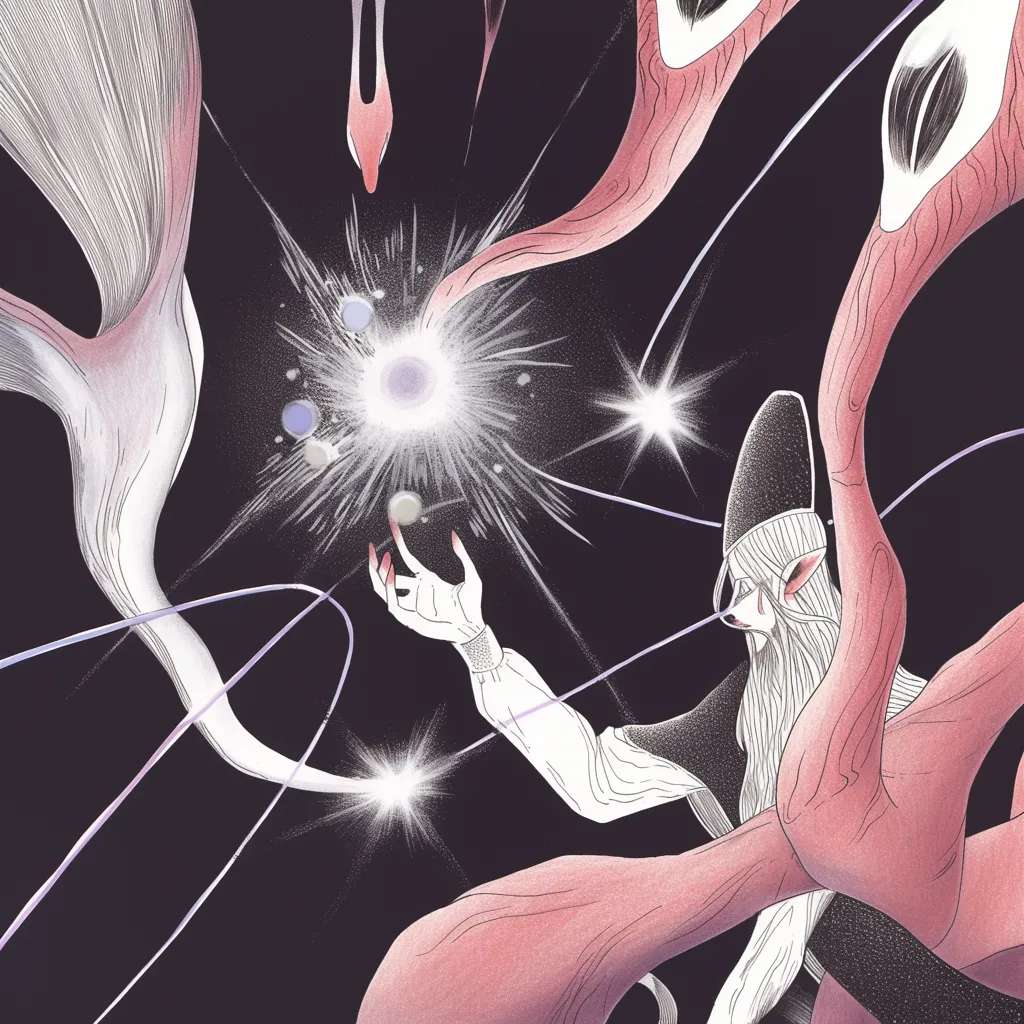 The Creation of the CosmosHow the Norse universe was born from fire and ice, and how Odin and his brothers shaped the nine worlds
Explore more topics
From the blog
Frequently asked questions
What is Norse mythology?
Norse mythology is the mythology of the Scandinavian peoples, including the Vikings, preserved in texts like the Prose Edda and Poetic Edda. It tells the stories of gods like Odin, Thor, and Loki, the creation and destruction of the world, and the complex relationship between gods, giants, humans, and fate.
Who are the main Norse gods?
The main Norse gods include Odin (wisdom, war, death), Thor (thunder, strength, protection), Loki (trickery, chaos), Freya (love, magic, war), Tyr (justice, law), Baldur (light, beauty), Heimdall (guardian of the Bifrost), and Hel (ruler of the dead). They are divided into two families: the Aesir and the Vanir.
What is Ragnarok?
Ragnarok is the prophesied end of the world in Norse mythology. A final battle between the gods and the forces of chaos — including the wolf Fenrir, the Midgard Serpent, and Loki's army. Most of the gods die, the world is consumed by fire and flood, but it is reborn anew with two surviving humans.
How is Norse mythology different from Greek mythology?
Norse mythology has a more fatalistic worldview — even the gods know they will die at Ragnarok and cannot prevent it. Greek gods are immortal and largely invulnerable. Norse myths emphasise courage in the face of inevitable doom, while Greek myths often focus on hubris and divine punishment.
What is the best way to learn Norse mythology?
Start with the stories. Apps like Chunks cover Norse mythology in short, narrative-driven chapters with professional audio narration. For deeper reading, Neil Gaiman's Norse Mythology is an excellent modern retelling, and the Prose Edda by Snorri Sturluson is the primary historical source.
Is Chunks free to download?
Yes. Chunks is free to download on iOS and Android with access to a selection of stories at no cost. Full library access covering Norse mythology, Greek mythology, history, philosophy, and more is available via monthly or annual subscription.
Download Chunks to explore Norse mythology and hundreds more stories
 Download on iOS
 Download on Android