
In 1337, a dispute over a wealthy French duchy ignited a war that would last for over a century. King Philip VI of France confiscated the Duchy of Gascony from King Edward III of England. This region was vital to the English economy, a major source of wine and tax revenue. In response, Edward escalated the conflict dramatically. Citing his mother, who was the daughter of a French king, he argued that he was the rightful heir to the French throne. The French court had barred succession through women, but Edward refused to accept this. In January 1340, he formally assumed the title ‘King of France’ and added the French lilies to his royal coat of arms. The question was no longer about a duchy, but a crown.
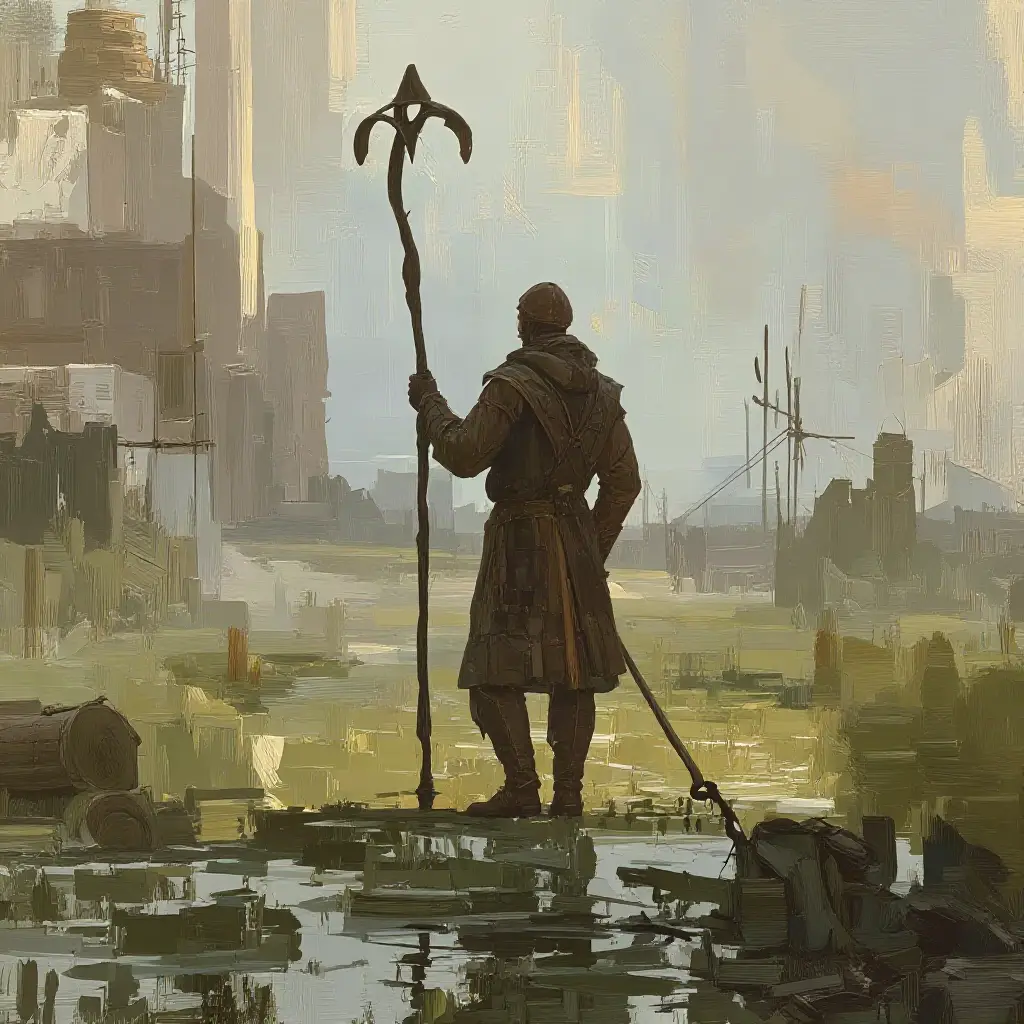
The Hundred Years' War
The 116-year struggle between England and France, a war of shifting tactics from longbows at Crécy to cannons at Castillon.
Chapter 1
A Claim to the Throne
0:52
Frequently Asked Questions
Why is it called the "Hundred Years' War" if it lasted 116 years?
The name was coined by historians in the 19th century to describe the overall period of conflict. The war was not a continuous battle but a series of campaigns, raids, and sieges, broken by long periods of truce and peace. The 116-year timeframe from 1337 to 1453 covers the entire duration from the initial dispute to the final battle.
Did England really almost win the whole war?
Yes, England came very close to winning. The 1420 Treaty of Troyes legally made the English King Henry V the heir to the French throne. Had he not died unexpectedly in 1422, he would have united the crowns of England and France under his rule, achieving England's ultimate war aim.
What was the most important weapon of the war?
There were two revolutionary weapons. The English longbow dominated the first half of the war, proving devastatingly effective against French armored knights at battles like Crécy. In the final stages, French field artillery became decisive, winning the war's last major engagement at Castillon.
Learn more
To continue the story, download the Chunks Microlearning app
Or get it straight away:
 Download on iOS
 Download on Android