
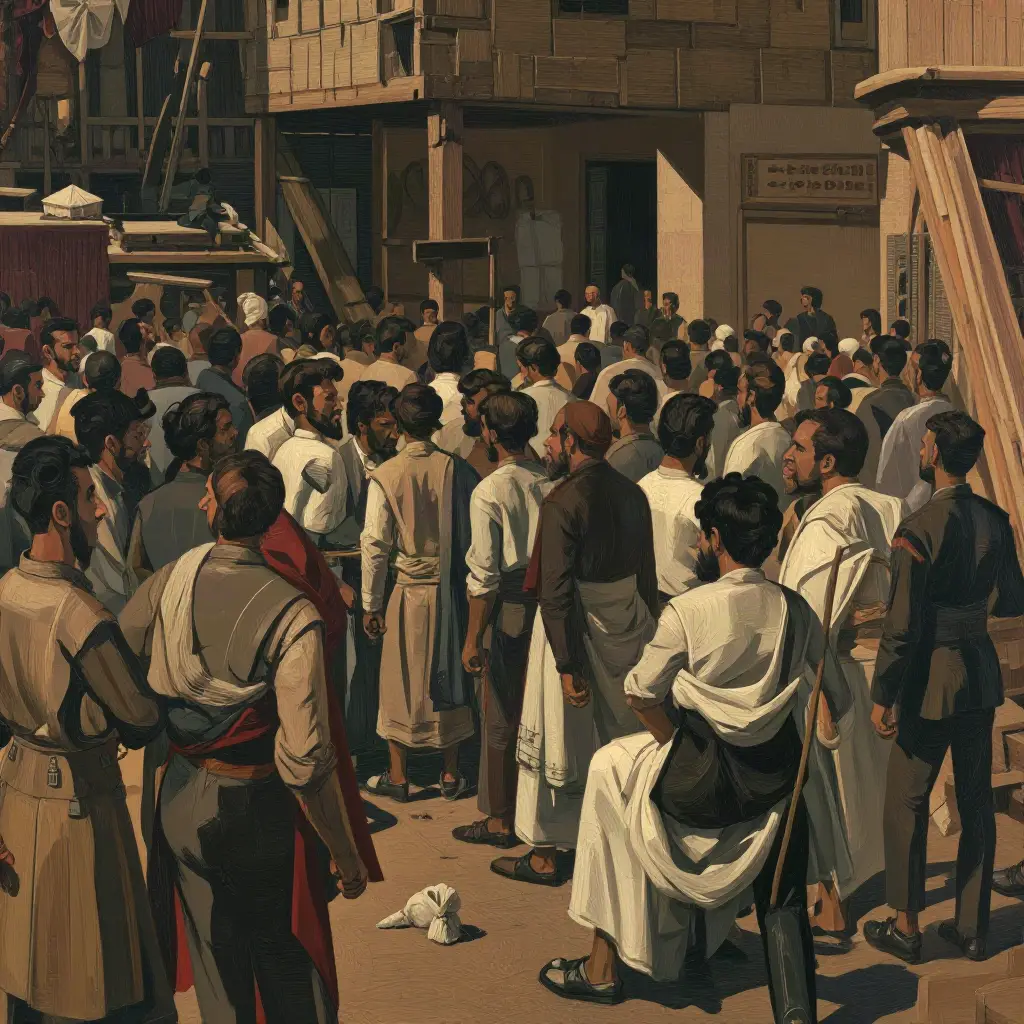
In 1963, Iran’s ruler, Shah Mohammad Reza Pahlavi, sought to transform his country into a modern, secular power. He called his program the White Revolution. It aimed to break up old feudal estates, redistributing land to millions of peasant families. For the first time, Iranian women gained the right to vote, and a Literacy Corps sent educated youths to teach in rural villages. But not everyone celebrated these changes. A cleric named Ayatollah Ruhollah Khomeini denounced the Shah as a ‘wretched, miserable man’ for his reforms and close ties to the West. For this speech, Khomeini was arrested and, in 1964, exiled from Iran. It was the beginning of a 14-year opposition from abroad that would ultimately bring down the monarchy itself.
The 1979 Iranian Revolution
How a year of protest in 1978 drove the Shah of Iran into exile and brought Ayatollah Khomeini to power as the head of a new Islamic Republic.
Chapter 1
The White Revolution
0:49
Part of
Frequently Asked Questions
What was the White Revolution?
The White Revolution was a series of ambitious reforms launched by Shah Mohammad Reza Pahlavi in 1963. It aimed to modernize Iran by industrializing the nation, redistributing land from wealthy estates to peasants, and granting women the right to vote. While intended to strengthen his rule, the secular nature of these reforms alienated powerful religious leaders.
Why was the Shah so unpopular?
The Shah's rule grew unpopular due to a combination of factors. His vast wealth and extravagant spending, like the 1971 Persepolis festival, stood in stark contrast to the poverty many Iranians experienced. His authoritarian rule, enforced by the secret police SAVAK, suppressed dissent, and his close ties to the United States were seen by many as a betrayal of Iranian independence.
What is the 'Guardianship of the Jurist'?
'Velayat-e-faqih', or Guardianship of the Jurist, is the political doctrine at the heart of Iran's Islamic Republic. Developed by Ayatollah Khomeini, it grants ultimate political and religious authority to a single high-ranking Islamic cleric, known as the Supreme Leader. This figure holds more power than the country's elected president and parliament.
Learn more
To continue the story, download the Chunks Microlearning app
Or get it straight away:
 Download on iOS
 Download on Android