
In 1868, at Fort Laramie, U.S. commissioners signed a treaty promising the Lakota Sioux the Black Hills in perpetuity, along with hunting rights on unceded land north of the North Platte River. Six years later, in July 1874, Lieutenant Colonel George Armstrong Custer led roughly 1,000 soldiers into those same hills and confirmed what prospectors had whispered about for years: gold. By 1875 an estimated 800 to 1,500 miners had poured into the Black Hills, which the Lakota called Paha Sapa, sacred ground under a signature the government itself had made. Chief Red Cloud watched the treaty unravel from the reservation. In May 1875 he traveled to Washington with Spotted Tail and Lone Horn to protest, carrying the treaty's own words back to the men who had written them. The answer came that September, when the Allison Commission offered $6 million to buy the Black Hills outright, or $400,000 a year to lease the mining rights. Lakota delegates refused both. The land was not for sale, and no rent was worth what it meant. The Army had promised to keep miners out. It had not tried very hard. Red Cloud returned home with nothing but a treaty already being ignored, and a hillside full of white men digging where his people were told no one ever would.
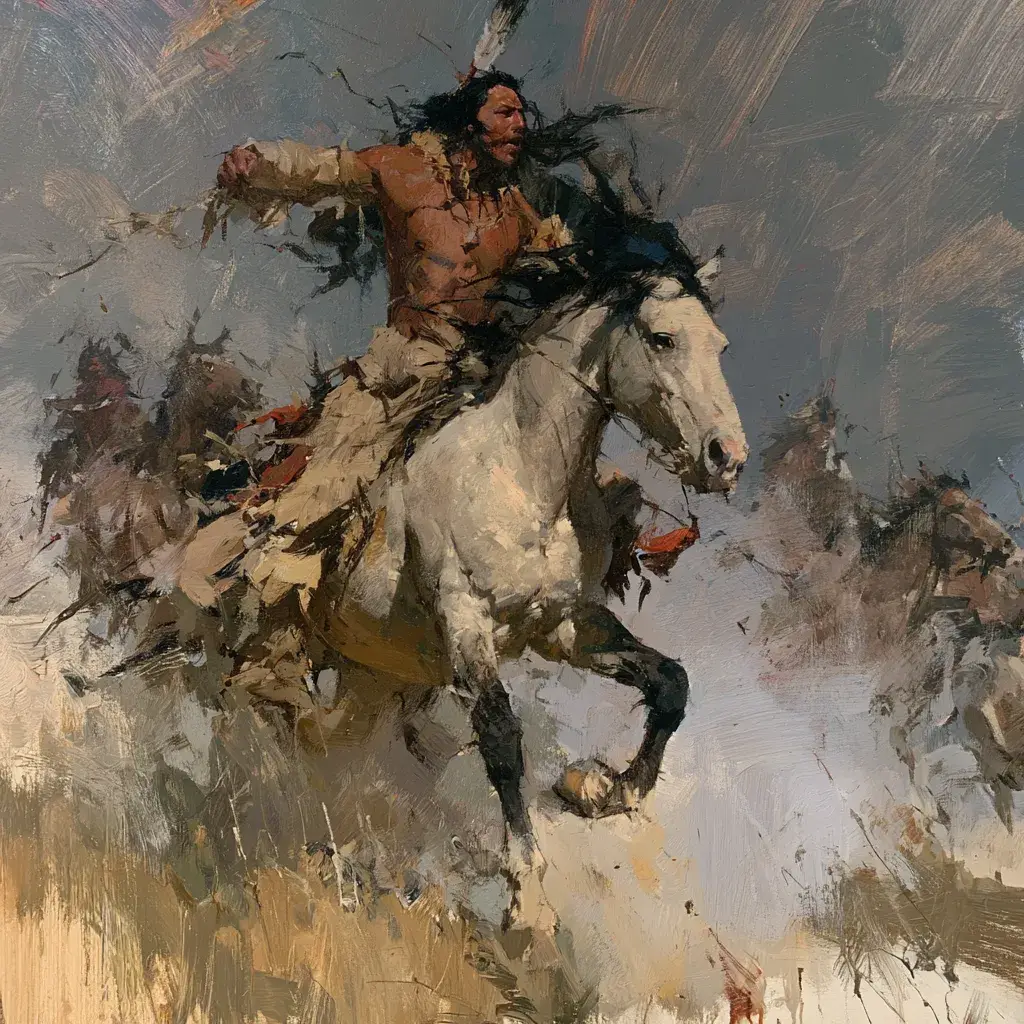
The Battle of Little Bighorn
1876: Custer split 700 men into three columns and lost 268 dead at the Little Bighorn.
Paha Sapa
Frequently Asked Questions
Why did the Lakota go to war with the United States in 1876?
The 1868 Fort Laramie Treaty had promised the Black Hills to the Lakota forever, but gold discovered there in 1874 brought thousands of miners onto treaty land. When the government could not buy the Hills, it ordered all off-reservation Lakota and Cheyenne to report to agencies by January 31, 1876, or be hunted by the Army, and most bands ignored the deadline.
What happened to Custer's men at Little Bighorn?
On June 25, 1876, Custer split the 7th Cavalry into three battalions and attacked a village of over 900 lodges. His own five companies, roughly 210 men, were surrounded on a ridge and killed to the last man by that evening.
What happened to the Black Hills after the battle?
Congress cut off food rations to the Lakota unless they signed away the Black Hills, and a commission gathered signatures from only about one in ten adult Lakota men, far short of what the 1868 treaty required. Congress enacted the seizure into law on February 28, 1877 anyway.
Learn more
To continue the story, download the Chunks Microlearning app
Or get it straight away:
 Download on iOS
 Download on Android