
After a decisive victory at the naval battle of Dan-no-ura in 1185, the warrior Minamoto no Yoritomo became the most powerful man in Japan. He established his government not in the imperial capital, but in the small eastern fishing village of Kamakura, chosen for its natural defenses. This 'tent government', or bakufu, marked a new era. In 1192, the court granted Yoritomo the title of Seii Taishōgun, or shogun. This began a dual power system where the military ruled while the emperor in Kyoto remained a symbolic figurehead. To cement his control, Yoritomo appointed military governors and land stewards across the provinces. This shift began nearly 700 years of samurai-dominated rule in Japan, changing the country's political landscape forever.
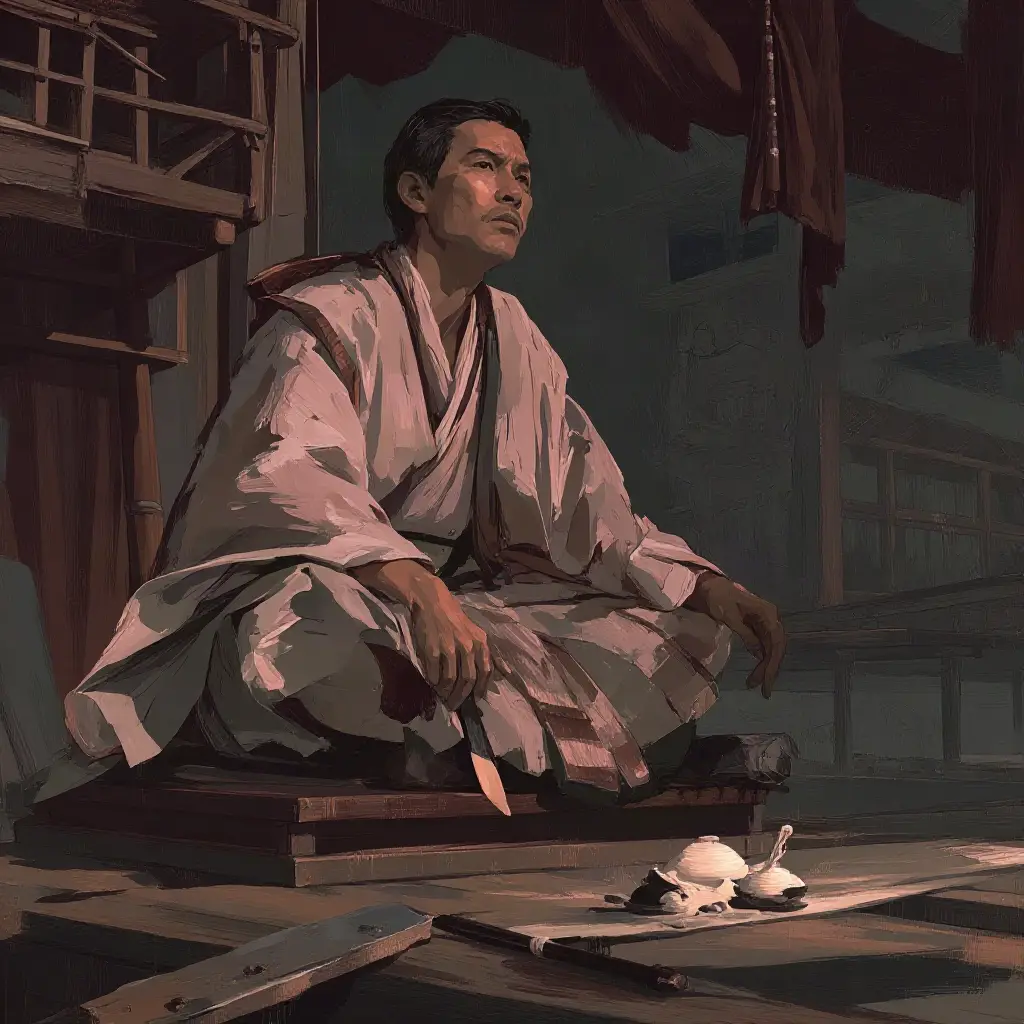
The Kamakura Shogunate
The rise and fall of Japan's first shogunate, from Minamoto no Yoritomo's victory in 1185 through the Mongol invasions to the Hōjō clan's end at Kamakura in 1333.
The Tent Government
Part of
Frequently Asked Questions
What was the Kamakura shogunate?
The Kamakura shogunate was Japan's first military government, or bakufu. It was established by Minamoto no Yoritomo in 1192 and ruled from the city of Kamakura, creating a dual power system where the samurai class held political power while the emperor remained a figurehead in Kyoto.
Who were the Hōjō regents?
The Hōjō were a warrior family who seized power after the first shogun's death. Because their rank was not high enough to become shoguns themselves, they ruled as regents (shikken) for a series of puppet shoguns, effectively controlling Japan for over a century.
What was the 'kamikaze' or divine wind?
The 'kamikaze' were major storms that helped thwart Mongol invasions in 1274 and 1281. The Japanese believed these events—including the massive typhoon that decimated the Mongol fleet in 1281—were a sign of divine protection, as they saved the country from foreign conquest.
Learn more
To continue the story, download the Chunks Microlearning app
Or get it straight away:
 Download on iOS
 Download on Android