
In the late 19th century, fishermen in the port of Paita, Peru, knew their calendar by the sea. Most years, the coastal waters were cold and filled with anchovies. But every few years around Christmas, a strange warmth would arrive. This current brought unusual gifts like tropical coconuts, but it also drove the fish away. They called it 'El Niño', for the Christ Child, because of its timing. In 1892, a Peruvian Navy captain named Camilo Carrillo decided to investigate this local lore. He presented his formal findings to the Geographical Society of Lima, describing a warm, south-flowing countercurrent. At the time, everyone believed it was a curious, local event. No one could imagine its true, globe-spanning power.
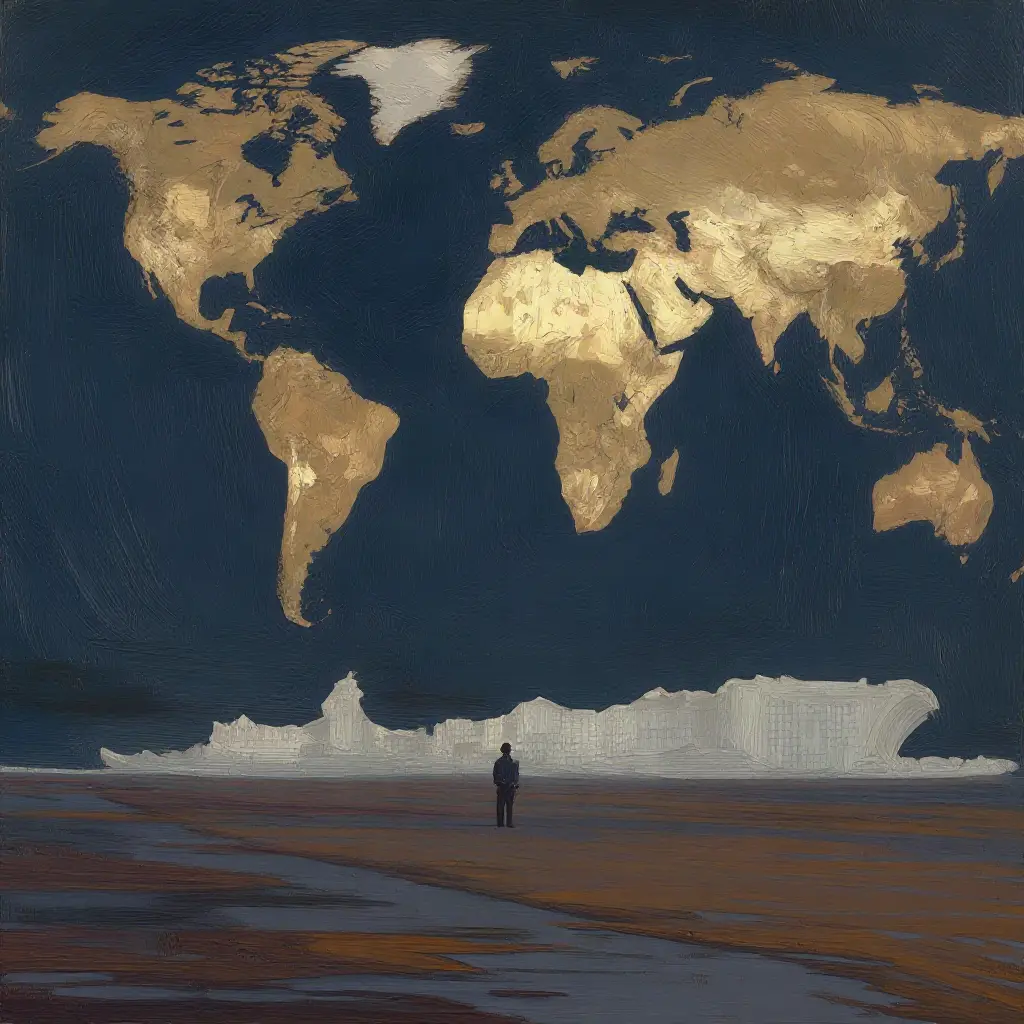
El Niño: The Phenomenon That Changes World Weather
How a periodic warming of the Pacific, first noted by Peruvian fishermen in the 19th century, can trigger global extreme weather events.
Chapter 1
The Christ Child's Current
0:48
Frequently Asked Questions
What is El Niño?
El Niño is a climate pattern characterized by the unusual warming of surface waters in the eastern tropical Pacific Ocean. It was originally named by Peruvian fishermen who noticed the water warming around Christmas every few years. This ocean warming disrupts atmospheric patterns, affecting weather across the globe.
Who discovered the science behind El Niño?
The full picture was assembled over decades. Sir Gilbert Walker identified the atmospheric component, the 'Southern Oscillation,' in 1924. Later, in 1969, meteorologist Jacob Bjerknes linked Walker's discovery to the ocean warming, creating the unified ENSO model that explains the phenomenon.
How much damage can an El Niño event cause?
A major El Niño can cause widespread environmental and economic damage. The 1997-1998 event triggered the first global mass coral bleaching, killing 16% of the world's reefs. A 2023 study estimated that same event cost the global economy $5.7 trillion in long-term lost income.
Learn more
To continue the story, download the Chunks Microlearning app
Or get it straight away:
 Download on iOS
 Download on Android