
In 1880, the British polymath Francis Galton decided to systematically study mental imagery. He surveyed 100 distinguished men, asking them to imagine their breakfast tables and describe the vividness of the scene. Galton was shocked by the results. A portion of his respondents, many of them fellow scientists, reported seeing nothing at all. They insisted that their 'mind's eye' was essentially non-existent, possessing 'zero' power of visualization. They were so unfamiliar with the concept of visualization that they assumed Galton was speaking in metaphors. It was the first time science had recorded the phenomenon in his paper 'Statistics of Mental Imagery', but this discovery of a mind without images would remain largely unstudied for over a century.
Aphantasia
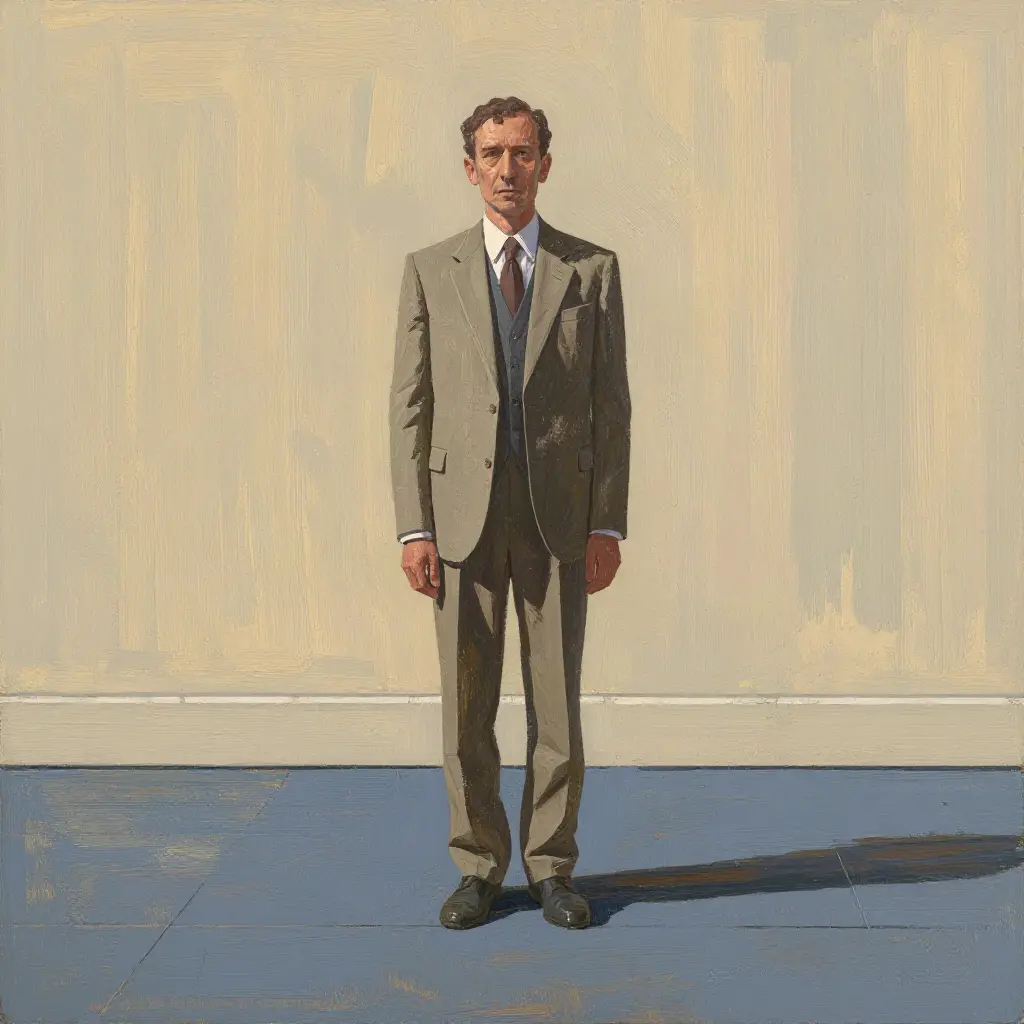
Aphantasia is the inability to form voluntary mental images, first studied in 1880 but only formally named by neurologists in 2015.
A Blind Mind's Eye
Frequently Asked Questions
What is aphantasia?
Aphantasia is the inability to voluntarily create mental images or pictures in your mind. People with aphantasia cannot 'see' things when they try to imagine them, experiencing their thoughts as concepts rather than images.
Can people with aphantasia still dream visually?
Yes, some people with aphantasia report dreaming visually. This suggests the brain can create images involuntarily, even when it cannot be commanded to do so by choice.
How common is aphantasia?
Research suggests that strict aphantasia affects about 1% of the population, or 1 in 100 people. However, visual imagination exists on a spectrum, and up to 4% of people have very low or no ability to visualize.
Learn more
To continue the story, download the Chunks Microlearning app
Or get it straight away:
 Download on iOS
 Download on Android