
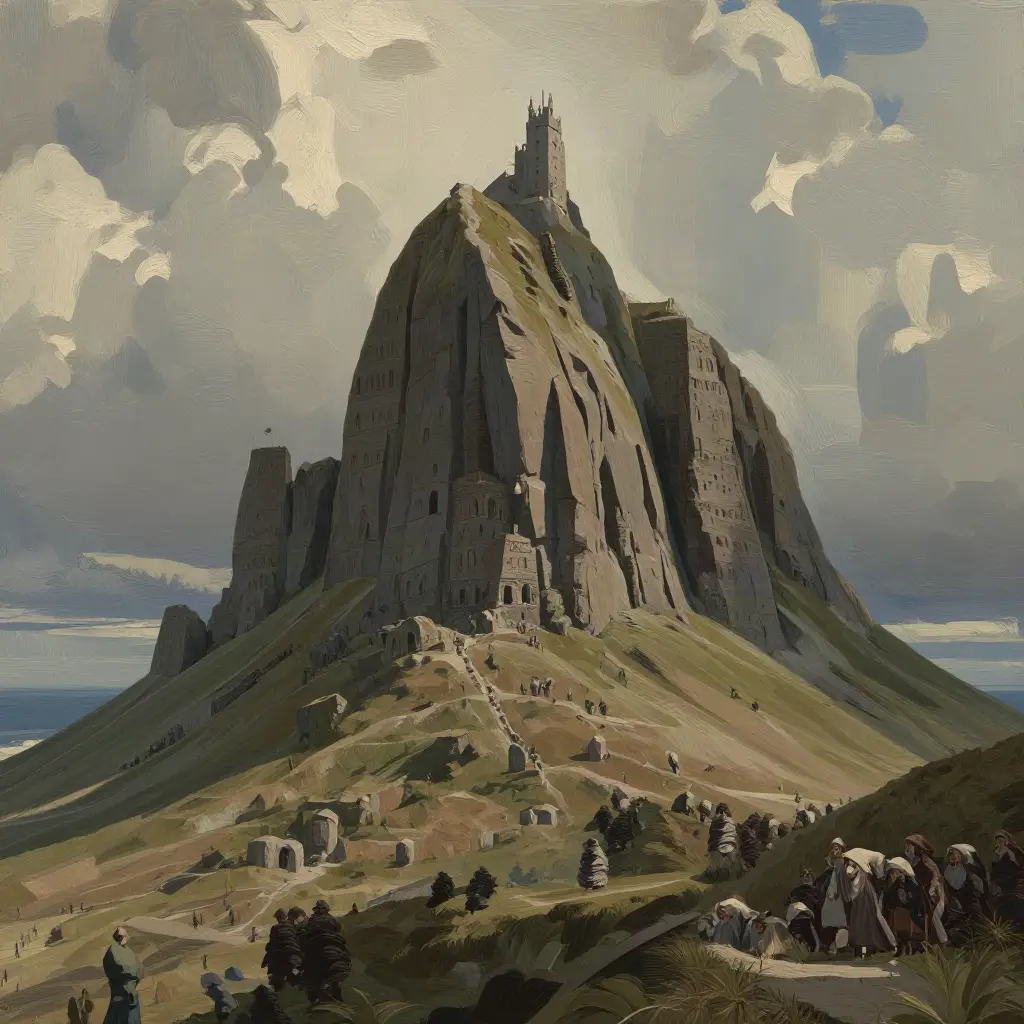
In 793, the sky over Northumbria was said to have shown terrible omens: fiery dragons and immense sheets of light. Then, on June 8, the real terror arrived from the sea. Scandinavian raiders landed on the holy island of Lindisfarne and stormed the monastery of Saint Cuthbert. The monks, who had never faced a threat from the sea on their remote island, were caught completely unprepared. The raiders showed no mercy. They slaughtered the monks, throwing some into the sea to drown. They tore the monastery apart, looting its gold and silver treasures from the high altar itself, desecrating the most sacred site in the kingdom. The violent attack shocked the Christian world and marked the brutal beginning of the Viking Age.
The Vikings at Lindisfarne
On June 8, 793, Scandinavian raiders attacked the monastery of Lindisfarne, a violent raid that marked the beginning of the Viking Age.
Chapter 1
The First Blow
0:49
Frequently Asked Questions
Did Vikings really wear horned helmets?
No, the horned helmet is a myth. It was popularized in the 19th century for costume designs for a Richard Wagner opera. One of the very few near-complete Viking Age helmets ever found, the 10th-century Gjermundbu helmet, is a plain iron cap with a spectacle-like eye-guard and no horns.
Why did the Vikings start raiding?
A combination of factors drove Scandinavians to raid. While inheritance was usually divided among all sons, land was scarce, leaving many younger brothers without enough land to support themselves. This, along with political shifts at home, pushed them to find wealth and new territory abroad.
What was the 'Great Heathen Army'?
The Great Heathen Army was a large coalition of Viking warriors that arrived in England in 865. Unlike earlier raiders, they came not just to plunder but to conquer and settle, fundamentally changing the nature of the Viking presence in Britain.
Learn more
To continue the story, download the Chunks Microlearning app
Or get it straight away:
 Download on iOS
 Download on Android