
In June 1894, tensions over the Korean Peninsula finally ignited. For years, Qing China and Meiji Japan had vied for influence over their smaller neighbor. When the Donghak Peasant Rebellion erupted in Korea, the Korean king requested aid from China, which sent nearly 3,000 troops. Citing this as a breach of a prior agreement, Japan responded with overwhelming force, landing 8,000 soldiers. But they didn't march against the rebels. Instead, on July 23, Japanese troops seized the Gyeongbokgung palace in Seoul, taking the king hostage. They installed a new, pro-Japanese government which immediately "granted" Japan the right to expel all Chinese forces from Korea. The pretext for war was now in place, engineered entirely by Japan.
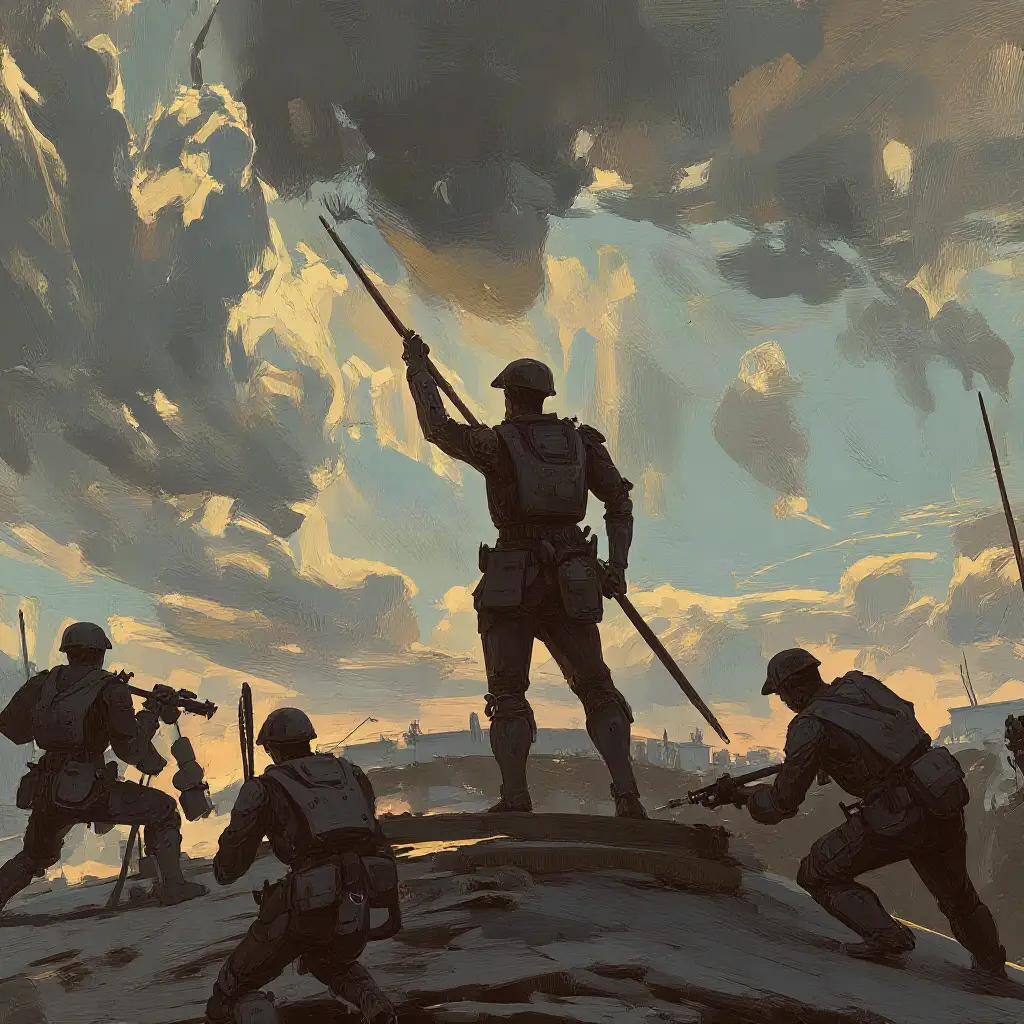
The First Sino-Japanese War
In 1894, the First Sino-Japanese War began over Korea, a conflict that would invert Asia's traditional order of power.
Chapter 1
The Spark in Korea
0:47
Frequently Asked Questions
What started the First Sino-Japanese War?
The war began over influence in Korea. After both Qing China and Japan sent troops to address the Donghak Peasant Rebellion in 1894, Japanese forces seized the Korean palace and installed a pro-Japanese government, leading to direct conflict with China.
Was the war fought with modern weapons?
Yes, it was a pivotal conflict showcasing new military technology. The Japanese military had been extensively modernized on Western models, using superior rapid-fire guns and tactics. This gave them a decisive advantage over the more traditionally equipped Qing forces.
What was the Triple Intervention?
After Japan's victory, the Treaty of Shimonoseki granted it the Liaodong Peninsula. However, Russia, Germany, and France intervened and 'advised' Japan to return the territory to China. This humiliation was a major factor in the rise of Japanese militarism.
Learn more
To continue the story, download the Chunks Microlearning app
Or get it straight away:
 Download on iOS
 Download on Android