
On June 18, 1812, the United States declared war for the first time in its history. President James Madison signed the declaration against Great Britain following a deeply divided vote in Congress. The grievances were severe. The British Royal Navy had been boarding American ships and forcing thousands of sailors into its service, a practice known as impressment. Britain had also seized hundreds of American vessels to block trade with Napoleonic France. On the frontier, Americans accused the British of arming Native American tribes to halt westward expansion. But in a tragic twist of timing, the British government had already voted to repeal the trade restrictions two days before the declaration. The news just hadn't crossed the Atlantic in time to prevent a war.
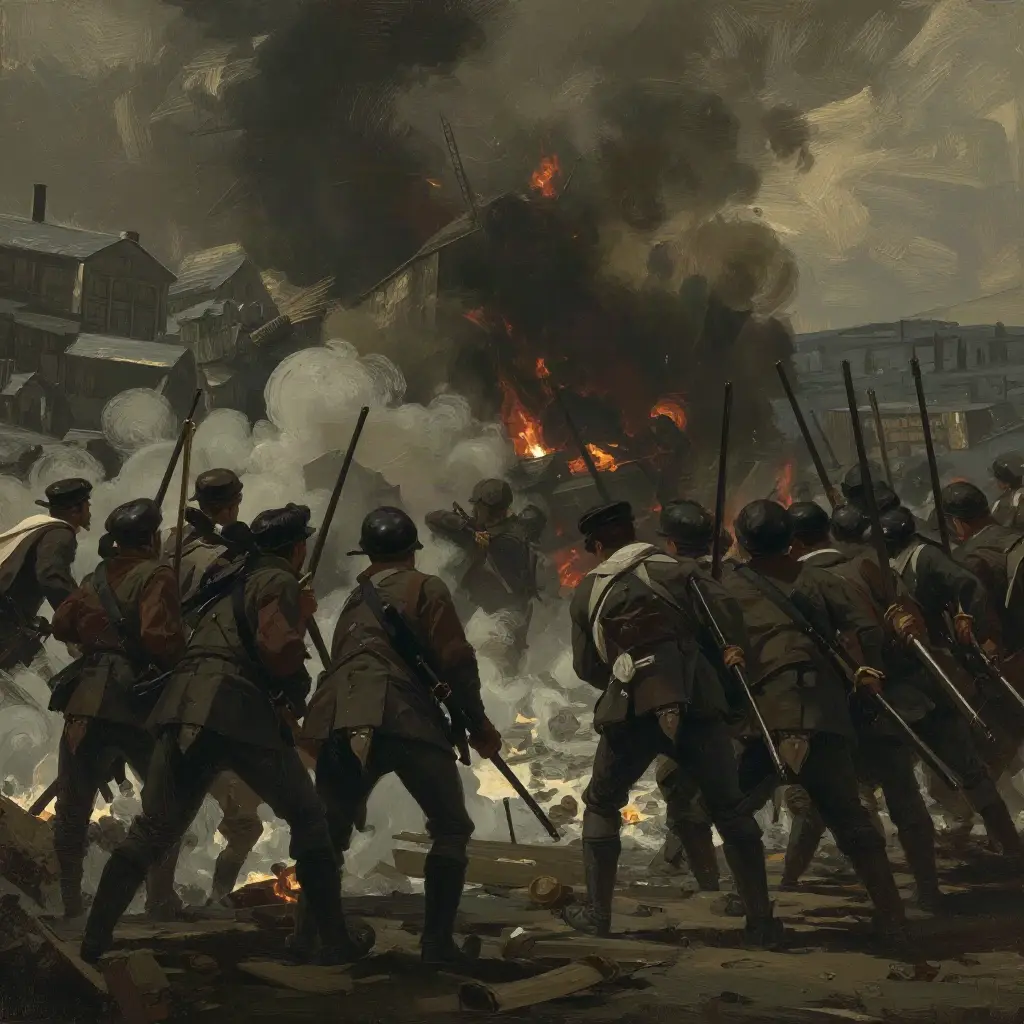
The War of 1812
The strange war between the US and Britain that saw the White House burned and a national anthem written as a result of the fighting.
A Declaration of War
Frequently Asked Questions
Why did the US declare war on Britain in 1812?
The US declared war due to several grievances. The main reasons were the British Royal Navy's practice of forcing American sailors into service, known as impressment, and British restrictions on American trade with France. Tensions on the frontier, where Americans accused the British of arming Native American tribes, also contributed to the decision.
What is the story behind the US national anthem, 'The Star-Spangled Banner'?
The lyrics were written by Francis Scott Key during the War of 1812. He was held on a British ship while watching them bombard Fort McHenry in Baltimore. After a 25-hour assault, he saw the American flag was still flying at dawn, which inspired him to write the poem.
Who won the War of 1812?
Neither side achieved its main goals. The Treaty of Ghent, which ended the war, restored all pre-war borders and territories. However, many Americans perceived the war as a victory, especially after Andrew Jackson's decisive win at the Battle of New Orleans, even though it was fought after the peace treaty was signed.
Learn more
To continue the story, download the Chunks Microlearning app
Or get it straight away:
 Download on iOS
 Download on Android