
In 1169, the politics of Egypt were in chaos. Saladin, a young Kurdish officer serving his uncle, the general Shirkuh, was not a major player. But when Shirkuh died just two months after becoming vizier of Egypt, the Fatimid Caliph al-Adid had to choose a successor. Legend says he picked Saladin, believing the quiet, unassuming man would be the easiest to control. It was a profound miscalculation. Upon taking the post, Saladin declared he had put aside ‘the thought of pleasure and the love of ease’ to focus on his new duties. The seemingly weak candidate was about to reshape the entire region.
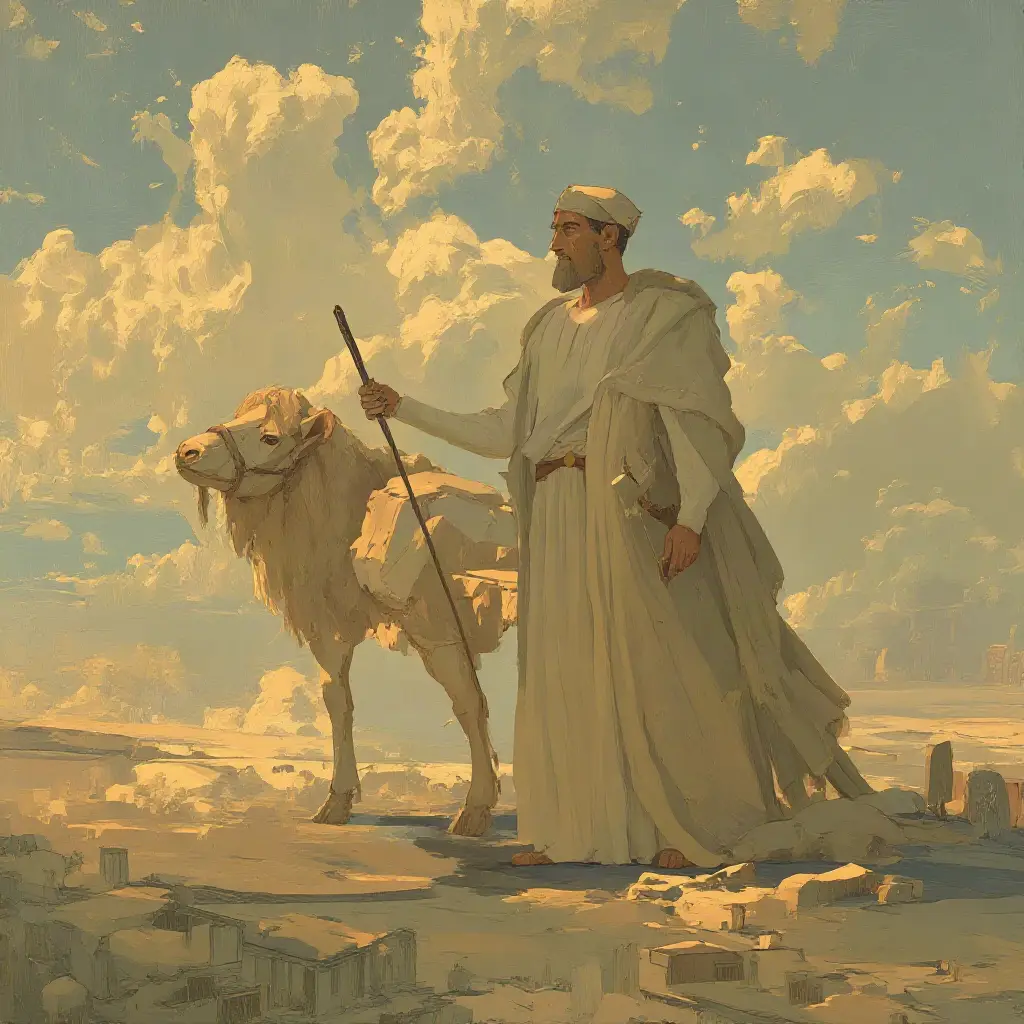
The Rise of Saladin
How a Kurdish officer united the Muslim world, retook Jerusalem in 1187, and negotiated a truce with Richard the Lionheart.
Chapter 1
The Unlikely Vizier
0:42
Frequently Asked Questions
How did Saladin become the ruler of Egypt?
Saladin was a junior officer whose uncle, Shirkuh, was vizier of Egypt. After his uncle's death in 1169, the Caliph appointed Saladin, thinking he would be weak and easy to control. Instead, Saladin consolidated his power and two years later abolished the ruling Fatimid dynasty.
Did Saladin massacre the people of Jerusalem when he captured it?
No. In sharp contrast to the Crusader conquest of 1099, Saladin negotiated a peaceful surrender in 1187. He allowed citizens to ransom their freedom and even used his own money to pay for thousands who could not afford the fee.
Did Saladin and Richard the Lionheart ever meet?
No, they never met in person. Despite fighting a long war against each other during the Third Crusade, their interactions were limited to messages and the exchange of gifts, such as horses and fruit during times of illness.
Learn more
To continue the story, download the Chunks Microlearning app
Or get it straight away:
 Download on iOS
 Download on Android