
London’s East End in 1888 is a world plunged into darkness. Whitechapel, a slum of crumbling tenements, teems with desperate families, immigrants, and women forced into prostitution to survive. Narrow alleyways are choked with filth. By candle or gaslight, destitute crowds eke out an existence on rotting food, scraping by as best they can amid disease and crime. Police patrol in ones and twos, exhausted and poorly trained, barely able to manage the daily grind of theft, violence, and unrest. Meanwhile, London’s wealthy elite turn a blind eye, their carriages rolling past on better-lit streets of the West End; Worlds apart in comfort, but mere miles away in distance. The wretchedness of Whitechapel seethes with anger and hopelessness, ignored by Victorian society until, suddenly, a series of horrors begin to unfold in the shadows—a wave of violence that will force all of London to take notice…
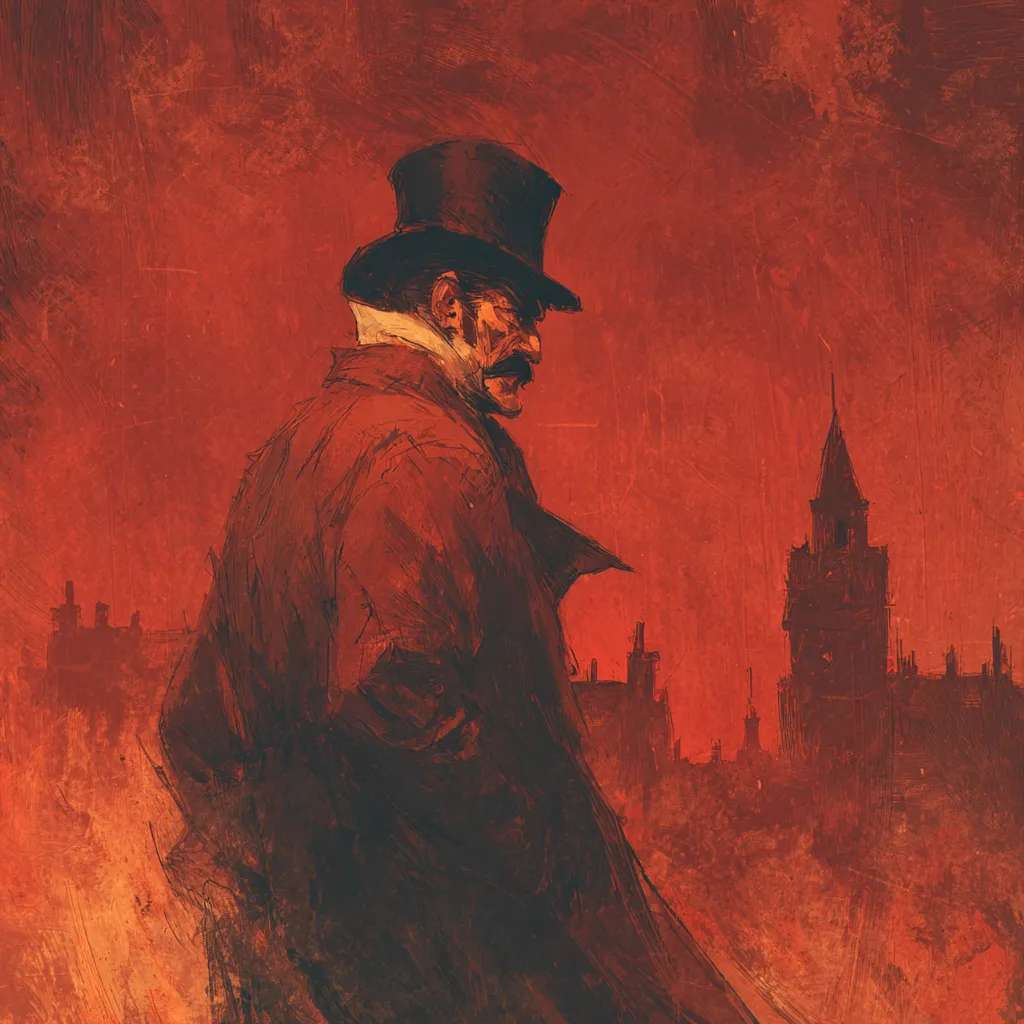
Jack the Ripper
In 1888, a brutal killer terrorizes London, exposing deep social divides.
The Shadows of Whitechapel
Frequently Asked Questions
Who was Jack the Ripper and when did the murders take place?
Jack the Ripper was an unidentified serial killer who murdered at least five women in London's Whitechapel district in 1888. The killer's identity remains one of history's greatest unsolved mysteries. The murders occurred during the autumn months of 1888, primarily between August and November.
What made the Jack the Ripper case so notorious in Victorian London?
The Jack the Ripper murders gained notoriety due to their brutal nature and the killer's taunting letters sent to police and newspapers. The case exposed the stark poverty and dangerous conditions in London's East End, where the victims lived. The media coverage was unprecedented for the time, creating widespread panic and public fascination.
Why were the Jack the Ripper murders never solved despite extensive investigation?
The Jack the Ripper case remained unsolved due to limited forensic technology in 1888 and the chaotic conditions of Whitechapel's overcrowded slums. Police had no fingerprinting, DNA analysis, or modern investigative techniques available. The transient population and reluctance of witnesses to cooperate with authorities further hampered the investigation.
Learn more
To continue the story, download the Chunks Microlearning app
 Download on iOS
 Download on Android