
In Montgomery, Alabama, segregation was the law. On December 1, 1955, a seamstress named Rosa Parks sat in the 'colored' section of a bus. When the white section filled, the driver ordered her to give up her seat. She refused. Her arrest ignited a city. A one-day bus boycott, organized overnight, was so successful it was extended. A young pastor, Dr. Martin Luther King Jr., was elected to lead the protest. For 381 days, Black citizens refused to ride the buses, organizing a massive carpool system with over 300 cars. The boycott only ended after the Supreme Court ruled that segregating buses was unconstitutional, proving that organized, nonviolent protest could challenge the law.
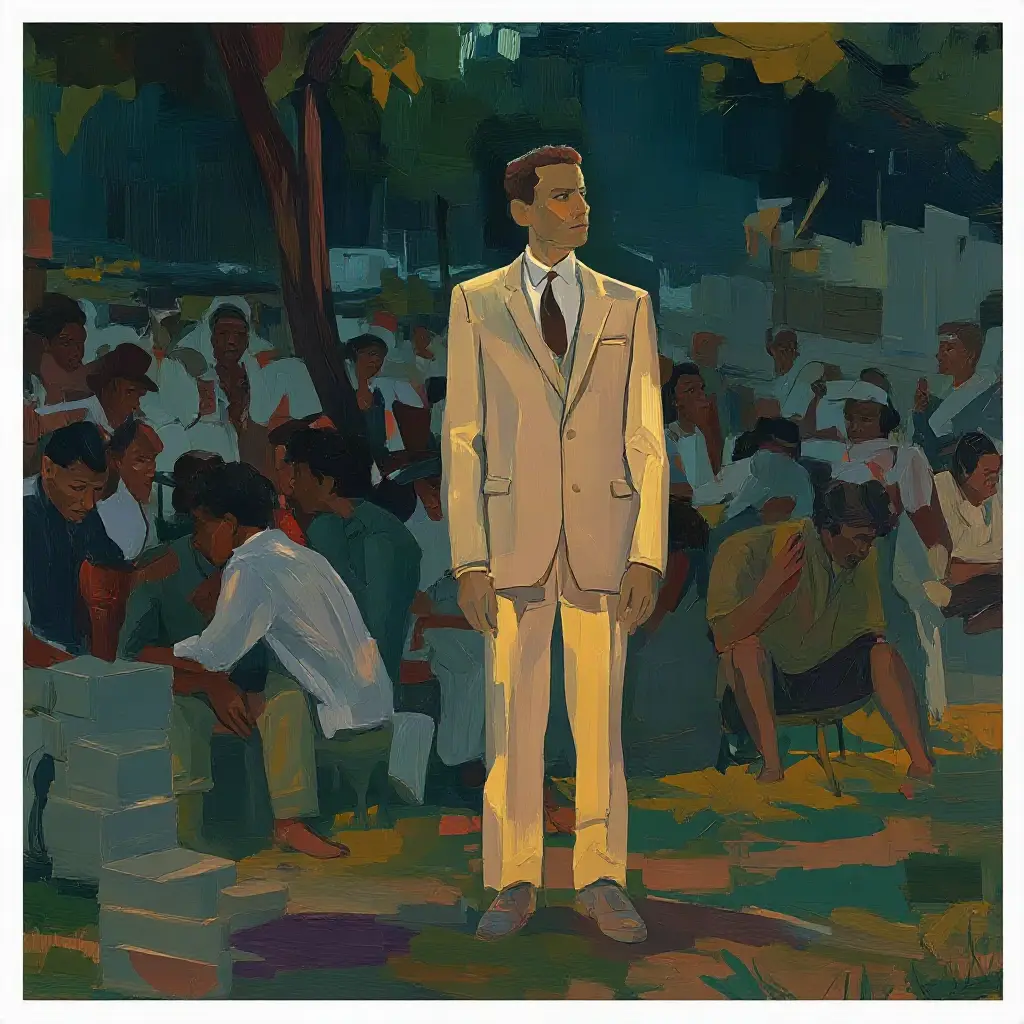
The Civil Rights Movement
The struggle for social justice by Black Americans, from the 1955 bus boycott to the landmark 1965 Voting Rights Act.
Chapter 1
A Seat on the Bus
0:46
Part of
Frequently Asked Questions
What started the Montgomery Bus Boycott?
The boycott began after Rosa Parks, a Black seamstress, was arrested on December 1, 1955, for refusing to give up her bus seat to a white passenger. The successful 381-day protest was led by Dr. Martin Luther King Jr.
What was a 'sit-in'?
A sit-in was a nonviolent protest where activists would occupy segregated spaces to challenge unjust laws. The most famous were the 1960 Greensboro sit-ins, where Black students sat at a 'whites-only' lunch counter and refused to leave.
What did the Civil Rights Act of 1964 accomplish?
It was a landmark law that formally outlawed discrimination based on race, color, religion, sex, or national origin. It specifically ended segregation in public places like restaurants and theaters, and created the Equal Employment Opportunity Commission.
Learn more
To continue the story, download the Chunks Microlearning app
Or get it straight away:
 Download on iOS
 Download on Android