
The RMS Lusitania, launched in 1906 by the Cunard Line, quickly gained fame as one of the fastest and most luxurious ships in the world. Gleaming brass, silk carpets, and grand dining rooms set a new standard for transatlantic travel between New York and Liverpool. The ship became a floating symbol of modern engineering and Anglo-American prestige. But by 1914, the world had changed dramatically. World War I erupted, and the seas became even more dangerous. Britain implemented a strict naval blockade to choke off supplies to Germany. In retaliation, Germany began targeting ships sailing to Britain using a menacing new weapon: the U-boat, or Unterseeboote. These stealthy submarines prowled the sea lanes, sinking supply ships with little warning. Officially, the Lusitania was just a passenger vessel. Yet it also carried some military goods and ammunition for Britain, a point of controversy that would later flame into heated debate. Despite mounting risks, America remained officially neutral, even as many U.S. citizens continued to book passage on Allied liners, trusting in the great ship’s speed and prestige to keep them safe from war’s reach.
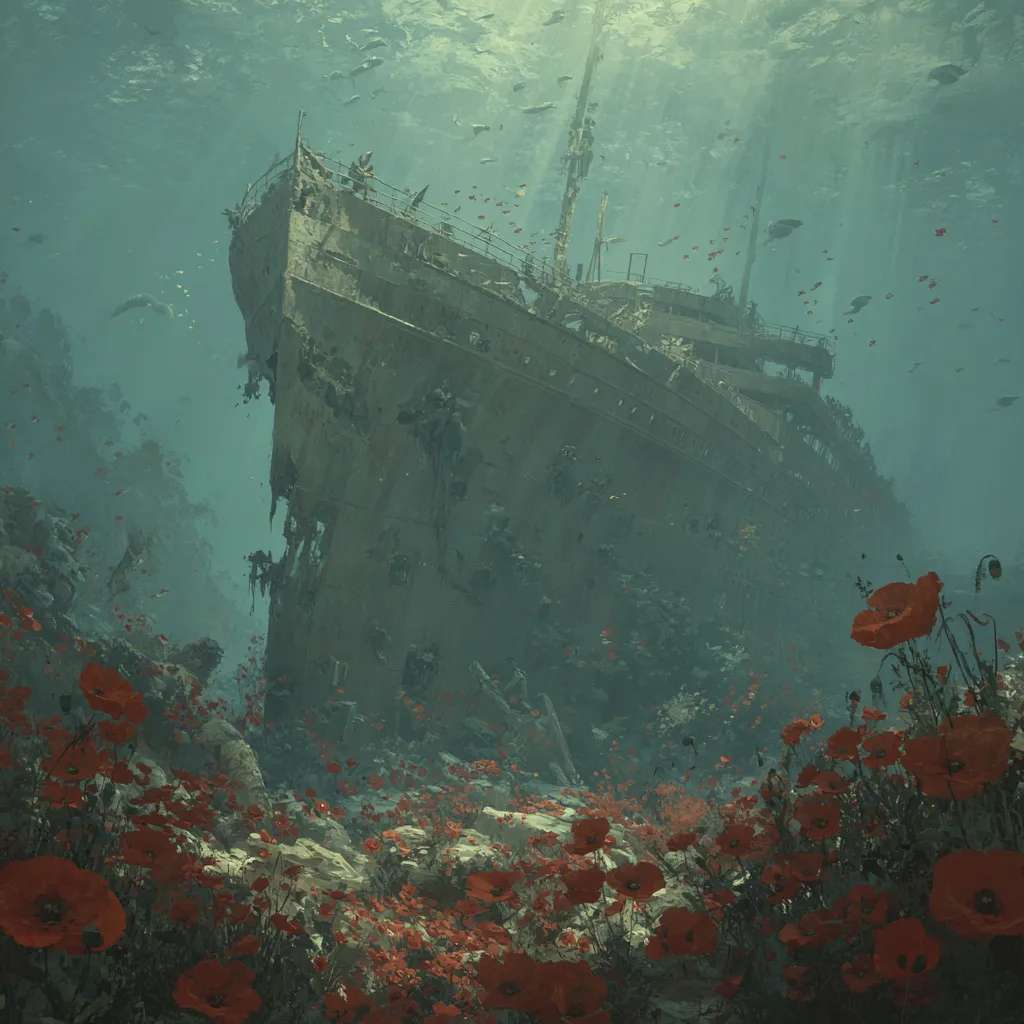
The Sinking of the RMS Lusitania
In 1915, the Lusitania's sinking shocked the world and helped push the U.S. toward war.
Summary
The RMS Lusitania, a Cunard ocean liner sailing from New York to Liverpool, was torpedoed by the German submarine U-20 on 7 May 1915, about 11 miles off the Old Head of Kinsale on Ireland's south coast. A second internal explosion followed the torpedo strike, and the ship sank in around 18 minutes. Of the roughly 1,960 people aboard, 1,198 died, including 128 Americans — a loss that hardened opinion in the still-neutral United States and became a defining argument for its eventual entry into the First World War in 1917.
Key Facts
- Torpedoed on 7 May 1915 by the German submarine U-20, commanded by Walther Schwieger
- Sank in about 18 minutes, roughly 11 miles off the Old Head of Kinsale, Ireland
- 1,198 of the roughly 1,960 people aboard died, including 128 Americans
- A second, internal explosion after the torpedo strike is still debated — the ship was carrying rifle ammunition
- Germany had published newspaper warnings against sailing on British ships days before the crossing
- The sinking shifted American public opinion and was invoked when the US entered the war in 1917
A Luxury Liner in a Time of War
Frequently Asked Questions
What was the RMS Lusitania and why was it significant during World War I?
The RMS Lusitania was a British ocean liner that operated luxury passenger service between Europe and America. During World War I, it became a target because Germany declared the waters around Britain a war zone and warned that ships entering these waters could be attacked by German U-boats.
How did the sinking of the Lusitania influence America's entry into World War I?
The sinking killed 1,198 people, including 128 Americans, creating massive public outrage in the United States. This tragedy significantly shifted American public opinion against Germany and became a powerful propaganda tool that helped build support for eventually entering the war in 1917.
What happened when the German submarine attacked the Lusitania in 1915?
On May 7, 1915, German U-boat U-20 torpedoed the Lusitania off the coast of Ireland without warning. The ship sank in just 18 minutes, leaving passengers little time to escape and resulting in massive loss of civilian life.
Learn more
To continue the story, download the Chunks Microlearning app
 Download on iOS
 Download on Android