
In 1363, a 27-year-old mercenary named Timur was fighting in the Dasht-e Margo, the 'Desert of Death' in modern Afghanistan. During a skirmish, two arrows found their mark, piercing his right leg and right arm. The wounds were not fatal, but they would define him forever. His right side was permanently disabled, leaving him with a withered hand he could not raise and a severe limp. This injury earned him the Persian nickname 'Timur-i-Lang', or Timur the Lame. Europeans later corrupted this name into Tamerlane. Far from ending his ambitions, this physical mark became a symbol of his resilience. The lame warrior, once a simple sheep-rustler, was just beginning his ascent.
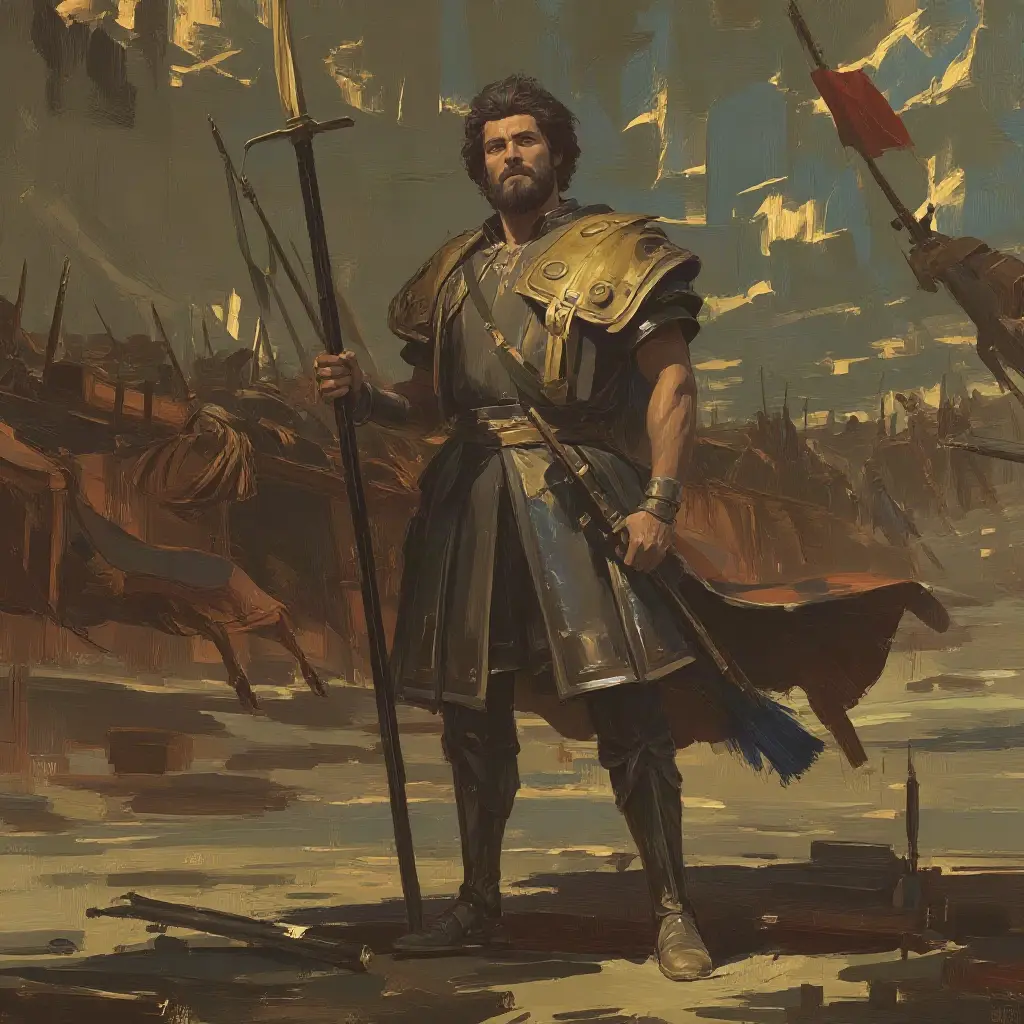
Tamerlane: The Lame Conqueror
Timur, known in Europe as Tamerlane, rose from a minor Central Asian warlord to conquer an empire from Delhi to Anatolia, defeating the Golden Horde and the Ottomans before dying in 1405.
Chapter 1
The Lame Conqueror
0:45
Frequently Asked Questions
Why was Tamerlane called 'the Lame'?
He was given the Persian nickname 'Timur-i-Lang' after being struck by two arrows in a battle in 1363. The wounds permanently disabled his right leg and arm, giving him a lifelong limp. Europeans later corrupted the name to Tamerlane.
Was Tamerlane related to Genghis Khan?
Tamerlane was not a direct blood descendant of Genghis Khan. Because of this, he never took the title of 'Khan', instead ruling as 'Amir' (commander) through a puppet Khan of Genghisid descent. He did, however, marry a Genghisid princess to legitimize his rule.
What is the curse of Tamerlane's tomb?
In June 1941, Soviet scientists opened his tomb. An inscription reportedly read, "When I rise from the dead, the world shall tremble." Two days later, Nazi Germany invaded the Soviet Union, leading to a persistent legend that opening the tomb unleashed a curse.
Learn more
To continue the story, download the Chunks Microlearning app
Or get it straight away:
 Download on iOS
 Download on Android