
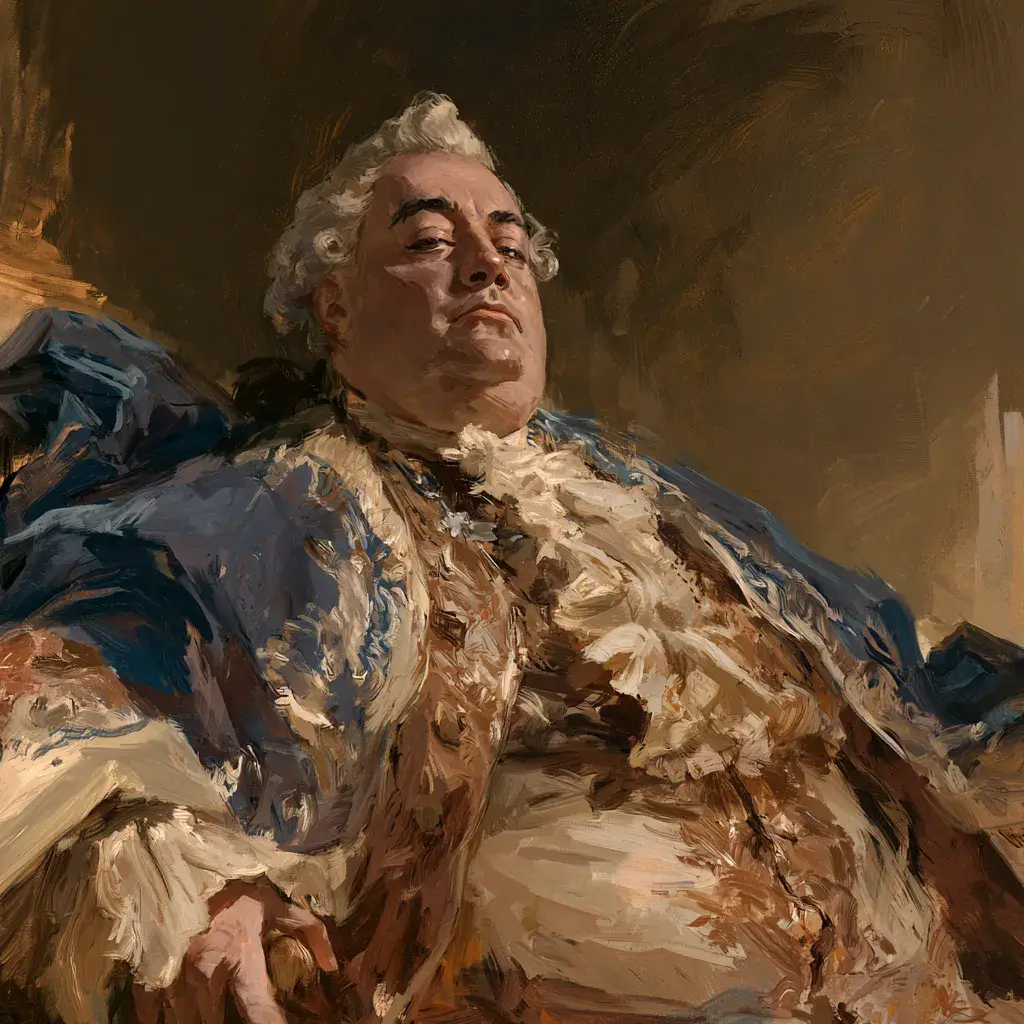
In May 1789, King Louis XVI summoned the Estates-General to Versailles, a desperate move to save France from bankruptcy. For the first time in over a century, deputies from the three social orders—the clergy, the nobility, and the commoners—gathered to address the crisis. But a deadlock began immediately. The clergy and nobility, just 2 percent of the population, held two-thirds of the voting power and refused to yield. Frustrated and empowered, the Third Estate took a radical step. On June 17, they declared themselves the National Assembly, a government in their own right. They were no longer subjects asking for help; they were citizens claiming sovereignty.
The French Revolution
The French Revolution from the 1789 Estates-General and the fall of the Bastille, through the king's failed escape and the Terror, to Napoleon's seizure of power and his Civil Code.
Chapter 1
The Gathering Storm
0:43
People in this story
Part of
Frequently Asked Questions
What started the French Revolution?
The revolution began due to a severe financial crisis. King Louis XVI convened the Estates-General in 1789 to address France's bankruptcy, but political deadlock led the Third Estate, representing commoners, to declare itself a National Assembly and assert its own power.
What was the Reign of Terror?
The Reign of Terror was the revolution's most radical phase (1793-1794). A government committee led by Maximilien Robespierre executed thousands of perceived 'enemies of the fatherland' with little legal defense, until Robespierre himself was overthrown and executed.
How did the French Revolution end?
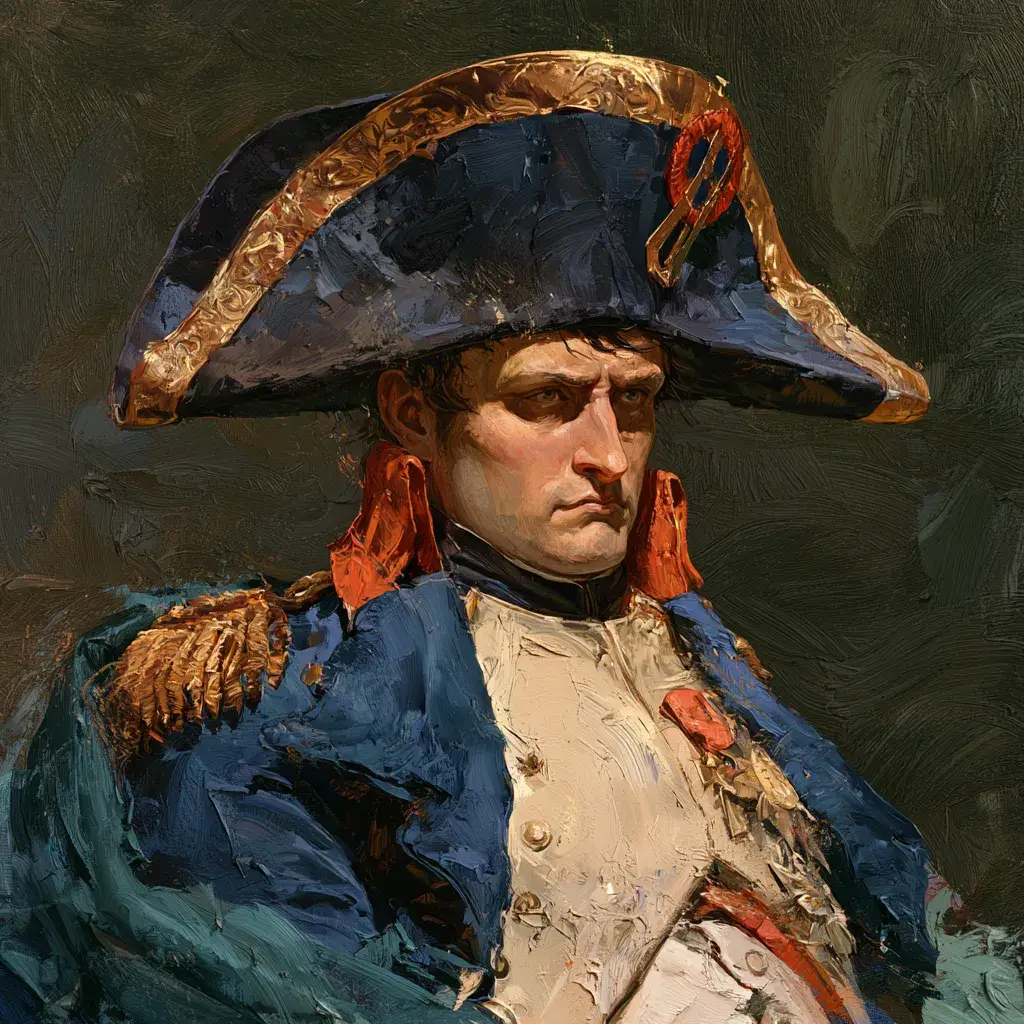
The revolution effectively ended in 1799 when General Napoleon Bonaparte seized power in a military coup. He overthrew the weak Directory government and established himself as First Consul, bringing a decade of revolutionary instability to a close under his authoritarian rule.
To continue the story, download the Chunks Microlearning app
Or get it straight away:
 Download on iOS
 Download on Android