
In 1963 Bristol, the state-owned Bristol Omnibus Company operated with a 'colour bar'. While it employed some non-white workers in its garages and canteens, it refused to hire Black or Asian people as bus drivers or conductors. The policy was legal, and the company’s general manager claimed hiring non-white crews would cause white staff to resign. For Bristol's 3,000-strong West Indian community, this was a daily injustice. An 18-year-old warehouseman named Guy Bailey decided to challenge it. Encouraged by his night school teacher, the activist Paul Stephenson, Bailey agreed to apply for a job as a conductor, not just to get a job, but to create a test case against the company's racist policy.
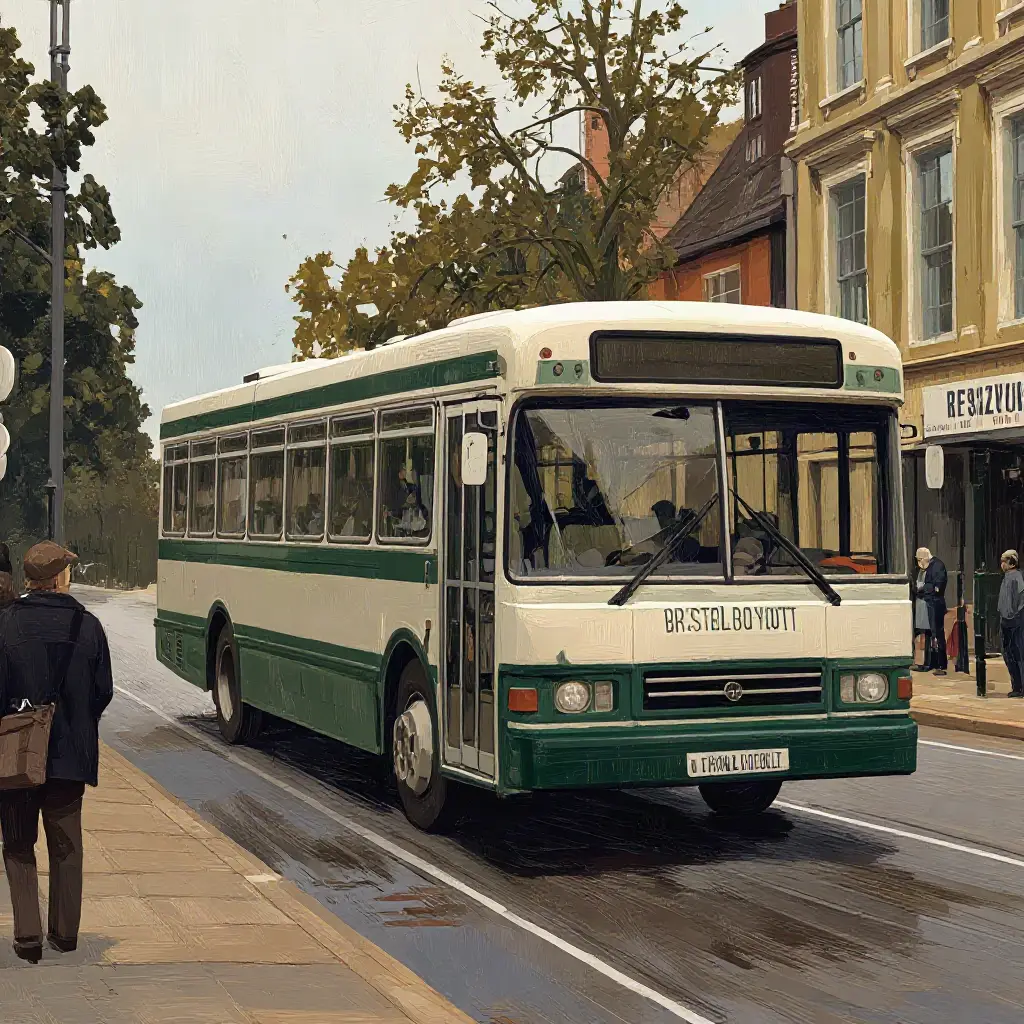
The Bristol Bus Boycott
In 1963 Bristol's West Indian community, led by Paul Stephenson, Roy Hackett and Guy Bailey, boycotted the city's buses for four months until the bus company dropped its colour bar.
Chapter 1
The Colour Bar
0:46
Frequently Asked Questions
What was the 'colour bar' at the Bristol Omnibus Company?
In 1963, the company had a policy that banned Black and Asian people from being hired as bus drivers or conductors. While they were employed in lower-paid roles like maintenance, they were excluded from public-facing jobs.
Who started the Bristol Bus Boycott?
The boycott was launched by the West Indian Development Council, a group of activists. Paul Stephenson acted as the group's spokesman, and 18-year-old Guy Bailey volunteered for the test case that triggered the campaign.
Did the boycott lead to new laws in the UK?
The boycott is considered by some historians to have influenced the UK Parliament. It highlighted the need for anti-discrimination laws, contributing to the passing of the Race Relations Act in 1965 and the 1968 Act, which covered employment.
Learn more
To continue the story, download the Chunks Microlearning app
Or get it straight away:
 Download on iOS
 Download on Android