
In October 1962, the Cold War came terrifyingly close to nuclear war. The crisis began on October 14, when an American U-2 spy plane flew a high-altitude mission over western Cuba. The pilot, Major Richard Heyser, took hundreds of photographs during a six-minute pass. When analysts developed the film, the images revealed incontrovertible proof: the Soviet Union was building launch sites for nuclear missiles on the island. These missiles had a range of over 1,000 miles, capable of striking major American cities like Washington, D.C. with little warning. For the first time, a direct Soviet nuclear threat was positioned just 90 miles from the U.S. coast. The world was on a collision course.
The Cuban Missile Crisis
The October 1962 standoff over Soviet nuclear missiles in Cuba, from the U-2 photographs and naval quarantine to Black Saturday and the secret deal that ended it.
Chapter 1
The Photographs
0:46
People in this story
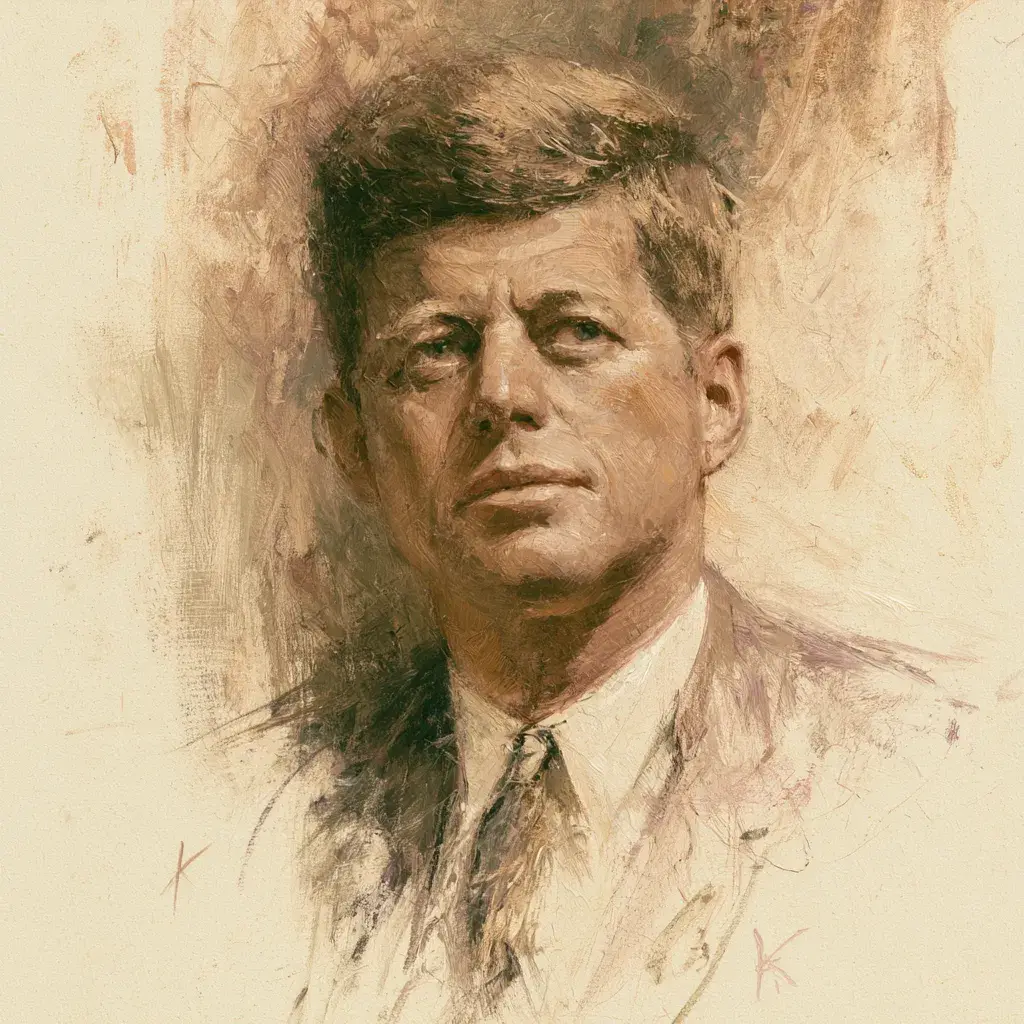
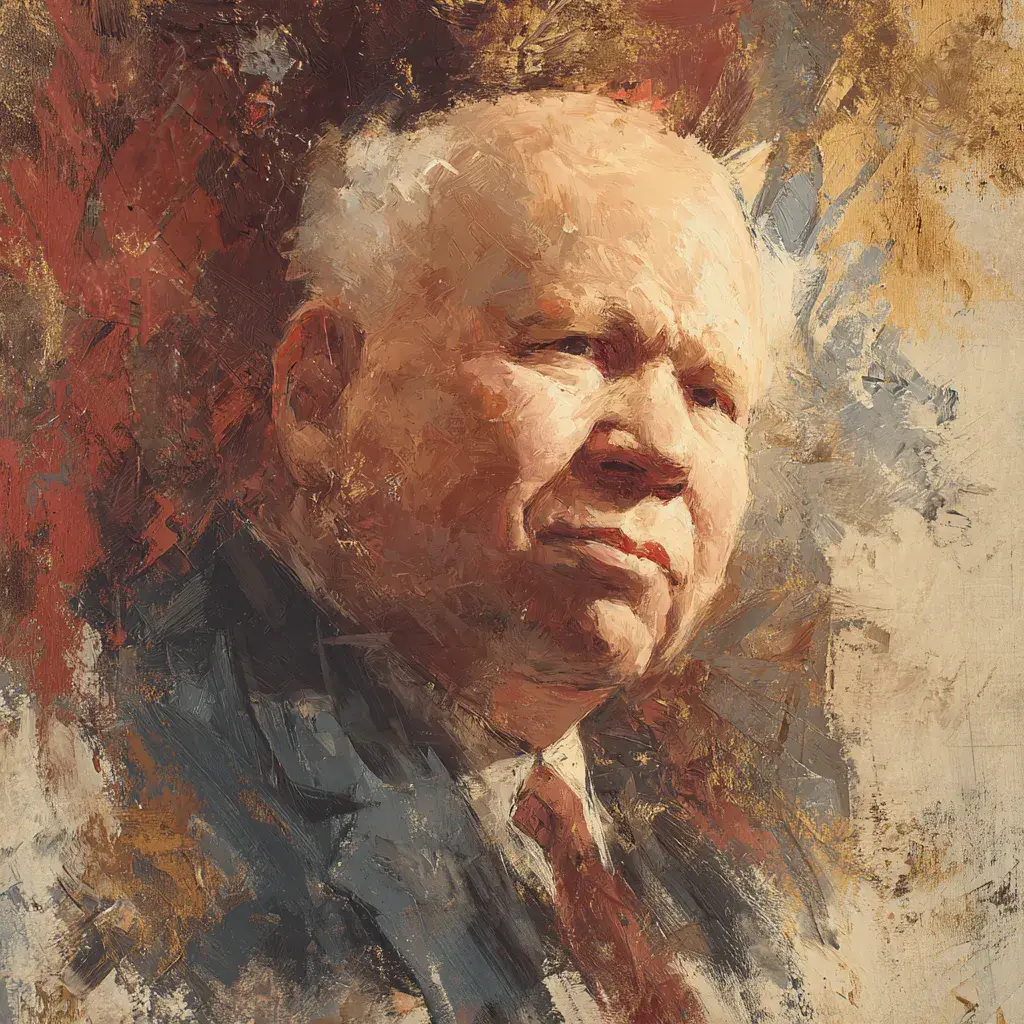
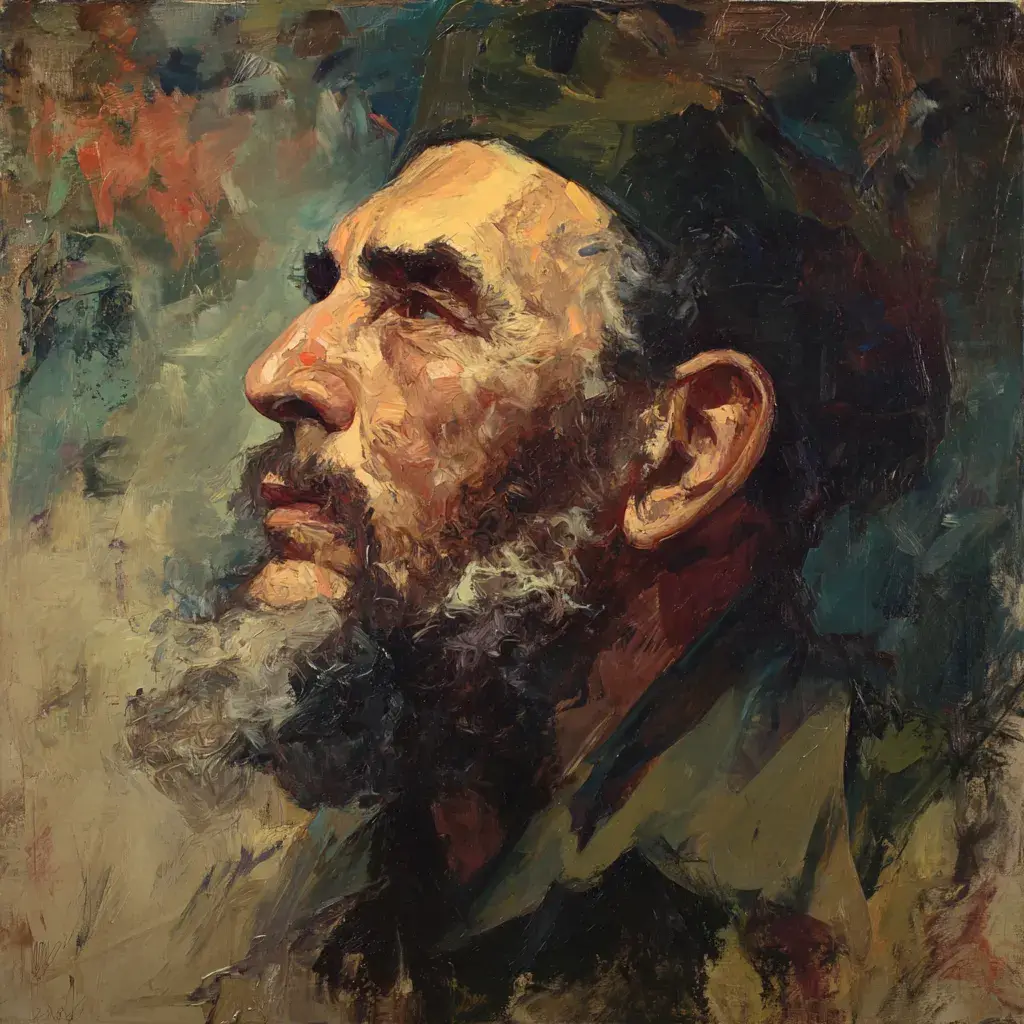
Part of
Frequently Asked Questions
Why did the Soviet Union put missiles in Cuba?
The Soviets placed missiles in Cuba for several reasons. It was a direct response to the placement of American Jupiter missiles in Turkey, which bordered the USSR. It also aimed to deter another U.S. invasion of Cuba, like the failed Bay of Pigs invasion, and to project Soviet power in the Western Hemisphere.
What was ExComm?
ExComm was the codename for the Executive Committee of the National Security Council. It was a secret group of President Kennedy's most important advisors convened specifically to manage the Cuban Missile Crisis. The group met nearly continuously to debate options, from diplomacy to a full-scale invasion.
What was the 'Hot Line' created after the crisis?
The Moscow-Washington 'Hot Line' was a direct teleprinter link established in August 1963 between the Pentagon and the Kremlin. It was not a telephone, but a secure text-based communication system. Its purpose was to allow the leaders of the U.S. and the Soviet Union to communicate directly and quickly during a crisis to avoid miscalculation and accidental war.
Learn more
To continue the story, download the Chunks Microlearning app
Or get it straight away:
 Download on iOS
 Download on Android