
In late 1257, the Mongol general Uriyangkhadai led an invasion into the Vietnamese kingdom of Đại Việt. This was a strategic move, designed to open a second front against China’s Song Dynasty. In January 1258 at the Battle of Bình Lệ Nguyên, the Vietnamese deployed war elephants. In response, Mongol archers were ordered to shoot the animals in their feet. The elephants panicked, turning and trampling their own army. Despite this setback, Uriyangkhadai’s forces managed to capture the capital, Thăng Long. But they found it empty. The Vietnamese emperor Trần Thái Tông had ordered a scorched-earth retreat. With no food and facing tropical diseases, the Mongols were forced to withdraw within weeks, accepting tribute payments for a fragile peace.
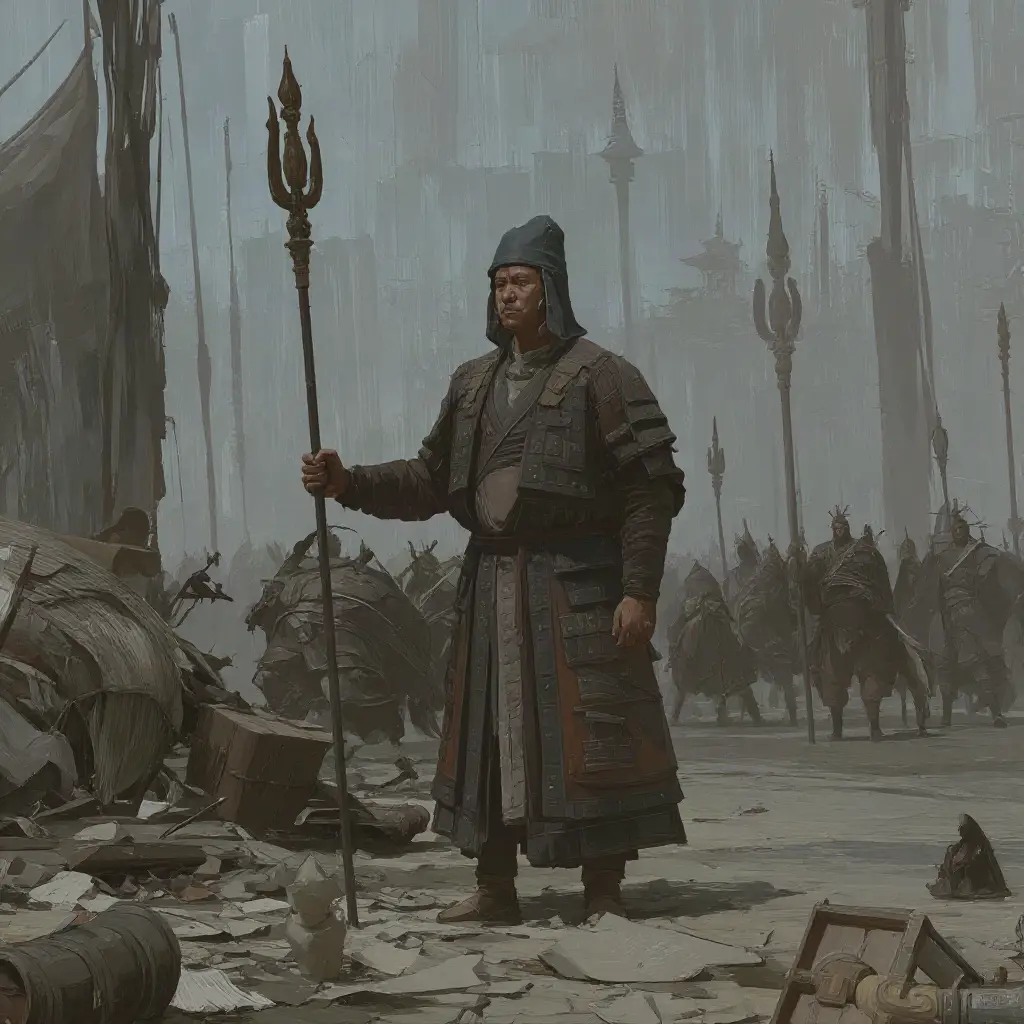
The Mongols in Vietnam
The Mongols invaded Vietnam three times between 1257 and 1288, and were defeated each time by clever tactics and fierce resistance.
The Elephant-Killers
Frequently Asked Questions
Why did the Mongols first invade Đại Việt (Vietnam)?
The first invasion in 1257 was a strategic flanking maneuver. The Mongols intended to attack China's Song Dynasty from the south, and Đại Việt lay on the route.
How did the Vietnamese defeat the much larger Mongol fleet at the Battle of Bạch Đằng River?
General Trần Hưng Đạo ordered thousands of iron-tipped stakes to be planted in the riverbed. A small Vietnamese fleet lured the Mongol ships into the area at high tide, and as the tide went out, the Mongol fleet was trapped and destroyed on the stakes.
Who was Trần Hưng Đạo?
Trần Hưng Đạo was the commander-in-chief of Đại Việt's armies during the second and third Mongol invasions. He is celebrated in Vietnam as a national hero for his strategic genius and inspirational leadership.
Learn more
To continue the story, download the Chunks Microlearning app
Or get it straight away:
 Download on iOS
 Download on Android