
In the early 1840s, surgery was a spectacle of speed and horror. At University College Hospital in London, Robert Liston was celebrated as "the fastest knife in the West End." He could amputate a leg in under two and a half minutes, a necessary skill when patients were conscious and held down by assistants. Surgeons often wore blood-stiffened frock coats as a mark of experience, and operating theaters were built with galleries for an audience of students. Patients were given a leather strap to bite on or alcohol to dull the agony of the knife and saw. Many people chose to die from their illness rather than endure the deliberate torture of the surgical table. The only mercy a surgeon could offer was speed.
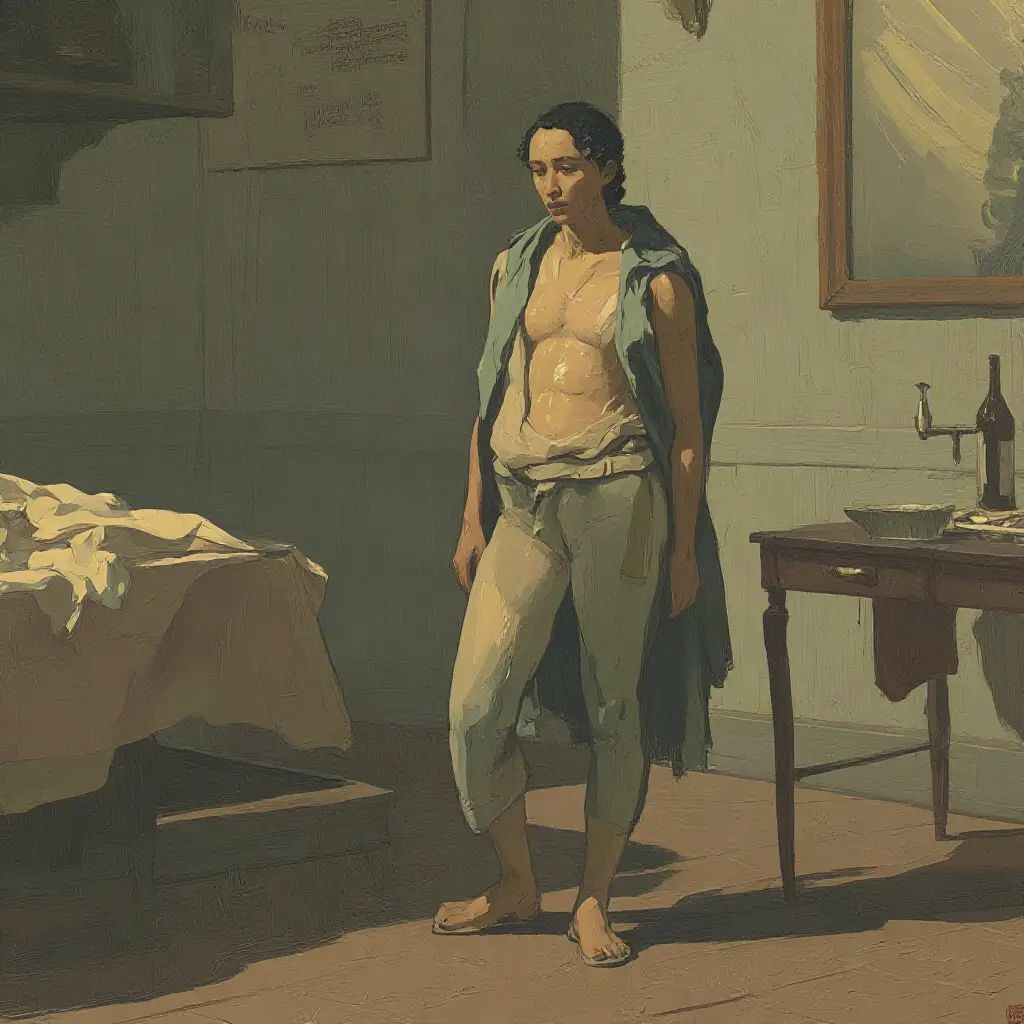
The First Anaesthetic
The story of October 16, 1846, when dentist William Morton first publicly demonstrated ether and ended the agony of surgery.
Chapter 1
The Fastest Knife in the West End
0:50
Frequently Asked Questions
What was surgery like before anesthesia?
Before the mid-19th century, patients were fully conscious during surgery. Success depended on the surgeon's speed, like Robert Liston who could amputate a leg in under 3 minutes, while patients were physically restrained.
Who really discovered anesthesia?
William Morton is credited with the first successful public demonstration in 1846. However, Horace Wells had previously attempted it with nitrous oxide, and chemist Charles Jackson claimed he gave Morton the idea, leading to a bitter dispute.
How quickly did anesthesia spread after the first demonstration?
Incredibly fast. Within weeks, the news crossed the Atlantic. A landmark surgery using ether in Europe was performed in London by Robert Liston on December 21, 1846, just over two months after Morton's Boston demonstration.
Learn more
To continue the story, download the Chunks Microlearning app
Or get it straight away:
 Download on iOS
 Download on Android