
Learn Stoicism in Minutes
Explore the philosophy of Marcus Aurelius, Seneca, and Epictetus through bite-sized chapters on Chunks — free to download on iOS and Android.
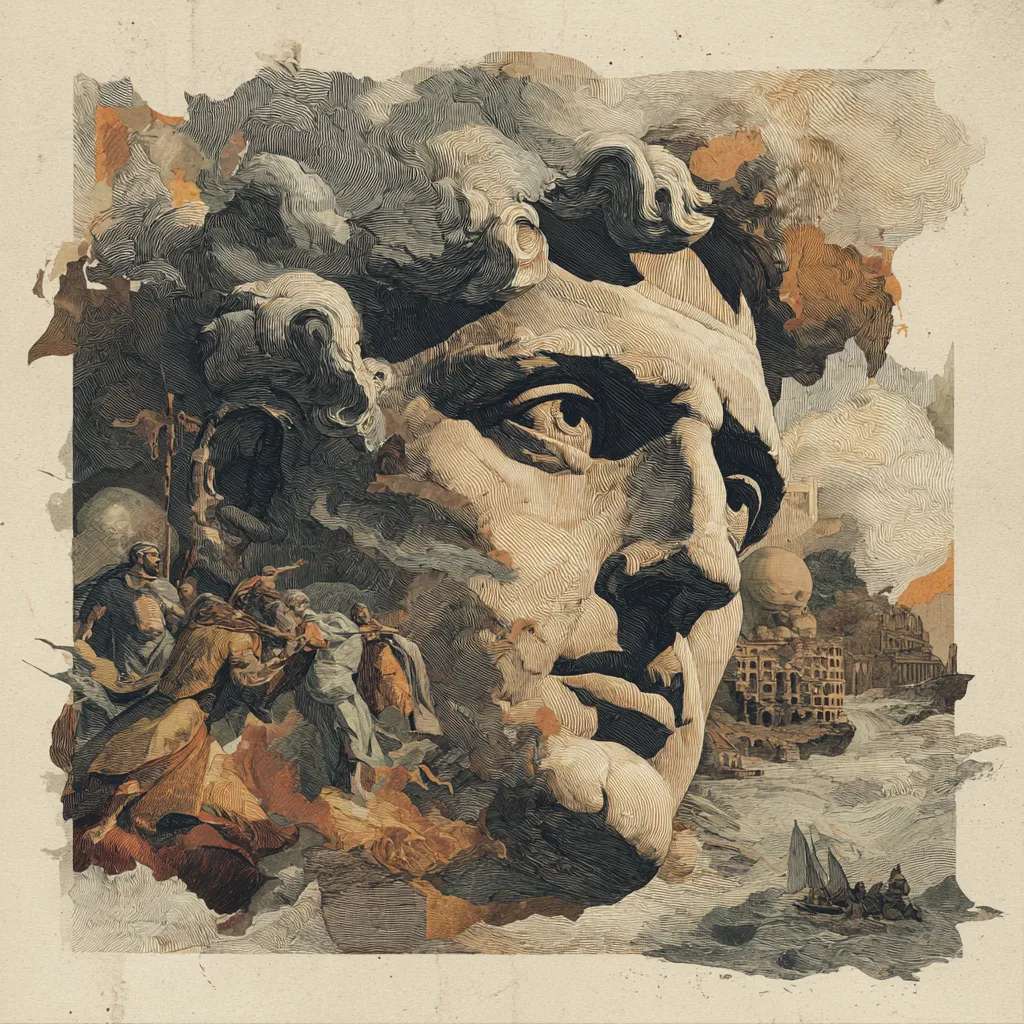
What Is Stoicism?
Stoicism is an ancient Greek philosophy founded by Zeno of Citium around 300 BC in Athens. At its core, it teaches that we cannot control external events but we can control how we respond to them. The Stoics believed that virtue — wisdom, courage, justice, and self-discipline — is the highest good, and that a good life comes from living according to reason and nature rather than being driven by emotions, desires, or fear.
It is one of the most practical philosophical systems ever developed. Unlike many schools of thought that remain purely theoretical, Stoicism was designed to be lived. Its founders and greatest practitioners tested their ideas against real hardship — exile, slavery, political turmoil, and the weight of imperial power — and found that Stoic principles held firm. That practicality is precisely why Stoicism continues to resonate more than two thousand years after it was first taught in the painted porch of the Athenian agora.
The Great Stoic Thinkers: Marcus Aurelius, Seneca, and Epictetus
Marcus Aurelius was a Roman emperor who wrote Meditations, a private journal of Stoic reflections that was never meant to be published — now one of the most widely read philosophy books in history. Seneca was a statesman, dramatist, and adviser to Emperor Nero whose Letters to Lucilius offer timeless advice on managing anger, grief, and the shortness of life. Epictetus was born a slave and became one of the most influential philosophy teachers in Rome; his Discourses and Enchiridion distil Stoicism into practical rules for daily life.
What unites them is that they all practised philosophy as a way of living, not just thinking. Marcus Aurelius ruled an empire while reminding himself each morning that he would encounter difficult people. Seneca wrote about the value of poverty while navigating the treacherous politics of Nero’s court. Epictetus taught from direct experience of suffering and powerlessness. Their writings endure because they were forged in real life, not in ivory towers.
Core Principles of Stoic Philosophy
The foundation of Stoicism is the dichotomy of control: focus only on what you can influence and accept everything else with equanimity. Built on this are the four cardinal virtues — wisdom (seeing things clearly), courage (acting rightly despite fear), justice (treating others fairly), and temperance (exercising self-restraint). The Stoics also practised negative visualisation, deliberately imagining loss in order to appreciate what they had, and embraced amor fati — loving one’s fate, including hardship, as necessary and meaningful.
Two other ideas are central. Memento mori — remembering that death is inevitable — was not morbid but motivational, a reminder to live fully today rather than postpone what matters. The “view from above” invited Stoics to zoom out and see their problems from a cosmic perspective, reducing anxiety and self-importance. These are not abstract concepts — they are daily practices the Stoics used to build resilience, reduce anxiety, and make better decisions.
Why Stoicism Is More Popular Than Ever
Stoicism has experienced a massive revival. Silicon Valley executives, professional athletes, military leaders, and therapists have all embraced Stoic principles. Cognitive behavioural therapy (CBT), the most evidence-based form of psychotherapy, was directly inspired by Stoic techniques. Books like Ryan Holiday’s The Obstacle Is the Way and Massimo Pigliucci’s How to Be a Stoic have brought the philosophy to millions. In an age of information overload and constant distraction, Stoicism offers something rare: a practical framework for staying calm, focused, and grounded.
Chunks makes Stoicism accessible by breaking the philosophy into short chapters you can read or listen to in minutes. Every story is editorially reviewed for accuracy and written in a clear, narrative style that brings ancient ideas to life — from Marcus Aurelius’s battlefield reflections to Epictetus’s lessons on freedom. Professional audio narration with synchronised text means you can learn during a commute, a break, or before bed.
Why Chunks Covers Stoicism
- Stories
- 1+Stories
- Core Stoics Covered
- 3Core Stoics Covered
- Min per Chapter
- 5–10Min per Chapter
Each Chunks story on Stoicism connects ancient Stoic principles to their modern applications in cognitive behavioural therapy, leadership, and daily resilience. Featured thinkers include Marcus Aurelius, Seneca, and Epictetus — the three pillars of late Stoic philosophy.
Chunks covers Stoicism not as abstract theory but as a lived philosophy — tracing how a Roman emperor, a political adviser, and a former slave each applied the same principles under radically different circumstances. Every story averages 2–4 hours of human research and editorial review, connecting 2,300 years of Stoic thought to the way people actually use it today.

From the blog
- What Is Stoicism? A Practical Guide for Modern LifeThe origins, core principles, and modern applications of Stoic philosophy.
- Philosophy for Beginners: Where to StartA broader guide to philosophy covering Stoicism, ethics, existentialism, and more.
Frequently asked questions
What is Stoicism in simple terms?
Stoicism is a philosophy that teaches you to focus on what you can control and let go of what you cannot. It was founded in ancient Greece around 300 BC and emphasises virtue, rational thinking, and emotional resilience as the keys to a good life.
Who are the most famous Stoics?
The three most influential Stoic thinkers are Marcus Aurelius (Roman emperor, author of Meditations), Seneca (statesman and essayist), and Epictetus (former slave turned philosophy teacher). Earlier Stoics include the founder Zeno of Citium and Chrysippus, who systematised much of Stoic logic.
What are the main principles of Stoicism?
The core principles include: the dichotomy of control (distinguish what is up to you from what is not), the four cardinal virtues (wisdom, courage, justice, temperance), living according to nature and reason, negative visualisation, amor fati (embracing your fate), and memento mori (awareness of mortality as motivation to live well).
Is Stoicism a religion?
No. Stoicism is a philosophy, not a religion. While the ancient Stoics believed in a rational, ordered cosmos (sometimes called logos or providence), modern Stoicism is practised by people of all faiths and none. It is compatible with most religious and secular worldviews because it focuses on ethics and practical behaviour rather than worship or metaphysics.
What is the best way to learn Stoicism?
Start with the ideas and stories of the key thinkers rather than dense academic texts. Apps like Chunks cover Stoicism in short, narrative-driven chapters with audio narration. For deeper reading, Marcus Aurelius’s Meditations (the Gregory Hays translation) and Epictetus’s Enchiridion are the essential primary texts.
Is Chunks free to download?
Yes. Chunks is free on iOS and Android with access to starter content. Full library access covering Stoicism, philosophy, history, science, and more is available via monthly or annual subscription.
Download Chunks to explore Stoicism and hundreds more stories
 Download on iOS
 Download on Android