
In the bustling shipyards of Belfast, Ireland, something extraordinary was taking shape. The year was 1911, and the Harland and Wolff shipyard was alive with the sounds of hammering, riveting, and the dreams of thousands of workers. They were building not just any ship, but what would become known as the Ship of Dreams - the RMS Titanic. At 882 feet long and weighing over 46,000 tons, she was designed to be the largest and most luxurious passenger liner ever built. Her creators boasted that she was practically unsinkable, with 16 watertight compartments and the most advanced safety features of the time. The Titanic represented the pinnacle of human engineering and the promise of a new age of ocean travel. From her grand staircase adorned with a glass dome to her à la carte restaurant serving the finest cuisine, every detail spoke of opulence and sophistication. First-class passengers would enjoy amenities rivaling the finest hotels - a gymnasium, swimming pool, Turkish bath, and even a squash court. The ship was divided into three classes, each reflecting the rigid social hierarchy of Edwardian society, yet all passengers shared in the excitement of being aboard this magnificent vessel that promised to revolutionize transatlantic travel.
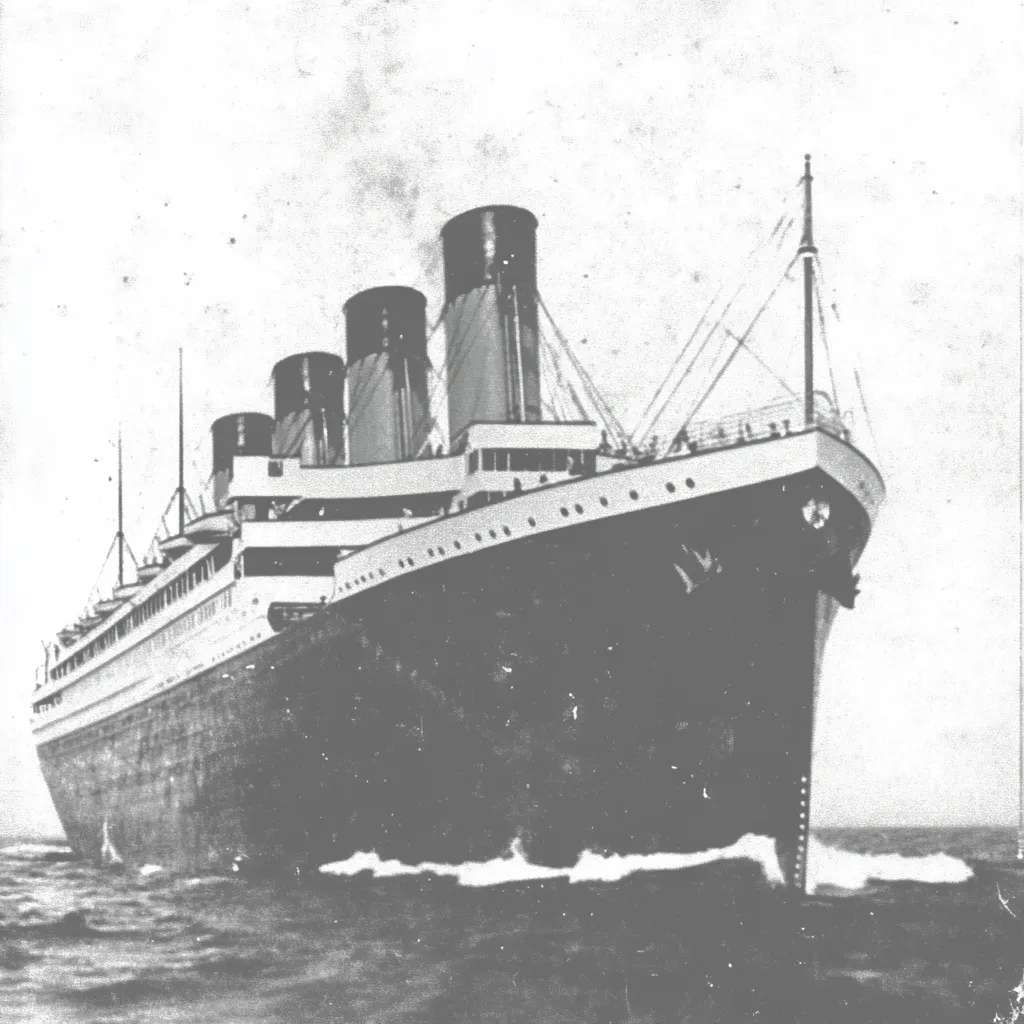
The Titanic
The tragic tale of the world's most famous ship - from its magnificent launch to its heartbreaking end in the icy Atlantic waters.
The Ship of Dreams
Frequently Asked Questions
What made the Titanic so famous before it even sailed?
The Titanic was marketed as the largest and most luxurious passenger ship ever built, earning the nickname 'unsinkable' due to its advanced safety features including watertight compartments. The ship represented the pinnacle of early 20th century engineering and luxury travel, with opulent first-class accommodations that rivaled the finest hotels of the era.
How many ice warnings did the Titanic receive before hitting the iceberg?
The Titanic received at least six ice warnings on April 14, 1912, from other ships in the area reporting dangerous ice fields ahead. These warnings were not properly communicated to the bridge crew or Captain Smith, and the ship maintained its high speed despite the known ice hazard. The final warning from the nearby ship Californian was never delivered to the bridge.
What were the main design flaws that caused the Titanic to sink so quickly?
The Titanic's watertight bulkheads did not extend high enough above the waterline, allowing water to spill from one compartment to the next as the ship tilted forward. The rivets used in construction were of varying quality, with some made of inferior iron that may have failed upon impact. The ship was designed to survive flooding in up to four compartments, but the iceberg damage affected at least five.
Learn more
To continue the story, download the Chunks Microlearning app
 Download on iOS
 Download on Android