
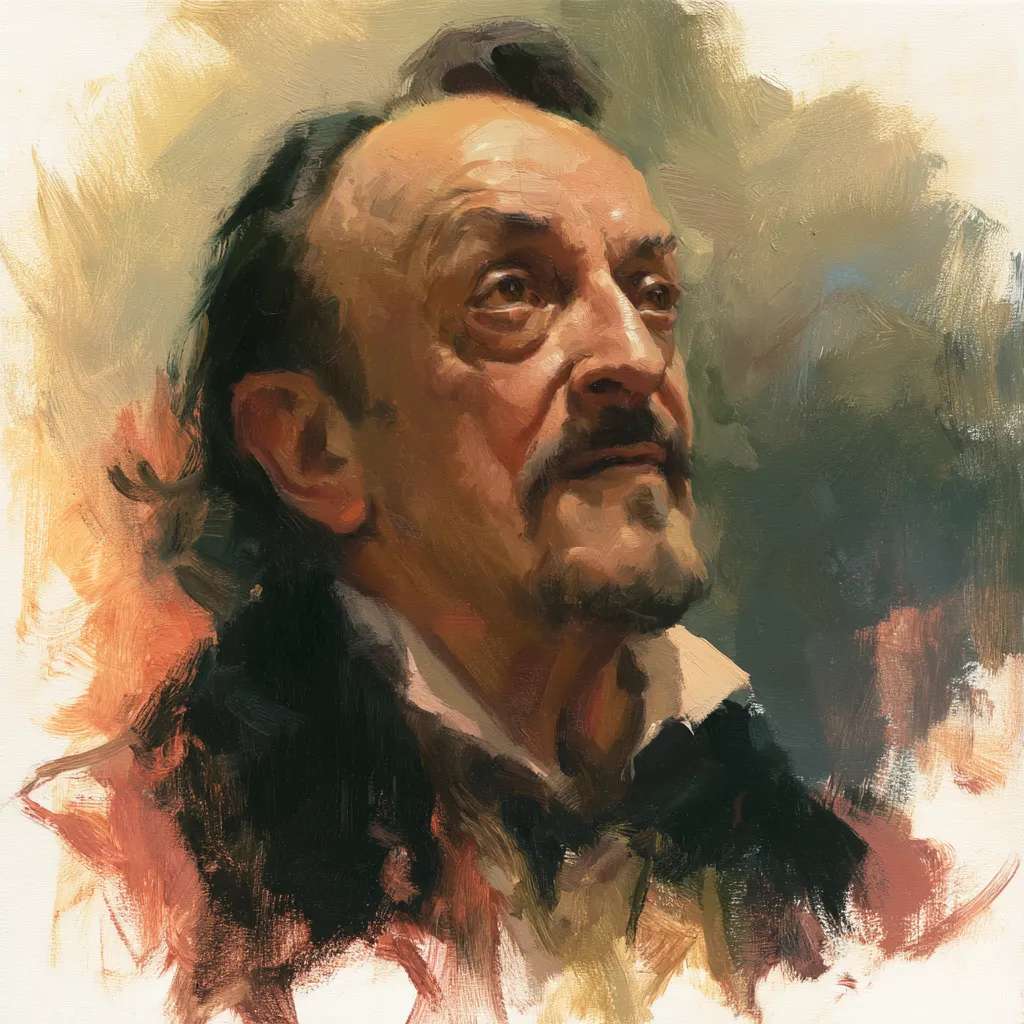
Who was Philip Zimbardo?
Philip Zimbardo (March 23, 1933 – October 14, 2024) was an American social psychologist and Stanford University professor best known for the 1971 Stanford Prison Experiment, in which randomly assigned student volunteers took on prisoner or guard roles in a mock prison. The study, later criticized for methodological flaws including Zimbardo's own influence on results, explored how situational forces shape human behavior.
American psychologist who conducted the Stanford Prison Experiment, revealing how social roles and institutional power can corrupt behavior.
Don't stop at the facts — continue Philip Zimbardo's story in free narrated chapters on Chunks.
Or get it straight away:
 Download on iOS
 Download on Android
Quick facts
- Born
- 23 March 1933
- Birthplace
- New York City
- Died
- 14 October 2024
- Place of death
- San Francisco
- Nationality
- United States
- Occupation
- Social psychologist, university teacher, non-fiction writer
Philip Zimbardo: key facts
- Philip Zimbardo was born on March 23, 1933, in New York City to a second-generation Sicilian-American immigrant family and grew up poor on welfare in the South Bronx.
- Zimbardo earned his B.A. summa cum laude from Brooklyn College in 1954 with a triple major in psychology, sociology, and anthropology, then completed his Ph.D. at Yale University in 1959.
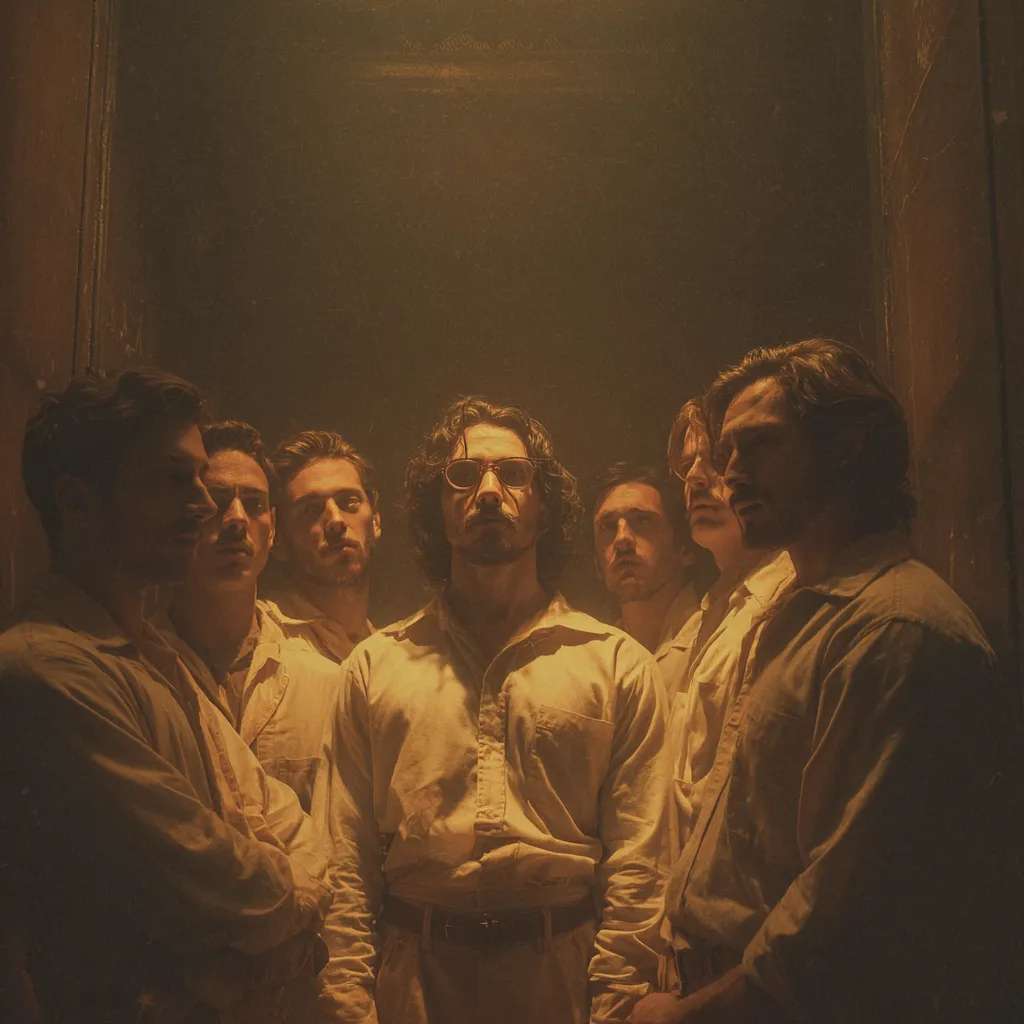
- In 1971, Zimbardo conducted the Stanford Prison Experiment, randomly assigning 24 male college students to roles of prisoners or guards in a mock prison in Stanford's psychology building.
- Critics, including Thibault Le Texier, later examined the experiment's archives and argued that guards were given explicit instructions on how to behave rather than acting spontaneously, casting doubt on the study's conclusions.
- In 2004, Zimbardo testified for the defense at the court martial of Abu Ghraib guard Sgt. Ivan Frederick, arguing that situational pressures rather than individual character explained the abuse; the judge gave Frederick the maximum 8-year sentence.
- Zimbardo founded the Stanford Shyness Clinic in 1975 in Menlo Park, California, offering one of the earliest systematic treatment programs for shyness in adults and children.
- Zimbardo died at home in San Francisco on October 14, 2024, at age 91, survived by his wife Christina Maslach and their children.
From the South Bronx to Stanford: Zimbardo's Formation
Philip George Zimbardo was born on March 23, 1933, in New York City, into a second-generation Sicilian-American immigrant family. He grew up poor on welfare in the South Bronx, where he encountered discrimination both for his ethnicity and his economic circumstances. He later credited those early experiences with igniting his curiosity about why people behave the way they do toward one another.
A childhood illness forced a lengthy stay at the Willard Parker Hospital, a facility for children with contagious diseases, where he learned to read. He attended New York Public School 52 and graduated from James Monroe High School, becoming the first in his family to pursue a college degree. In 1954 he earned a Bachelor of Arts from Brooklyn College, graduating summa cum laude with a triple major in psychology, sociology, and anthropology. He then completed a master's degree in 1955 and a doctorate in 1959, both in psychology at Yale University, where Neal E. Miller served as his advisor.
After teaching briefly at Yale, Zimbardo joined the faculty at New York University in 1960 and later taught at Columbia University before arriving at Stanford University in 1968, where he would spend fifty years. His activism was visible from the start: at NYU he organized teach-ins on civil rights and racial justice, and he led a walkout at a graduation ceremony to protest the award of an honorary degree to Secretary of Defense Robert McNamara over his role in escalating the Vietnam War.
The 1971 Stanford Prison Experiment: What Actually Happened
Funded by a grant from the U.S. Office of Naval Research, Zimbardo and his team in 1971 selected 24 male college students from a pool of 75 applicants, screened them for mental health, and randomly assigned them to play either prisoners or guards in a mock prison built in the basement of Stanford's psychology building. Cells measured six by nine feet and contained nothing but a cot. Zimbardo himself took on the role of prison superintendent.
Guards were instructed to dominate prisoners through means other than physical violence, including sleep deprivation and solitary confinement. As the study progressed, some guards escalated their tactics — confiscating cots, forcing prisoners to sleep on the floor, and denying them permission to empty toilet buckets. Neither the other guards nor Zimbardo intervened. One prisoner staged a hunger strike; rather than treating him as a rebel hero, fellow prisoners chanted that he was a troublemaker. Less than two days in, another prisoner faked a psychological breakdown to be released early, and was replaced by an alternate.
The study was cut short when Christina Maslach, Zimbardo's girlfriend at the time and a newly credentialed psychologist, confronted him with what she observed during a visit. Zimbardo acknowledged that he had himself become absorbed in the role of superintendent and lost perspective on the reality of what was unfolding. He and Maslach married the following year, in 1972.
Contested Science: Criticisms of the Prison Experiment
Ethical objections to the study frequently placed it alongside the 1961 Milgram obedience experiments conducted at Yale by Stanley Milgram, who had been a high school friend of Zimbardo's. More pointed methodological criticisms emerged later, when Thibault Le Texier of the University of Nice examined the experiment's archives — videos, audio recordings, and Zimbardo's own handwritten notes. Le Texier concluded that guards had been given clear instructions about the results the experiment was meant to produce, and that experimenters intervened directly to steer participants' behavior rather than simply observing it.
Historian Rutger Bregman, in his 2020 book Humankind, argued that the experiment is routinely cited to demonstrate how readily people embrace evil, while obscuring the extent to which Zimbardo actively directed the guards to act as they did. A subsequent review by the American Psychological Association reached a similar conclusion: that the guards' behavior was substantially generated by Zimbardo's instruction rather than arising spontaneously from the situation.
Zimbardo disputed these characterizations, arguing that none of the criticisms undermined the experiment's central lesson — that situational and systemic forces can shape individual behavior in ways people rarely anticipate or recognize. He maintained that the study was never meant to claim that prisoners and guards always behave this way, but rather to serve as a warning about the power of social roles and external pressures.
Abu Ghraib, The Lucifer Effect, and the Psychology of Evil
When photographs from the Abu Ghraib detention center in Iraq became public, Zimbardo saw a direct parallel to the dynamics he had observed in 1971. The U.S. military's official position, endorsed by the Chairman of the Joint Chiefs of Staff, attributed the abuse to a few rogue soldiers. Zimbardo rejected this individual "bad apple" explanation, arguing instead that the situation itself — the "bad barrel" — had shaped the soldiers' conduct. In 2004 he testified for the defense at the court martial of Sergeant Ivan Frederick, a guard at Abu Ghraib, arguing that mitigating situational circumstances should reduce Frederick's sentence. The judge gave Frederick the maximum eight-year sentence.
Zimbardo drew on that experience to write The Lucifer Effect: Understanding How Good People Turn Evil, published in 2007. The book won the William James Book Award in psychology and appeared on the New York Times nonfiction bestseller list. In it, Zimbardo identified several social processes he argued grease what he called the slippery slope of evil, among them the dehumanization of others, diffusion of personal responsibility, blind obedience to authority, and passive tolerance of wrongdoing through inaction.
Shyness Research, Time Perspective, and the Heroic Imagination Project
Following the prison study, Zimbardo turned toward research he hoped would be directly useful to people. In 1972 he launched a systematic investigation into shyness, conducting large-scale surveys and cross-cultural research at Stanford. In 1975 the team opened the Stanford Shyness Clinic in Menlo Park, California, with Lynne Henderson heading the program. His findings reached a broad audience through two bestselling books: Shyness: What It Is, What To Do About It, and The Shy Child, co-authored with Shirley Radl.
In 2008, Zimbardo published The Time Paradox with John Boyd, presenting the Zimbardo Time Perspective Inventory, a tool for measuring how individuals orient themselves toward the past, present, and future, and arguing that this orientation shapes behavior in profound ways. He subsequently collaborated with Richard Sword to develop Time Perspective Therapy, a clinical application of the theory aimed in part at treating post-traumatic stress disorder.
In the final decades of his career Zimbardo focused on what he called the psychology of heroism. He founded the Heroic Imagination Project, a nonprofit organization that has run educational programs in the United States and in countries including Hungary, Poland, Indonesia, Portugal, and Italy, teaching people to resist bullying, the bystander effect, and negative conformity. The concept underpinning the project — what Zimbardo and colleague Zeno Franco termed the "banality of heroism" — held that ordinary people are capable of heroic action when equipped with the right understanding of how social pressures work. Zimbardo died at his home in San Francisco on October 14, 2024, at the age of 91, with his wife Christina and their children present.
Philip Zimbardo: timeline
- 1933Born in New York City to a second-generation Sicilian-American family, growing up poor in the South Bronx.
- 1954Graduated summa cum laude from Brooklyn College with a triple major in psychology, sociology, and anthropology.
- 1959Earned his Ph.D. in psychology from Yale University under advisor Neal E. Miller and began teaching there.
- 1968Joined the faculty at Stanford University, where he would teach for 50 years.
- 1971Conducted the Stanford Prison Experiment, a study of mock prison roles that was halted early after guards adopted abusive behavior toward prisoners.
- 1975Founded the Stanford Shyness Clinic in Menlo Park, California, offering one of the earliest comprehensive treatment programs for shyness.
- 2002Served as president of the American Psychological Association and received the Carl Sagan Award for Public Understanding of Science.
- 2007Delivered his final Stanford lecture, 'Exploring Human Nature,' marking 50 years of teaching psychology.
- 2007Published The Lucifer Effect, drawing on the Stanford Prison Experiment and his Abu Ghraib testimony to argue that situations drive ordinary people toward harmful acts.
- 2010Founded the Heroic Imagination Project, a non-profit dedicated to training people to resist bullying, bystander behavior, and negative conformity.
- 2024Died at home in San Francisco at age 91, survived by his wife Christina Maslach and their children.
Listen: stories featuring Philip Zimbardo
Narrated chapters from the Chunks Microlearning app. Read a preview here, or listen to the full story in the app.
Continue Philip Zimbardo's story
You've read the summary — hear the full story as narrated 5-minute chapters on Chunks, alongside 200+ figures and events from history, philosophy and science. Free to start on iOS and Android.