
Science & Nature
Learn how the universe works, from physics and biology to ecosystems and sustainability.
Some of the stories included
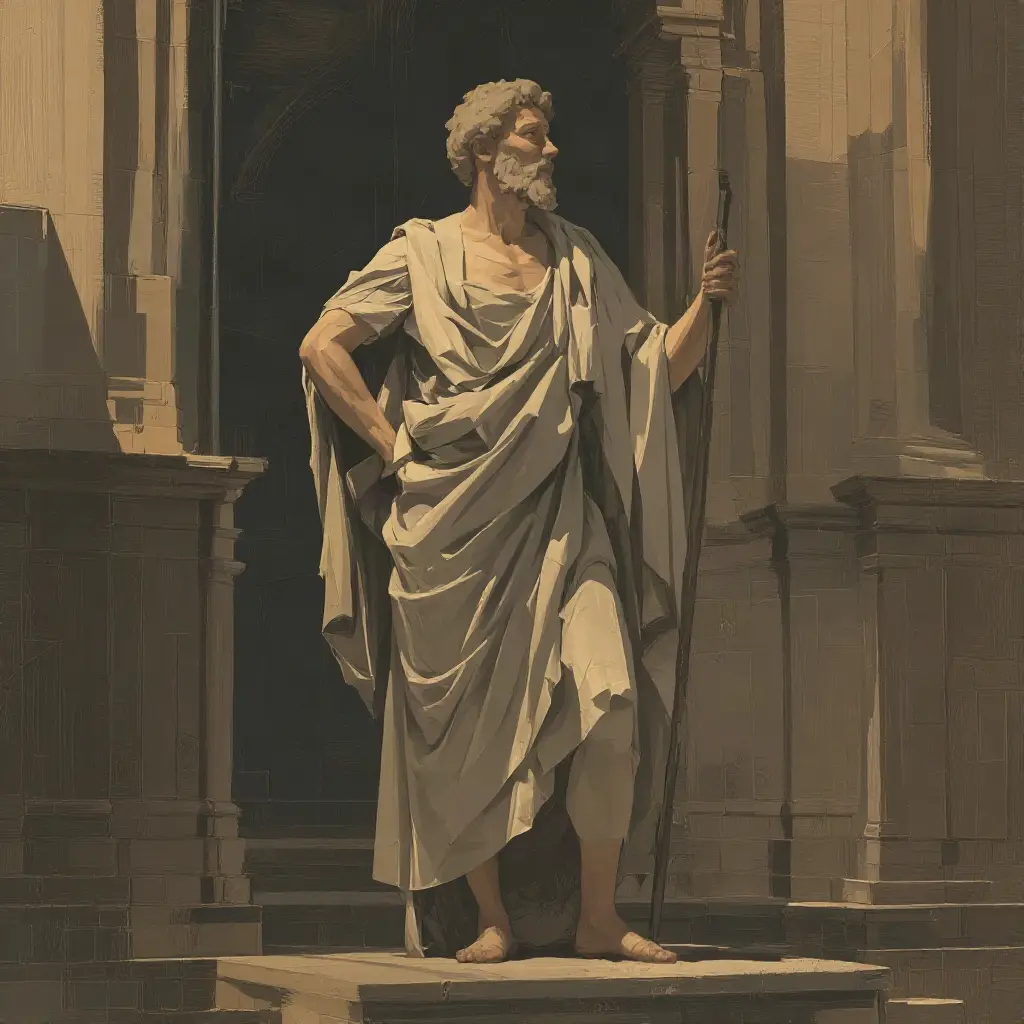 ArchimedesDiscover how Archimedes moved ships with pulleys, calculated pi with 96-sided shapes, and defended Syracuse.
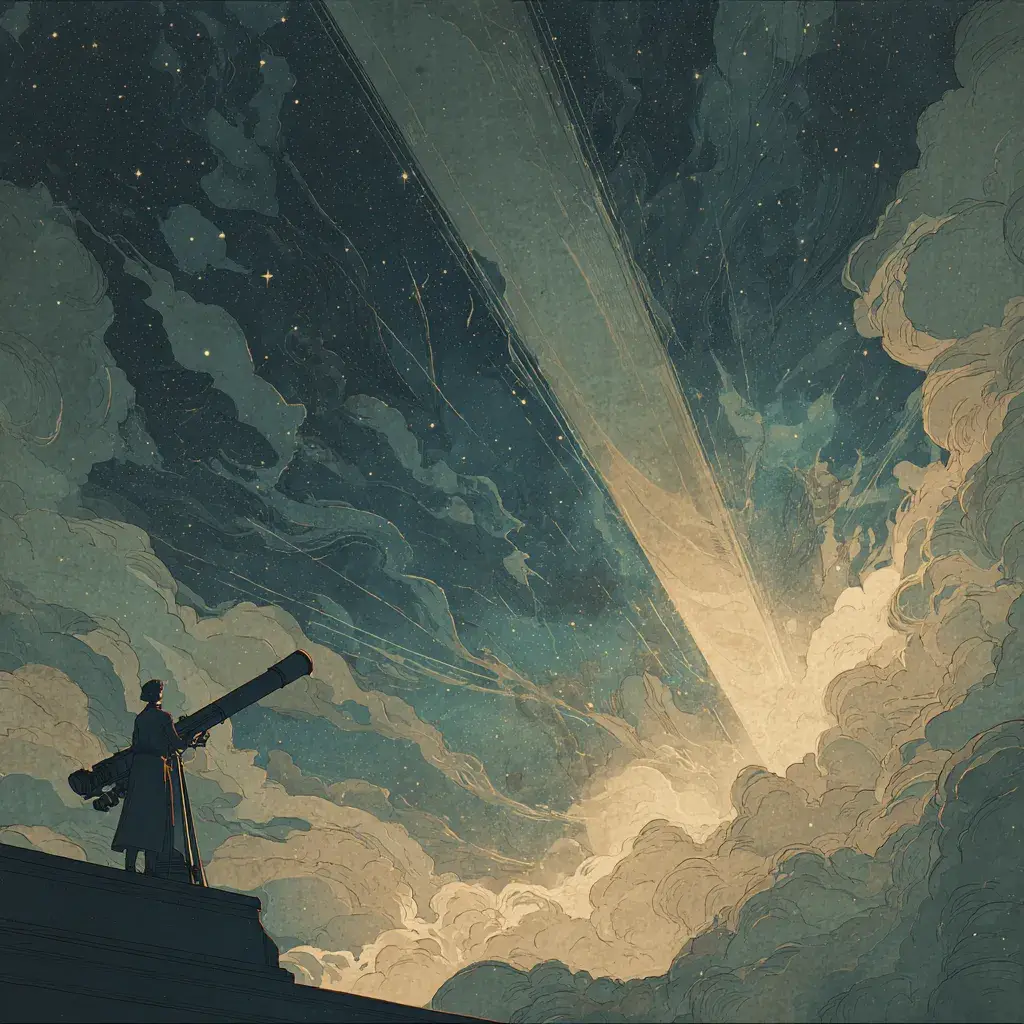 Henrietta Leavitt's Cosmic YardstickHow a quiet astronomer cataloging stars on photographic plates created a tool that measured the universe and changed astronomy forever.
 The Formation of the Grand CanyonHow the Grand Canyon formed: nearly two billion years of rock, a rising plateau and the Colorado River cutting down through it.
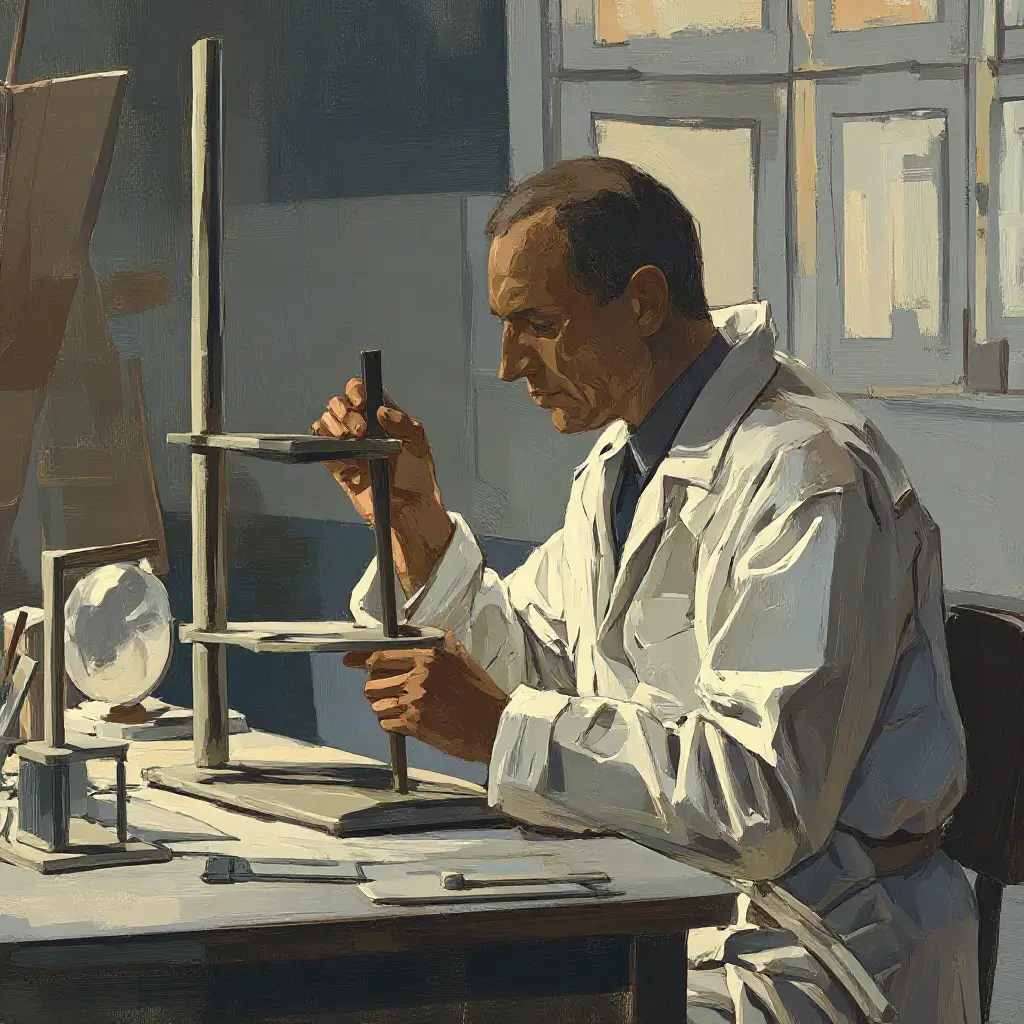 The History of Forensic ScienceHow forensic science learned to identify criminals, from the first reliable arsenic test and Bertillon's body measurements to fingerprinting, blood typing and Alec Jeffreys' discovery of DNA profiling.
 The San Andreas Fault: California's Sleeping GiantThe San Andreas Fault, the boundary where two tectonic plates grind past each other beneath California, and why scientists expect another big earthquake.
 Synesthesia: Tasting Colors, Seeing SoundsThe neurological phenomenon where stimulating one sense triggers another, affecting 1 in 23 people with experiences like seeing sounds as color.
 Frances Kelsey and ThalidomideThe FDA reviewer who refused to approve thalidomide in 1960, preventing a U.S. tragedy and changing drug laws forever.
 Black HolesExplore black holes, from their prediction by Karl Schwarzschild on WWI front lines to the first-ever photo of M87*’s event horizon.
 How Cats Domesticated ThemselvesHow wildcats became house cats, from 12,000-year-old origins in the Fertile Crescent to the truth of their self-domestication.
 The Boxing Day TsunamiHow the December 2004 Sumatra earthquake set off the deadliest tsunami on record, what happened from Aceh to Thailand and Somalia, and the Indian Ocean warning system built afterwards.
 Pavlov's DogsThe true story of Ivan Pavlov, who discovered classical conditioning while conducting Nobel-winning research on digestion.
 The Placebo EffectWhy a sugar pill can ease real pain: discover the science of the placebo effect, from the 1950s to the brain's chemistry.
 El Niño: The Phenomenon That Changes World WeatherHow a periodic warming of the Pacific, first noted by Peruvian fishermen in the 19th century, can trigger global extreme weather events.
 Lost Cities of the AmazonLIDAR found over 6,000 ancient platforms hidden beneath Ecuador's rainforest canopy, revealing a 2,500-year-old urban network.
 The Discovery of DNA’s Double HelixHow Watson and Crick worked out the double-helix structure of DNA in 1953, drawing on Rosalind Franklin's X-ray image Photo 51 and beating Linus Pauling to the answer.
 The Ring of FireThe Pacific Ring of Fire is a 40,000km belt where 90% of earthquakes occur, its mechanism revealed by two giant 1960s quakes.
 Plate TectonicsThe unifying theory of geology explaining how Earth's outer shell is broken into pieces that move at the same rate human fingernails grow.
 HippocratesHippocrates of Cos, the Greek physician who taught that illness has natural causes and whose name is on medicine's most famous oath.
 The Dust BowlIn the 1930s, drought and the over-ploughing of the Great Plains led to huge dust storms, Black Sunday, mass migration west and new federal soil conservation programmes.
 TunguskaThe 1908 explosion over Siberia that flattened 80 million trees and left no crater, inspiring modern planetary defense.
 The History of SurgeryHow surgery went from Stone Age skull drilling to organ transplants: anatomy, anaesthesia, antiseptics, blood groups and the first kidney transplant.
 Isaac Newton and GravityIn 1666, Isaac Newton saw an apple fall and realized the same force holding the Moon in orbit was pulling the object to the ground.
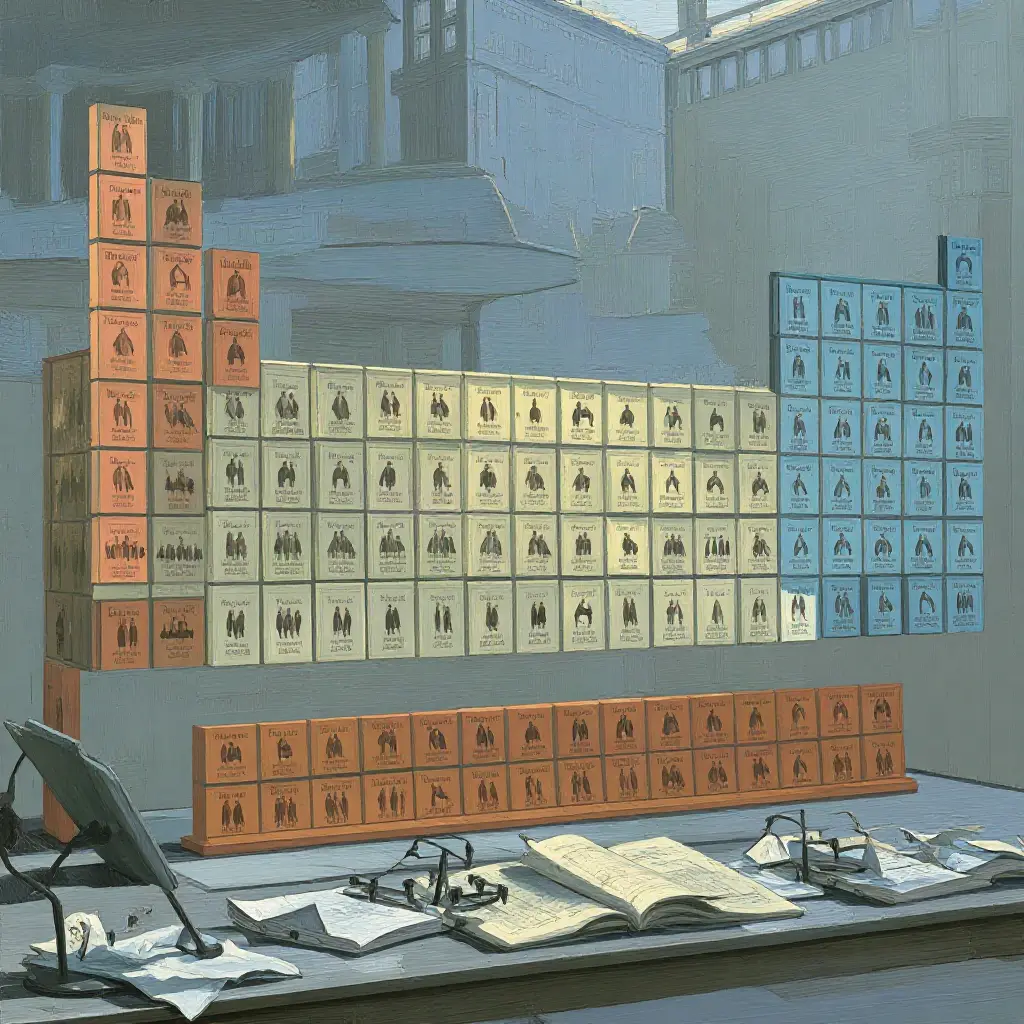 Mendeleev's Periodic TableIn 1869, Dmitri Mendeleev organized the 63 known elements, leaving gaps for new ones he predicted would one day be found.
 The Amazon RainforestThe world's largest rainforest makes its own rain, releasing 20 billion metric tons of water vapor into the atmosphere every single day.
 AphantasiaAphantasia is the inability to form voluntary mental images, first studied in 1880 but only formally named by neurologists in 2015.
 The Many-Worlds InterpretationHow Hugh Everett's 1957 Princeton thesis became the many-worlds interpretation of quantum mechanics, rejected in Copenhagen, revived in 1970, and still one of several competing ways to read the theory.
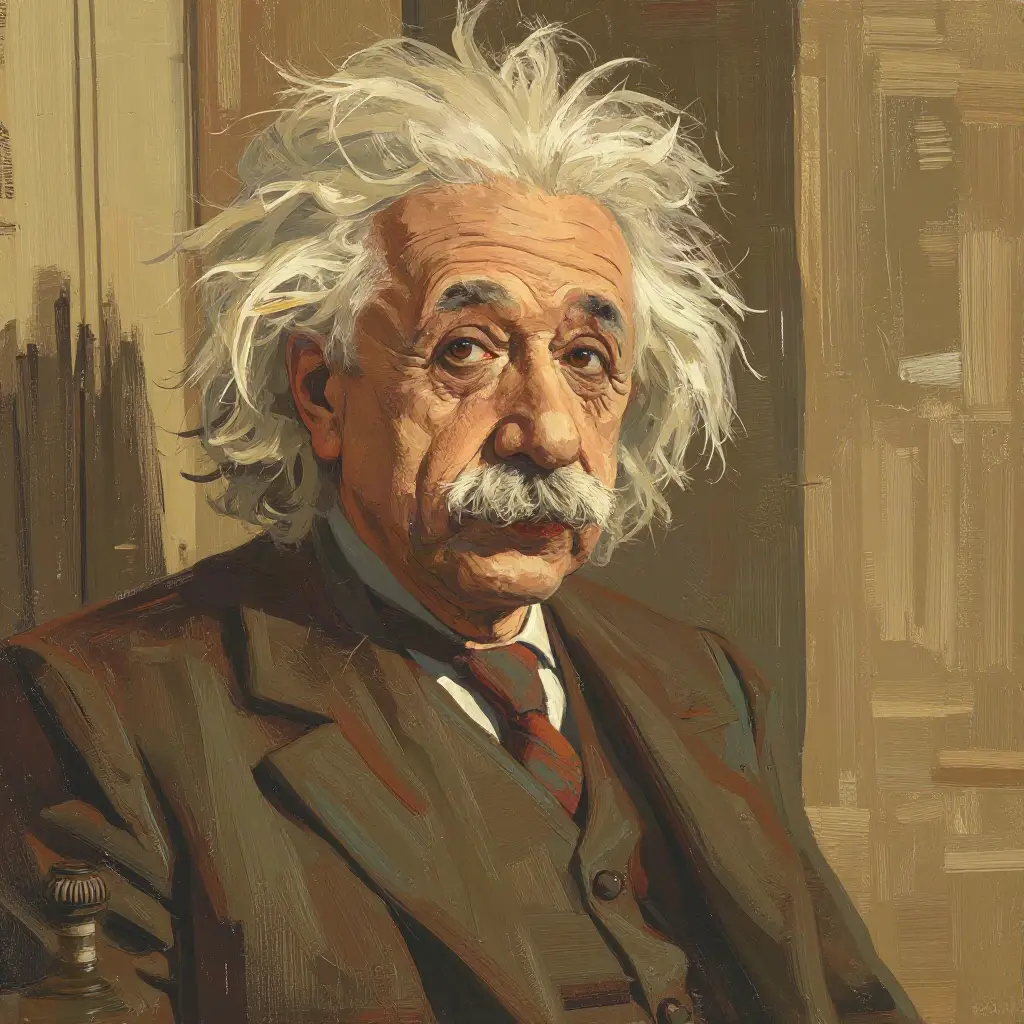 Albert Einstein and RelativityAlbert Einstein's theories of relativity state that the speed of light is constant, which means time and space are relative to the observer.
 Why We SleepScience reveals why we sleep, from the discovery of active brain stages to the nightly clearance of toxic waste from between our brain cells.
 The Discovery of PenicillinHow Alexander Fleming's 1928 mould observation became a usable drug through the Oxford team's work and American mass production, in time for D-Day and the start of the antibiotic era.
 Marie Curie and the Discovery of RadioactivityMarie Curie became the first woman to win a Nobel Prize, and then the first person to win a second in a different scientific field.
 Nikola Tesla and the War of the CurrentsNikola Tesla's AC system battled Edison's DC, a war decided when AC power was sent 42 kilometers from Niagara Falls to Buffalo.
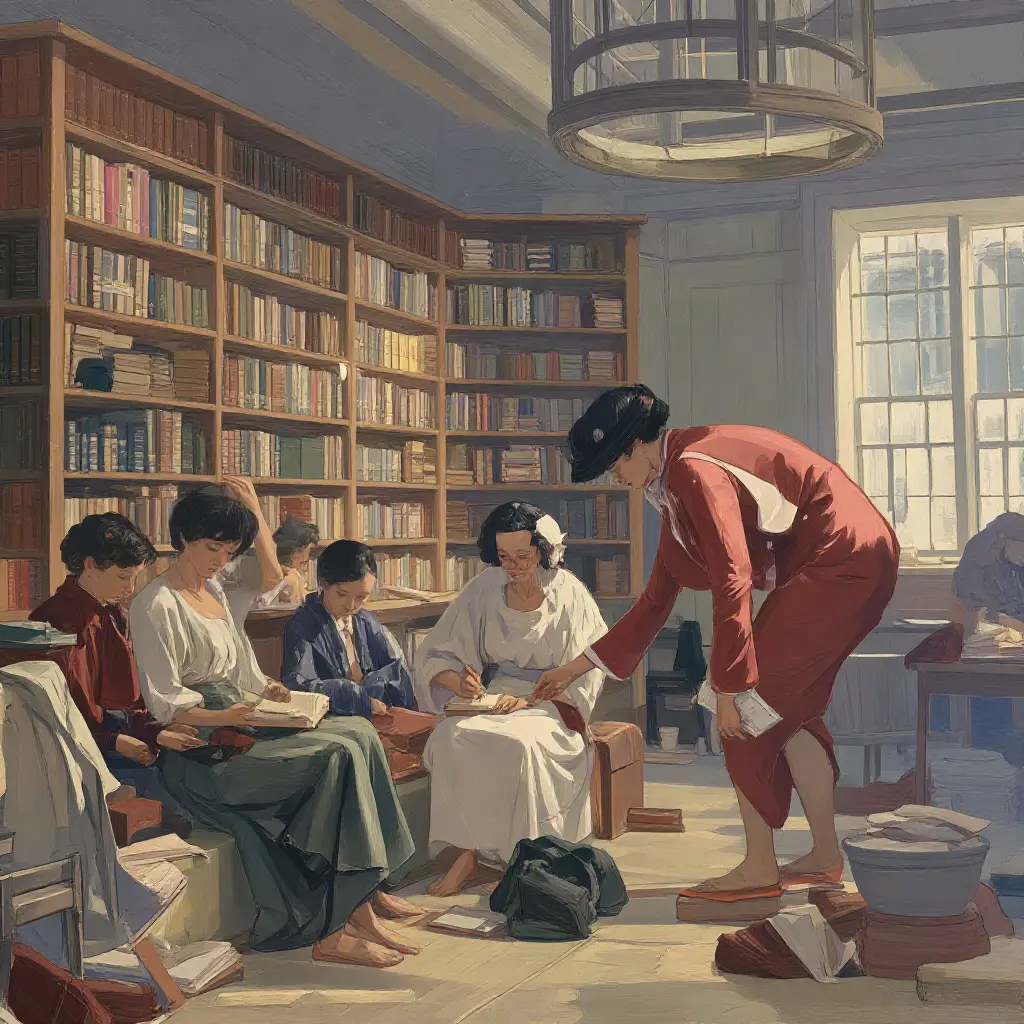 Annie Jump Cannon and the Harvard ComputersAnnie Jump Cannon and the Harvard 'Computers' classified hundreds of thousands of stars, creating a system astronomers still use today.
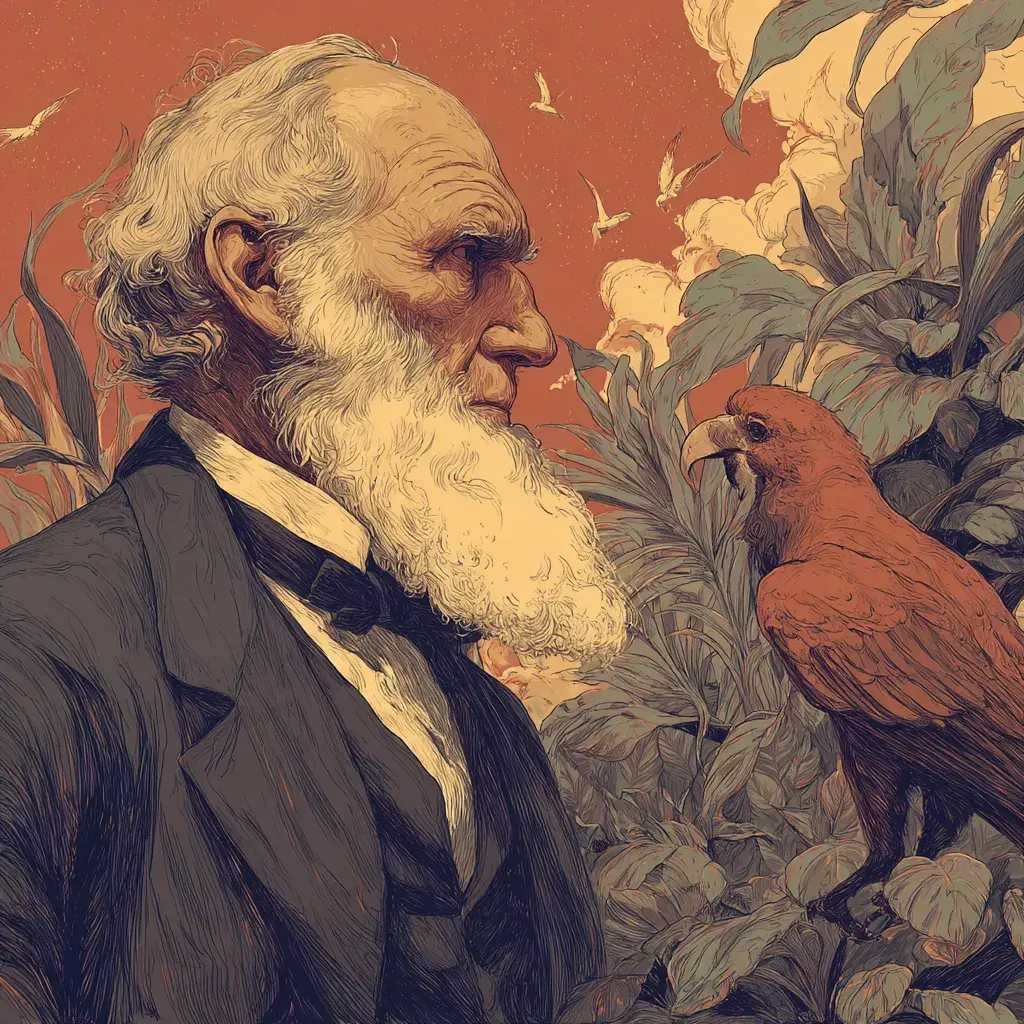 Charles Darwin and the Origin of SpeciesHow Charles Darwin developed his theory of evolution, from a fossil skull in 1832 to the publication of 'On the Origin of Species'.
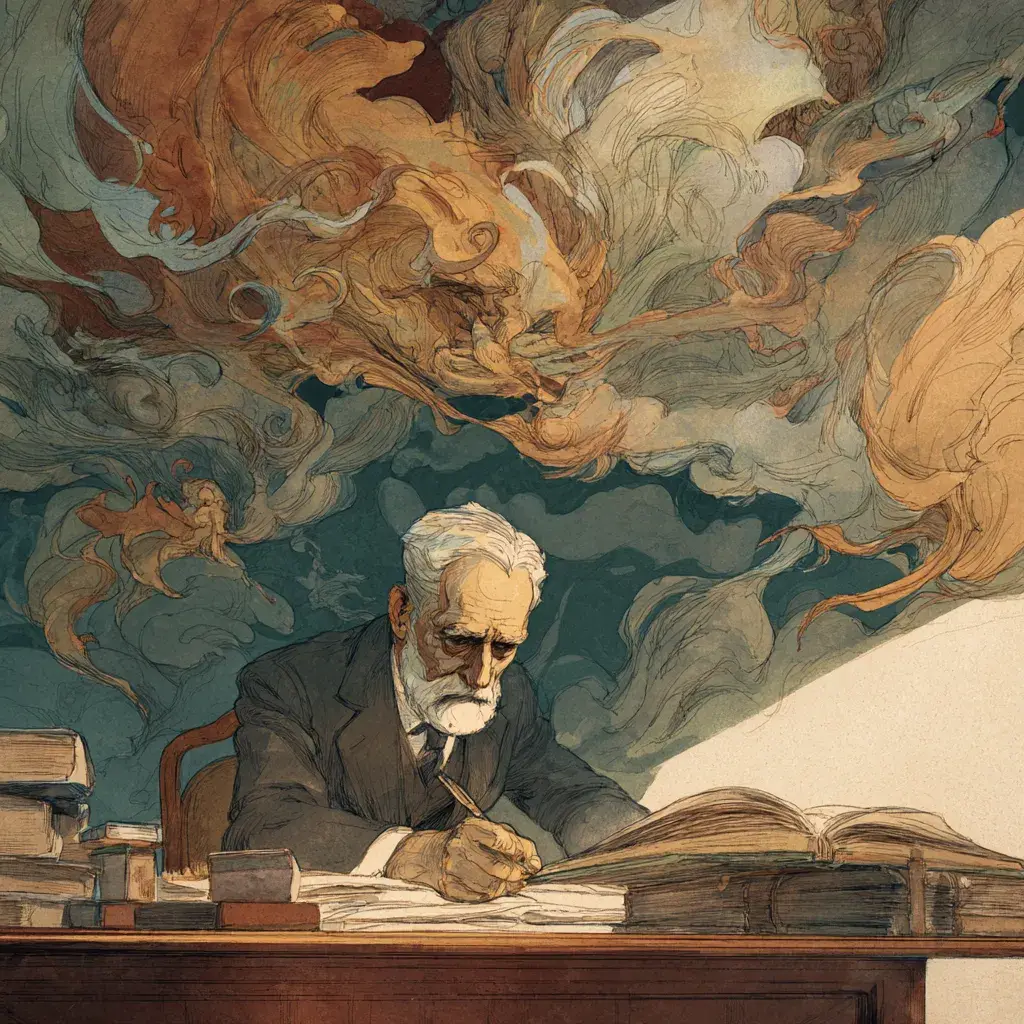 Sigmund Freud: The Man Who Mapped the MindSigmund Freud, the Viennese doctor who invented psychoanalysis, from the 'talking cure' to his flight from the Nazis to London.
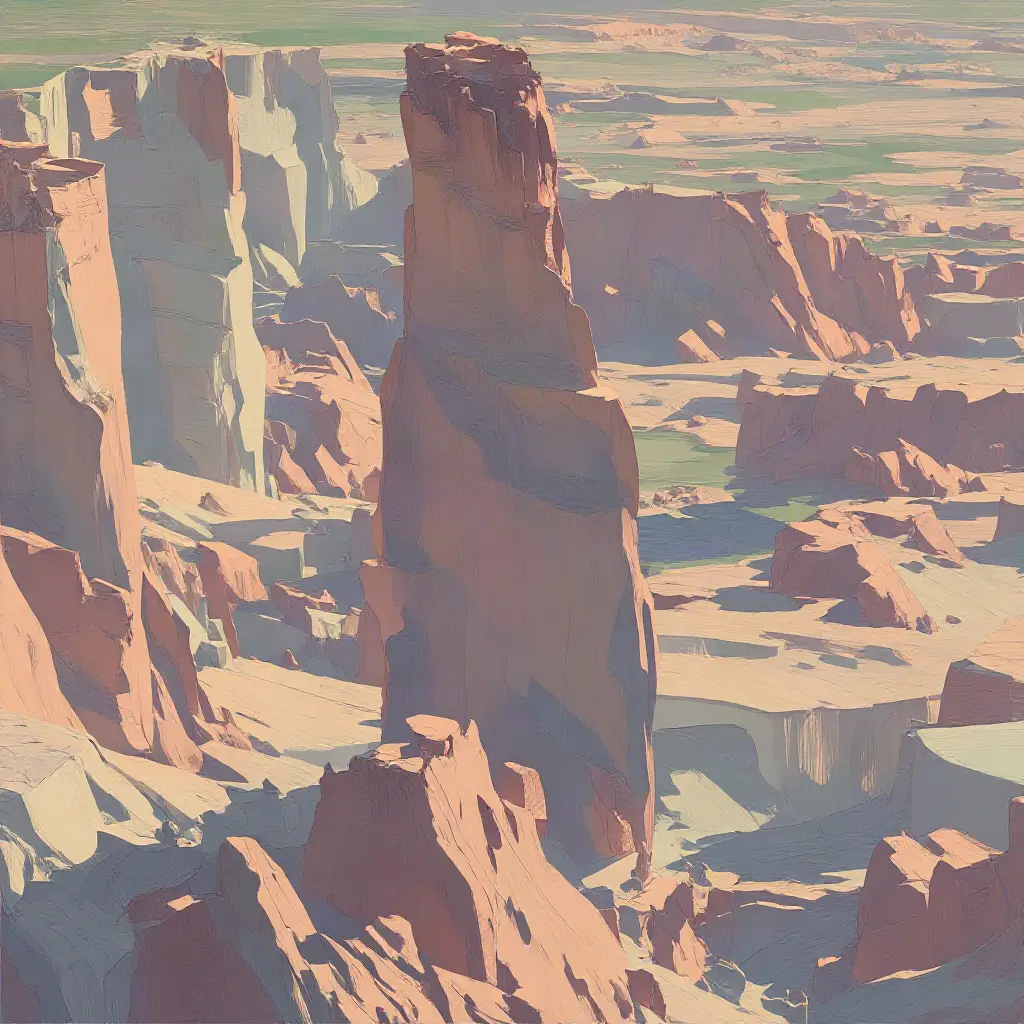 The Missoula Floods and the Scablands HereticGeologist J Harlen Bretz was called a heretic for his theory of a megaflood that carved Washington's Scablands, a theory rejected for decades.
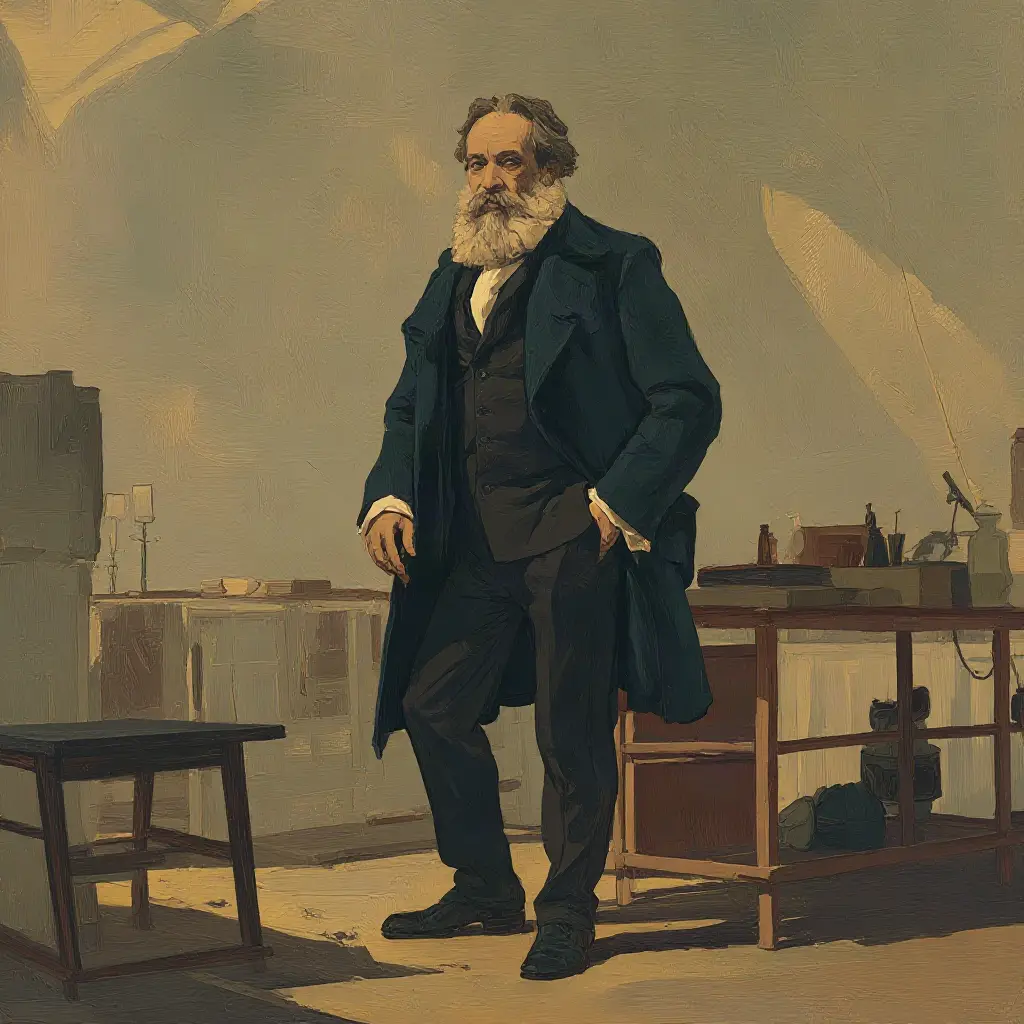 Louis PasteurLouis Pasteur proved germs cause disease, invented pasteurization, and created the first rabies vaccine, saving a young boy's life in 1885.
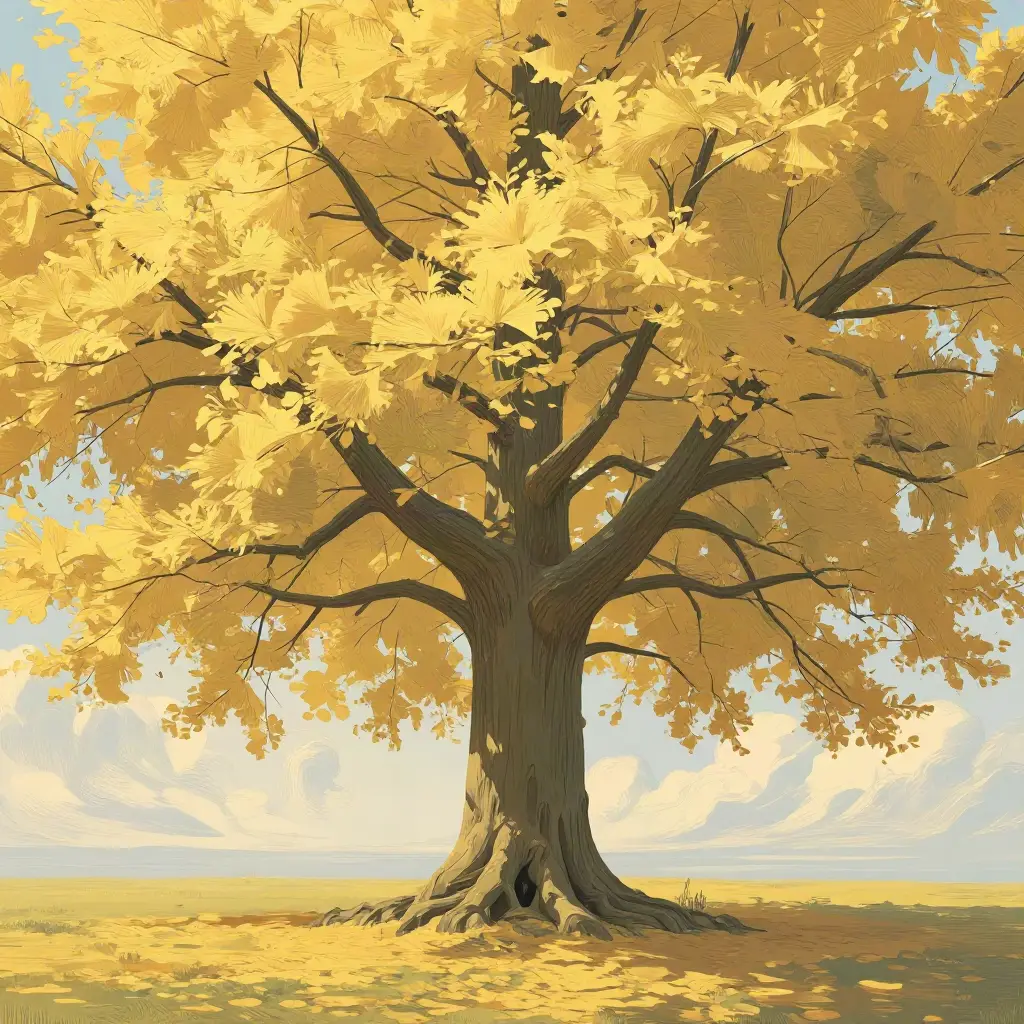 The Ginkgo Tree: A Living FossilThe ginkgo, the last survivor of an ancient group of trees, which has stayed almost unchanged since the age of the dinosaurs.
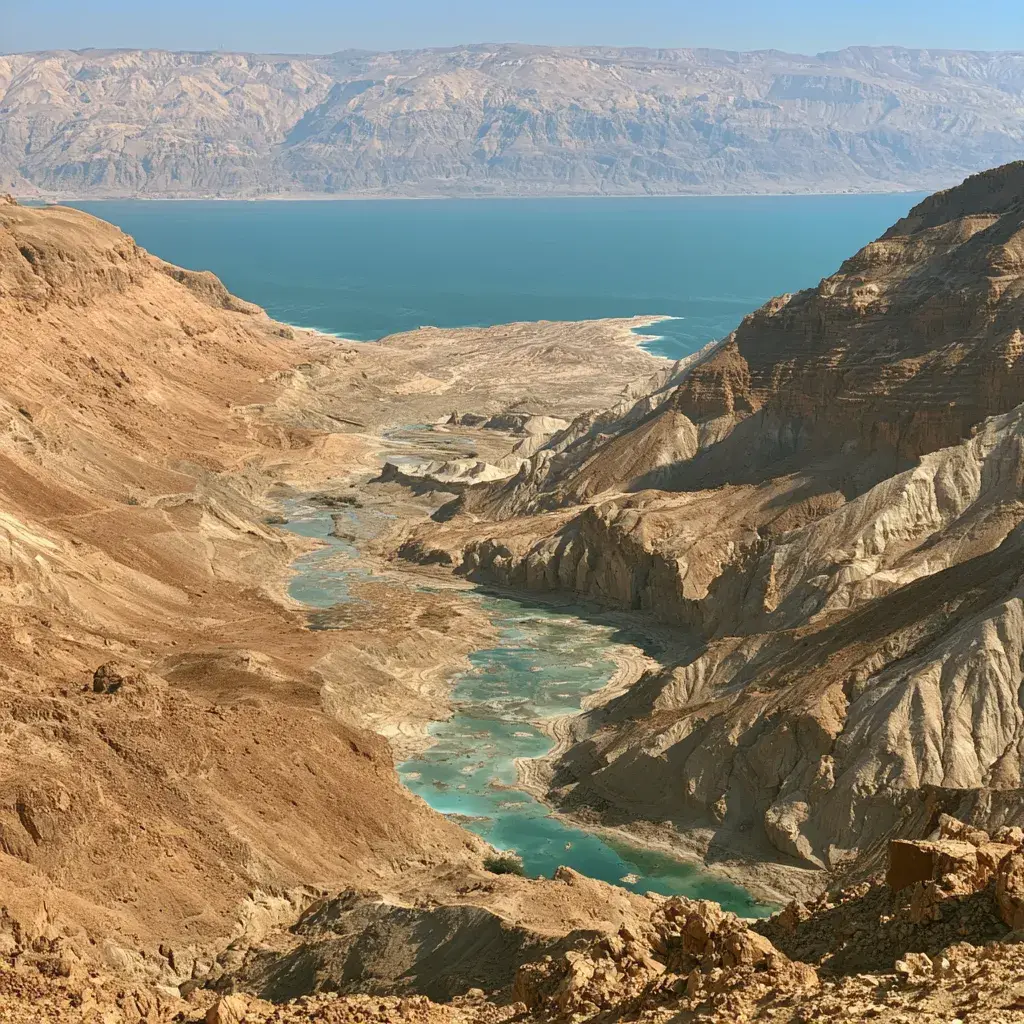 Why the Dead Sea Is ShrinkingWhy the Dead Sea is falling by over a metre a year: the water taken from the Jordan River, the mineral industry, and what scientists expect to happen next.
 The Asteroid That Killed the DinosaursA thin clay layer identified in 1980 explains why the dinosaurs died out 66 million years ago: a city-sized asteroid impact.
 The Big Bang TheoryHow scientists worked out that the universe began in a hot, dense state, from Hubble's expanding galaxies to the cosmic microwave background and the COBE satellite's 1992 map.
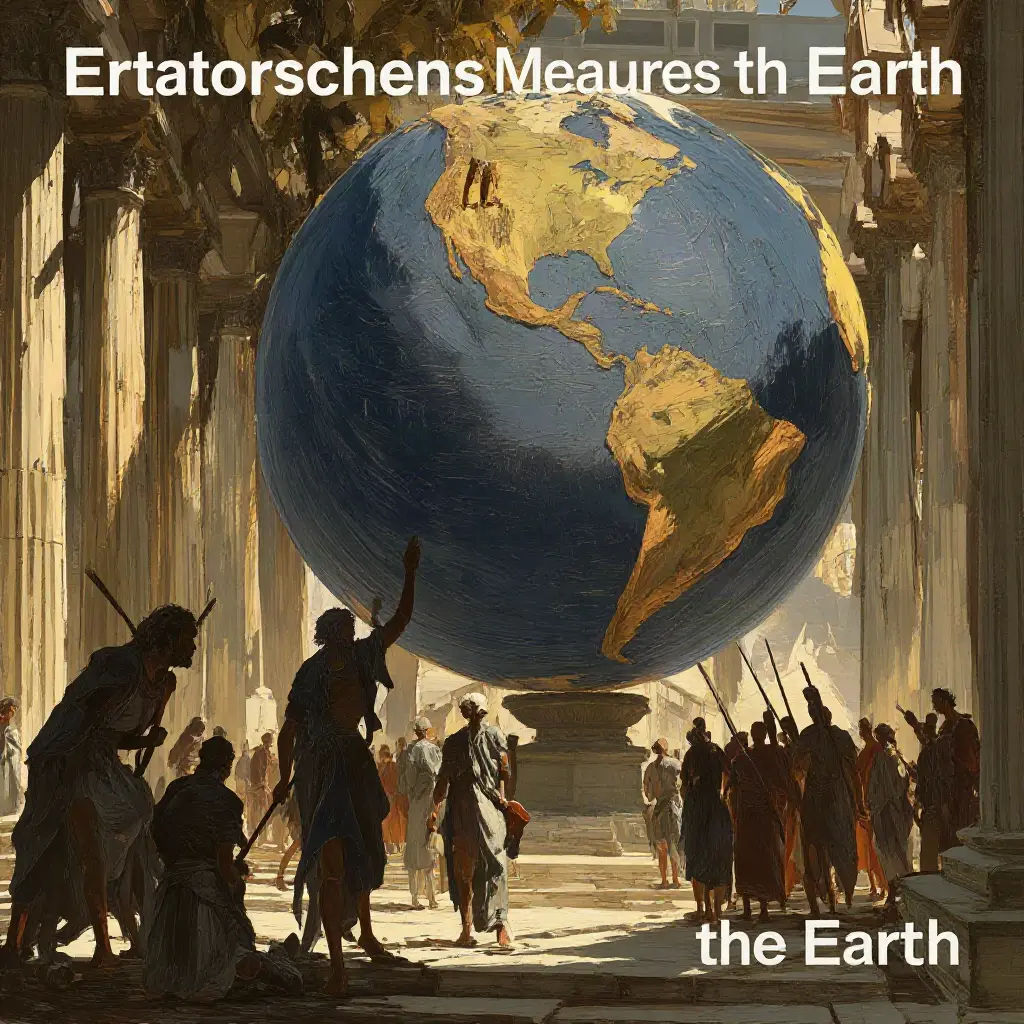 Eratosthenes Measures the EarthAround 240 BC, a librarian in Alexandria measured the Earth's size using only a shadow, a well, and some clever geometry.
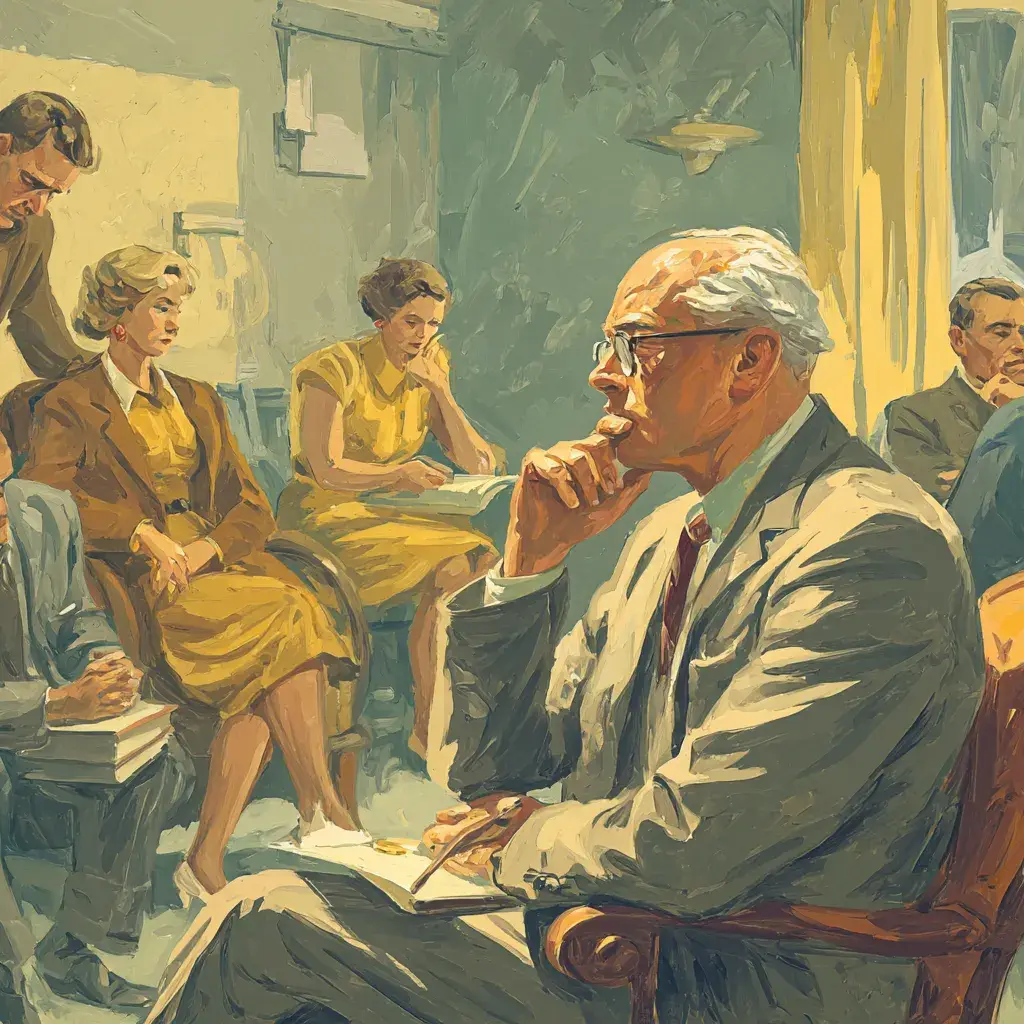 The Asch Conformity Experiments — Seeing What Isn’t ThereIn 1951, an experiment on matching lines revealed that 75% of participants conformed to a group's wrong answer at least once.
 The Double-Slit ExperimentThe quantum experiment where single particles pass through two slits at once, creating a wave pattern that vanishes when measured.
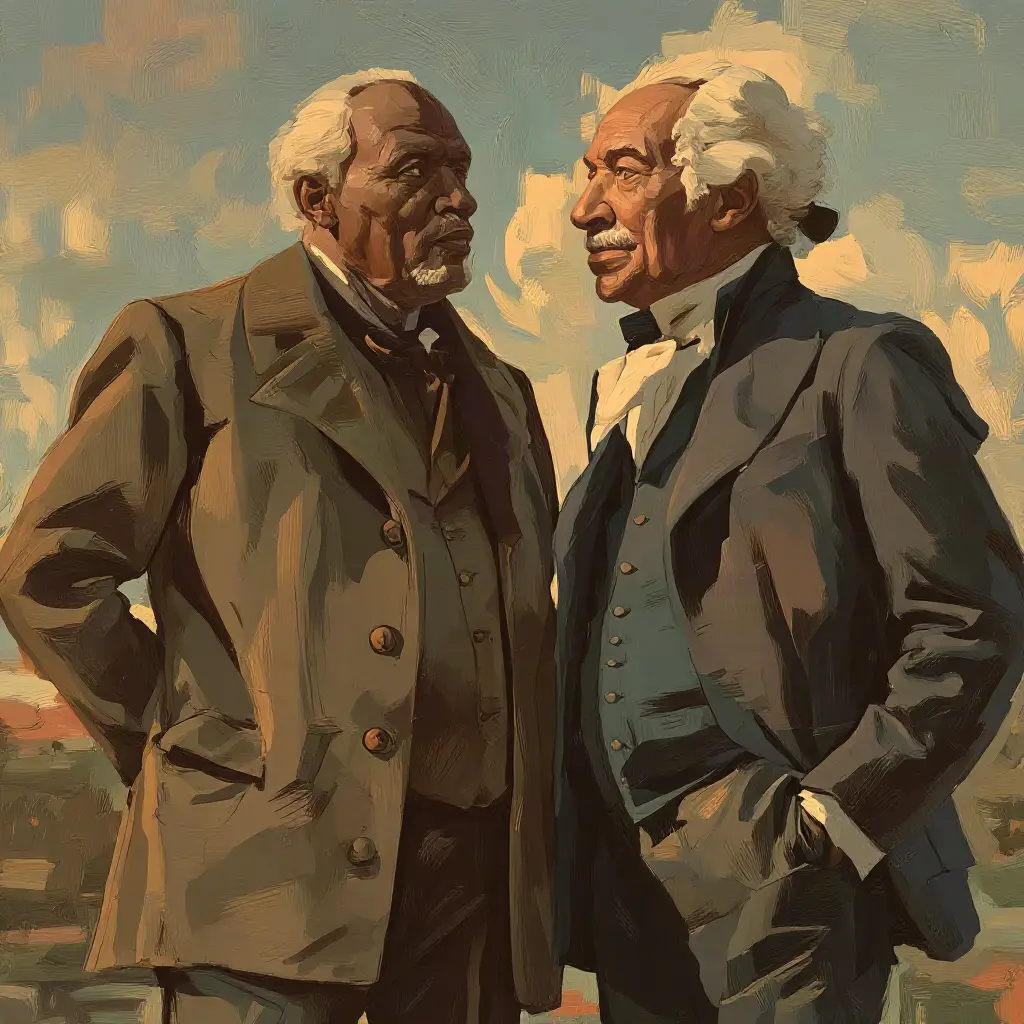 George Washington Carver and the PeanutHow a scientist born into slavery revolutionized Southern agriculture by promoting alternative crops like peanuts and sweet potatoes.
 The Chernobyl Nuclear DisasterThe 1986 Chernobyl disaster began during a flawed safety test on a volatile reactor, releasing a plume of radioactive isotopes into the air.
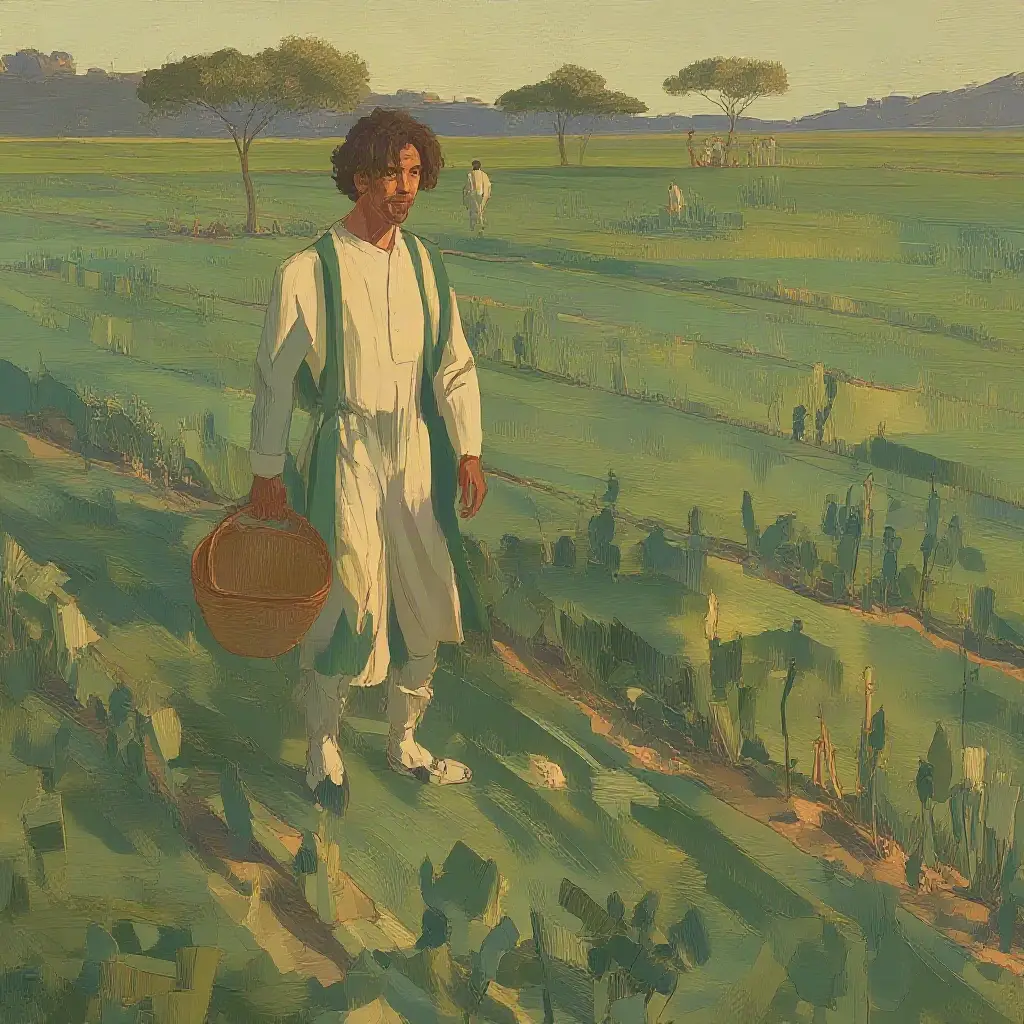 Mendel and His PeasHow a monk discovered the rules of inheritance with pea plants, revealing a near-perfect three-to-one ratio that was ignored for 34 years.
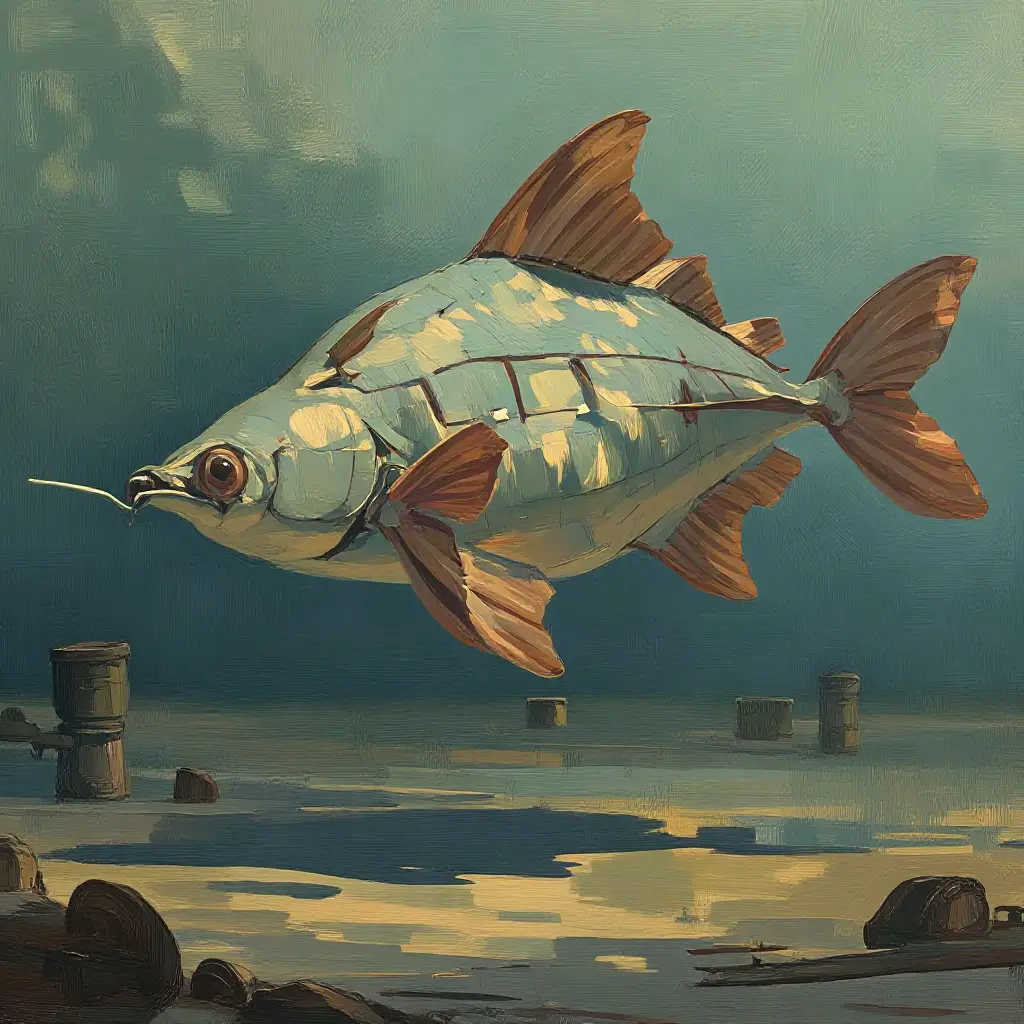 The Coelacanth: A Living FossilThe story of the shocking 1938 discovery of a fish thought to have gone extinct with the dinosaurs 66 million years ago.
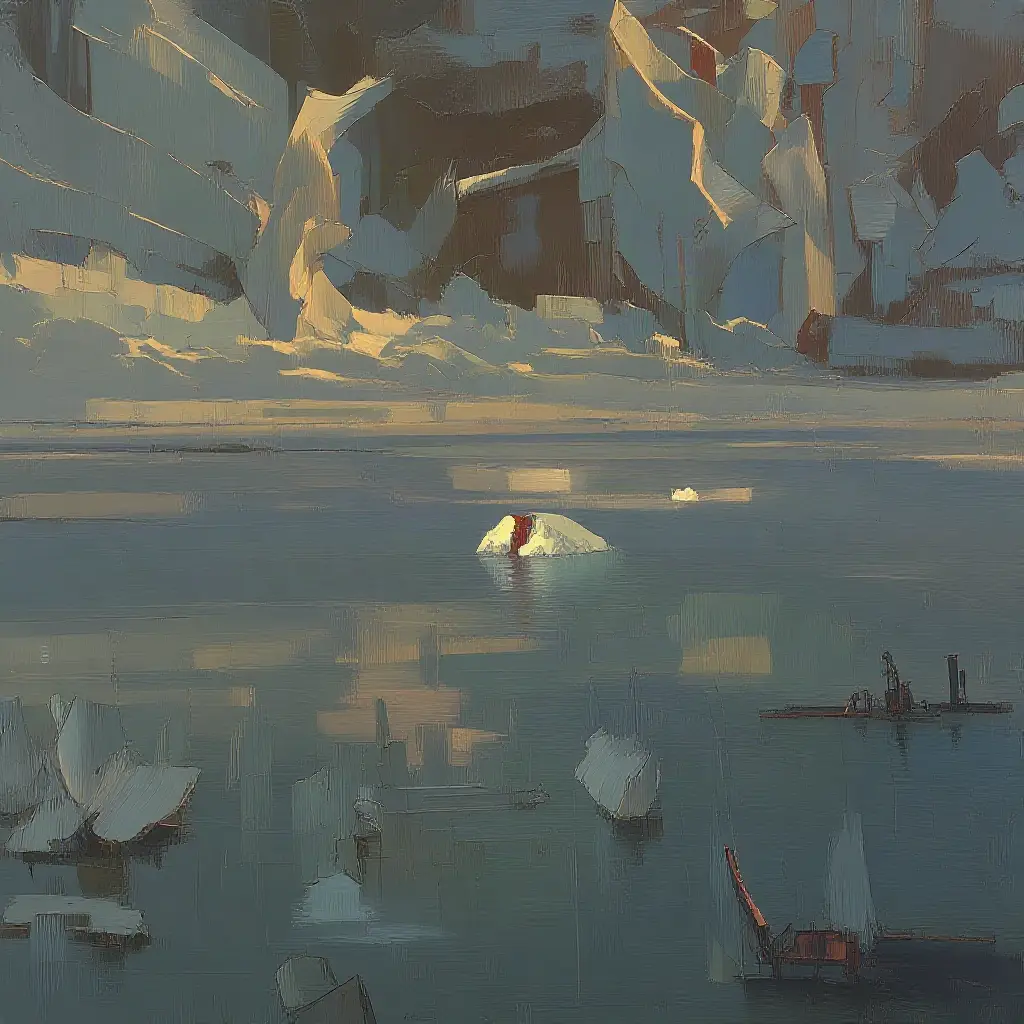 Lake Vostok and Subglacial ExplorationBeneath 4km of Antarctic ice lies Lake Vostok, a freshwater lake isolated for millions of years, finally breached by a Russian drilling team in 2012.
To view more stories in this category, download the Chunks Microlearning app and start learning
Or get it straight away:
 Download on iOS
 Download on Android