
All Characters
Discover 67 historical figures — thinkers, leaders, and creators who shaped our world.
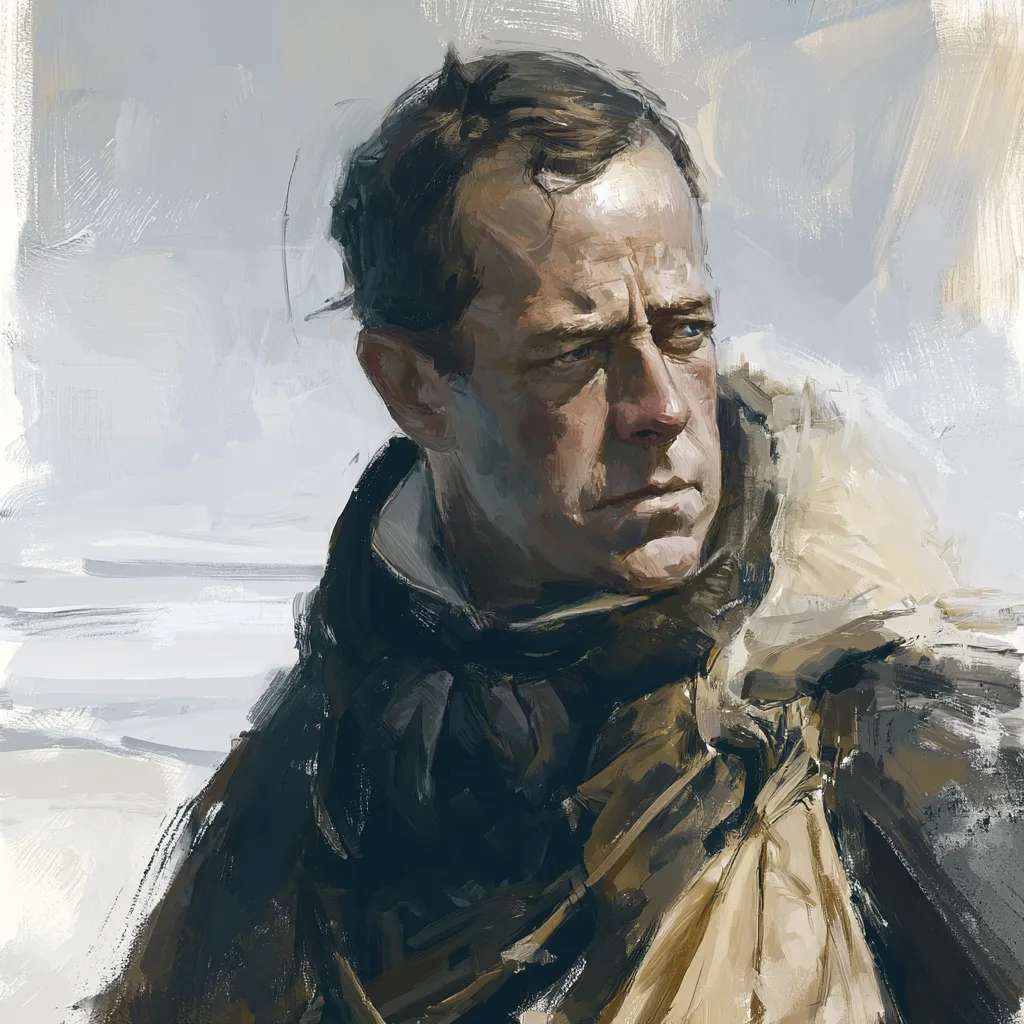 Robert Falcon ScottBritish Royal Navy officer and polar explorer who led the ill-fated Terra Nova Expedition to the South Pole in 1912. Though he reached the pole second and died on the return journey, his courage and scientific dedication made him a legendary figure in exploration history.
 Rosalind FranklinBritish chemist whose X-ray crystallography work was crucial to understanding the structure of DNA. Her 'Photo 51' provided key evidence for the double helix model, though her contributions were not fully recognized until after her early death from cancer.
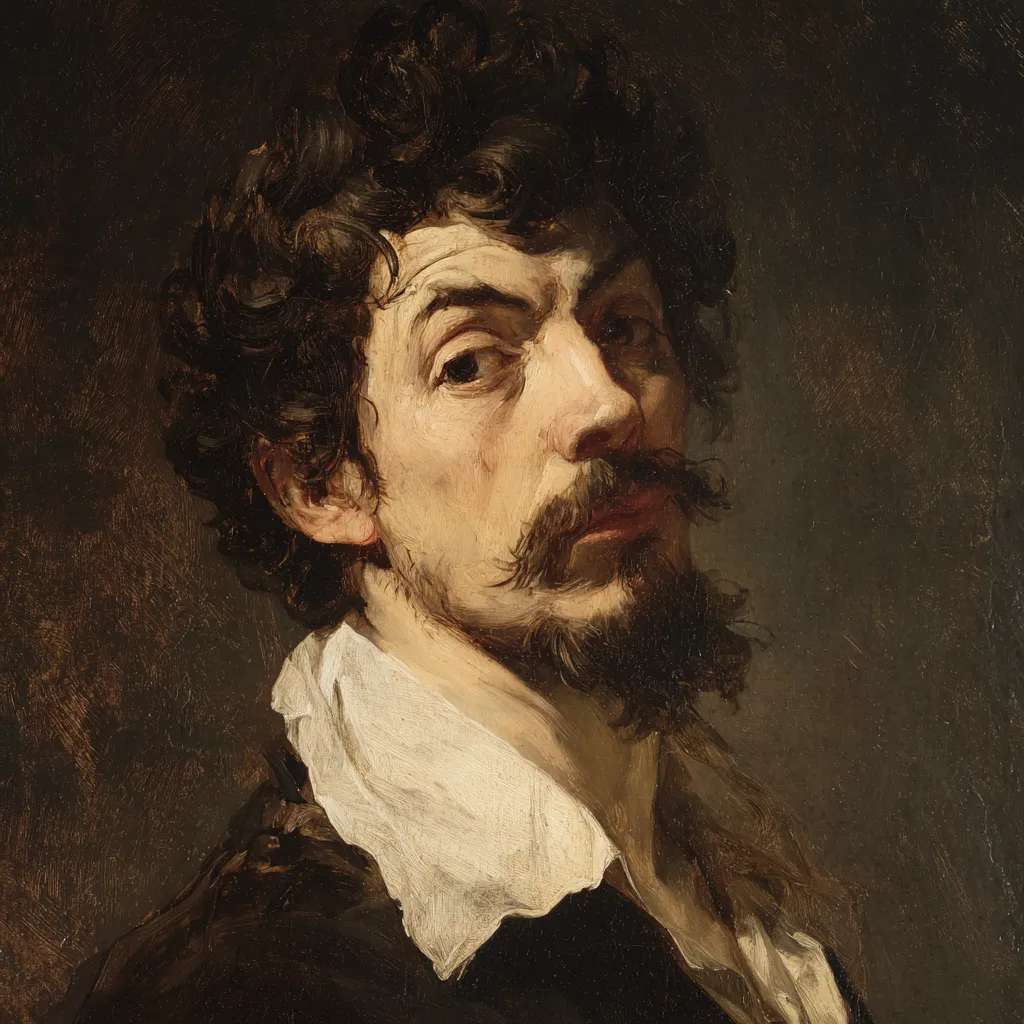 CaravaggioItalian Baroque painter whose dramatic use of light and shadow revolutionized art in the early 17th century. His realistic depictions of religious scenes and turbulent personal life made him both a artistic genius and a controversial figure of his time.
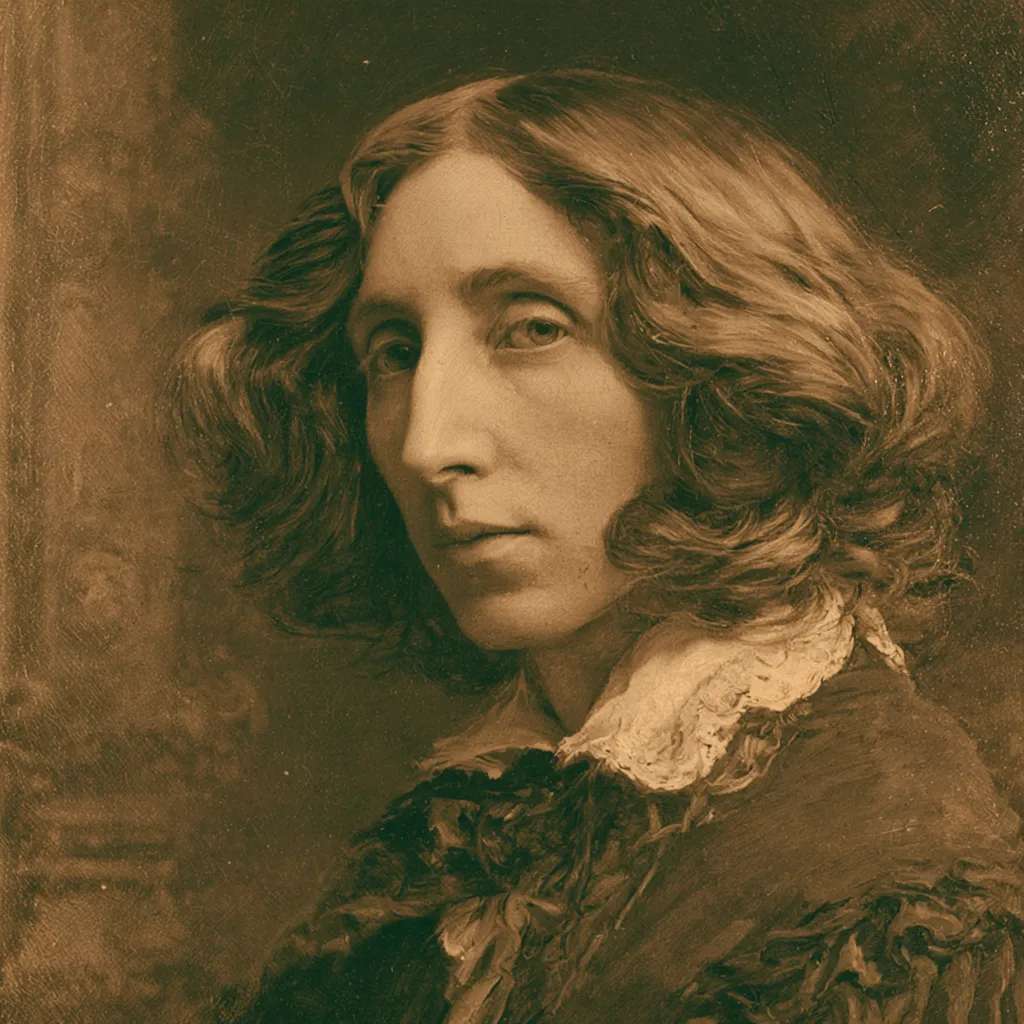 George EliotPen name of Mary Ann Evans, a pioneering Victorian novelist who wrote masterpieces like 'Middlemarch' and 'Silas Marner.' She used a male pseudonym to ensure her work was taken seriously in a male-dominated literary world.
 Gavrilo PrincipBosnian Serb nationalist whose assassination of Archduke Franz Ferdinand on June 28, 1914, in Sarajevo sparked World War I. His single act of political violence triggered a chain reaction that engulfed the world in unprecedented conflict.
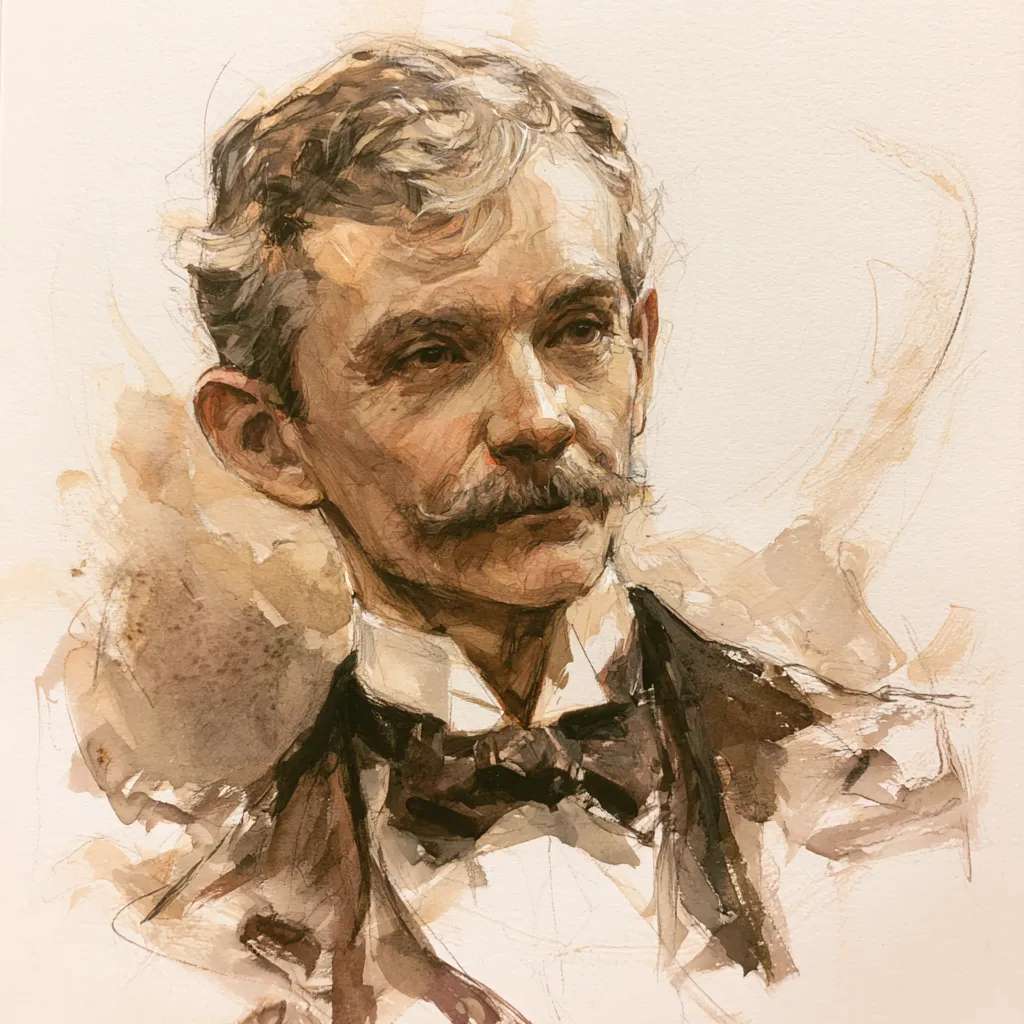 John WatsonAmerican psychologist who conducted the controversial Little Albert experiment, demonstrating classical conditioning in humans and founding behaviorism.
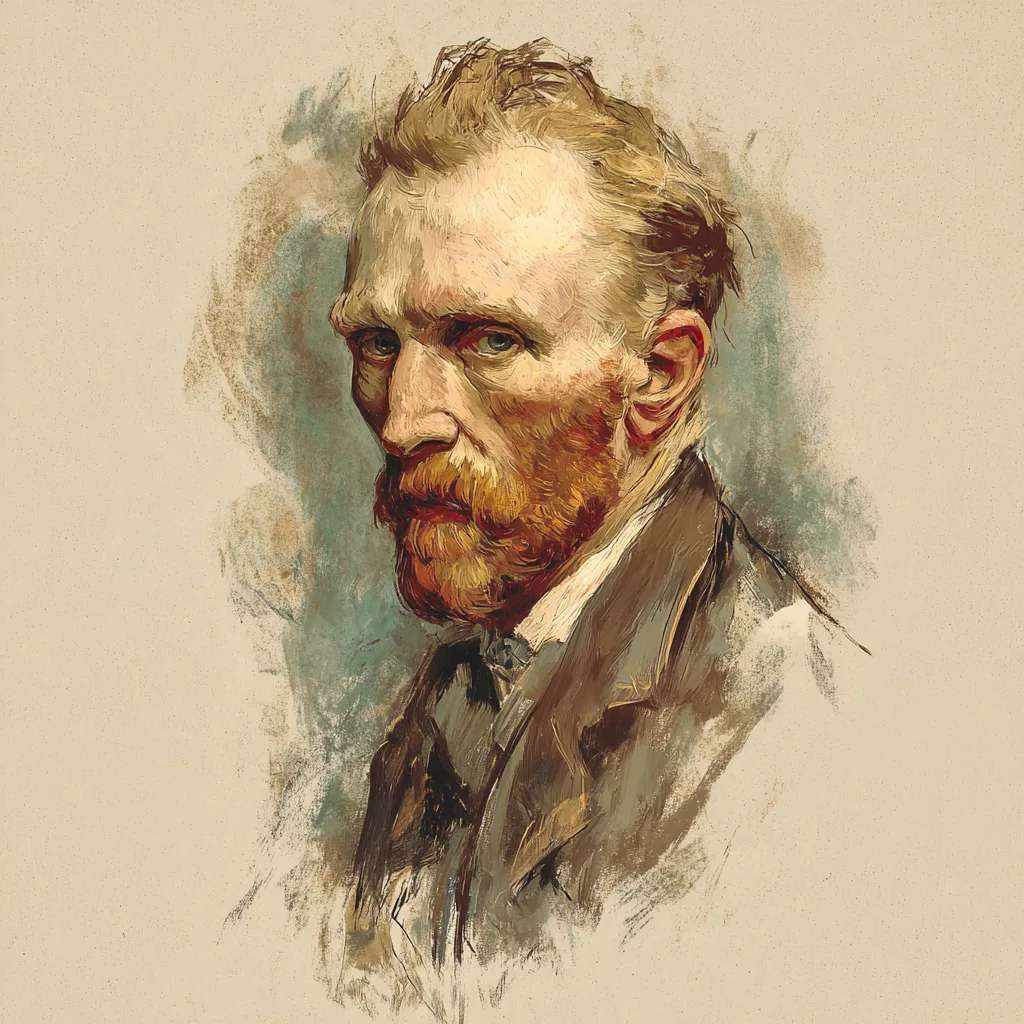 Vincent van GoghDutch post-impressionist painter whose emotionally charged works and tragic life story have made him one of history's most beloved artists. Despite selling only one painting during his lifetime, his bold colors and expressive brushwork profoundly influenced modern art.
 Edward JennerEnglish physician who developed the world's first vaccine against smallpox, pioneering the field of immunology and saving millions of lives.
 Steve JobsAmerican entrepreneur and co-founder of Apple Inc. who revolutionized personal computing, mobile phones, and digital media. His visionary leadership transformed Apple from a garage startup into one of the world's most valuable companies.
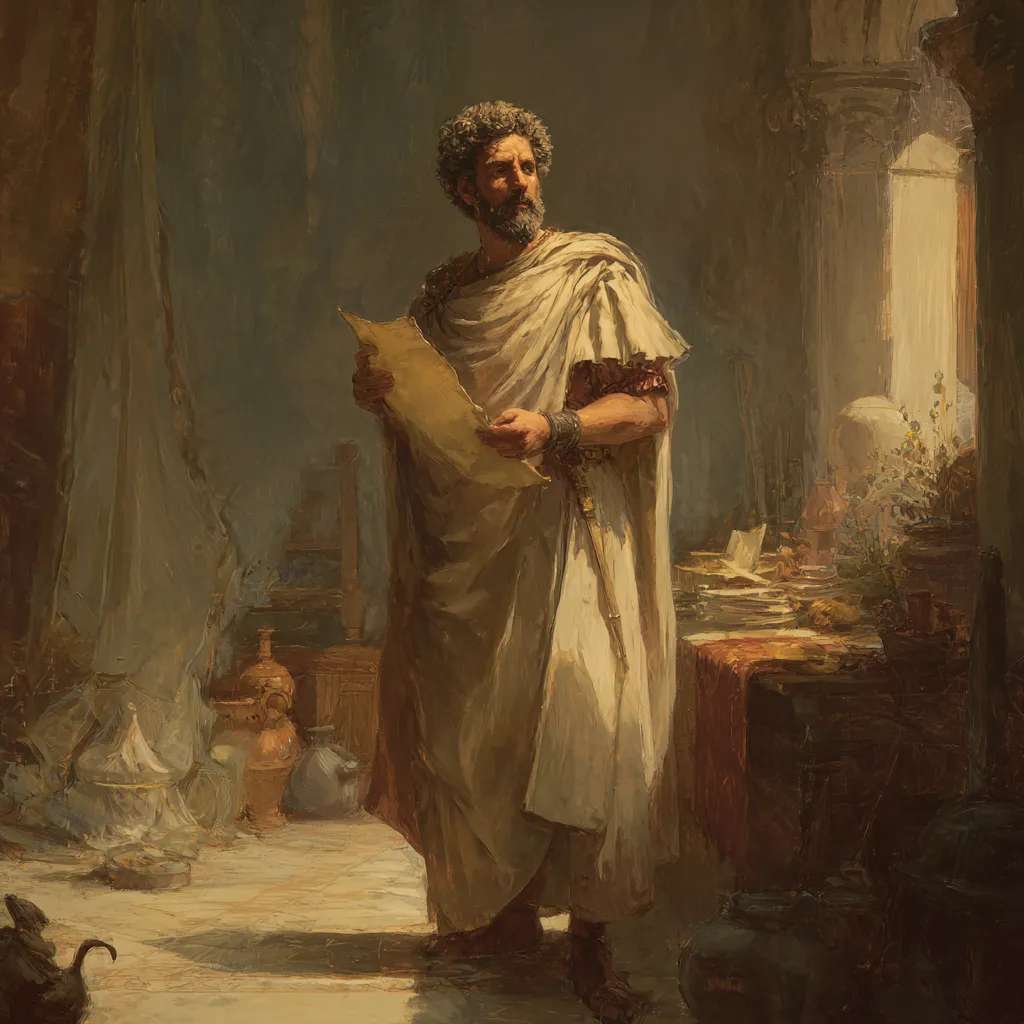 Marcus AureliusRoman Emperor from 161-180 CE and one of the most famous Stoic philosophers, known for his personal writings in 'Meditations.' He exemplified the philosopher-king ideal while leading the Roman Empire through challenging times.
 Wilfrid VoynichWilfrid Voynich was a Polish-American antiquarian book dealer who purchased the mysterious illustrated manuscript that now bears his name in 1912. The Voynich Manuscript remains undeciphered and is considered one of history's greatest cryptographic puzzles.
.webp?v=1769012089035) Pablo PicassoSpanish painter and sculptor who co-founded the Cubist movement and became one of the most influential artists of the 20th century. His relentless experimentation and revolutionary approach to form and perspective fundamentally changed how we see and create art.
Pablo PicassoSpanish painter and sculptor who co-founded the Cubist movement and became one of the most influential artists of the 20th century. His relentless experimentation and revolutionary approach to form and perspective fundamentally changed how we see and create art..webp?v=1769011787766) Salvador DalíSpanish surrealist painter famous for his dreamlike images, melting clocks, and flamboyant personality. His technical skill combined with bizarre imagination made him one of the most recognizable artists of the 20th century and a master of self-promotion.
Salvador DalíSpanish surrealist painter famous for his dreamlike images, melting clocks, and flamboyant personality. His technical skill combined with bizarre imagination made him one of the most recognizable artists of the 20th century and a master of self-promotion.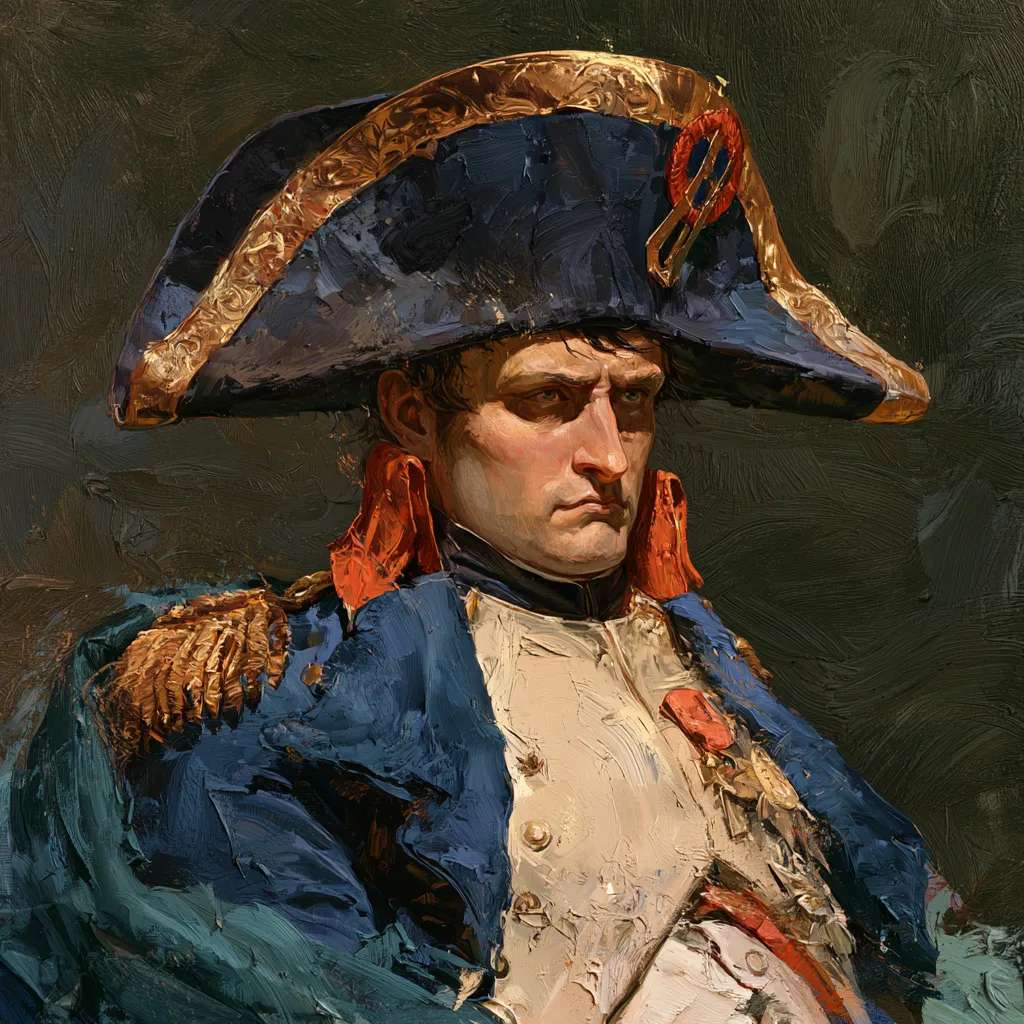 Napoleon BonaparteFrench military and political leader who rose to prominence during the French Revolution. He later became Emperor of France and reshaped European politics through his conquests.
 Friedrich NietzscheGerman philosopher whose radical critique of traditional values, religion, and morality profoundly influenced modern thought. His concepts of the 'death of God,' the 'übermensch,' and eternal recurrence challenged 19th-century European philosophy and helped shape existentialism.
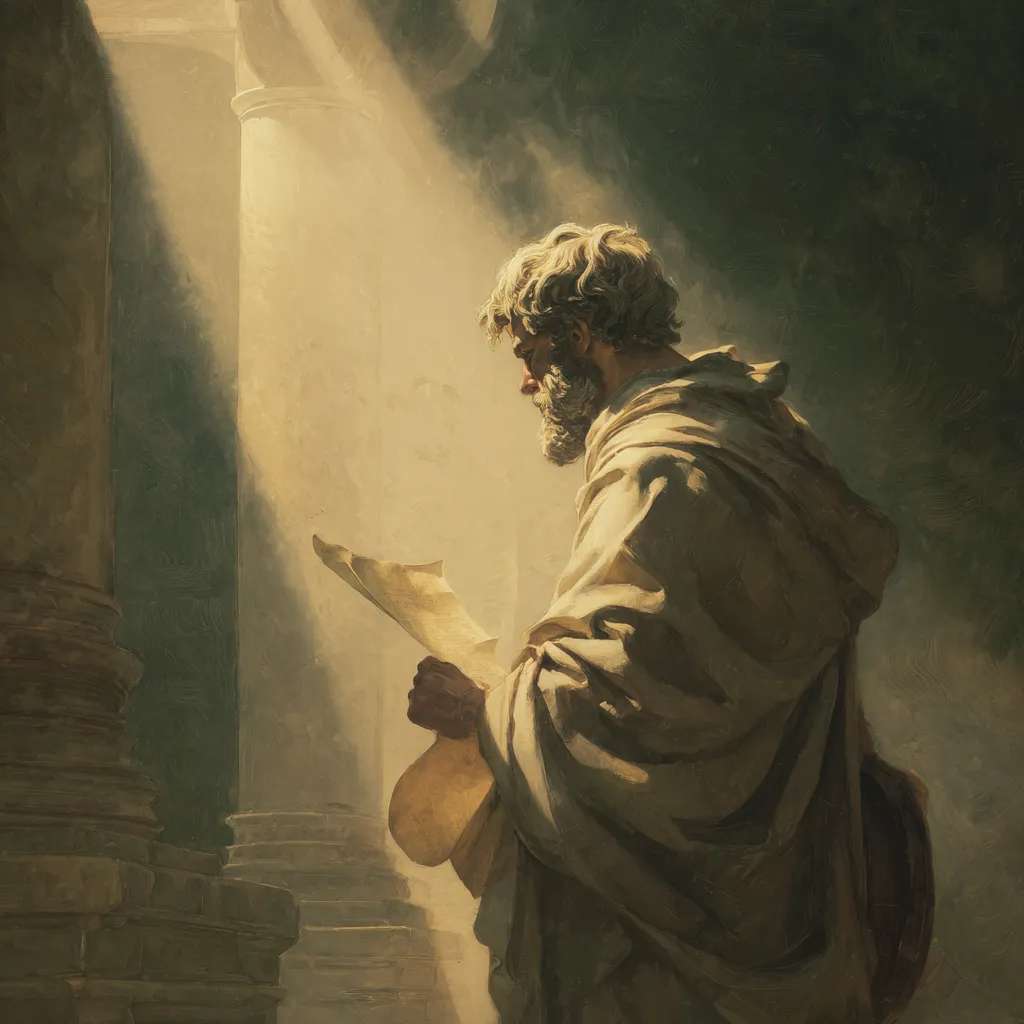 AristotleAncient Greek philosopher and student of Plato who founded the Lyceum and made foundational contributions to logic, ethics, politics, and natural sciences. His teachings on virtue ethics and the 'Golden Mean' continue to influence moral philosophy today.
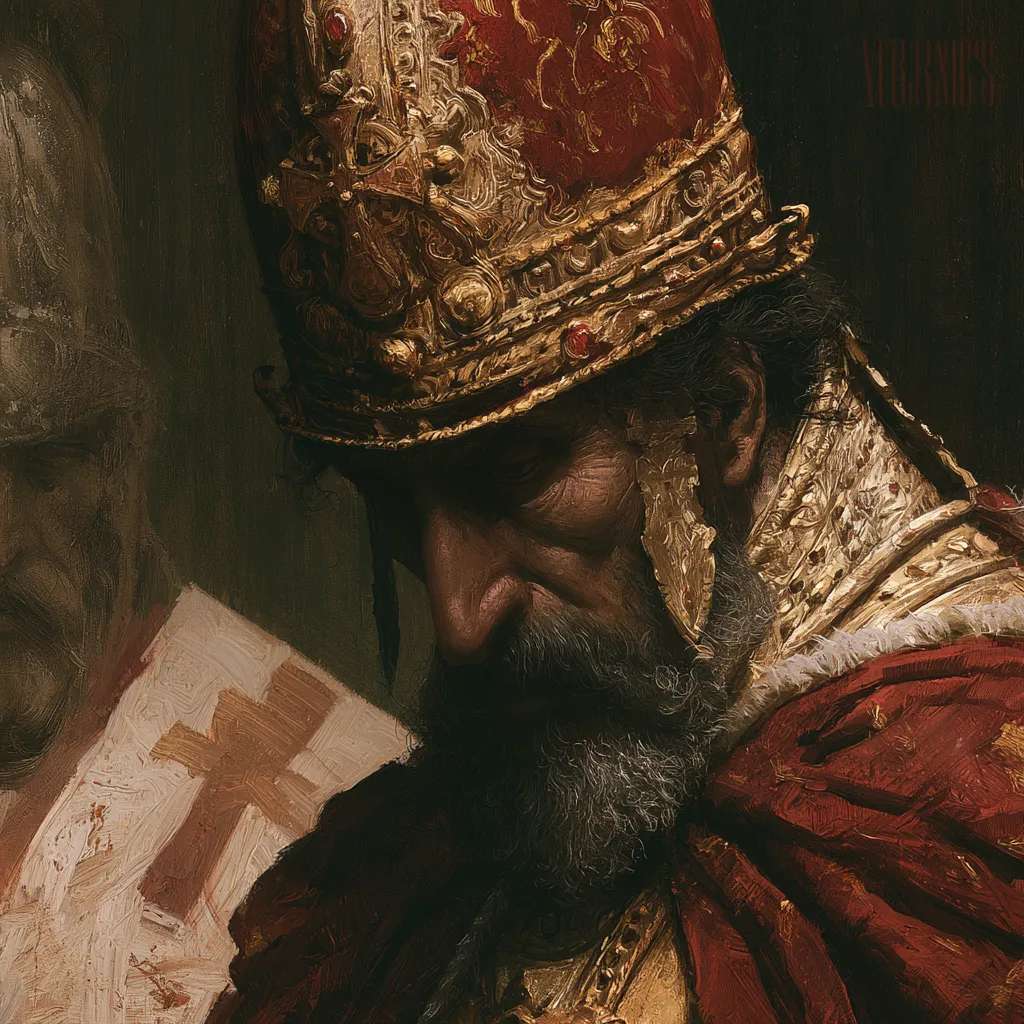 Constantine XI PalaiologosThe last Byzantine Emperor who died defending Constantinople during the Ottoman siege in 1453. His death marked the end of the thousand-year Byzantine Empire and the fall of one of history's greatest cities.
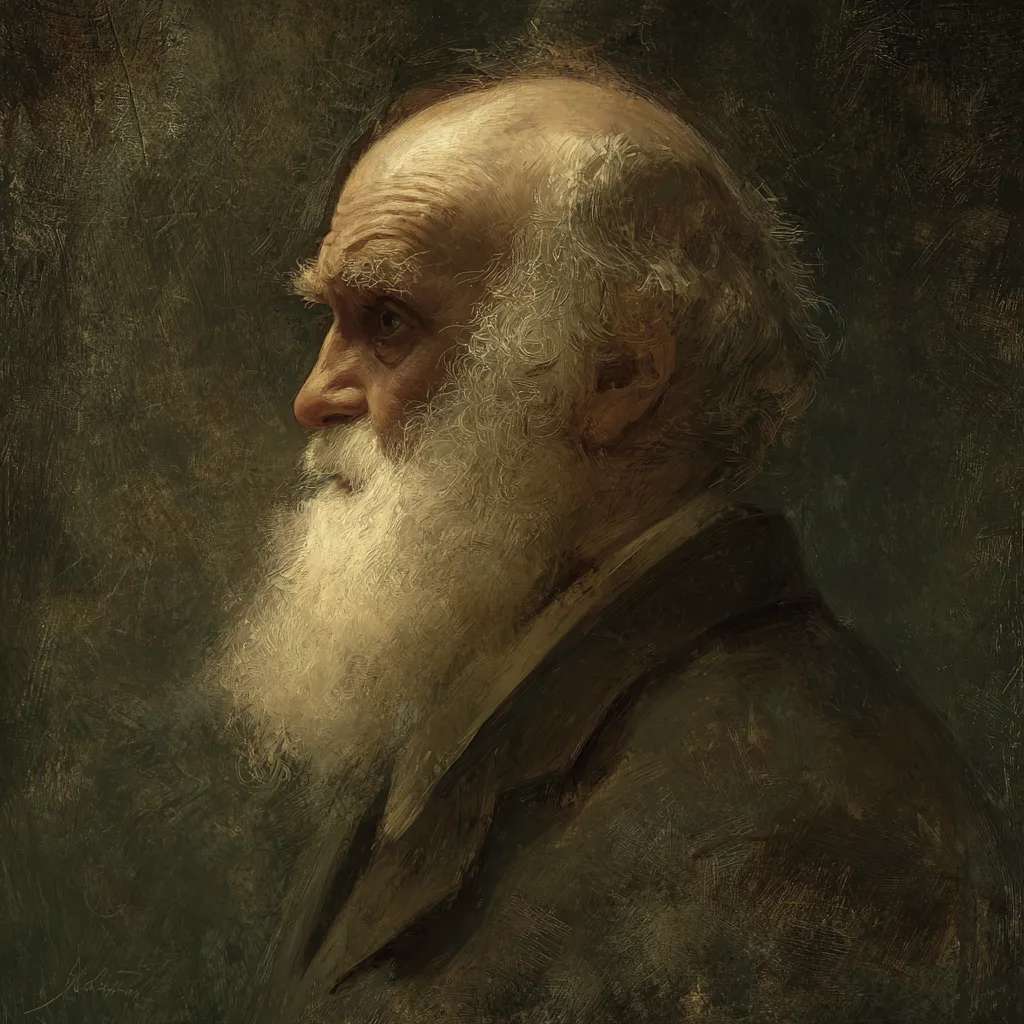 Charles DarwinBritish naturalist who developed the theory of evolution through natural selection, fundamentally changing our understanding of life on Earth. His voyage on the HMS Beagle and subsequent work 'On the Origin of Species' revolutionized biology and science.
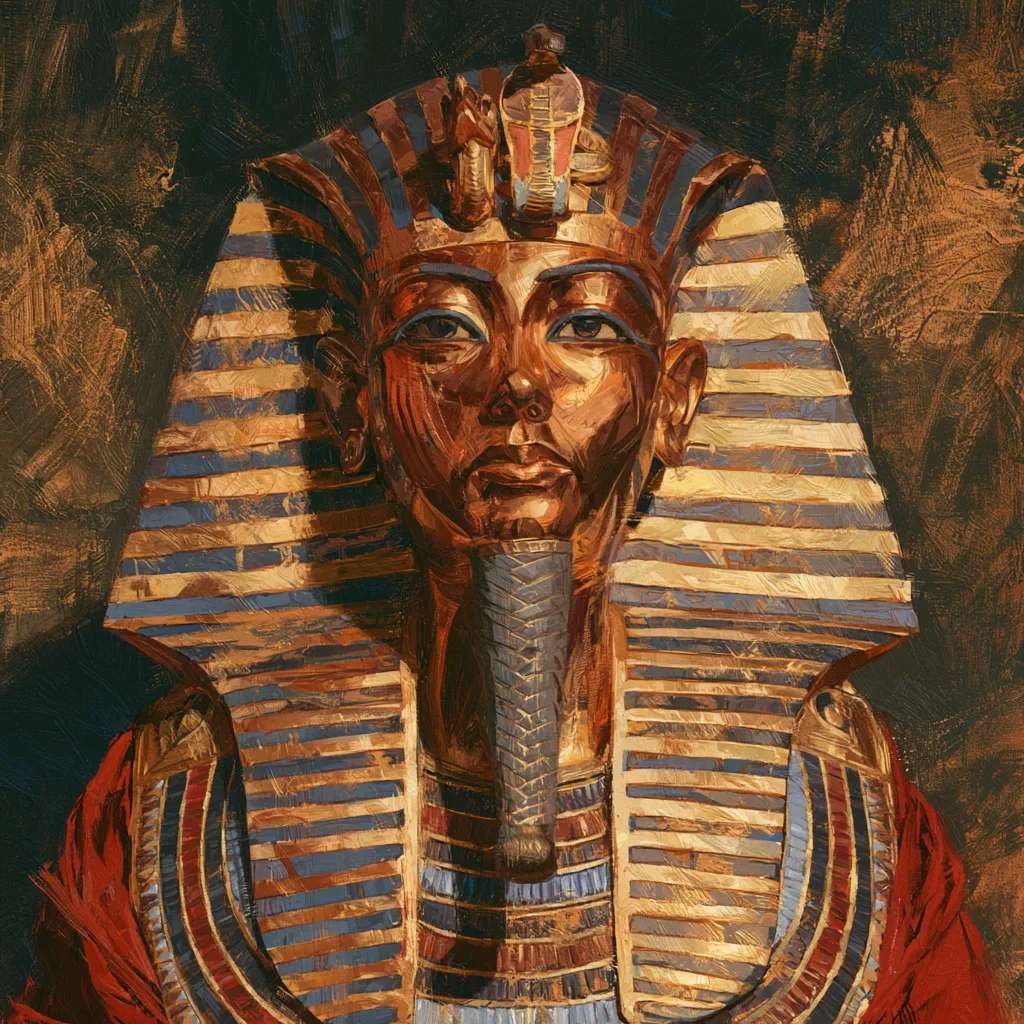 TutankhamunTutankhamun was an Egyptian pharaoh who ruled during the 14th century BCE and died as a teenager. His tomb, discovered nearly intact in 1922, revealed extraordinary treasures that captivated the modern world.
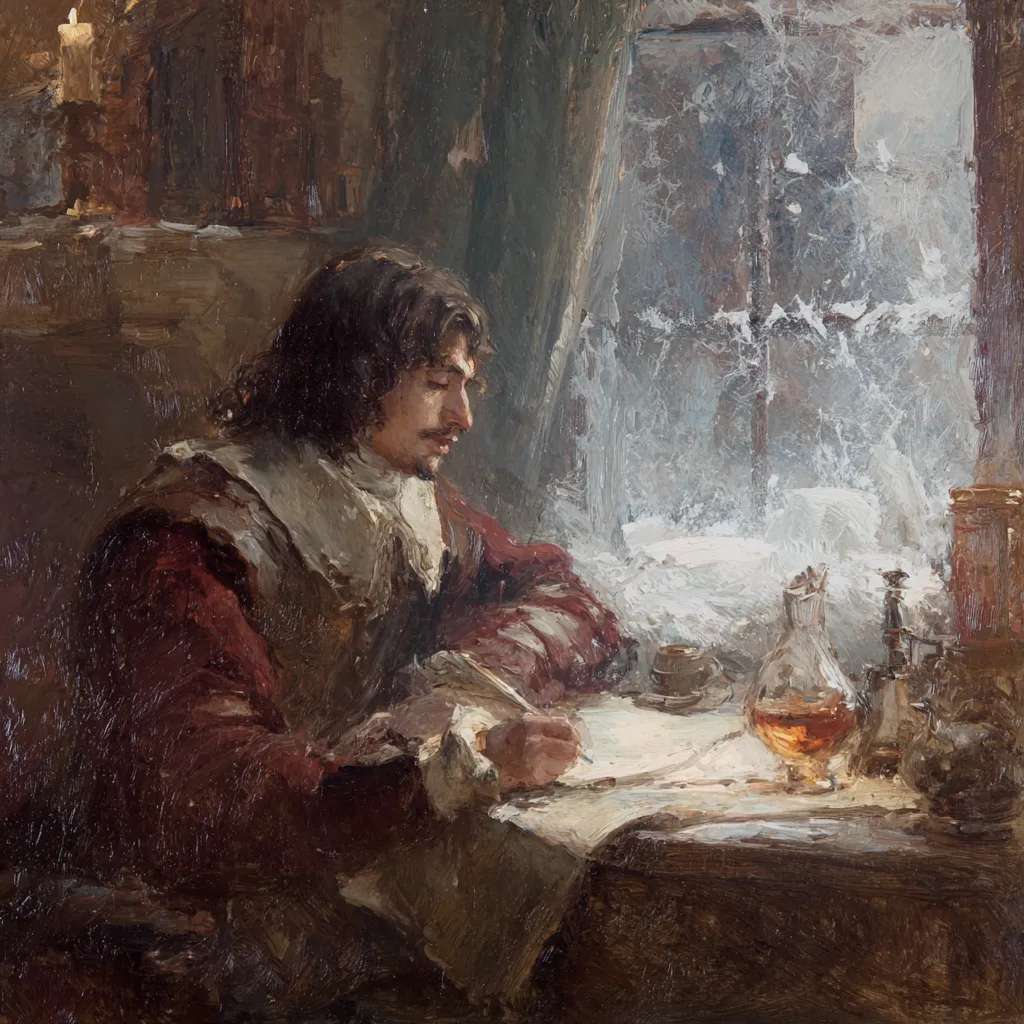 René DescartesFrench philosopher, mathematician, and scientist known as the 'Father of Modern Philosophy' for his systematic approach to doubt and reason. His famous declaration 'I think, therefore I am' became a fundamental principle of Western philosophy and rationalism.
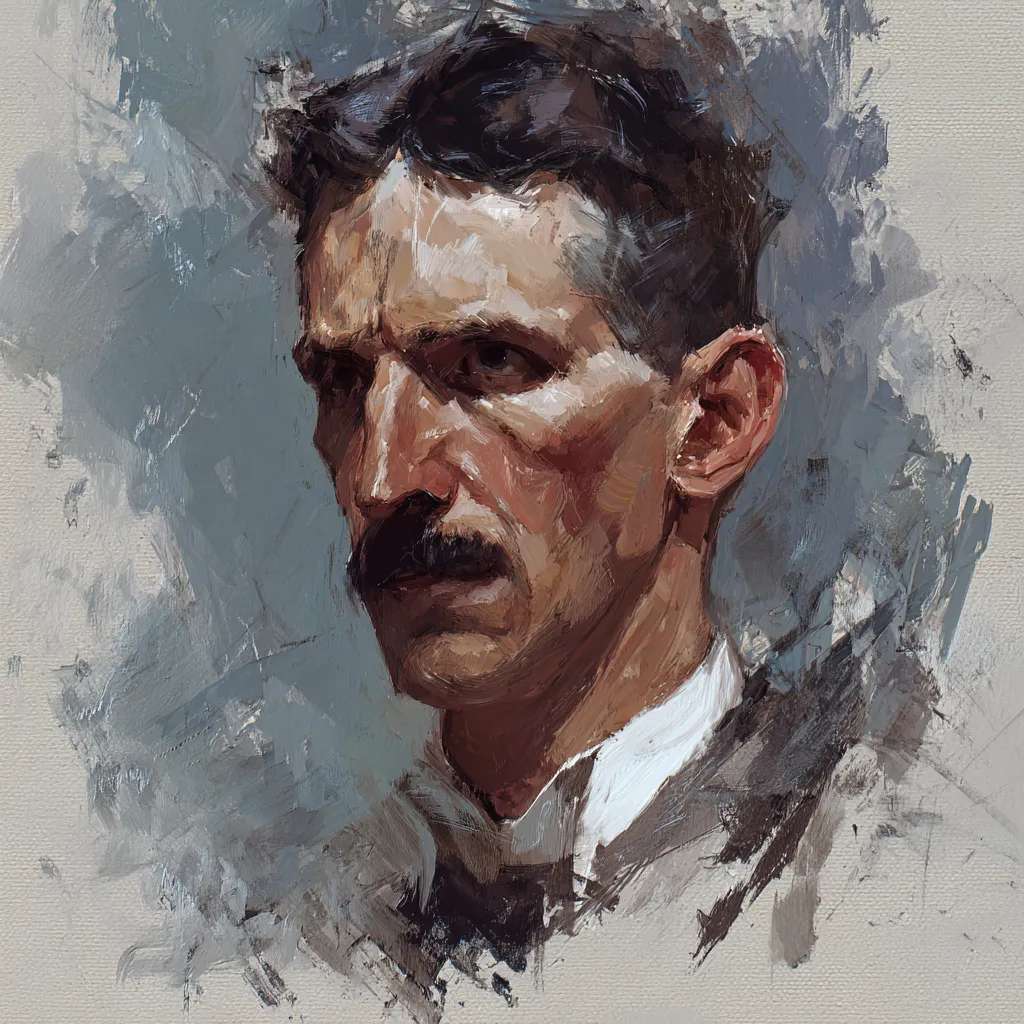 Nikola TeslaSerbian-American inventor and electrical engineer who developed the alternating current (AC) electrical system and numerous other innovations. His visionary work in electricity, magnetism, and wireless technology helped shape the modern world.
 Johannes GutenbergGerman inventor who revolutionized communication by developing the movable-type printing press around 1440. His invention made books affordable and accessible, sparking the spread of literacy, the Renaissance, and the Protestant Reformation.
 Guy FawkesEnglish Catholic who became the most famous member of the Gunpowder Plot of 1605, attempting to blow up the House of Lords and kill King James I. His capture on November 5th led to the annual Guy Fawkes Night celebrations in Britain.
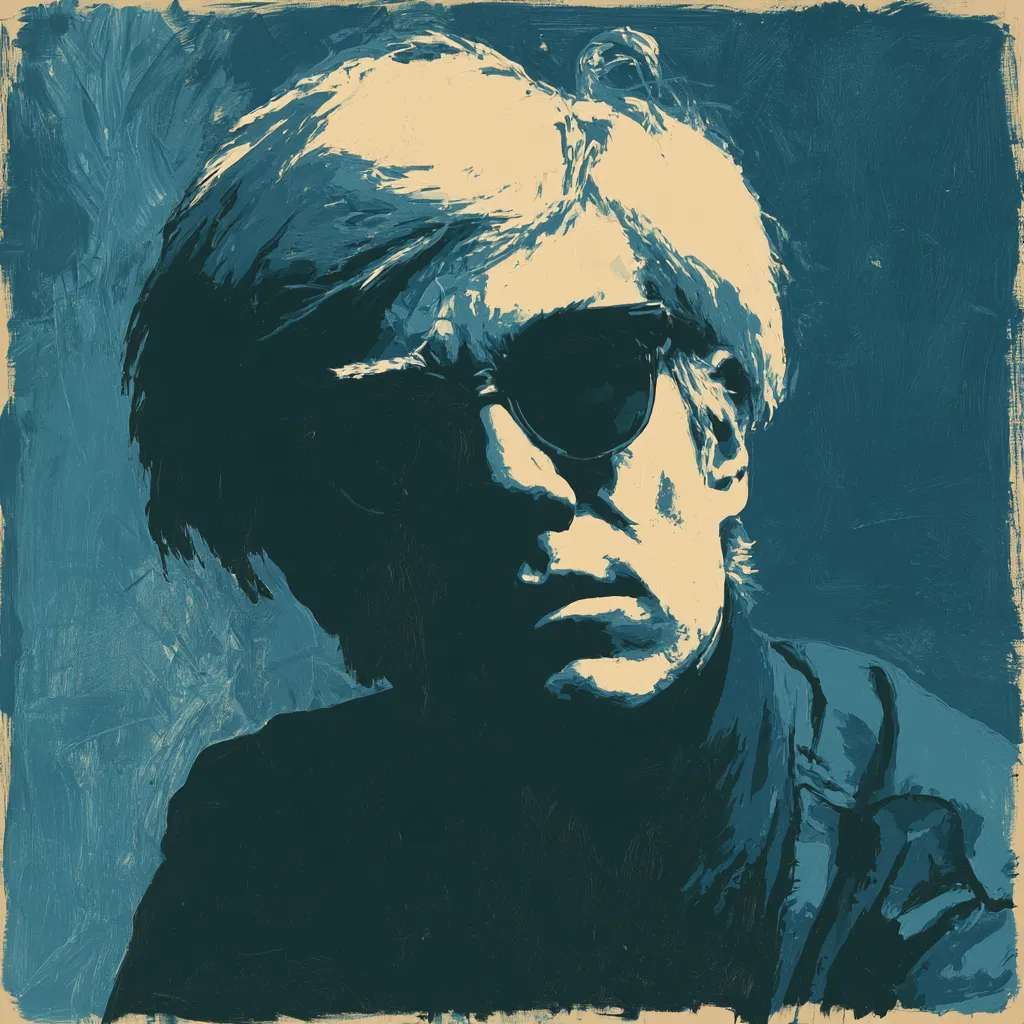 Andy WarholAmerican artist and leading figure of the Pop Art movement who transformed commercial imagery into fine art. His silkscreen paintings of celebrities and consumer products redefined what art could be in the modern world.
Looking for something specific? Browse all 67 characters.