
All Characters
Discover 67 historical figures — thinkers, leaders, and creators who shaped our world.
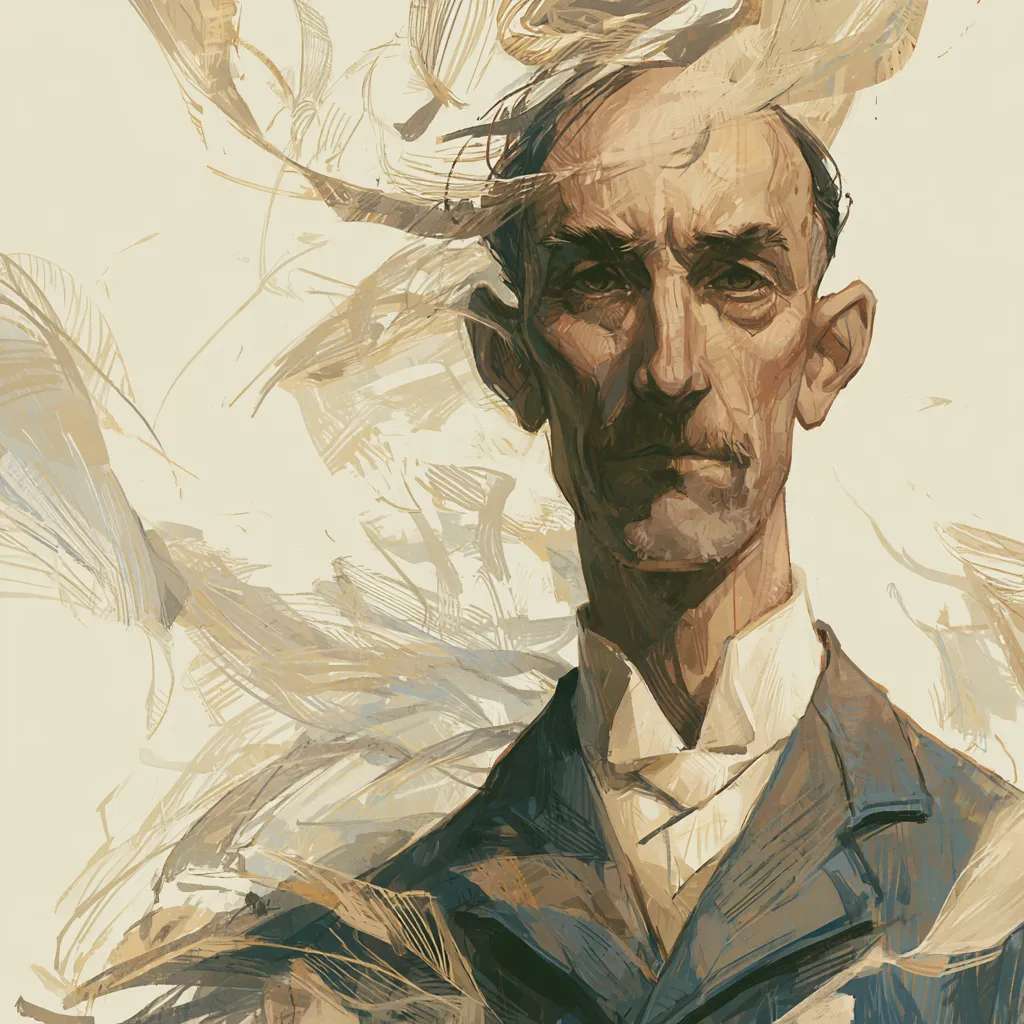 Wilbur WrightAmerican aviation pioneer who, with his brother Orville, achieved the first powered, sustained, and controlled airplane flight in 1903. Their methodical approach to solving the problems of flight made modern aviation possible.
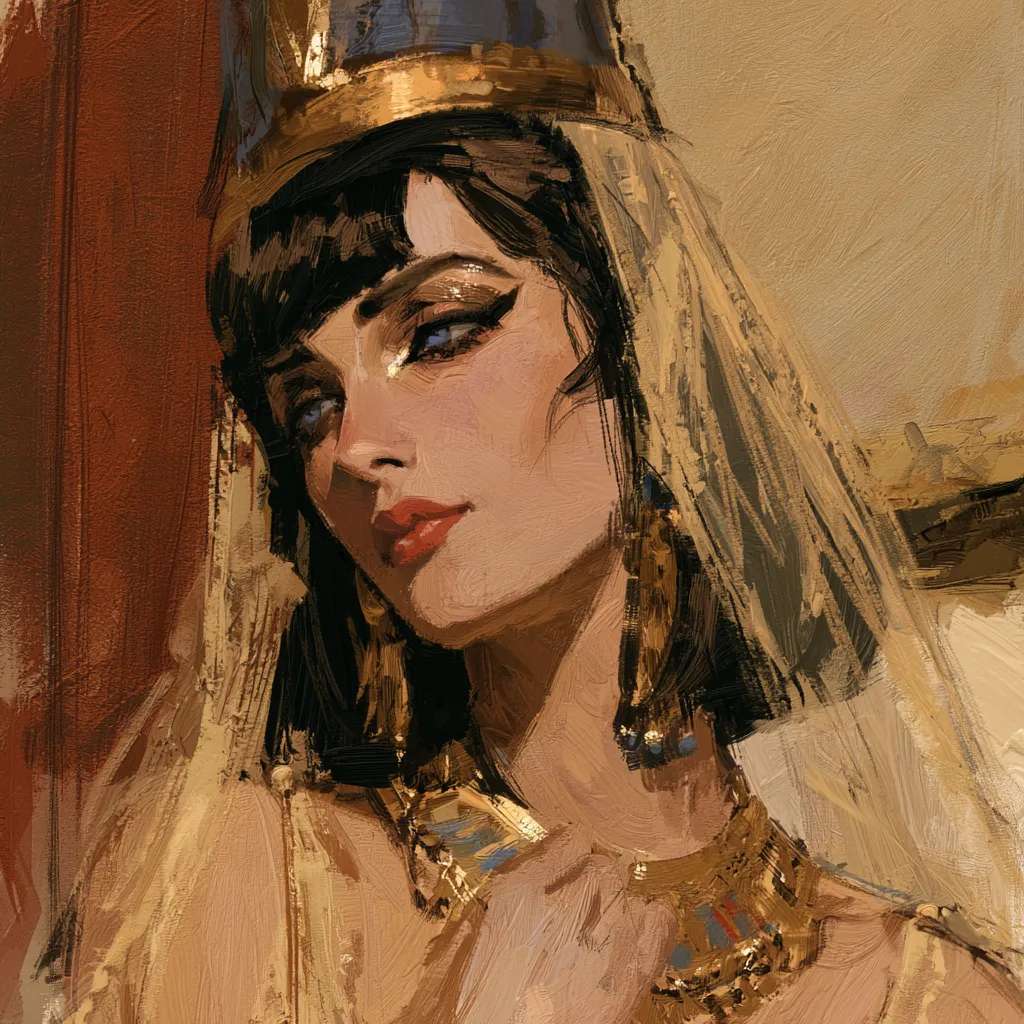 CleopatraCleopatra VII was the last active ruler of the Ptolemaic Kingdom of Egypt, known for her political alliances with Julius Caesar and Mark Antony. Her reign marked the final chapter of ancient Egyptian independence before Roman annexation.
 PlatoAncient Greek philosopher and student of Socrates who founded the Academy in Athens and wrote philosophical dialogues that remain influential today. His allegory of the cave is one of philosophy's most famous metaphors for the journey from ignorance to knowledge.
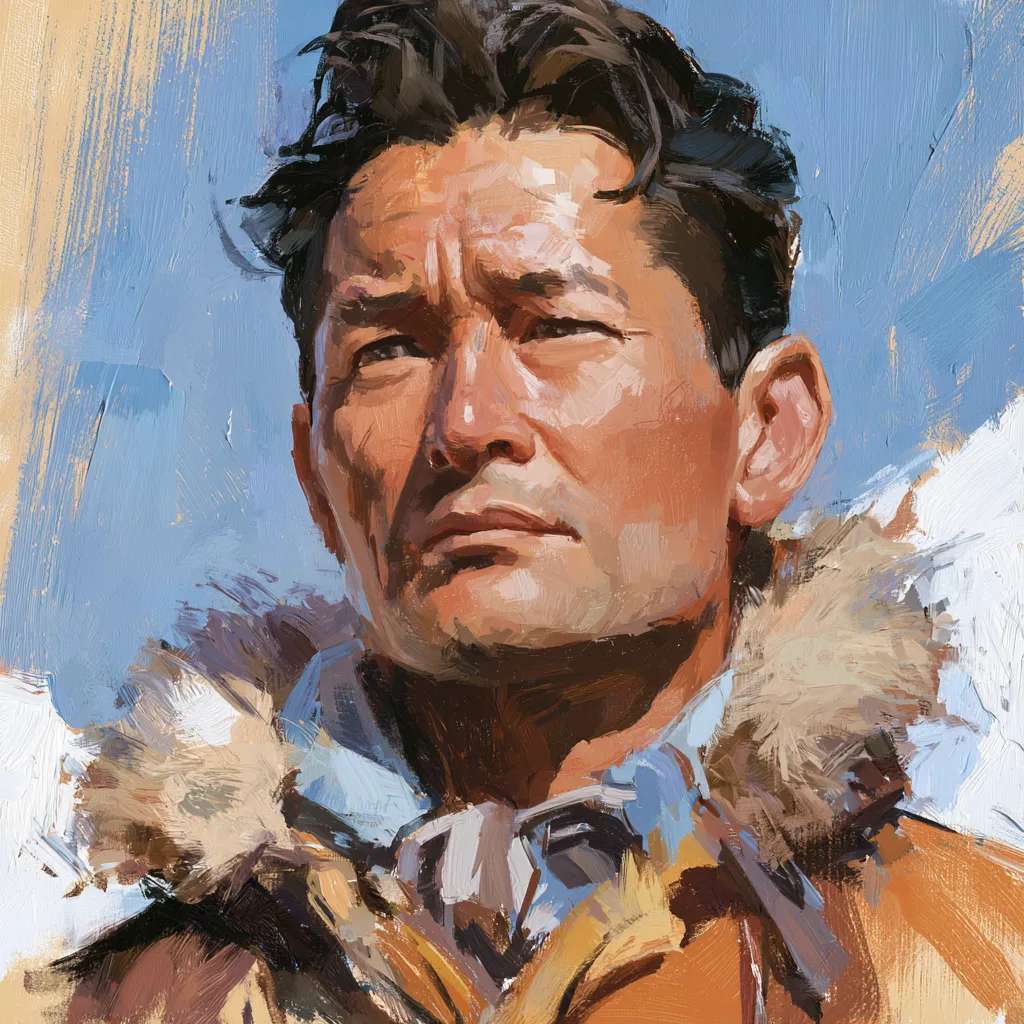 Tenzing NorgayTenzing Norgay was a Nepali-Indian Sherpa mountaineer who, together with Edmund Hillary, made history as the first person confirmed to summit Mount Everest in 1953. His expertise and courage were vital to the expedition's success.
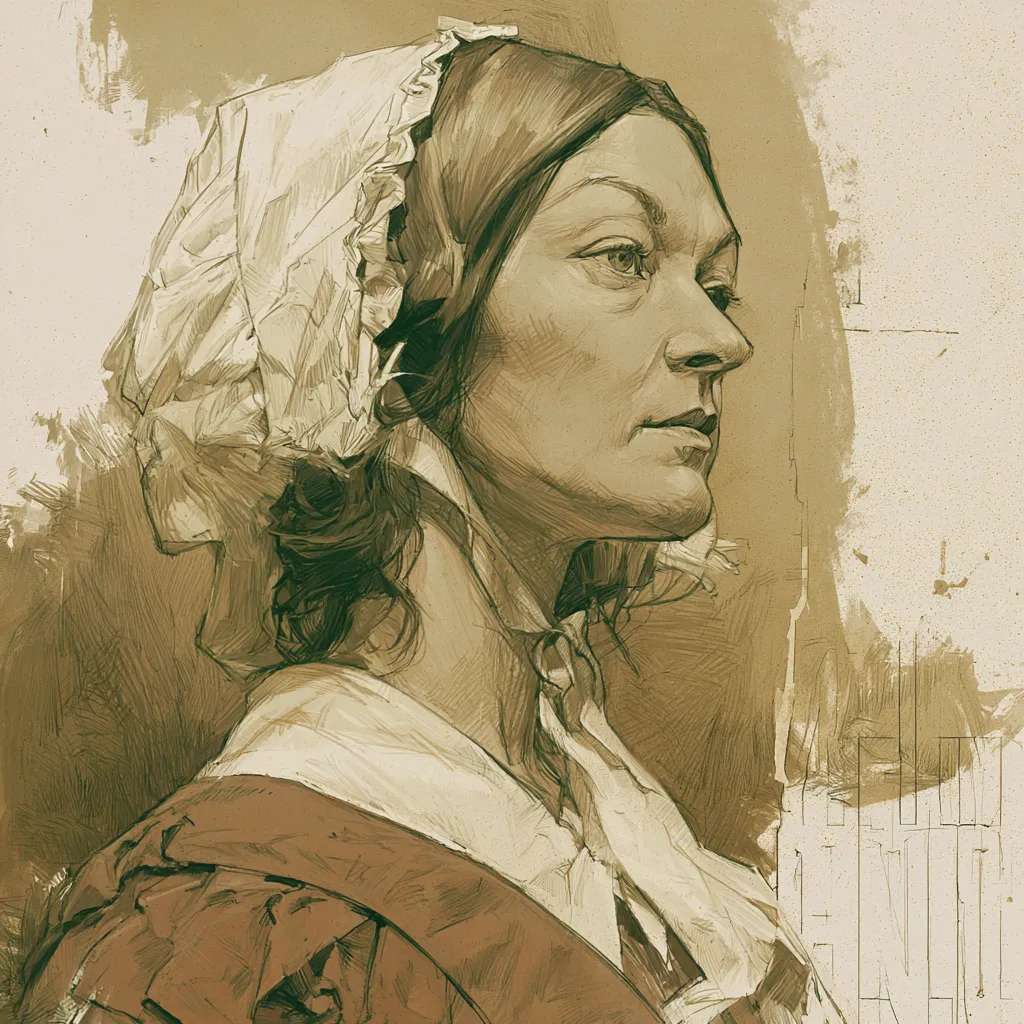 Florence NightingaleBritish nurse and social reformer who revolutionized hospital sanitation during the Crimean War and established modern nursing as a respected profession.
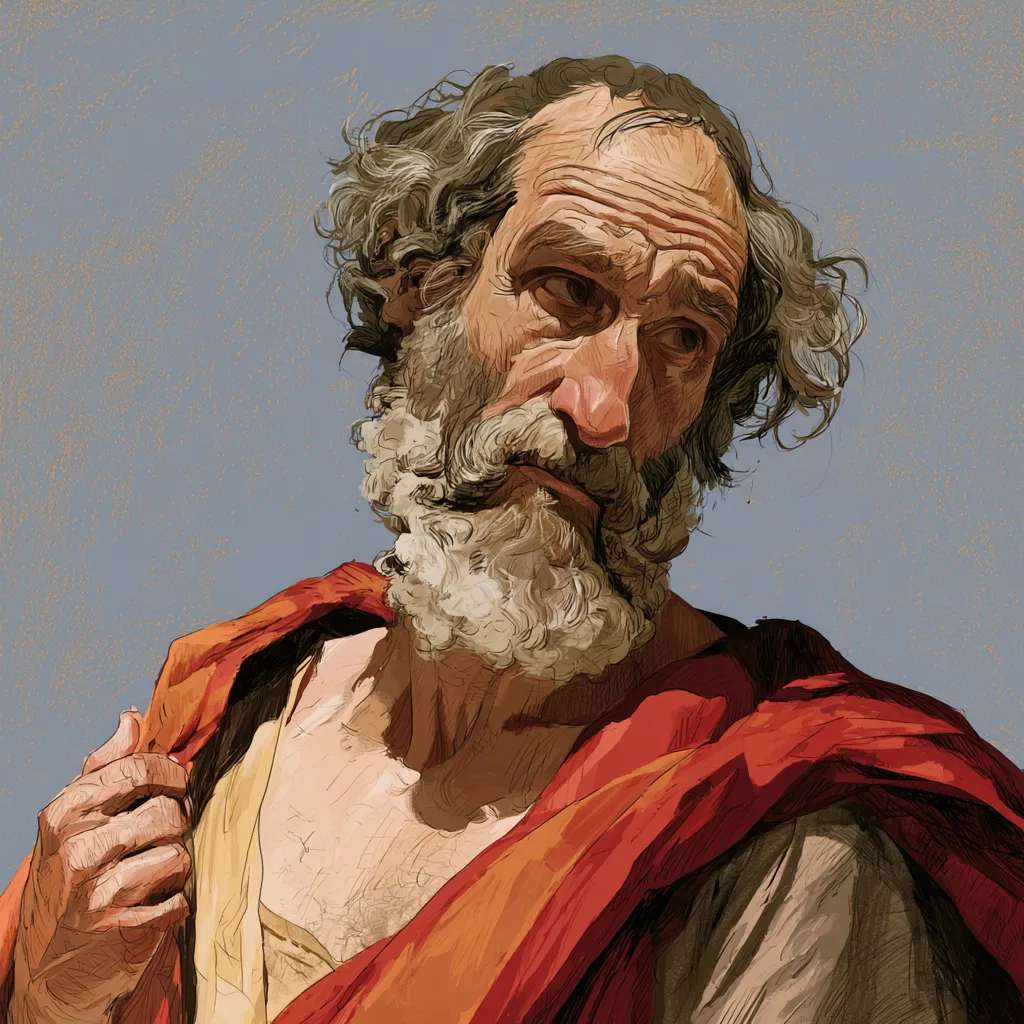 HomerAncient Greek poet traditionally credited with composing the Iliad and the Odyssey. His epic works about the Trojan War have shaped Western literature for nearly three thousand years.
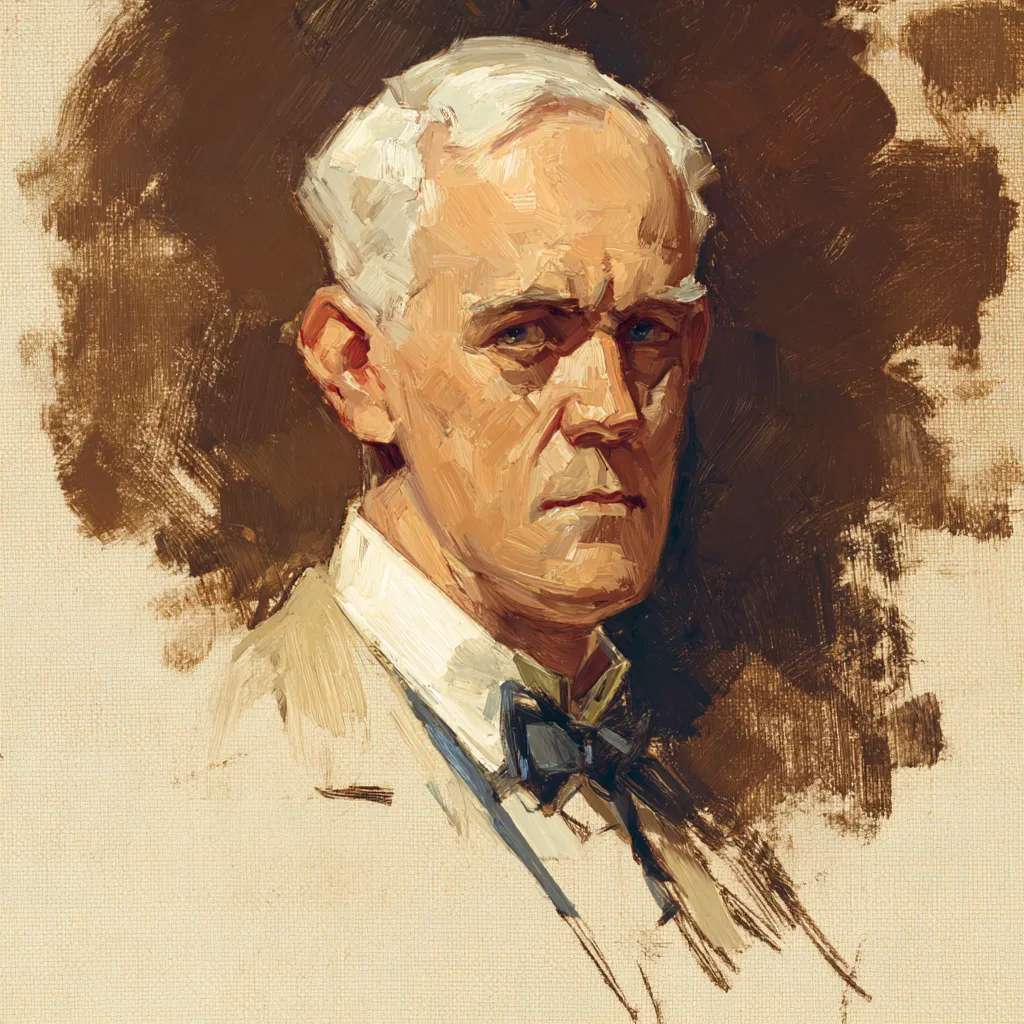 Alexander FlemingScottish microbiologist who accidentally discovered penicillin in 1928 when he noticed that a mold had contaminated one of his bacterial cultures and killed the bacteria. This serendipitous discovery led to the development of antibiotics, saving millions of lives.
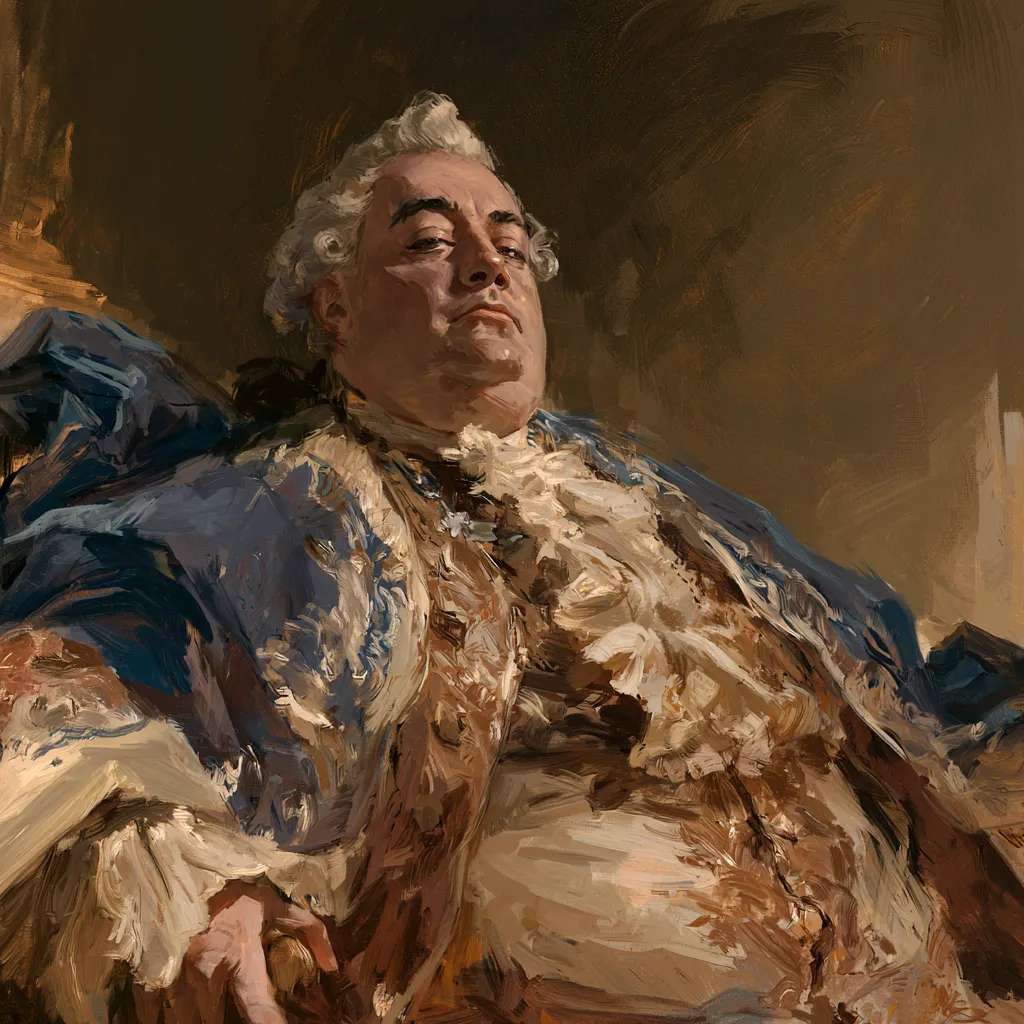 Louis XVIThe last king of France before the monarchy was abolished during the French Revolution. His indecisive leadership and financial crises contributed to the unrest that toppled the French monarchy.
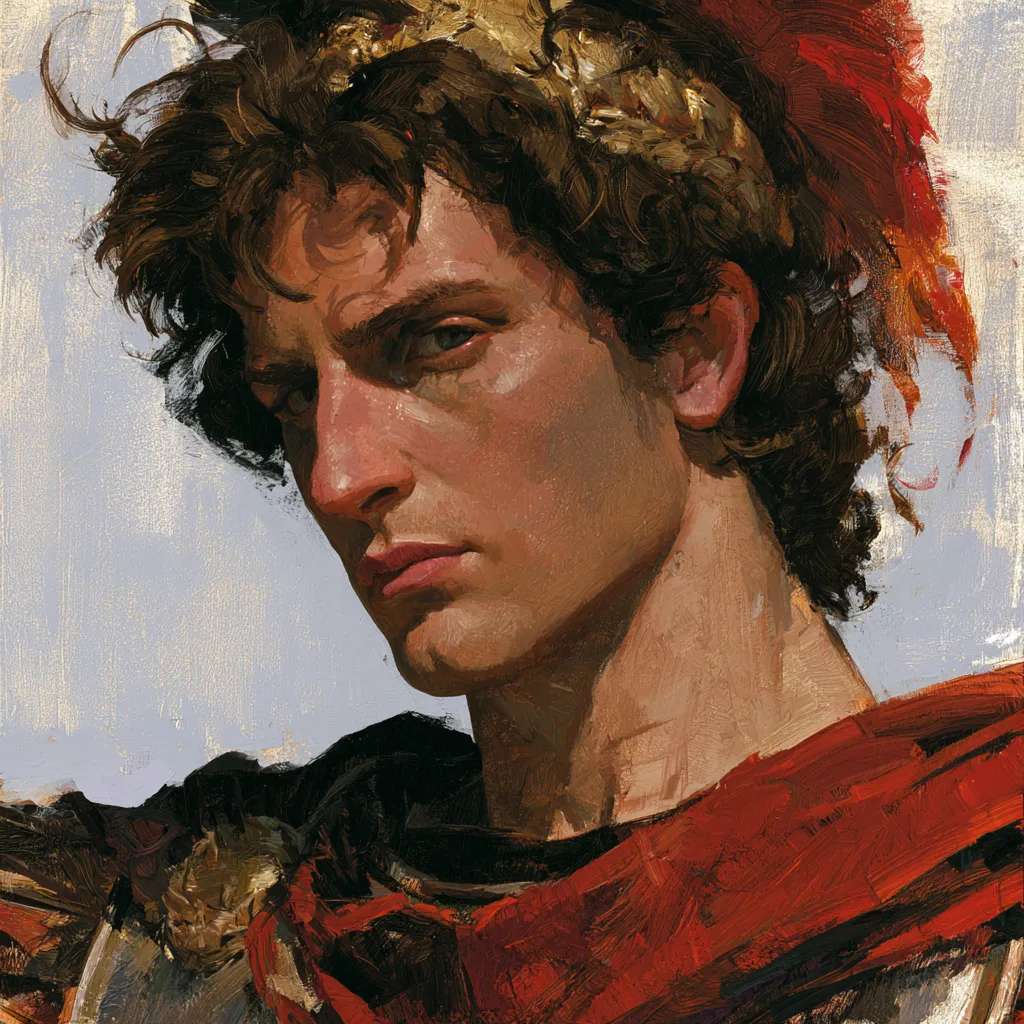 Alexander the GreatAlexander the Great was King of Macedonia who created one of the largest empires in ancient history by age 30. His conquests spread Greek culture across three continents and reshaped the ancient world.
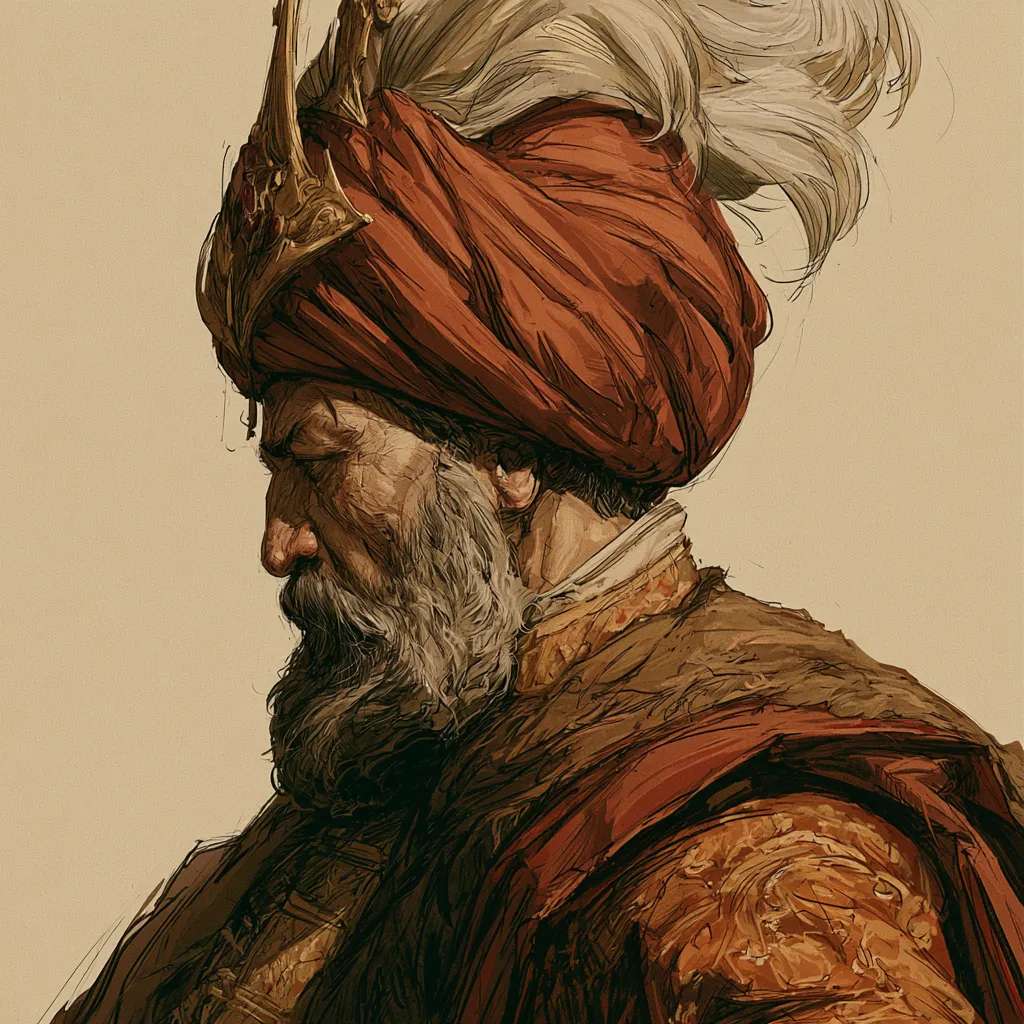 Mehmed IIOttoman Sultan known as 'the Conqueror' who captured Constantinople in 1453, ending the Byzantine Empire. His victory transformed the Ottoman Empire into a major European power and changed the course of world history.
 Viktor FranklAustrian neurologist, psychiatrist, and Holocaust survivor who developed logotherapy, a form of psychotherapy focused on finding meaning in life. His experiences in Nazi concentration camps and his book 'Man's Search for Meaning' have inspired millions worldwide.
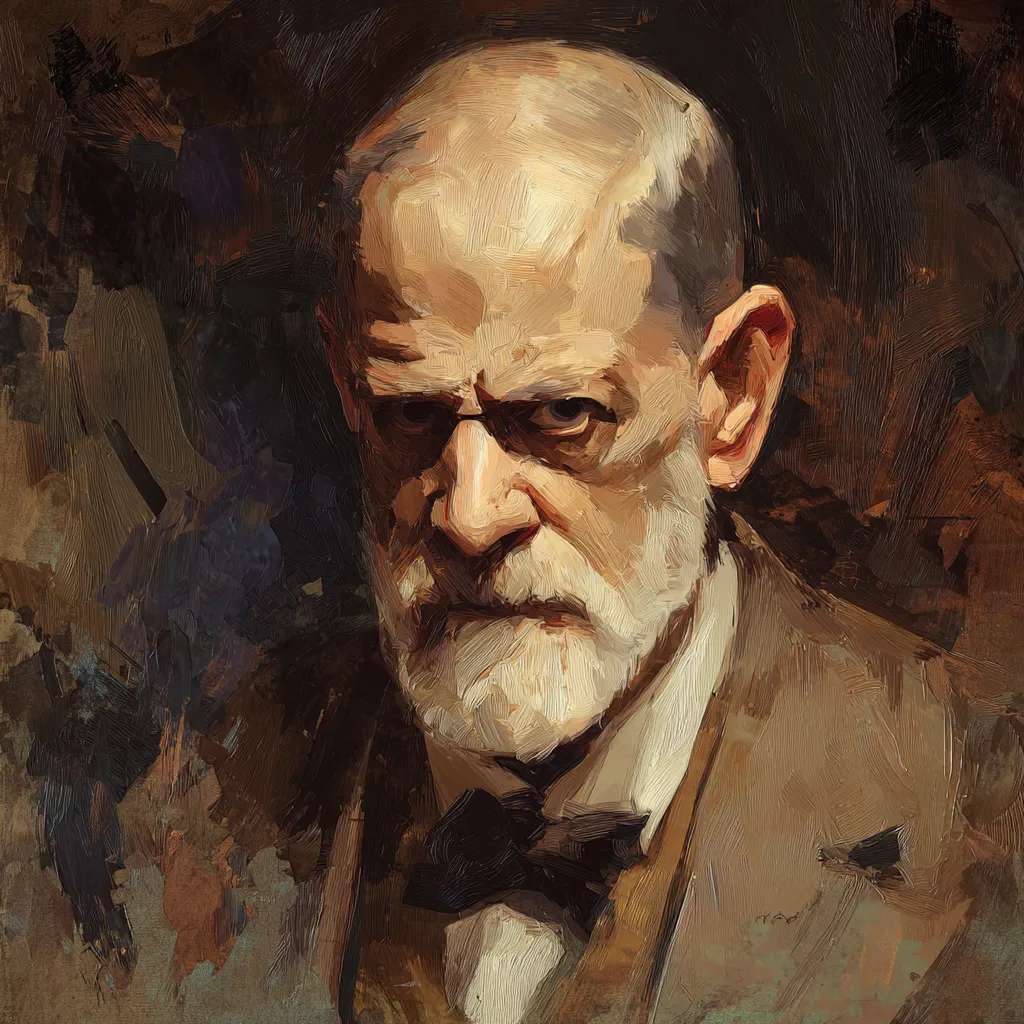 Sigmund FreudAustrian neurologist who founded psychoanalysis and developed revolutionary theories about the unconscious mind, dreams, and human psychology. His work fundamentally changed how we understand mental health, personality, and human behavior.
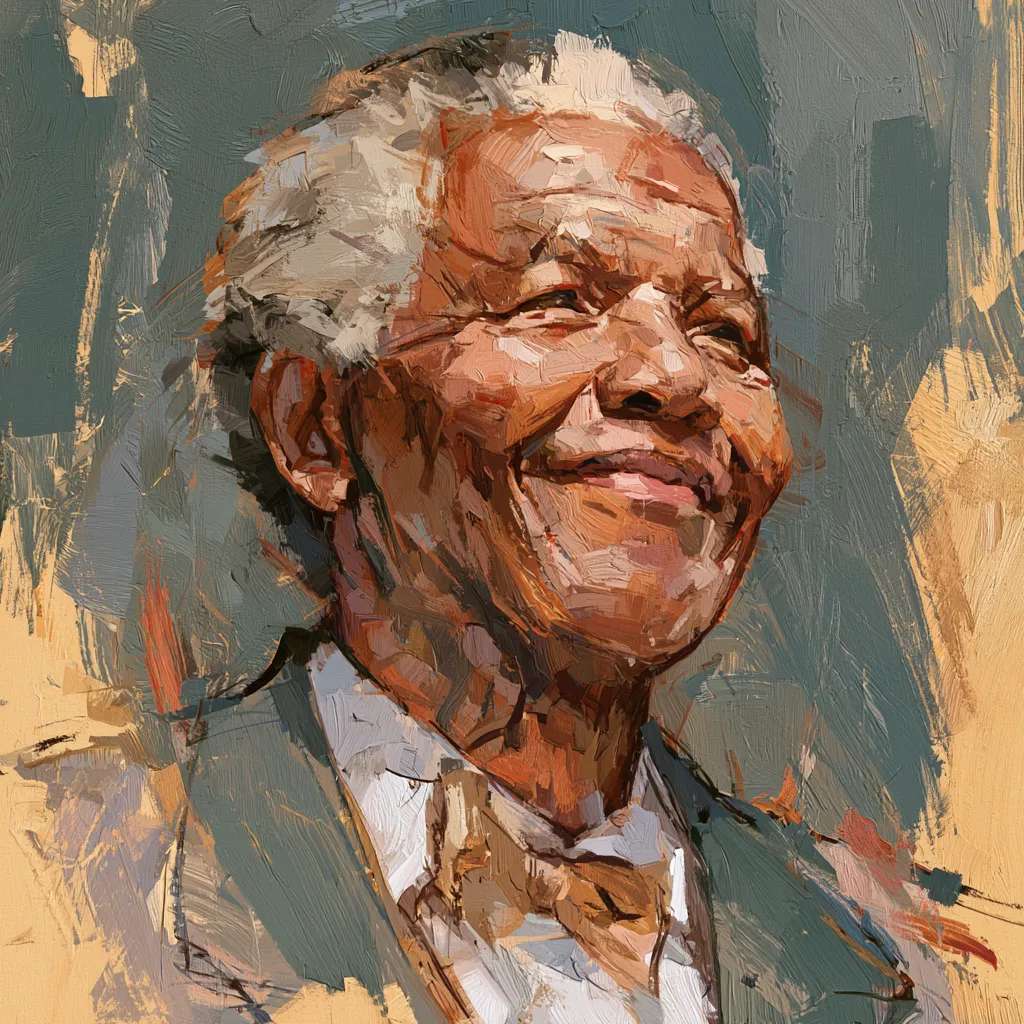 Nelson MandelaNelson Mandela was a South African anti-apartheid revolutionary who spent 27 years in prison before becoming the country's first Black president. He championed reconciliation and remains a global symbol of resilience and justice.
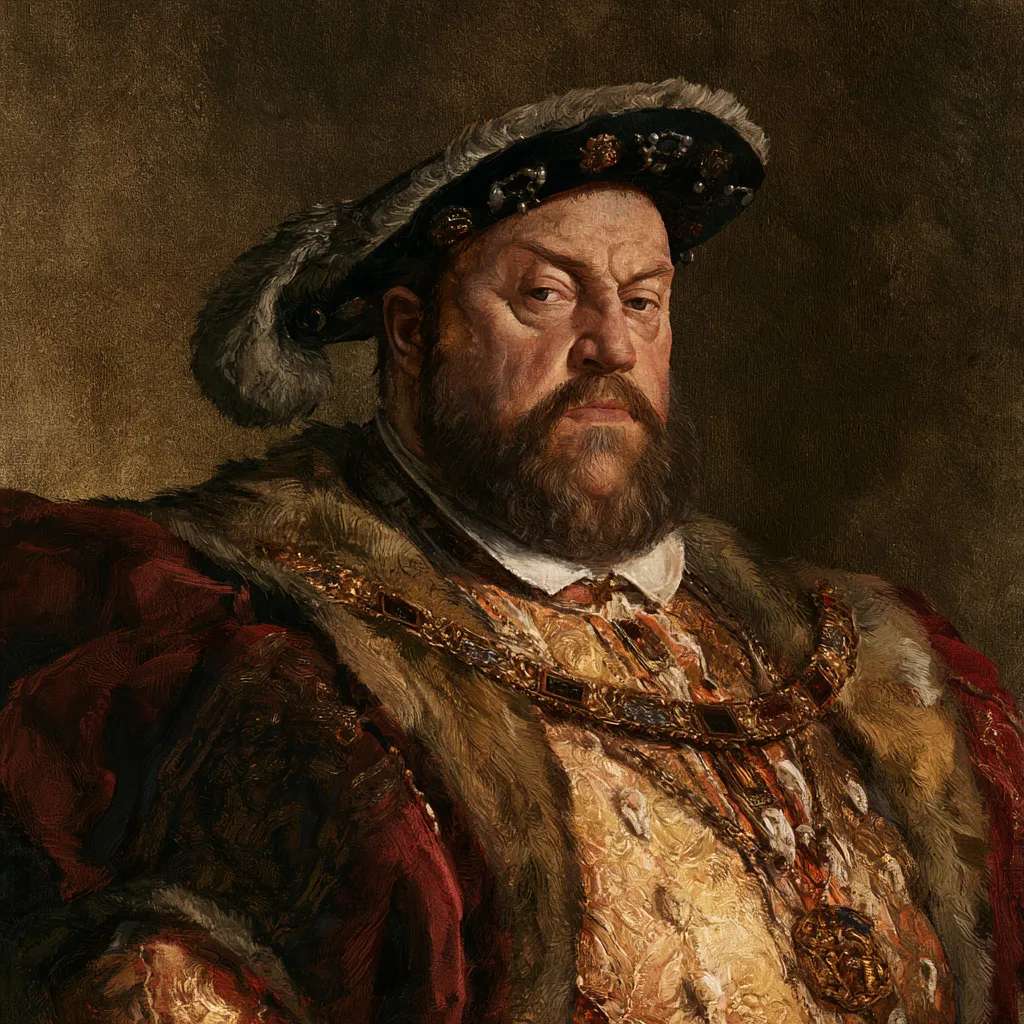 Henry VIIIHenry VIII was King of England from 1509 to 1547, famous for his six marriages and for breaking from the Catholic Church to found the Church of England. His reign reshaped English religion, politics, and monarchy.
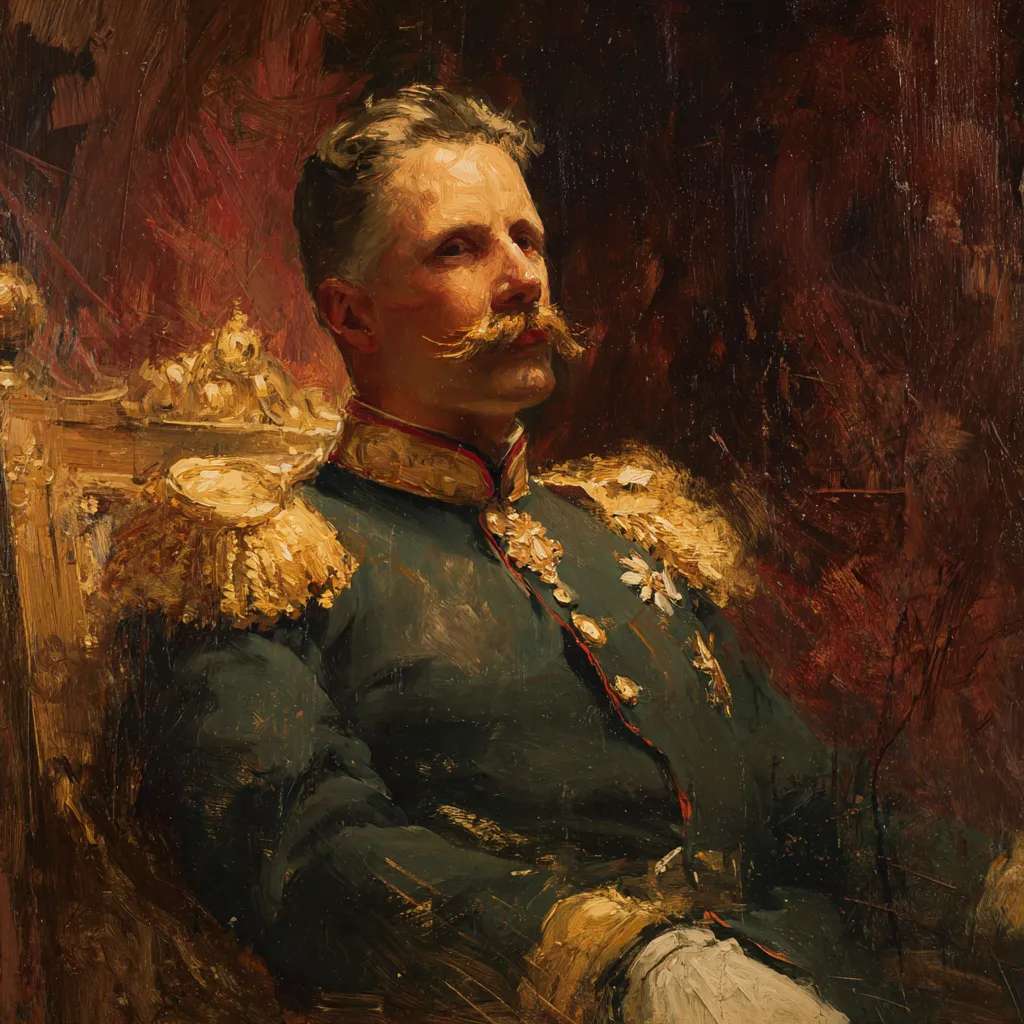 Archduke Franz FerdinandHeir to the Austro-Hungarian throne whose assassination in Sarajevo on June 28, 1914, triggered a series of events that led to World War I. His death became the catalyst for the most devastating conflict the world had yet seen.
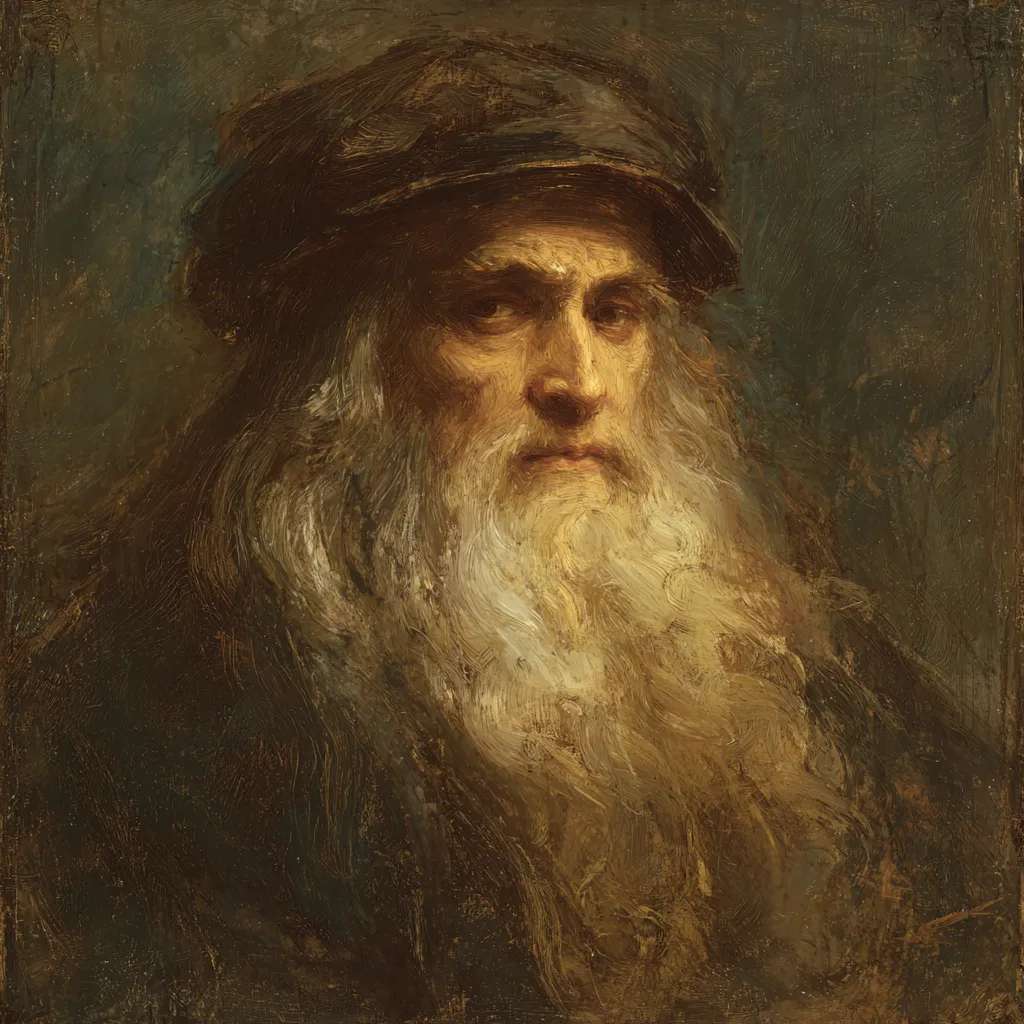 Leonardo da VinciLeonardo da Vinci (1452–1519) was an Italian Renaissance polymath whose genius spanned art, science, engineering, anatomy, and invention. Best known for masterpieces like The Mona Lisa and The Last Supper, Leonardo believed that careful observation of nature was the key to all knowledge. He filled thousands of notebook pages with studies of the human body, flight, machines, and natural phenomena—many ideas far ahead of his time. Leonardo became the enduring symbol of the “Renaissance man,” driven by relentless curiosity and the belief that art and science are inseparable.
 Josephine BakerAmerican-born French entertainer, dancer, and World War II spy who became an international icon while secretly working for the French Resistance.
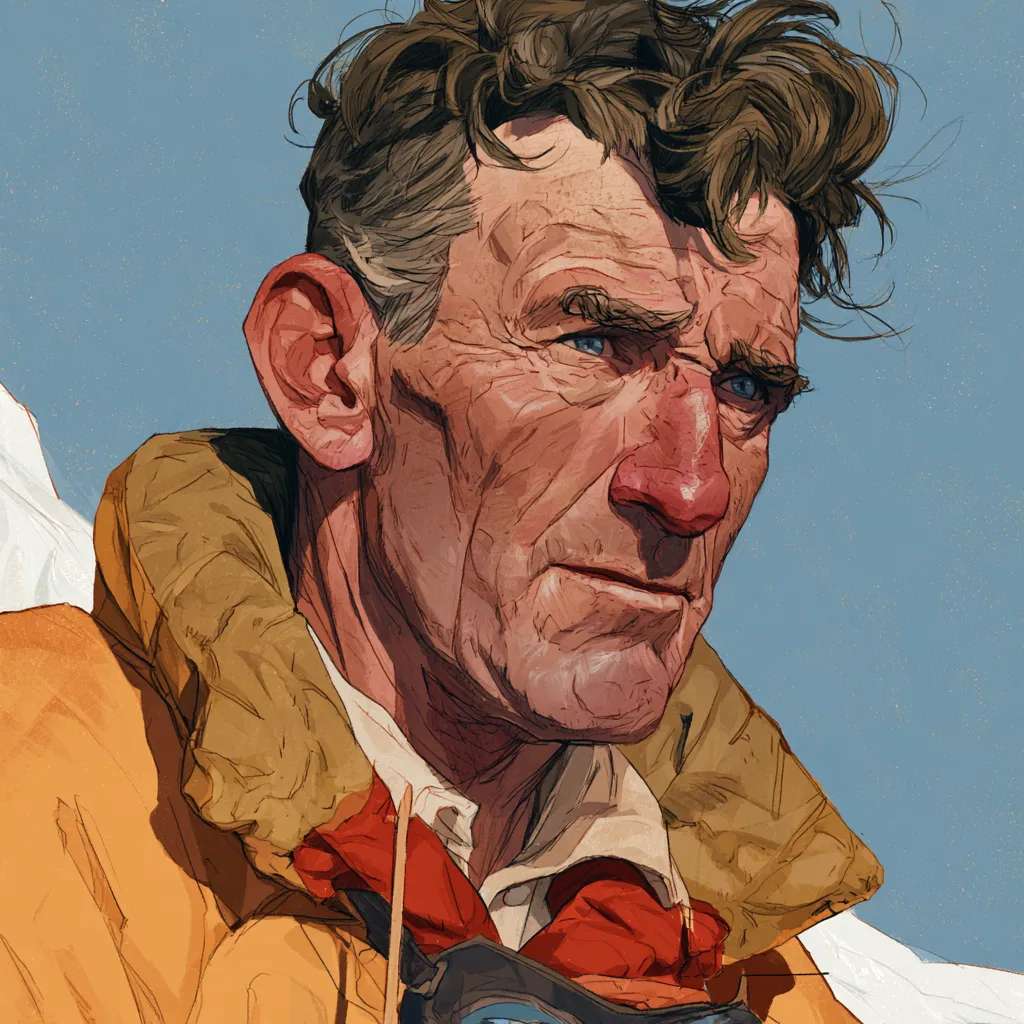 Edmund HillaryEdmund Hillary was a New Zealand mountaineer who, with Tenzing Norgay, became the first person confirmed to reach the summit of Mount Everest in 1953. His achievement remains one of the most celebrated feats in exploration history.
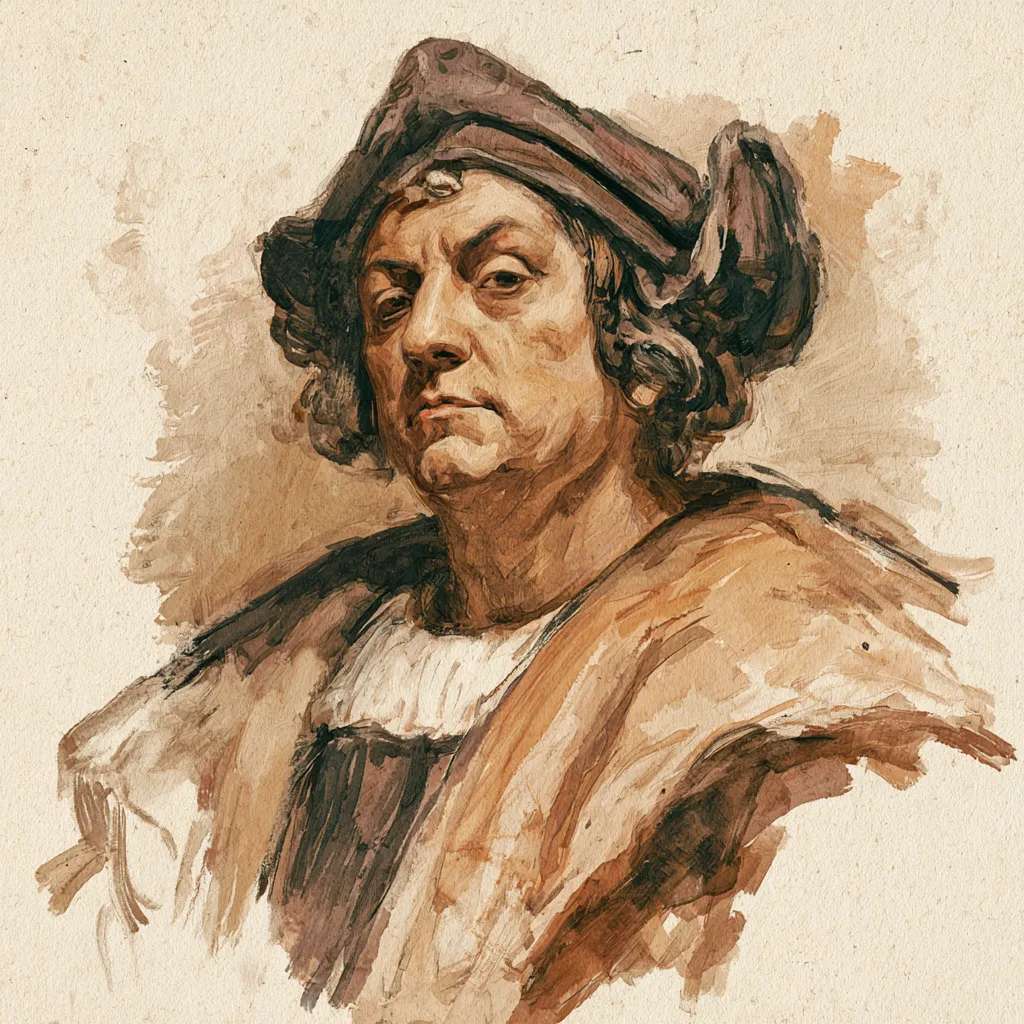 Christopher ColumbusItalian explorer whose 1492 voyage to the Americas initiated widespread European colonization and forever changed the course of world history. His expeditions connected two worlds and sparked centuries of exploration.
Looking for something specific? Browse all 67 characters.