
Philosophy & Psychology
Dive into big questions of existence, thought, behavior, and the human mind.
Some of the stories included
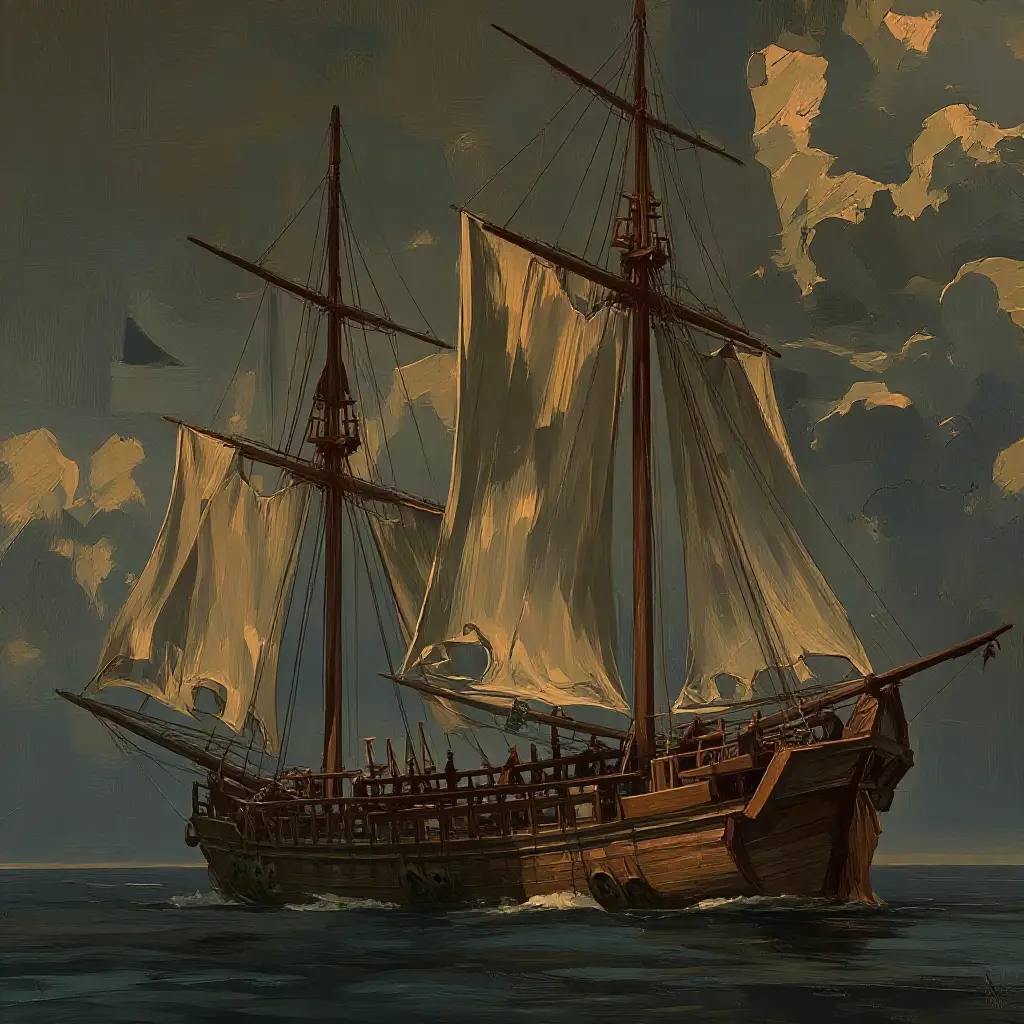 The Ship of Theseus ParadoxThe ancient paradox of the Ship of Theseus, first recorded by Plutarch, questions if an object remains the same after all its parts are replaced.
 The Marshmallow TestWalter Mischel's famous test found kids who waited for a second marshmallow had higher SAT scores, but what did it really prove?
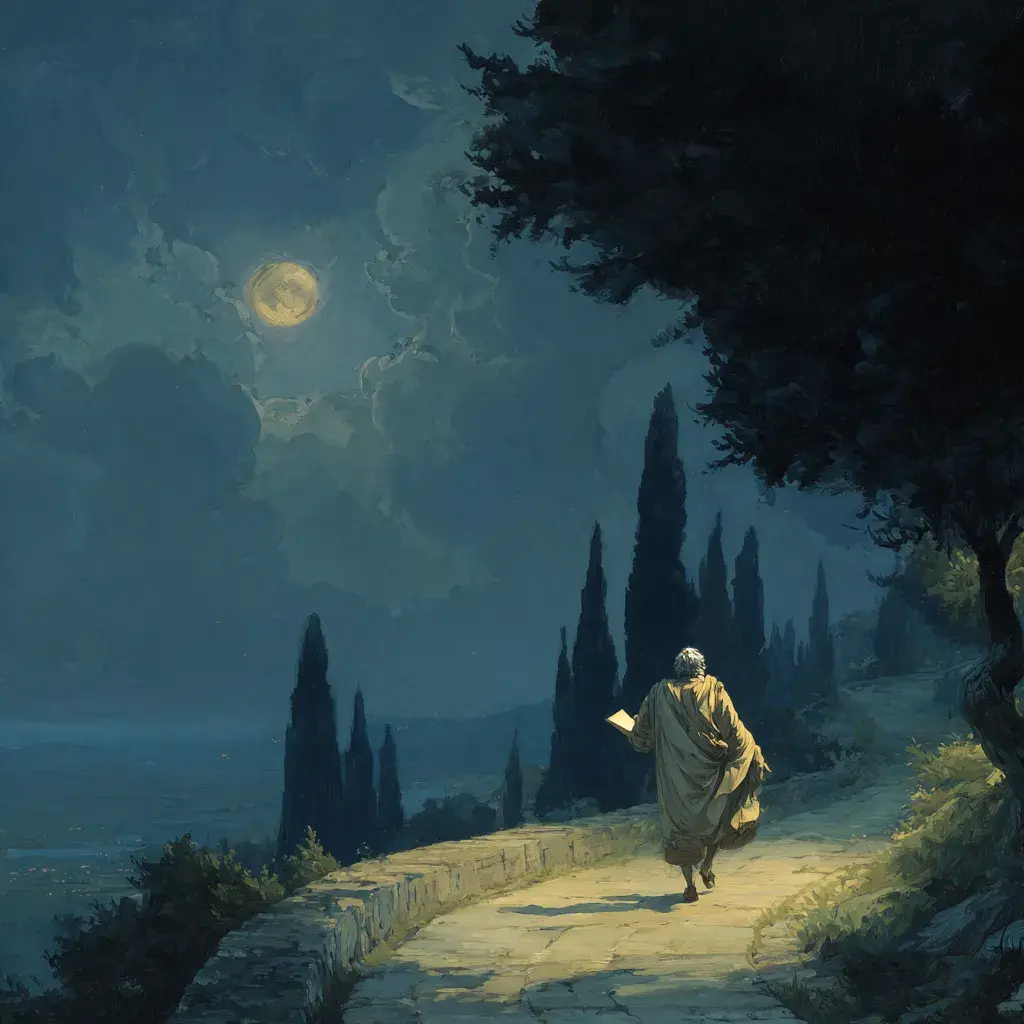 Aristotle and the Pursuit of VirtueFrom student to philosopher, Aristotle redefined virtue not as a divine ideal, but as a practical skill achieved through daily habits.
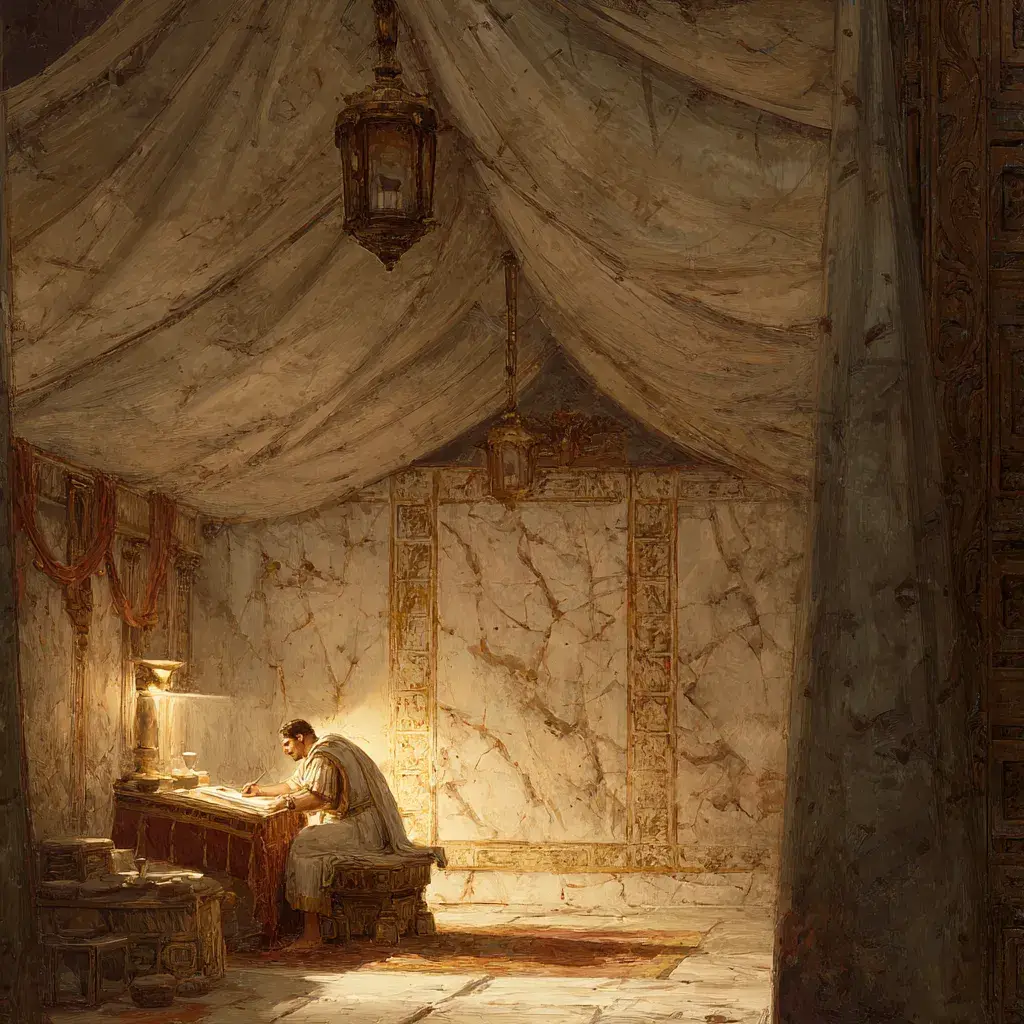 Marcus Aurelius & the Philosophy of StoicismThe story of Marcus Aurelius, who used Stoic philosophy to rule Rome through plague and war, and wrote his private thoughts in the Meditations.
 The Chinese Room ArgumentJohn Searle's 1980 thought experiment about a man following rules to answer in Chinese, which argues that running a program is not the same as understanding, and the replies critics made.
 The Robbers Cave ExperimentMuzafer Sherif's 1954 summer-camp study of how rivalry turns groups against each other, and what his own notes later revealed about it.
 The Placebo EffectWhy a sugar pill can ease real pain: discover the science of the placebo effect, from the 1950s to the brain's chemistry.
 SenecaThe Stoic tutor to Emperor Nero, Seneca preached simplicity while amassing a fortune, before his forced suicide in AD 65.
 Viktor Frankl and Meaning in SufferingPsychiatrist Viktor Frankl survived Auschwitz and argued that the primary human drive is not pleasure or power, but a will to meaning.
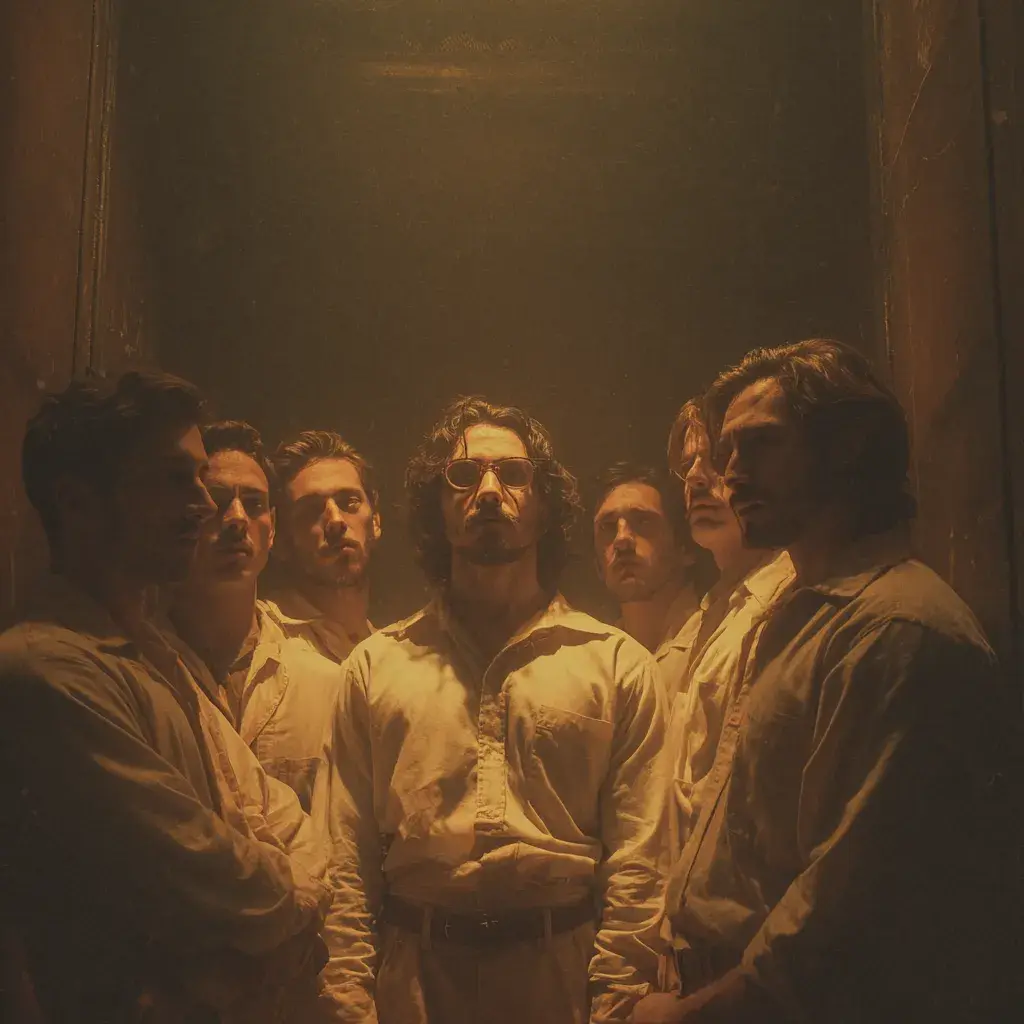 The Stanford Prison ExperimentIn 1971 Philip Zimbardo turned a Stanford basement into a mock prison. The study was stopped after six days, and later evidence has cast doubt on what it showed.
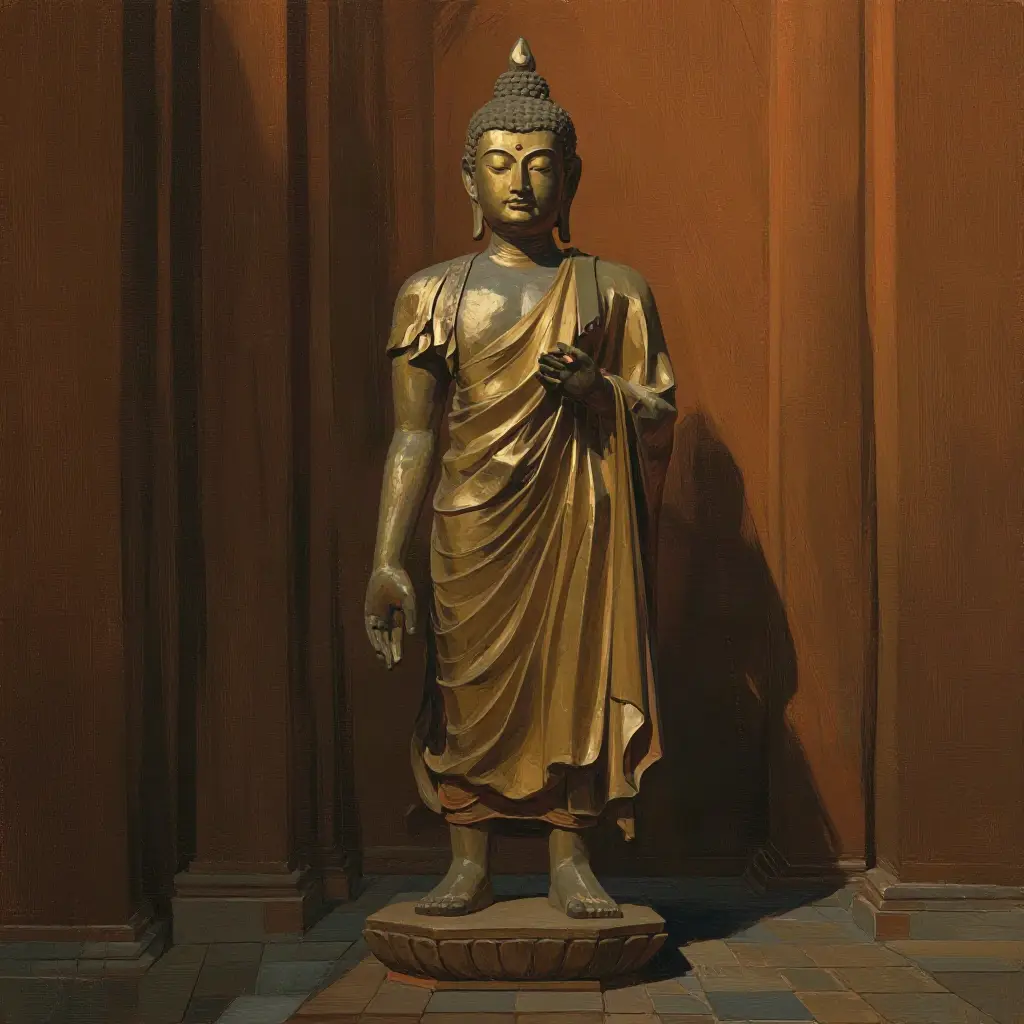 The BuddhaThe life of Siddhartha Gautama, the sheltered prince who confronted suffering and became the Buddha, and his core teachings on how to end it.
 Occam's RazorThe philosophical principle that the simplest explanation, the one with the fewest assumptions, is usually the right one to test first.
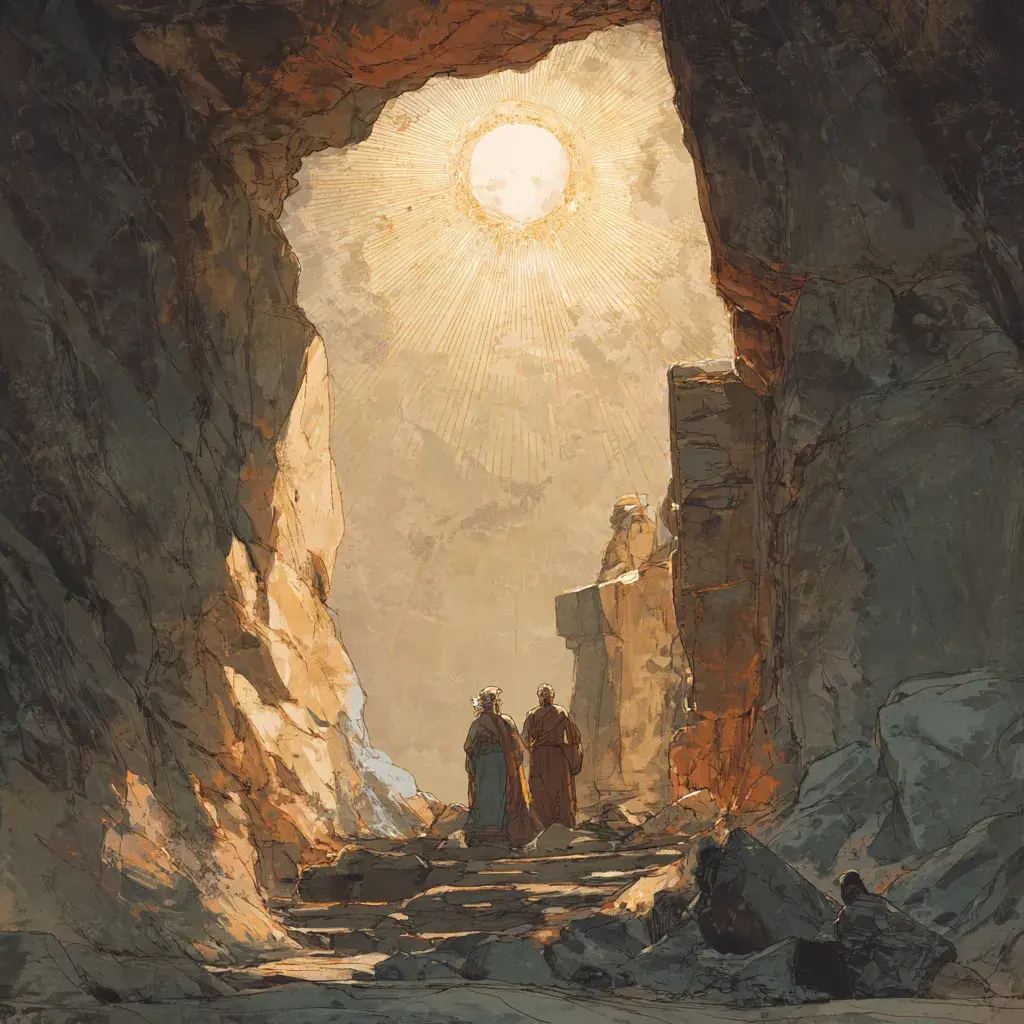 Plato’s Allegory of the CavePlato's Allegory of the Cave from the Republic: prisoners who mistake shadows for reality, one man's climb into the light, and what Plato meant by it.
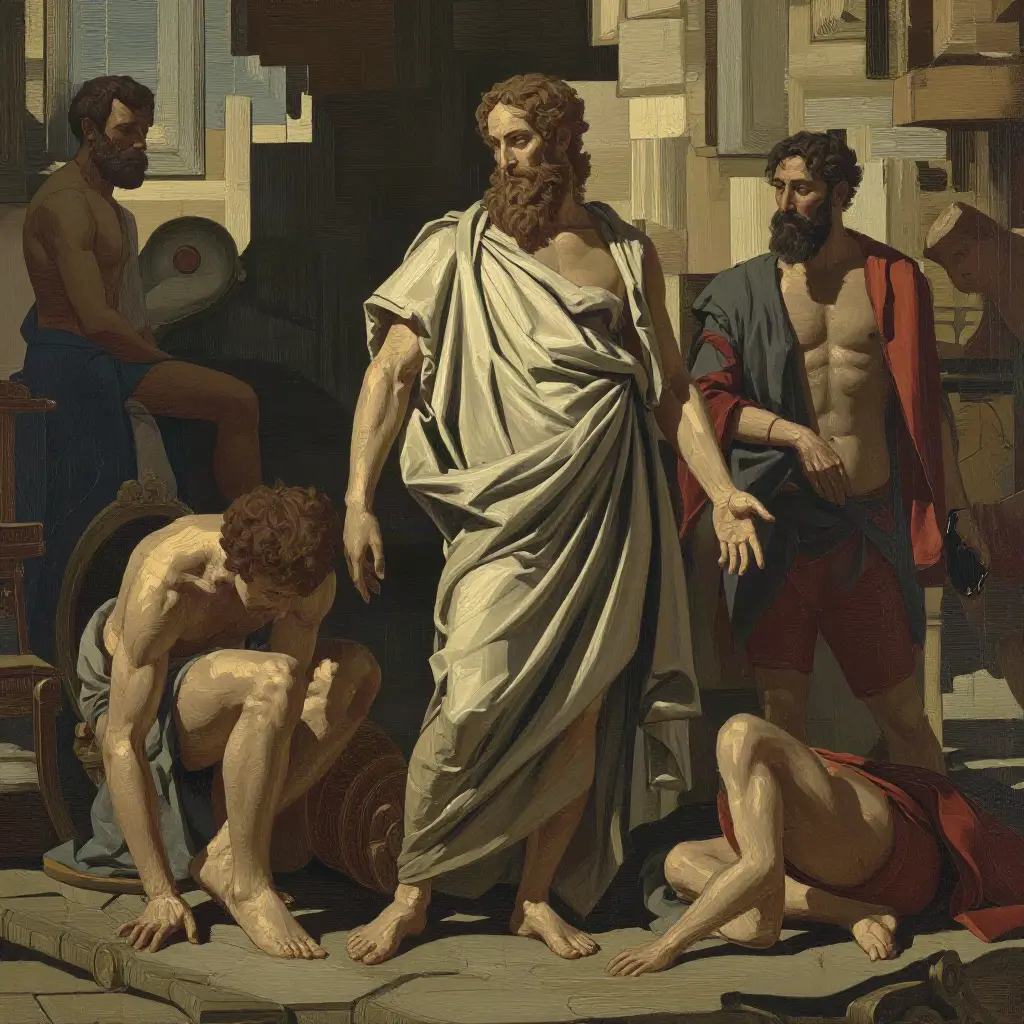 Epicurus and the Philosophy of PleasureThe Greek philosopher Epicurus taught that the good life means calm and freedom from fear rather than indulgence. This is how his ideas were slandered, then revived through Lucretius's poem.
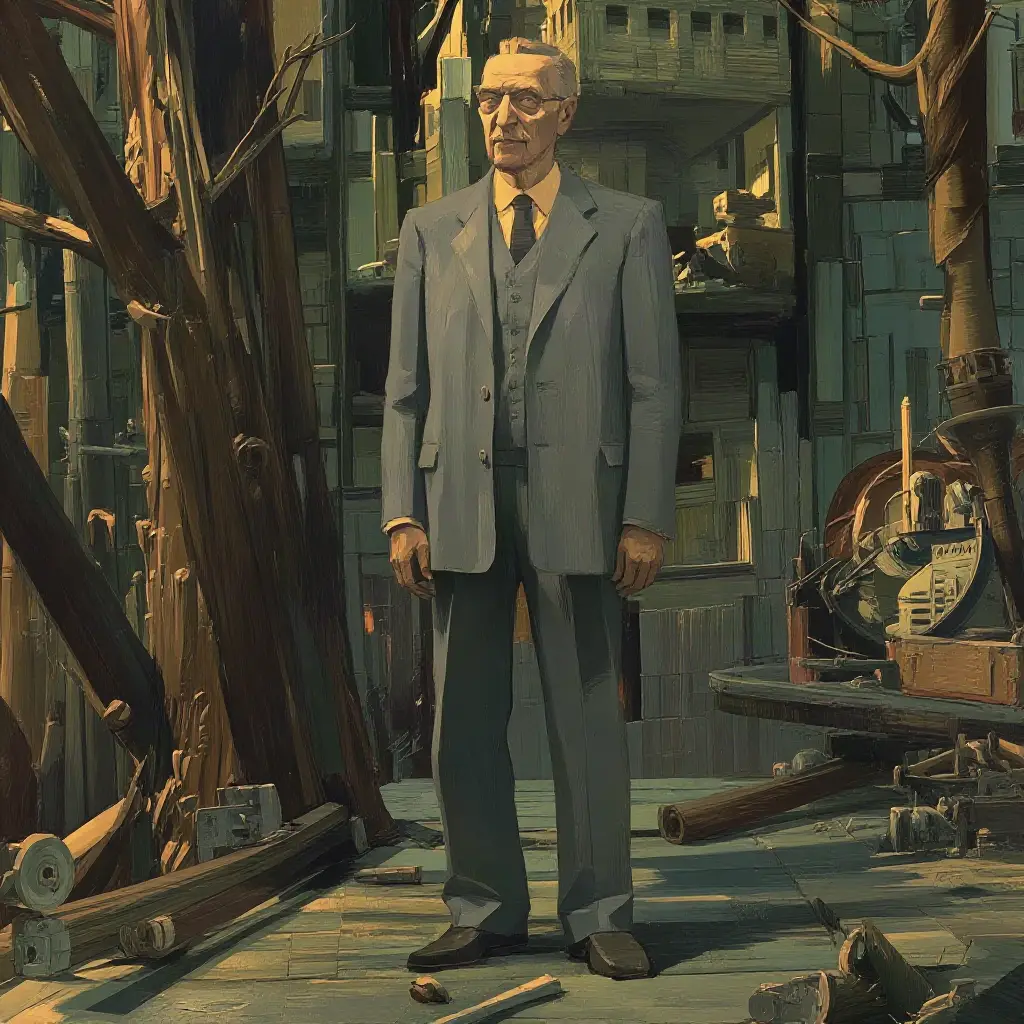 Carl JungCarl Jung's concept of a 'collective unconscious' defined his career after his famous split from Sigmund Freud.
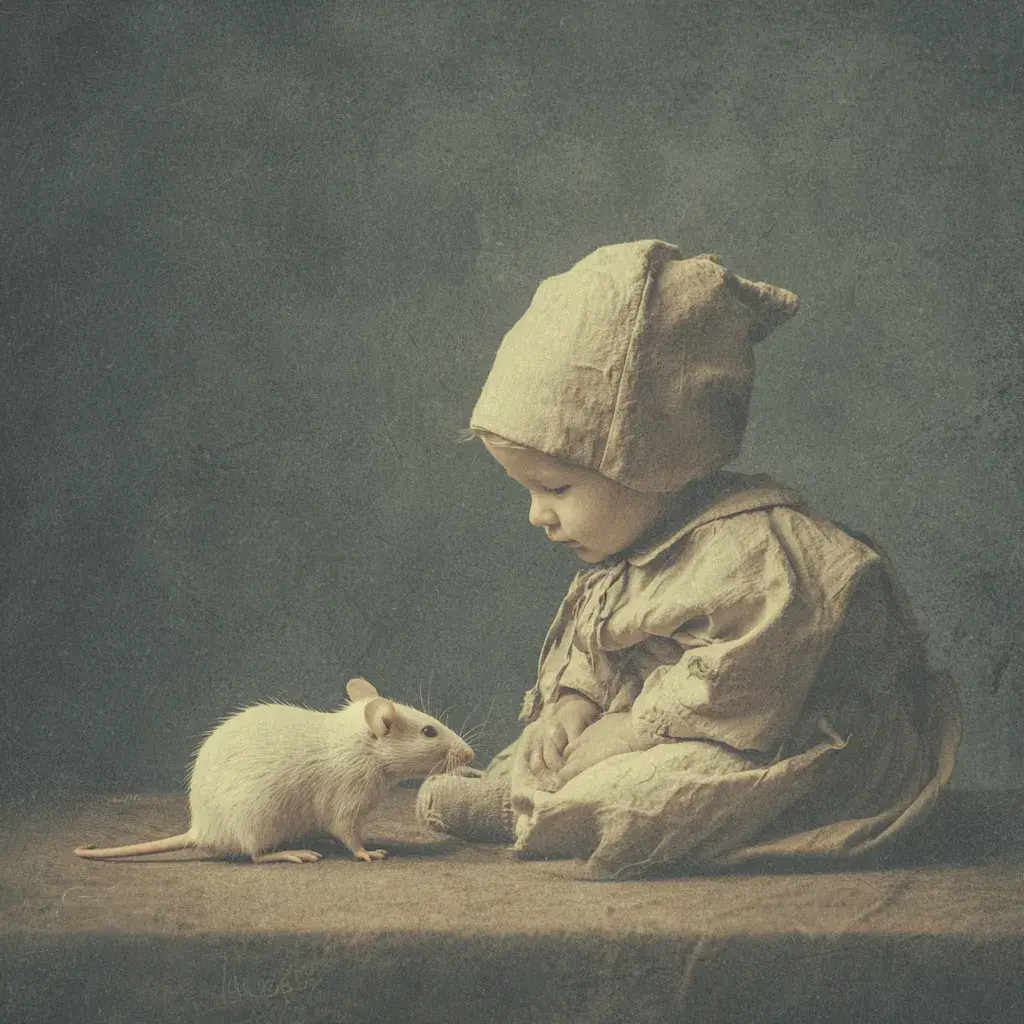 The Little Albert ExperimentHow a 1920 experiment taught a baby to fear a white rat, changing psychology and research ethics forever.
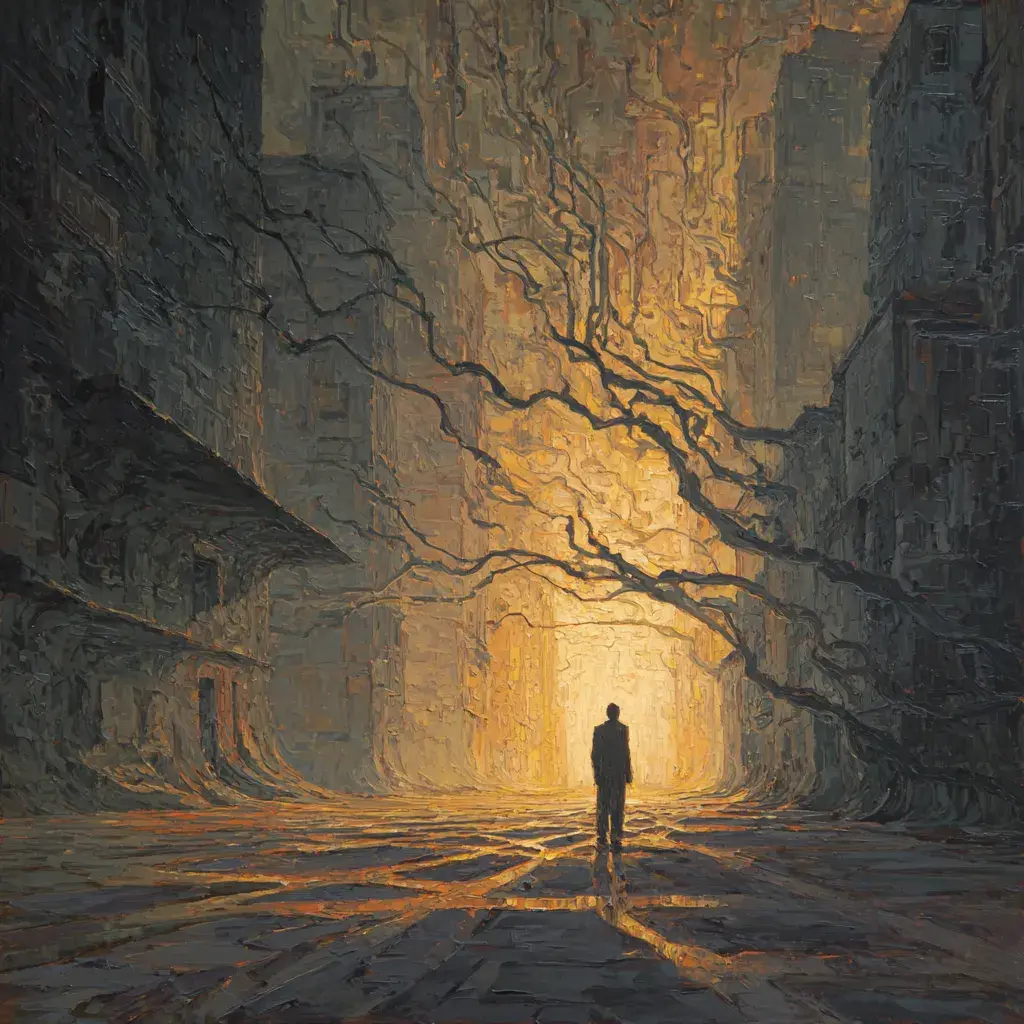 Sartre and Radical FreedomJean-Paul Sartre's existentialism: the idea that we are 'condemned to be free' and must make ourselves through our choices.
 Hegel and the End of HistoryHegel finished the main text of the Phenomenology of Spirit in Jena in October 1806, as Napoleon's army took the city. He wrote that he had seen the emperor, "this world-soul", ride through.
 Diogenes the CynicThe Greek philosopher Diogenes lived in a jar to prove virtue needs nothing, challenging society with his 'Cynic' philosophy of self-sufficiency.
 EpictetusThe enslaved man who became a great Stoic teacher, whose ideas on control would one day guide the Roman Emperor Marcus Aurelius.
 Sigmund Freud: The Man Who Mapped the MindSigmund Freud, the Viennese doctor who invented psychoanalysis, from the 'talking cure' to his flight from the Nazis to London.
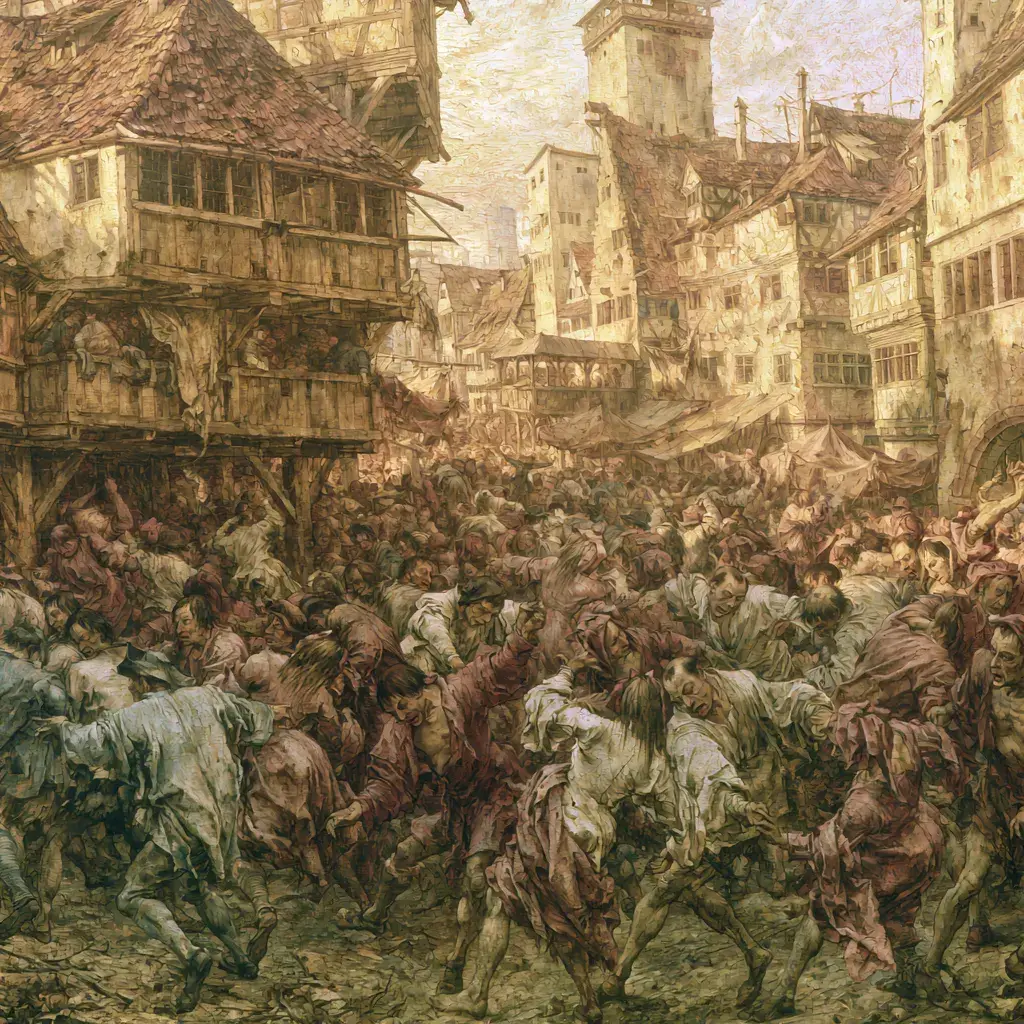 The Dancing Plague of 1518The Dancing Plague of 1518: hundreds of people in Strasbourg danced for weeks, the city's strange cure, and how historians explain it today.
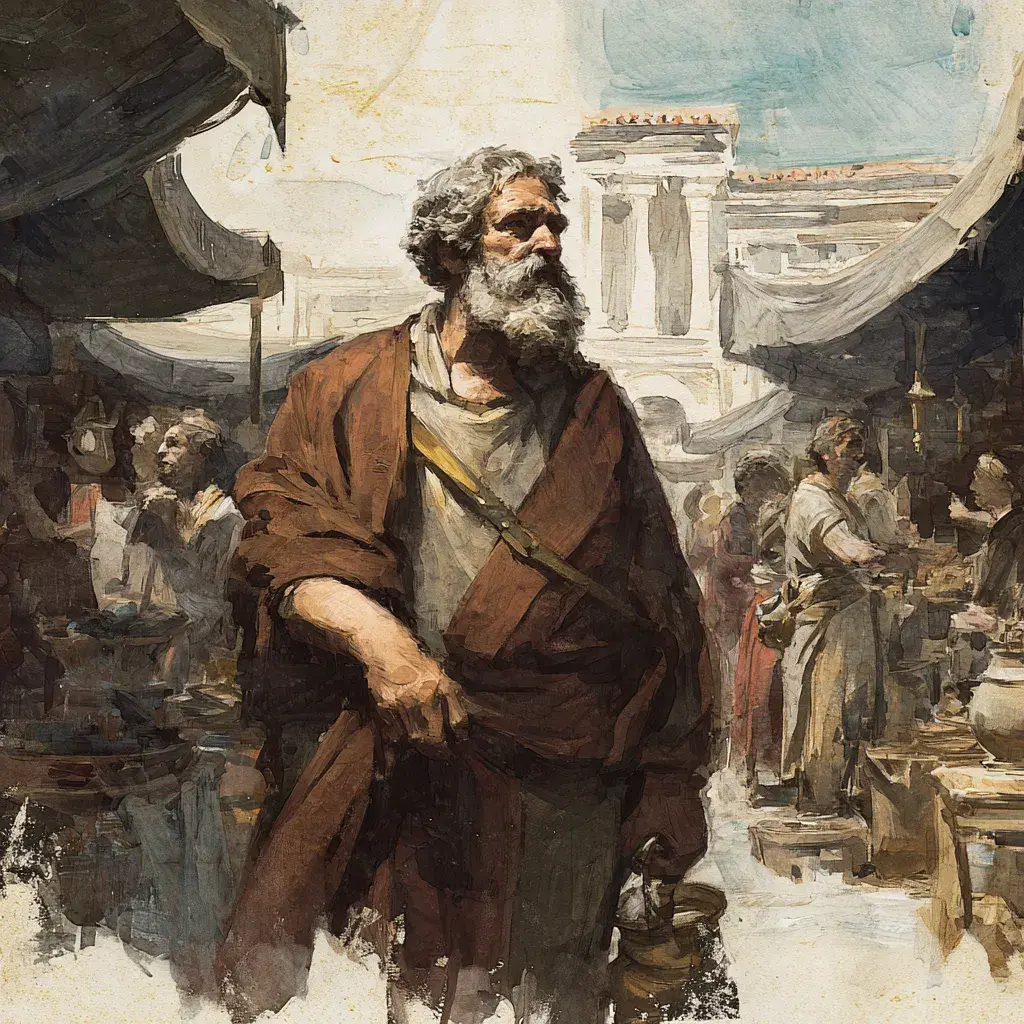 Socrates: The Man Who Taught the World to QuestionSocrates, the Athenian who wrote nothing yet founded Western philosophy by asking questions, and the trial in 399 BCE that sentenced him to death.
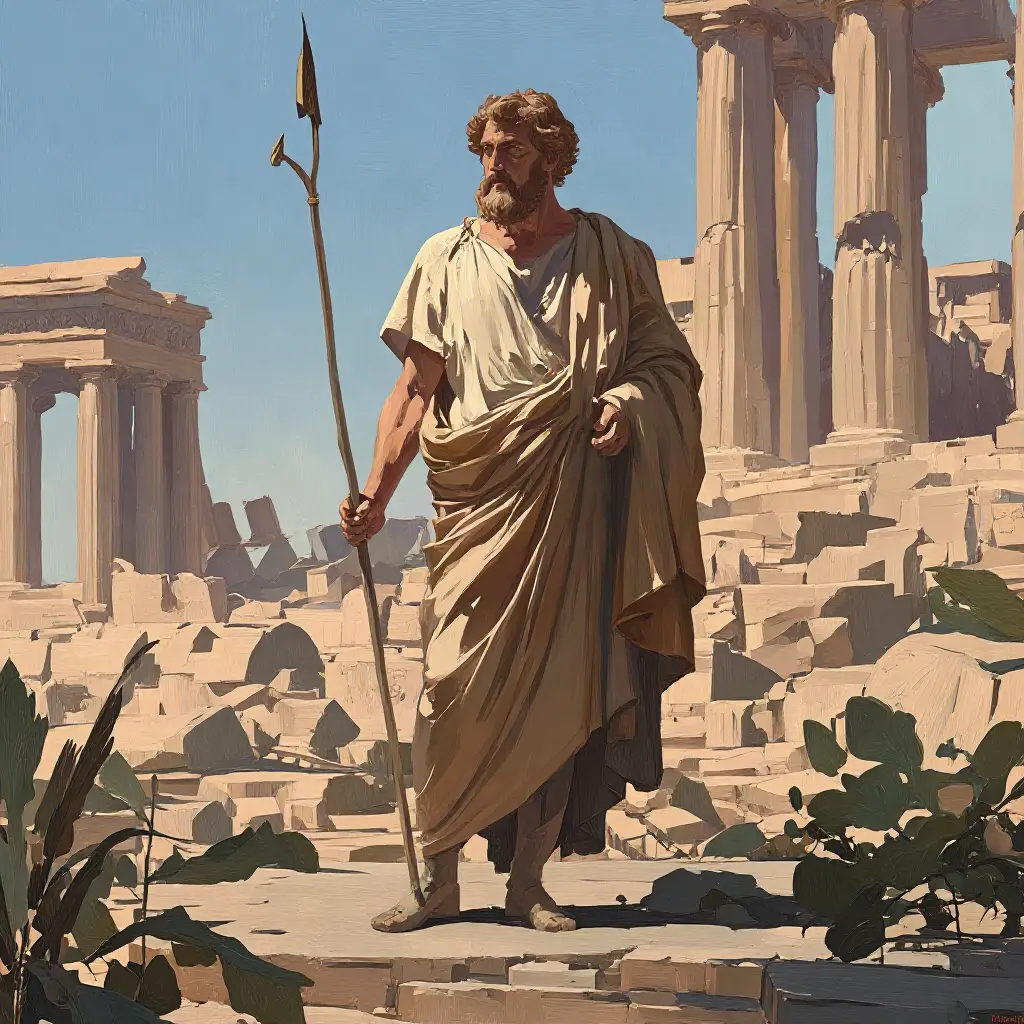 Thales of Miletus, the First PhilosopherThales left no writings, yet Aristotle named him the founder of natural philosophy for claiming all things come from water.
 The Trolley ProblemThe famous trolley problem explained, from its 1967 origins to why most people refuse to push a man to save five lives.
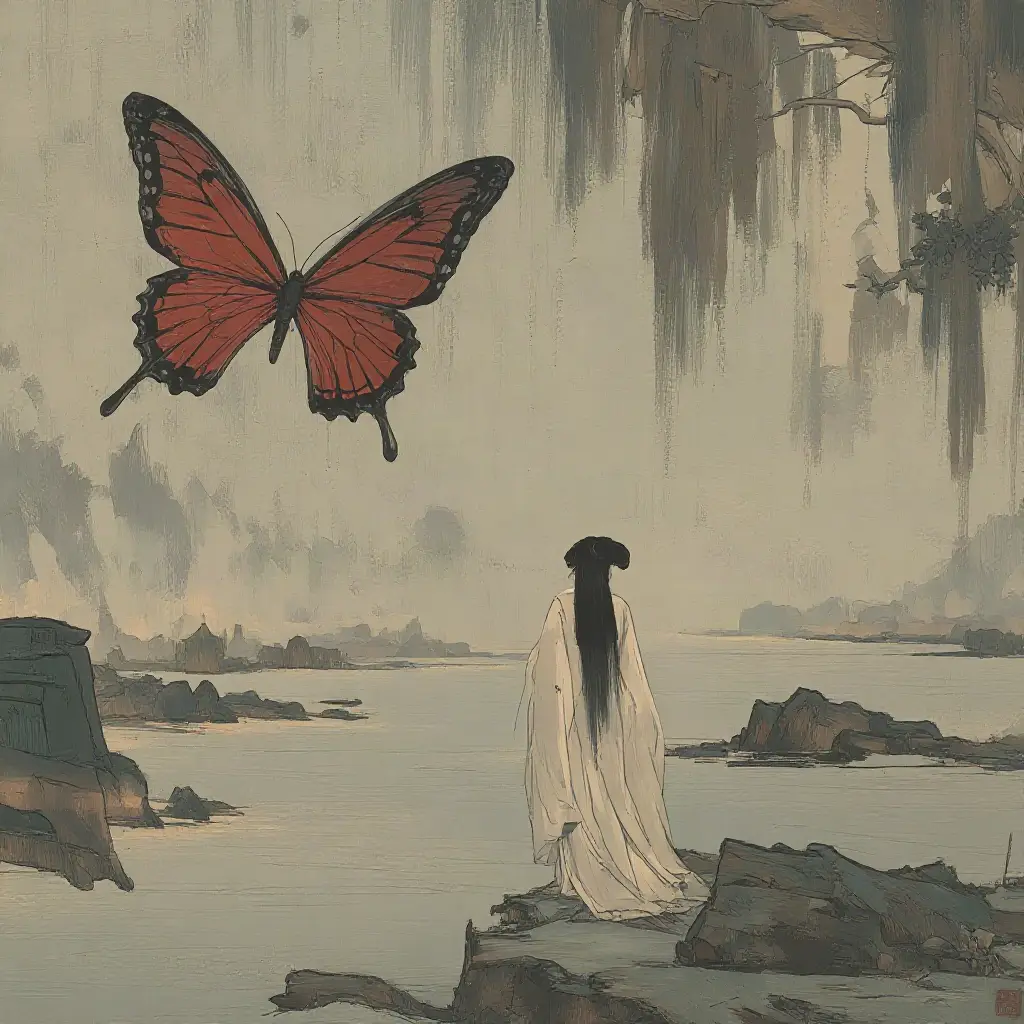 Zhuangzi's Butterfly DreamThe Daoist thinker Zhuangzi dreamed he was a butterfly, and on waking could not say which was the dreamer, questioning the nature of reality.
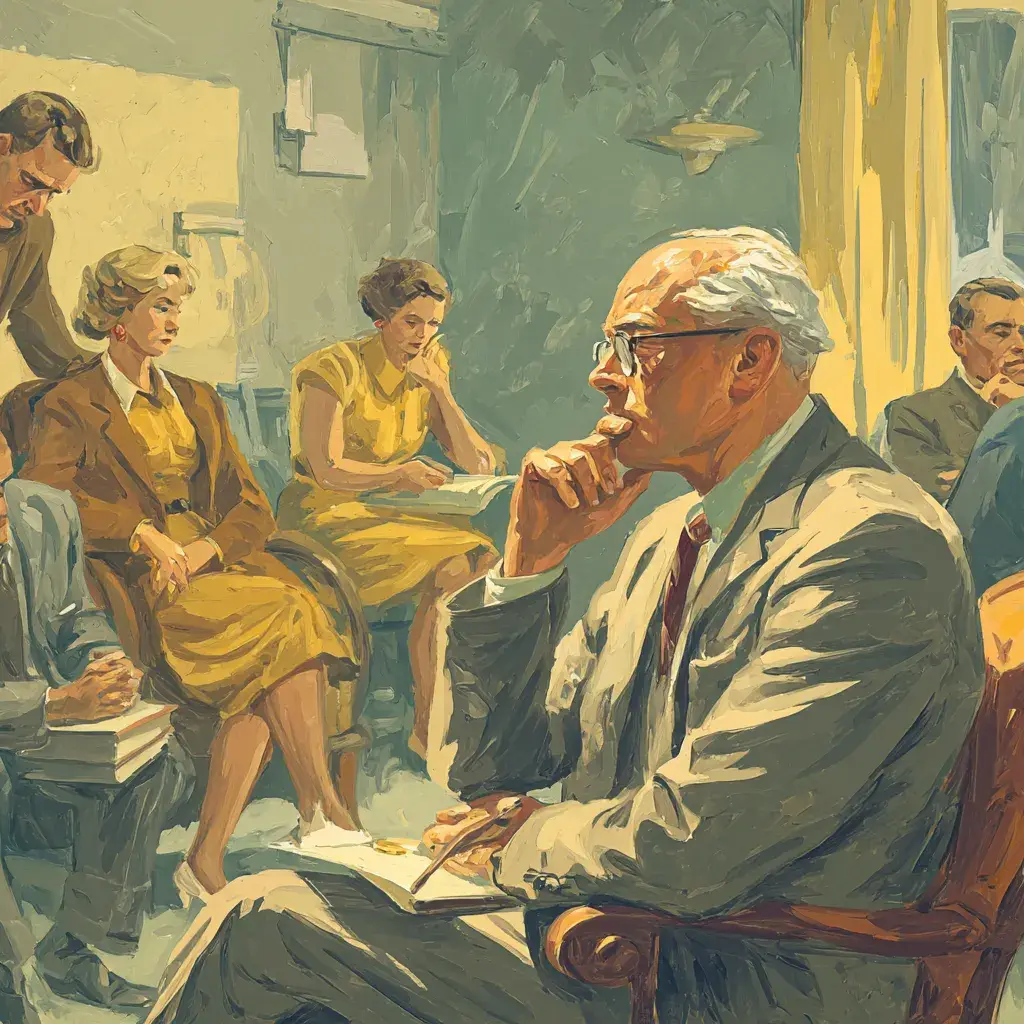 The Asch Conformity Experiments — Seeing What Isn’t ThereIn 1951, an experiment on matching lines revealed that 75% of participants conformed to a group's wrong answer at least once.
 Spinoza: God or NatureExcommunicated at 23 for "evil opinions," Baruch Spinoza lived as a lens grinder while arguing that God and nature are one.
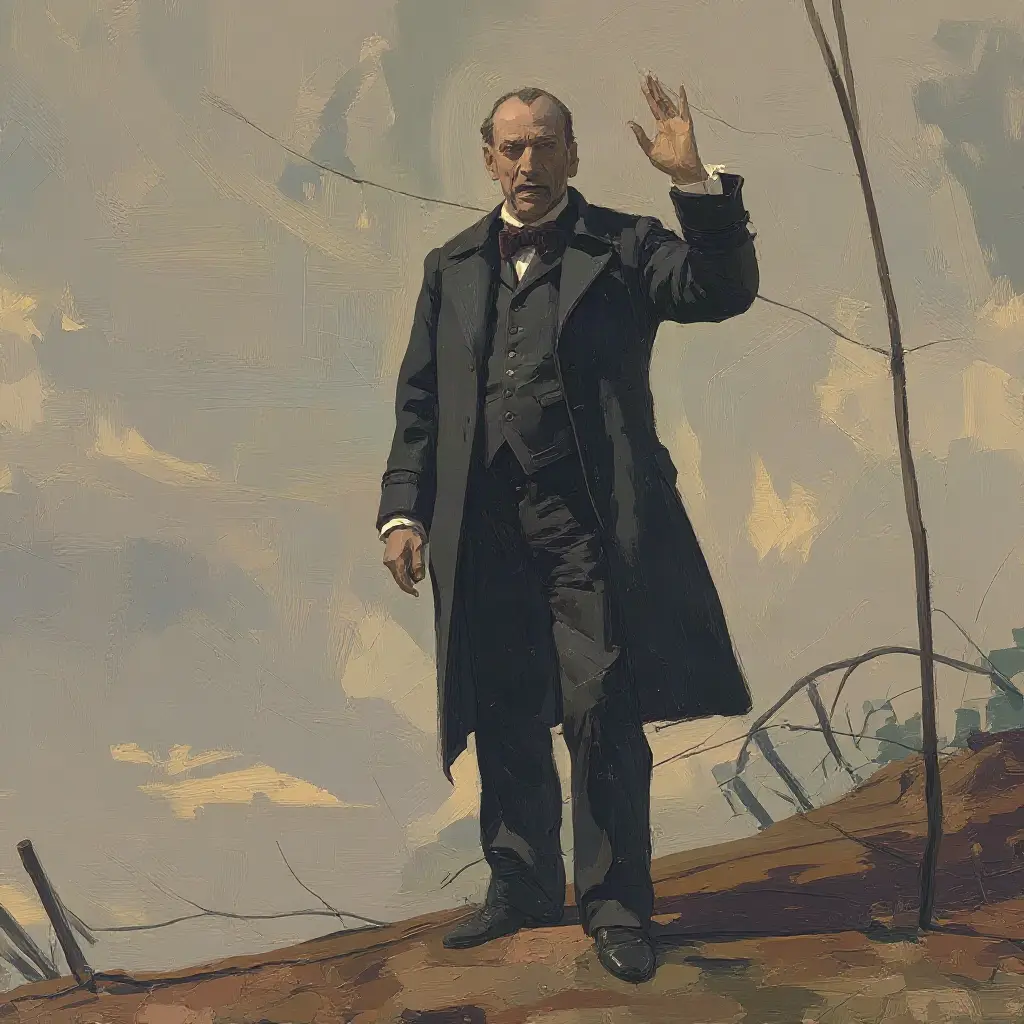 Schopenhauer's PessimismIn 1818, Schopenhauer published a book claiming a single thought solved existence: the world is a blind, insatiable Will that causes suffering.
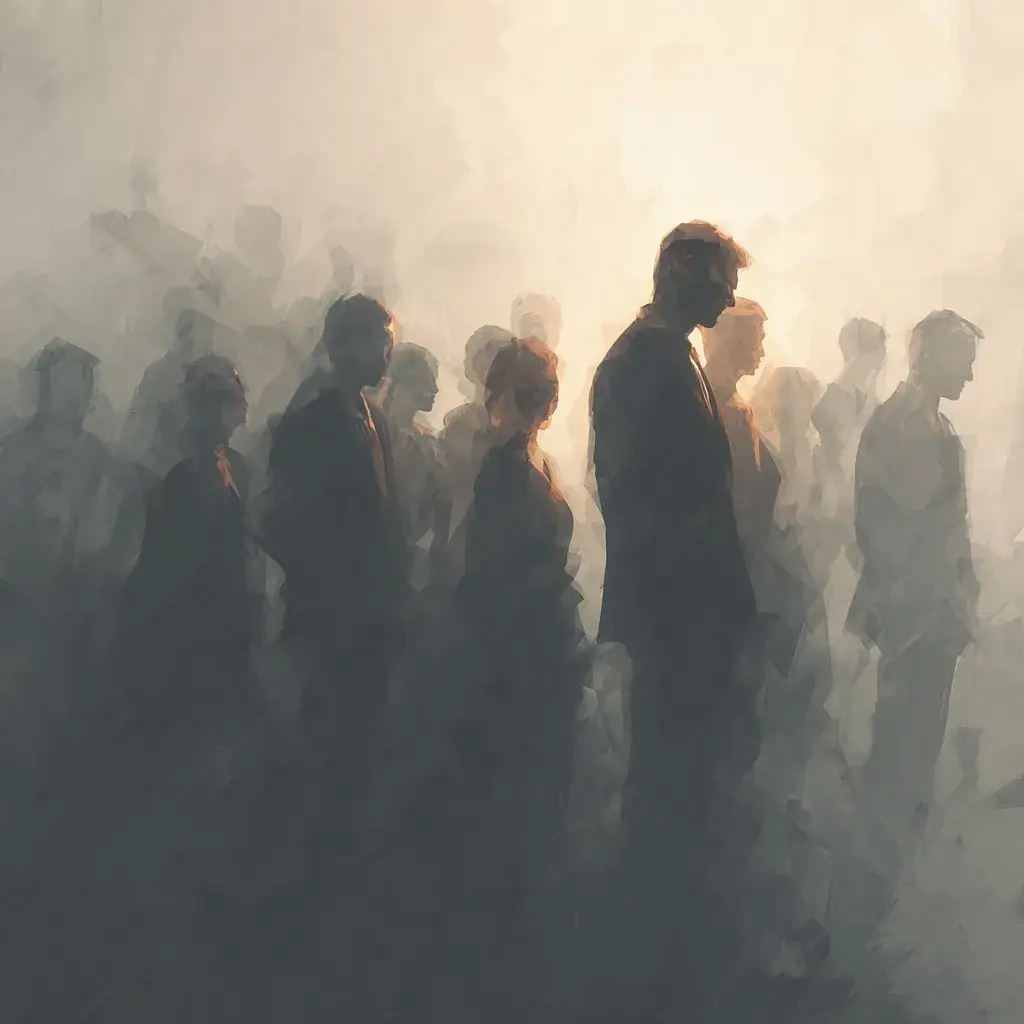 The Bystander EffectThe bystander effect: why people in a crowd are less likely to help, the misreported murder that inspired the research, and the experiments that proved it.
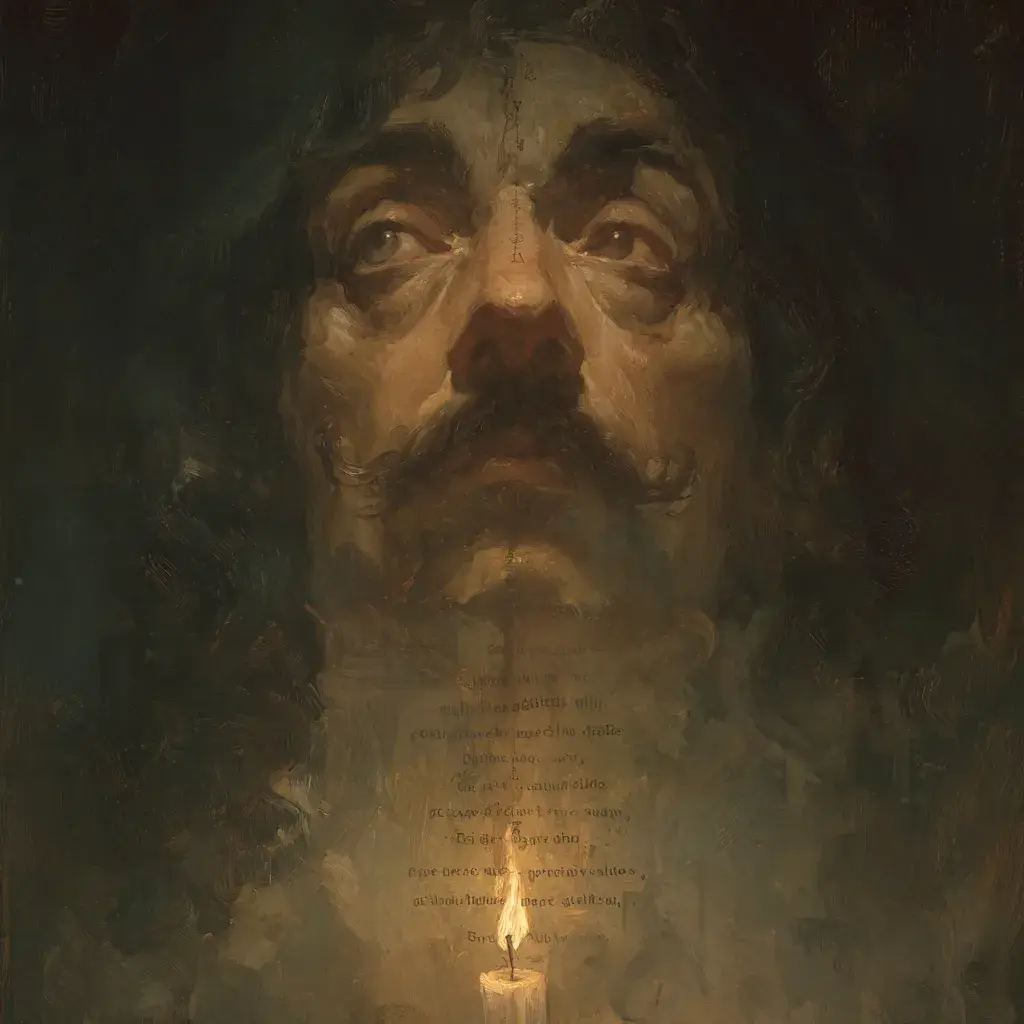 René Descartes and the Birth of Modern ThoughtHow René Descartes doubted his own senses to build a new foundation for science on the single certainty: 'I think, therefore I am'.
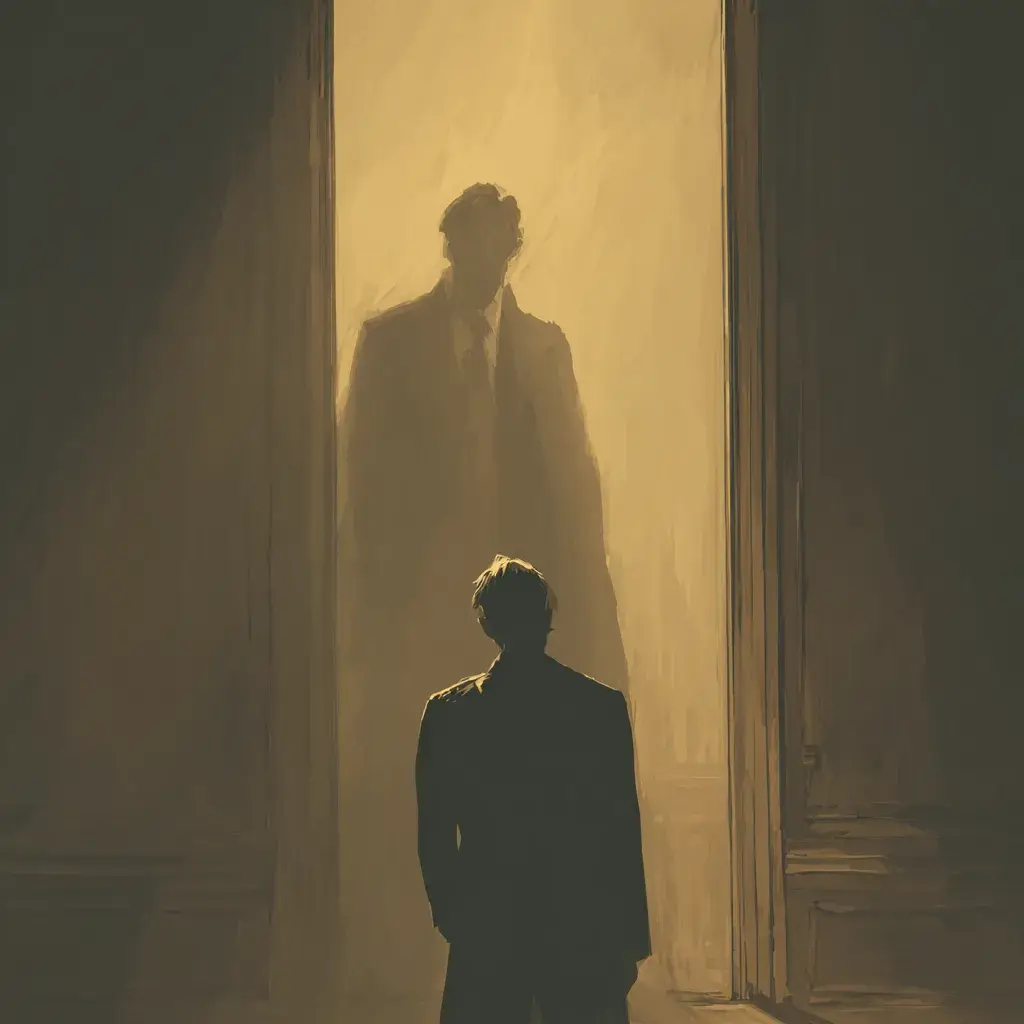 The Milgram Experiment: Obedience to AuthorityMilgram’s 1960s study found 65% of participants would obey orders to deliver severe shocks, reshaping psychology.
 Nietzsche and the Death of GodIn 1882, Friedrich Nietzsche declared 'God is dead,' not as a boast, but as a warning for a world that had lost its moral compass.
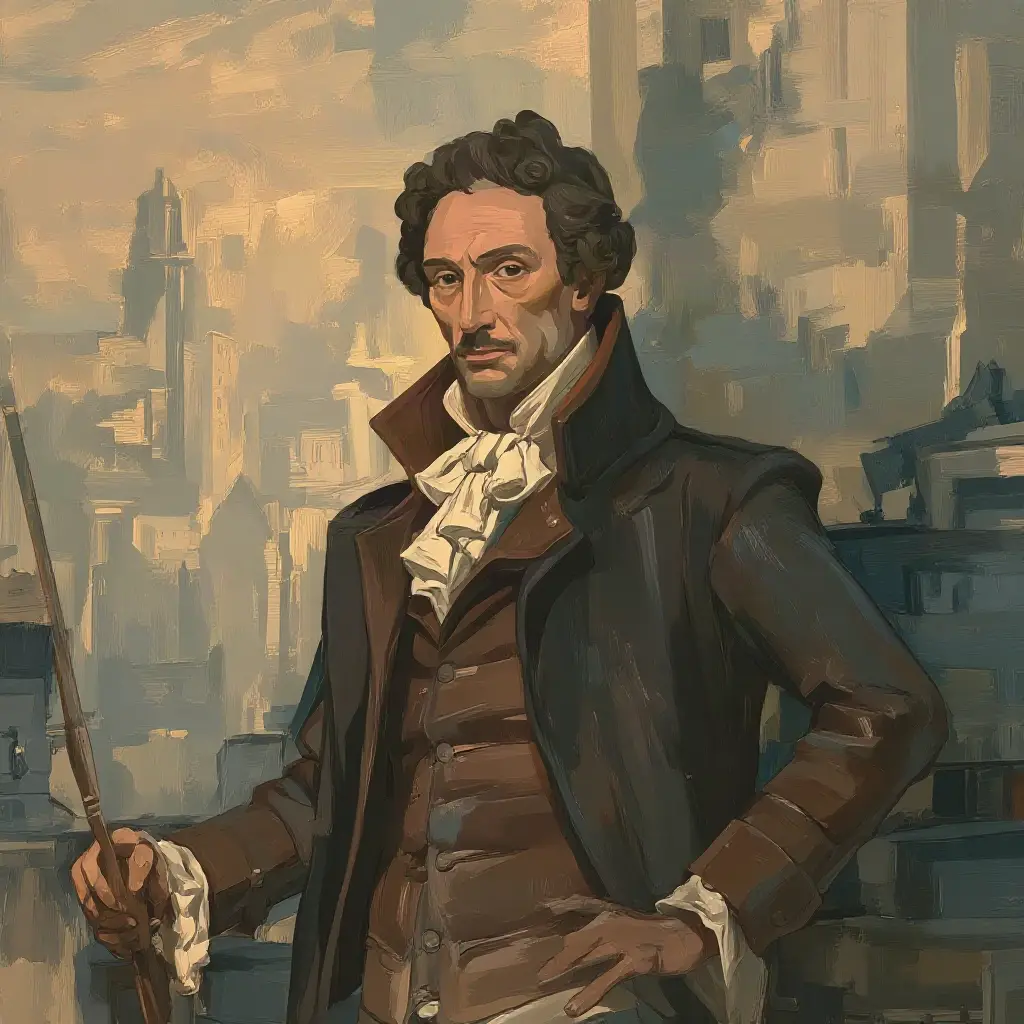 Kant's Copernican RevolutionImmanuel Kant's idea that the mind shapes how we experience the world: space, time and cause are the lenses we see through.
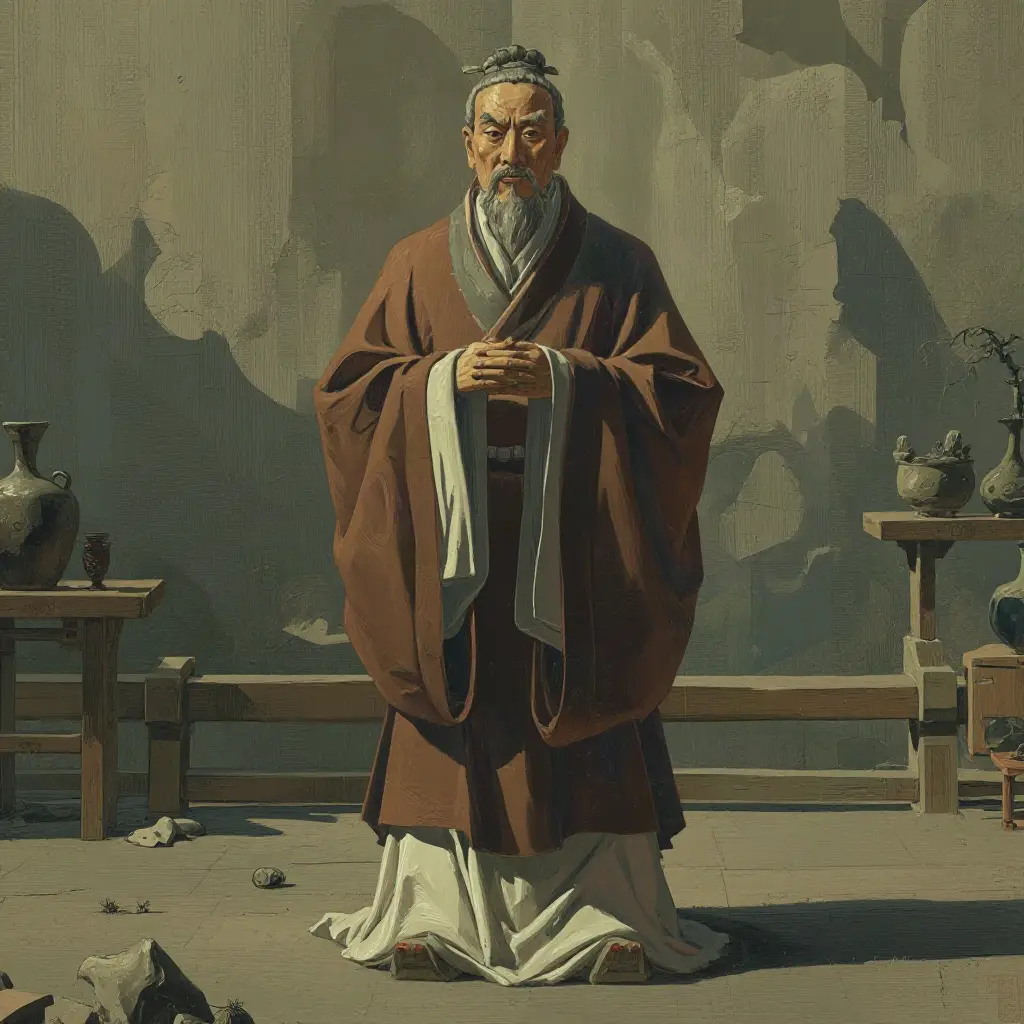 ConfuciusA failed official in a time of war, Confucius taught that a good society is built from good conduct in ordinary relationships.
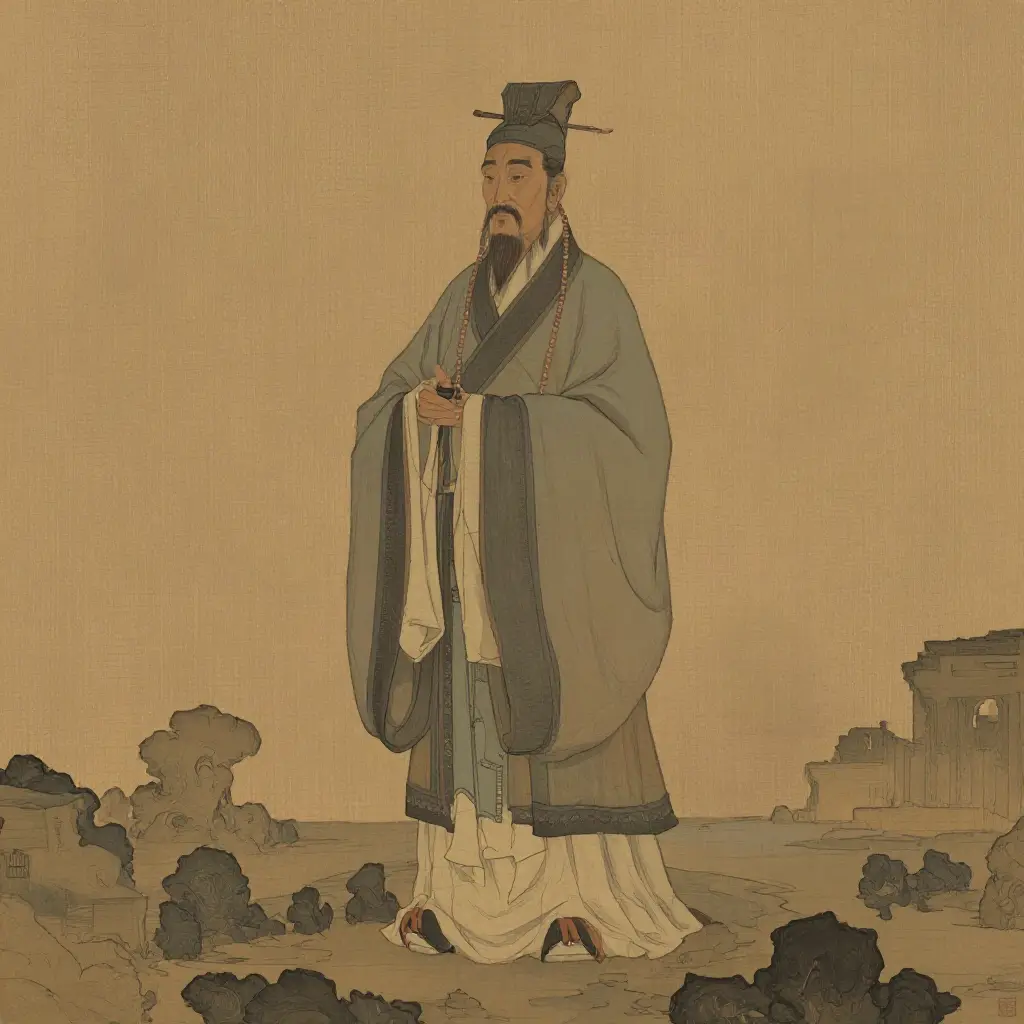 Laozi and the DaoThe Dao De Jing teaches the 'Dao', the way things naturally go. Its author, Laozi, may not have been a single person at all.
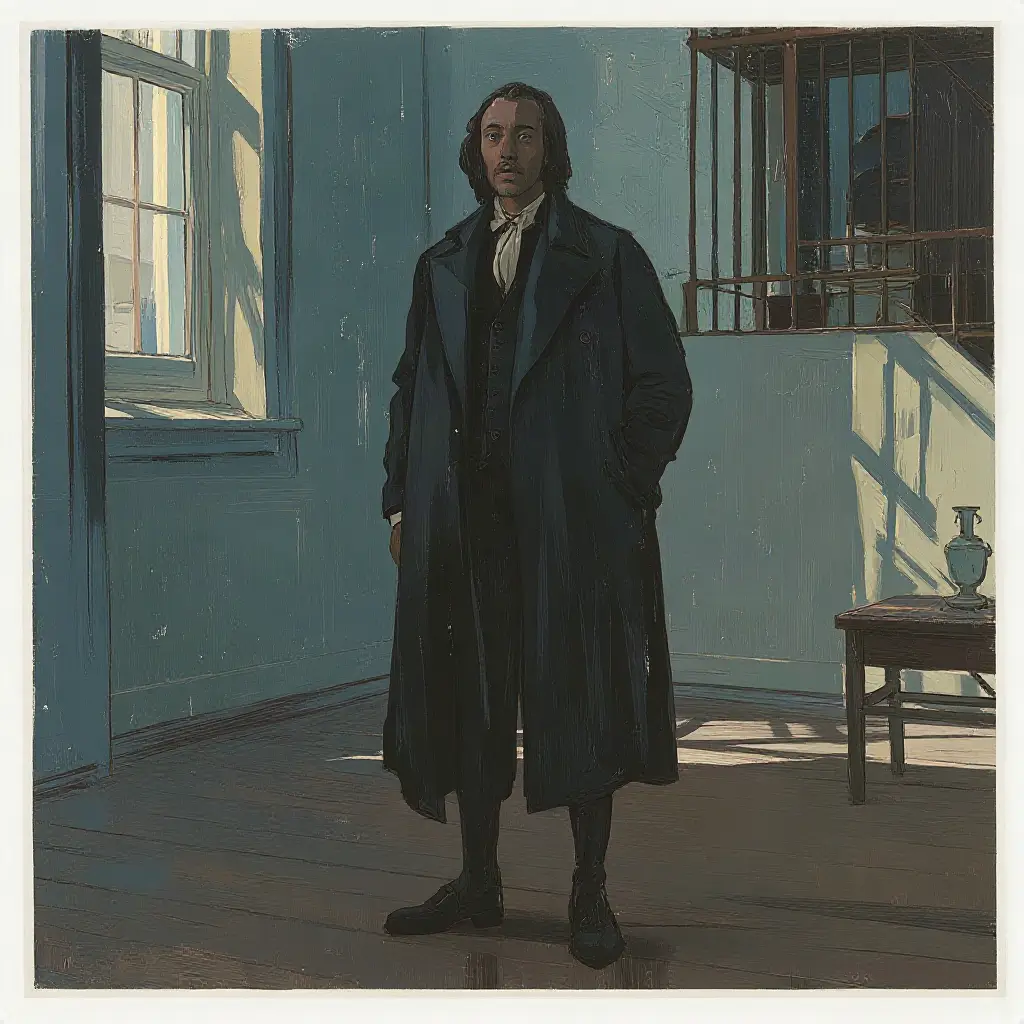 Pascal's WagerBlaise Pascal's argument that believing in God is the rational bet, a concept born from a 1654 gambling dispute that founded probability theory.
To view more stories in this category, download the Chunks Microlearning app and start learning
Or get it straight away:
 Download on iOS
 Download on Android