Skip to content

February 23
in history

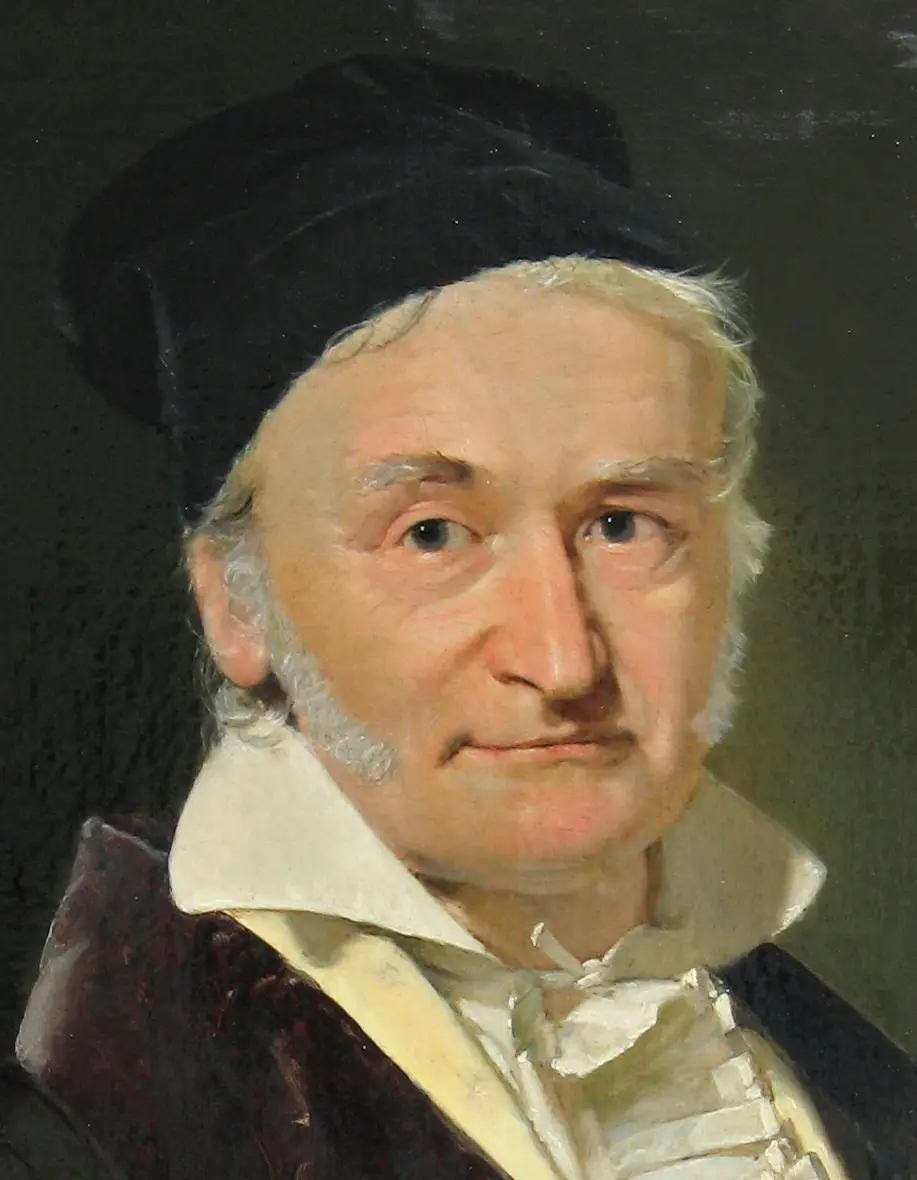
Plutonium identified for the first time at Berkeley (1941), and Manila is liberated by Filipino and American forces (1945). Born on this day: Naruhito, George Frideric Handel and Viktor Yushchenko. Died: Carl Friedrich Gauss, John Quincy Adams and John Keats.

30 events, 64 births and 69 deaths on this date.

1941

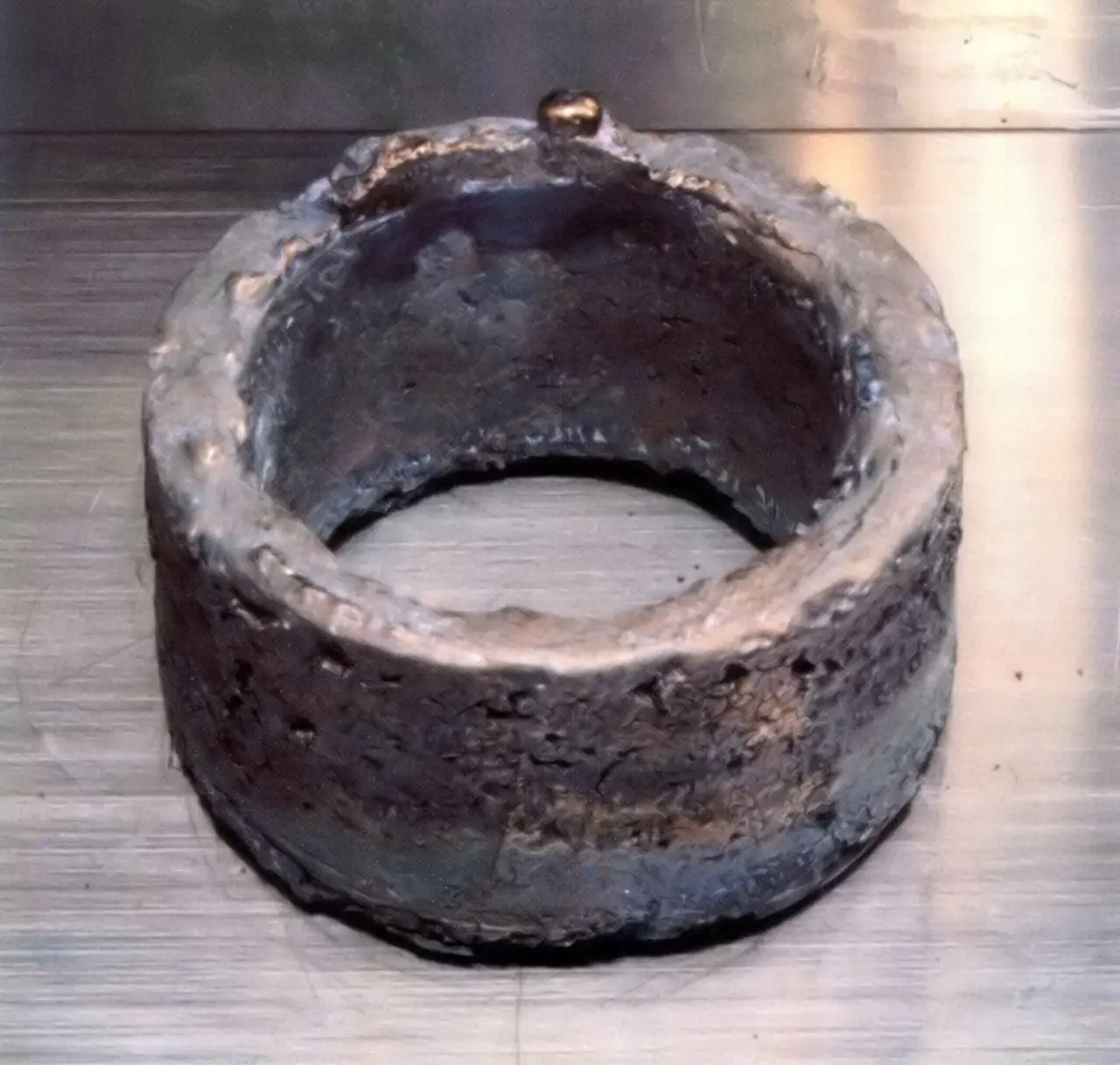
Plutonium identified for the first time at Berkeley

Seaborg's team at Berkeley identified plutonium, which they had made by bombarding uranium-238 in a cyclotron. Named after Pluto, it later fuelled nuclear weapons and reactors, though wartime secrecy kept the work unpublished until 1948.

Los Alamos National Laboratory · Attribution


Events

  1. 1945

    Manila is liberated by Filipino and American forces

    After a month of bitter street fighting, Manila was retaken from Japanese occupation by combined Filipino and American troops. The battle left much of the city in ruins, and its recapture was a major step in driving Japan out of the Philippines.

  2. 1903

    Cuba leases Guantánamo Bay to the United States

    Under a treaty signed in Havana, Cuba granted the United States a lease on Guantánamo Bay for as long as the arrangement lasted, a phrase that has since come to mean indefinitely. The base it created is still there, and it has been a source of dispute between the two countries ever since.

  3. 1944

    Soviet Union begins deporting Chechen and Ingush people to Central Asia

    Soviet authorities began forcibly moving the Chechen and Ingush peoples from the North Caucasus to Central Asia, accusing them of collaboration with the Germans. Many died in transit or in the harsh conditions of exile, and the survivors were not allowed to return home until 1957.

  4. 1917

    First demonstrations break out in Saint Petersburg

    Crowds in the Russian capital, then Petrograd, took to the streets over bread shortages and the war, starting the February Revolution that brought down the tsar. The protests grew quickly, and within days the monarchy had collapsed.

  5. 1883

    Alabama enacts the first US state anti-trust law

    Alabama became the first US state to pass a law against trusts, business combinations that tried to control prices and crush competition. It was an early attempt by a state to rein in big business before federal law caught up.

  6. 1861

    Lincoln secretly arrives in Washington after a reported assassination plot

    In the app
  7. 1870

    Mississippi regains self-government after military rule ends

    In the app
  8. 532

    Justinian I begins work on Hagia Sophia in Constantinople

    In the app

24 more events on February 23

For the full day, download Chunks today. Every date, the stories behind them, and a new day each morning. Free to start.

Born on February 23

61 more in the app
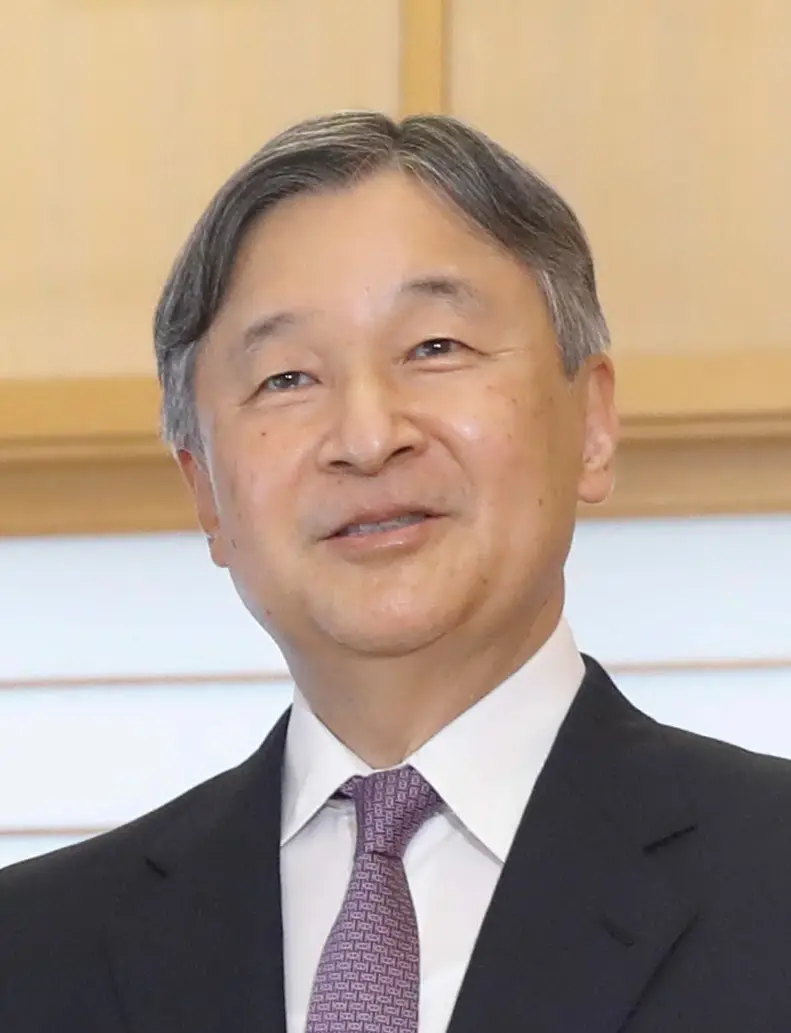
  • Naruhito
    1960 · Monarch

    Naruhito

    Naruhito is the Emperor of Japan, who succeeded his father Akihito in 2019 and has reigned since as the 126th monarch in the traditional line. He studied history at Gakushuin University and English at Oxford, and is known for his work on water conservation.

    Presidencia de Guatemala · Public domain
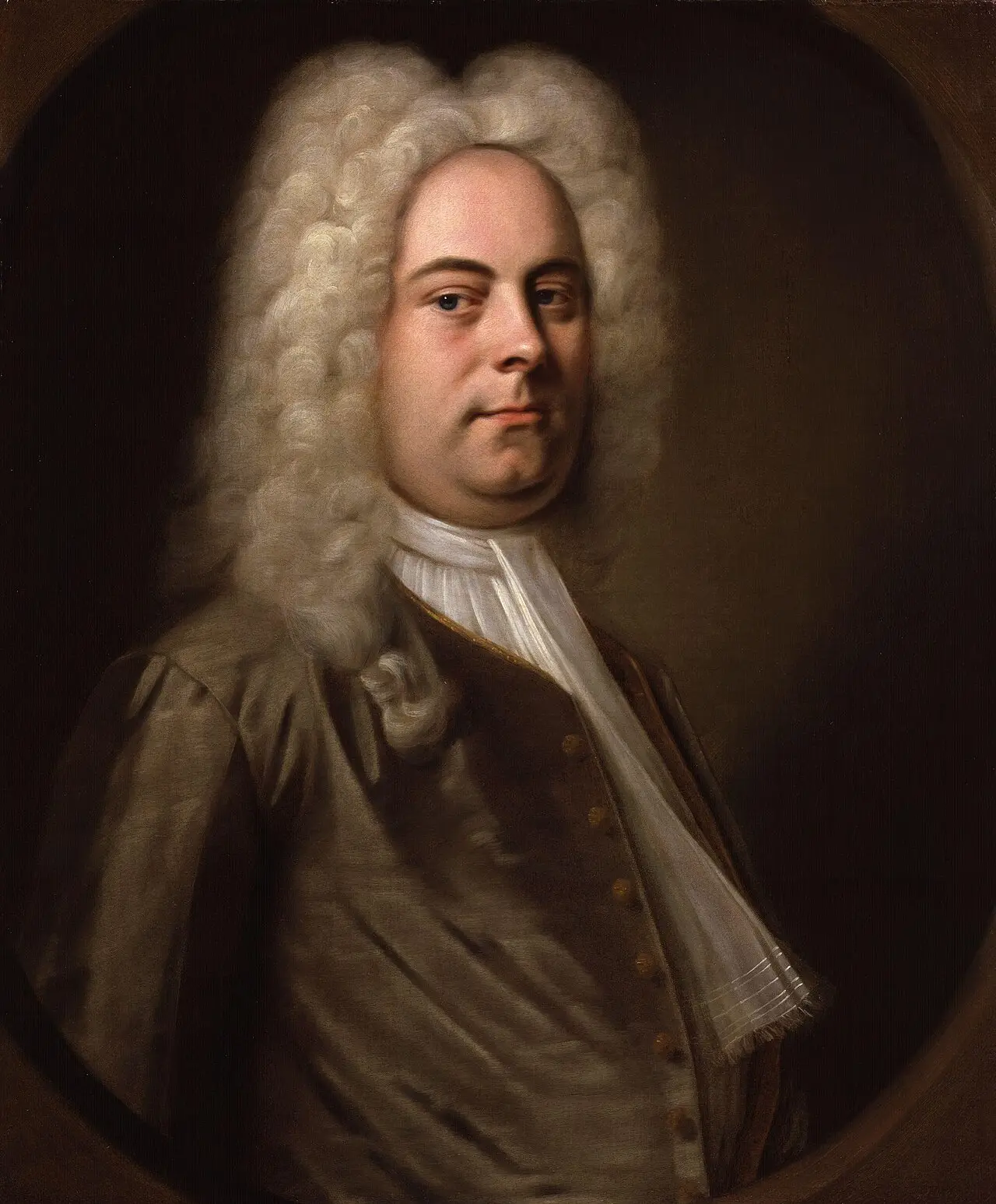
  • George Frideric Handel
    1685 – 1759 · Composer

    George Frideric Handel

    Handel was a German-born composer who settled in London and became famous for operas, oratorios and the choral work Messiah. His orchestral Water Music and Music for the Royal Fireworks remain widely loved today.

    Attributed to Balthasar Denner · Public domain
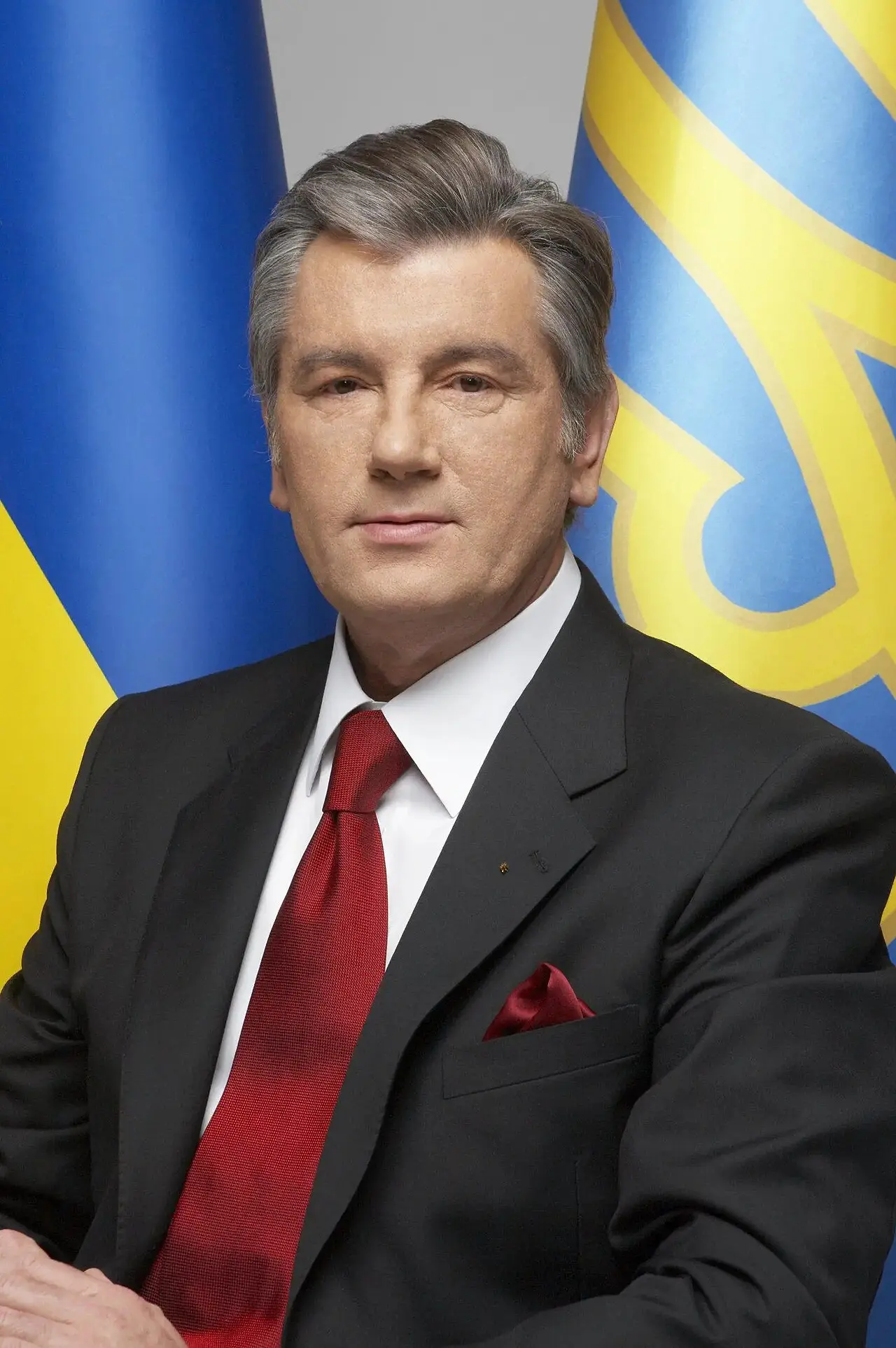
  • Viktor Yushchenko
    1954 · Economist

    Viktor Yushchenko

    Ukrainian banker and politician who served as the country's third president from 2005 to 2010. He is remembered for leading the Orange Revolution, after surviving a dioxin poisoning during the 2004 election campaign that left his face disfigured.

    Secretariat of the President of Ukraine · CC BY 4.0

Died on February 23

66 more in the app
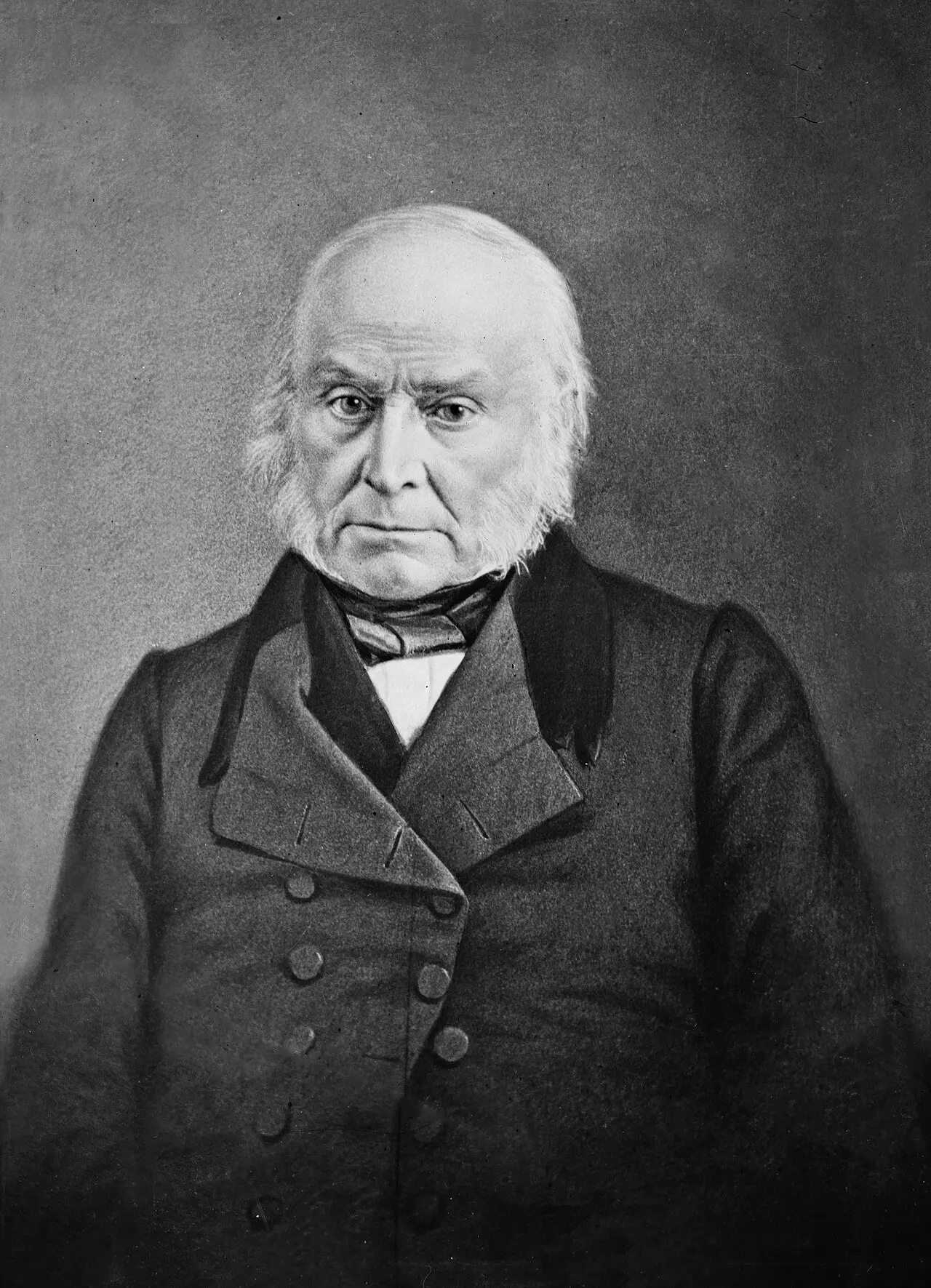
  • John Quincy Adams
    1767 – 1848 · Politician

    John Quincy Adams

    Adams, the sixth US president, returned to Congress after leaving the White House and sat as a House member until he collapsed at his desk. He spent years there opposing the expansion of slavery, and he died in the Capitol two days later.

    jklamo Cleaned and enhanced by Julielangford · Public domain
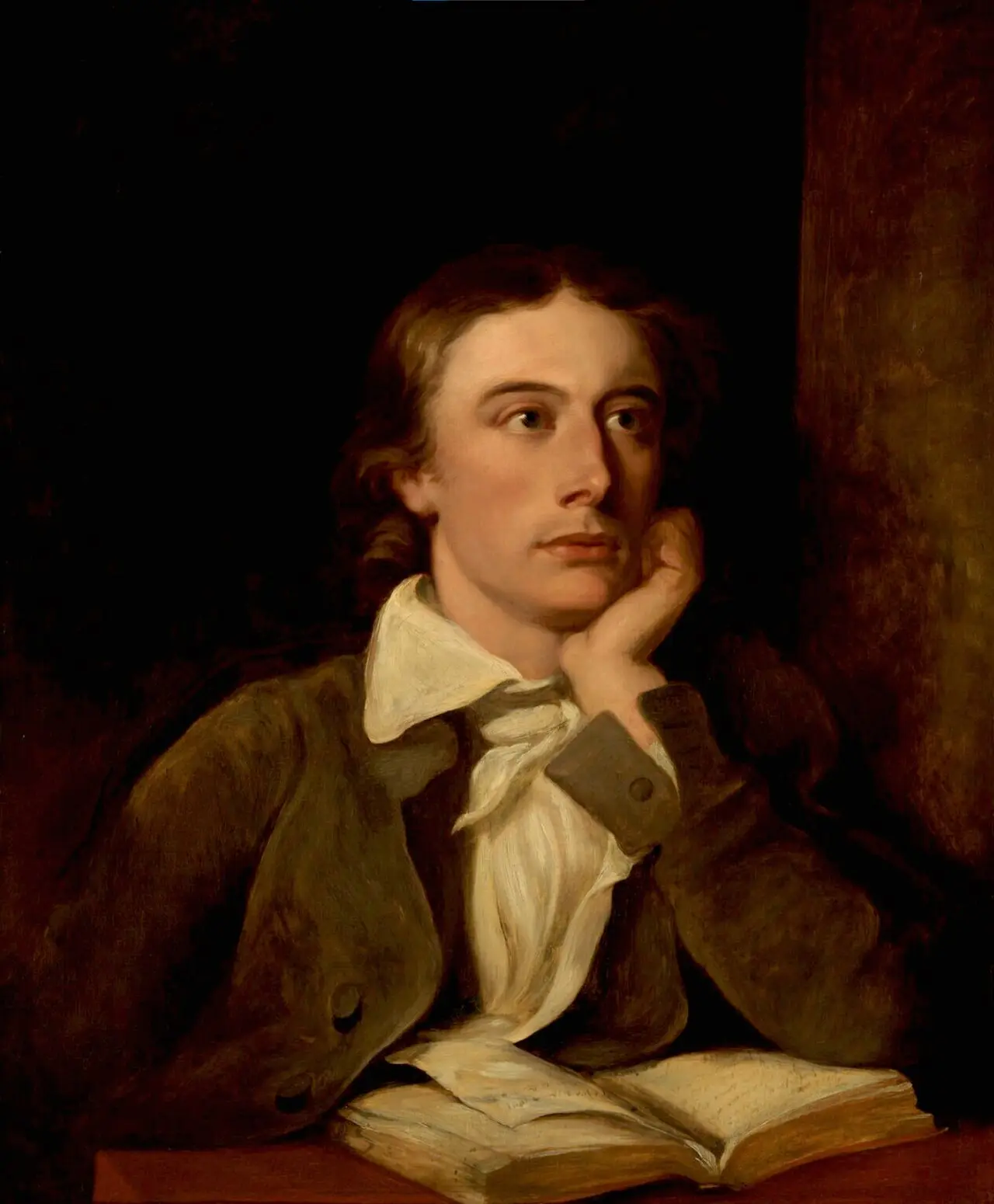
  • John Keats
    1795 – 1821 · Poet

    John Keats

    Keats, a second-generation English Romantic poet, died of tuberculosis in Rome at 25, just four years after his first poems appeared. His reputation grew sharply after his death, and he is now among the most studied poets in English.

    William Hilton · Public domain

Explore another day

Every date of the year has its own page. Try your birthday.