Skip to content

February 19
in history

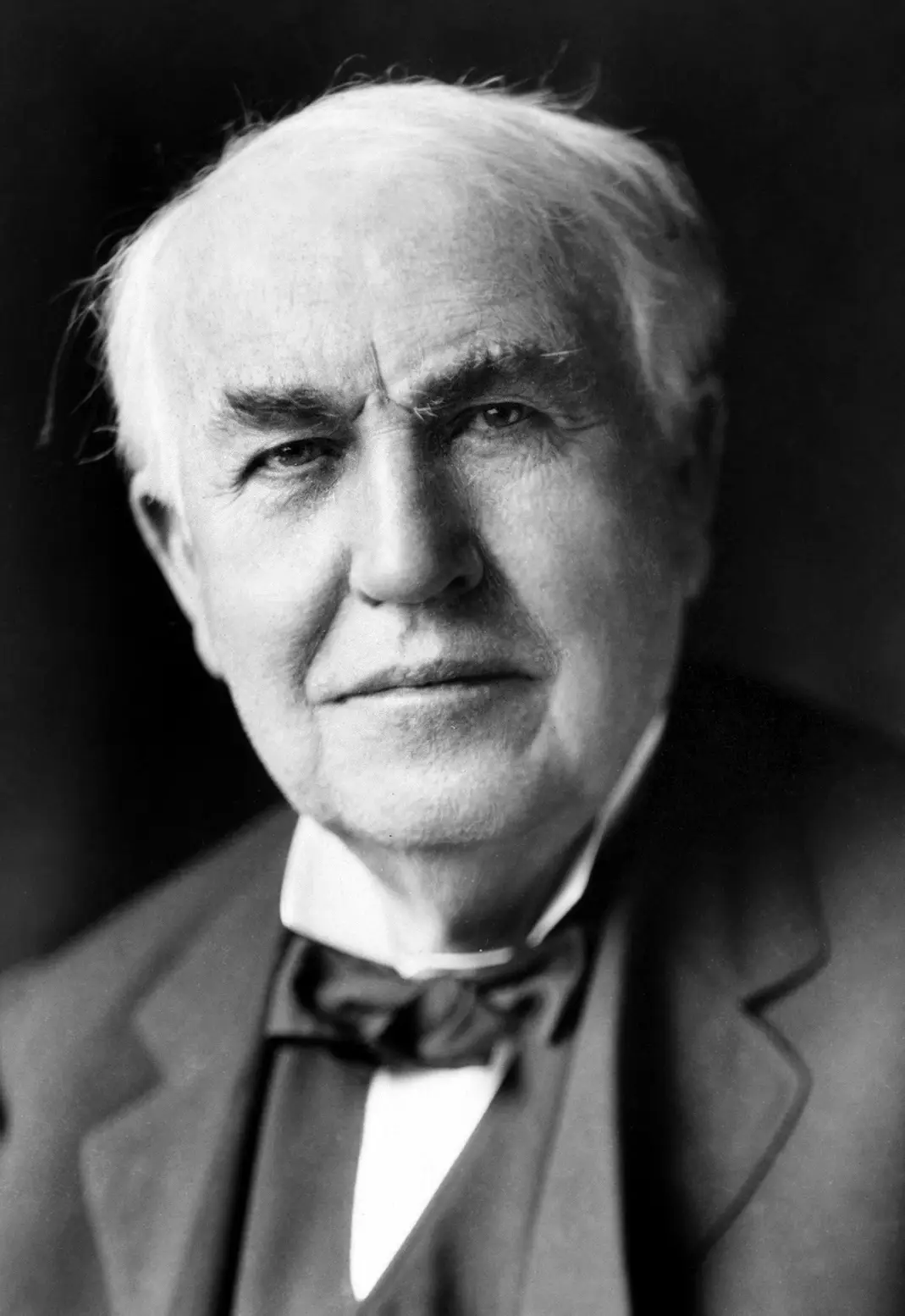
Thomas Edison patents the phonograph (1878), and Britain grants Cyprus independence (1959). Born on this day: Nicolaus Copernicus, Cristina Fernández de Kirchner and Svante Arrhenius. Died: Timur, Umberto Eco and Deng Xiaoping.

30 events, 82 births and 67 deaths on this date.

Events

  1. 1959

    Britain grants Cyprus independence

    After years of armed struggle between Greek and Turkish Cypriot communities and the British colonial authorities, London agreed to hand over the island. Independence was not formally proclaimed until the following year, when Cyprus became a republic with its own constitution.

  2. 1819

    William Smith discovers the South Shetland Islands

    British explorer William Smith sighted the South Shetland Islands, a chain of icy islands off Antarctica, after being blown off course on a voyage to Chile. The find opened the way for sealing crews and later Antarctic exploration.

  3. 1942

    Winnipeg mock invasion brings book burning and arrests

    Winnipeg staged a make-believe Nazi occupation, complete with a book-burning and the arrest of local politicians. It took place during the Second World War, in a city thousands of miles from the fighting.

  4. 1594

    Sigismund III is crowned King of Sweden

    Sigismund III, already elected to the Polish–Lithuanian throne, takes up the Swedish crown too, inheriting it from his father John III. The double kingship later drew Sweden and the Commonwealth into a long and bitter rivalry over the Baltic.

  5. 1836

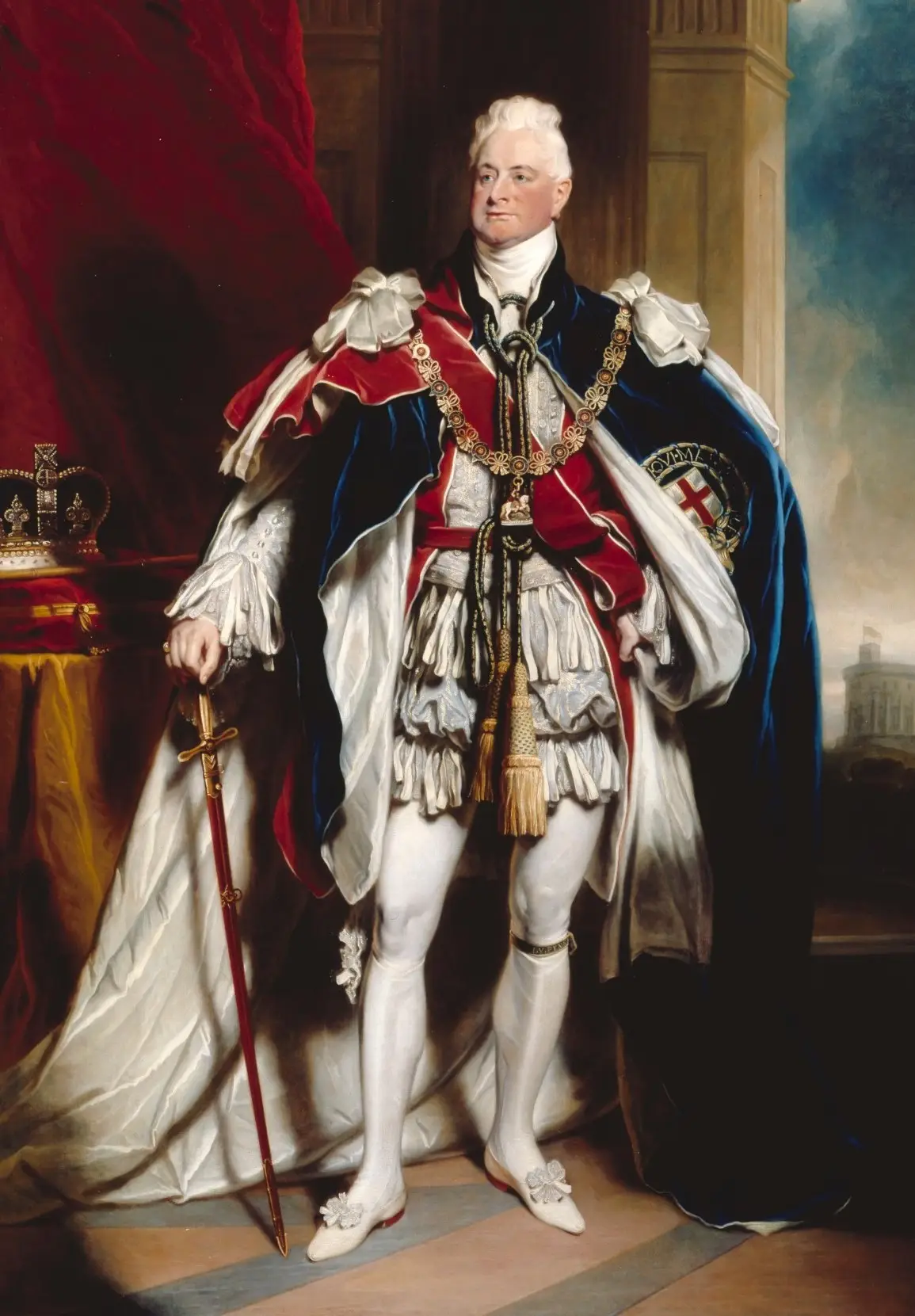
    King William IV signs letters patent establishing South Australia

    William IV's signature gave legal form to a new British province on Australia's southern coast. The king, nicknamed the Sailor King, had served in the Royal Navy in his youth before taking the throne.

    Martin Archer Shee · Public domain
  6. 1807

    Former vice president Aaron Burr arrested for treason

    In the app
  7. 1910

    Manchester United play Liverpool in Old Trafford's first match

    In the app
  8. 607

    Boniface III is consecrated as bishop of Rome

    In the app

24 more events on February 19

For the full day, download Chunks today. Every date, the stories behind them, and a new day each morning. Free to start.

Born on February 19

79 more in the app
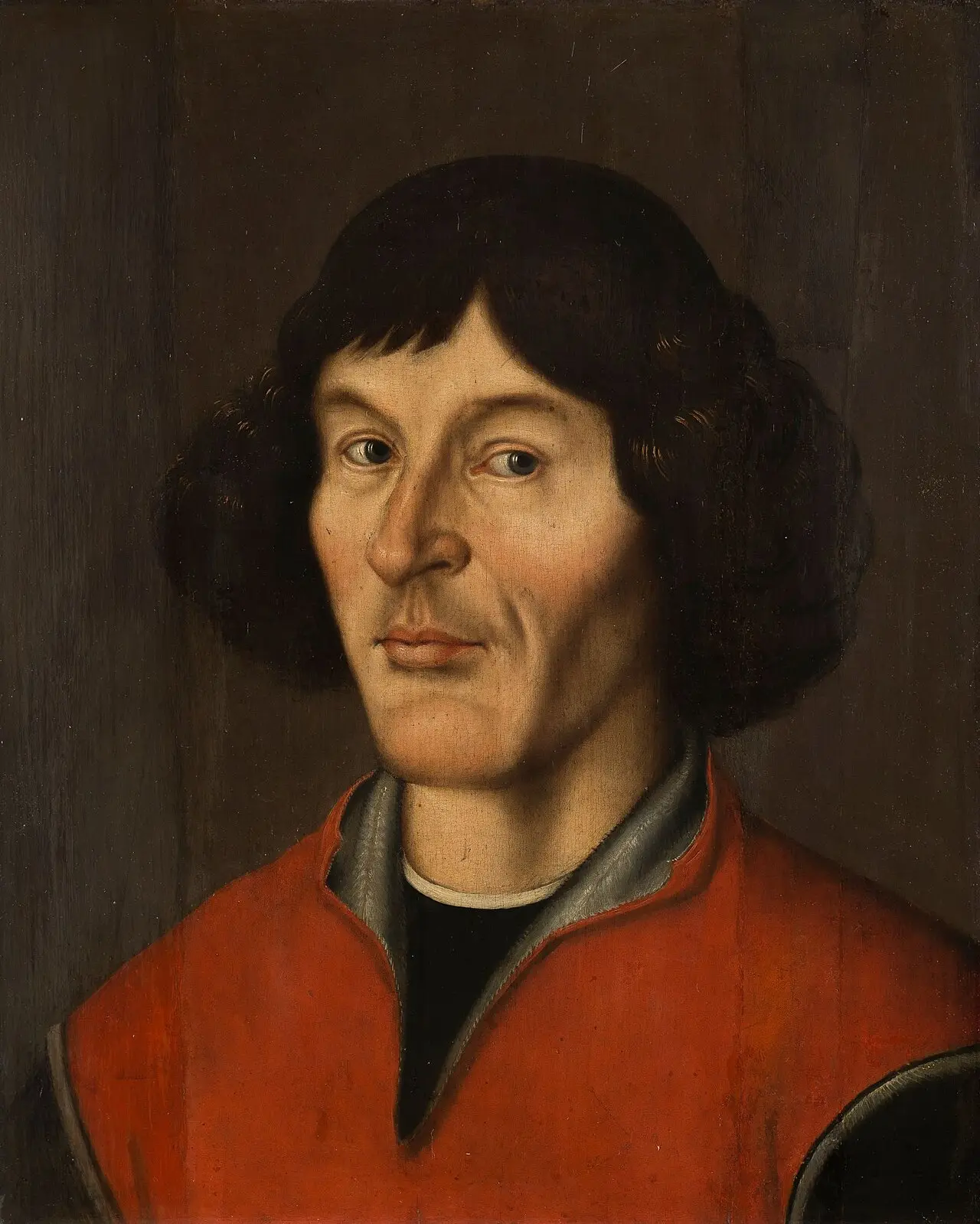
  • Nicolaus Copernicus
    1473 – 1543 · Astronomer

    Nicolaus Copernicus

    Copernicus was a Renaissance polymath who placed the Sun, not the Earth, at the centre of the universe. His book On the Revolutions of the Celestial Spheres, published in 1543 near the end of his life, helped start the Copernican Revolution.

    Unknown author Unknown author · Public domain
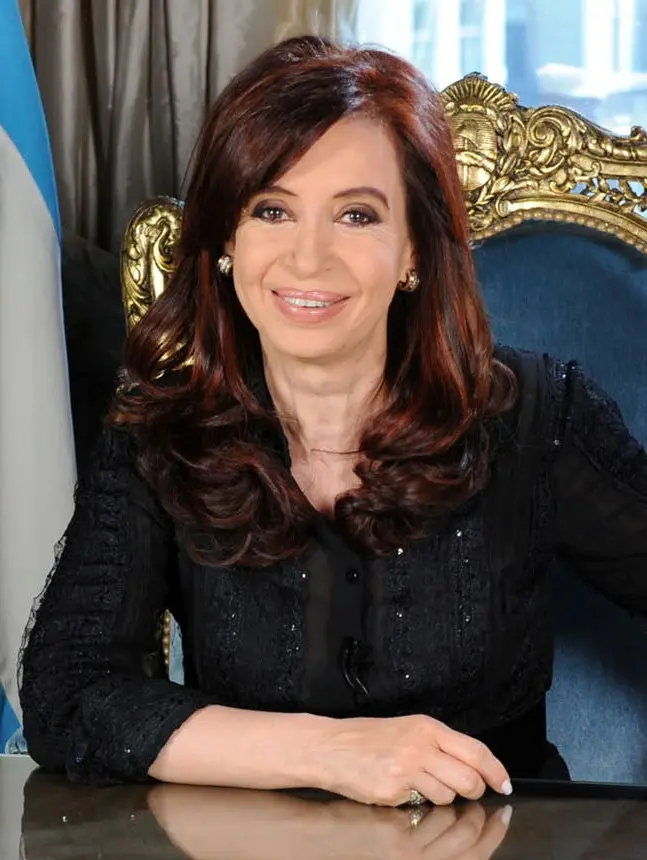
  • Cristina Fernández de Kirchner
    1953 · Lawyer

    Cristina Fernández de Kirchner

    Argentine lawyer and Peronist politician who served as president from 2007 to 2015, and was the first woman in that office to be directly elected. She later served as vice president from 2019 to 2023.

    Víctor Bugge · CC BY 2.0
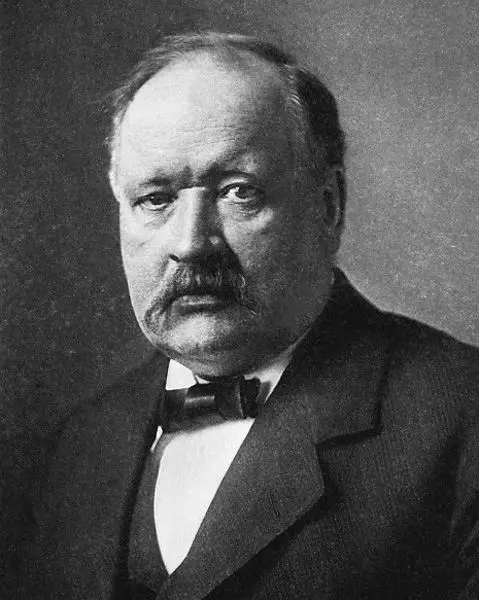
  • Svante Arrhenius
    1859 – 1927 · Astronomer

    Svante Arrhenius

    Swedish physicist often called a chemist, who helped found physical chemistry and won the 1903 Nobel Prize in Chemistry. He was also the first to estimate how much rising carbon dioxide would warm the Earth, an early step in climate science.

    Photogravure Meisenbach Riffarth & Co. Leipzig. · Public domain

Died on February 19

64 more in the app
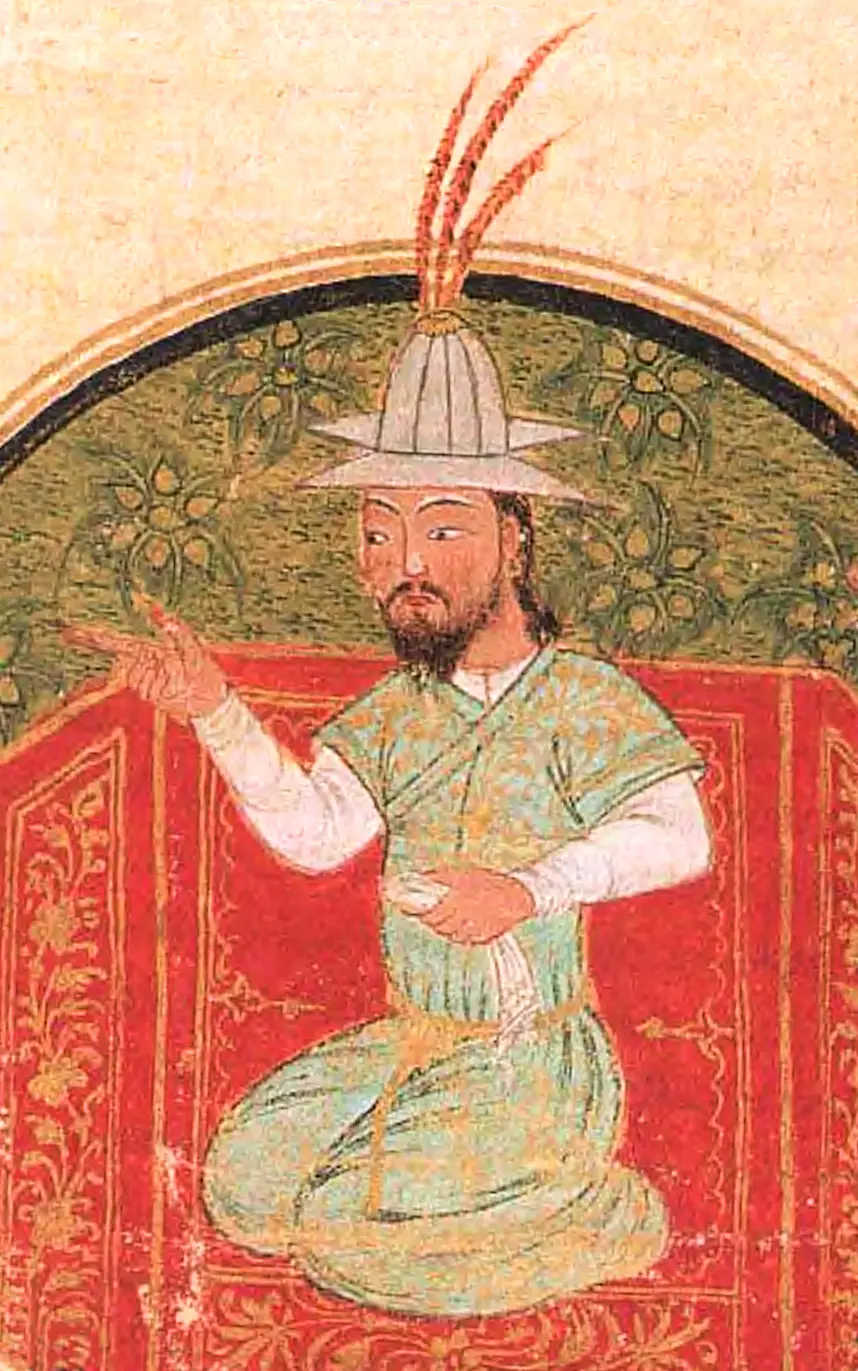
  • Timur
    1336 – 1405 · Warrior

    Timur

    Timur was a Turco-Mongol conqueror who built a huge empire across Central Asia, Iran and beyond, and was never beaten in battle. He is also remembered as a patron of poets and scholars, and his reign sparked a flowering of the arts.

    1405-1409 artist · Public domain
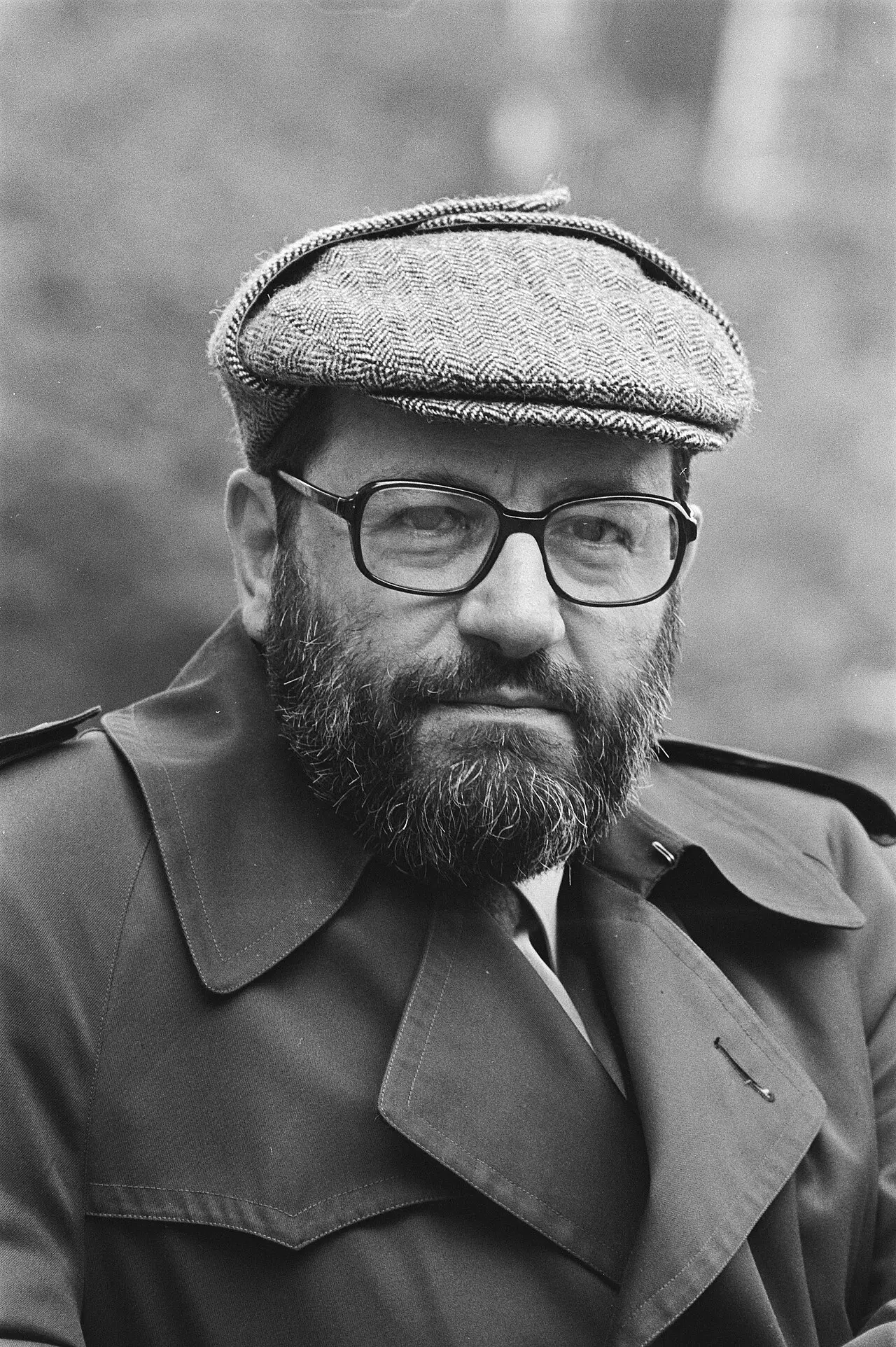
  • Umberto Eco
    1932 – 2016 · Philosopher

    Umberto Eco

    Italian semiotician and novelist who died in Milan, best known for The Name of the Rose, a medieval murder mystery that became an international bestseller. He also wrote a long-running newspaper column and the essay Ur-Fascism.

    Rob Bogaerts for Anefo · CC0
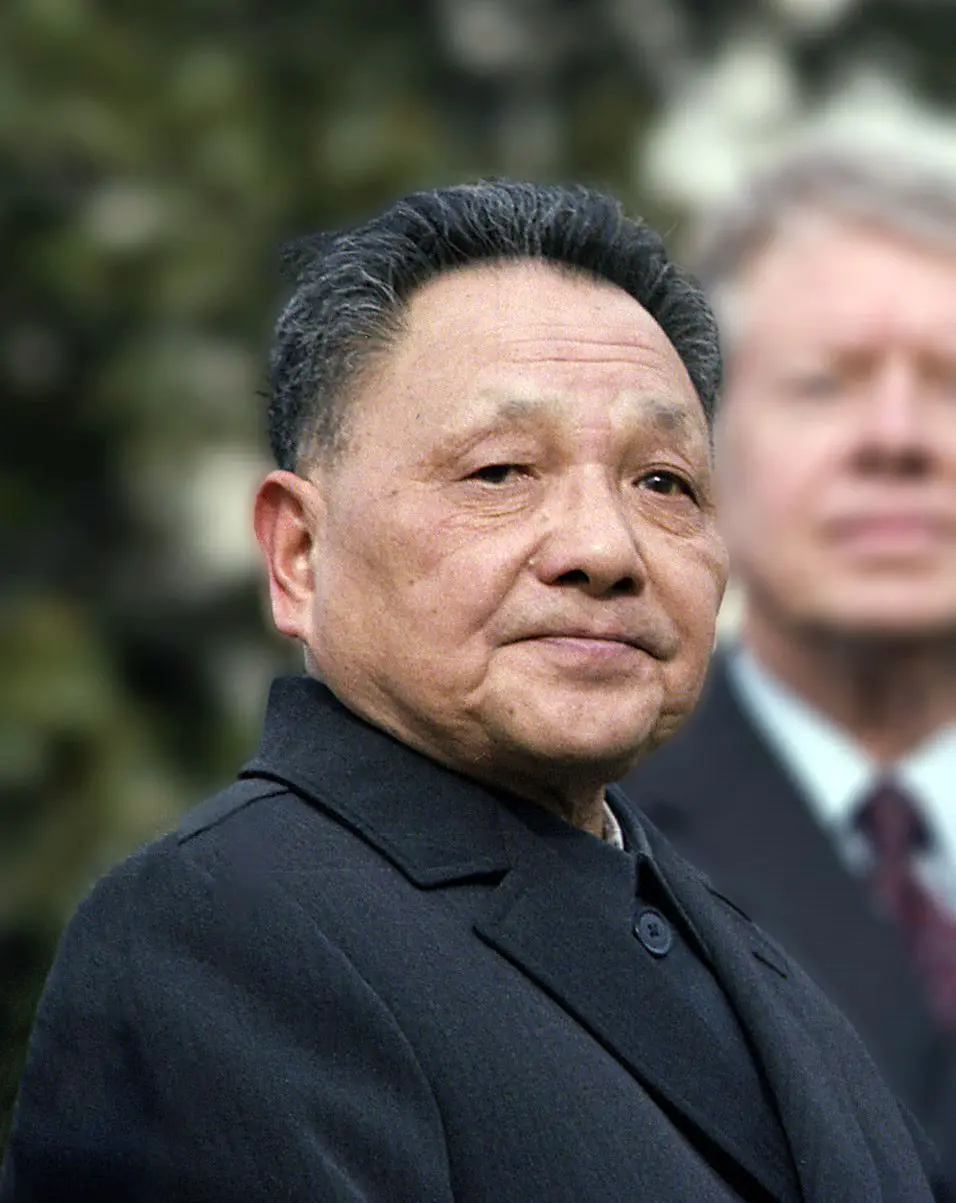
  • Deng Xiaoping
    1904 – 1997 · Politician

    Deng Xiaoping

    Deng Xiaoping led China from 1978 to 1989 and is remembered as the architect of its market-oriented reforms and opening to the outside world. Once purged twice by Mao, he returned to power and steered the country toward a socialist market economy.

    Unknown author Unknown author · Public domain

Explore another day

Every date of the year has its own page. Try your birthday.