Skip to content

February 15
in history

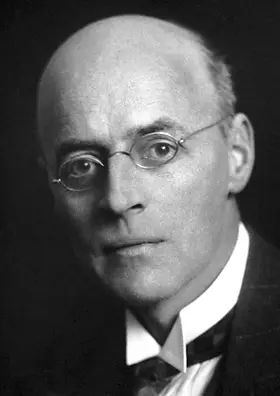
Women allowed to argue cases before US Supreme Court (1879), and Justinian II executes his two predecessors in Constantinople (706). Born on this day: Galileo, Louis XV and Charles Édouard Guillaume. Died: Richard Feynman, Sir Owen Willans Richardson and Nat King Cole.

34 events, 85 births and 59 deaths on this date.

1879

Women allowed to argue cases before US Supreme Court

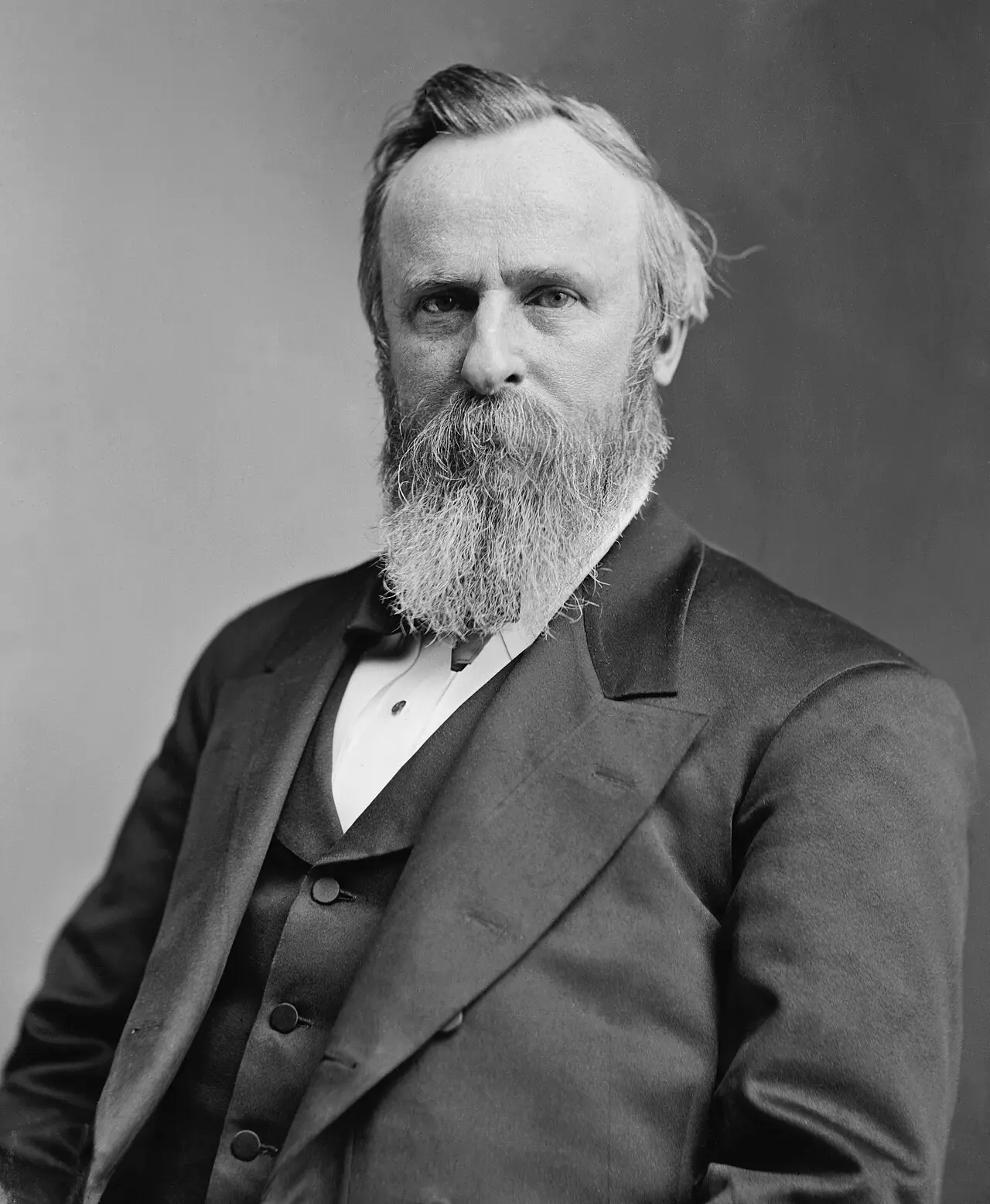
Hayes signed a law letting women plead cases before the Supreme Court, ending a bar that had kept them out. Best known for his disputed 1876 election win, he signed this quieter step for women in the law.

Mathew Benjamin Brady · Public domain

Events

  1. 706

    Justinian II executes his two predecessors in Constantinople

    Two former emperors, Leontios and Tiberios III, were put to death before crowds in Constantinople's Hippodrome on the orders of Justinian II. Public executions in the city's great racecourse were a deliberate display of imperial power.

  2. 1764

    French fur traders found the settlement of St. Louis

    French fur traders Pierre Laclède and Auguste Chouteau founded it at the Mississippi and Missouri meeting point, naming it for King Louis IX of France. It became the regional hub of the French Illinois Country, and the United States took it over in 1804.

  3. 1899

    Nicholas II issues the February Manifesto, curbing Finland's self-rule

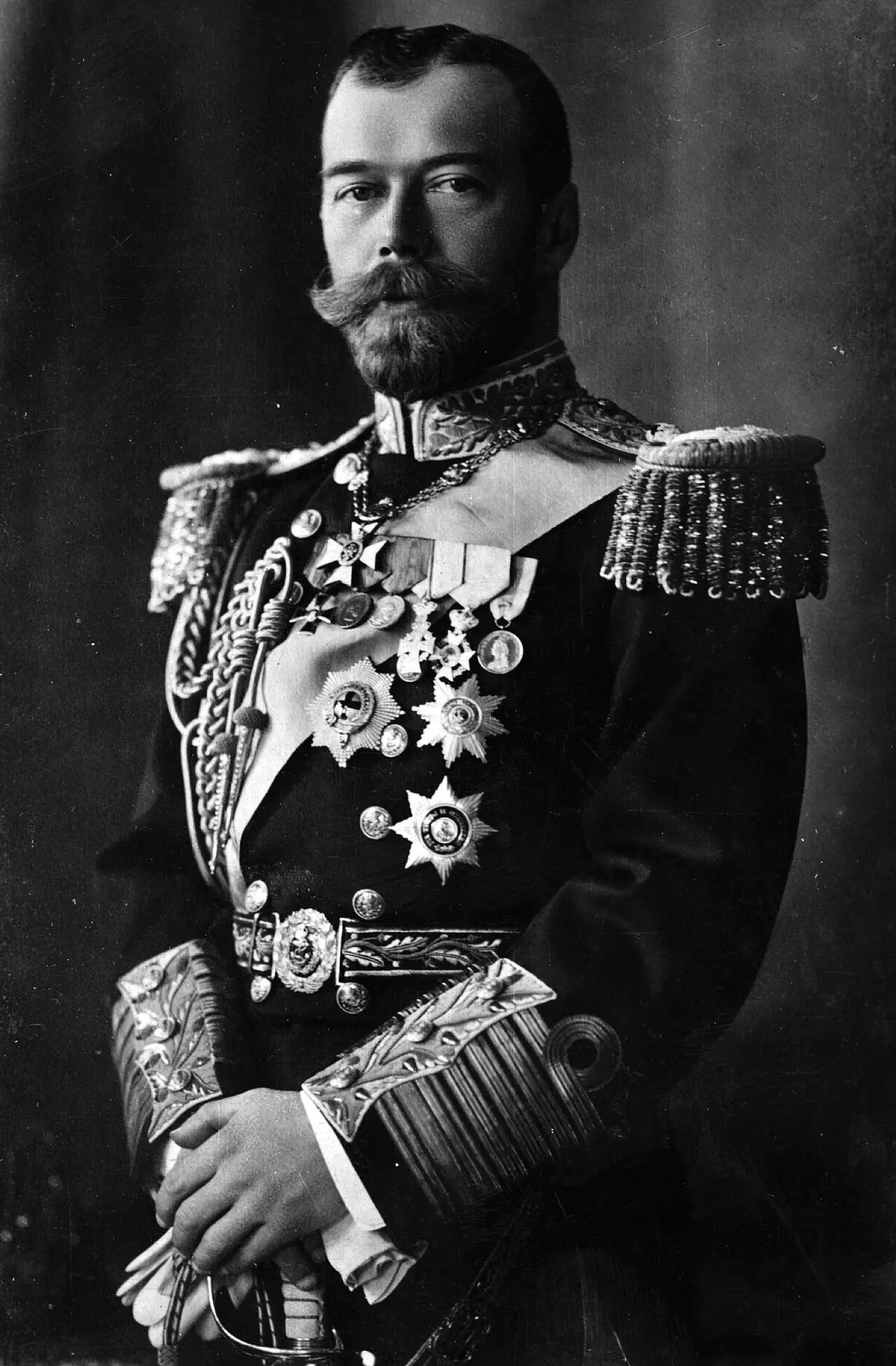
    Tsar Nicholas II issued the February Manifesto, which curbed the self-rule Finland had enjoyed inside the Russian Empire. It opened a harsh stretch of Russian control that Finns resisted for years.

    Boissonnas & Eggler · Public domain
  4. 1002

    Arduin of Ivrea crowned King of Italy at Pavia

    Lombard nobles meeting in Pavia restored Arduin of Ivrea to his lands and crowned him King of Italy. Pavia had served as the kingdom's capital since 774, so holding the ceremony there gave the crowning added weight.

  5. 1965

    Canada's national flag, the Maple Leaf, first flies officially

    After a long debate over replacing the Union Flag, Canada settled on a red maple leaf design by historian George Stanley. The flag still stands as the country's most recognised national symbol, and the date is now marked each year as National Flag of Canada Day.

  6. 1861

    Mathematician and philosopher Alfred North Whitehead is born

    In the app
  7. 1954

    Matt Groening, future creator of The Simpsons, is born

    In the app
  8. 1999

    Abdullah Öcalan arrested in Nairobi by Turkish security forces

    In the app

28 more events on February 15

For the full day, download Chunks today. Every date, the stories behind them, and a new day each morning. Free to start.

Born on February 15

82 more in the app
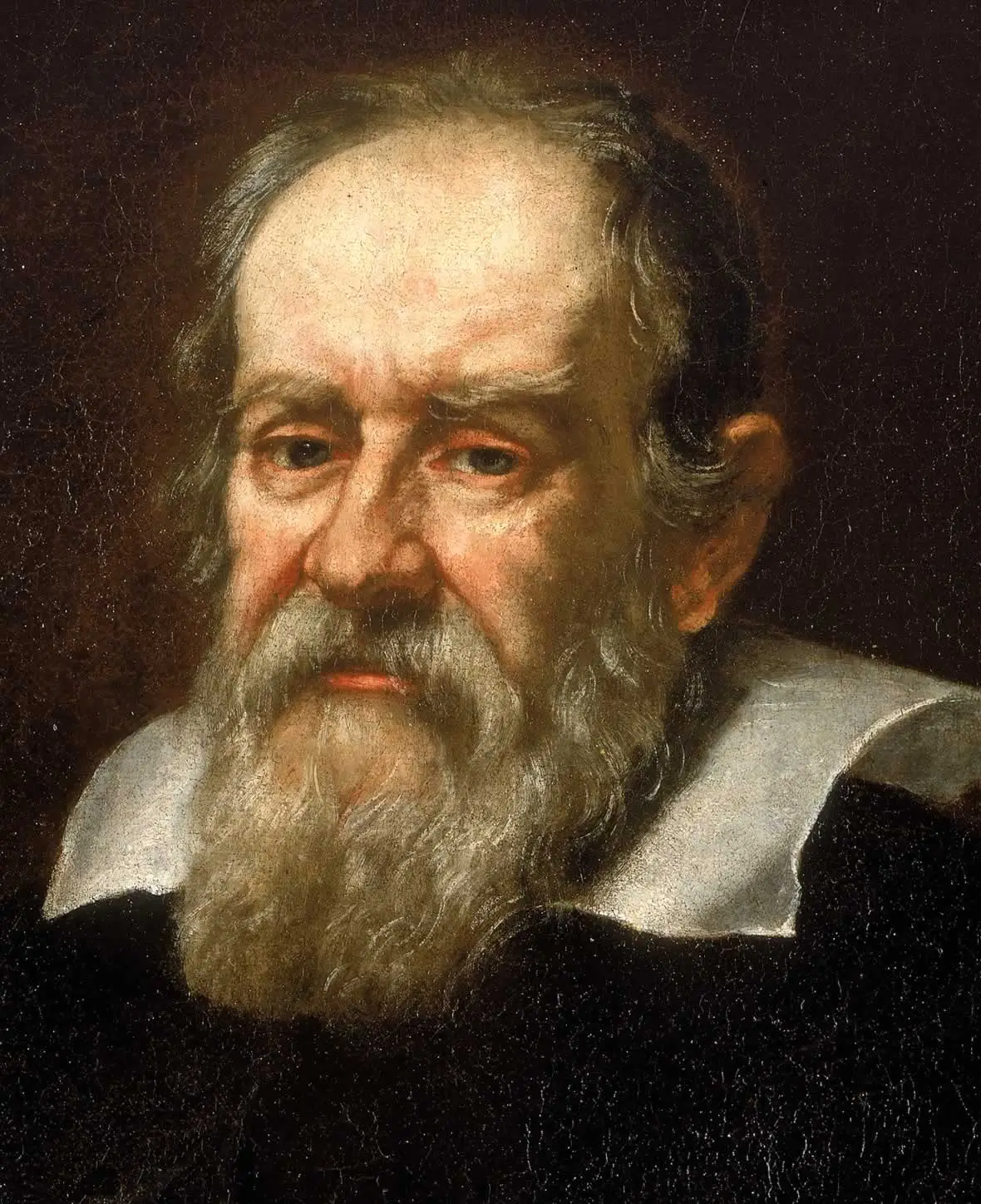
  • Galileo
    1564 – 1642 · Astronomer

    Galileo

    Galileo was an Italian astronomer and physicist who turned a homemade telescope on the sky and recorded Jupiter's four largest moons. His work on motion and observation helped lay the foundations of modern science.

    Justus Sustermans · Public domain
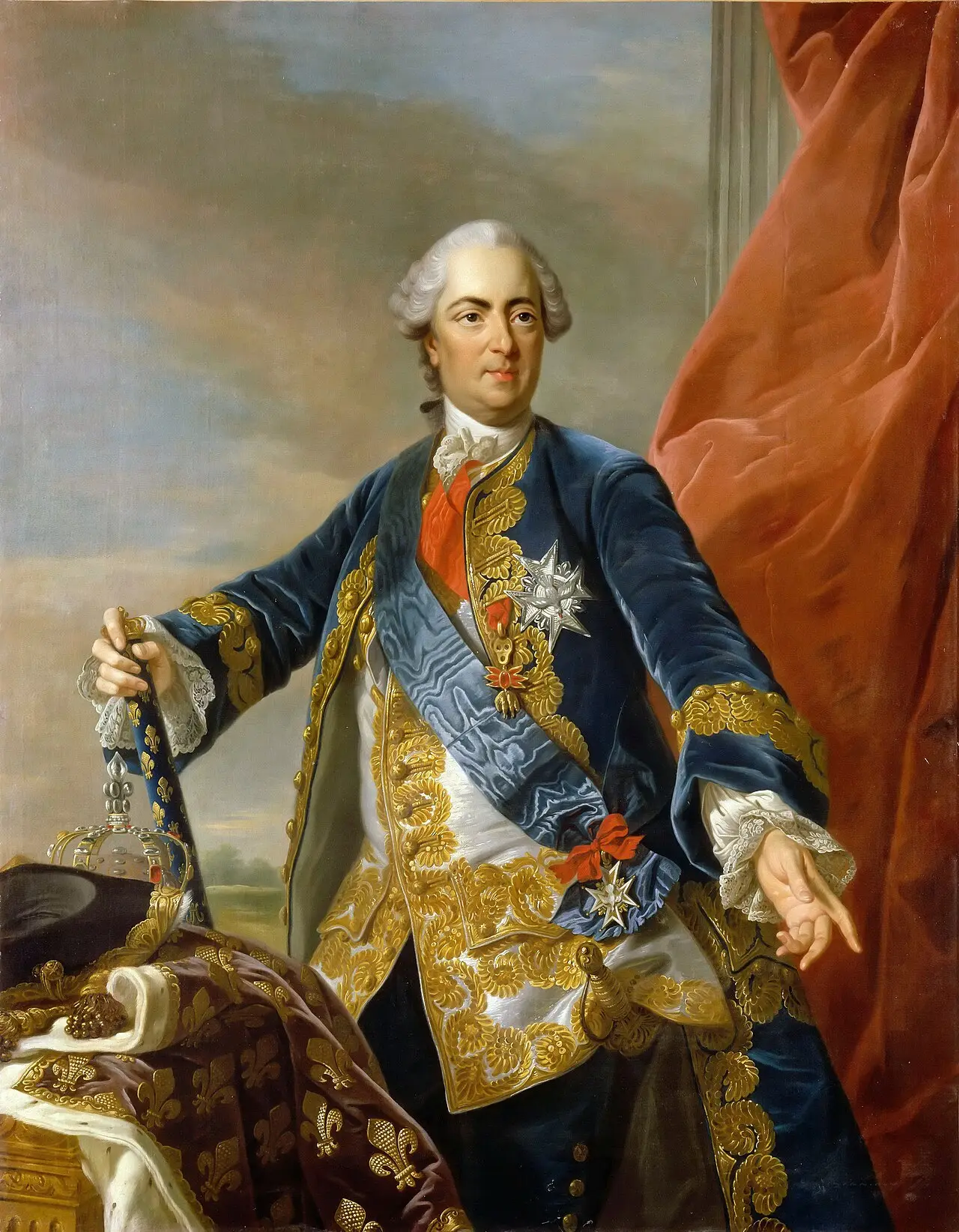
  • Louis XV
    1710 – 1774 · Art collector

    Louis XV

    Louis XV became King of France at five and ruled for almost 59 years, the second longest reign in French history. Historians often blame his extravagance and failures for weakening the monarchy and leaving his grandson a crisis that helped trigger the Revolution.

    Manner of Louis-Michel van Loo · Public domain
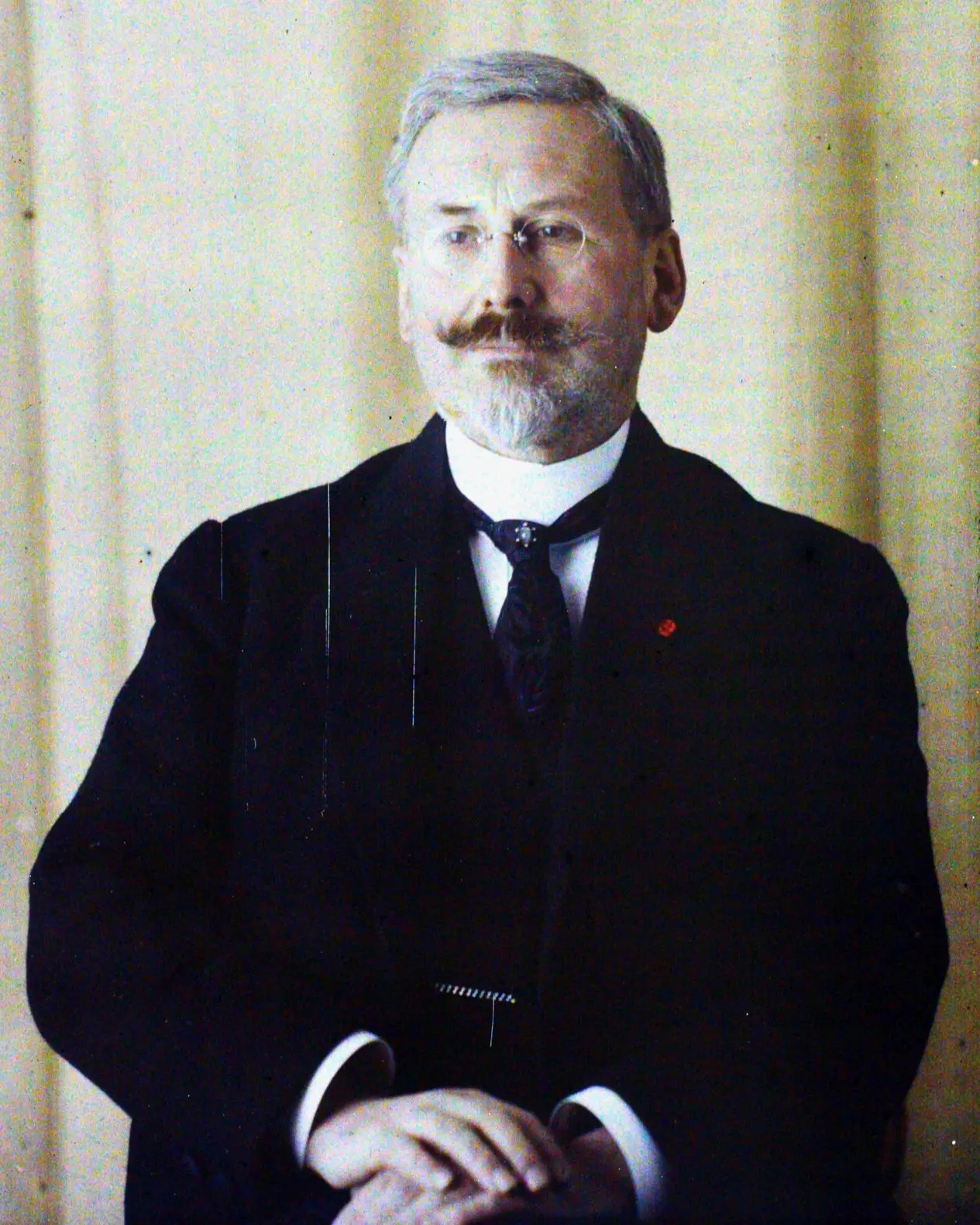
  • Charles Édouard Guillaume
    1861 – 1938 · Physicist

    Charles Édouard Guillaume

    Guillaume was a Swiss physicist who discovered unusual behaviour in nickel steel alloys, work that made precision measurements far more reliable. He won the Nobel Prize in Physics in 1920 for it.

    Auguste Léon · Public domain

Died on February 15

56 more in the app
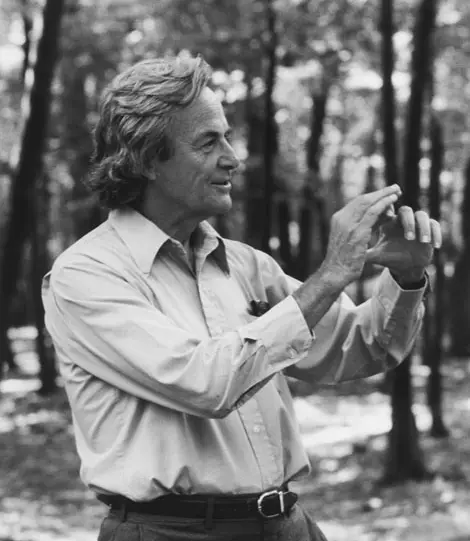
  • Richard Feynman
    1918 – 1988 · Physicist

    Richard Feynman

    Richard Feynman was an American theoretical physicist who shared the 1965 Nobel Prize in Physics for quantum electrodynamics. He is also remembered for Feynman diagrams, a pictorial method still used to track how subatomic particles behave, and for his role on the panel investigating the Challenger disaster.

    Copyright Tamiko Thiel 1984 · CC BY-SA 3.0
  • Sir Owen Willans Richardson
    1879 – 1959 · Physicist

    Sir Owen Willans Richardson

    Richardson was a British physicist who studied how hot metals give off electrons, work that earned him the 1928 Nobel Prize in Physics. The relationship he described between temperature and that emission is still known as Richardson's law.

    Nobel foundation · Public domain
  • Nat King Cole
    1919 – 1965 · Singer-songwriter

    Nat King Cole

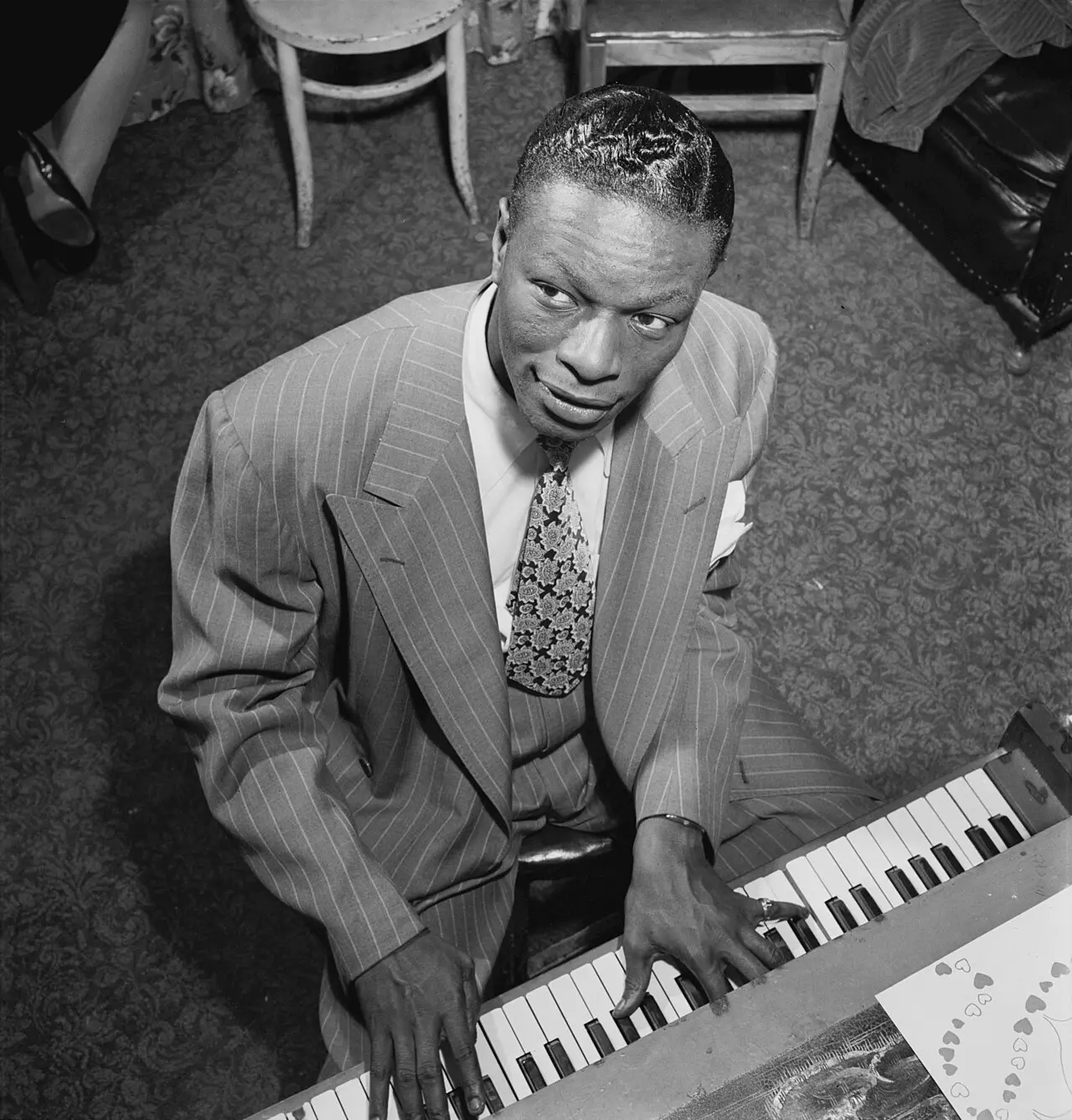
    Nat King Cole was an American jazz pianist turned pop singer, known for hits like Unforgettable and Mona Lisa. He also became the first Black American to host a nationally broadcast television show, in 1956.

    William P. Gottlieb · Public domain

Explore another day

Every date of the year has its own page. Try your birthday.