Skip to content

February 21
in history

UK abolishes wartime identity cards (1952), and Soviet spacecraft Luna 20 lands on the Moon (1972). Born on this day: Robert Mugabe, Harald V and Alan Rickman. Died: Benedict de Spinoza, Malcolm X and Mikhail Aleksandrovich Sholokhov.

34 events, 68 births and 61 deaths on this date.

1952

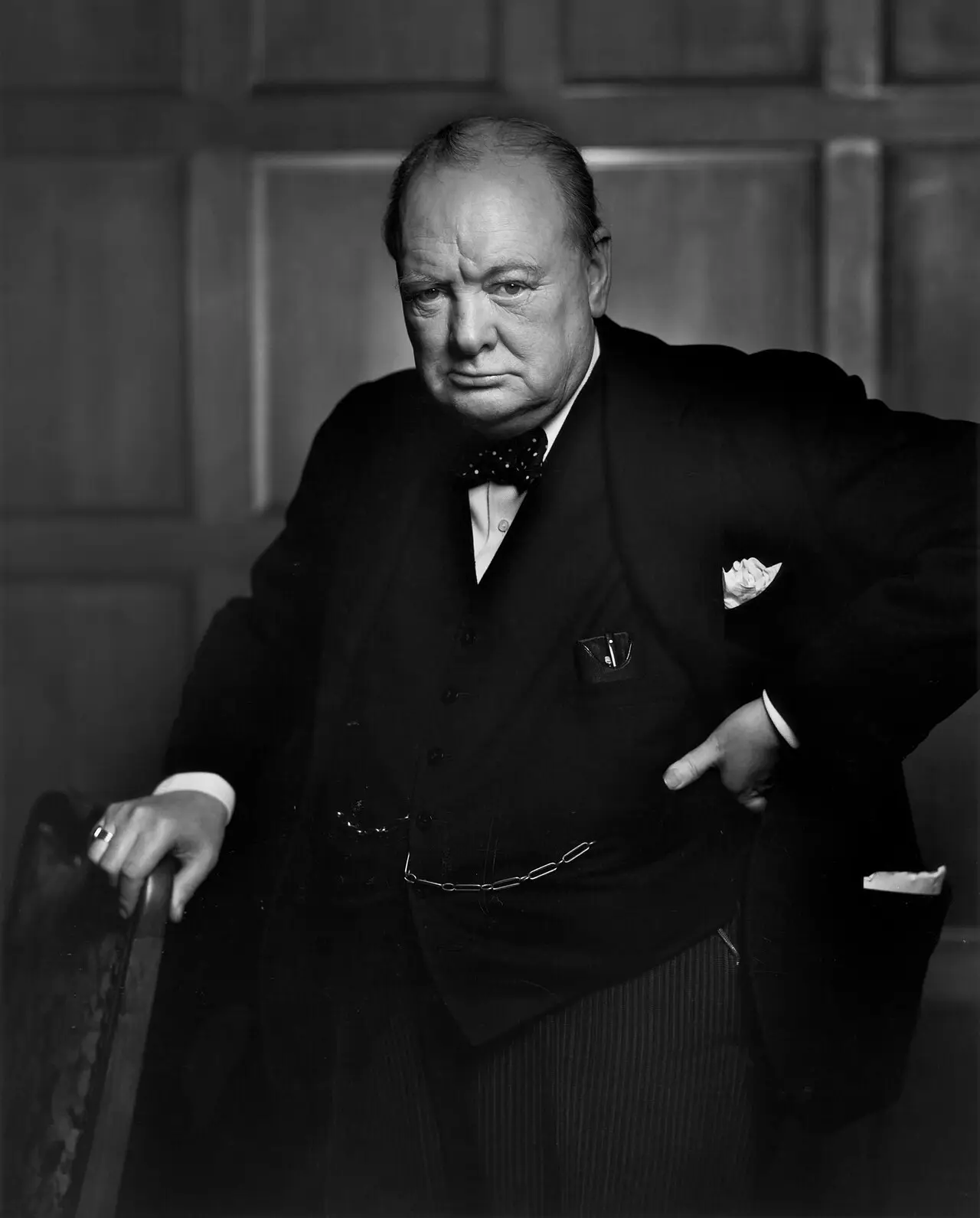
UK abolishes wartime identity cards

Churchill's government scrapped the identity cards that had been compulsory since the Second World War, with the aim of freeing citizens from state paperwork. The move reversed a wartime measure that many Britons had grown to resent.

Public domain

Events

  1. 1972

    Soviet spacecraft Luna 20 lands on the Moon

    Luna 20 touched down on the lunar surface and later drilled soil samples and returned them to Earth. It was an uncrewed probe, so the sample return was a robotic achievement rather than a human one.

  2. 1919

    Kurt Eisner, Bavaria's first republican premier, is assassinated in Munich

    Kurt Eisner, the socialist who led the revolution that ended Bavaria's monarchy and made it a republic, was shot dead in Munich. His killing deepened the instability that followed the First World War in Germany.

  3. 1974

    Last Israeli troops leave Suez Canal's west bank

    Israeli forces withdrew from the canal's western shore under a truce agreed with Egypt. The waterway links the Mediterranean with the Red Sea and remains a key trade route between Europe and Asia.

  4. 1972

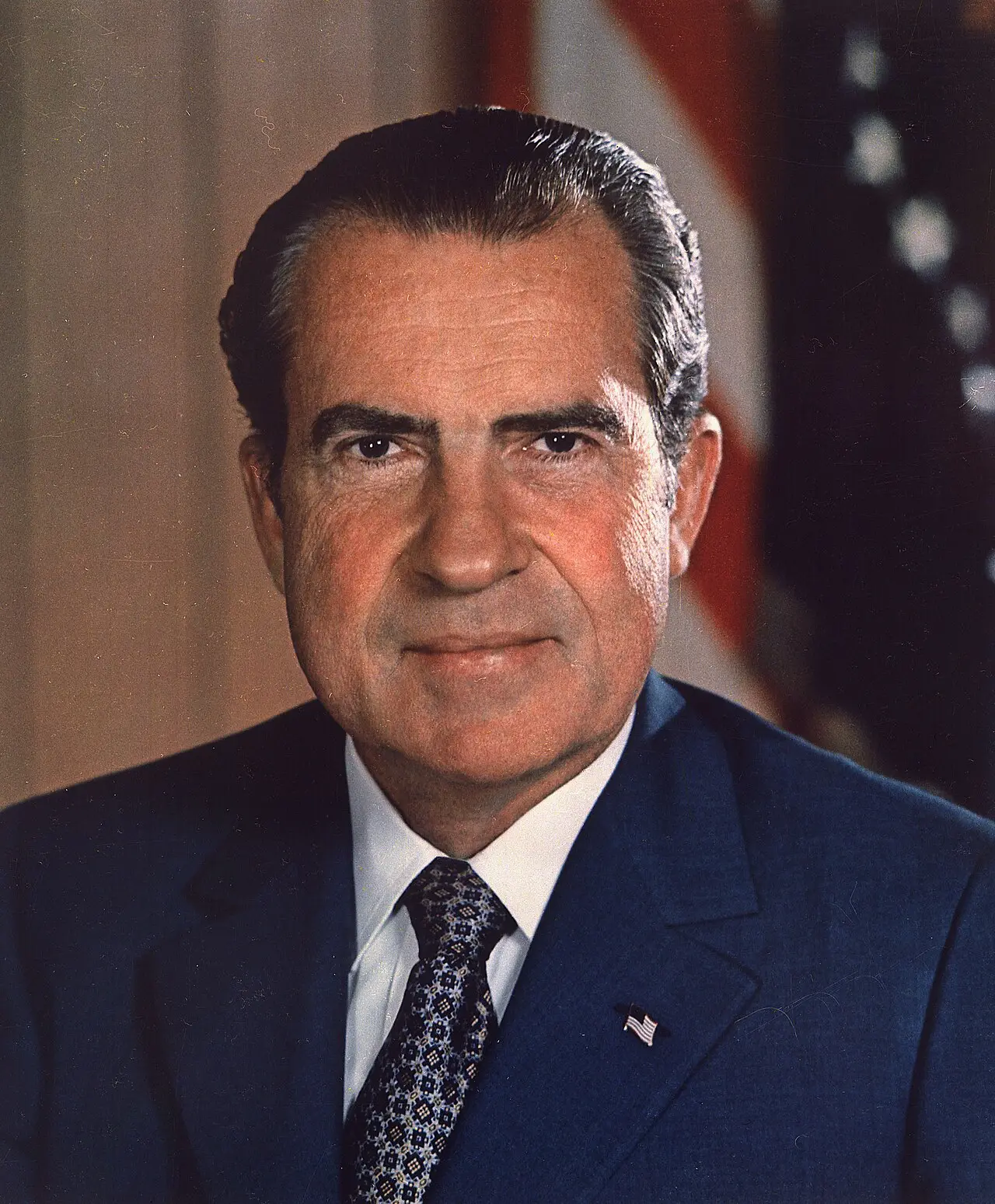
    Richard Nixon visits China to normalise Sino-American relations

    Nixon's trip ends years of hostility between Washington and Beijing, a thaw that reshapes Cold War diplomacy. It opens the door to closer ties between the two countries and sets the stage for his wider détente with the Soviet Union.

    Department of Defense. Department of the Army. Office of the Deputy Chief of Staff for Operations. U.S. Army Audiovisual Center. (ca. 1974 - 05/15/1984) · Public domain
  5. 1937

    League of Nations bars foreign volunteers in Spain

    The League ordered that foreigners who had joined Spain's civil war as fighters be barred from taking part. It was an attempt to stop a local conflict drawing in other nations, though the League had no army to enforce it.

  6. 1848

    Marx and Engels publish The Communist Manifesto in London

    In the app
  7. 1842

    John Greenough wins America's first sewing machine patent

    In the app
  8. 1861

    Mariehamn, the capital of Åland, is founded

    In the app

28 more events on February 21

For the full day, download Chunks today. Every date, the stories behind them, and a new day each morning. Free to start.

Born on February 21

65 more in the app
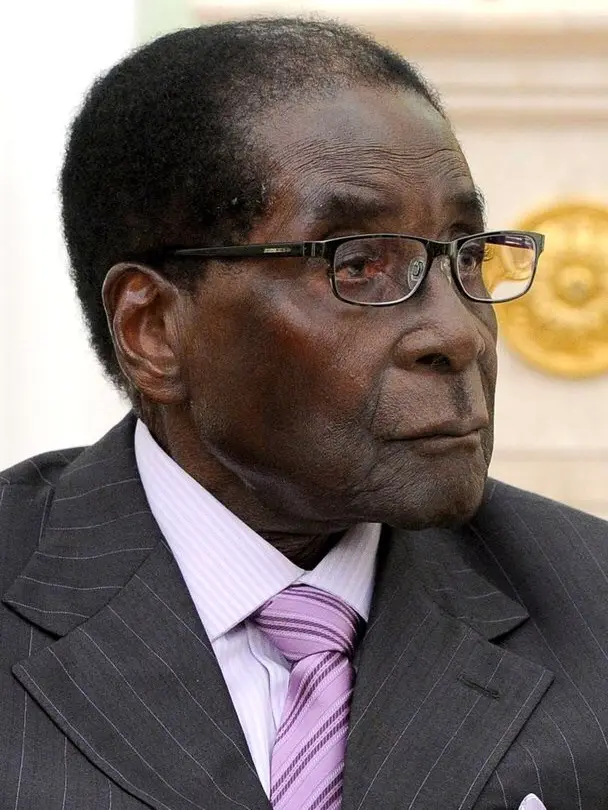
  • Robert Mugabe
    1924 – 2019 · Politician

    Robert Mugabe

    Robert Mugabe led ZANU through the guerrilla war against Ian Smith's white-minority government in Rhodesia. He then ruled independent Zimbabwe, first as prime minister and later as president, until 2017.

    Press Service of the President of Russia · CC BY 4.0
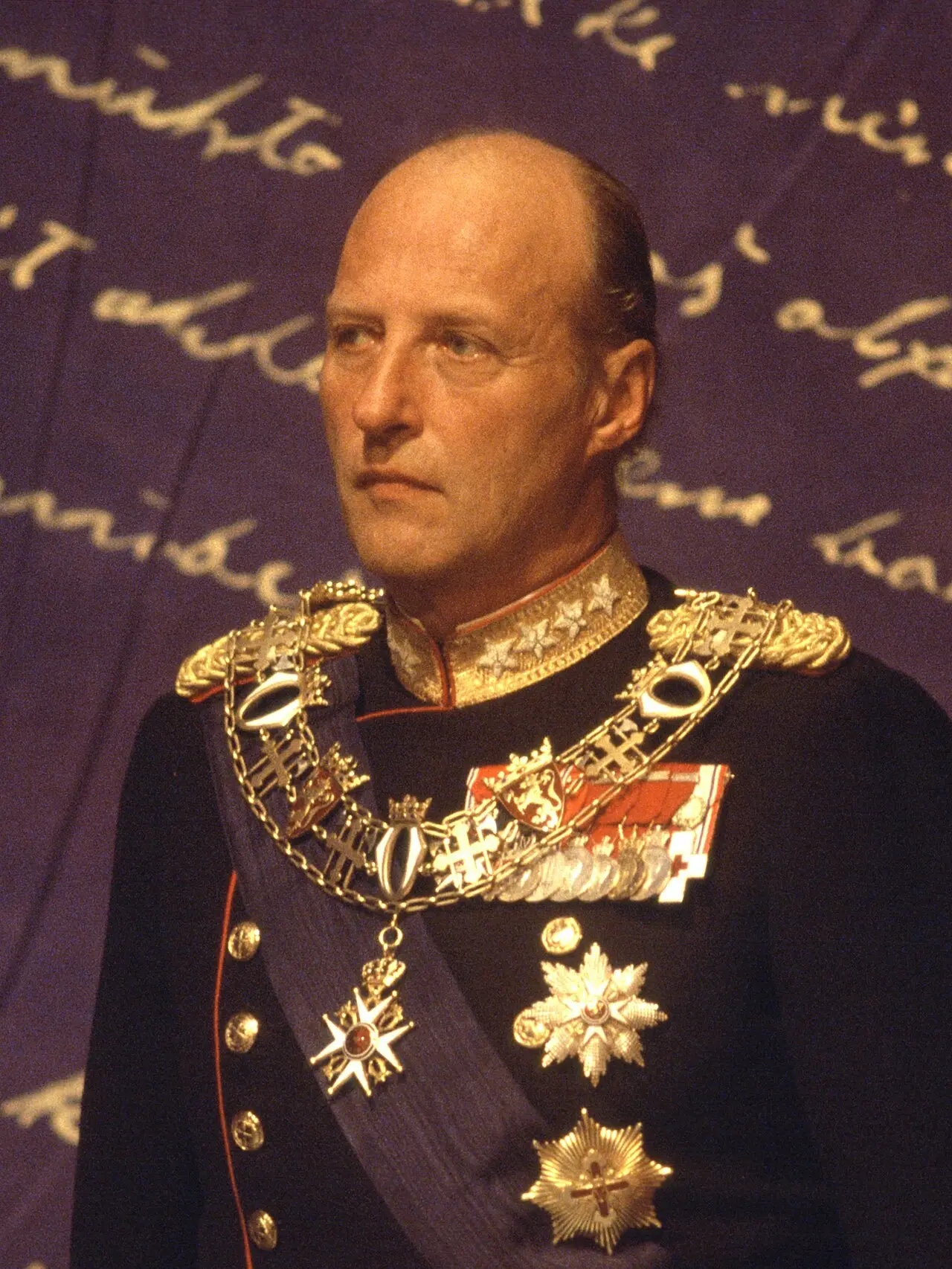
  • Harald V
    1937 – 2026 · Royalty

    Harald V

    Before taking the throne in 1991, Harald had sailed for Norway at three Olympic Games. As monarch he was known for steering the country through national crises, and he later served as honorary president of World Sailing.

    Harry Johansen / Sámediggi Sametinget · CC BY 2.0
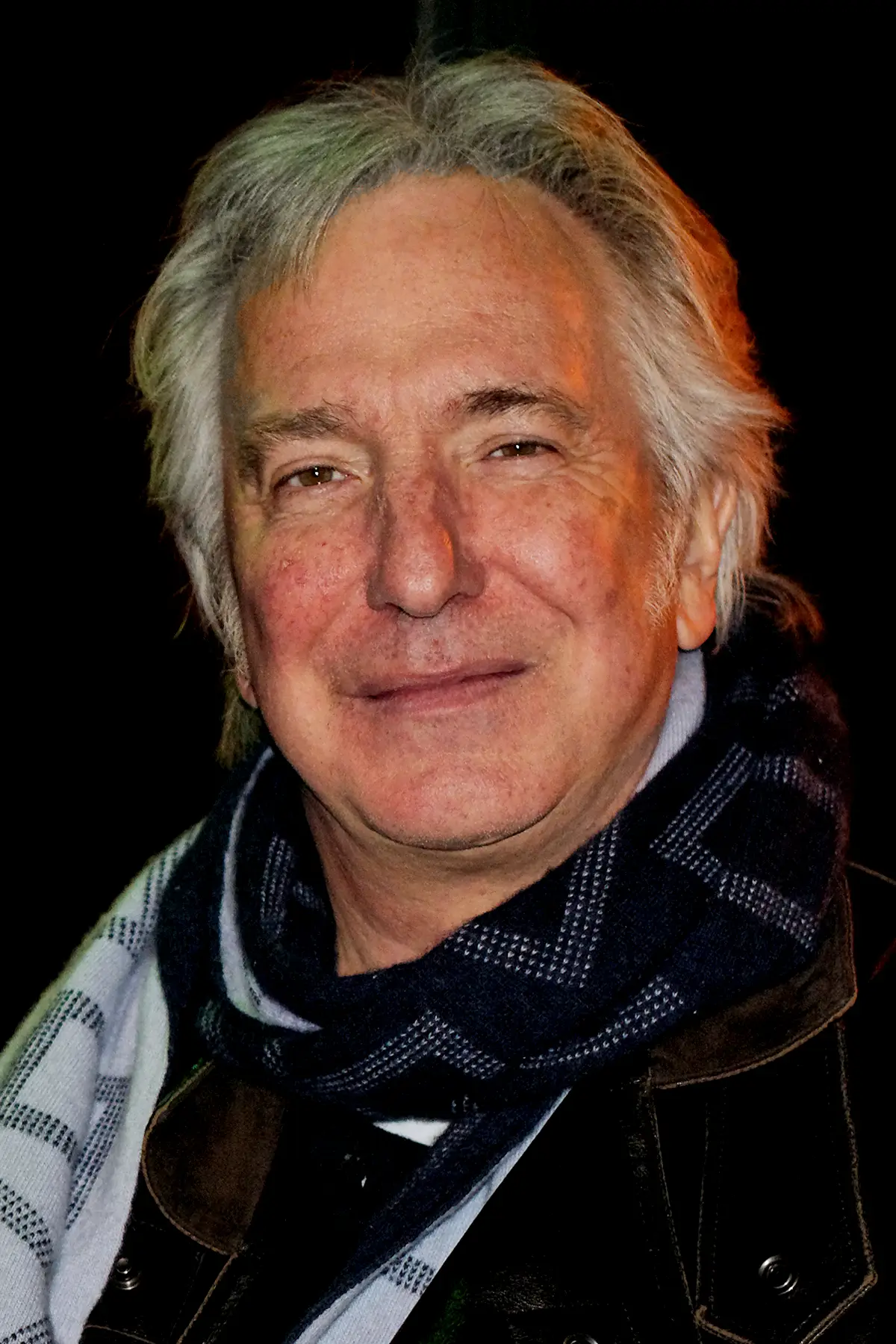
  • Alan Rickman
    1946 – 2016 · Television actor

    Alan Rickman

    Alan Rickman was a British actor with a deep, distinctive voice, best known for playing Severus Snape across the Harry Potter films. He first gained wide notice as the villain Hans Gruber in Die Hard.

    Marie-Lan Nguyen · CC BY 2.0

Died on February 21

58 more in the app
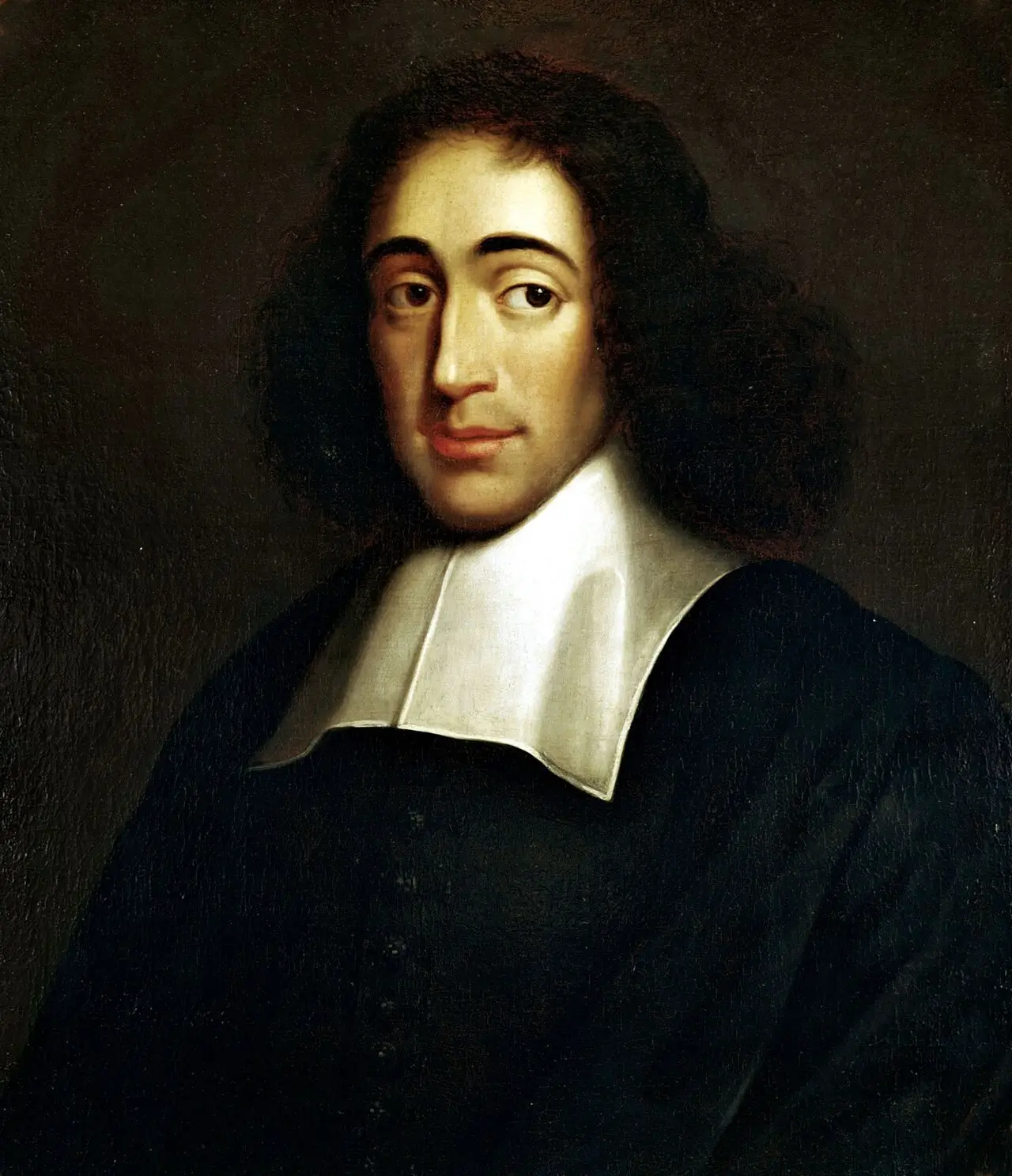
  • Benedict de Spinoza
    1632 – 1677 · Philosopher

    Benedict de Spinoza

    Spinoza was a Dutch philosopher who was expelled from his Amsterdam Jewish community in 1656 and then supported himself grinding lenses. His book Ethics equated God with nature, and his ideas on scripture and democracy shaped later thinking.

    anonymous · Public domain
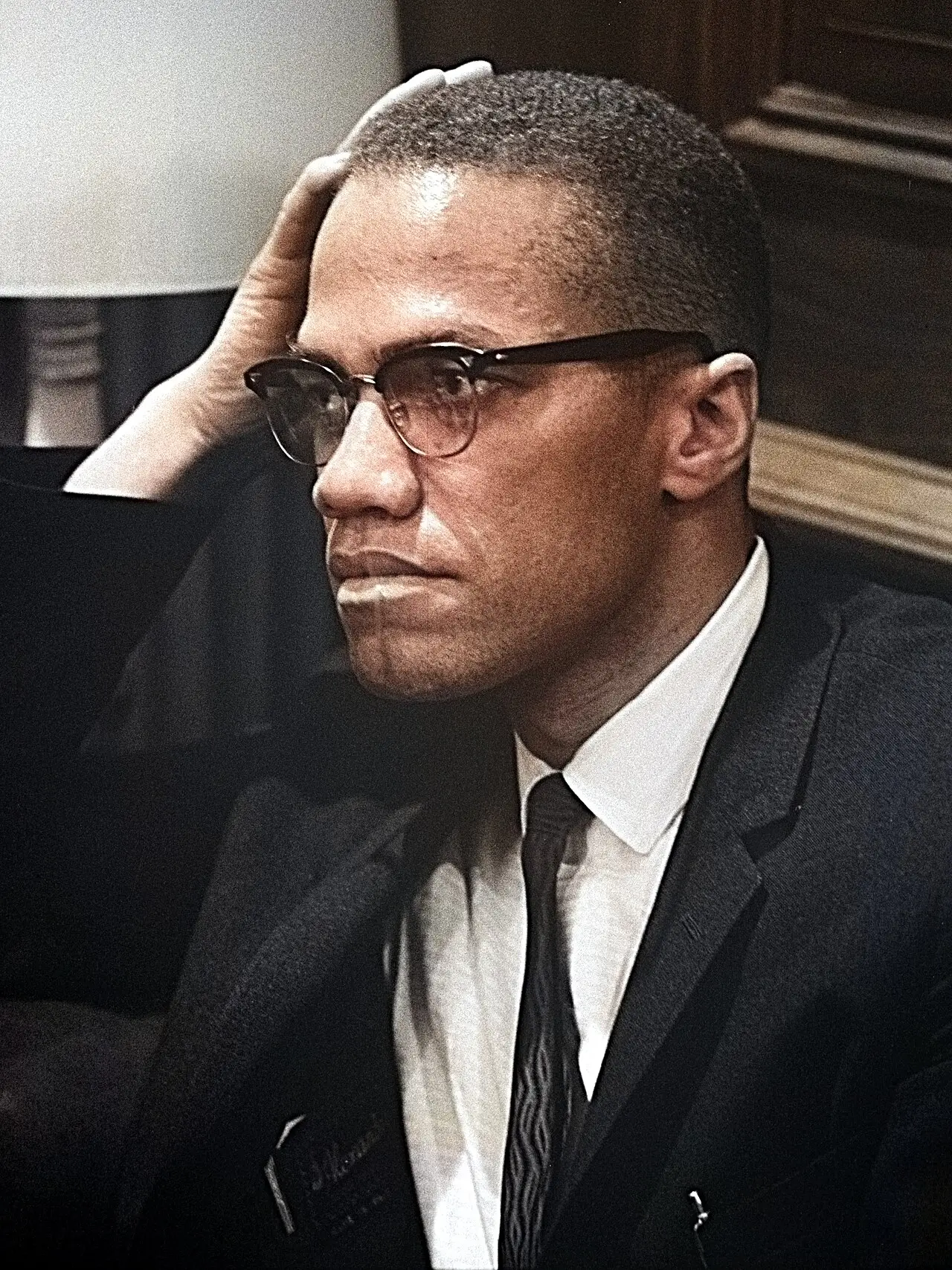
  • Malcolm X
    1925 – 1965 · Politician

    Malcolm X

    Malcolm X became a leading voice for the Nation of Islam after discovering it in prison, later turning to Sunni Islam. He was assassinated in 1965, while a controversial but widely admired advocate for racial justice.

    Marion S. Trikosko · Public domain
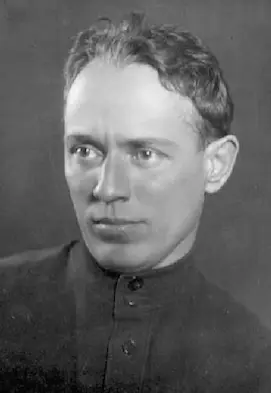
  • Mikhail Aleksandrovich Sholokhov
    1905 – 1984 · Writer

    Mikhail Aleksandrovich Sholokhov

    Sholokhov was a Soviet novelist who wrote about Don Cossacks through revolution, civil war and collectivisation. His epic And Quiet Flows the Don won him the 1965 Nobel Prize in Literature.

    Unknown author Unknown author · Public domain

Explore another day

Every date of the year has its own page. Try your birthday.