Skip to content

February 10
in history

Vasco da Gama leaves Lisbon on second India expedition (1502), and Soviet Union begins mass deportation of Polish citizens to Siberia (1940). Born on this day: Bertolt Brecht, Boris Leonidovich Pasternak and Harold Macmillan. Died: Aleksandr Pushkin, Wilhelm Conrad Röntgen and Montesquieu.

29 events, 63 births and 65 deaths on this date.

1502

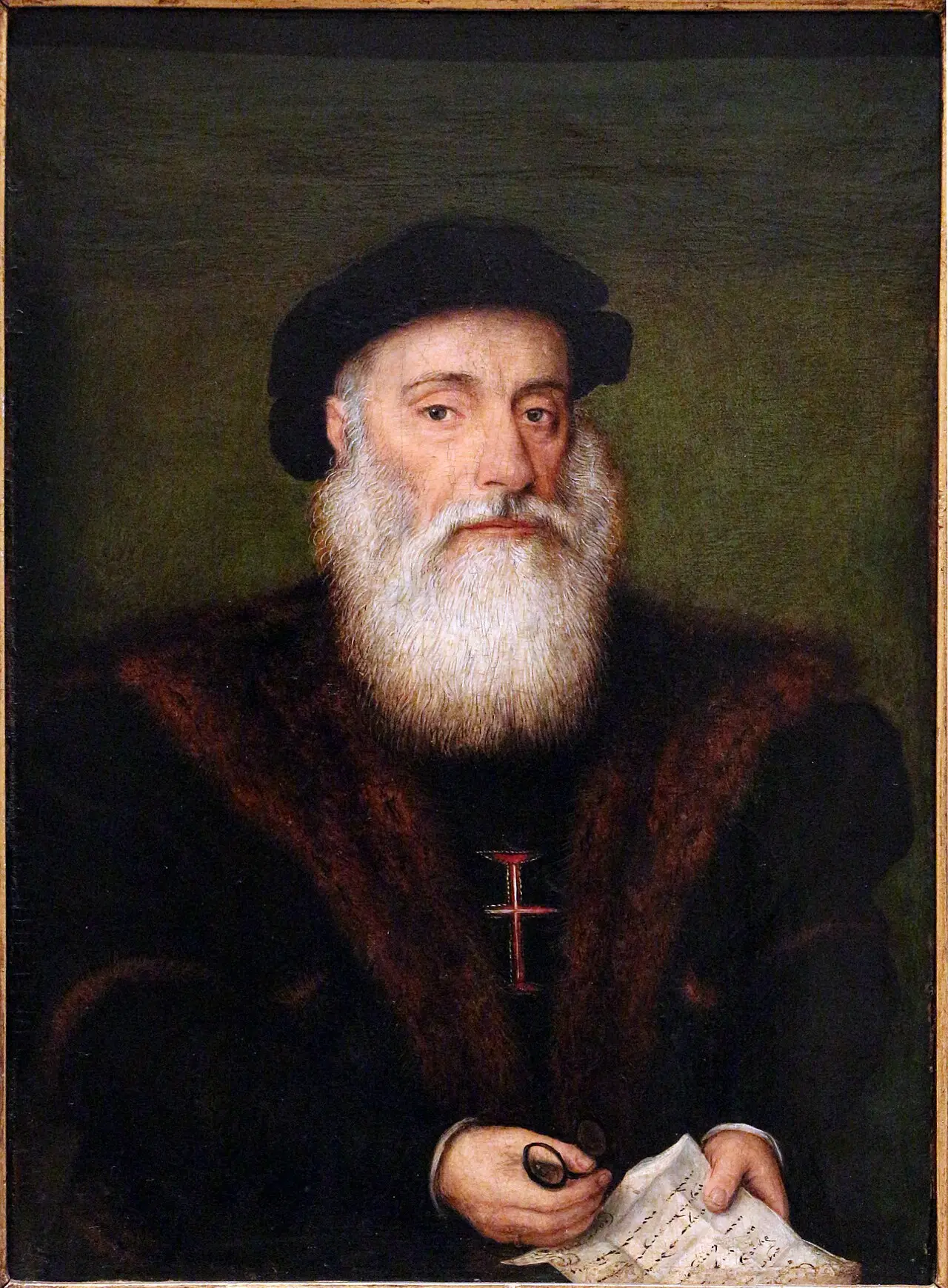
Vasco da Gama leaves Lisbon on second India expedition

Vasco da Gama headed out of Lisbon again, aiming to reach India by the sea route he had opened in 1497. His first trip had found a way round the Cape of Good Hope, and this new venture aimed to build on it.

Sailko · CC BY 3.0

Events

  1. 1940

    Soviet Union begins mass deportation of Polish citizens to Siberia

    Soviet authorities started forcibly moving Polish families from eastern Poland, which they had seized in 1939, deep into Siberia and other remote regions. Tens of thousands were loaded onto freight trains in the depths of winter, and many did not survive the journey or the harsh conditions that followed.

  2. 2003

    France and Belgium block NATO silent approval over Turkey

    France and Belgium refused to let NATO approve by silence its Turkey defence timing, in case of an Iraq war. The move blocked the alliance's usual shortcut to agreement and exposed deep splits over Iraq.

  3. 1840

    Queen Victoria marries Prince Albert of Saxe-Coburg and Gotha

    Victoria chose her cousin Albert as her husband, and their marriage became the heart of her private life. Albert later shaped much of the royal household and advised her closely on public affairs until his death in 1861.

  4. 1954

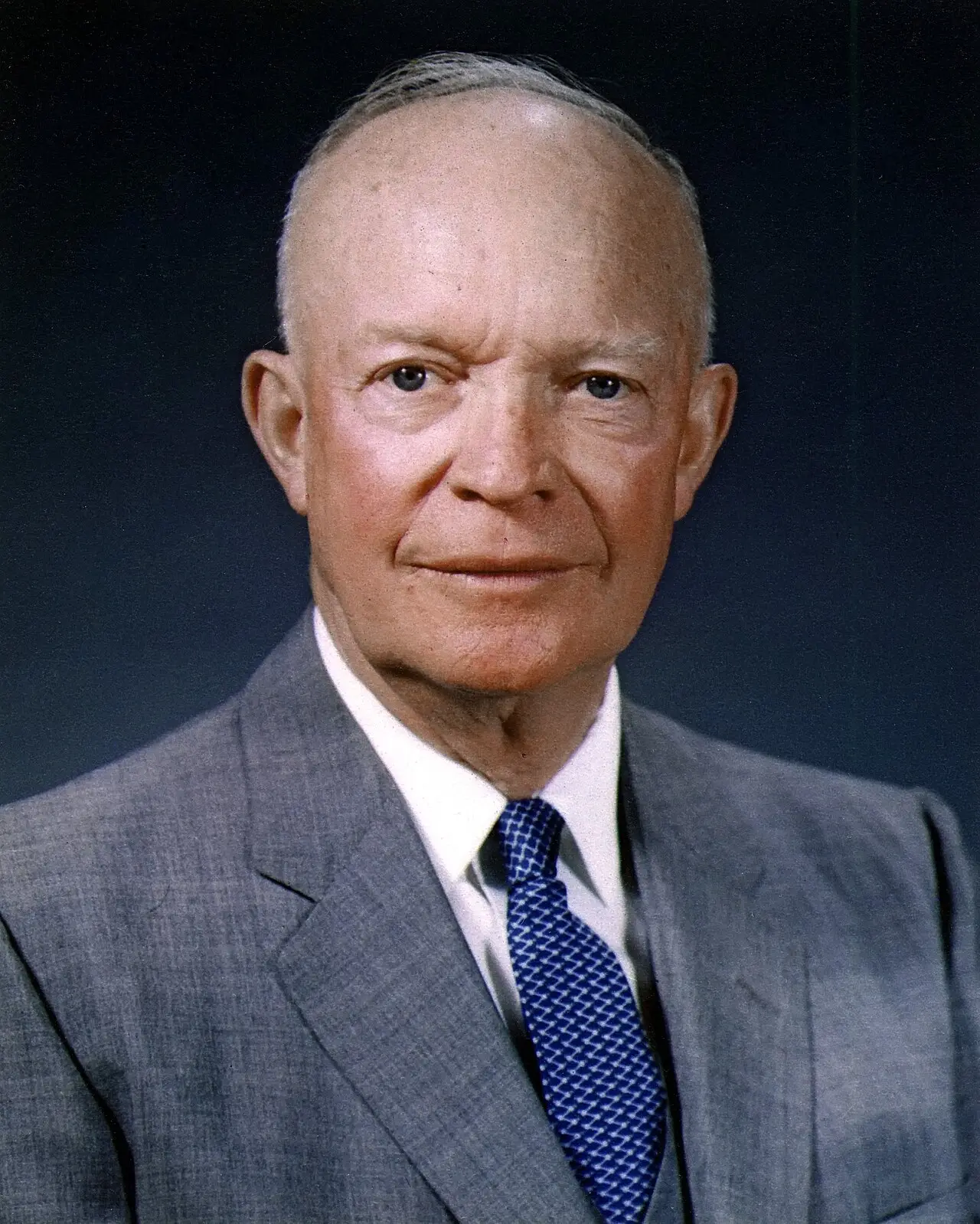
    Eisenhower speaks out against US involvement in Vietnam

    Eisenhower, who had commanded Allied forces in Europe during the Second World War, was then in his first year as president. He spoke out against the United States stepping into the conflict in Vietnam.

    White House · Public domain
  5. 1258

    Mongols take Baghdad as the last Abbasid caliph surrenders

    Al-Musta'sim, the last Abbasid caliph, handed Baghdad to Hulegu Khan's besieging army. The Mongols then sacked the city, and the death toll ran into the hundreds of thousands, ending the dynasty's rule from its great capital.

  6. 1220

    Mongols take and plunder Bukhara

    In the app
  7. 1898

    Bertolt Brecht, the German playwright and poet, is born

    In the app
  8. 1940

    Tom and Jerry's first cartoon reaches cinemas

    In the app

23 more events on February 10

For the full day, download Chunks today. Every date, the stories behind them, and a new day each morning. Free to start.

Born on February 10

60 more in the app
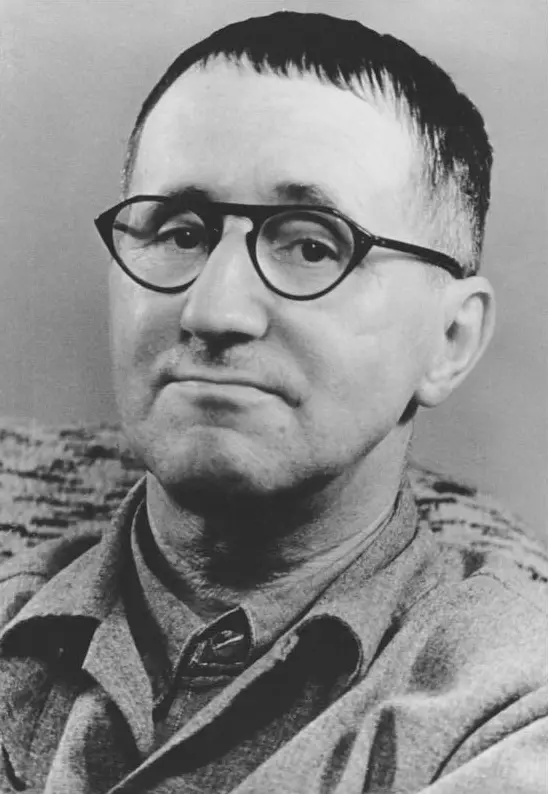
  • Bertolt Brecht
    1898 – 1956 · Playwright

    Bertolt Brecht

    Brecht was a German playwright and poet who wrote The Threepenny Opera and Mother Courage and Her Children, and developed epic theatre, which asks audiences to watch critically rather than lose themselves in the story.

    Kolbe, Jörg · CC BY-SA 3.0 de
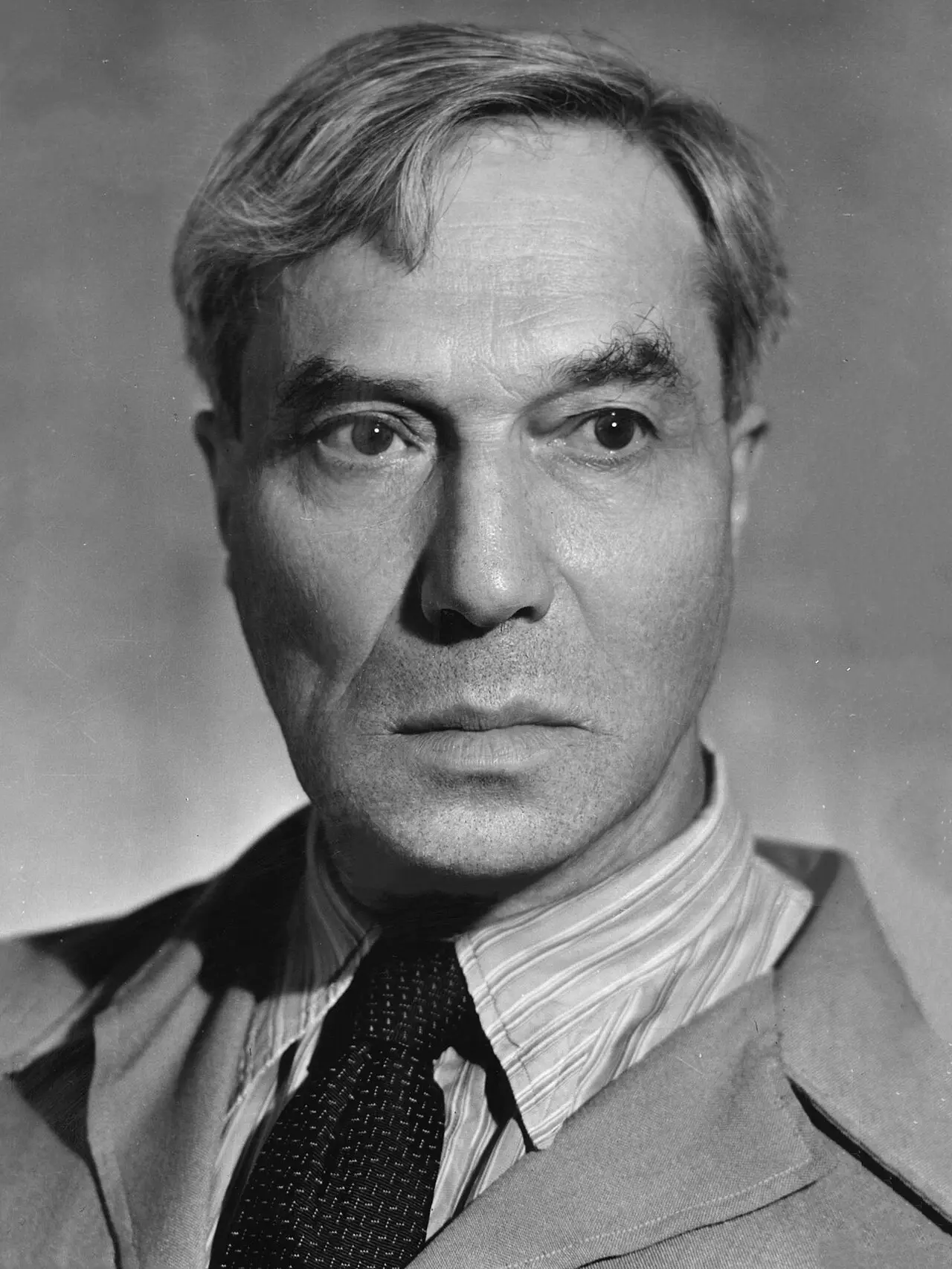
  • Boris Leonidovich Pasternak
    1890 – 1960 · Writer

    Boris Leonidovich Pasternak

    Russian poet, novelist and translator, best remembered for Doctor Zhivago, a novel banned in the Soviet Union that was smuggled abroad and published in Italy. He was pressured into declining the 1958 Nobel Prize in Literature.

    Владимир Савостьянов / ТАСС · Public domain
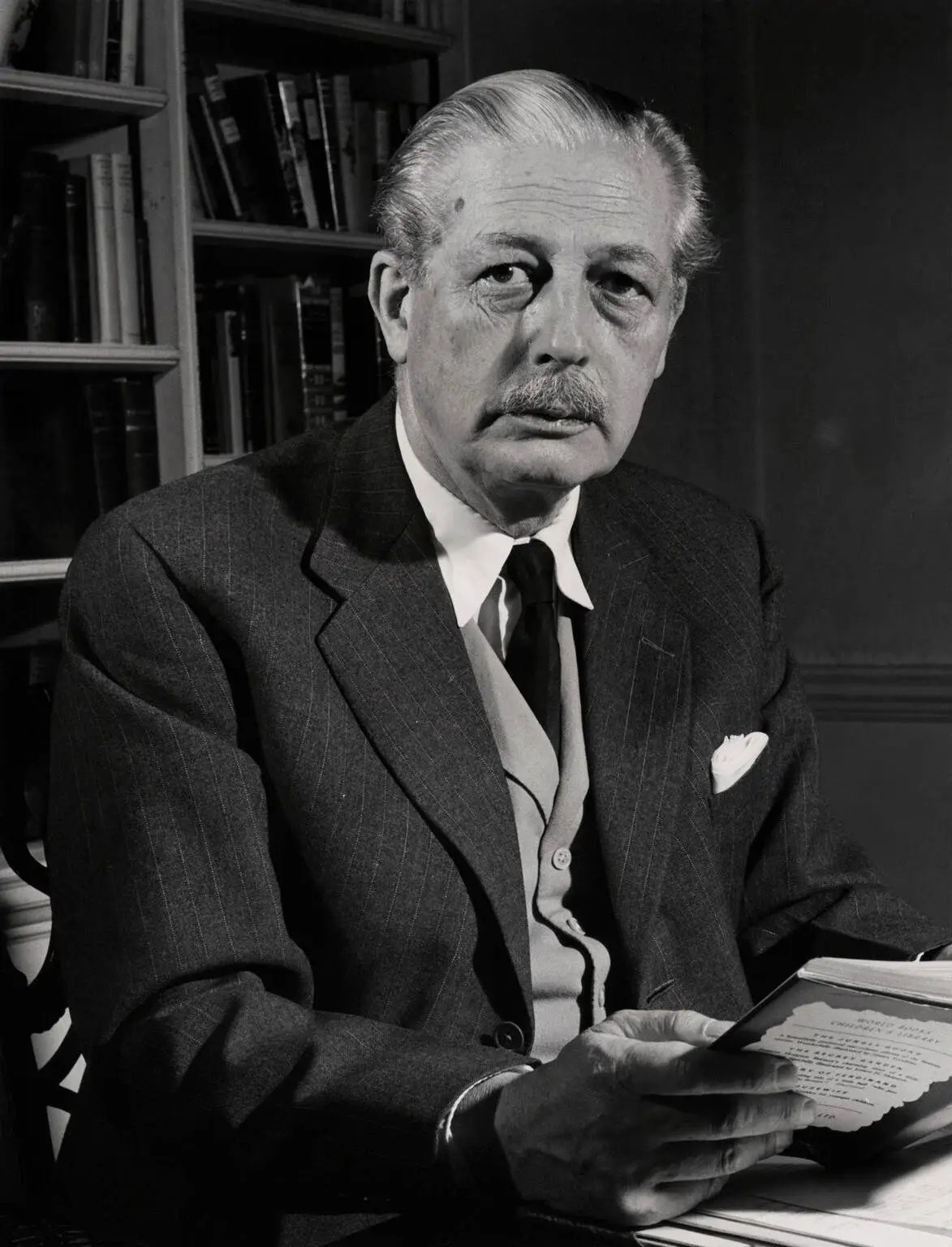
  • Harold Macmillan
    1894 – 1986 · Politician

    Harold Macmillan

    Harold Macmillan was Britain's Prime Minister from 1957 to 1963, remembered for steering the country through a period of affluence and for his wry, unflappable style. Before politics he was a wounded First World War officer and a publisher in his family's firm.

    Unknown photographer · Public domain

Died on February 10

62 more in the app
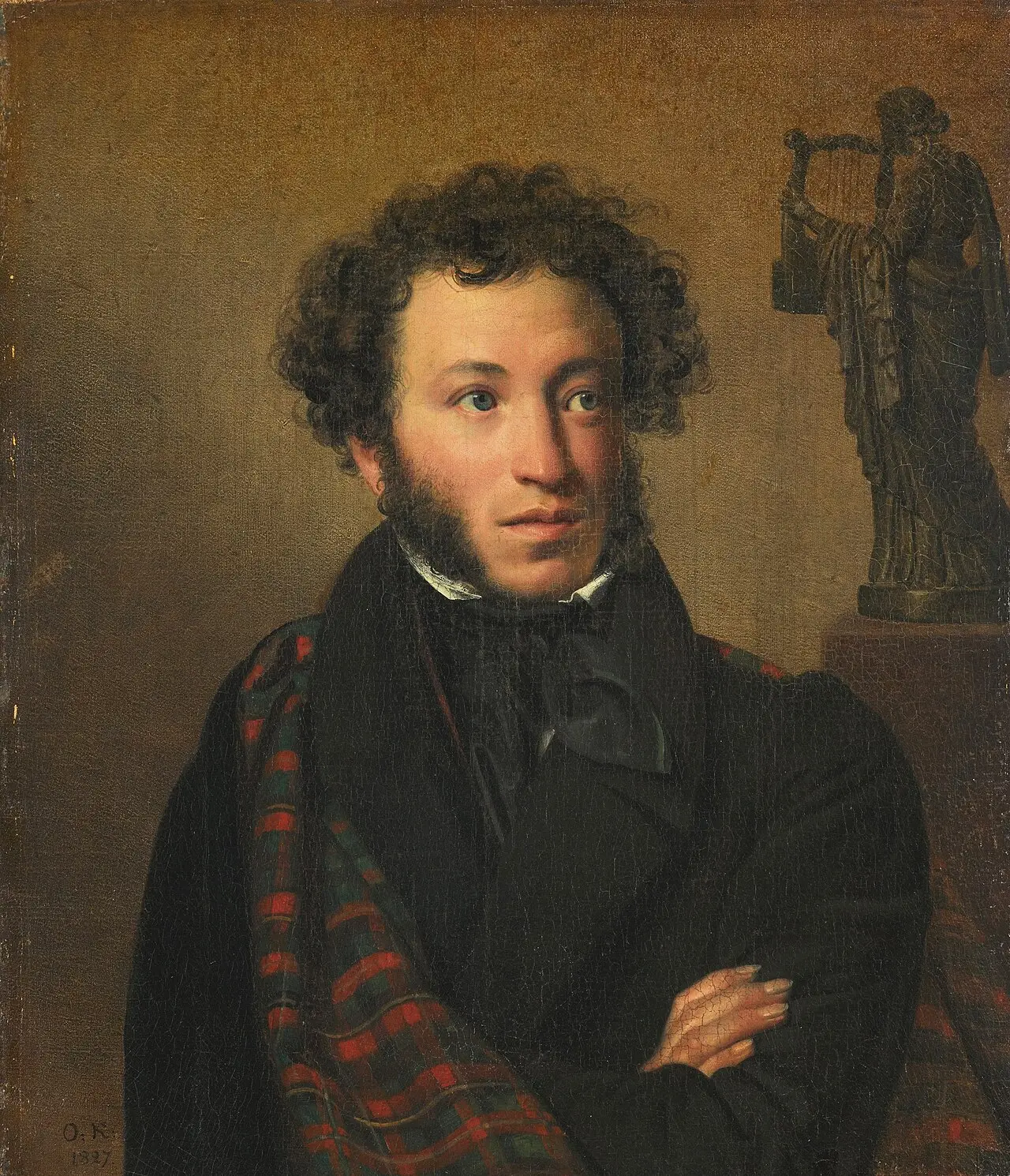
  • Aleksandr Pushkin
    1799 – 1837 · Poet

    Aleksandr Pushkin

    A Romantic-era poet, playwright and novelist, often seen as the founder of modern Russian literature. He wrote Eugene Onegin and Boris Godunov, and died after a duel with a French officer tied to his wife.

    Orest Kiprensky · Public domain
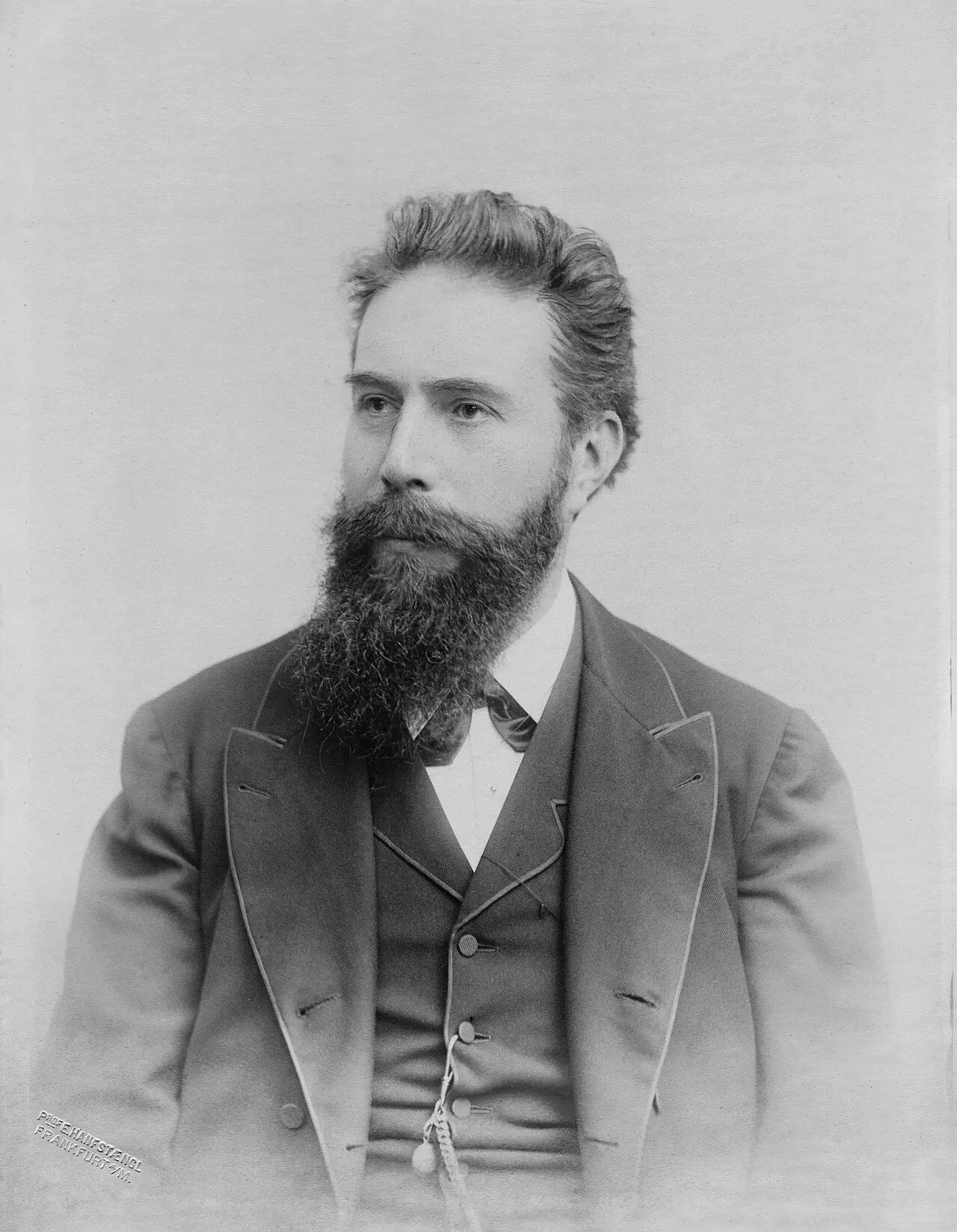
  • Wilhelm Conrad Röntgen
    1845 – 1923 · Physicist

    Wilhelm Conrad Röntgen

    Röntgen was a German physicist who discovered X-rays in 1895, a finding that let doctors see inside the body without surgery. He became the first Nobel Prize winner in Physics in 1901.

    Erwin Hanfstaengl · Public domain
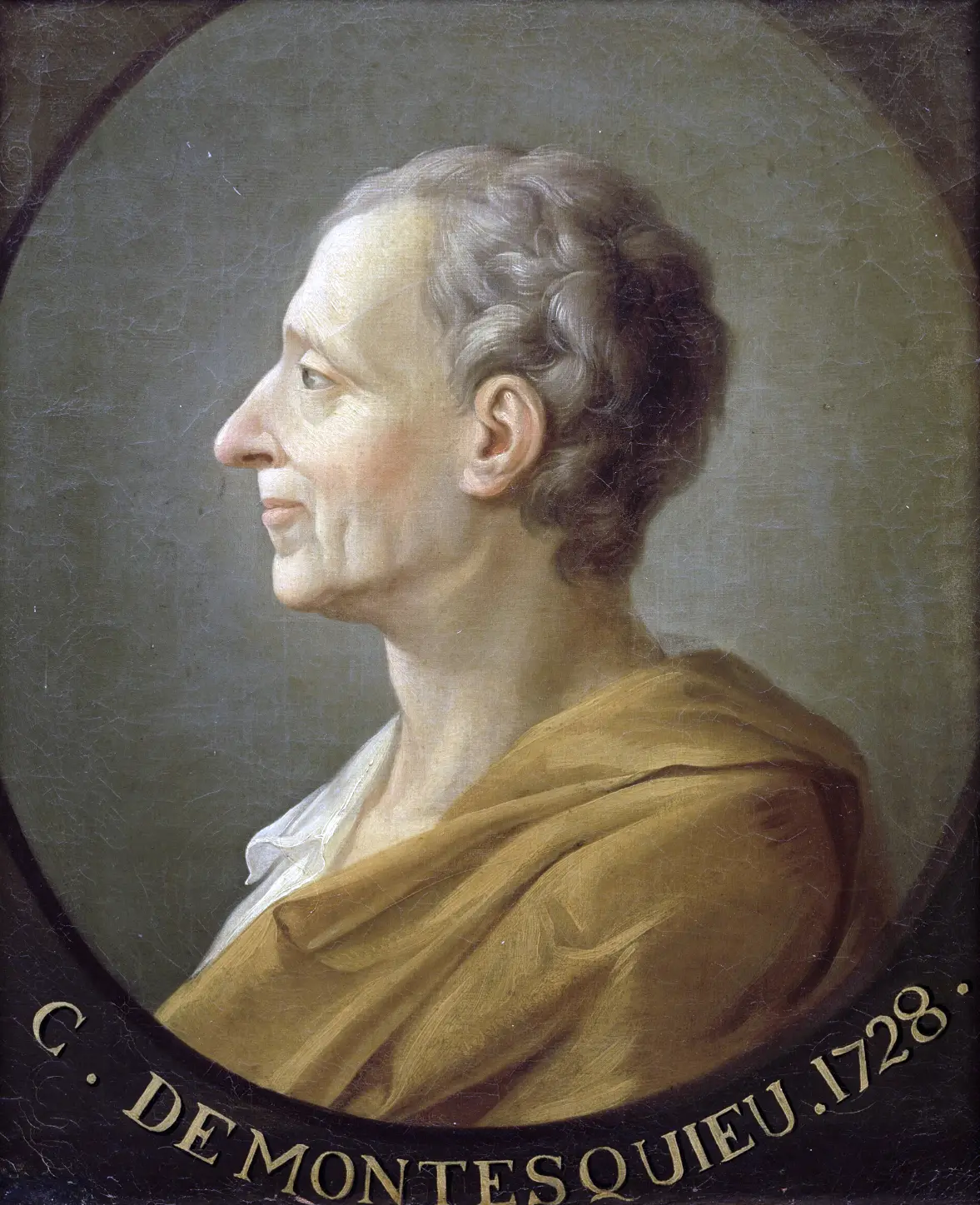
  • Montesquieu
    1689 – 1755 · Philosopher

    Montesquieu

    Montesquieu was a French jurist and political philosopher whose ideas on separating governmental powers shaped many later constitutions. His book The Spirit of Laws, published anonymously in 1748, influenced the American Founding Fathers.

    After Jacques-Antoine Dassier · Public domain

Explore another day

Every date of the year has its own page. Try your birthday.