Skip to content

May 5
in history

Columbus sights Jamaica on his second voyage (1494), and The Estates-General meets in France for the first time in 175 years (1789). Born on this day: Karl Marx, Adele and Søren Kierkegaard. Died: Napoleon I, Ludwig Erhard and Leopold I.

32 events, 50 births and 57 deaths on this date.

Events

  1. 1789

    The Estates-General meets in France for the first time in 175 years

    Louis XVI summoned the Estates-General at Versailles, the representative assembly that had not sat since 1614. Its deputies would soon clash over voting rules and help push the country toward revolution.

  2. 2006

    Sudan's government signs accord with the Sudan Liberation Army

    Sudan's government signed a peace agreement with the Sudan Liberation Army, a rebel group fighting in the western Darfur region. The deal aimed to end years of fighting there, though several rebel factions rejected it.

  3. 2023

    WHO declares end of COVID-19 as global health emergency

    The World Health Organization lifted its highest alarm over COVID-19, saying the disease was no longer an emergency of international concern. Governments could now shift from crisis measures to long-term management of the virus.

    Yann Forget · CC BY-SA 3.0
  4. 1927

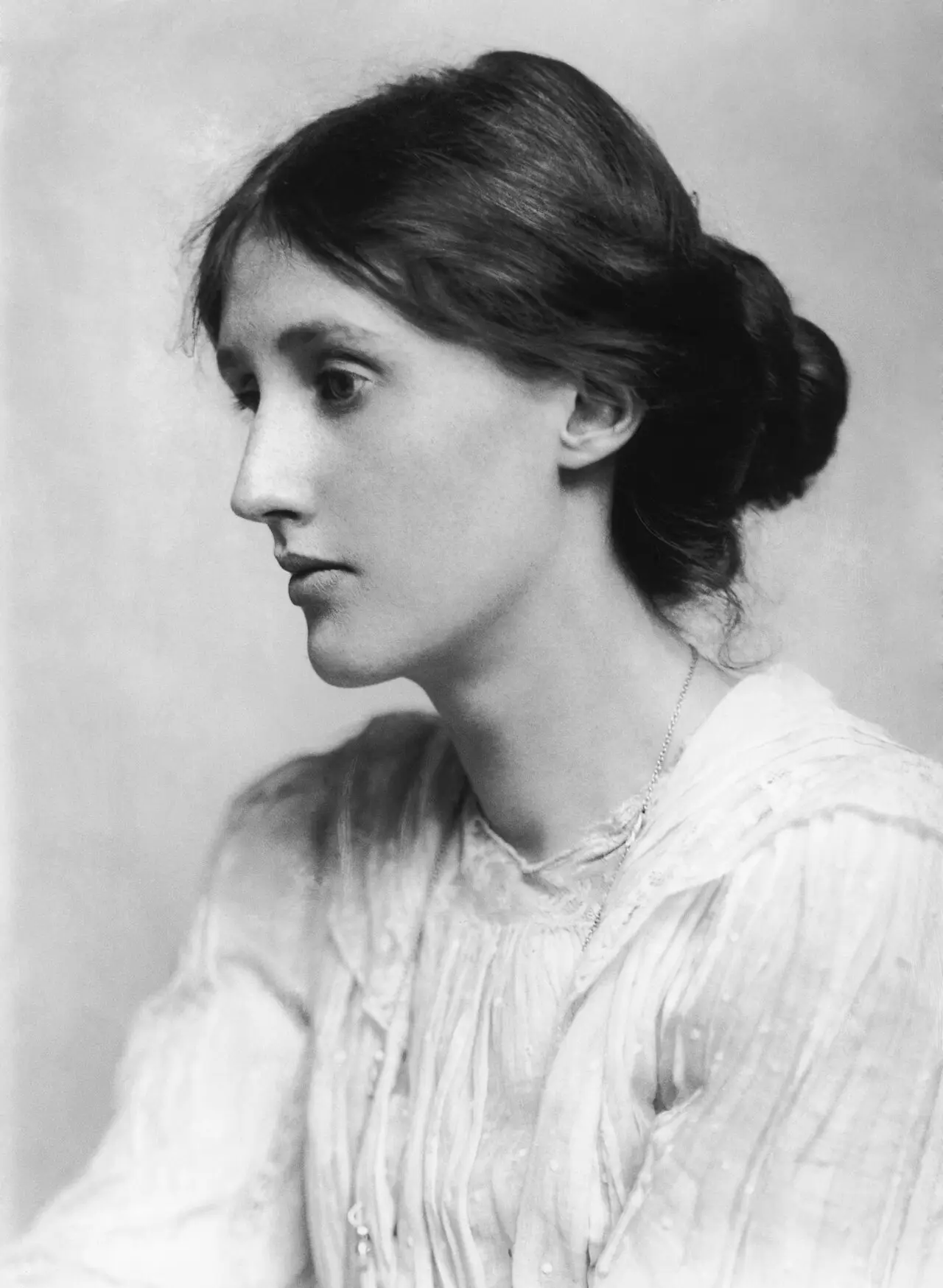
    Virginia Woolf publishes To the Lighthouse

    Woolf's novel To the Lighthouse came out on this day, a book built on stream of consciousness, a method she helped pioneer. It sits among the works that made her one of the most influential modernist writers of the twentieth century.

    George Charles Beresford / Adam Cuerden · Public domain
  5. 1988

    English singer Adele is born

    Adele, the English singer-songwriter known for her mezzo-soprano voice, was born on this day. She has won sixteen Grammy Awards, and her second album, 21, outsold every other record of this century.

    Marc E. · CC BY 2.0
  6. 1813

    Søren Kierkegaard, Danish philosopher, is born

    In the app
  7. 1260

    Kublai Khan becomes ruler of the Mongol Empire

    In the app
  8. 1821

    The Manchester Guardian publishes its first edition

    In the app

26 more events on May 5

For the full day, download Chunks today. Every date, the stories behind them, and a new day each morning. Free to start.

Born on May 5

47 more in the app
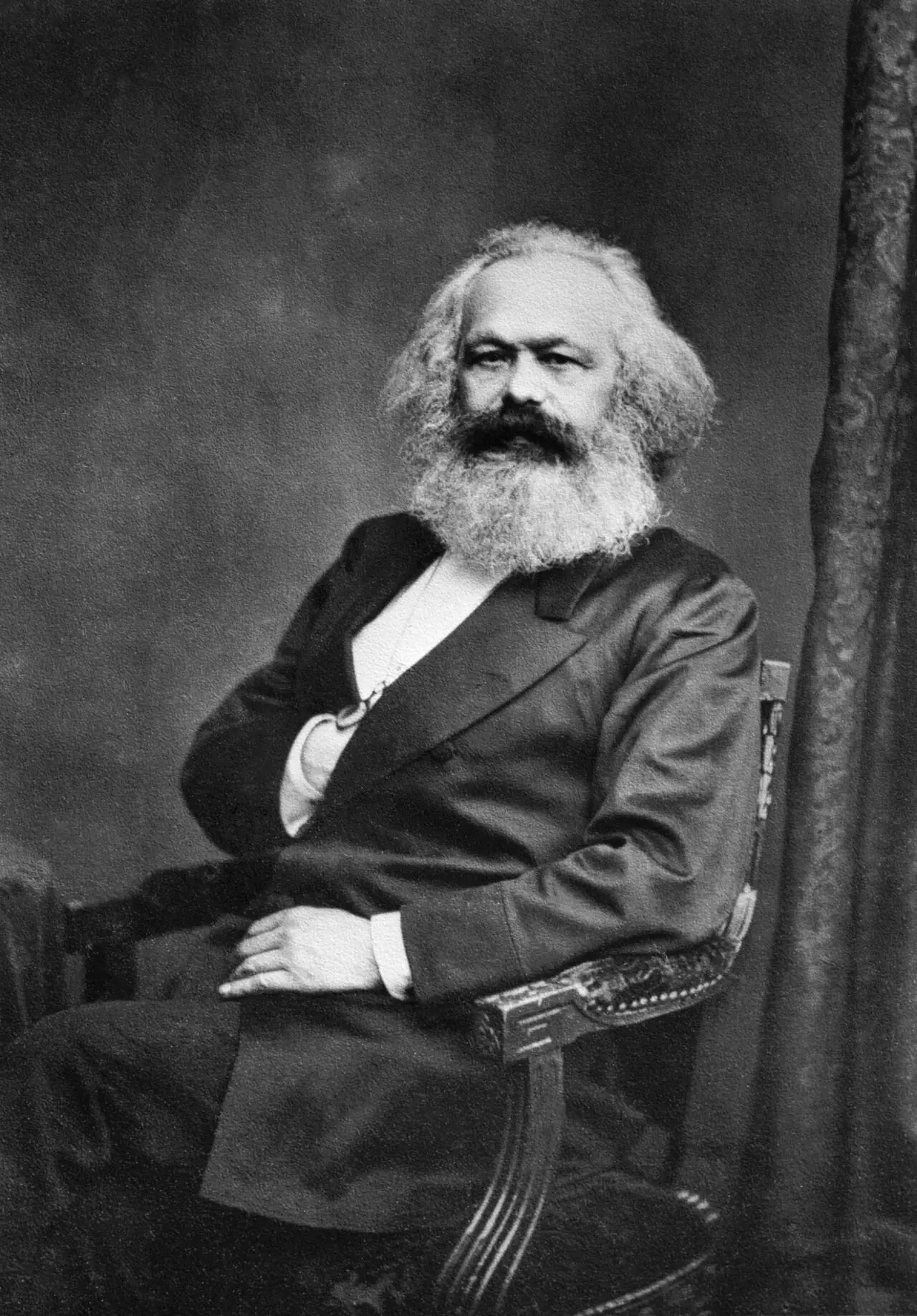
  • Karl Marx
    1818 – 1883 · Economist

    Karl Marx

    Karl Marx was born in Trier, in the Kingdom of Prussia. He later became the thinker most associated with Marxism, co-writing The Communist Manifesto with Friedrich Engels and analysing class struggle under capitalism.

    John Jabez Edwin Mayall · Public domain
  • Adele
    1988 · Singer-songwriter

    Adele

    English singer-songwriter known for powerful ballads like "Rolling in the Deep" and "Someone like You", and for albums that broke sales records worldwide. She has won a huge haul of Grammy and Brit awards, plus an Oscar for the James Bond song "Skyfall".

    Marc E. · CC BY 2.0
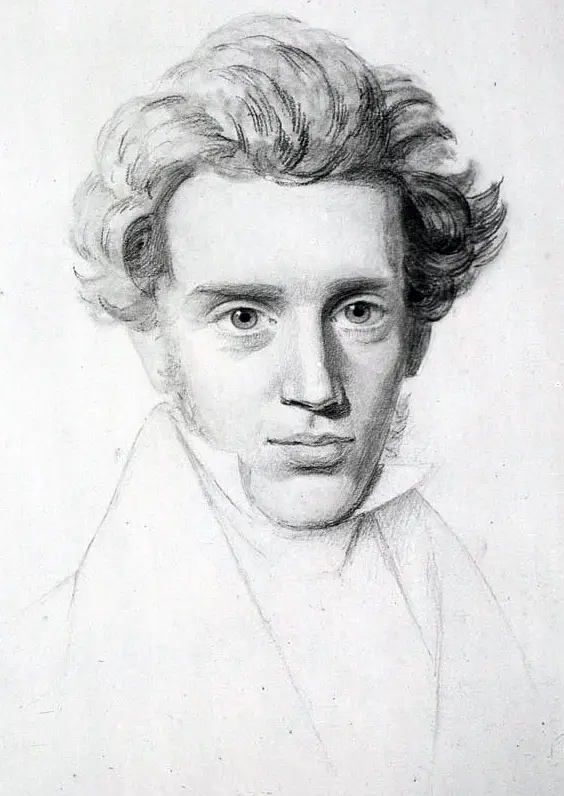
  • Søren Kierkegaard
    1813 – 1855 · Philosopher

    Søren Kierkegaard

    Søren Kierkegaard was a Danish philosopher and theologian, widely regarded as the first existentialist. He wrote about faith, choice and authenticity, often through pseudonymous characters and sharp irony.

    La Biblioteca Real de Dinamarca · Public domain

Died on May 5

54 more in the app
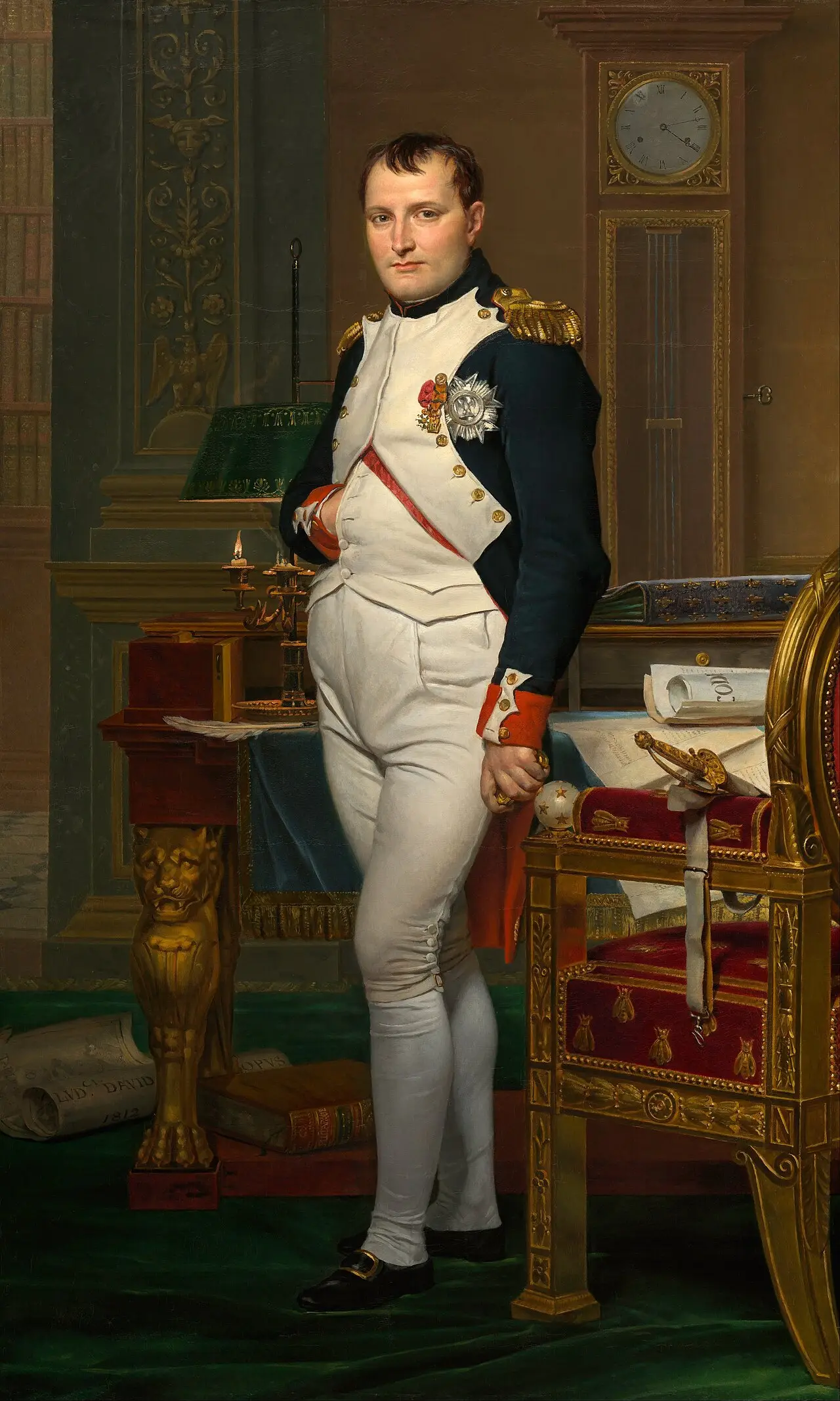
  • Napoleon I
    1769 – 1821 · Politician

    Napoleon I

    Napoleon Bonaparte, the Corsican-born general who rose to become Emperor of the French, died in exile on the South Atlantic island of Saint Helena in 1821. He reshaped France's laws and administration, and his military campaigns redrew much of Europe.

    Jacques-Louis David · Public domain
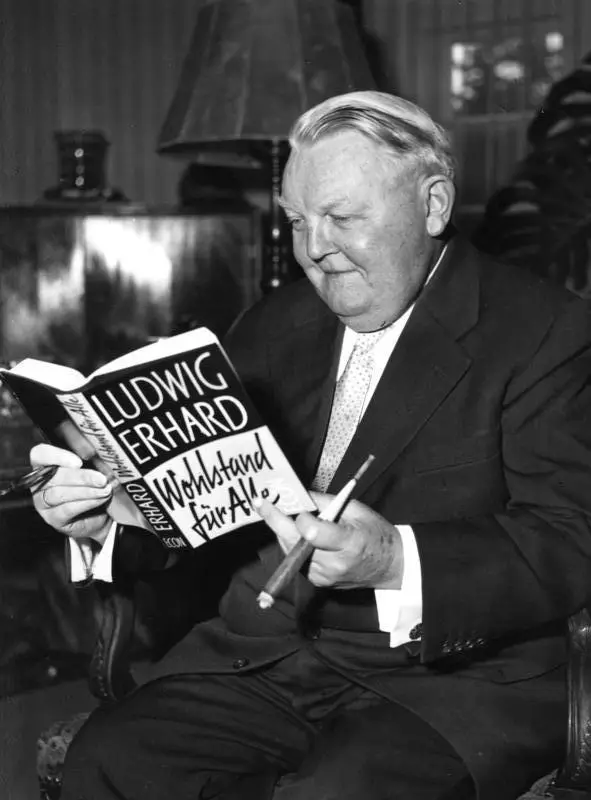
  • Ludwig Erhard
    1897 – 1977 · Economist

    Ludwig Erhard

    Erhard was the West German economist and politician who guided the postwar Wirtschaftswunder as economics minister and later served as chancellor. He championed the social market economy, a model still shaping German economic policy today.

    Adrian, Doris · CC BY-SA 3.0 de
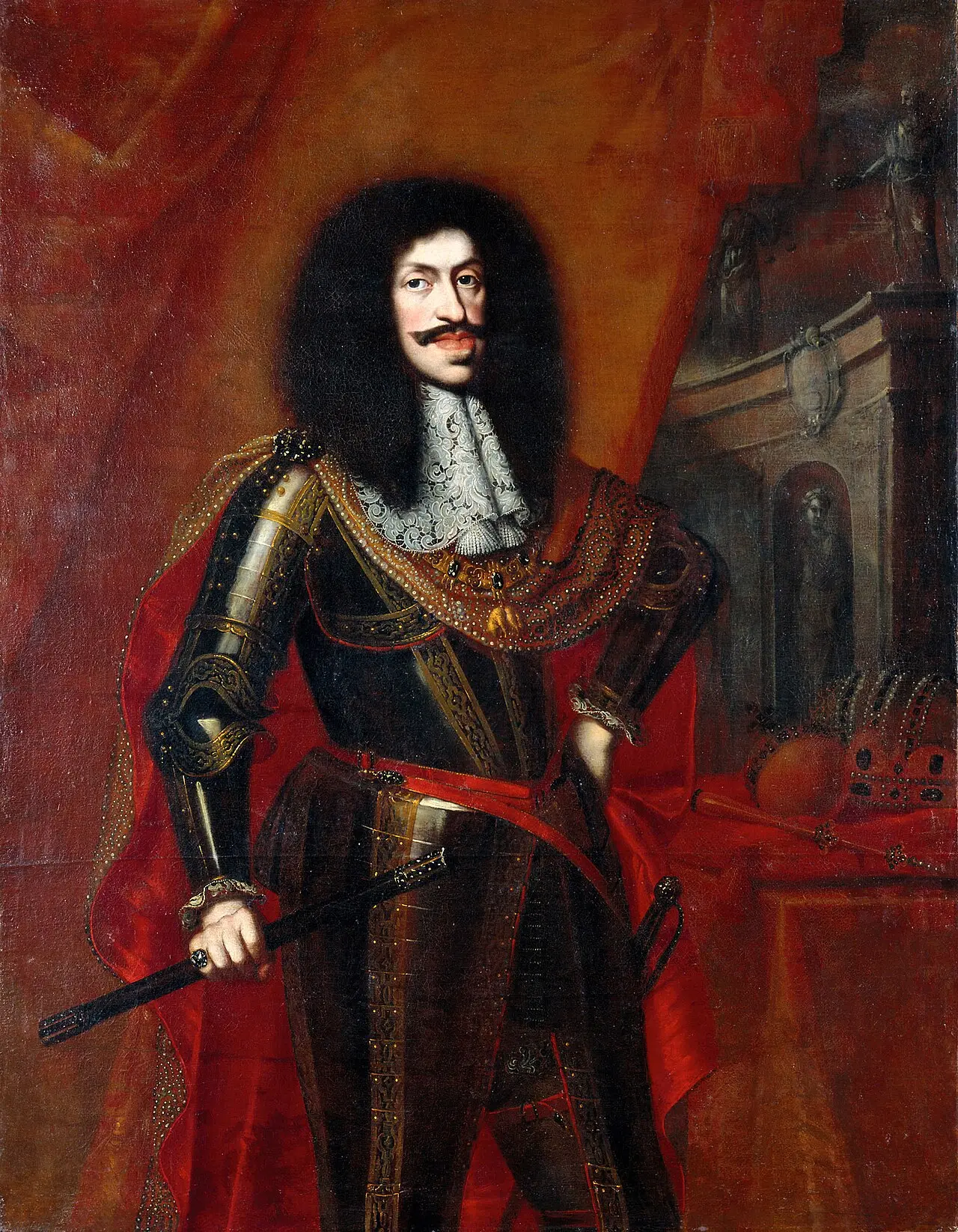
  • Leopold I
    1640 – 1705 · Monarch

    Leopold I

    Leopold I ruled the Holy Roman Empire for 46 years and was also a composer who championed music at his court. His reign saw Habsburg forces push the Ottomans out of most of Hungary, with Prince Eugene of Savoy leading the campaigns.

    Benjamin Block · Public domain

Explore another day

Every date of the year has its own page. Try your birthday.