
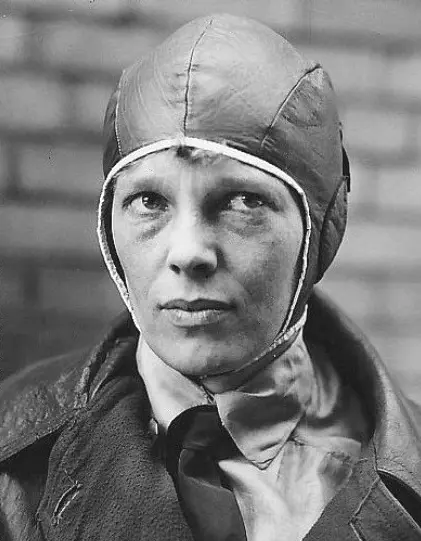
1932
Amelia Earhart flies the Atlantic solo
Flying alone and without a stop, Earhart became the first woman to cross the Atlantic this way. Her achievement earned her the Distinguished Flying Cross.
Wide World Photos · Public domainAmelia Earhart flies the Atlantic solo (1932), and Five Miami abortion clinics attacked with butyric acid (1998). Born on this day: Albrecht Dürer, Philip II and Andrey Sakharov. Died: Rajiv Gandhi, James Franck and Jane Addams.
31 events, 72 births and 66 deaths on this date.
Flying alone and without a stop, Earhart became the first woman to cross the Atlantic this way. Her achievement earned her the Distinguished Flying Cross.
Wide World Photos · Public domainOn this day in 1998, an attacker threw butyric acid, which smells like rancid butter, at five abortion clinics in Miami. The attacks were part of a wave of violence against abortion providers in the United States in the late 1990s.
Margaret Thatcher, Britain's Prime Minister, addressed the Church of Scotland's General Assembly with a speech on Christian faith and economics that drew sharp criticism from churchmen. Its reception among churchmen made it one of the most talked-about speeches of her premiership.
After a siege near Shaizar in northern Syria, the local emir agreed to become a vassal of the Byzantine Empire, a deal that brought the Byzantines into the complicated politics of the Levant. The episode shows how Crusade-era fighting often involved shifting alliances between Christian and Muslim powers rather than a simple divide.
Eight national football associations from across Europe met in Paris to create an body to oversee international competition. The organisation, now based in Zurich, governs the sport worldwide and runs the World Cup.
Islamic State fighters took control of Palmyra, the desert city in central Syria famed for its ruins of Roman-era temples and colonnades. The takeover placed one of the region's most valuable archaeological sites under the control of a group that went on to destroy many of its monuments.

For the full day, download Chunks today. Every date, the stories behind them, and a new day each morning. Free to start.
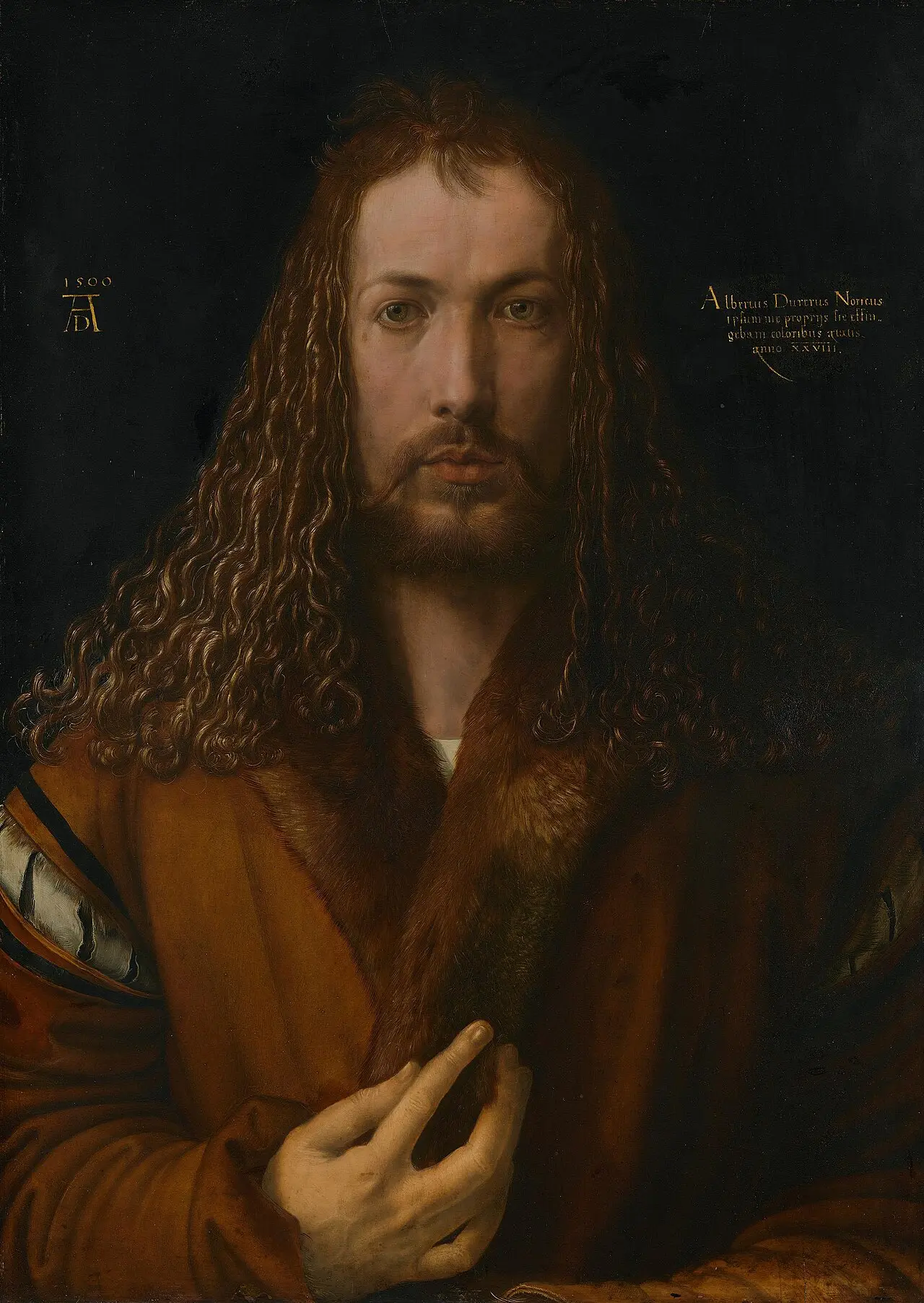
Dürer was a German painter and printmaker whose woodcuts and engravings spread his reputation across Europe. He also wrote theory on perspective and body proportions, and helped bring classical motifs and the nude into Northern art.
Albrecht Dürer · Public domain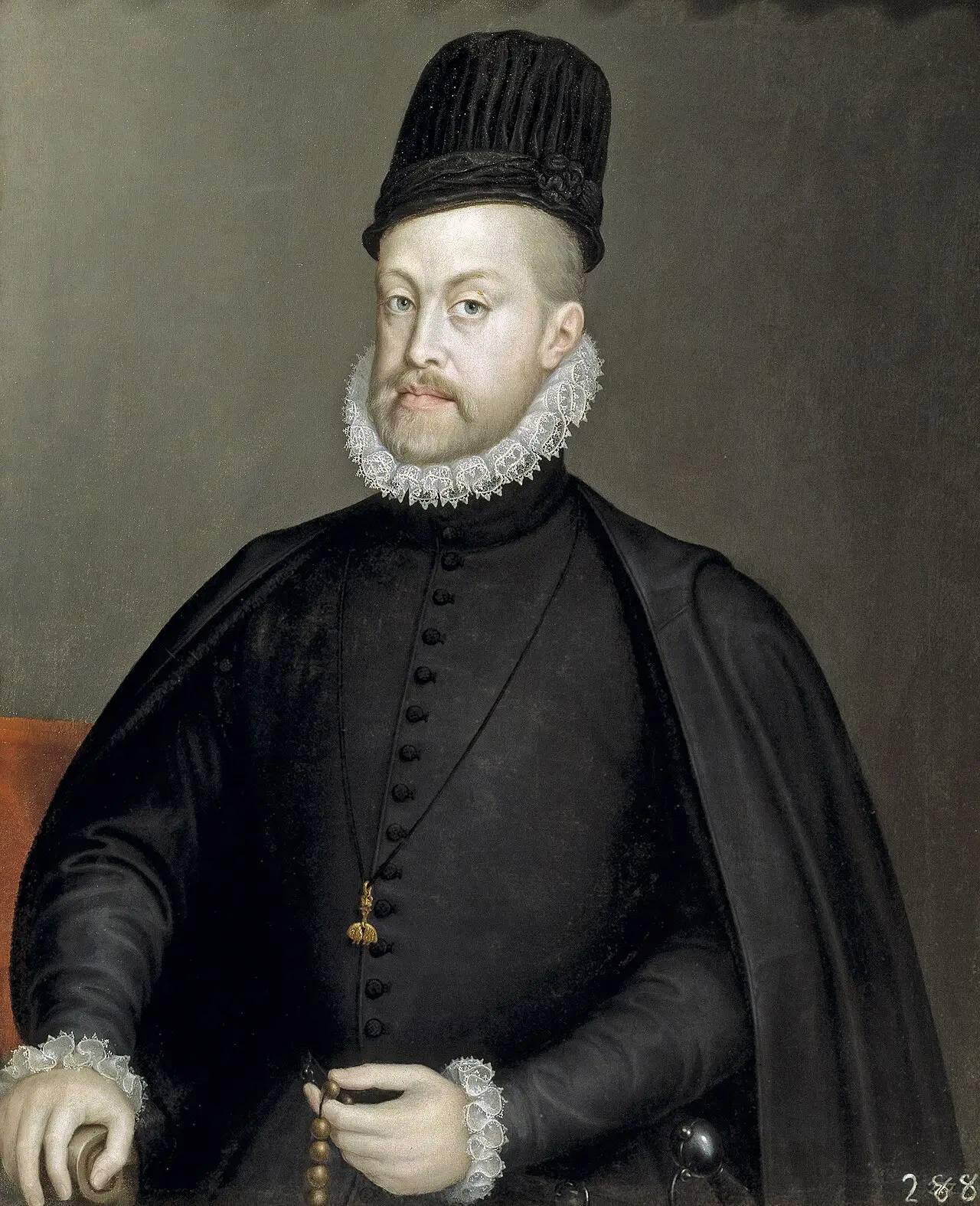
Philip II ruled Spain for 42 years, presiding over a vast empire that spanned the Americas, the Philippines and much of Europe. He is remembered for his devout Catholicism and the costly wars he fought to defend it.
Sofonisba Anguissola · Public domain
Sakharov helped build the Soviet hydrogen bomb, then turned against nuclear testing and became one of the country's best-known human rights campaigners. He won the Nobel Peace Prize in 1975 and was exiled to Gorky for his dissent.
Vladimir Fedorenko / Владимир Федоренко · CC BY-SA 3.0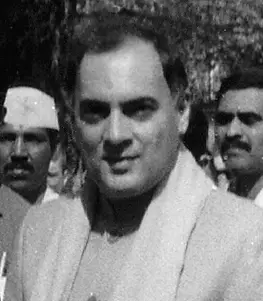
Rajiv Gandhi was a reluctant politician who became India's youngest prime minister at 40, taking office after his mother's assassination. He was killed by a suicide bomber during an election campaign in Tamil Nadu in 1991.
Rajiv Gandhi meeting Russian Hare Krishna devotees in New Delhi 1989.jpg : ISKCON Russia derivative work: Indopug · CC BY-SA 3.0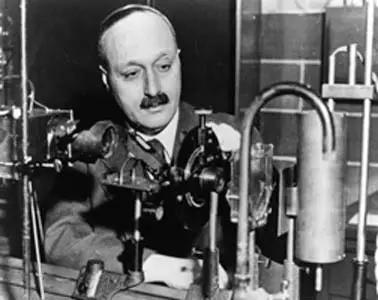
James Franck was a physicist who, with Gustav Hertz, won the 1925 Nobel Prize for showing how electrons collide with atoms. He left Nazi Germany in 1933 and spent his later career in the United States.
Public domain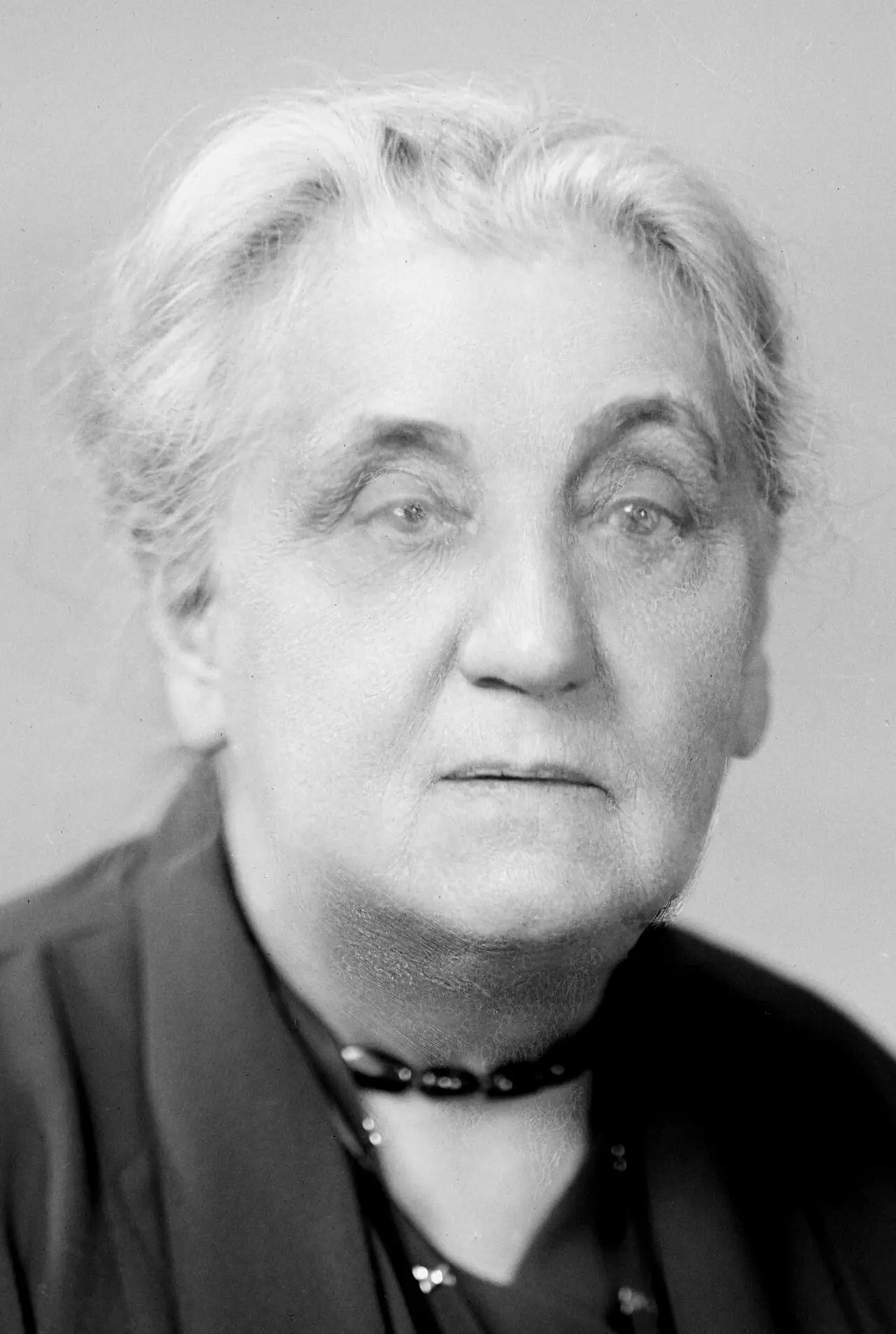
She co-founded Hull House in Chicago in 1889, a settlement offering help to poor, mostly immigrant families. In 1931 she won the Nobel Peace Prize, the first US woman to do so, and in 1920 she helped found the American Civil Liberties Union.
Harris Ewing, publisher · Public domain Download on iOS
 Download on Android