Skip to content

April 26
in history

Napoleon signs amnesty letting most émigrés return to France (1802), and Tanganyika and Zanzibar unite to form Tanzania (1964). Born on this day: Ludwig Wittgenstein, Marcus Aurelius and Jet Li. Died: Srinivasa Ramanujan, Bjørnstjerne Martinius Bjørnson and Carl Bosch.

35 events, 66 births and 48 deaths on this date.

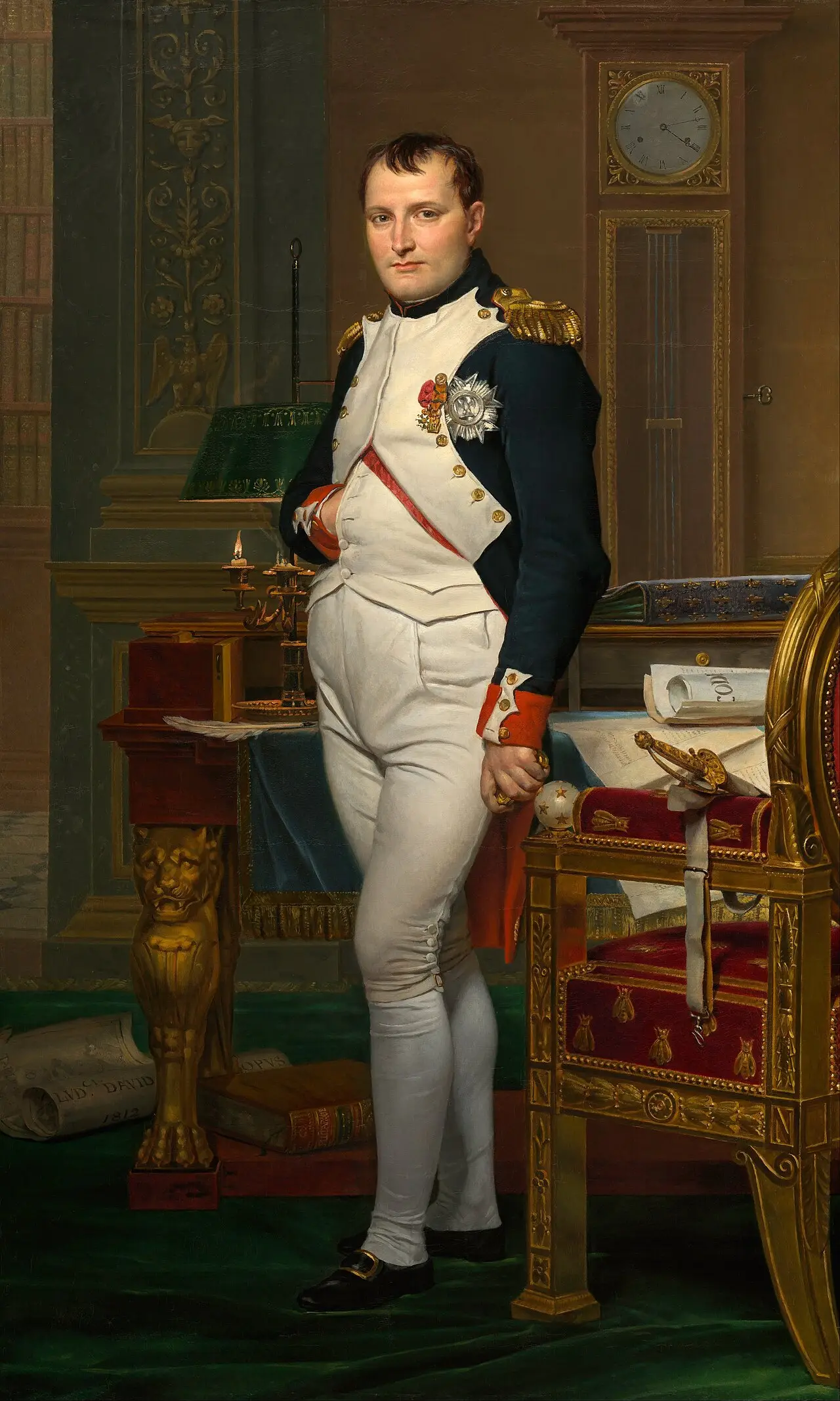
1802

Napoleon signs amnesty letting most émigrés return to France

Napoleon, then First Consul, pardoned most aristocrats and royalists who had fled the Revolution, excluding roughly a thousand regarded as its worst enemies. The decree let many families who had lived abroad since 1789 come home, though the barred few stayed in exile.

Jacques-Louis David · Public domainThe French RevolutionHear the story in Chunks

Events

  1. 1964

    Tanganyika and Zanzibar unite to form Tanzania

    Mainland Tanganyika and the Zanzibar Archipelago, each newly independent, merged on this day to create one state. The union gave the country the name it still uses today.

  2. 2005

    Syria withdraws its last troops from Lebanon

    After nearly three decades of military dominance in Lebanon, Syria pulled out its final garrison of around 14,000 soldiers under mounting international pressure. The withdrawal came in the wake of the Cedar Revolution, a wave of Lebanese protests that followed the assassination of former prime minister Rafik Hariri.

  3. 1963

    Libya's constitution is amended to create a unitary kingdom

    Libya's amended constitution replaced its old union structure with one unified Kingdom of Libya. It also allowed women to take part in elections.

  4. 1564

    Shakespeare christened in Stratford-upon-Avon

    This christening is the earliest firm record of the man who became England's most celebrated playwright. His birth date is unknown, so the entry is the first documented moment of his life.

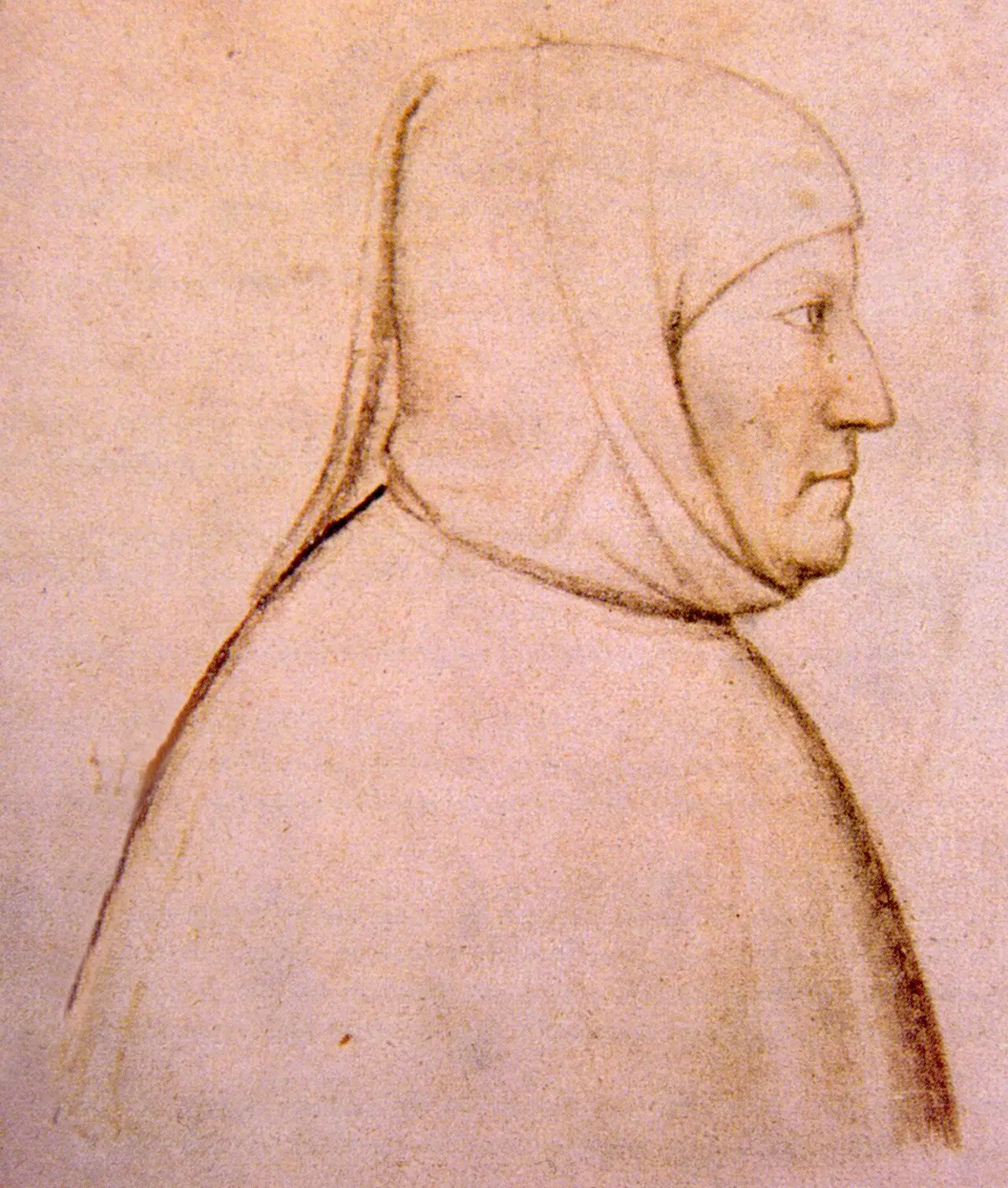
  5. 1336

    Petrarch climbs Mont Ventoux in Provence

    Petrarch, the Italian scholar and poet, climbed Mont Ventoux in Provence, a mountain in southern France. He later wrote about the climb in a letter, and it is often cited as one of the first mountain climbs made purely for the view.

    Altichiero · Public domain
  6. 1986

    Chernobyl reactor 4 explodes in Soviet Ukraine

    In the app
  7. 1933

    Hermann Göring forms the Gestapo in Nazi Germany

    In the app
  8. 1326

    France and Scotland sign a mutual aid treaty at Corbeil

    In the app

29 more events on April 26

For the full day, download Chunks today. Every date, the stories behind them, and a new day each morning. Free to start.

Born on April 26

63 more in the app
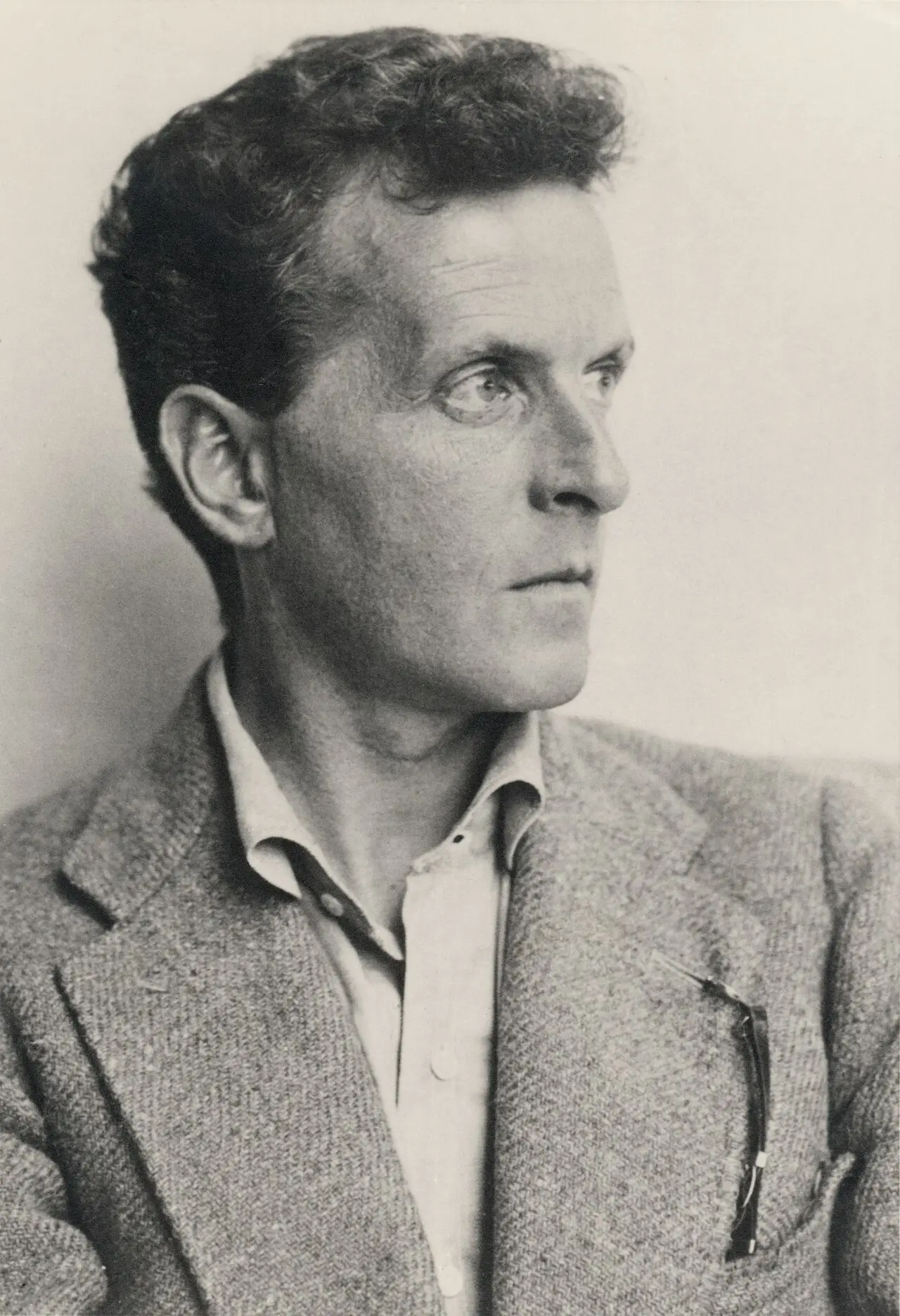
  • Ludwig Wittgenstein
    1889 – 1951 · Philosopher of language

    Ludwig Wittgenstein

    Ludwig Wittgenstein was an Austrian-born philosopher who studied logic and language, and whose Tractatus Logico-Philosophicus became a landmark of twentieth-century thought. He later returned to Cambridge to teach, reshaping how philosophers thought about meaning.

    Moritz Nähr · Public domain
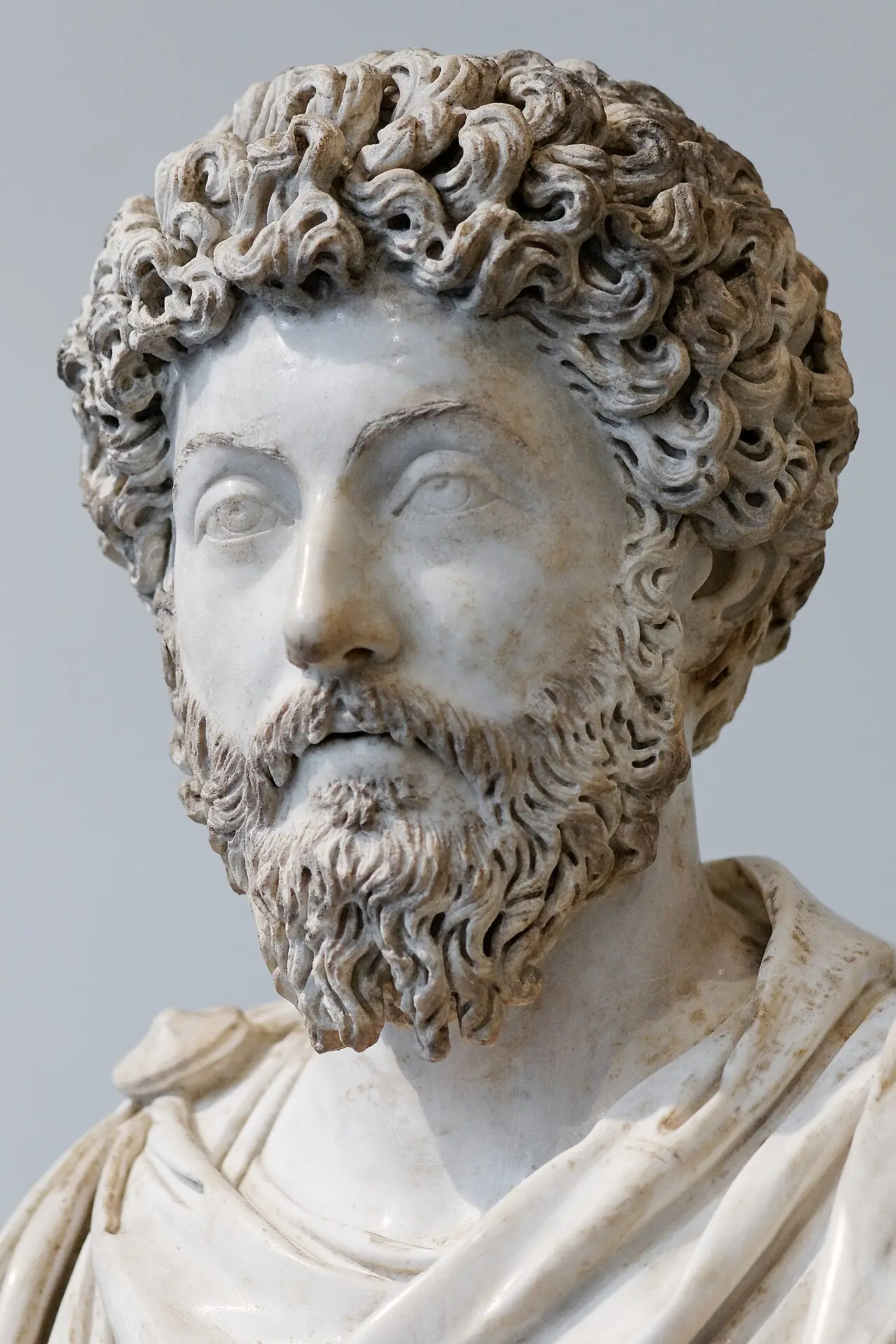
  • Marcus Aurelius
    121 – 180 · Politician

    Marcus Aurelius

    Marcus Aurelius ruled Rome from 161 to 180 and was also a Stoic philosopher. He is remembered for his private reflections, the Meditations, written while he led the empire through long wars on its frontiers.

    CC BY 2.5

Died on April 26

45 more in the app
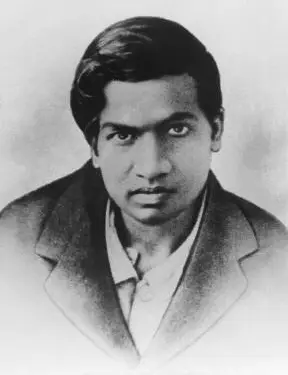
  • Srinivasa Ramanujan
    1887 – 1920 · Mathematician

    Srinivasa Ramanujan

    Self-taught in India, he sent his unusual results to G. H. Hardy at Cambridge, who brought him to England. Over his short life he compiled nearly 3,900 results, many of which opened entirely new fields of research.

    Konrad Jacobs · Public domain
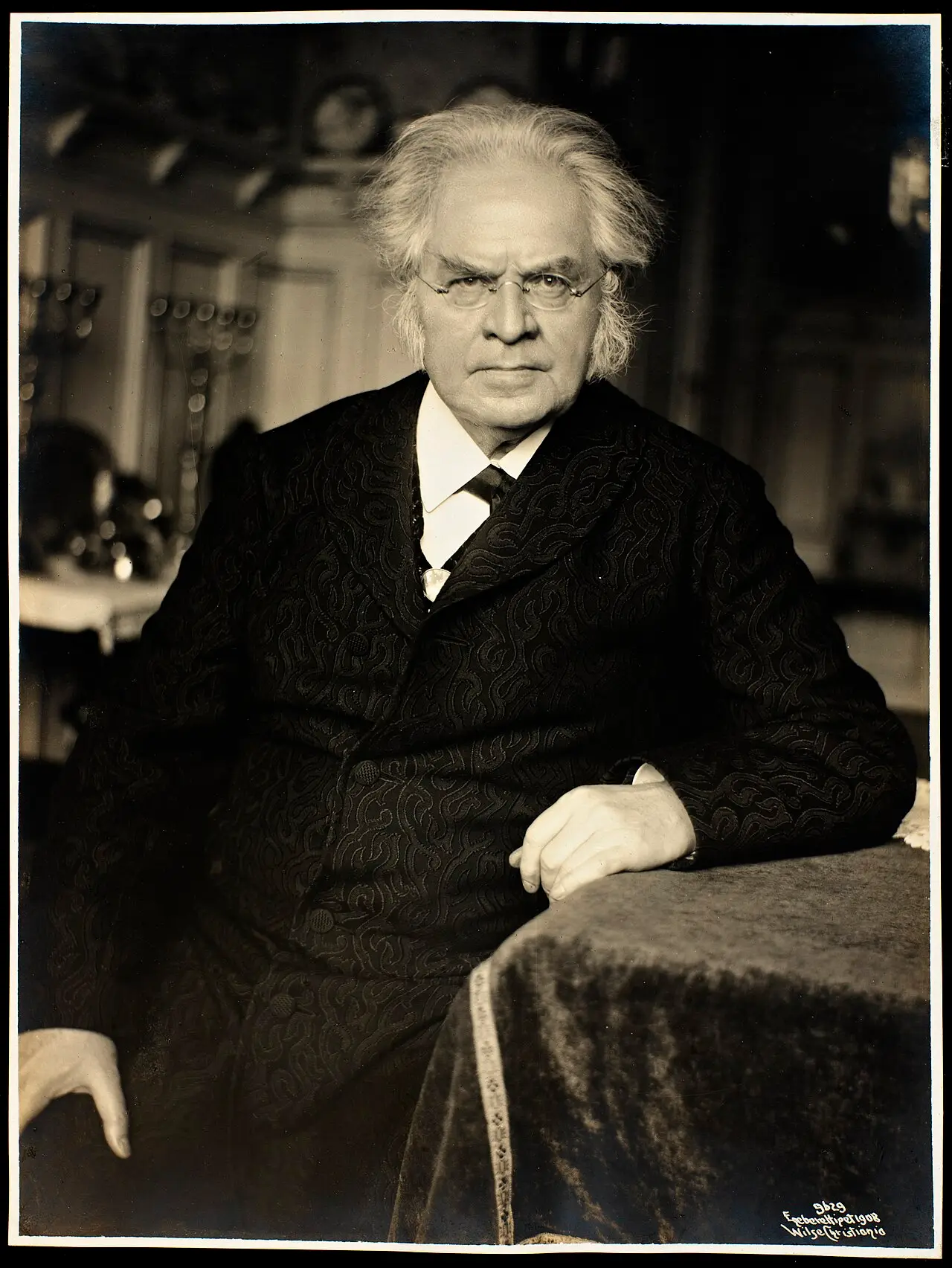
  • Bjørnstjerne Martinius Bjørnson
    1832 – 1910 · Poet

    Bjørnstjerne Martinius Bjørnson

    Norwegian writer who won the 1903 Nobel Prize in Literature, the first Norwegian to do so. He also wrote the lyrics to Norway's national anthem, and was a fierce public debater as well as a poet and playwright.

    Anders Beer Wilse · CC BY 2.0
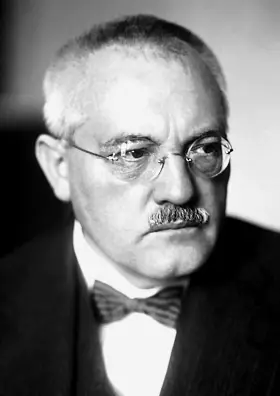
  • Carl Bosch
    1874 – 1940 · Chemist

    Carl Bosch

    Carl Bosch was a German chemist and engineer who scaled up the Haber–Bosch process for making ammonia from air. That method for producing fertiliser now underpins a large share of the world's food supply.

    Nobel Foundation · Public domain

Explore another day

Every date of the year has its own page. Try your birthday.