Skip to content

April 14
in history

Septimius Severus declared emperor of Rome (193), and First commercial cinema opens in New York City (1894). Born on this day: Bhimrao Ramji Ambedkar, Christiaan Huygens and Philip III. Died: Simone de Beauvoir, George Frideric Handel and L.L. Zamenhof.

31 events, 61 births and 50 deaths on this date.

193

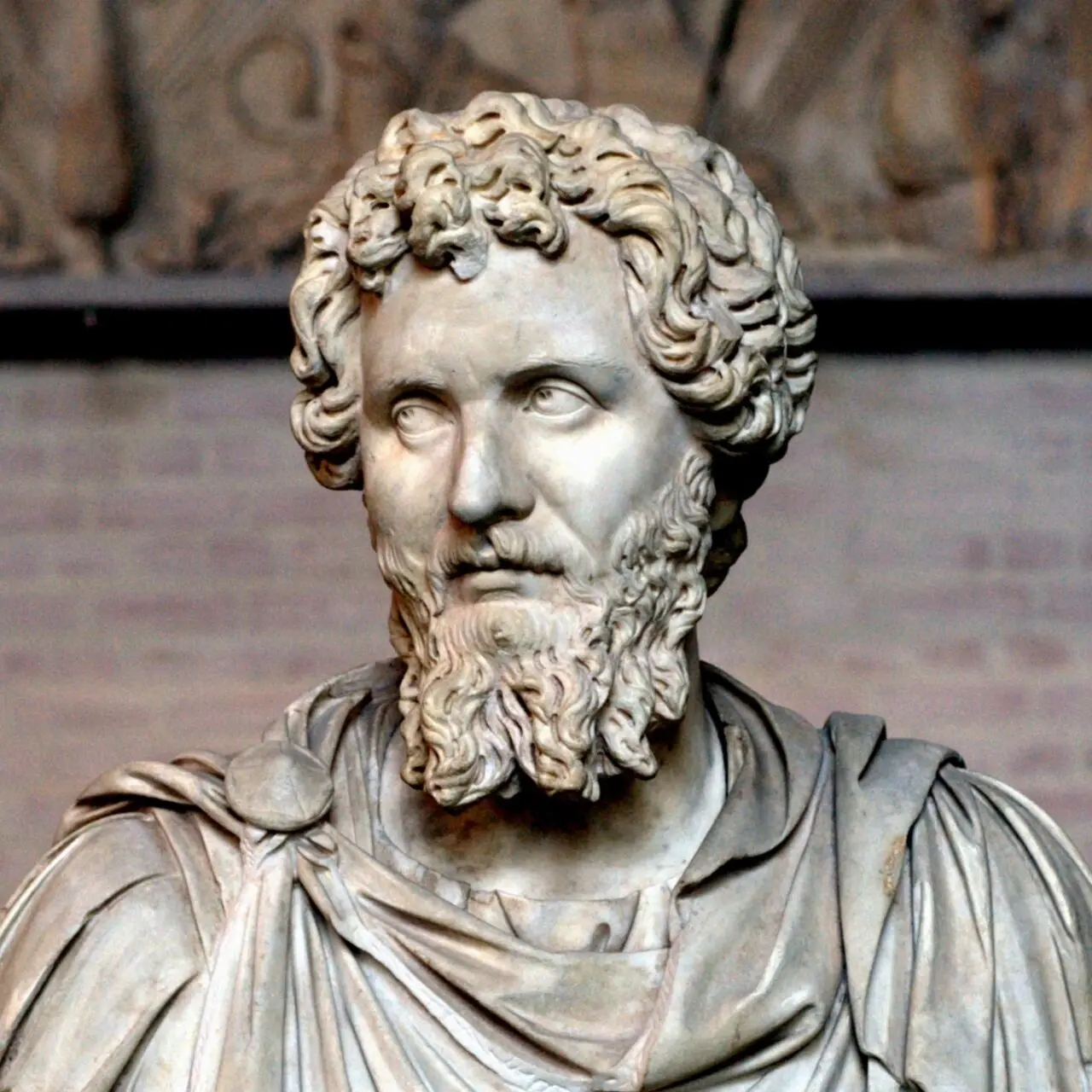
Septimius Severus declared emperor of Rome

Born in Leptis Magna in North Africa, Septimius Severus was the last of several rivals to claim the throne once Pertinax had died. He went on to defeat his rivals in civil wars, then campaign against Parthia, and ruled until his death.

Public domain
Events

  1. 1894

    First commercial cinema opens in New York City

    A New York venue opened with ten Kinetoscopes, peep-show machines that let one viewer at a time watch films. It is remembered as the first place where people paid to watch moving pictures on a commercial basis.

  2. 1890

    Pan-American Union founded at Washington conference

    Delegates from the American republics met in Washington and set up a permanent office to share information and promote trade and cooperation. That body, the Pan-American Union, later grew into the Organization of American States.

  3. 2010

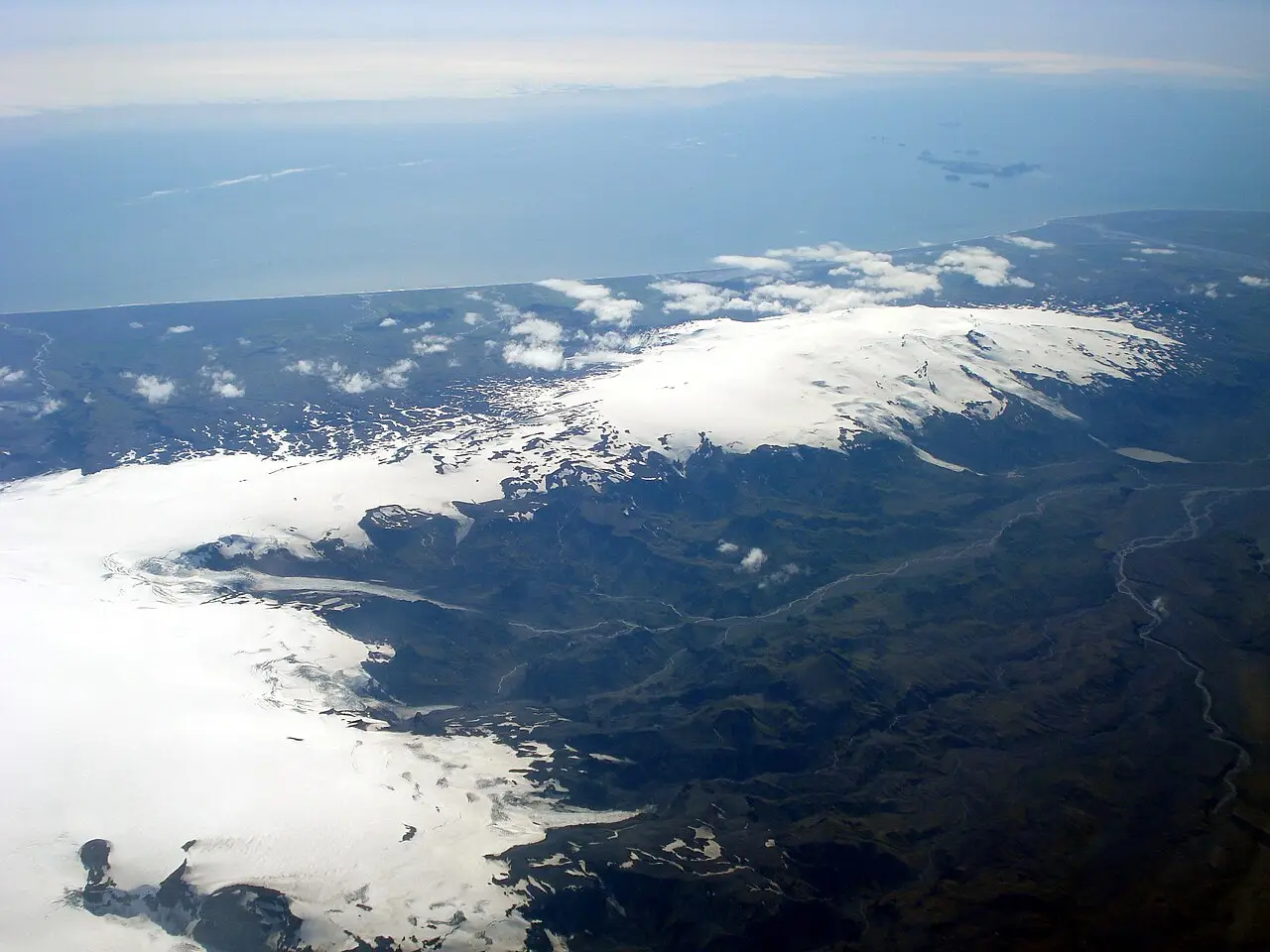
    Eyjafjallajökull volcano erupts and grounds flights across Europe

    An eruption under an Icelandic ice cap sent a cloud of ash into the atmosphere, forcing airspace closures across northern and western Europe for about a week. Although modest for a volcano, the ash stranded millions of travellers and halted air traffic on a scale few had seen.

    TommyBee · Public domain
  4. 1931

    Spain proclaims the Second Republic after Alfonso XIII leaves

    Alfonso XIII's departure from Spain opened the way for a caretaker administration, headed by Niceto Alcalá-Zamora, to declare a republic. The regime that followed lasted until 1939, when it fell to Franco's Nationalists at the end of the Spanish Civil War.

  5. 1970

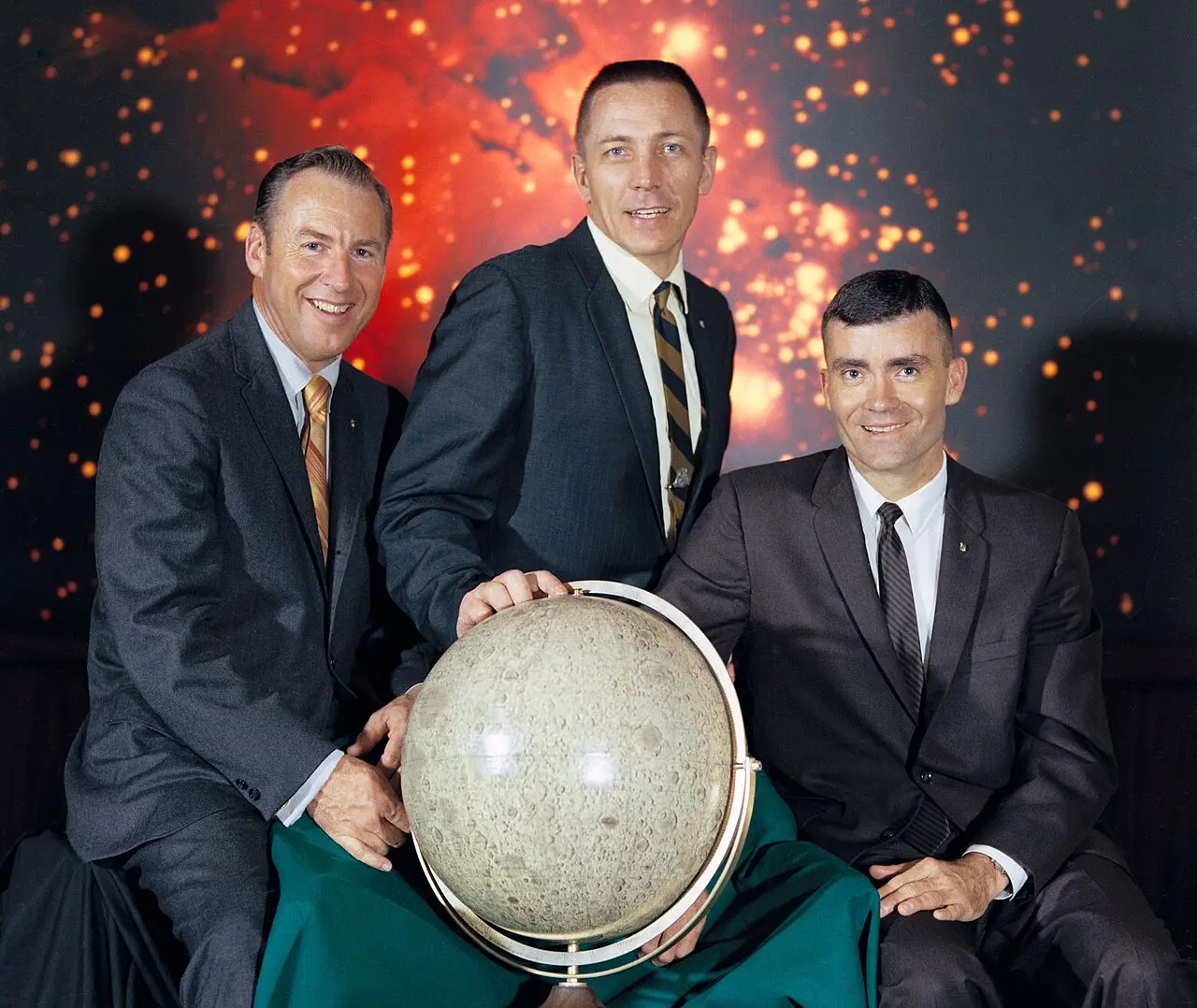
    Oxygen tank explodes aboard Apollo 13 spacecraft

    An oxygen tank exploded on the way to the Moon, knocking out power and life support, and Jack Swigert radioed a calm warning to Houston. The crew used the lunar module as a lifeboat and got home safely, a rescue that became famous.

    NASA · Public domain
  6. 972

    Otto II marries Theophanu, who is crowned empress

    In the app
  7. 1939

    John Steinbeck's novel The Grapes of Wrath is published

    In the app
  8. 1865

    Lewis Powell attacks Secretary of State William H. Seward at home

    In the app

25 more events on April 14

For the full day, download Chunks today. Every date, the stories behind them, and a new day each morning. Free to start.

Born on April 14

58 more in the app
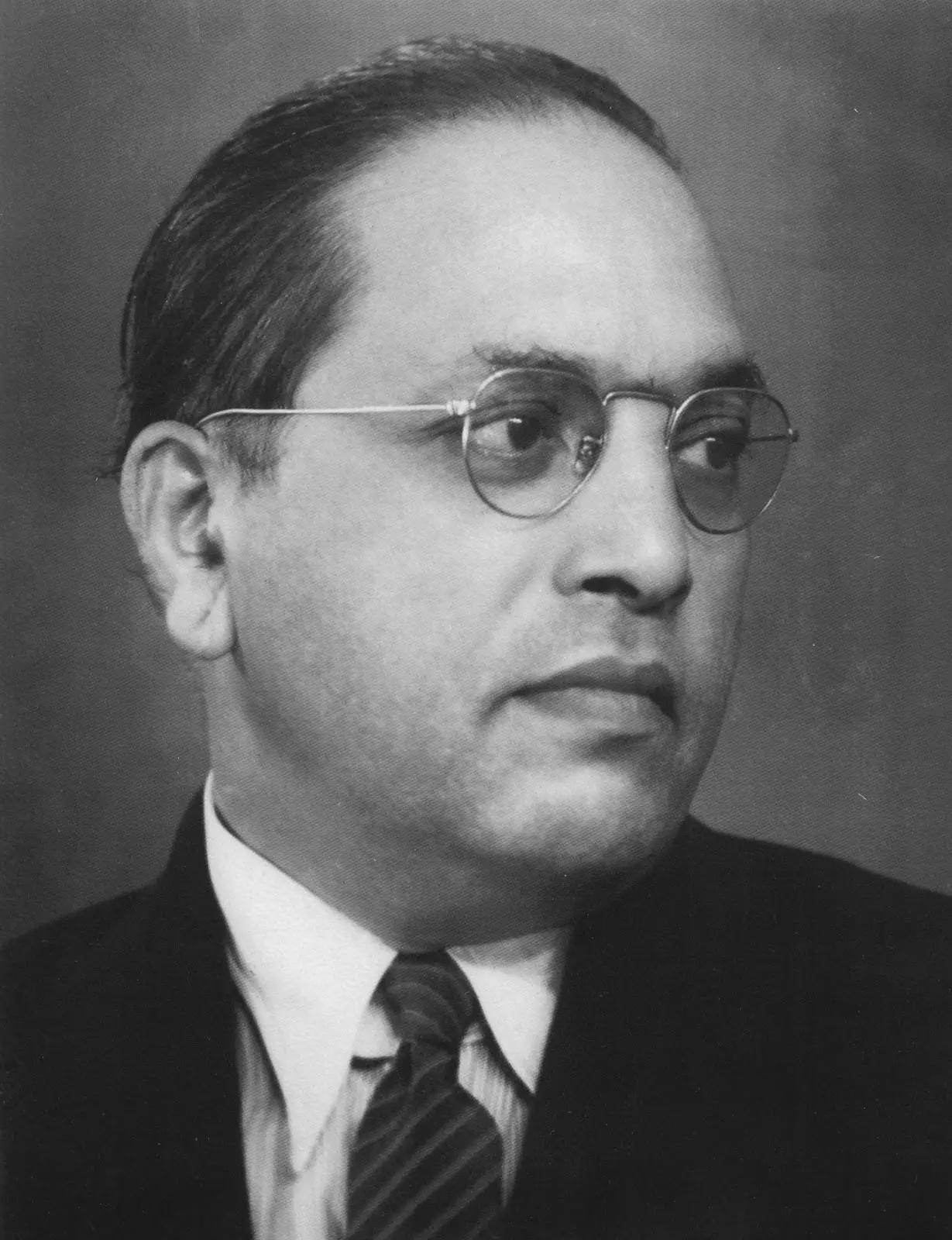
  • Bhimrao Ramji Ambedkar
    1891 – 1956 · Economist

    Bhimrao Ramji Ambedkar

    Indian jurist, economist and social reformer who led the committee that wrote India's Constitution. He also championed rights for Dalits and later converted to Buddhism, sparking a mass movement among them.

    Unknown author Unknown author · Public domain
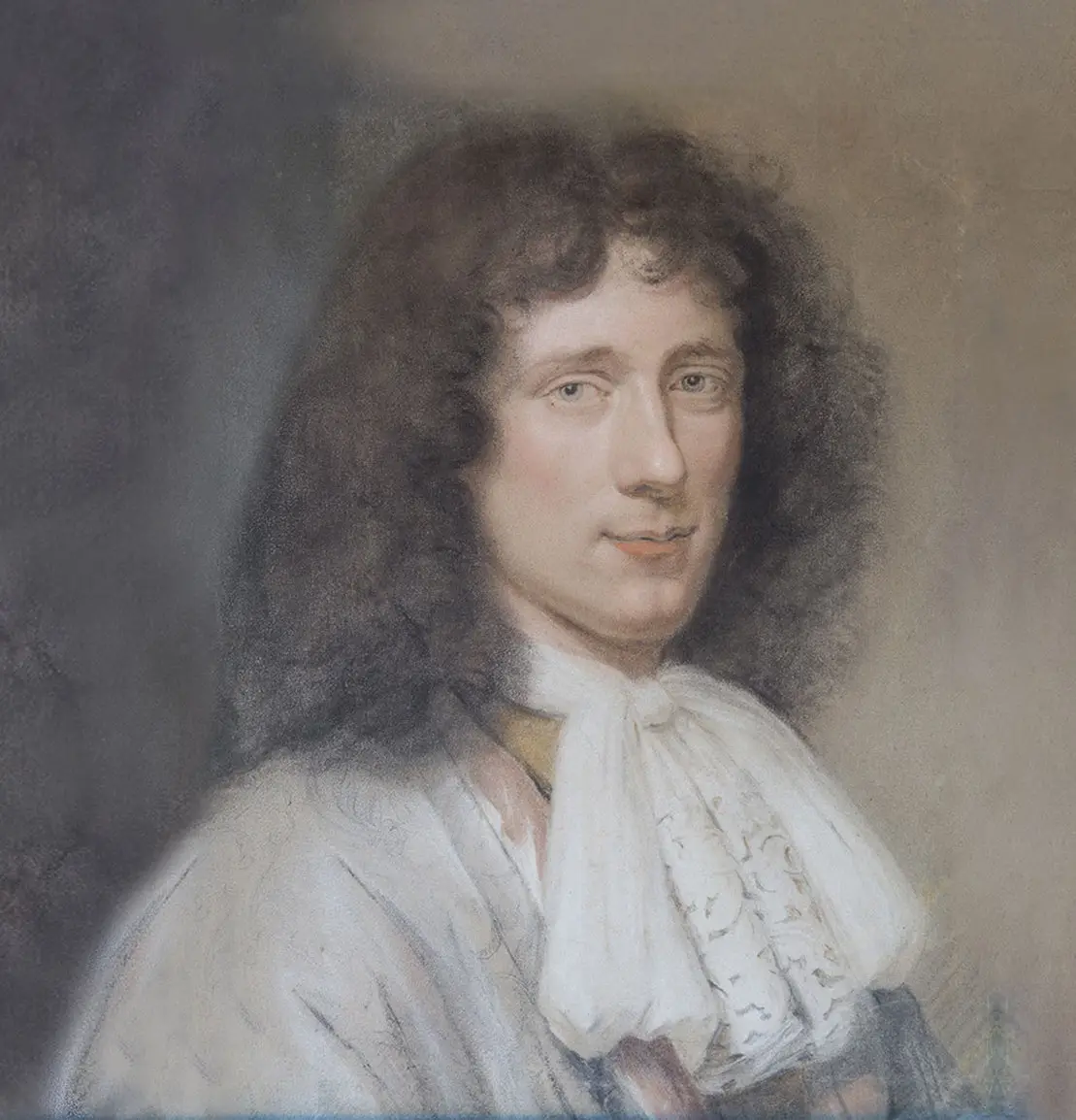
  • Christiaan Huygens
    1629 – 1695 · Astronomer

    Christiaan Huygens

    Dutch scientist who invented the pendulum clock, then the most accurate timekeeper for nearly 300 years. He also proposed the wave theory of light and discovered Saturn's moon Titan.

    Bernard Vaillant · Public domain
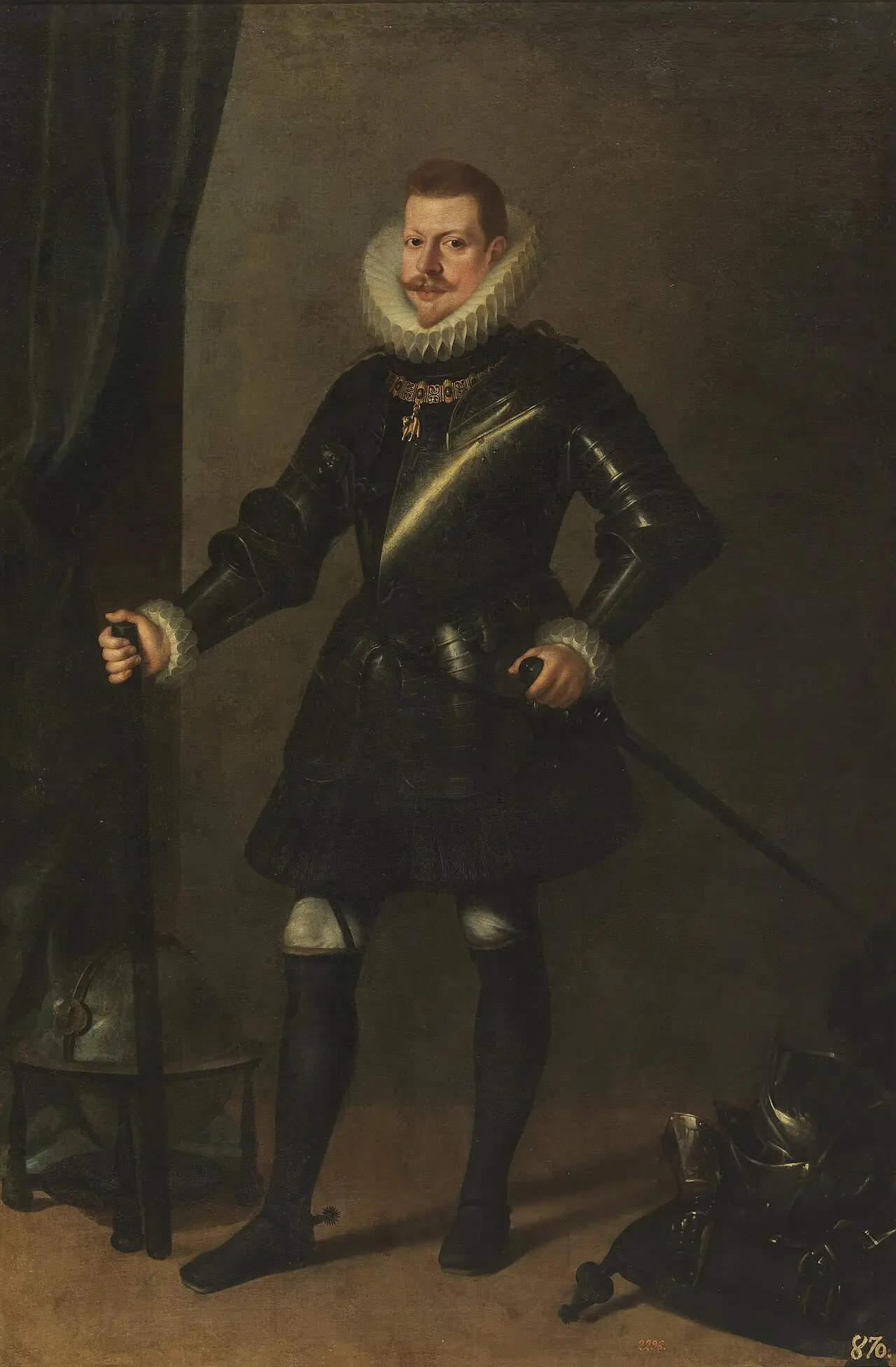
  • Philip III
    1578 – 1621 · Ruler

    Philip III

    Born in Madrid, Philip III became king of Spain and Portugal in 1598 but handed most of his power to his chief minister, the Duke of Lerma. Historians often blame his lack of focus for the slow decline of the Spanish Empire, though a long stretch of peace in Western Europe marked his reign.

    Pedro Antonio Vidal · Public domain

Died on April 14

47 more in the app
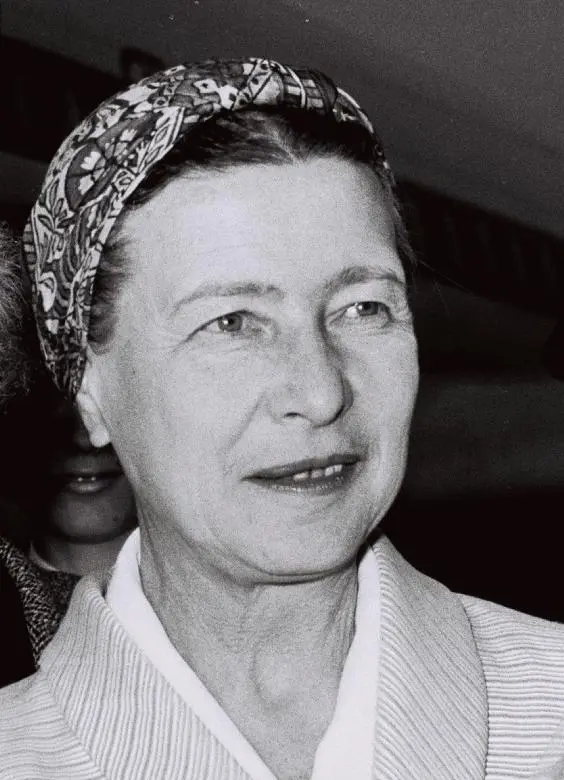
  • Simone de Beauvoir
    1908 – 1986 · Political philosopher

    Simone de Beauvoir

    Simone de Beauvoir was a French philosopher and novelist whose 1949 book The Second Sex became a foundational text of modern feminism. She also wrote novels and memoirs, and was once nominated for the Nobel Prize in Literature.

    Moshe Milner · CC BY-SA 3.0
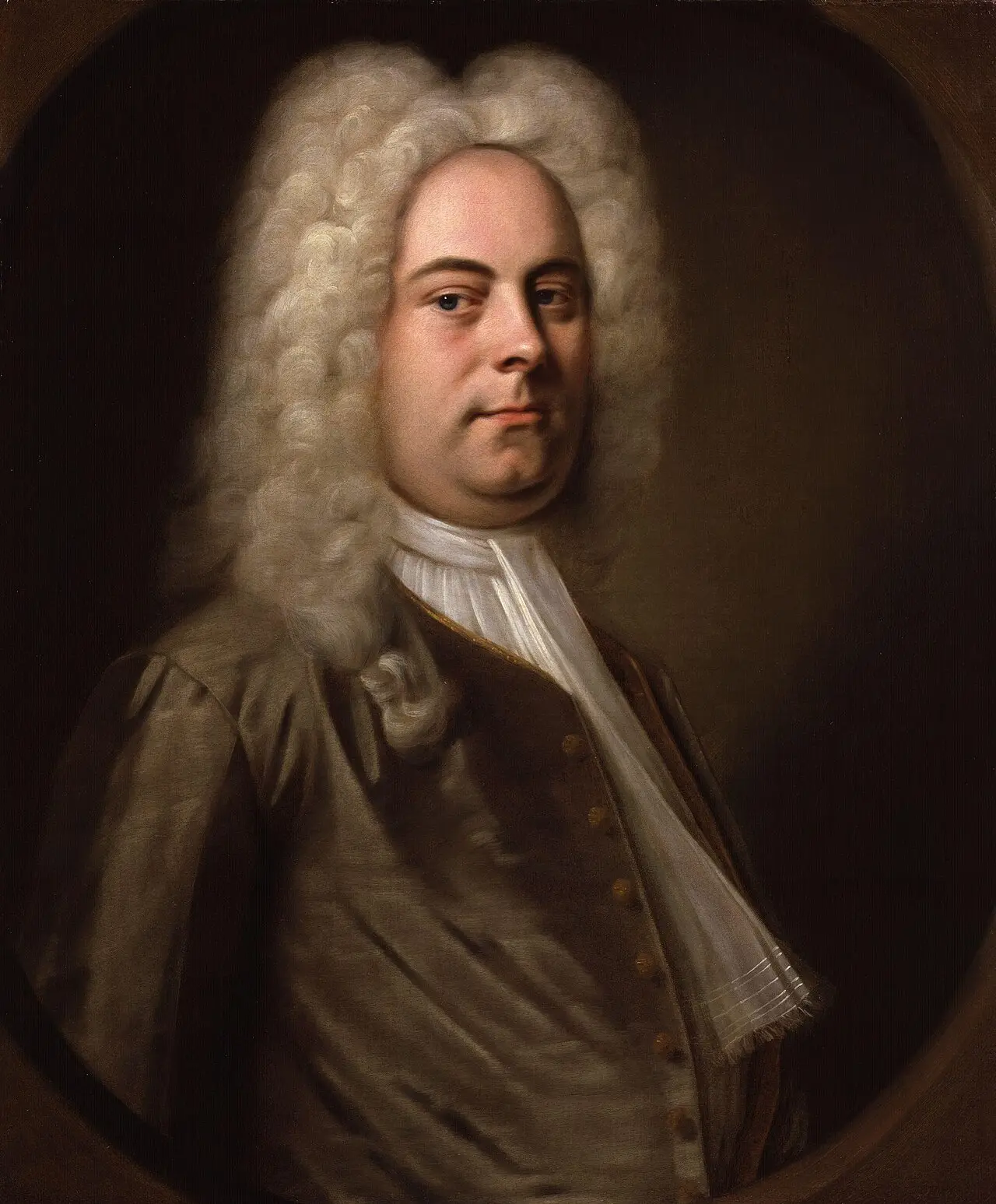
  • George Frideric Handel
    1685 – 1759 · Composer

    George Frideric Handel

    The German-born composer who settled in London wrote Messiah, Water Music and the oratorios that shaped English choral music. He died wealthy and respected, and Westminster Abbey held his funeral.

    Attributed to Balthasar Denner · Public domain
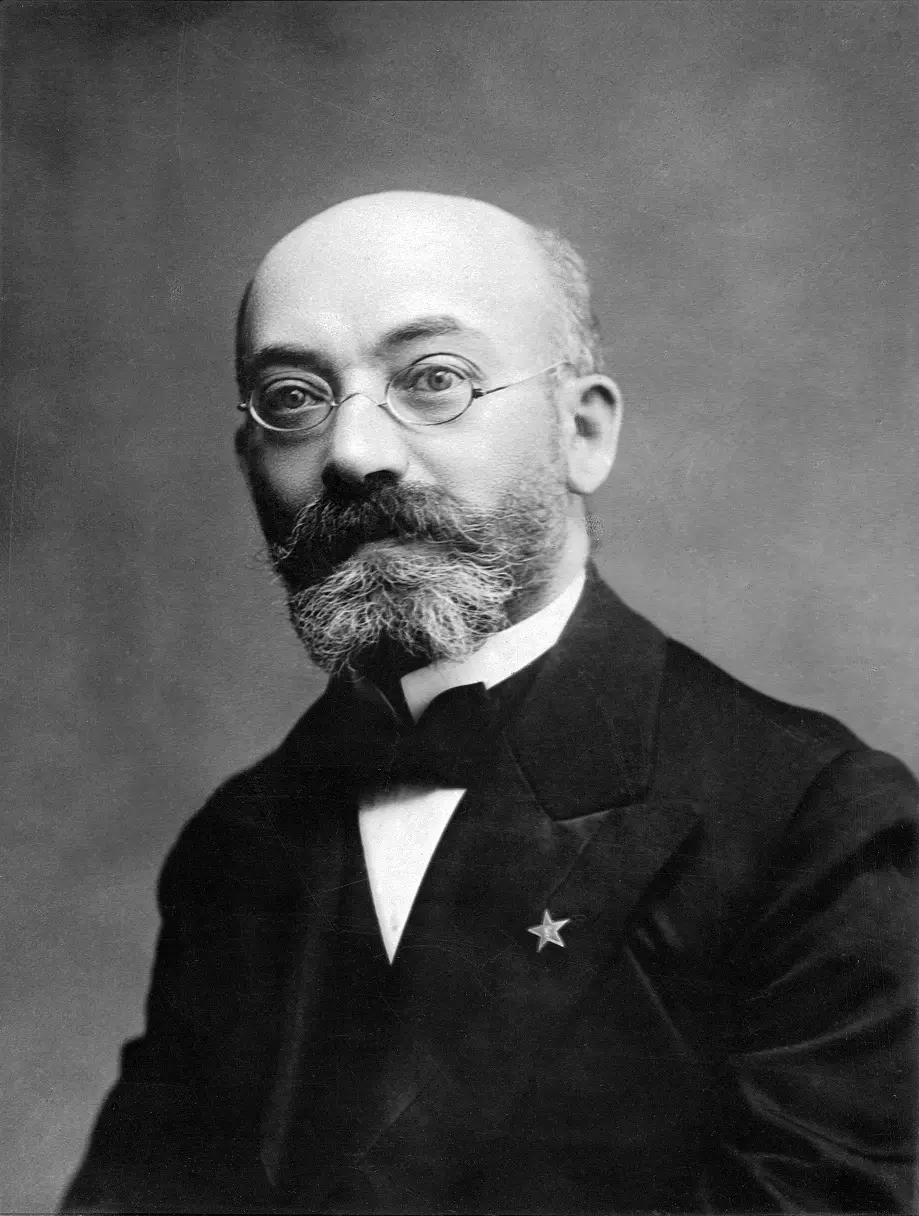
  • L.L. Zamenhof
    1859 – 1917 · Linguist

    L.L. Zamenhof

    Zamenhof was a Polish-Jewish eye doctor who created Esperanto, the constructed language he hoped would help people from different nations communicate peacefully. Millions have since tried to learn it, and a community of speakers still keeps it going over a century after his death.

    Unknown author Unknown author · Public domain

Explore another day

Every date of the year has its own page. Try your birthday.