Skip to content

April 2
in history

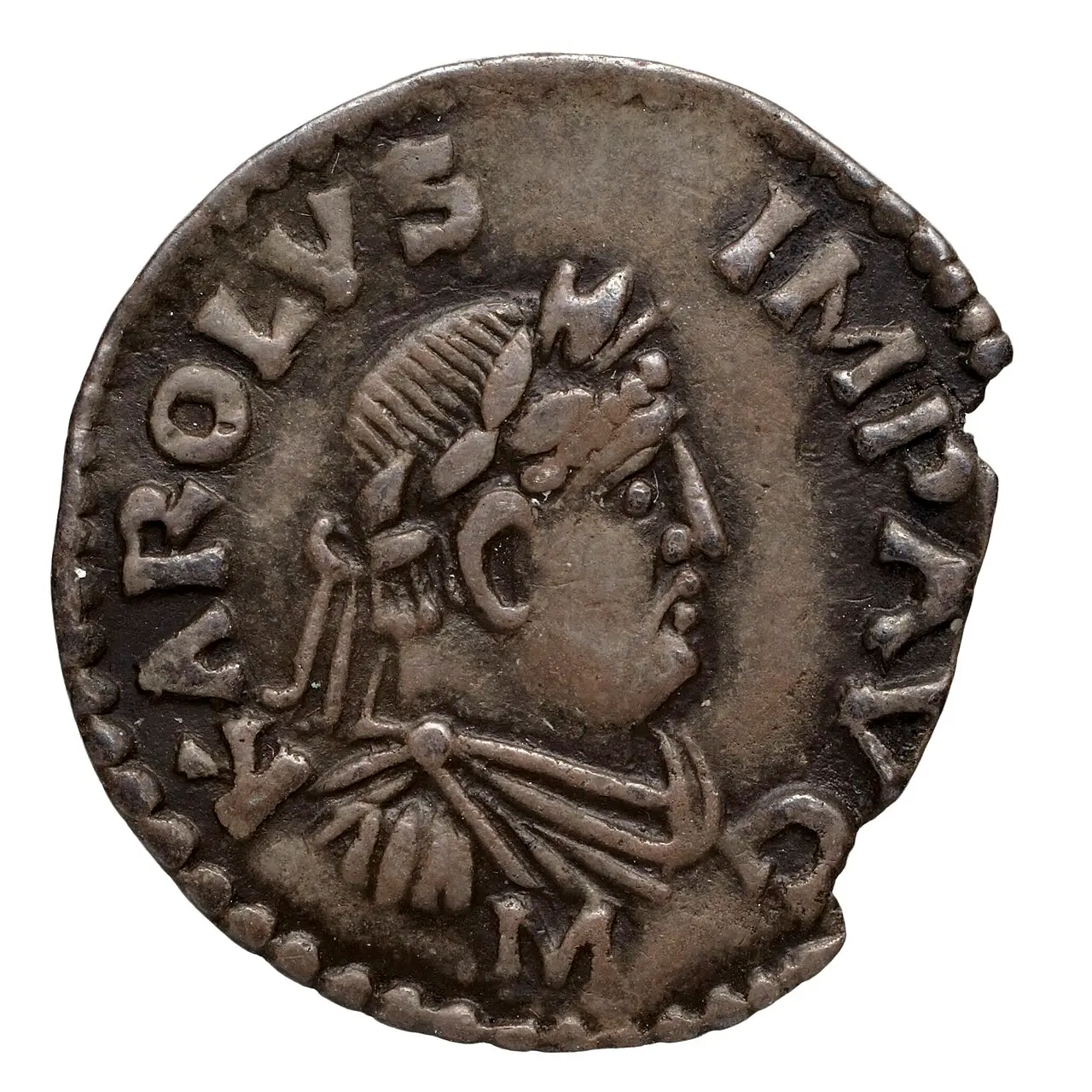
Beethoven's First Symphony premieres in Vienna (1800), and Gorbachev arrives in Havana to meet Fidel Castro (1989). Born on this day: Hans Christian Andersen, Charlemagne and Émile Zola. Died: St. John Paul II, Georges Pompidou and Samuel F.B. Morse.

31 events, 49 births and 62 deaths on this date.

1800

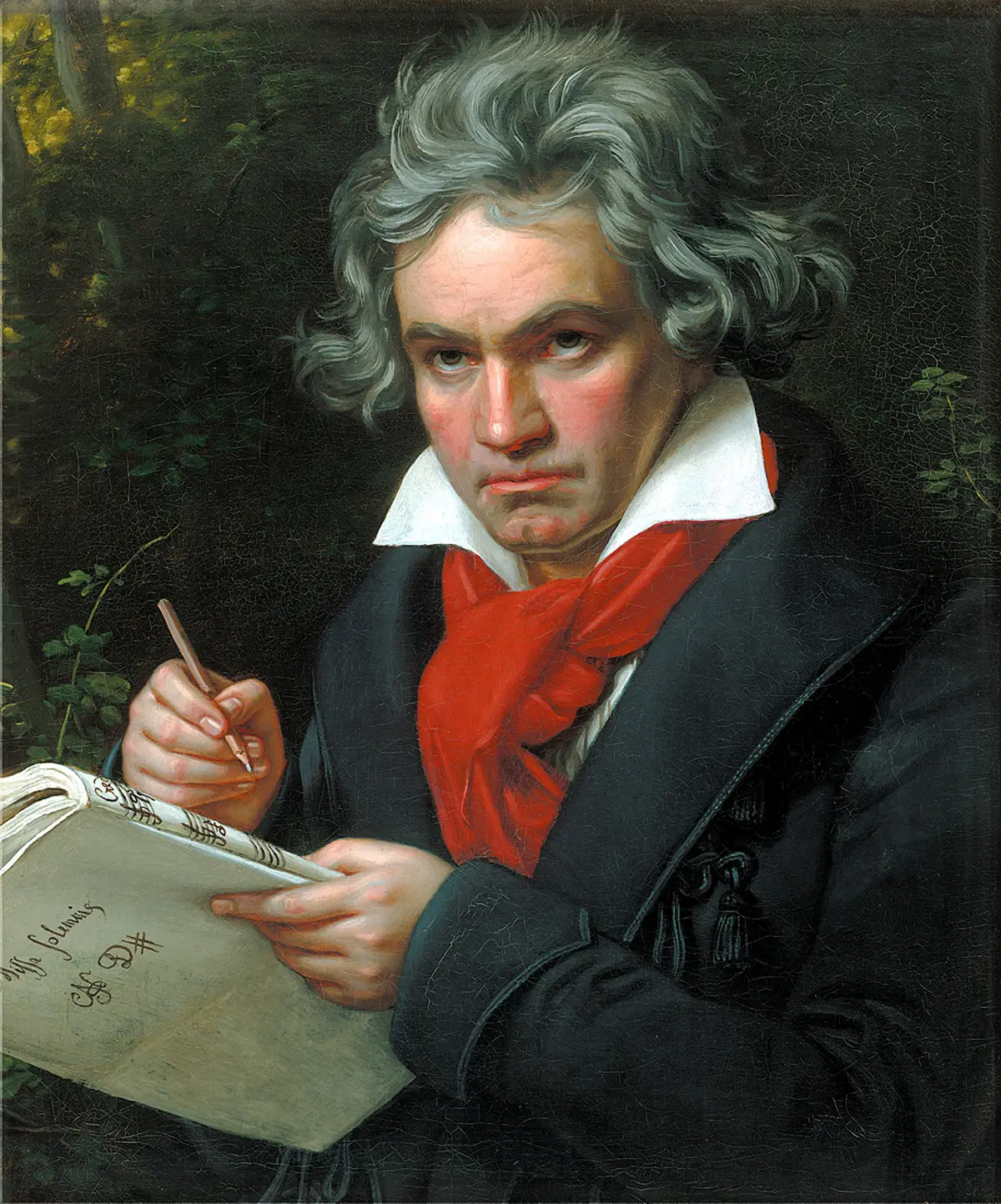
Beethoven's First Symphony premieres in Vienna

Beethoven conducted the first performance of his First Symphony in Vienna, a work that showed he could stretch the classical form of Haydn and Mozart. It marked his first step into the orchestral writing that would make him one of the most performed composers in history.

Joseph Karl Stieler · Public domain
Events

  1. 1989

    Gorbachev arrives in Havana to meet Fidel Castro

    Mikhail Gorbachev landed in Cuba to hold talks with Fidel Castro, hoping to repair a relationship that had grown strained. The visit was a sign of how far Soviet policy under Gorbachev had shifted from its old alliances.

  2. 1986

    George Wallace announces he will leave public life

    The former segregationist governor, remembered for standing in a schoolhouse doorway to block integration, said he would not run for a fifth term. He will step away from politics when his current term ends in January 1987.

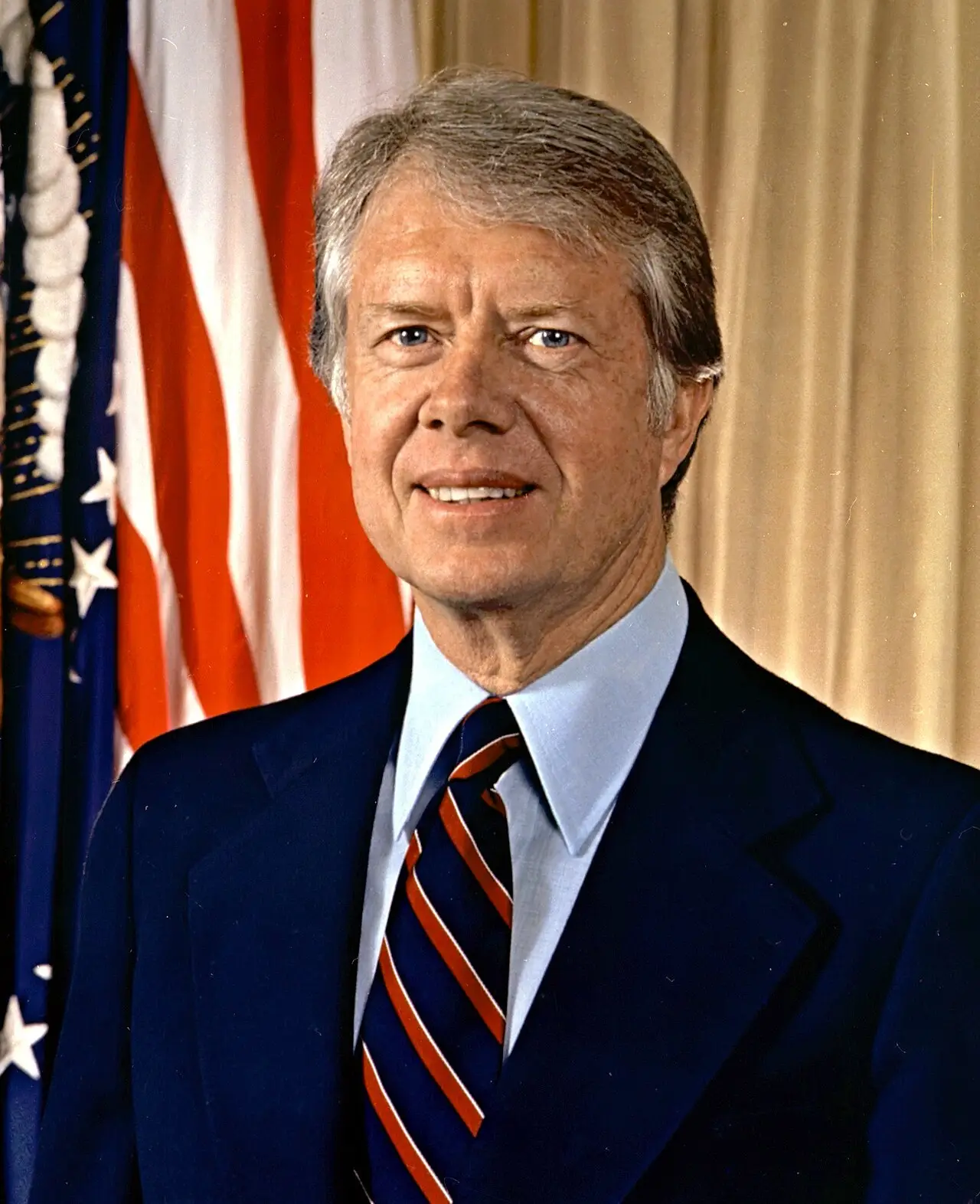
  3. 1980

    Carter puts windfall tax on oil profits into law

    The act taxed the extra profits oil producers made as prices rose during the 1979 oil crisis. It fitted into the energy policy Carter had built around conservation, price controls and new technology.

    Department of Defense. Department of the Navy. Naval Photographic Center · Public domain
  4. 2006

    Tornadoes tear through the United States, killing 29 in Tennessee

    More than sixty tornadoes struck the United States in a single outbreak, with Tennessee bearing the worst of it. The storms there killed 29 people, making it the deadliest part of the day's severe weather.

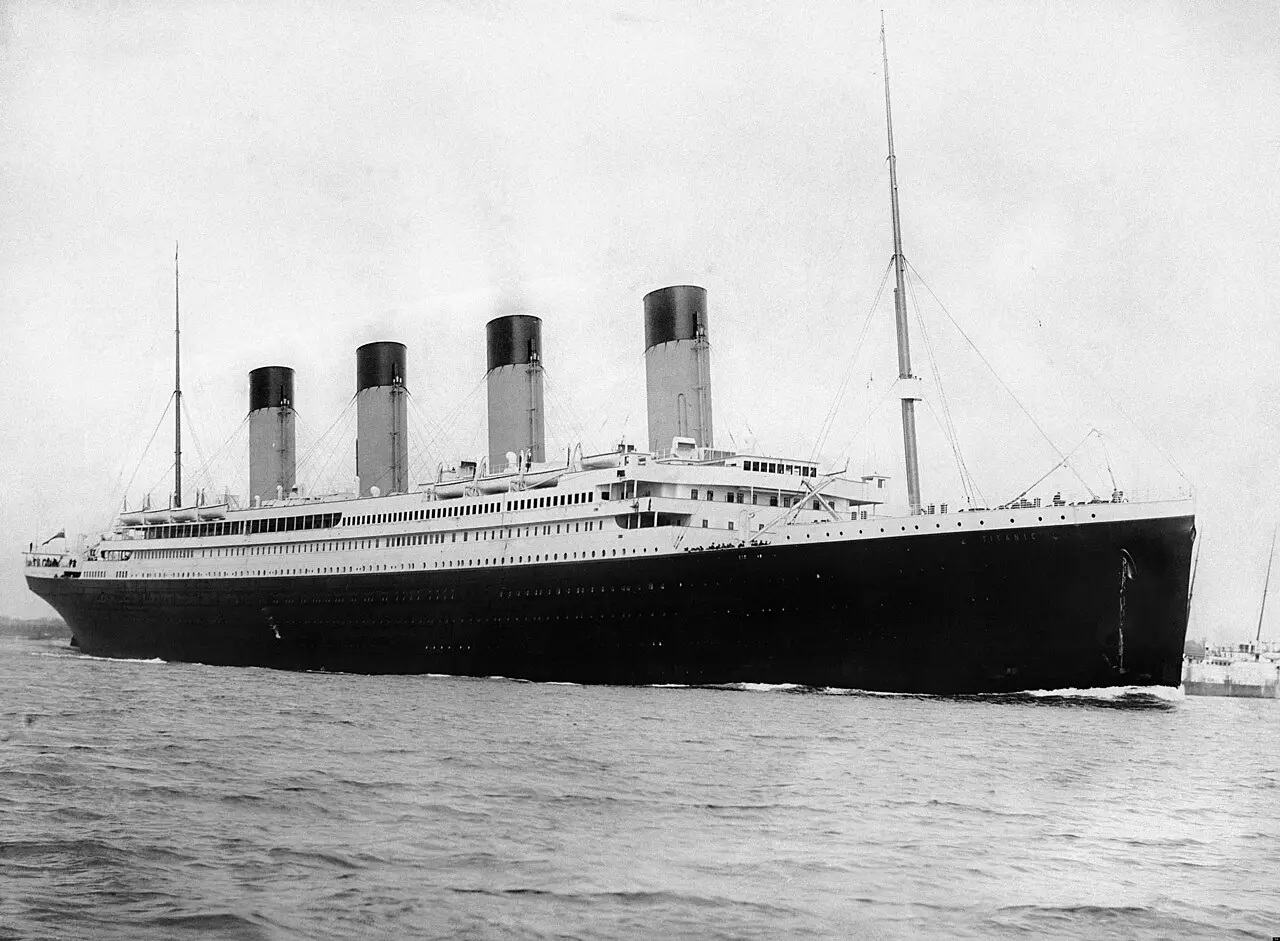
  5. 1912

    Titanic begins sea trials

    The new liner set out on her first test runs before leaving Belfast for Southampton, where she would soon begin her maiden crossing. Her sinking weeks later would make her one of the most famous disasters at sea.

    Francis Godolphin Osbourne Stuart · Public domain
  6. 1975

    Thousands of civilians flee Quảng Ngãi Province ahead of North Vietnamese troops

    In the app
  7. 1107

    Seljuk sultan Muhammad I Tapar begins siege of Shahdiz

    In the app
  8. 1968

    Stanley Kubrick's 2001: A Space Odyssey premieres at Uptown Theater

    In the app

25 more events on April 2

For the full day, download Chunks today. Every date, the stories behind them, and a new day each morning. Free to start.

Born on April 2

46 more in the app
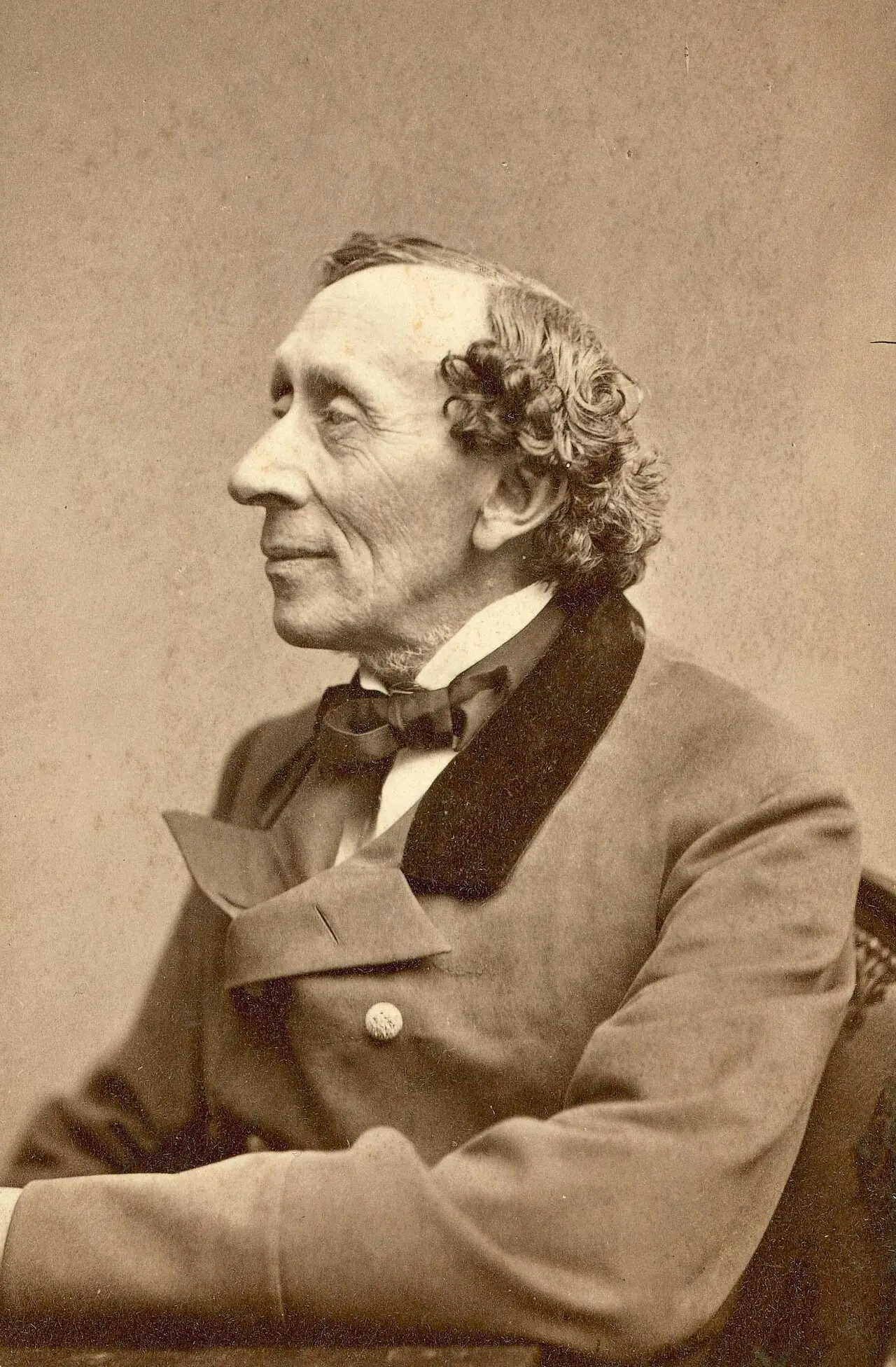
  • Hans Christian Andersen
    1805 – 1875 · Poet

    Hans Christian Andersen

    Danish writer best known for his fairy tales, among them The Little Mermaid, The Ugly Duckling and The Snow Queen. His stories have been rendered into well over a hundred languages and inspired ballets and films.

    Thora Hallager · Public domain
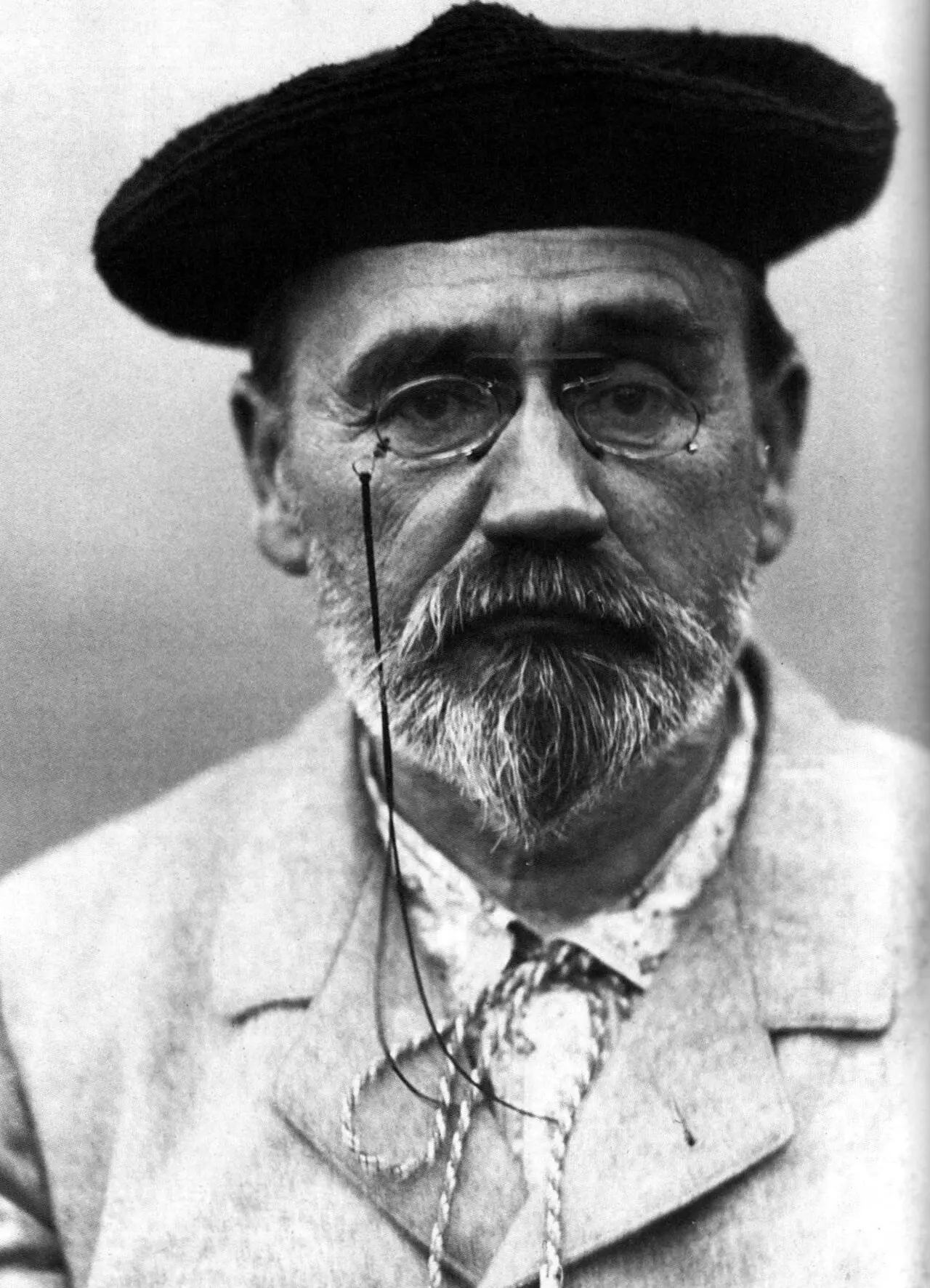
  • Émile Zola
    1840 – 1902 · Political reporter

    Émile Zola

    French novelist and journalist whose newspaper article J'Accuse...! helped win freedom for army officer Alfred Dreyfus, who had been falsely convicted. He is remembered as a leading figure of literary naturalism, the school that aimed to depict ordinary life with scientific precision.

    Émile Zola · Public domain

Died on April 2

59 more in the app
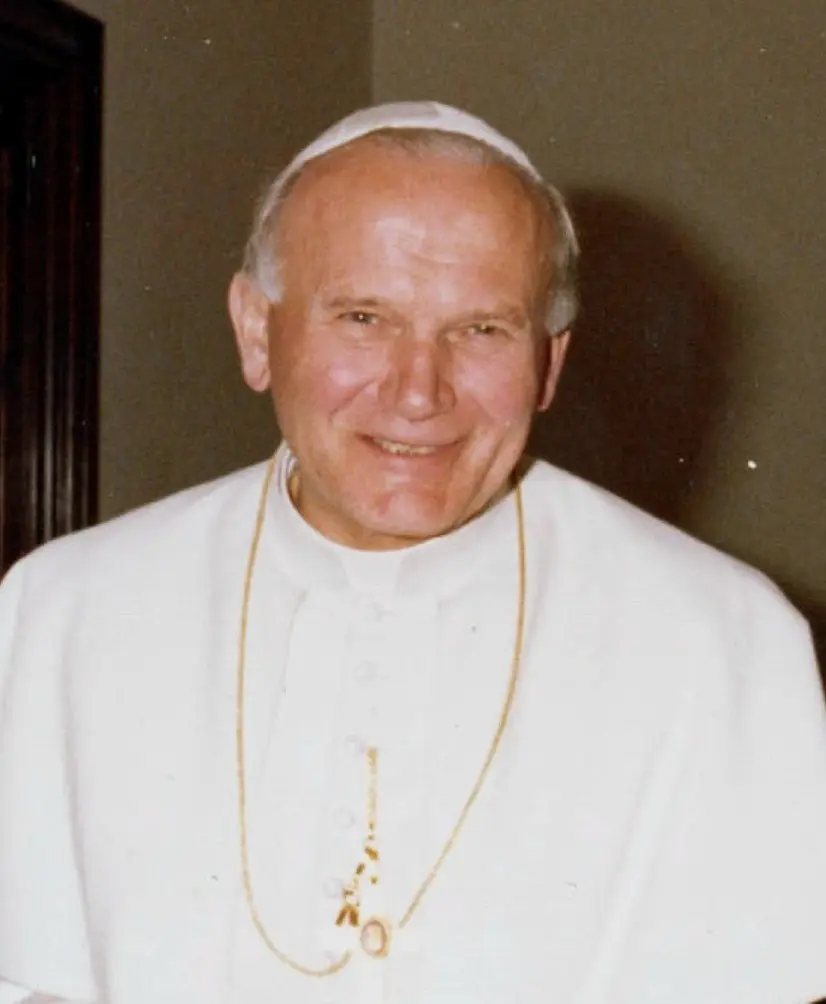
  • St. John Paul II
    1920 – 2005 · Transitional deacon

    St. John Paul II

    Karol Wojtyła, the first non-Italian pope in over 450 years, led the Catholic Church for almost 27 years. He is remembered for travelling widely, reaching out to other faiths, and his long, public papacy that ended with his death in Rome.

    Unknown author Unknown author · CC BY 3.0 pl
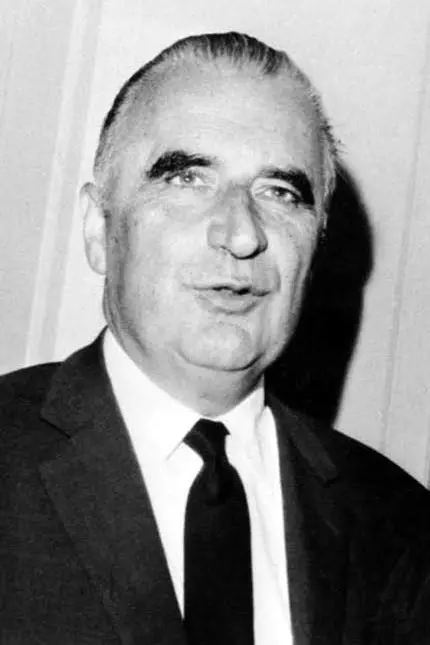
  • Georges Pompidou
    1911 – 1974 · Politician

    Georges Pompidou

    Georges Pompidou was a banker who served as Prime Minister under de Gaulle before becoming France's president. He died in office of a rare blood cancer, and is remembered for the Centre Pompidou, the modern art museum he initiated.

    Farabola · Public domain
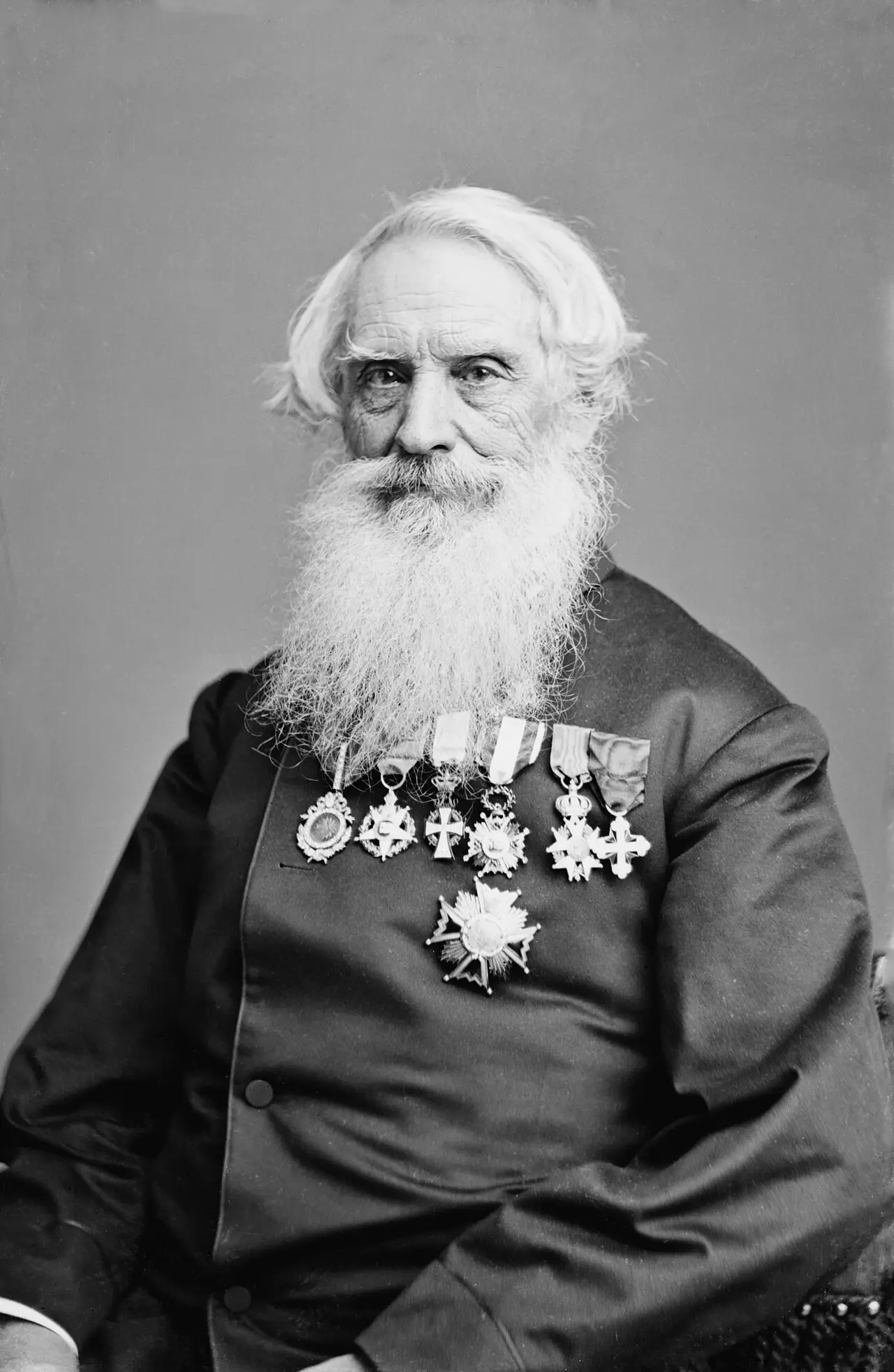
  • Samuel F.B. Morse
    1791 – 1872 · Inventor

    Samuel F.B. Morse

    Morse began as a portrait painter before turning, in middle age, to electrical signalling. He helped develop the single-wire telegraph and the dot-and-dash code that carries his name, and he pushed telegraphy into commercial use.

    Mathew Benjamin Brady · Public domain

Explore another day

Every date of the year has its own page. Try your birthday.