Skip to content

April 11
in history

Wilson blocks Japan's racial equality proposal at Paris (1919), and Tokugawa Yoshinobu surrenders Edo Castle to Imperial forces (1868). Born on this day: Andrew Wiles, Ferdinand Lassalle and John I. Died: Enver Hoxha, Kurt Vonnegut and Ahmed Ben Bella.

30 events, 57 births and 57 deaths on this date.

1919

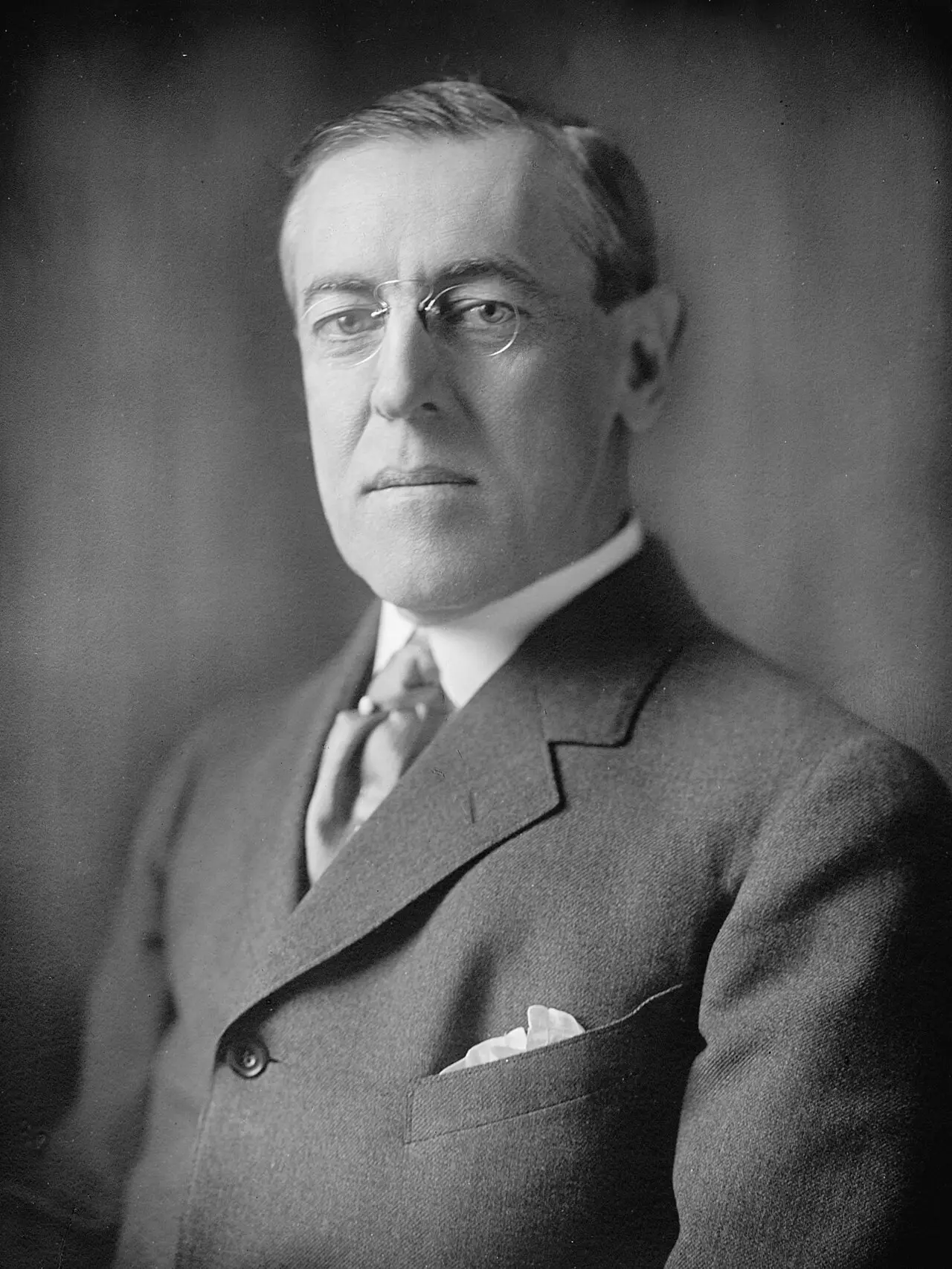
Wilson blocks Japan's racial equality proposal at Paris

At the Paris Peace Conference, Woodrow Wilson ruled that Japan's proposal to add racial equality to the League of Nations covenant needed unanimous backing, and so it failed. The decision left a lasting grievance in Japan and showed how far the peace talks were shaped by Western powers.

Harris & Ewing, photographer · Public domain
Events

  1. 1868

    Tokugawa Yoshinobu surrenders Edo Castle to Imperial forces

    The last Tokugawa shogun handed Edo Castle to the forces of the Emperor, bringing the Tokugawa shogunate to an end. The surrender closed a period of rule by warrior dictators that had lasted for more than six centuries.

  2. 1689

    William III and Mary II crowned joint sovereigns at Westminster Abbey

    The Dutch prince William and his wife Mary took the English, Scottish and Irish thrones together after the Glorious Revolution had forced James II into exile. Their shared coronation confirmed a partnership that would define the age.

  3. 491

    Flavius Anastasius becomes Byzantine emperor as Anastasius I

    Anastasius was a palace official who, after the death of Emperor Zeno, was chosen to rule from Constantinople. He is remembered for reforming the currency and tax system, and for building up the imperial treasury.

  4. 672

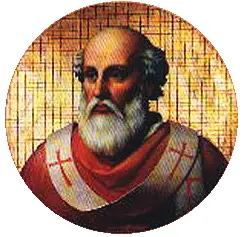
    Adeodatus II is consecrated as pope after Vitalian's death

    Adeodatus II took office as bishop of Rome following the death of Pope Vitalian. He spent much of his brief papacy repairing churches and opposing monothelitism, a doctrine that held Christ had only one will.

    Public domain
  5. 1815

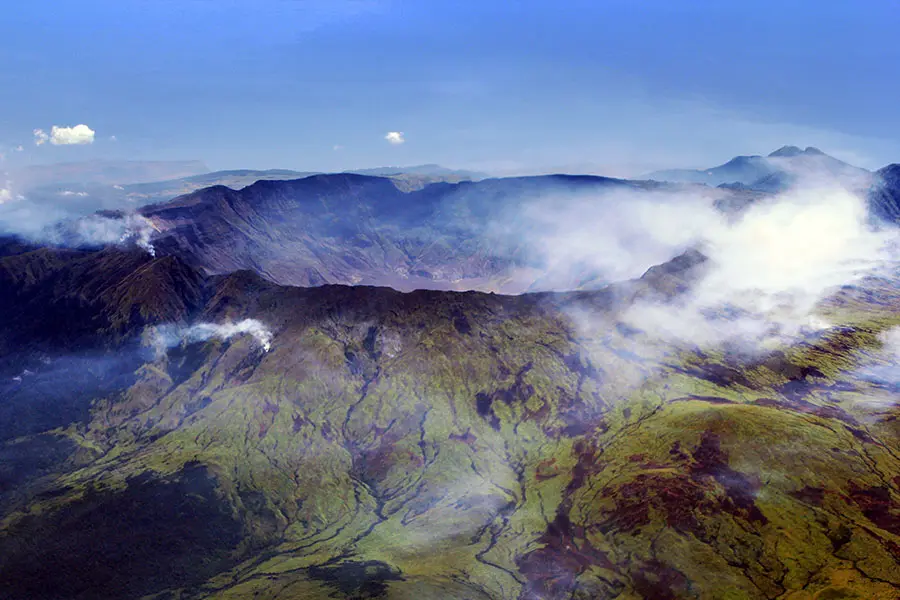
    Mount Tambora erupts on Sumbawa, killing 10,000 people

    Mount Tambora, on the Indonesian island of Sumbawa, blew out up to 150 cubic kilometres of material, the largest eruption on record. The debris it threw into the sky cooled the whole planet, so the following summer was remembered as unusually cold.

    Jialiang Gao (peace-on-earth.org) · CC BY-SA 3.0
  6. 1921

    Abdullah sets up first central government in Transjordan

    In the app
  7. 1970

    Apollo 13 aborts its Moon landing after an oxygen tank explodes

    In the app
  8. 1713

    Main Peace of Utrecht treaties signed in Utrecht

    In the app

24 more events on April 11

For the full day, download Chunks today. Every date, the stories behind them, and a new day each morning. Free to start.

Born on April 11

54 more in the app
  • Andrew Wiles
    1953 · Mathematician

    Andrew Wiles

    Andrew Wiles is an English mathematician at Oxford, best known for proving Fermat's Last Theorem, a problem that had resisted mathematicians for more than three centuries. His 1994 breakthrough, fixed with his former student Richard Taylor, was published in 1995.

    "copyright C. J. Mozzochi, Princeton N.J" · Attribution
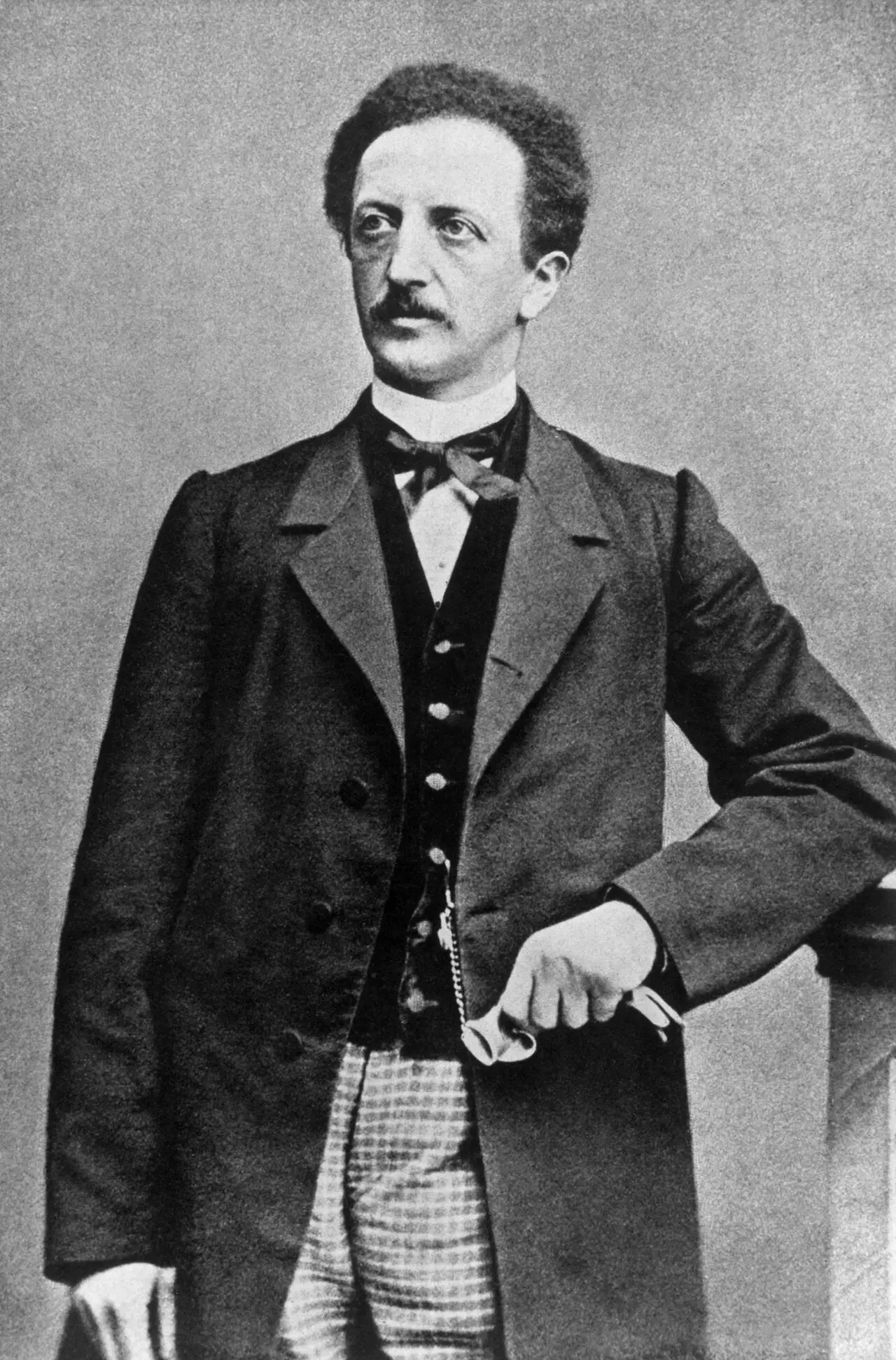
  • Ferdinand Lassalle
    1825 – 1864 · Writer

    Ferdinand Lassalle

    Born in Breslau, Lassalle founded the General German Workers' Association in 1863, the first independent workers' party in Germany. He argued for state-backed producers' co-operatives won through universal suffrage, a doctrine still known as Lassalleanism.

    Philipp Graff · Public domain
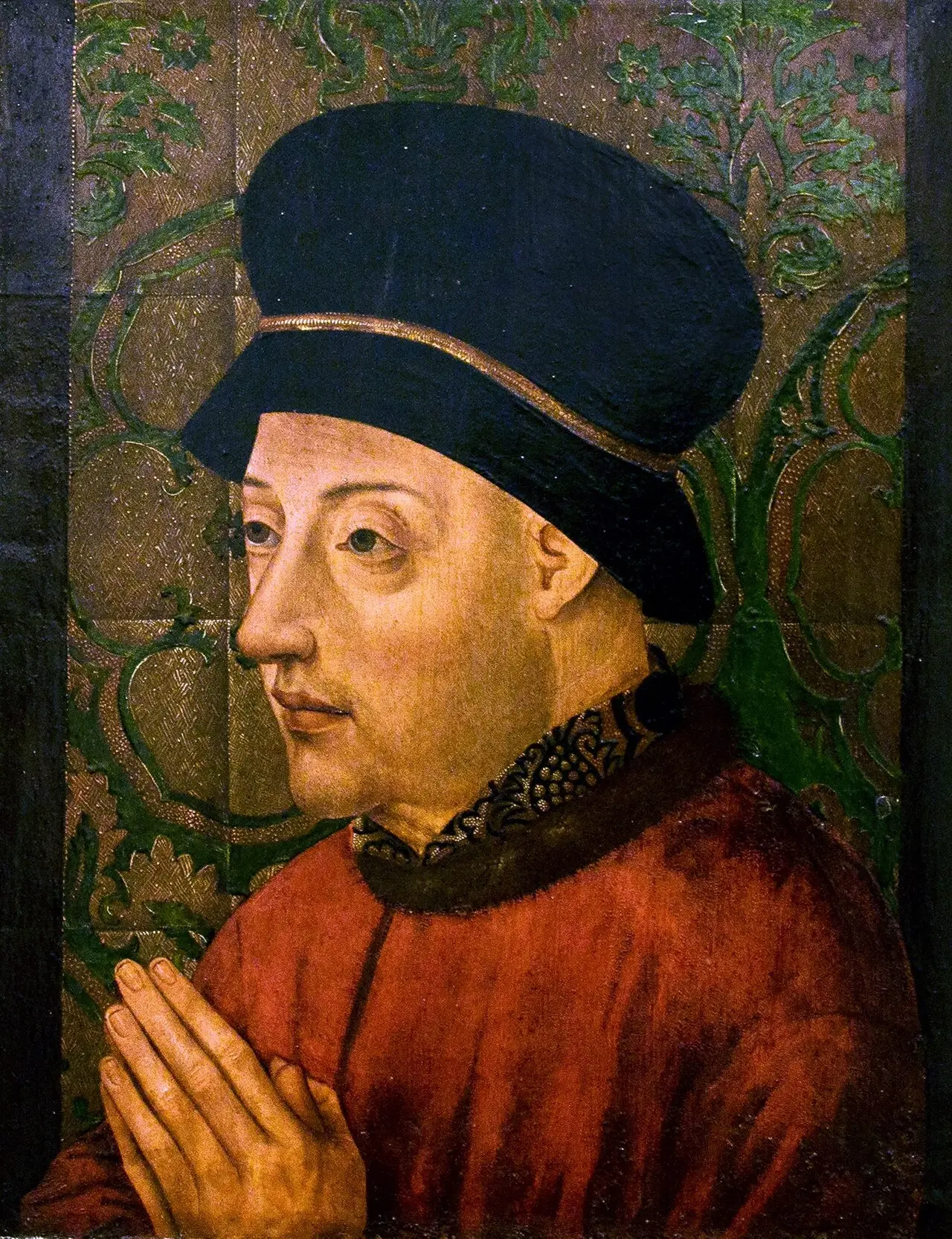
  • John I
    1357 – 1433 · Politician

    John I

    John I ruled Portugal for 48 years, the longest reign of any Portuguese monarch. He secured the country's independence from Castile in a succession war and founded the Aviz dynasty, whose reign saw Portugal's early overseas expansion begin.

    anonymous · Public domain

Died on April 11

54 more in the app
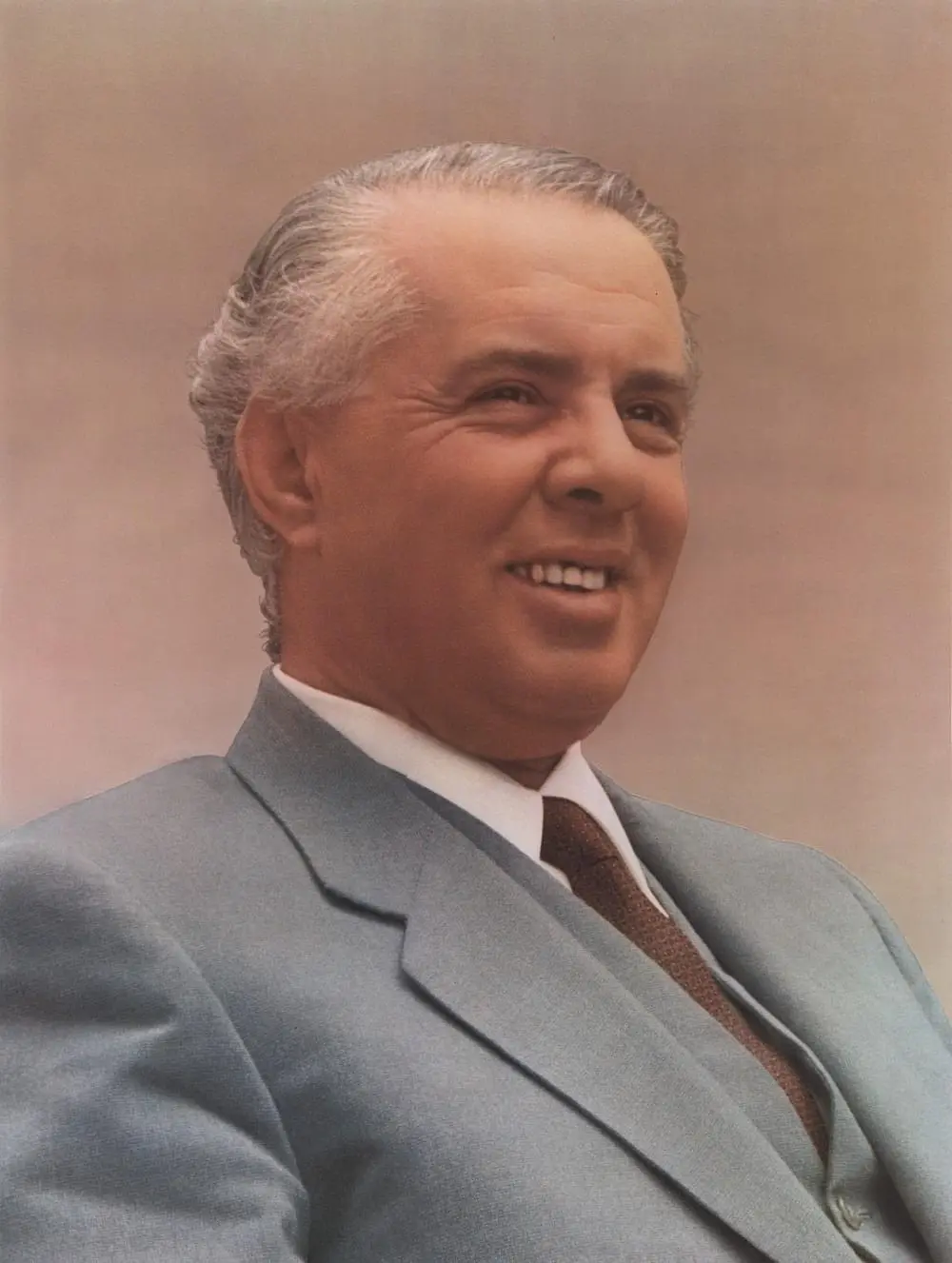
  • Enver Hoxha
    1908 – 1985 · Partisan

    Enver Hoxha

    Enver Hoxha led Albania for four decades, first as wartime partisan leader and then as a hard-line communist ruler who isolated the country and banned religion. He died in 1985 and was succeeded by Ramiz Alia.

    Petrit Kumi · Public domain
  • Kurt Vonnegut
    1922 – 2007 · Writer

    Kurt Vonnegut

    Vonnegut was an American novelist whose darkly funny satire, especially Slaughterhouse-Five, drew on his survival of the Dresden bombing as a prisoner of war. That 1969 novel about the firebombing made him famous and remains his best-known book.

    Bernard Gotfryd / Adam Cuerden · Public domain
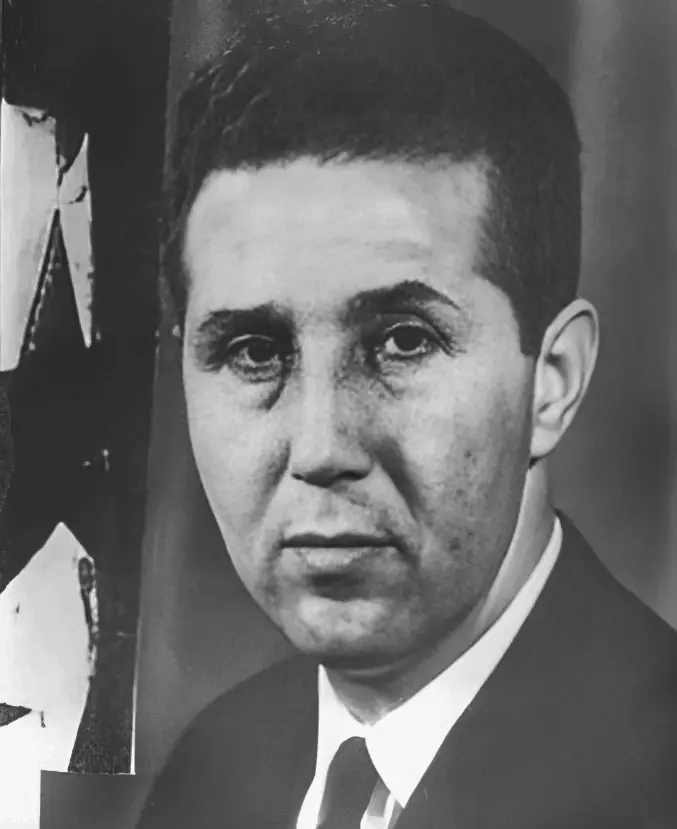
  • Ahmed Ben Bella
    1916 – 2012 · Politician

    Ahmed Ben Bella

    Ahmed Ben Bella was Algeria's first president, elected after independence from France in 1962 and overthrown in 1965. He had earlier led the National Liberation Front during the war of independence, and had also played football.

    République Algérienne · Public domain

Explore another day

Every date of the year has its own page. Try your birthday.