Skip to content

July 4
in history

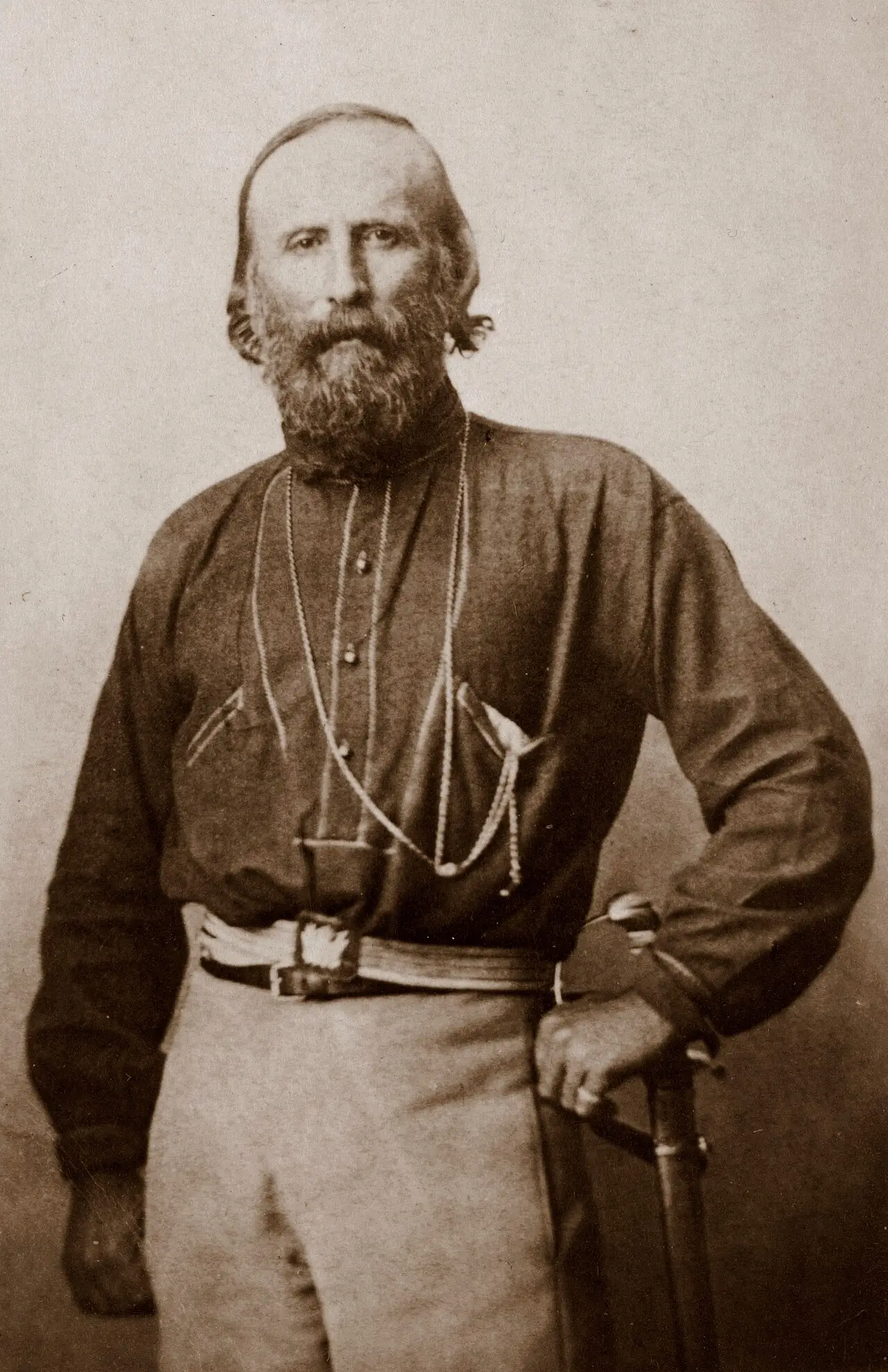
France presents Statue of Liberty to United States (1884), and Jinnah joins Sindh Madrasa-tul-Islam in Karachi (1887). Born on this day: Calvin Coolidge, Giuseppe Garibaldi and Nathaniel Hawthorne. Died: Marie Curie, Thomas Jefferson and John Adams.

34 events, 60 births and 64 deaths on this date.

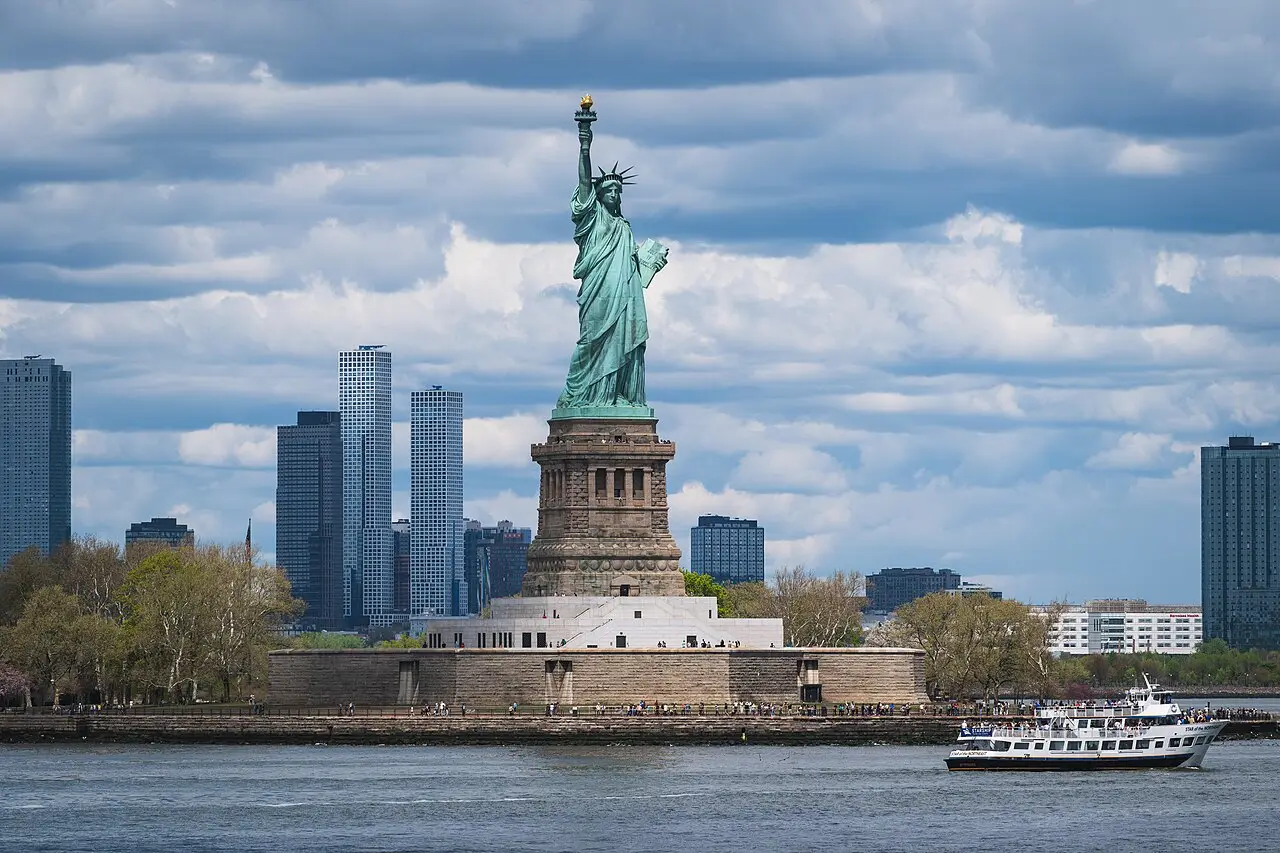
1884

France presents Statue of Liberty to United States

France handed over its copper statue, designed by Frédéric Bartholdi with an Eiffel framework, to the United States. Meant to mark American independence and the end of slavery, it would later stand on Liberty Island.

Christian David · CC BY-SA 4.0


Events

  1. 1887

    Jinnah joins Sindh Madrasa-tul-Islam in Karachi

    Muhammad Ali Jinnah, later the founder of Pakistan, enrolled at the Sindh Madrasa-tul-Islam in Karachi that day. The school was one of the earliest places where the future statesman received formal education in the city.

  2. 1946

    Philippines gains full independence from the United States

    After more than three centuries under Spain and then decades of American control, the Philippines became a fully independent republic on this day. The break ended a long colonial story and set the country on its own course as a sovereign nation.

  3. 1892

    Samoa skips ahead across the International Date Line

    To move closer to its trading partners on the other side of the date line, Samoa dropped a whole day from the calendar. Monday 4 July was then repeated, so that year ran to 367 days.

  4. 1881

    Tuskegee Institute opens in Alabama

    The Tuskegee Institute opened in Alabama as a school for training Black teachers, one of the first of its kind in the South. It later became a leading centre for education, and its name is tied to the Tuskegee Airmen of the Second World War.

  5. 1862

    Lewis Carroll tells Alice Liddell a story on the Thames

    Lewis Carroll, rowing with Alice Liddell and her sisters, spun out a tale that would later grow into Alice's Adventures in Wonderland. The boat trip ran from Oxford up to Godstow, on the river the Thames becomes there.

  6. 1862

    Lewis Carroll first tells Alice Liddell his Wonderland story

    In the app
  7. 1855

    Walt Whitman publishes Leaves of Grass

    In the app
  8. 1776

    Second Continental Congress adopts the Declaration of Independence

    In the app

28 more events on July 4

For the full day, download Chunks today. Every date, the stories behind them, and a new day each morning. Free to start.

Born on July 4

57 more in the app
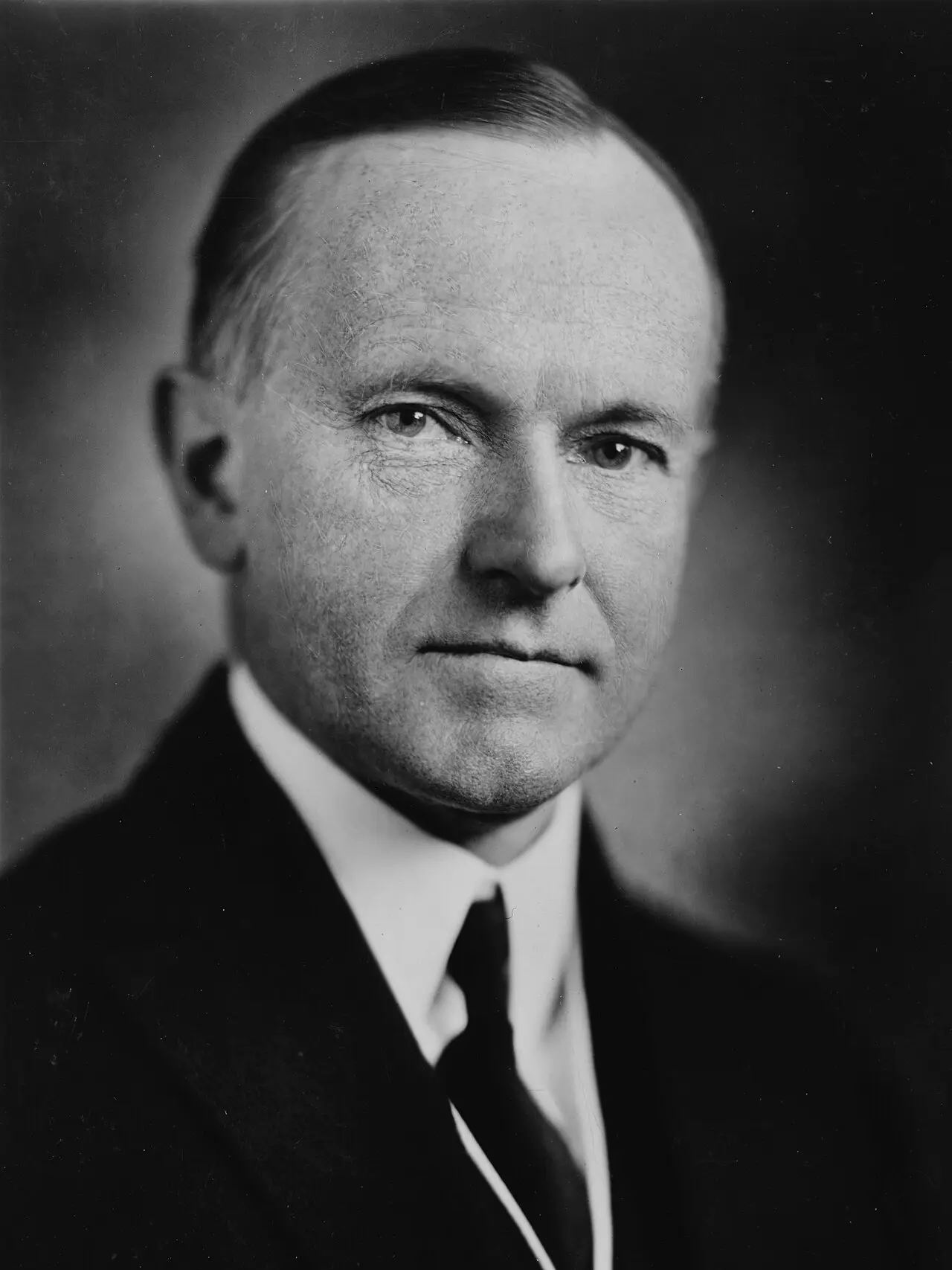
  • Calvin Coolidge
    1872 – 1933 · Politician

    Calvin Coolidge

    Calvin Coolidge, born on this day in 1872, became the 30th US president after a career in Massachusetts politics. He earned the nickname "Silent Cal" for his taciturn manner and dry humour, and his presidency spanned the booming Roaring Twenties.

    Harris & Ewing · Public domain
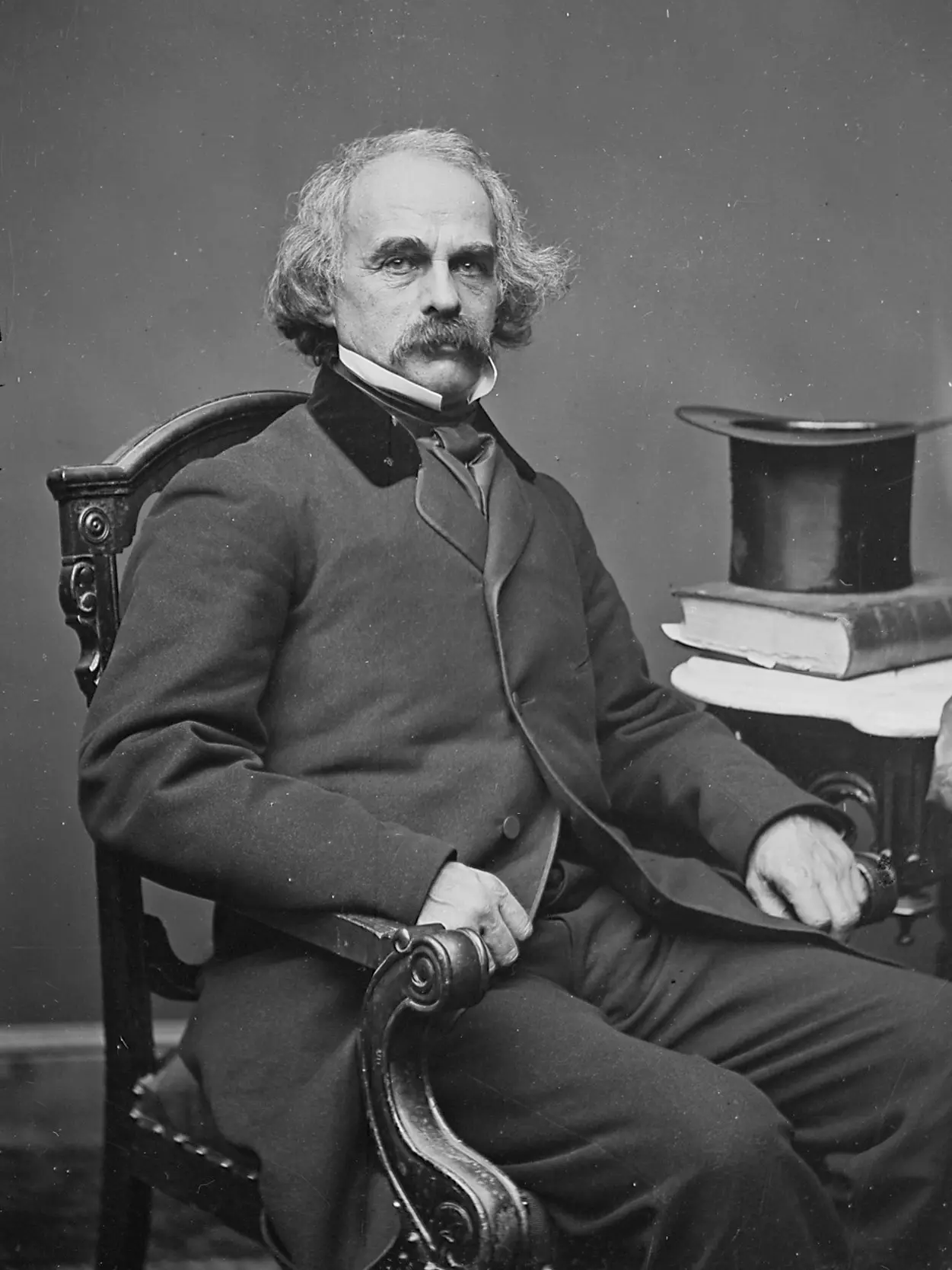
  • Nathaniel Hawthorne
    1804 – 1864 · Novelist

    Nathaniel Hawthorne

    Best known for The Scarlet Letter, a novel about guilt and sin in Puritan New England. He also wrote short stories and, after a political appointment, served as consul in Europe.

    Mathew Benjamin Brady · Public domain

Died on July 4

61 more in the app
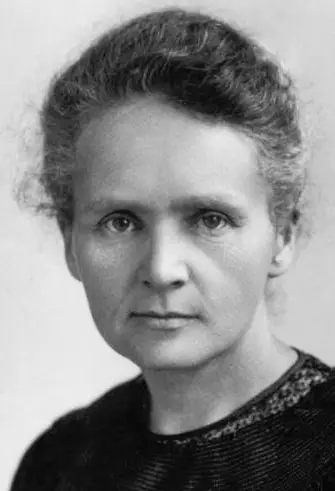
  • Marie Curie
    1867 – 1934 · Physicist

    Marie Curie

    Polish-born physicist and chemist who won two Nobel Prizes, in physics and in chemistry, the only person to win in two different sciences. She coined the term radioactivity and pioneered its use against cancer.

    Unknown author Unknown author · Public domain
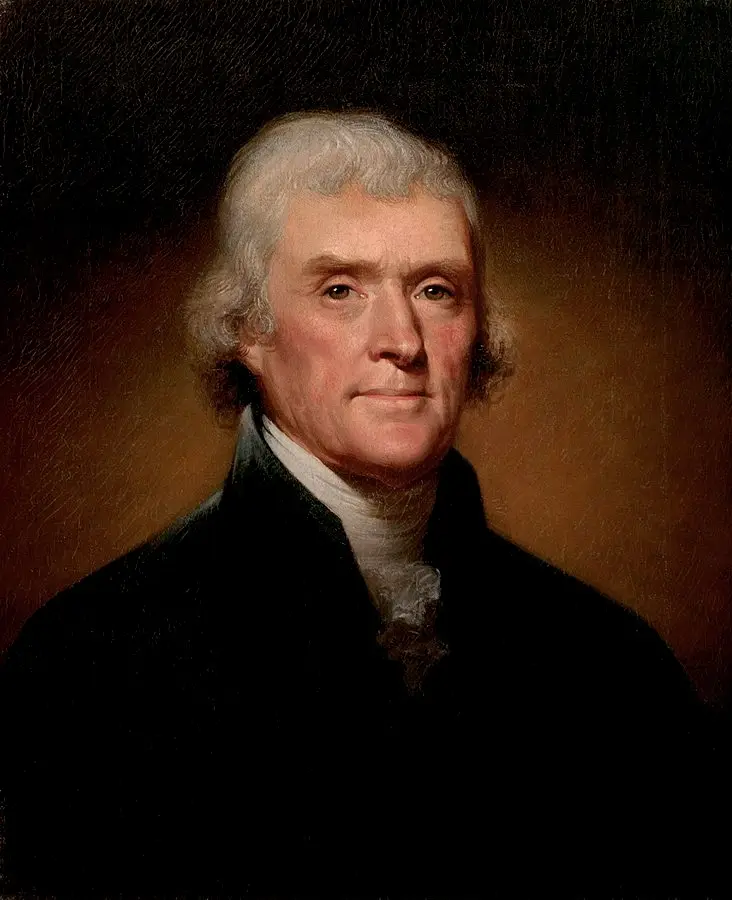
  • Thomas Jefferson
    1743 – 1826 · Teacher

    Thomas Jefferson

    Jefferson, the third US president, died on the fiftieth anniversary of the Declaration of Independence, which he drafted largely by himself in 1776. He is remembered as a leading voice for individual liberty, though he also owned enslaved people throughout his life.

    Rembrandt Peale · Public domain
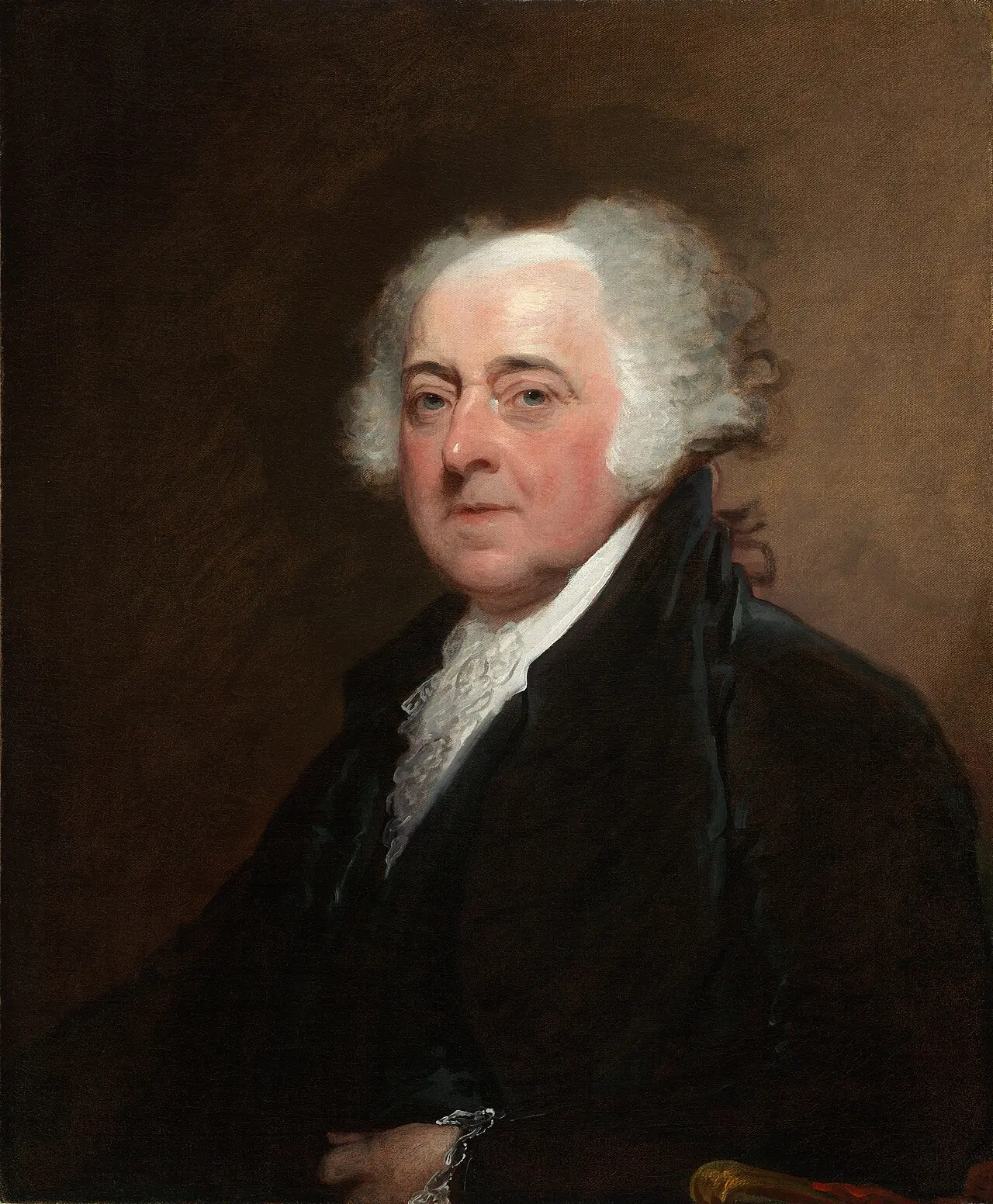
  • John Adams
    1735 – 1826 · Lawyer

    John Adams

    John Adams was the second president of the United States and a key voice for independence in the Continental Congress. He is also remembered as a lawyer who defended British soldiers over the Boston Massacre and as a leading author of the Declaration of Independence.

    Gilbert Stuart · Public domain

Explore another day

Every date of the year has its own page. Try your birthday.